13 Unique Kitchen Stove Ideas to Refresh Your Cooking Space
Your kitchen stove does more than cook dinner—it sets the tone for the whole room. Swapping out a tired old range for something unexpected can change how the space looks, feels, and functions.
From bold colors to smart tech, the right choice turns a daily necessity into a design win. The ideas below cover style, practicality, and clever upgrades that fit different layouts and budgets.
Whether you're planning a full remodel or just want a fresh focal point, there's something here to spark inspiration. Let's look at thirteen ways to make your cooking area stand out and work harder for you.
1. Go Bold with a Colorful Range
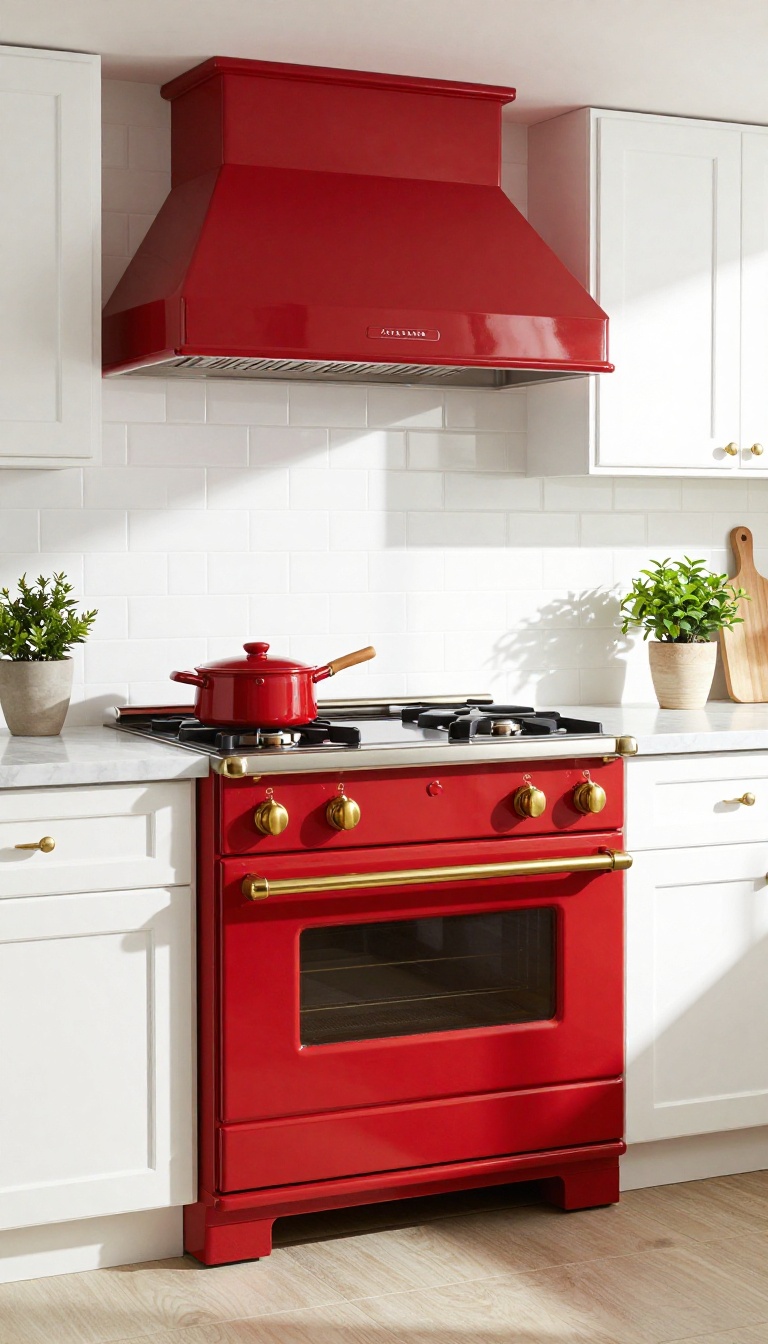
Color is one of the fastest ways to change a kitchen's entire mood, and the stove is the perfect canvas. A bold range—think cherry red, deep navy, or soft sage—doesn't just cook; it makes a statement. It draws the eye, adds warmth, and can turn a plain cooking corner into the room's best feature.
Choosing a colorful range is about more than picking a pretty shade. You want a hue that complements your cabinets, countertops, and backsplash without clashing. If your kitchen is mostly neutral, a bright range adds a pop of energy.
If you already have colorful cabinets, a more muted tone keeps things balanced.
Picking The Right Shade
Start by looking at the undertones in your kitchen. Warm wood cabinets pair well with reds, oranges, or cream. Cool gray or white cabinets let a blue or green range shine.
For a timeless look, go with a matte black range—it's bold but still elegant. Don't be afraid to test paint swatches or use online visualizers to see how the color will look in your space.
Matching Your Backsplash And Hardware
Your range should feel like part of the design, not an afterthought. If you choose a vibrant color, keep the backsplash simple—maybe white subway tile or a subtle pattern. Then, pick hardware (like knobs and handles) that echo the range's finish.
Brass or gold fixtures look great with red or navy, while chrome or stainless steel suits cooler tones.
Where To Find Colorful Ranges
Many major brands now offer color options beyond basic white, black, and stainless steel. Look at companies like Big Chill, Smeg, and La Cornue for retro-style ranges in fun colors. Even some mainstream brands have limited-edition colors.
If you're on a budget, consider a professional paint job for an existing stove, but make sure to use high-heat paint.
2. Embrace the Vintage Charm of a Retro Stove
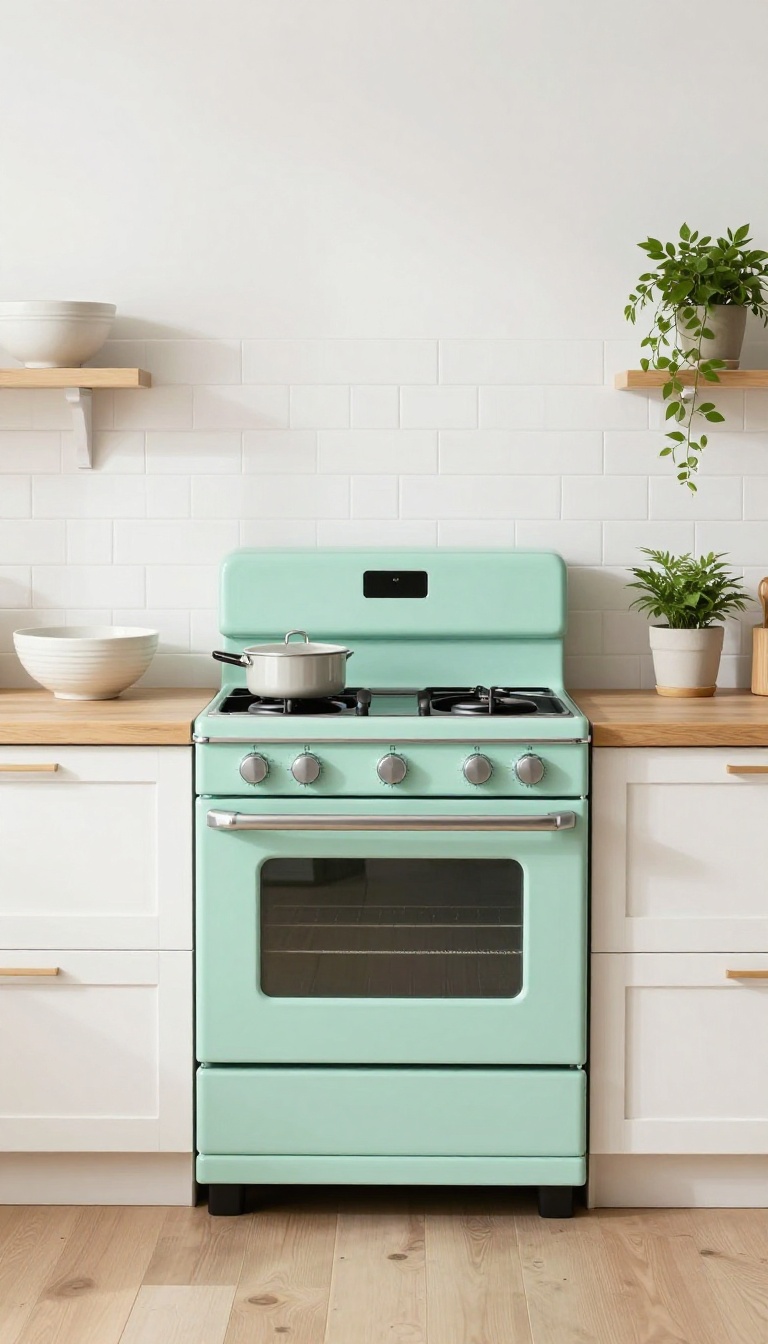
Retro stoves are having a moment, and it's easy to see why. Those rounded edges, pastel colors, and chrome details instantly transport you to a simpler time. But don't let the old-school looks fool you—today's retro ranges are packed with modern convenience.
You get that nostalgic vibe without sacrificing performance.
A retro stove can become the heart of your kitchen, drawing attention and sparking conversation. Whether you choose a classic mint green or a bold cherry red, this style adds personality and warmth. Plus, with updated features like convection baking and self-cleaning modes, you're not giving up functionality for aesthetics.
Why Retro Stoves Are Making A Comeback
Nostalgia is a powerful design tool. Retro stoves remind us of grandmother's kitchen, but they're built for today's cooking needs. Manufacturers have combined vintage looks with modern technology, making them reliable and efficient.
They're also a great way to break away from the sea of stainless steel that dominates many kitchens.
Choosing The Right Color And Finish
Color is the first thing people notice. Soft pastels like butter yellow or pale blue create a gentle, inviting feel, while brighter shades like turquoise or red make a bold statement. Consider your existing cabinetry and countertops—complementary colors work best.
Also, think about the finish: glossy enamel is classic, but matte options offer a more contemporary twist.
Modern Features Hiding In A Retro Body
Don't assume a retro stove is just a pretty face. Many models come with dual-fuel options, convection fans, and even smart controls. Some have air fryer modes or built-in griddles.
You can enjoy the charm of a 1950s design with the cooking power of the 2020s. Just check the specs to find the features that matter most to you.
3. Make a Statement with a Chef-Style Gas Range
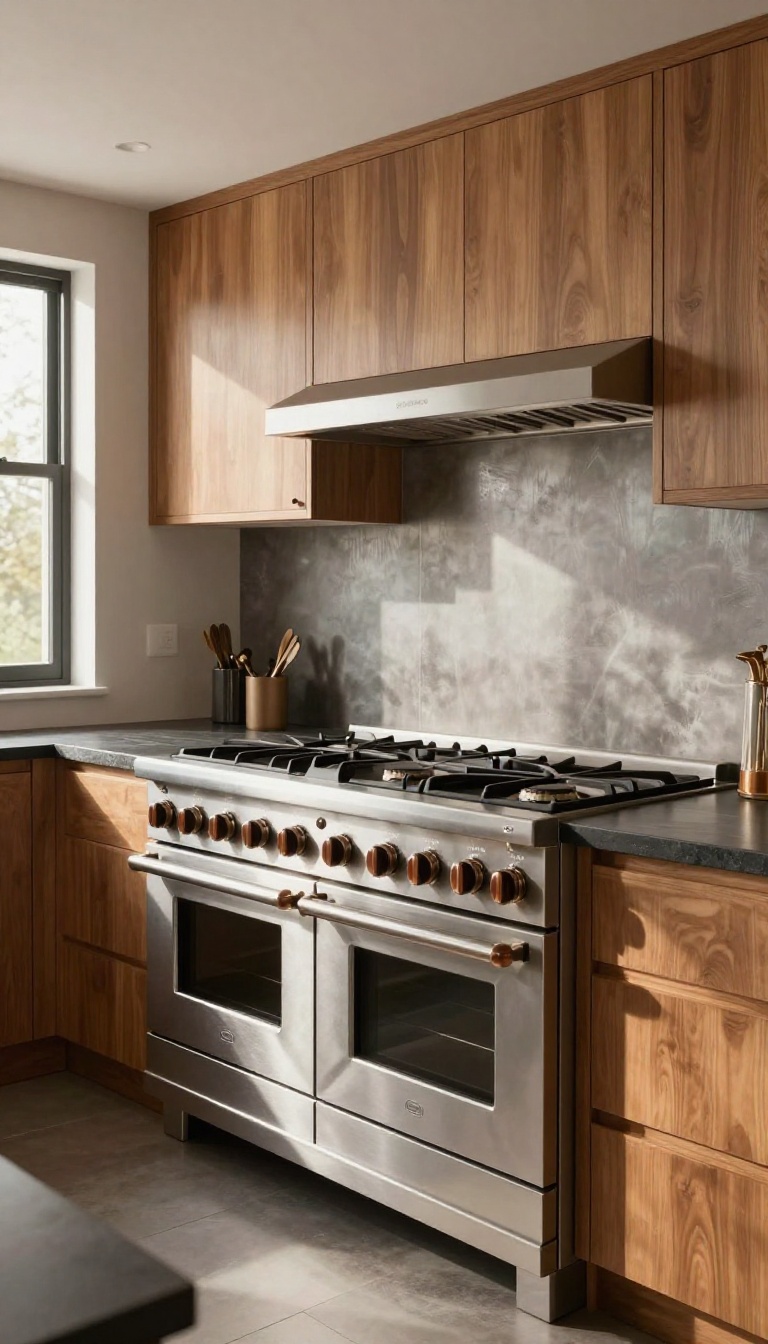
A chef-style gas range isn't just about looks—it's about serious performance. With heavy-duty burners, a spacious griddle, and a commanding presence, it instantly upgrades your cooking game. If you love hosting or experimenting with ambitious recipes, this might be the upgrade your kitchen has been waiting for.
Chef-style ranges bring professional power into a home kitchen. They're built to handle high heat, multiple pans at once, and long cooking sessions without breaking a sweat. The design often features a bold stainless steel finish, commercial-style knobs, and a sturdy frame that feels built to last.
For many home cooks, having that kind of muscle changes how they approach meals—from quick weeknight stir-fries to slow-simmered weekend sauces. But it's not just about function. A range like this becomes the centerpiece of the room, drawing the eye and making a clear style statement.
Whether your kitchen leans modern, industrial, or even farmhouse, a chef-style range fits right in and adds a layer of authenticity.
Why Go Professional?
The main draw is power. High-BTU burners boil water in minutes and give you precise control for searing, sautéing, and simmering. A griddle plate is perfect for pancakes, smash burgers, or even grilling veggies.
Plus, these ranges often come with features like convection ovens and multiple oven racks, so you can cook for a crowd without juggling timings.
Design And Fit
Chef-style ranges come in various widths, from 30 inches to 60 inches, so they can fit most kitchen layouts. They're usually deeper than standard stoves, so check your cabinet depth and clearance. Many models offer customizable handles, knobs, and even color options, letting you match your kitchen's vibe while keeping that commercial edge.
Installation And Ventilation
Because these ranges produce more heat and smoke, proper ventilation is key. A powerful range hood is a must, preferably one that vents outside. Also, consider gas line requirements and whether you need a professional installation.
It's worth the extra planning to ensure safety and performance.
Maintenance And Care
Heavy-duty doesn't mean high-maintenance. Most chef-style ranges have grates that lift off for easy cleaning, and some have self-cleaning ovens. Wipe down stainless steel regularly to keep fingerprints at bay.
With a little care, your range will stay looking sharp for years.
4. Go Sleek and Modern with an Induction Cooktop
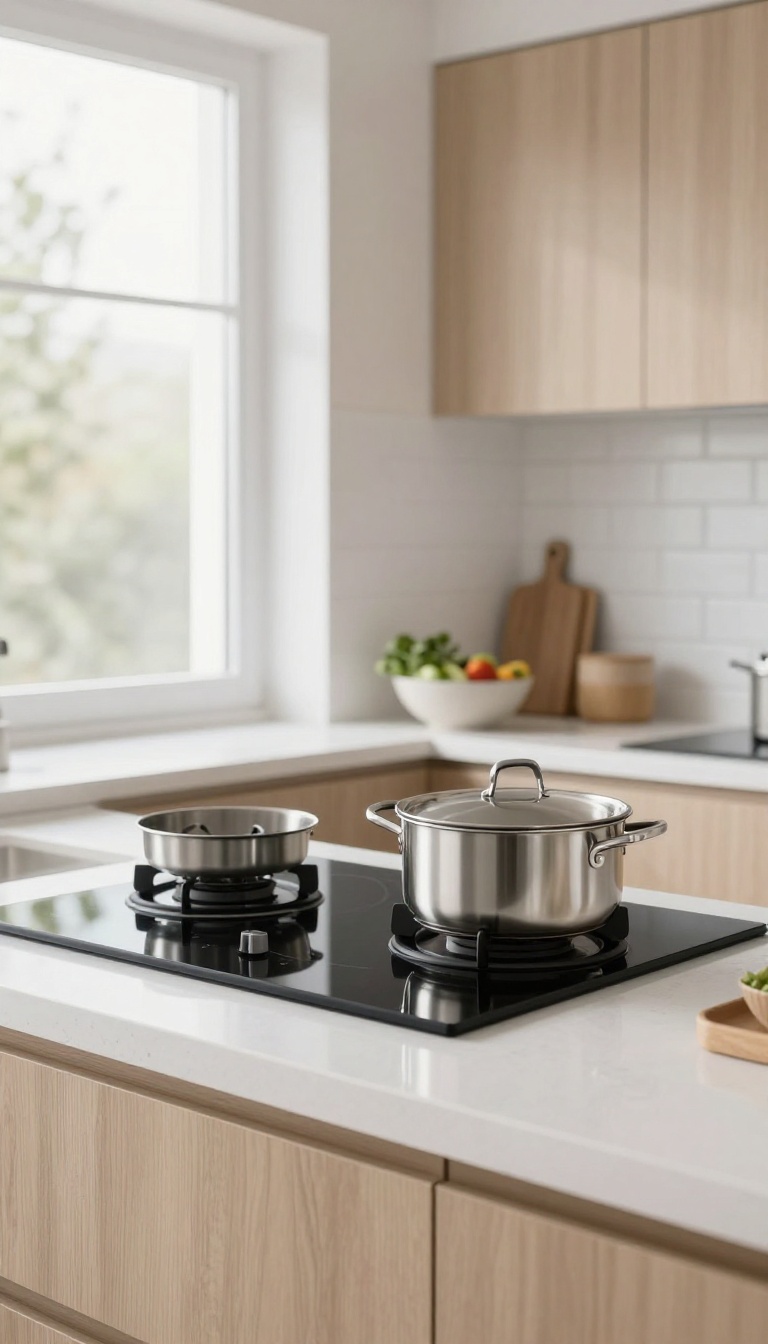
Induction cooking has quietly become the go-to choice for modern kitchens, and it's not hard to see why. Instead of heating a coil or a flame, induction uses magnetic fields to heat the pan directly. That means faster boiling, precise temperature control, and a cooktop that stays cool to the touch the moment you remove the pan.
If you've ever burned yourself on a hot burner or struggled to keep a glass stove clean, induction solves both problems. The surface is smooth glass, so spills wipe up with a damp cloth. And since the cooktop itself doesn't get hot, there's less risk of accidental burns—especially if you have kids around.
Induction cooktops are sleek, safe, and incredibly fast. They heat pans directly, so they're energy-efficient and easy to clean—just wipe the glass surface.
Why Induction Feels Like The Future
The biggest surprise for most people is the speed. A pot of water that takes five minutes on a gas burner can be boiling in under two on induction. That's because energy goes straight into the pan, not into the air around it.
You'll also notice the precision—simmering a sauce or melting chocolate is much easier when you can dial in an exact temperature.
What To Look For In An Induction Range
When shopping, pay attention to the number of burners and their sizes. Some models have flexible zones that let you combine two burners into one large area for griddles or big pots. Also check the power rating—higher wattage means faster heating.
And don't forget to look for a bridge element if you often use rectangular pans.
Do You Need New Cookware?
Induction only works with magnetic pans, so a quick test is to see if a magnet sticks to the bottom. Most stainless steel and cast iron pans work fine, but aluminum and copper won't unless they have a magnetic layer. If you're due for new cookware anyway, this is a great excuse to upgrade to a set that's induction-ready.
Installation And Power Requirements
Induction ranges need a dedicated 240-volt circuit, so you might need an electrician to run a new line if your kitchen isn't already set up. But the payoff is worth it—no gas line, no ventilation duct, and a cleaner look overall. Plus, many models now come with built-in safety features like auto-shutoff and child locks.
5. Add Flexibility with a Modular Cooktop
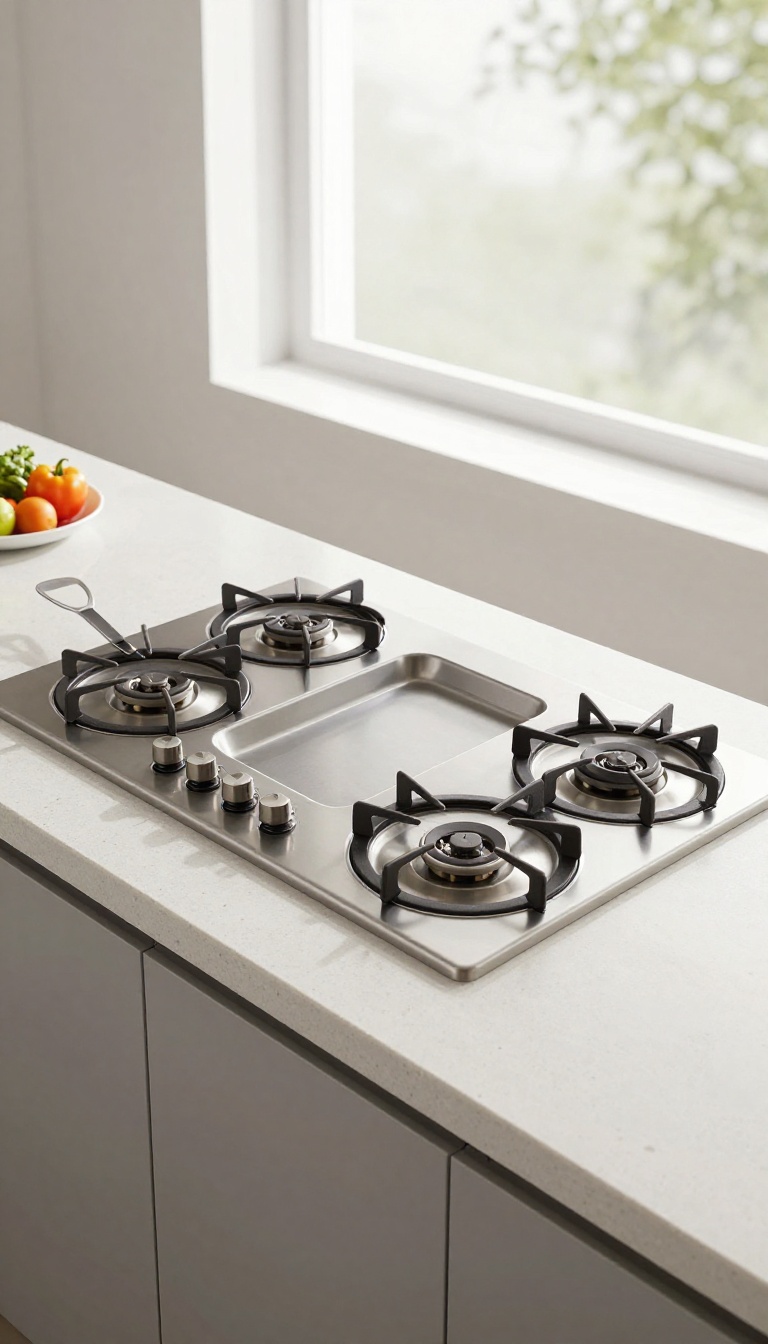
If you've ever wished your stove could do more than just boil water, a modular cooktop might be the answer. These flexible units let you swap out different cooking modules—like a standard burner, a griddle, or a teppanyaki grill—so your cooking surface adapts to what you're making. It's a smart way to personalize your kitchen without committing to a single type of cooking.
Modular cooktops are all about giving you options. Instead of being stuck with a fixed set of burners, you can mix and match modules to suit your cooking style. For example, if you love pancakes and grilled sandwiches, a griddle module is a game-changer.
If you enjoy hosting stir-fry nights, a teppanyaki grill brings the fun right to your kitchen. The flexibility means you can tailor your stove to your favorite recipes.
Why Go Modular?
The biggest draw is customization. You can start with a basic setup and add modules as your cooking needs evolve. It's also great for small kitchens because you only use the space you need.
Plus, if you move, you can take your modules with you—they're portable and easy to install.
Popular Modules To Consider
Common modules include standard gas or electric burners, a flat griddle for breakfast foods, a grill grate for indoor grilling, and even a wok ring for high-heat stir-frying. Some brands offer specialty modules like a deep fryer or a steamer, so you can really build a cooktop that matches your culinary habits.
Installation And Cost
Modular cooktops are typically installed in a standard cutout, similar to a regular cooktop. They're available in gas, electric, or induction versions. Costs vary depending on the brand and modules you choose, but they're often comparable to high-end traditional cooktops.
Since you can add modules later, you can spread out the investment.
6. Save Space with a Combination Microwave and Convection Oven
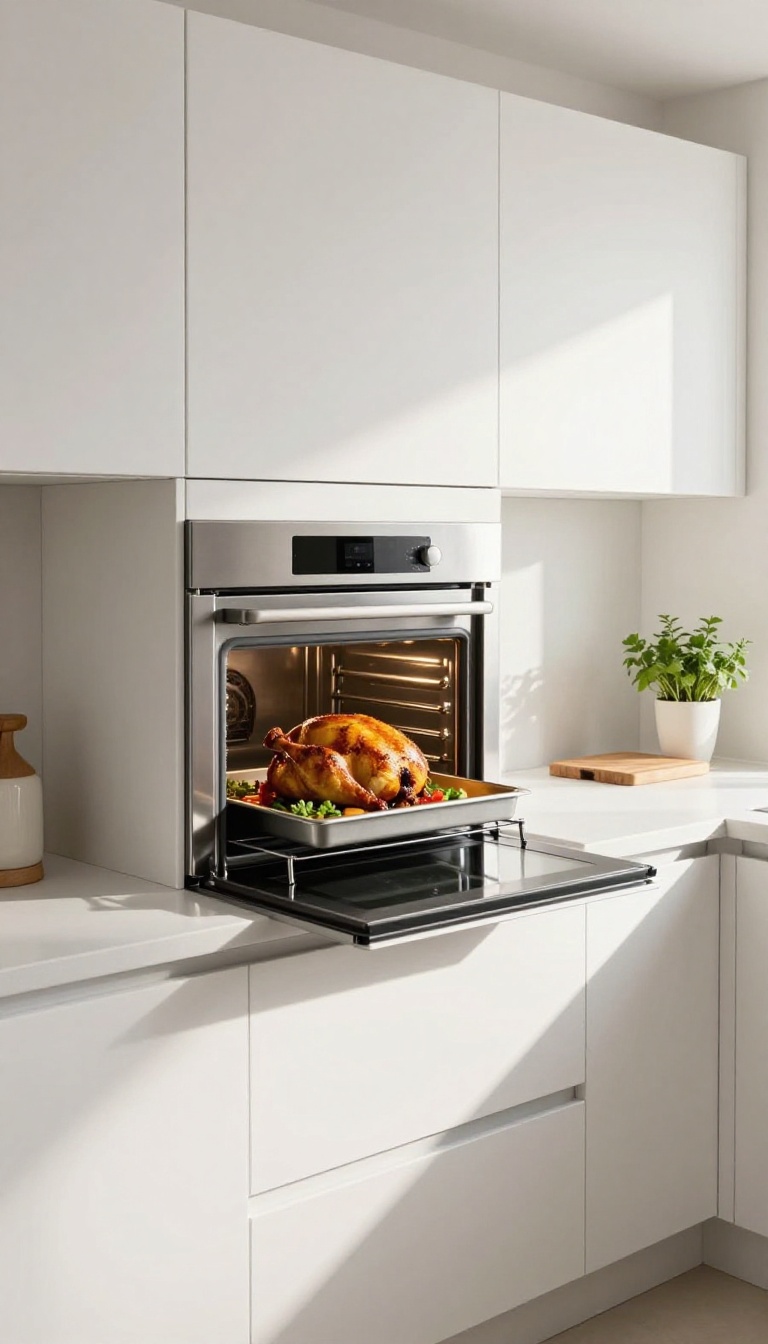
Tiny kitchens force tough choices, especially when it comes to appliances. A combination microwave and convection oven solves that dilemma by merging two workhorses into one compact unit. This isn't just a microwave that can also bake—it's a real convection oven that roasts, bakes, and crisps, all while saving precious counter or cabinet space.
It's a smart swap for anyone who loves to cook but doesn't have a sprawling kitchen.
The beauty of a combo unit is its versatility. You get the speed of a microwave for reheating and defrosting, plus the even browning and baking power of a convection oven. That means you can roast a chicken, bake cookies, or crisp up frozen fries without firing up your full-size oven.
Many models also include air-frying modes, making them even more multi-functional. Installation is flexible, too. Some units are designed to sit on the counter, while others can be built into cabinetry or mounted under upper cabinets to free up workspace.
If you're short on counter space, a drawer-style microwave with convection capabilities slides right under the counter and doesn't eat into your prep area. When shopping, look for a model with a high wattage for faster cooking, a good capacity (around 1. 0 to 1.
5 cubic feet), and easy-to-clean interiors. Sensor cooking and preset programs are nice extras, but don't overpay for features you won't use. A combo unit is a practical, space-saving upgrade that doesn't sacrifice cooking quality.
How A Combo Unit Differs From A Standard Microwave
A standard microwave only uses microwave radiation to heat food quickly, which can leave things soggy or unevenly cooked. A convection microwave adds a heating element and a fan that circulates hot air, giving you that dry, even heat you get from a regular oven. This means you can bake, roast, and even brown foods, opening up a whole new range of possibilities without a second appliance.
Where To Install It: Countertop, Built-in, Or Drawer
Countertop models are the easiest to set up—just plug them in and go. If you're renovating, built-in models can be tucked into a cabinet column or above the range, giving a seamless look. Drawer-style units slide under the counter, which is perfect for keeping counters clear and making the microwave accessible to everyone, including kids.
Key Features To Look For
Focus on size, power, and ease of use. A 1. 0 to 1.
5 cubic foot capacity works for most households. Look for at least 1000 watts of microwave power and a convection element that heats up quickly. Sensor cooking that automatically adjusts time and temperature is a handy bonus.
Also, check for a stainless steel interior—it's easier to clean and more durable than plastic.
7. Create a Focal Point with a Pot Filler Faucet
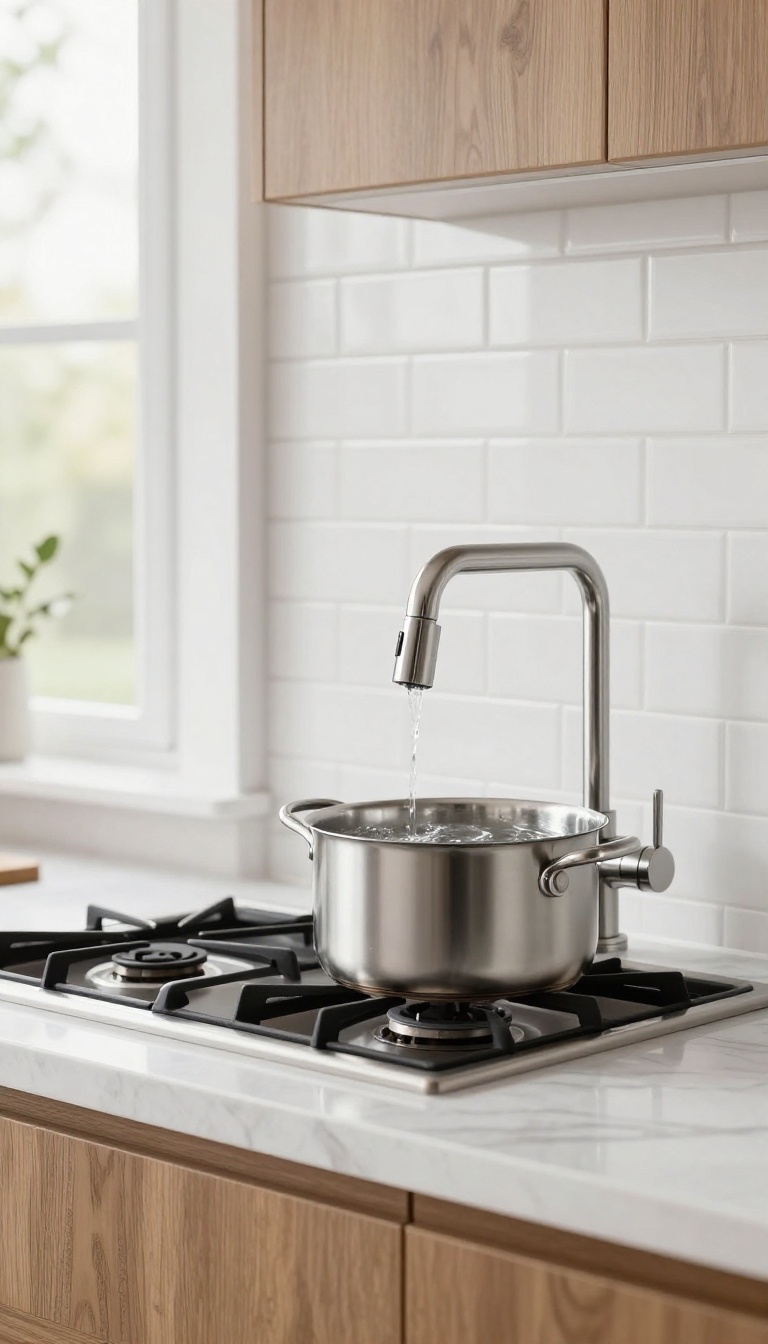
A pot filler faucet is one of those details that feels like a luxury until you use it—then it becomes a necessity. Mounted on the wall behind your stove, it swings out over your burners, so you can fill a big stockpot without lugging it from the sink. Beyond the convenience, it adds a professional, chef-inspired look that instantly upgrades your cooking zone.
Pot fillers aren't just for serious home cooks. They're a practical upgrade for anyone who boils pasta, makes soups, or cans vegetables. The faucet sits high enough to clear tall pots, and the swing arm tucks neatly against the backsplash when not in use.
Plus, it creates a striking visual anchor above your range, drawing the eye and making the stove area feel intentional and polished.
Why A Pot Filler Makes Sense
Think about how often you fill a large pot from the sink—it's heavy, awkward, and you risk splashing water everywhere. A pot filler eliminates that dance. You simply swing the arm over, turn it on, and fill right where you cook.
It's especially handy for pasta night or when you're simmering a big batch of broth. The convenience is something you'll appreciate every single time.
Style And Placement Options
Pot fillers come in a range of finishes—from polished chrome to matte black or brushed brass—so you can match your other fixtures or make a statement. They're typically mounted about 12 to 18 inches above the cooktop, centered on the stove. For a seamless look, choose a model that complements your backsplash and hardware.
Some designs feature a double-jointed arm for extra reach, while others have a simple single joint that folds flat.
Installation And Practical Tips
Installing a pot filler requires a dedicated water line, so it's best done during a remodel or when you have access to the wall behind the stove. Make sure the faucet is positioned so it doesn't block your range hood or cabinet doors. Also, consider a model with a spring-loaded valve to prevent accidental drips.
While it's not a DIY for most, the payoff is a functional and stylish upgrade that feels custom.
8. Upgrade to a Smart Stove with Wi-Fi Connectivity
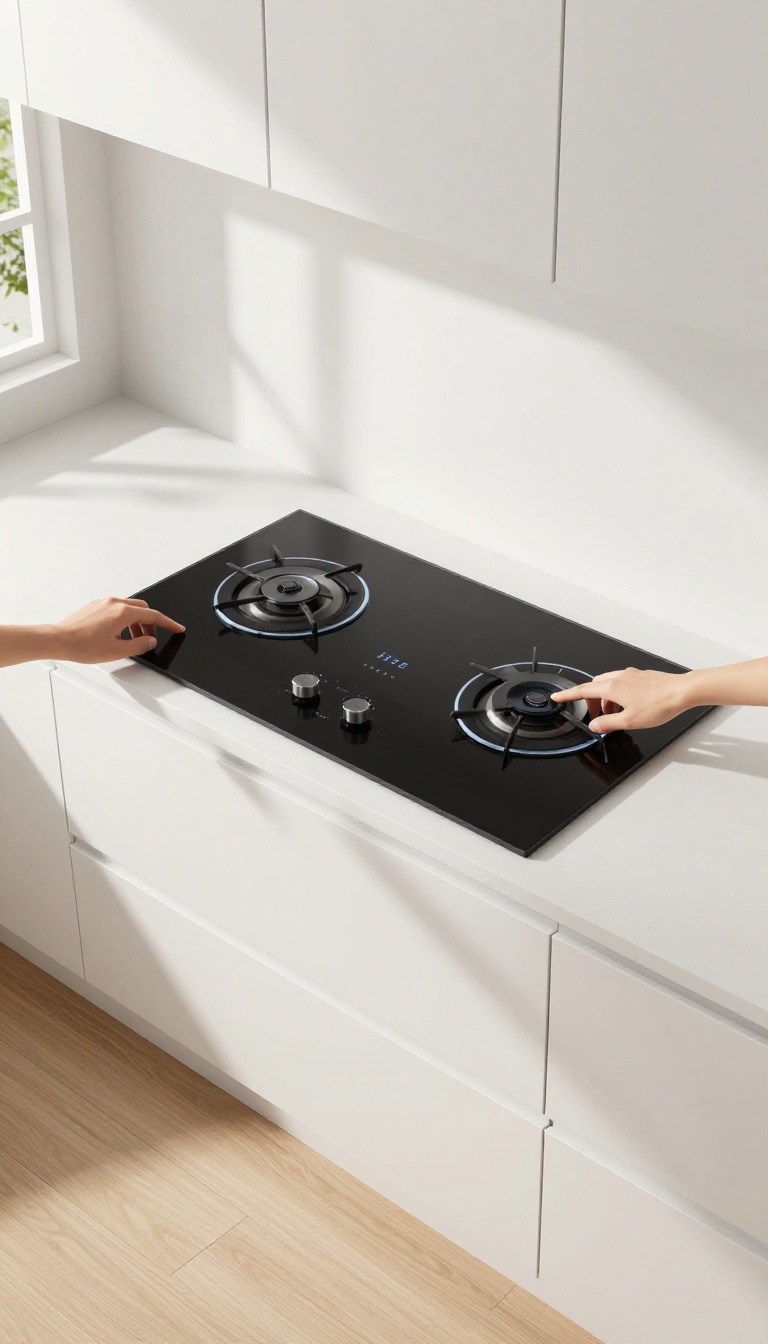
Your phone already controls your lights, thermostat, and doorbell—why not your stove? Smart ranges and cooktops bring that same level of convenience to the heart of your kitchen, letting you manage cooking from anywhere in the house or even while you're out running errands. These aren't just gimmicks.
They solve real problems: forgotten preheats, overcooked dinners, or the nagging worry of whether you left the burner on. With a few taps, you get more control and peace of mind.
Smart stoves come with built-in Wi-Fi that connects to an app on your phone. You can preheat the oven remotely, set timers for each burner, and get alerts when your dish reaches the right temperature. Some models even work with voice assistants like Alexa or Google Assistant, so you can say, "Hey Google, set the oven to 350, " without touching a dial.
What makes these stoves truly useful is the feedback loop. You can monitor cooking progress from the couch or check if the oven is off while you're at work. For busy families or anyone who juggles multiple tasks, that extra layer of control makes a real difference.
Hands-free Control With Voice Assistants
Voice control isn't just a party trick—it's genuinely handy when your hands are covered in flour or sauce. Many smart stoves integrate with Alexa, Google Assistant, or Apple HomeKit, allowing you to preheat, adjust temperatures, or start a timer with simple commands. You can also ask for recipe guidance or conversion help if your stove's app includes those features.
Remote Monitoring And Alerts
One of the biggest perks is getting notifications straight to your phone. Forgot to turn off the oven? Check the app.
Want to know when the roast is done? Set a timer and get an alert. Some models even send alerts if the temperature fluctuates or if a burner is left on too long.
That's peace of mind you can't get with a traditional stove.
Smart Features For Better Cooking
Beyond remote control, these stoves often include guided cooking modes. You can pick a preset for baking, broiling, or slow cooking, and the oven adjusts settings automatically. Some apps offer step-by-step recipes that sync with the stove, adjusting temperature and time as you go.
It's like having a sous-chef built into your appliance.
9. Choose a Downdraft Ventilation System for a Clean Look
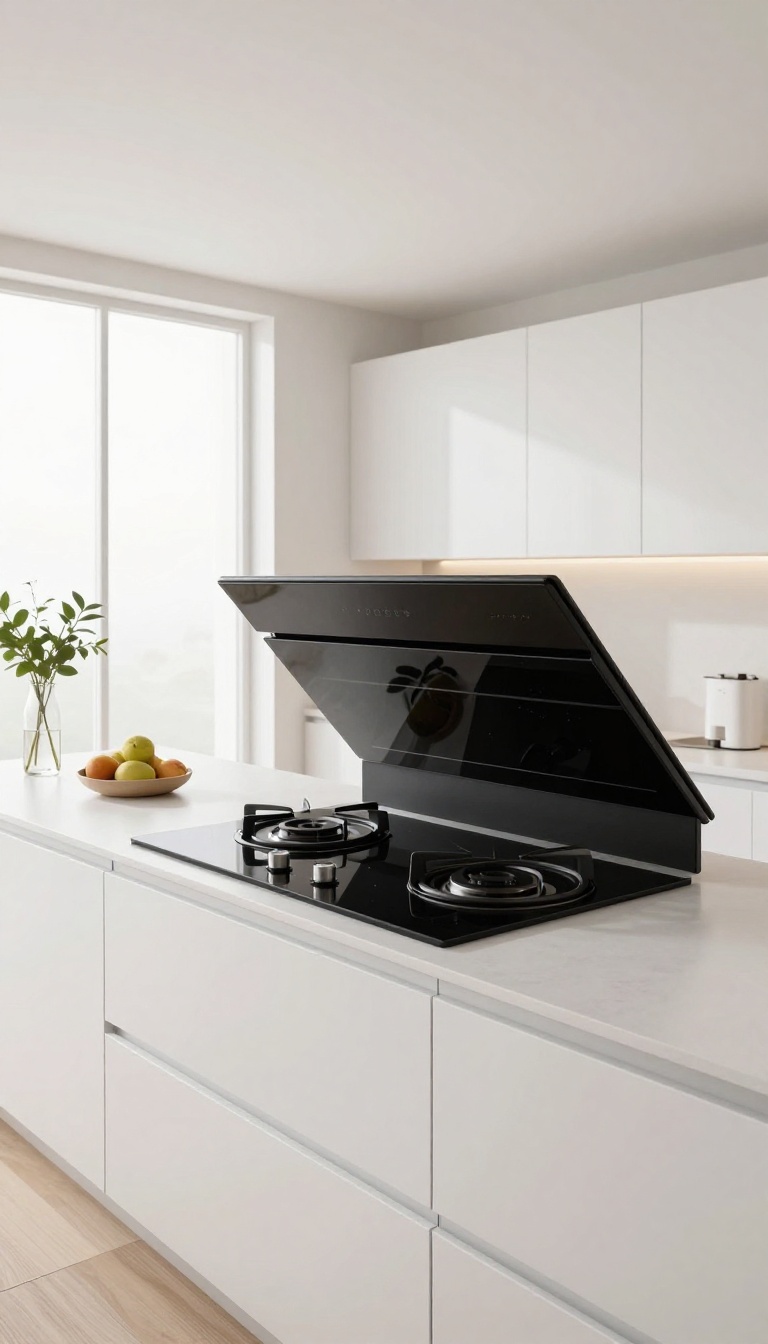
A bulky range hood can dominate a kitchen, especially in open layouts or islands. Downdraft ventilation offers a sleek alternative by hiding the fan until you need it. When you're cooking, the vent rises from the cooktop to capture smoke and odors, then disappears when you're done.
This keeps your sightlines clear and your kitchen feeling more spacious.
Downdraft systems have been around for decades, but modern designs are quieter and more powerful than ever. They're a natural fit for island cooktops where overhead hoods would block sightlines or feel visually heavy. With a downdraft, you get effective ventilation without sacrificing that open, airy look.
How Downdraft Vents Work
Downdraft vents sit flush with the cooktop surface when not in use. When you turn them on, a vent pops up from the back or side of the range. The fan pulls air downward through a filter and exhausts it outside or through a recirculating system.
Because the vent is close to the pan, it captures smoke and steam right at the source.
Where They Work Best
Downdraft systems shine in kitchens with islands or peninsulas, where an overhead hood would block views or feel imposing. They're also great for kitchens with low ceilings, where a large hood might overwhelm the space. If you're planning a cooktop on an island, a downdraft keeps the design clean and uncluttered.
What To Consider Before You Buy
Downdraft vents are generally less powerful than overhead hoods, so they work best for moderate cooking—think boiling pasta or sautéing, not heavy frying. They also require more ductwork, which can be trickier in existing homes. But for many kitchens, the trade-off is worth it: you get a sleek look and effective ventilation for everyday cooking.
10. Add a Pop of Texture with a Tile Surround
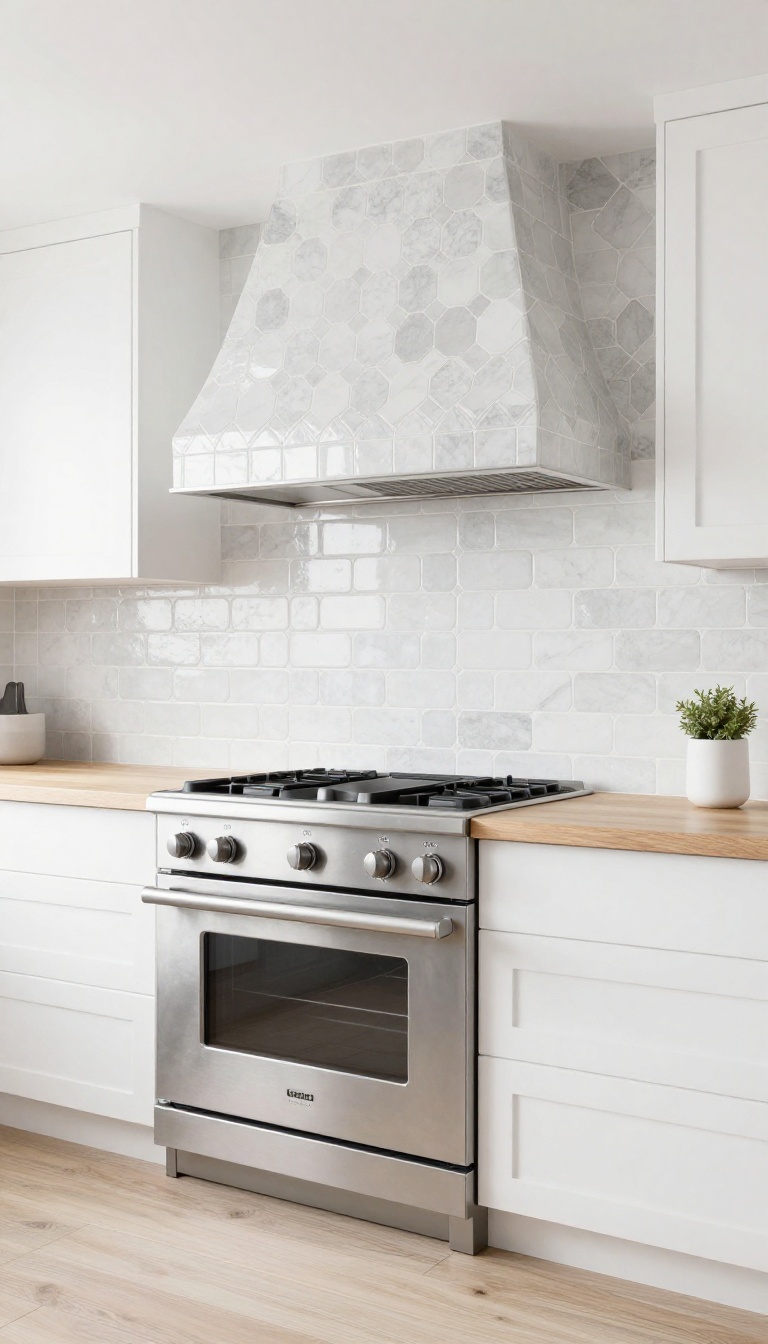
A plain backsplash does its job, but it rarely makes anyone stop and look. Extending decorative tile up the wall behind your stove turns that functional strip into a focal point. It’s a simple upgrade that adds depth, color, and personality to your cooking area—and it’s surprisingly practical too.
The area behind your stove takes a beating. Splatters, steam, and heat all land there, so you need something durable and easy to clean. Tile fits the bill perfectly.
But instead of stopping at the standard four-inch backsplash, run the tile all the way up to the hood or ceiling. This creates a dramatic visual anchor that draws the eye upward and makes the whole kitchen feel taller. Plus, you can mix materials like glossy subway tiles with matte hexagons or add a textured stone mosaic for extra interest.
Why Extend The Tile Higher?
Most kitchens have a short backsplash that leaves a gap between the counter and the upper cabinets. That gap can look unfinished, especially behind a stove. By extending the tile, you eliminate that awkward break and create a seamless, polished look.
It also protects more of the wall from grease and moisture, which means less scrubbing and repainting down the line. If you’re short on counter space, the vertical tile can even make the area feel more open and intentional.
Choosing The Right Tile
Texture matters more than you might think. Smooth glass or ceramic tiles are easy to wipe down, but they can feel a bit flat. Textured options like handmade zellige tiles, tumbled marble, or ridged porcelain add subtle dimension that catches the light beautifully.
If you’re worried about cleaning, stick with glazed tiles that have a slight sheen—they resist stains and wipe clean with a damp cloth. For a bold statement, go with a patterned tile in a contrasting color. For a more subtle look, pick a neutral tone that complements your cabinets and countertops.
Installation Tips And Tricks
You don’t need to be a pro to pull this off, but a few tips help. Start by measuring the area and ordering extra tile—around 10% more than you think you need. Use a level to mark a straight line, and apply thinset mortar evenly.
If you’re working with heavy stone, use a tile saw for clean cuts. And don’t forget to seal natural stone tiles to prevent staining. If you’re not confident, hiring a professional for a day is worth the cost, especially if you’re dealing with tricky corners or a range hood.
11. Go for a Built-In Oven and Cooktop Combo
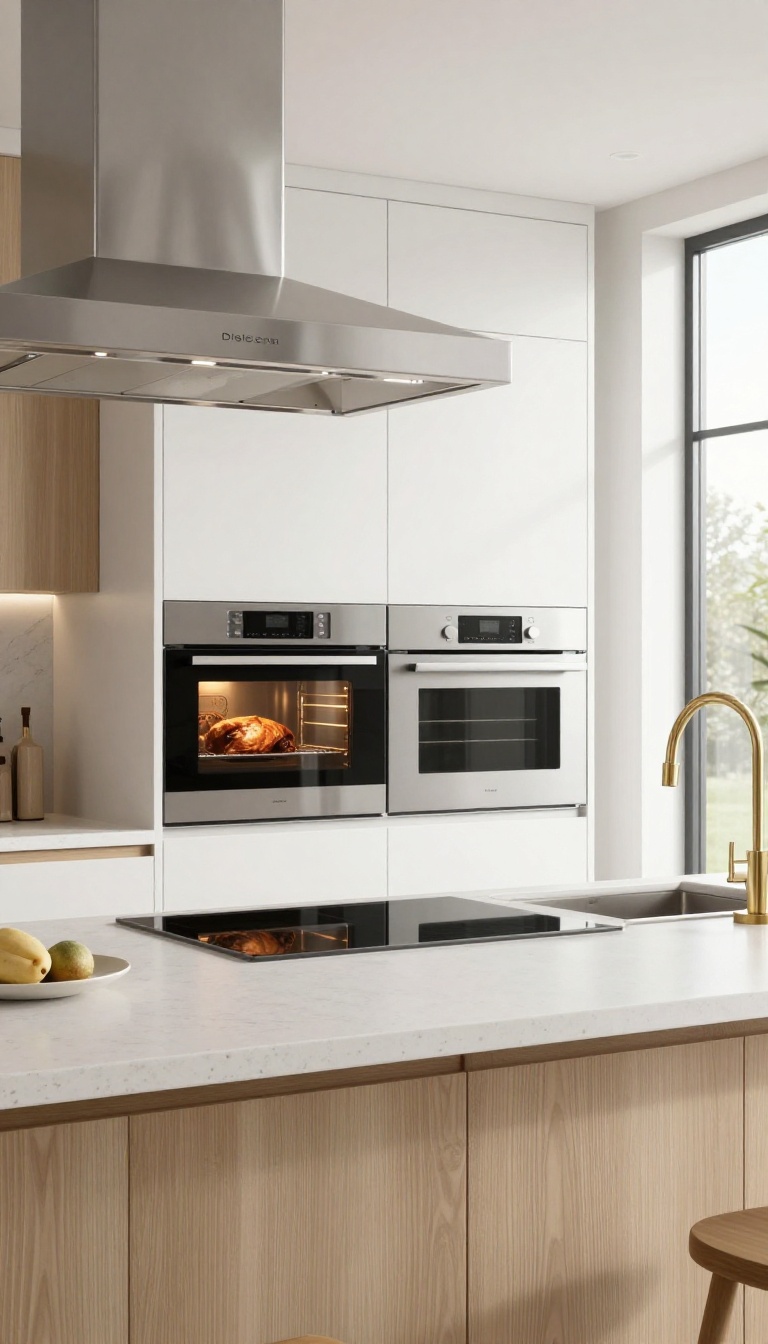
If you're remodeling or building from scratch, separating the cooktop and oven opens up a world of design freedom. Instead of being stuck with a single bulky range, you can place each component exactly where it works best for you. This setup also lets you create a seamless countertop run, which looks sleek and modern.
A built-in oven and cooktop combo is a game-changer for both aesthetics and functionality. The cooktop sits flush with your countertops, giving the kitchen a clean, integrated look. Meanwhile, the oven can be installed at eye level in a tall cabinet, saving you from bending down to check on a roast.
This layout is especially popular in contemporary kitchens, but it can work in any style with the right cabinetry and finishes.
Why Split Them Up?
Separating the two appliances means you can customize the height and placement. Eye-level ovens are easier to access and safer if you have back issues. Plus, you can choose a cooktop with the exact number of burners you need—maybe a griddle or wok burner—without being limited by an all-in-one range.
Design Flexibility
With a separate cooktop, you can place it on an island or a peninsula, which is perfect for open layouts and entertaining. The oven can go into a tall cabinet stack, freeing up space under the counter for drawers or a microwave. This flexibility lets you create a kitchen that truly fits your workflow.
Installation And Cost Considerations
This setup often costs more than a traditional range because you're buying two appliances and may need custom cabinetry. You'll also need to plan for proper ventilation and electrical or gas connections. But many homeowners find the investment worth it for the improved ergonomics and sleek look.
12. Maximize Efficiency with a Double Oven Range
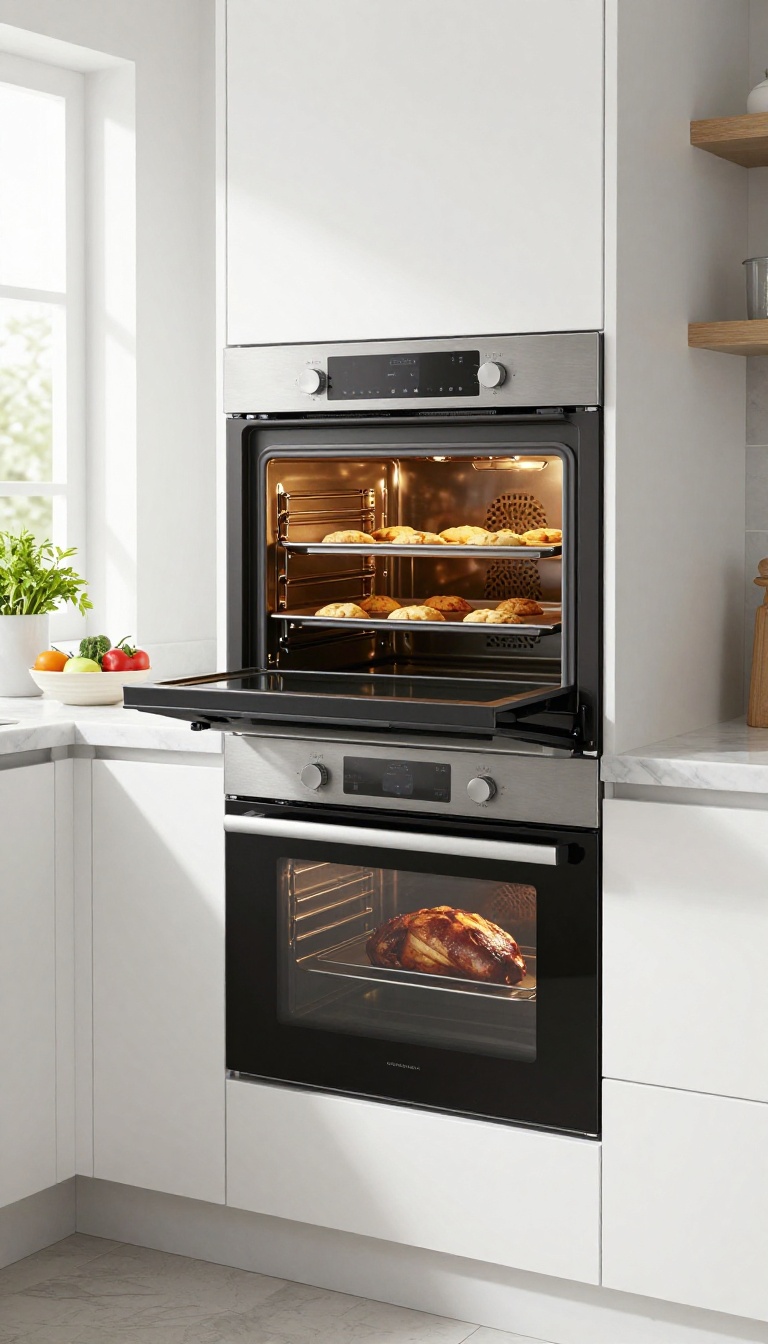
Cooking for a crowd often means juggling timings and temperatures. A double oven range solves that puzzle by giving you two separate cooking zones in one appliance. You can roast a turkey at 350°F while baking a casserole at 400°F, all at the same time.
This isn't just for holiday feasts. Even on a regular weeknight, having two ovens means you can bake a pizza and warm up leftovers without waiting. It's a practical upgrade that changes how you use your kitchen.
Double oven ranges come in different configurations, usually with a smaller upper oven and a larger lower one. The upper oven heats up fast for quick tasks like broiling or baking a small batch of cookies, while the lower oven handles big roasts and casseroles. Some models let you use both at once, which is a game-changer when you're preparing multiple dishes.
Beyond the obvious benefit of cooking two dishes at different temperatures, a double oven can save you time and energy. You won't need to preheat twice or wait for one dish to finish before starting another. Plus, many models have convection settings that circulate hot air for even baking, so your food comes out consistently good.
If you're short on space, don't worry—there are compact double oven ranges designed for standard 30-inch cutouts. They fit in most kitchens without major remodeling, making this upgrade more accessible than you might think.
Who Benefits Most From A Double Oven
Home cooks who entertain often will find a double oven indispensable. Holiday dinners, birthday parties, or even a regular Sunday roast become much easier when you can cook a main dish and sides simultaneously. Bakers also love the ability to proof dough in one oven while baking pies in the other.
Even if you don't host big gatherings, the flexibility to cook a frozen pizza and a casserole at the same time is a nice perk.
Key Features To Look For
When shopping for a double oven range, pay attention to capacity and controls. Look for a model with a large lower oven (at least 4. 8 cubic feet) and a versatile upper oven that can switch between bake, broil, and convection.
Digital controls with preset modes make it easier to set different temperatures. Also, check for self-cleaning functions—they save you from scrubbing two ovens by hand.
Installation And Space Considerations
Most double oven ranges fit into a standard 30-inch-wide slot, but you'll need to check the height and depth. Some models are taller than standard ranges, so measure your space carefully. If you're replacing an old range, the electrical or gas hookup might need adjustment.
It's a good idea to consult a professional installer to ensure everything is safe and up to code.
13. Add a Personal Touch with Custom Knobs and Handles
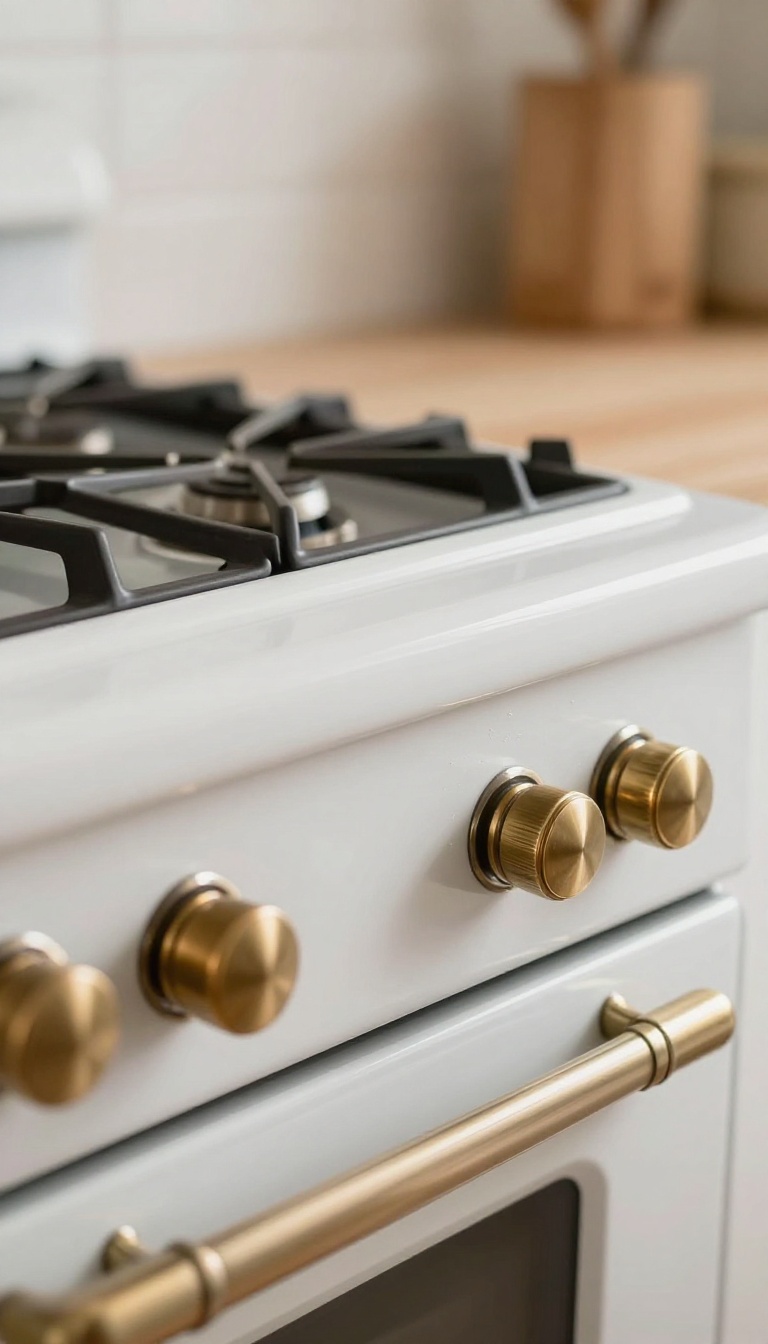
Sometimes the smallest change makes the biggest difference. Swapping out the standard knobs on your stove for something with personality can completely transform its look. It's a weekend project that doesn't require a full remodel or a big budget.
Custom knobs and handles let you inject your style into a major appliance without replacing it. Whether you prefer vintage brass, sleek matte black, or playful ceramic shapes, the options are endless. This simple upgrade can tie your stove into the rest of your kitchen's design, making it feel intentional and curated.
Why Knobs Matter
Knobs are one of the first things you touch when cooking, so they should feel good and look good. Standard plastic or metal knobs can make even a high-end stove feel generic. Swapping them out for higher-quality materials adds a tactile and visual upgrade.
Plus, it's a low-risk DIY that can be reversed if you ever change your mind.
Choosing The Right Material
Brass and copper add warmth and a touch of vintage charm, while stainless steel or brushed nickel keep things modern and cohesive. Ceramic knobs come in countless colors and patterns, perfect for adding a pop of color or a quirky detail. Consider the finish of your stove and other hardware in your kitchen to ensure everything complements each other.
Installation Tips
Most knobs pull straight off, revealing a metal stem. You'll need to find replacements with the same size and shape to fit properly. Check the manufacturer's specifications or measure the stem before ordering.
Installation usually takes just a few minutes per knob, but make sure the stove is cool and turned off before you start.
FAQ
What is the most durable type of stove?
Gas stoves are generally considered the most durable because they have fewer electronic components and are easier to repair. However, induction cooktops are also quite durable as they have no heating elements that can burn out.
Can I install a pot filler faucet myself?
Installing a pot filler requires plumbing work, so it's best to hire a licensed plumber. It involves connecting to your water supply and ensuring proper drainage, which can be complex.
Are smart stoves worth the extra cost?
Smart stoves offer convenience and safety features like remote monitoring and automatic shut-off. If you value tech integration and peace of mind, they can be worth the investment.
How do I clean an induction cooktop?
Induction cooktops are easy to clean—just wipe with a damp cloth and mild detergent. Avoid abrasive cleaners that can scratch the glass surface.
What is the best stove for a small kitchen?
A combination microwave-convection oven or a compact induction cooktop are great space-savers. They offer multiple functions without taking up too much room.
Conclusion
Refreshing your kitchen doesn't always mean a full renovation. Sometimes, a simple change like a new stove or a few upgraded accessories can make a world of difference.
Whether you're drawn to bold colors, smart tech, or classic charm, there's an idea here to match your style and budget. Take your time, consider your cooking habits, and choose a stove that not only looks great but also makes your time in the kitchen more enjoyable.