15 Shower Over Bath Ideas for Small Spaces That Work Hard
Small bathrooms often force a tough call: shower or tub? But you don't have to settle. A clever hybrid setup can give you the best of both—soaking when you want it, quick rinses when you don't—without swallowing your floor space.
The trick is choosing fixtures and layouts that pull double duty. From slimline baths to foldable seats, these 15 ideas maximize every inch while keeping your routine smooth and stylish.
Whether you're remodeling or just tweaking, you'll find practical, space-savvy solutions that work hard and look effortless. Let's make your tiny bathroom feel bigger and more functional.
1. Go Frameless with a Glass Screen
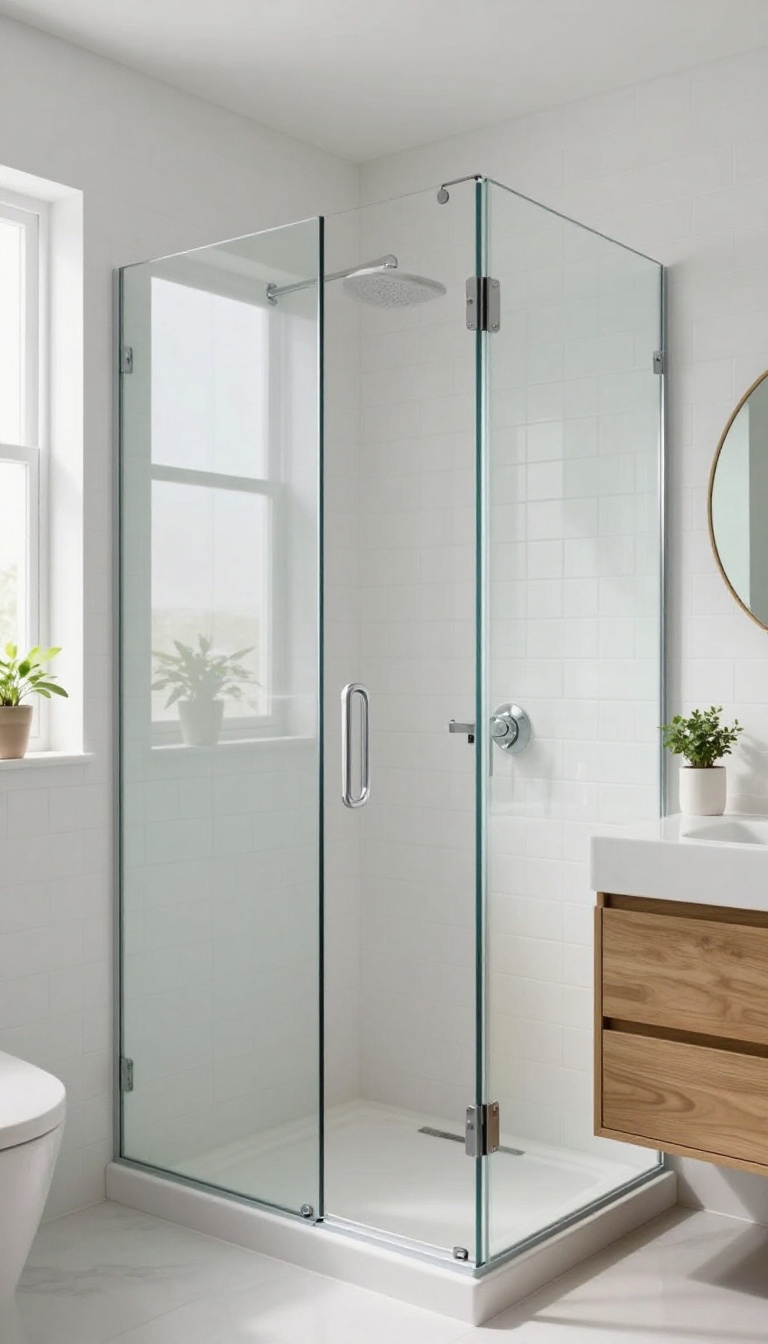
The quickest way to make a small bathroom feel more open is to ditch the shower curtain. A frameless glass screen removes visual barriers, letting your eye travel across the entire space. This simple swap can make the room feel twice as large.
Frameless glass screens are a game-changer for compact bathrooms. They don't just look sleek—they actually make the space feel bigger by allowing light to pass through. Unlike shower curtains that block sightlines and make the room feel closed in, a clear glass screen keeps the whole bathroom visible, creating an illusion of more square footage.
Plus, it's easier to clean than fabric curtains that collect soap scum and mildew.
Why Frameless Beats Curtains
Shower curtains are practical but visually heavy. They cut the room in half and make it feel darker and more cramped. Frameless glass, on the other hand, is minimal and unobtrusive.
It doesn't interrupt the line of sight, so the bathroom appears more spacious. The lack of a frame also means fewer places for grime to hide, making maintenance a breeze.
Installation Tips For Small Bathrooms
When installing a frameless screen, consider a fixed panel with a small opening or a hinged door that swings outward to save space. Use 3/8-inch tempered glass for durability without adding too much weight. Make sure the glass is placed over the tub's edge or shower tray to prevent leaks.
Professional installation is recommended to ensure a perfect fit and watertight seal.
Light And Space Benefits
Natural light is your best friend in a small bathroom. A frameless screen lets sunlight or overhead light travel freely, brightening every corner. This not only makes the room feel larger but also more welcoming.
If privacy is a concern, opt for frosted or textured glass that still lets light through while obscuring the view.
2. Install a Wall-Mounted Shower System
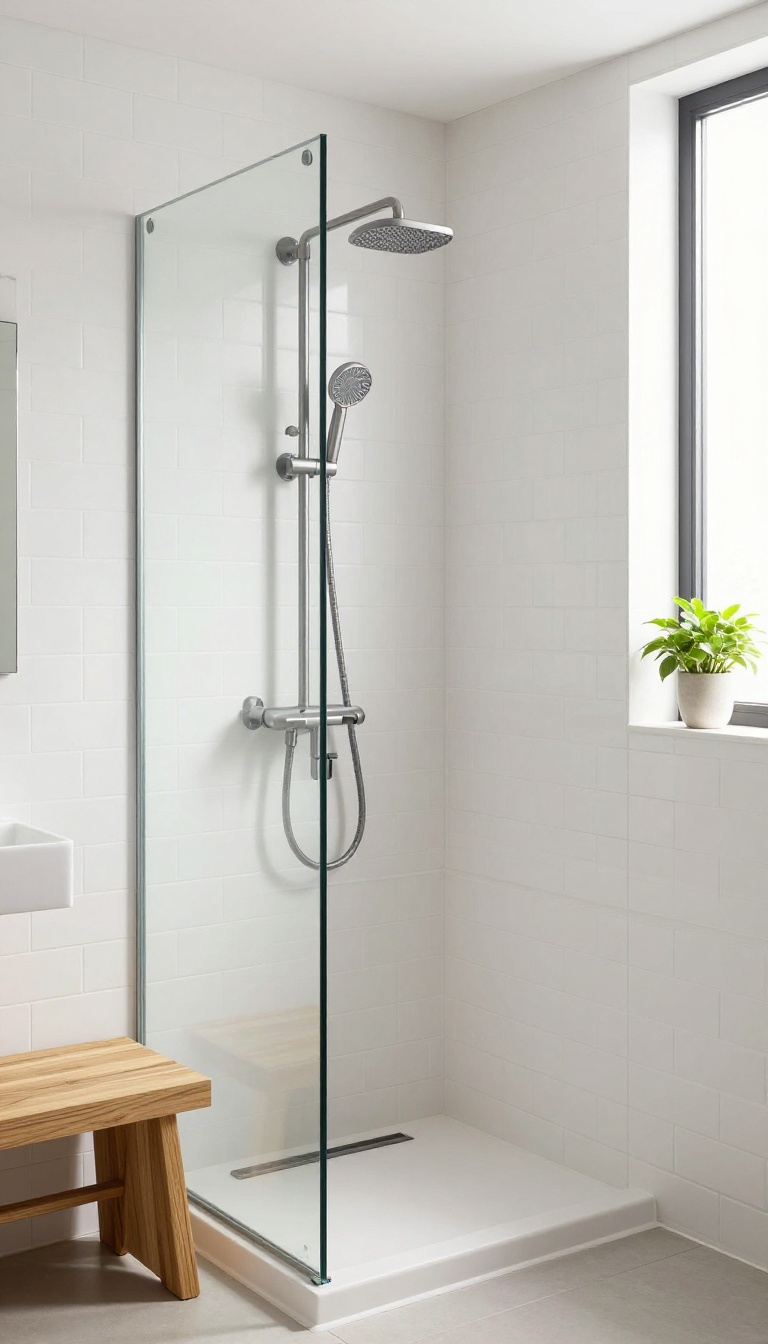
A fixed overhead showerhead can feel like a luxury, but in a small space, it often gets in the way. A wall-mounted system with a handheld wand and adjustable bracket gives you the same rinse power without the bulky hardware. It's a smart swap that frees up visual and physical space while making your shower more versatile.
Wall-mounted shower systems are a no-brainer for compact bathrooms. They attach directly to the wall, so there's no need for a bulky arm or ceiling mount. The handheld wand can be clipped at different heights, making it easy to rinse off without splashing the whole room.
Plus, you can direct the water exactly where you need it, which is handy for cleaning the shower walls or washing pets. This setup also opens up floor space. Because the showerhead doesn't jut out as far, you can stand closer to the wall if you need to.
And if you're using a shower curtain, a wall-mounted system keeps the curtain from billowing inward, which is a common annoyance in tight quarters. Another plus? Installation is usually simpler than a full ceiling-mounted system.
You can often retrofit it onto an existing shower arm or mount it on a tile wall without major plumbing changes. That means you can upgrade your shower without tearing things apart—a huge win for renters or anyone on a budget.
Adjustable Bracket For Flexible Spray
The adjustable bracket is the star of the show. It lets you slide the wand up or down to match your height or the task at hand. Need a quick hair rinse?
Slide it up. Want to wash the dog? Slide it down.
This flexibility is a game-changer in a small shower where every inch counts. Plus, you can angle the spray to avoid hitting the curtain or wall, which means less mess and more control.
Handheld Wand For Easy Cleaning
A handheld wand isn't just for showering—it's a cleaning tool, too. You can spray down the walls, corners, and even the floor of your shower without bending or stretching. That's a huge help when you're short on space and can't maneuver a bulky sprayer.
Plus, it makes rinsing shampoo out of long hair or giving a quick rinse to a squirmy toddler a whole lot easier.
Space-saving Design That Feels Open
Wall-mounted systems take up less visual space than a traditional showerhead and arm. They hug the wall, so they don't break up the sightline of your bathroom. That makes the room feel more open and less cluttered.
And because you can point the wand down when not in use, it stays out of the way, leaving your shower feeling airy and uncluttered.
3. Use a Corner Shower Caddy
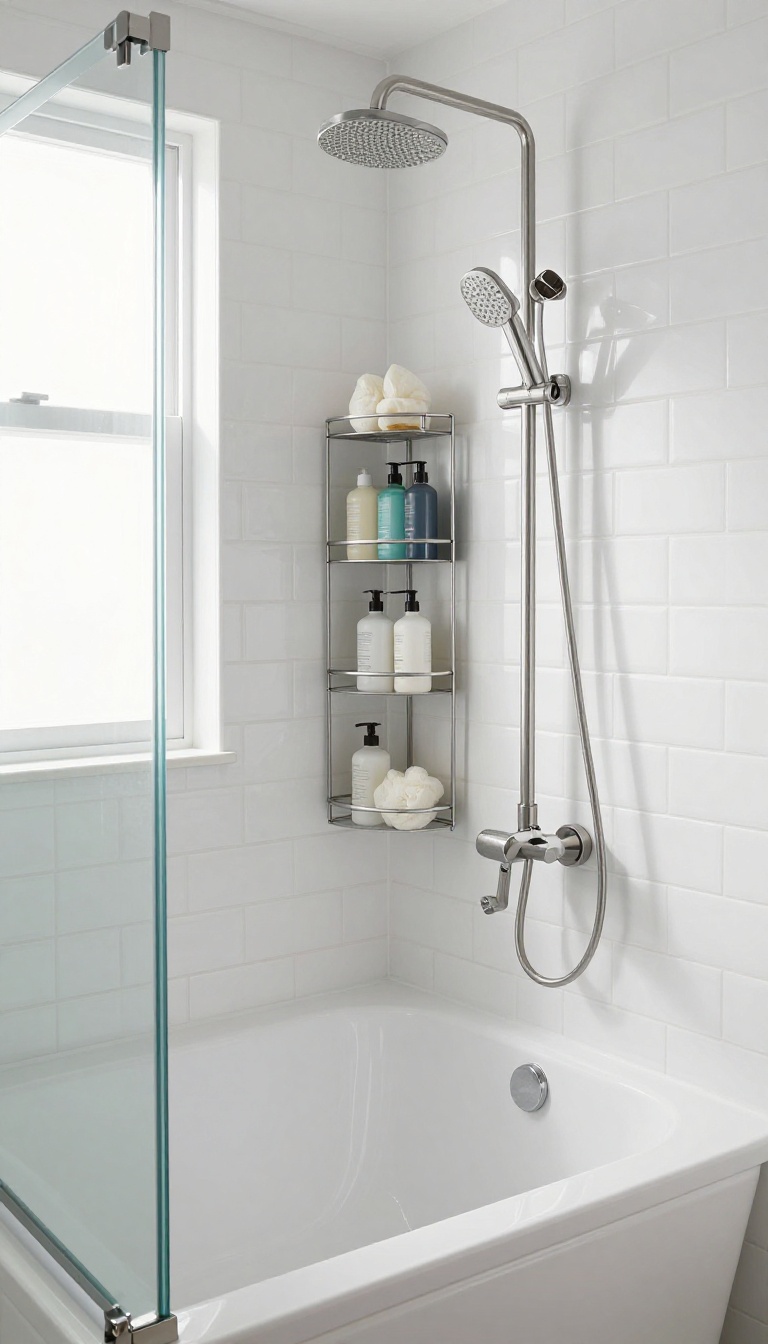
When you're working with a shower-over-bath setup, the tub edge becomes prime real estate. But piling bottles there can make the space feel cluttered and even create a safety hazard. A corner caddy changes that by giving you vertical storage that tucks neatly out of the way.
It's a simple upgrade that makes a big difference. You get everything you need within arm's reach without sacrificing that precious ledge. Plus, it keeps the tub area looking tidy and open.
A corner shower caddy is a storage hero in small bathrooms. It fits snugly into the corner of your bath, where space is often wasted. This keeps your shampoos, conditioners, and soaps organized and accessible, so you don't have to stretch or fumble during your shower.
The key is choosing the right caddy for your space. Look for one that's rust-resistant, like stainless steel or aluminum, and has enough shelves to hold your daily essentials. Some models even have hooks for loofahs or razors, adding extra utility.
Installing a corner caddy is usually straightforward. Many use tension poles or adhesive strips, which means no drilling or permanent damage. That's perfect for renters or anyone who wants a flexible solution.
With a sturdy caddy in place, your bath edge stays clear, making the whole area feel more spacious and safer.
Why A Corner Caddy Beats A Tub Edge
The tub edge might seem convenient, but it's often too narrow or slippery for bottles. A corner caddy uses vertical space instead, so you're not fighting for a flat surface. It also keeps everything off the tub rim, which reduces the chance of bottles tipping over and creating clutter or hazards.
Choosing The Right Caddy For Your Bath
Consider the size of your shower area and how much you need to store. A two-shelf caddy is usually enough for a single person, while a three-shelf version works well for families. Look for adjustable shelves or baskets that can hold different bottle sizes.
Also, check the weight capacity to ensure it can handle your products without sagging.
Easy Installation, No Tools Required
Many corner caddies are designed for quick setup. Tension-based models wedge between the floor and ceiling, while adhesive versions stick to the wall. Both are easy to install and remove, making them ideal for temporary setups or if you like to change things up.
Just make sure the surface is clean and dry before applying adhesive strips.
4. Choose a Slimline Bath
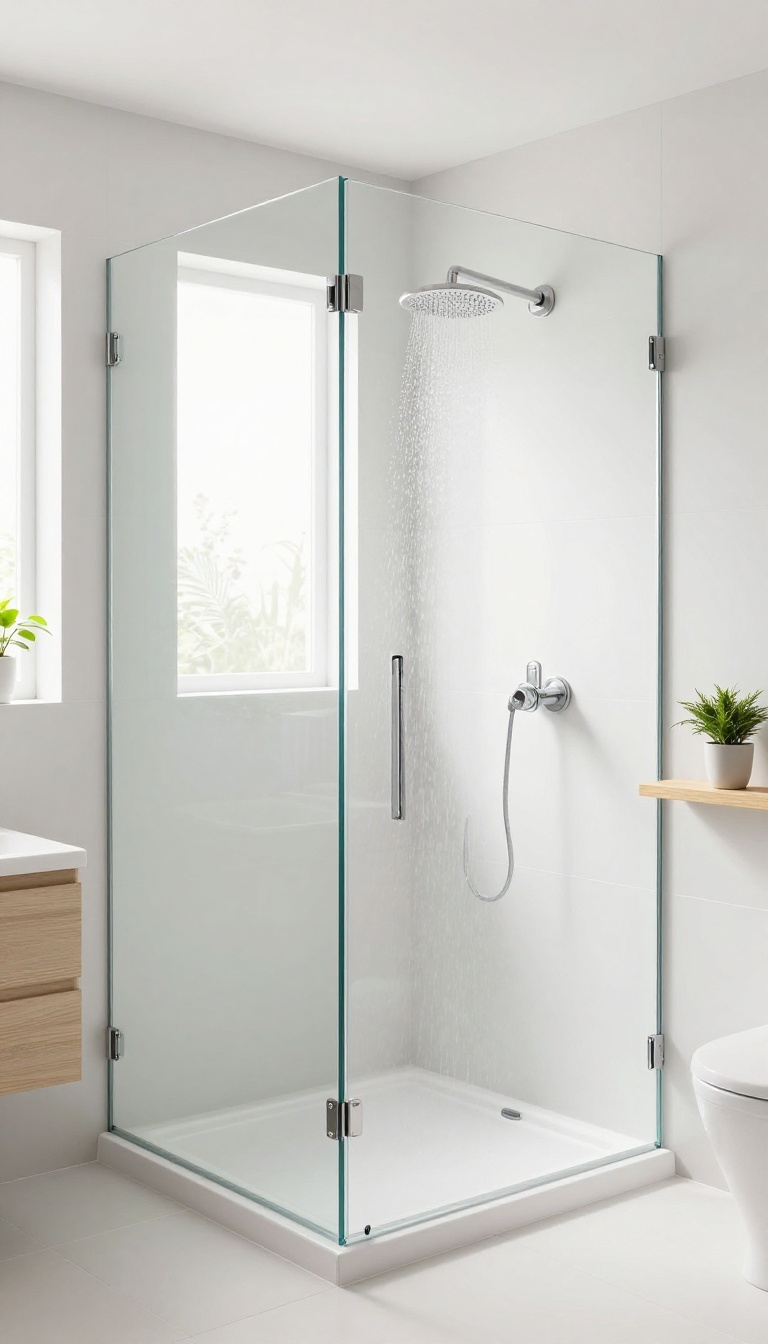
A standard tub can dominate a small bathroom, leaving little room for a proper shower. A slimline bath changes that by offering a narrower profile that frees up valuable floor space. You get a comfortable soak without sacrificing the shower area, making it a smart choice for compact layouts.
Slimline baths are designed to be shallower or narrower than traditional models, which means they take up less visual and physical space. This allows you to position the showerhead and screen more effectively, creating a functional shower zone without feeling cramped. Plus, the sleek silhouette adds a modern touch that makes the room feel more open.
Measure Your Space First
Before you shop, measure the exact footprint where the bath will sit. Slimline doesn't mean one-size-fits-all—you'll find widths from 60cm to 70cm and lengths that fit standard alcoves. Knowing your dimensions helps you pick a model that leaves enough room for comfortable movement around the tub.
Look For Built-in Shower Niches
Some slimline baths come with integrated shelves or niches at the end, perfect for storing shampoo and soap within reach. This saves you from adding bulky caddies or corner shelves, keeping the shower area tidy and clutter-free. It's a small detail that makes a big difference in a compact space.
Pair With A Lightweight Screen
Heavy glass screens can overwhelm a small bathroom. Instead, choose a lightweight, foldable screen or a curved shower curtain rod that hugs the bath. This keeps the shower area flexible and makes the room feel airier.
Plus, it's easier to clean and maintain than a fixed glass panel.
5. Add a Built-In Niche
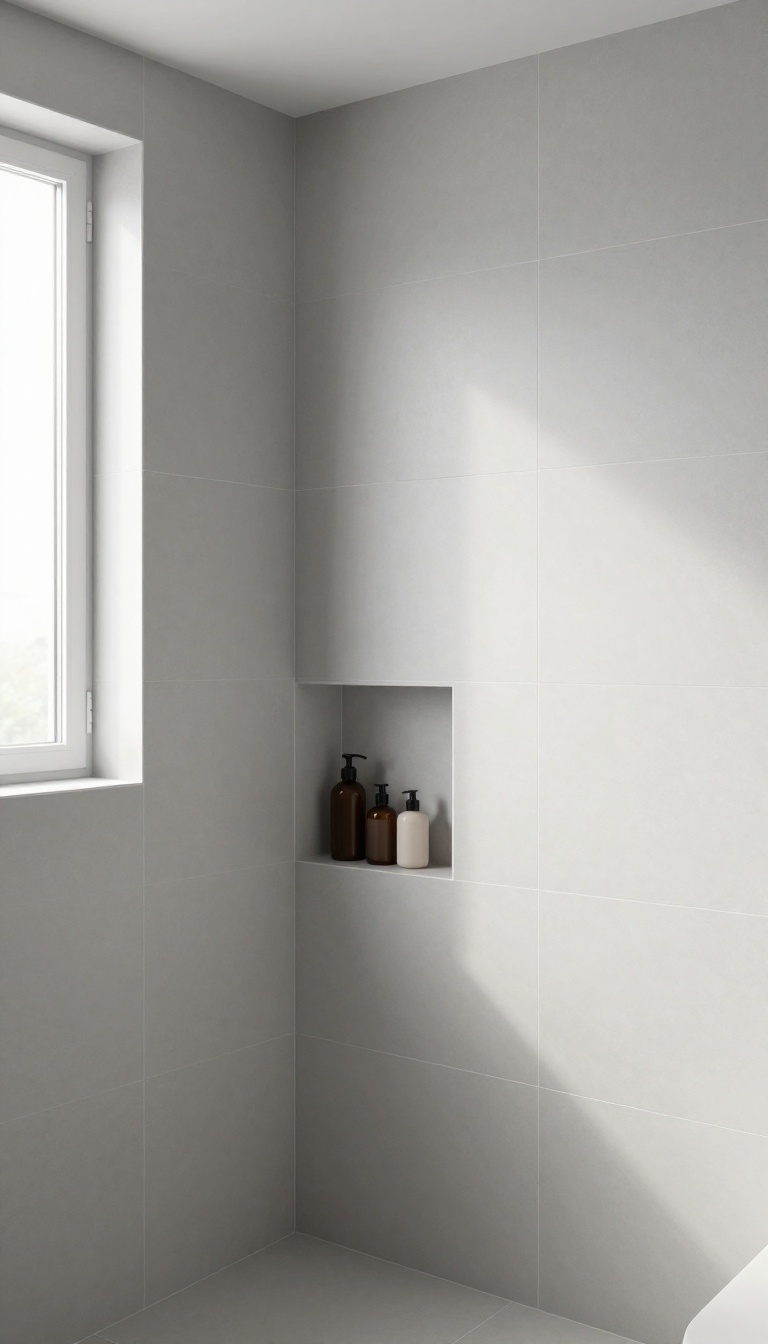
A built-in niche is one of those upgrades that feels obvious once you see it. Instead of hanging a wire caddy over the showerhead or balancing bottles on the tub edge, you carve out a recessed shelf right into the wall. It’s sleek, saves space, and gives your shower-over-bath setup a custom, polished feel.
The beauty of a niche is that it doesn’t stick out. It’s flush with the wall, so it won’t bump your elbows or steal precious floor space. And because it’s built into the tile, it’s easy to clean and looks like it was always meant to be there.
Where To Place It
The best spot is usually on the wall opposite the showerhead, about shoulder height. That way, you can grab your shampoo without stretching or twisting. If you’re also using the tub for baths, place it within easy reach from both standing and sitting positions.
Avoid putting it directly behind the faucet, where it might get splashed but stay out of reach.
Sizing And Depth
Aim for a niche that’s at least 4 inches deep so standard bottles fit without sticking out. Width can vary, but 12 to 16 inches is plenty for a few essentials. If you’re tiling, coordinate the niche size with your tile dimensions to avoid awkward cuts.
And don’t forget a slight slope on the bottom shelf so water drains out instead of pooling.
Installation Tips
If you’re remodeling, adding a niche is straightforward—just frame it out between studs. For a retrofit, you can use a prefab niche kit that fits into the existing wall. Make sure to waterproof the area thoroughly, especially if it’s in the shower zone.
If you’re not comfortable cutting into tile, a professional can handle it in a day.
6. Pick a Shower Curtain with a Tension Rod
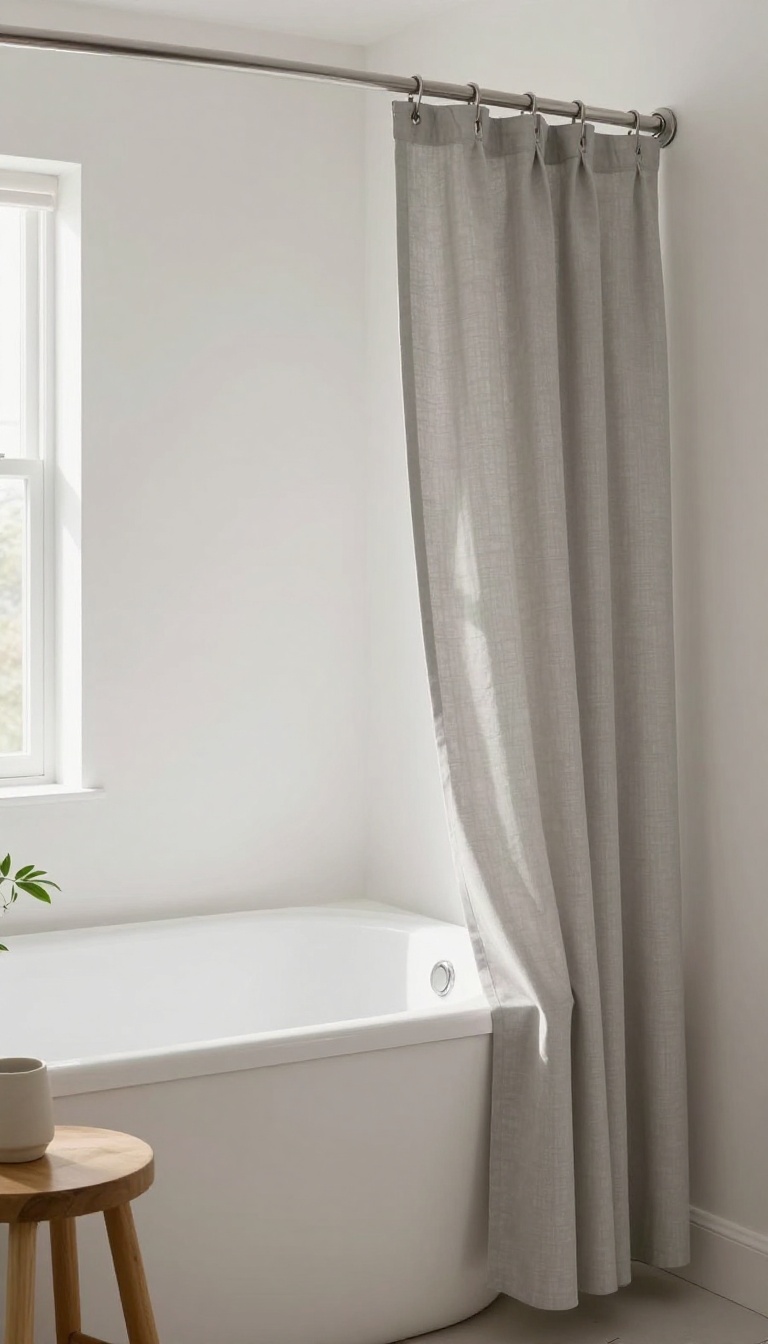
A curved tension rod is a small change that makes a big difference. It bows outward, giving your elbows more room and keeping the curtain off your body. That extra space makes the shower feel less cramped, even in a tight tub alcove.
Curved rods are easy to install—no drilling needed—and they work with any standard shower curtain. They're especially handy if you're tall or tend to bump the curtain while washing. The gentle arc adds a few inches of clearance, which can feel like a luxury in a compact space.
Why A Curved Rod Works
The curve creates a wider showering zone without taking up extra floor space. It also helps keep water inside the tub, reducing splashes on the floor. Plus, it gives the curtain a cleaner, more tailored look.
Choosing The Right Curtain
Pick a fabric curtain with a weighty hem to keep it from billowing inward. Avoid lightweight vinyl that clings. A neutral color or subtle pattern can visually expand the space, while a clear curtain lets in more light.
Installation Tips
Measure your tub width before buying. Tension rods need to fit snugly—most adjust from 54 to 72 inches. Tighten the rod firmly, and check it periodically to ensure it hasn't slipped.
For extra stability, use rod holders if your wall has tile.
7. Incorporate a Rainfall Showerhead
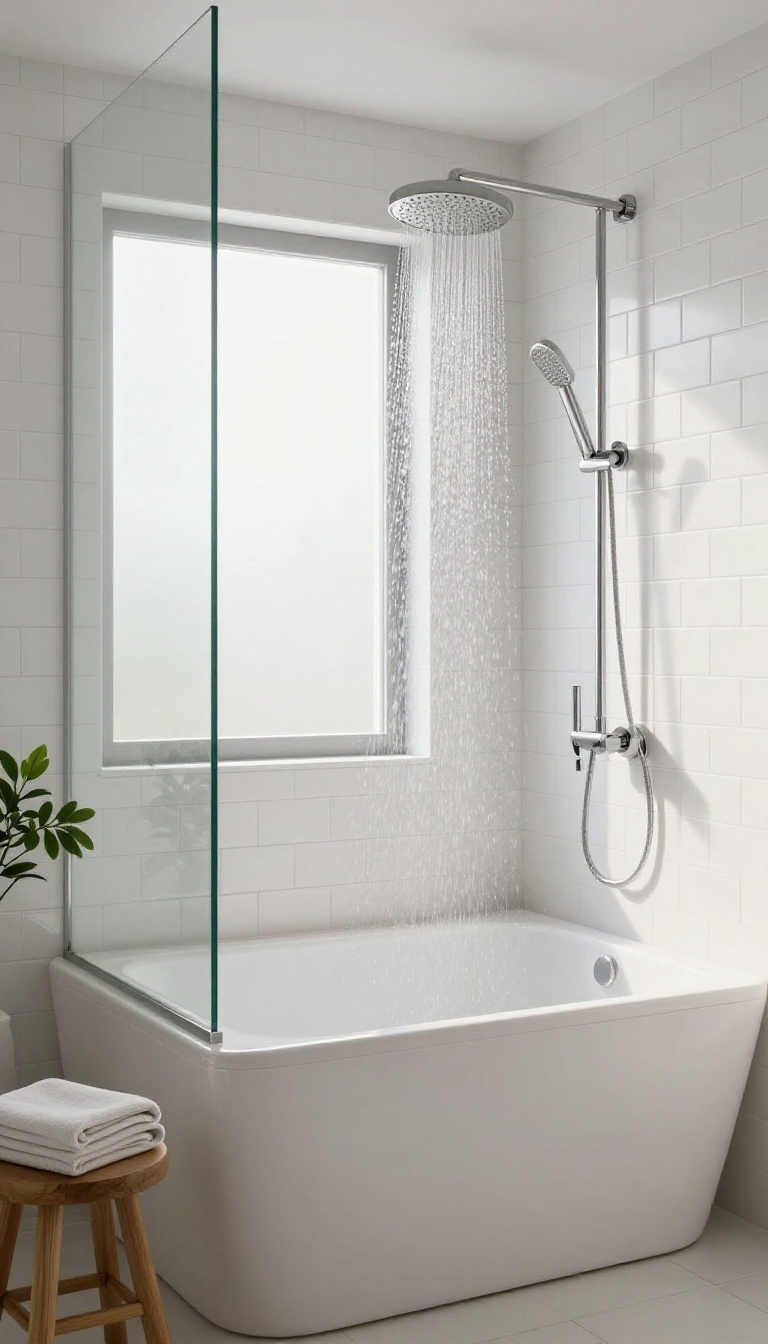
A rainfall showerhead mounted on the ceiling or wall provides a luxurious shower experience without taking up extra space. It’s a simple swap that can make your shower-over-bath feel like a spa retreat, even in the tightest footprint. The wide, gentle flow covers your whole body, so you don’t need to move around much—perfect for small enclosures.
When you’re short on space, every inch counts. A rainfall showerhead sits overhead or high on the wall, freeing up the area around the tub for other uses. It also eliminates the need for a bulky handheld unit, giving your bathroom a cleaner, more open look.
Plus, the rain-like sensation makes your daily rinse feel more indulgent without adding any square footage.
Choose The Right Mount
Ceiling-mounted heads are the classic choice, but they require enough headroom and a solid anchor. If your ceiling is low or sloped, a wall-mounted arm that angles outward can give you the same effect without the installation hassle. Look for models with an adjustable ball joint so you can direct the water exactly where you need it.
Mind The Water Pressure
Rainfall heads have a larger surface area, which can reduce water pressure if your home’s supply is weak. Check the flow rate (GPM) and consider a model with pressure-boosting technology. If you’re on a well or have older pipes, test the pressure before committing—or install a small booster pump to keep the experience satisfying.
Pair With A Handheld For Flexibility
Even with a rainfall head, a separate handheld sprayer is handy for rinsing the tub or washing pets. Choose a diverter valve that lets you switch between the two without losing water flow. This combo gives you the best of both worlds: a luxurious overhead soak and a practical, targeted spray for cleaning.
8. Use a Foldable Shower Seat
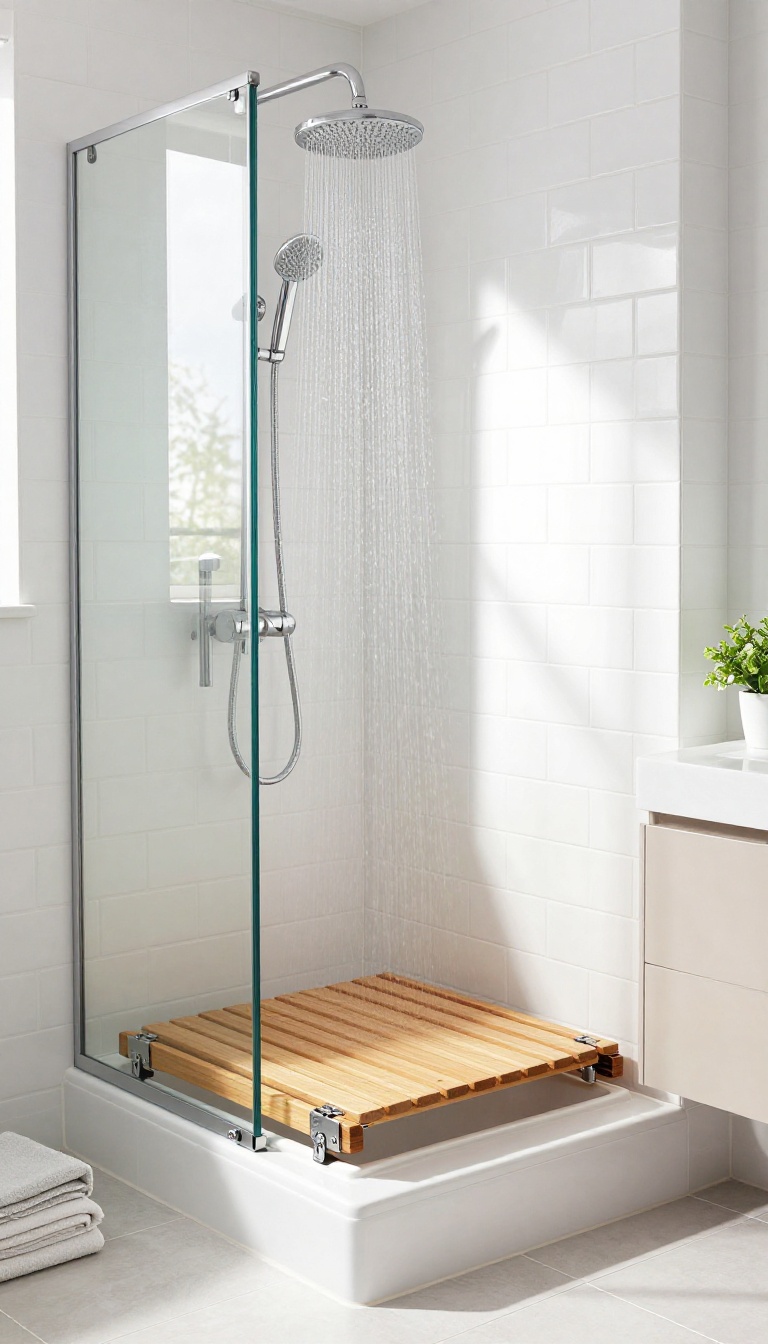
A shower seat can be a game-changer if you have mobility issues or just like to sit and relax while washing. But in a small space, a permanent seat can eat up valuable floor area. That's where a foldable option comes in—it gives you the convenience without the clutter.
Mounted securely to the wall, these seats flip down when you need them and tuck away flat when you don't. They're perfect for shower-over-bath setups where the tub edge isn't comfortable or safe to sit on. Plus, they're surprisingly sturdy and easy to install.
Foldable shower seats come in a few materials, with teak and plastic being the most common. Teak looks warm and natural, while plastic is lightweight and easy to clean. Both are water-resistant and can handle daily use.
The key is to choose one that matches your bathroom's style and your comfort needs. Installation is straightforward if you have basic DIY skills. You'll need to find a stud or use heavy-duty anchors to ensure the seat can support your weight.
Most models come with clear instructions and all the hardware you need. If you're not handy, hiring a professional is always a safe bet. When folded up, the seat takes up only a few inches of wall space, so it won't interfere with your showering or bathing.
You can position it at a height that's comfortable for you, and some models even have a built-in handle for extra support. It's a simple addition that makes a big difference in usability and safety.
Why Foldable Beats Fixed
A permanent seat can make a small shower feel cramped and get in the way when you're standing. A foldable seat gives you back that space the moment you're done with it. It's also easier to clean around, since you can fold it up and wipe down the wall behind it.
Choosing The Right Material
Teak is naturally water-resistant and looks beautiful, but it needs occasional oiling to keep its color. Plastic is virtually maintenance-free and often comes with a non-slip surface. Think about your routine and how much upkeep you're willing to do.
Installation Tips
Before you buy, measure the area where you want to mount the seat. Make sure there's enough clearance for the seat to fold down fully and for you to sit comfortably. Use a stud finder to locate a solid anchor point, and always follow the manufacturer's instructions to ensure a secure fit.
9. Install a Glass Shower Panel with a Door
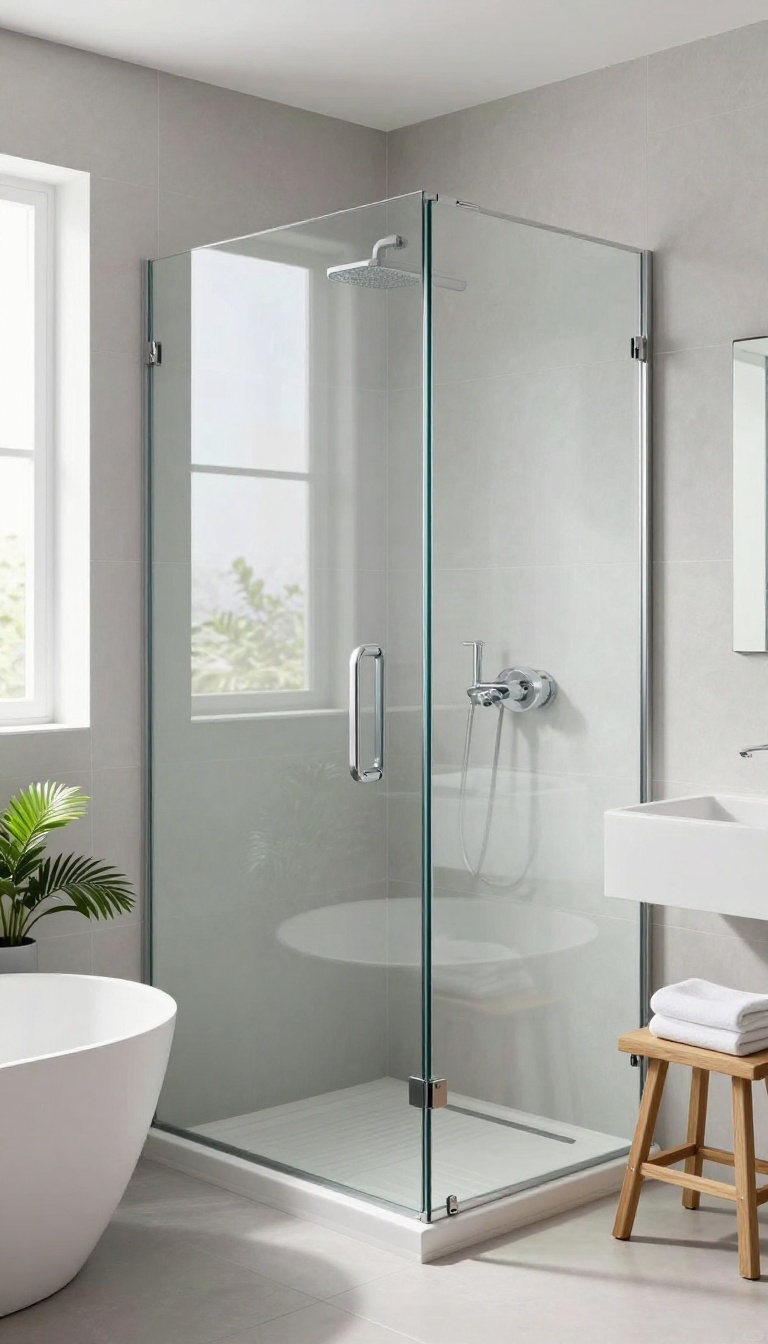
A glass shower panel with a door is a sleek upgrade that solves the splash problem without making your bathroom feel closed in. Unlike a full enclosure, it keeps the bath open and airy while still doing its job. You get the convenience of a proper shower and the option of a soak, all in one compact footprint.
When space is tight, a shower curtain can feel like a wet, clingy mess. A glass panel with a door gives you a clean, modern look and keeps water where it belongs. It's a practical swap that makes your bathroom feel bigger and more polished.
Why A Door Beats A Curtain
Curtains can billow, stick, and let water sneak out. A glass door seals better, especially if you choose a hinged or sliding model. It also means no more washing fabric or dealing with mildew.
Plus, glass lets light pass through, so your small space feels less boxed in.
Hinged Vs. Sliding: Which One Fits?
A hinged door swings outward, so you need clearance in front of the bath. If your bathroom is narrow, a sliding door is the smarter pick—it glides along a track and takes up zero extra floor space. Measure your layout before you decide, and think about how you move in the room.
Keep It Simple With Frameless Glass
Frameless glass panels look cleaner and more expensive than they cost. Without bulky metal frames, they let the tile and bath shine through. Just make sure the glass is tempered and the hinges are sturdy.
A pro install is worth it to avoid leaks and wobbles.
10. Add a Towel Warmer
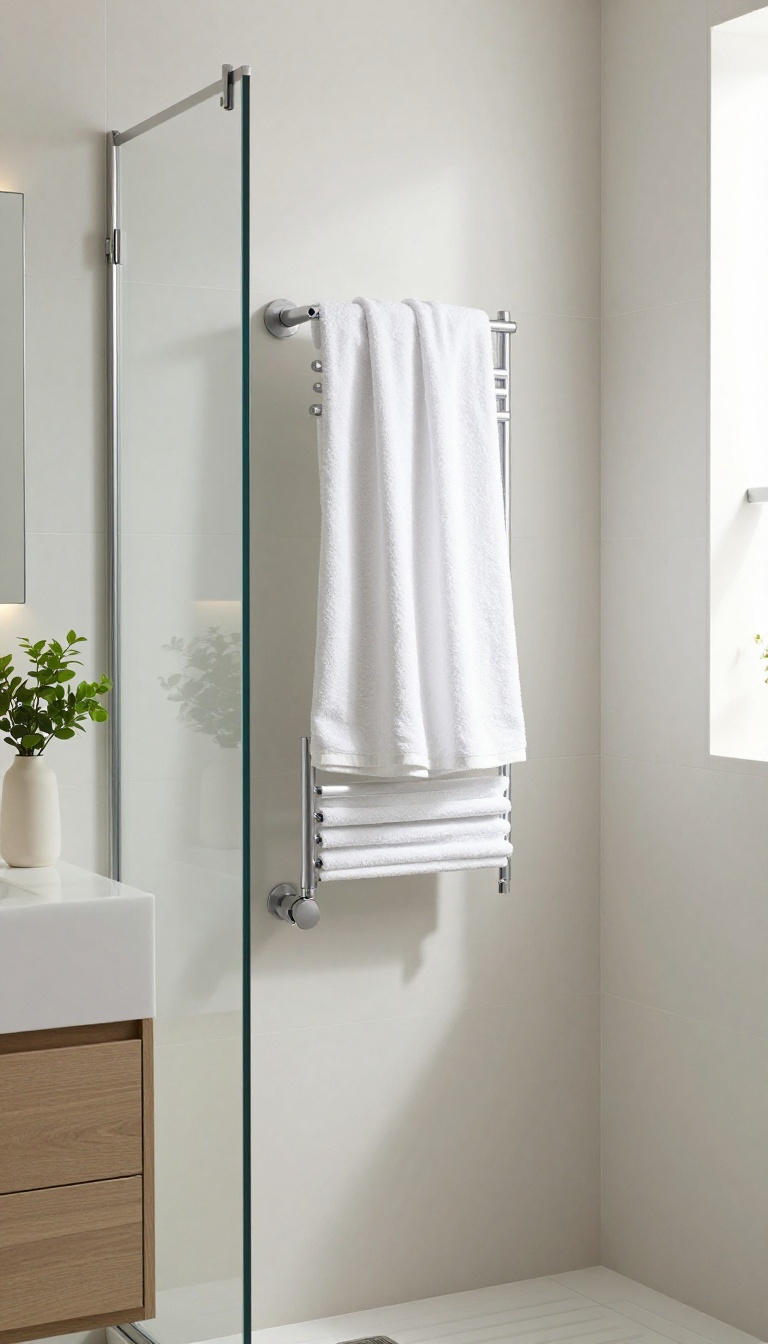
A towel warmer might sound like a luxury, but in a compact bathroom, it’s a practical workhorse. Wall-mounted models take up almost no floor space and keep your towel toasty and dry, so you step out of the shower into comfort. Plus, a warm towel can make even a tiny bathroom feel like a spa retreat.
Why It Works In Small Spaces
Wall-mounted towel warmers attach directly to the wall, freeing up valuable floor and counter space. They come in various sizes, so you can find one that fits a narrow strip next to the shower or above the toilet. Even a small unit can hold one or two towels, which is all you need for a single-person bathroom.
Types To Consider
Hardwired models are sleek and permanent, but plug-in versions are easier to install and can be moved if you rearrange. For the best of both, look for a dual-purpose towel warmer that also acts as a radiator, providing a bit of heat on chilly mornings. Hydronic or electric—pick the one that matches your bathroom’s setup and your budget.
Placement Tips
Mount it near the shower or bathtub so you can grab your towel without dripping water across the floor. If wall space is tight, consider a model that fits over the door or a freestanding unit that tucks into a corner. Just make sure it’s within easy reach and doesn’t block any walkways.
Bonus: Drying And Freshness
A towel warmer isn’t just for warmth—it also helps towels dry faster, which reduces musty odors and mildew. In a small, often humid bathroom, that’s a huge plus. You’ll use fewer towels because they’re ready to go sooner, and your bathroom will feel fresher overall.
11. Use Light Colors and Mirrors
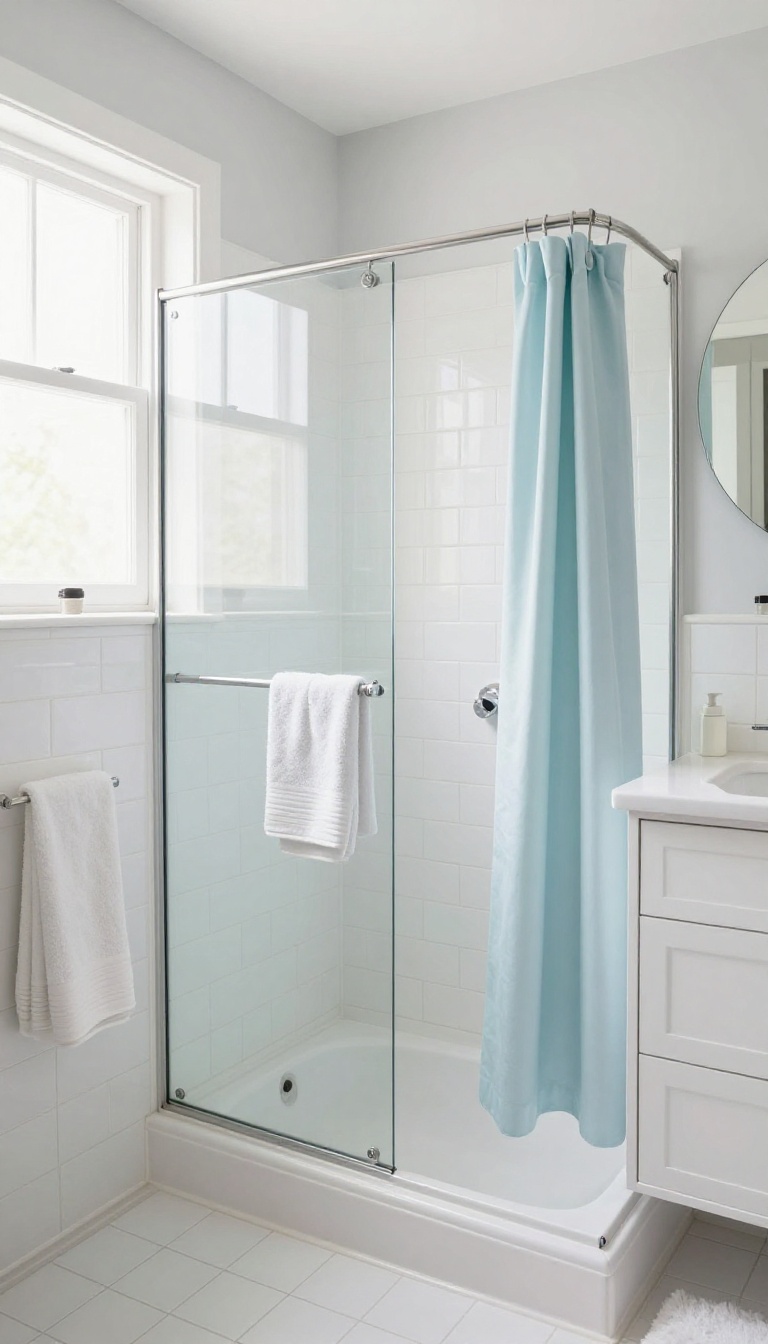
Ever walked into a tiny bathroom and felt it close in on you? The fix might be simpler than you think. Light colors and mirrors can trick the eye and make the space feel twice as large.
It’s not magic—just smart design that bounces light around.
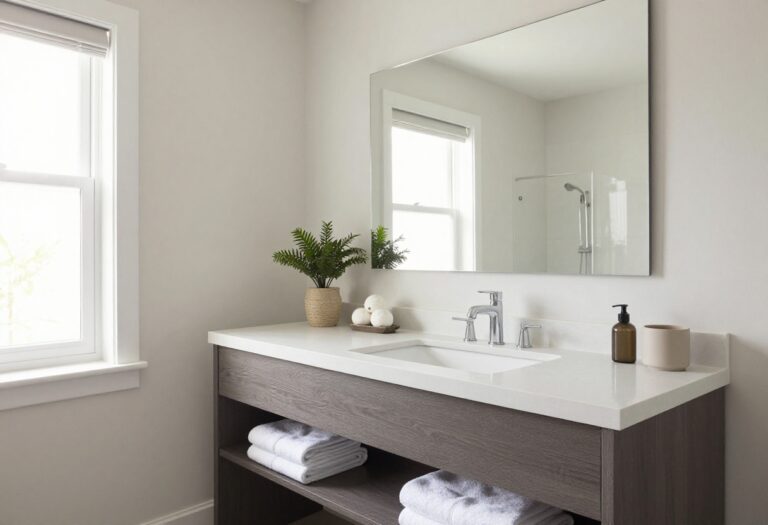
When you’re working with a small shower-over-bath setup, every visual trick counts. Light paint colors like soft white, pale gray, or pastel blue reflect natural and artificial light, making walls seem to recede. A large mirror—or even two—doubles the visual space and adds depth.
Plus, mirrors bounce light from the shower area into the rest of the room, brightening dark corners. This approach is budget-friendly and instantly transforms the vibe from cramped to airy.
Pick The Right Palette
Stick to light, cool tones for walls and tiles. Whites, creams, and pale aqua work beautifully. Avoid dark or busy patterns that absorb light.
If you love color, use it in accessories like towels or a shower curtain—easy to change when you want a refresh.
Mirror Placement Matters
Place a large mirror opposite the shower or window to reflect the most light. A mirrored medicine cabinet can serve double duty—storage and light reflection. For extra depth, consider a full-length mirror on the back of the door.
It’s a classic trick that never fails.
Glossy Finishes Help
Choose glossy or semi-gloss paint for walls and high-gloss tiles for the shower area. These finishes reflect more light than matte ones. Add a glass shower screen instead of a curtain to keep the view open and let light flow through.
12. Incorporate a Shower-to-Bath Conversion Kit
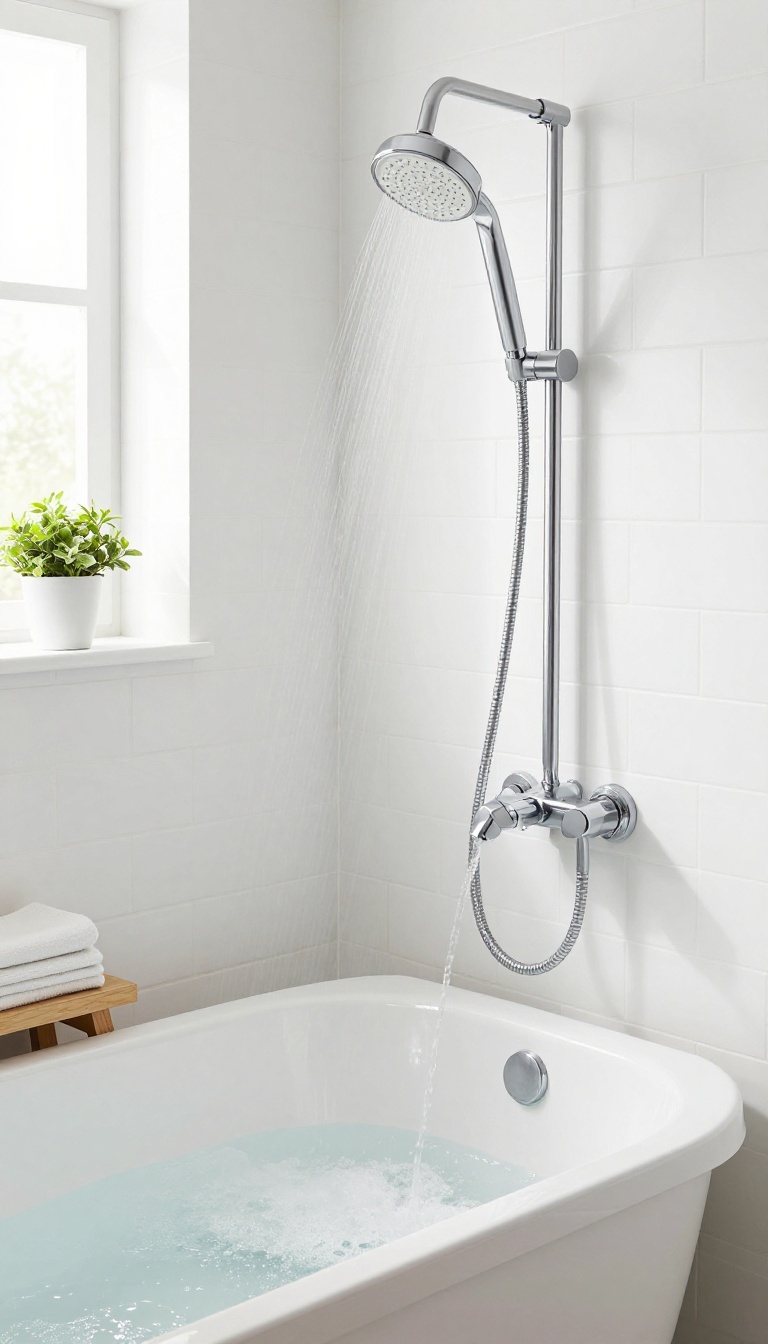
What if you could have a deep soak one day and a quick shower the next, all in the same footprint? That’s exactly what a shower-to-bath conversion kit offers. Instead of choosing between a tub and a shower, you get a single fixture that switches modes with minimal fuss.
It’s a smart, space-saving solution that adapts to your needs without requiring a full remodel.
A conversion kit typically includes a handheld showerhead, a flexible hose, and a diverter valve that lets you redirect water from the tub spout to the shower. Some kits even come with a sliding bar or a wall-mounted bracket so you can adjust the height. The beauty is that you don’t need to tear out your existing tub or add a separate shower enclosure.
You simply upgrade your current setup to enjoy both functions in one spot. This approach is especially handy in small bathrooms where every inch counts. You avoid the expense and hassle of installing a separate shower stall, and you keep the option to relax in a warm bath whenever you want.
Plus, many kits are DIY-friendly, so you can make the switch in an afternoon without calling in a pro.
What To Look For In A Kit
When shopping for a conversion kit, focus on the diverter valve quality and the hose length. A sturdy brass or stainless steel valve will last longer than plastic. Also, check that the handheld showerhead has multiple spray settings—like a gentle mist for rinsing and a stronger jet for cleaning the tub.
If you have low water pressure, pick a model with a flow restrictor that you can remove.
Installation Tips
Most kits attach directly to your existing tub spout, but you’ll need to ensure the threads match (usually 1/2-inch NPT). If your spout is not threaded, you may need an adapter. Before you start, turn off the water supply and have a wrench and plumber’s tape on hand.
The whole process usually takes under an hour, and there’s no need for soldering or cutting into walls.
Making It Feel Like A Real Shower
To get a more shower-like experience, pair your kit with a curved shower rod and a lightweight curtain. That keeps water from splashing out and gives you room to move. You can also add a handheld holder that mounts to the wall at a comfortable height, so you don’t have to hold the sprayer while you lather up.
With these small touches, your tub will feel as functional as a dedicated shower.
13. Choose a Compact Bathtub with a Built-In Shower Panel
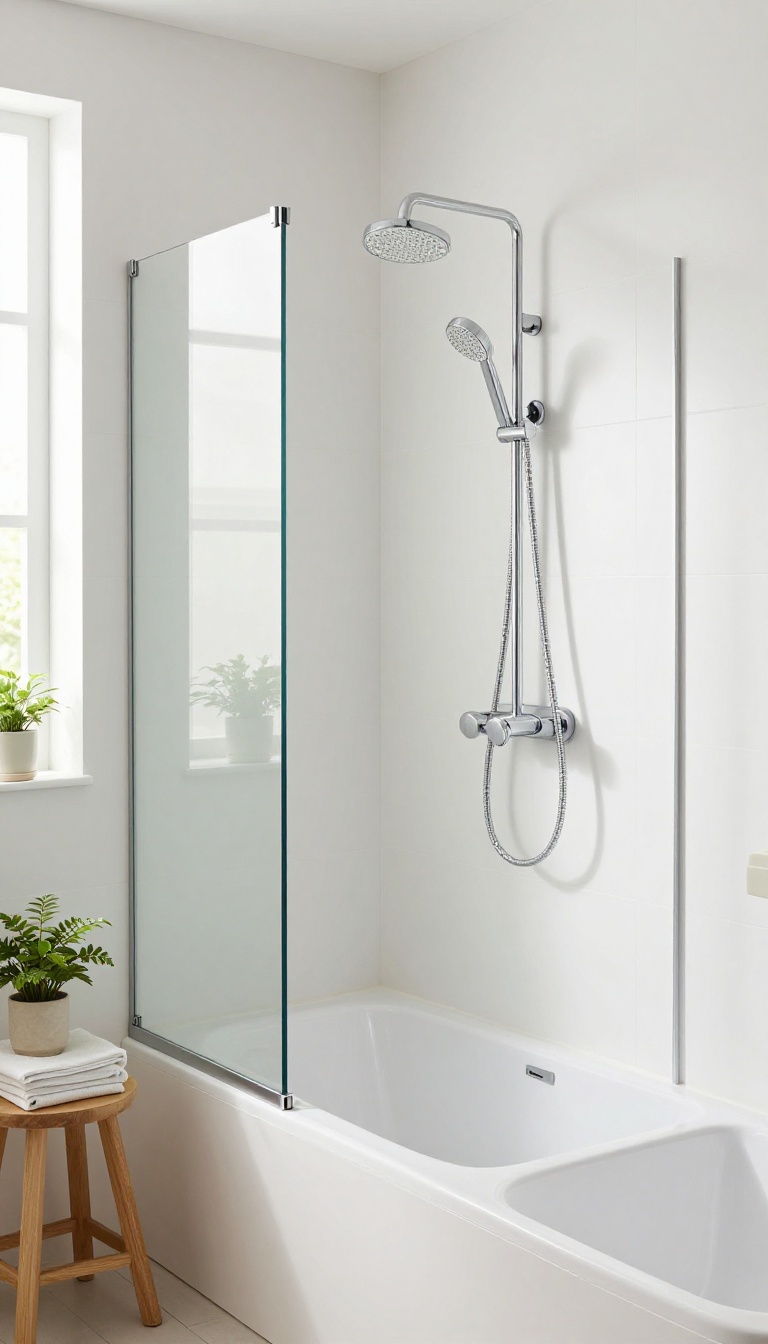
When every square foot counts, a separate shower and tub can feel like a luxury you simply can't afford. That's where a compact bathtub with a built-in shower panel steps in. It merges two essential functions into one sleek unit, saving both space and installation hassle.
You get the option to soak or rinse quickly, all without sacrificing precious floor area.
These all-in-one setups are designed with small bathrooms in mind. The shower panel typically includes a handheld or overhead showerhead, controls, and sometimes even a slide bar—all mounted on the tub's edge or a surrounding surround. This eliminates the need for a separate shower enclosure, freeing up wall space and simplifying the overall design.
Plus, they're easier to clean since there are fewer nooks and crannies for soap scum to hide.
Space-saving Design
A compact tub with a built-in panel fits neatly into a corner or against a wall, using the same footprint as a standard tub but adding shower functionality. Because the panel is integrated, you don't need extra room for a shower door or curtain, which can eat up valuable inches. This makes it ideal for narrow bathrooms or guest baths where space is tight.
Simplified Installation
Installing a separate shower and tub means dealing with two sets of plumbing, fixtures, and waterproofing. A built-in panel streamlines this process—everything is connected in one unit, reducing the number of connections and potential leak points. For DIYers, this can be a more manageable project, and for professionals, it means faster completion and lower labor costs.
Everything Within Reach
With the shower controls and showerhead mounted right at the tub, you don't have to stretch or step out to adjust settings. This is especially handy for families with kids or anyone with limited mobility. You can fill the tub, switch to shower mode, and adjust water temperature all from one convenient spot, making your routine smoother and safer.
14. Add a Heated Towel Rail
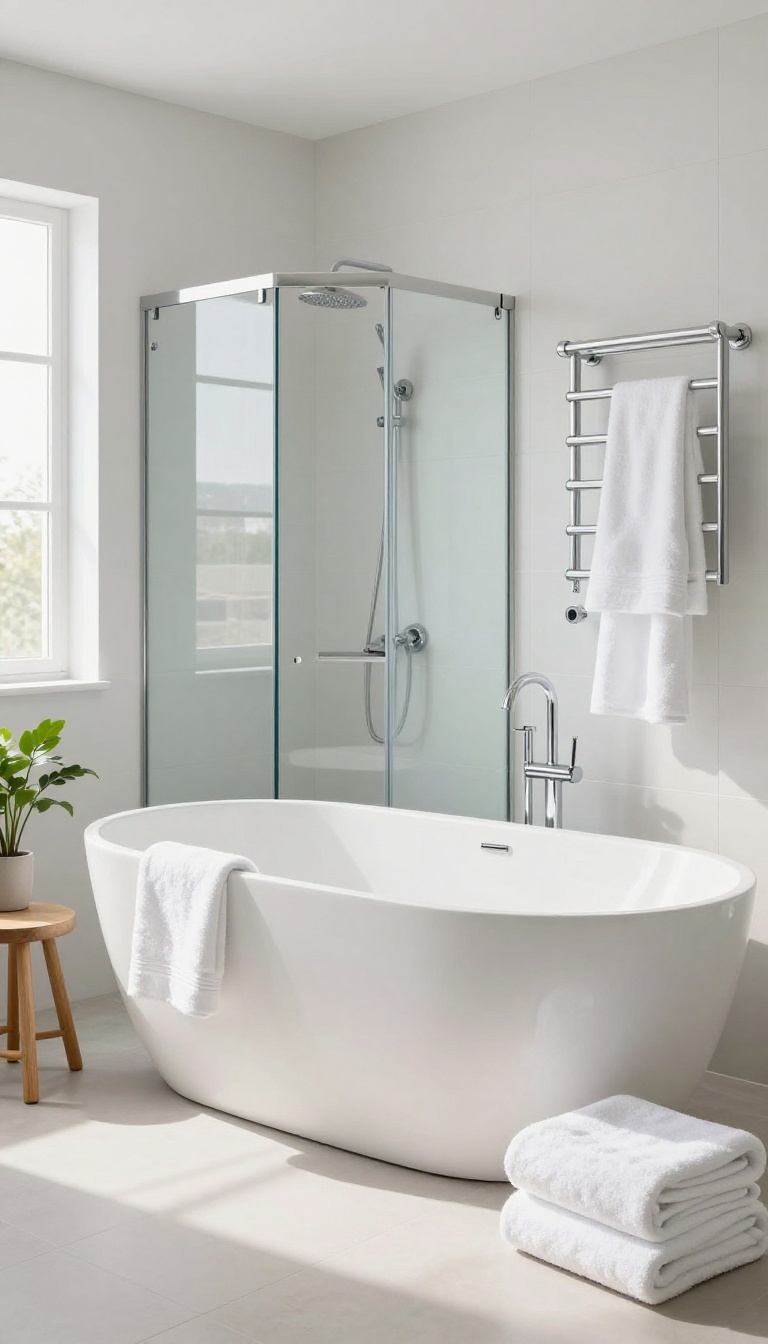
A heated towel rail is more than a spa-like indulgence—it’s a space-saving multitasker. In a small bathroom, every surface counts, and a rail that warms towels doubles as a drying rack for delicates or damp swimsuits. It keeps towels fluffy and dry, cutting down on musty smells and the need for extra towel bars.
Position it near the shower or bath, and you’ve got a warm towel within reach the moment you step out. The gentle heat also helps ventilate the room, reducing humidity and preventing mold. It’s a small upgrade that pays off daily, especially in cramped quarters where drying space is scarce.
Pick The Right Size And Style
Choose a rail that fits your wall space without overwhelming it. Slim, vertical designs work well in tight corners, while horizontal models can double as a shelf. Look for rust-proof finishes like stainless steel or chrome to withstand constant moisture.
If you’re handy, a towel rail with a built-in thermostat lets you control heat output, saving energy when you don’t need it.
Install It Strategically
Place the rail where it’s most useful—near the shower exit or beside the sink. Avoid blocking door swings or cabinet access. For rentals or quick fixes, consider a plug-in model that mounts without hardwiring.
Just ensure it’s away from direct water spray to stay safe and functional.
Maximize Its Drying Power
Use the rail to dry not just towels but also small items like washcloths, hand towels, or even a bathrobe. Overlap towels slightly to allow air circulation, and wipe down the rail periodically to keep it gleaming. On non-shower days, it’s a perfect spot to air out damp gym clothes or a wet umbrella.
15. Use a Shower Curtain with a Liner and Hooks
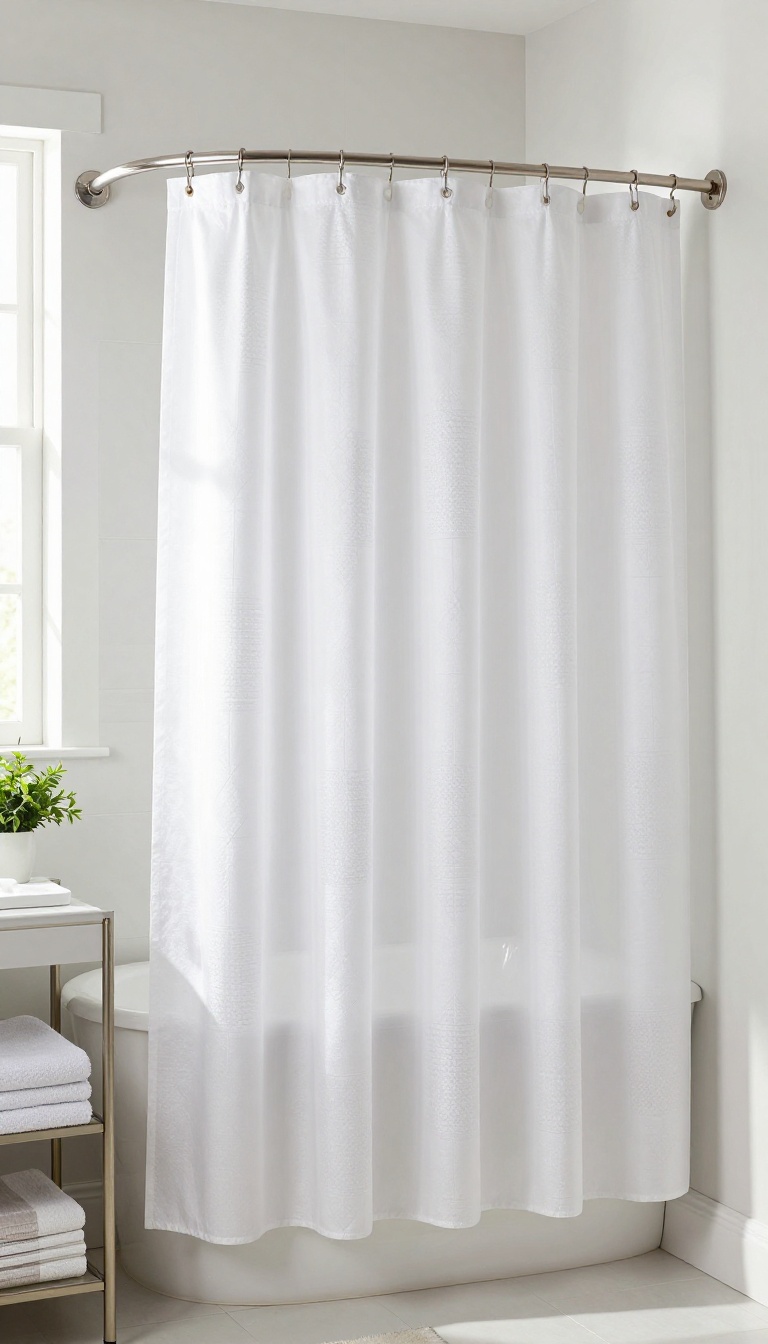
A shower curtain might seem like the most basic part of your bathroom, but in a compact shower-over-bath setup, it’s doing heavy lifting. The right curtain keeps water where it belongs, prevents mold, and even makes the space feel bigger. Here’s how to choose and use one that works as hard as you do.
When you’re combining a shower and bath in a small footprint, the curtain is your first line of defense against water escaping onto the floor. A cheap curtain can sag, stick to you, or grow mildew fast. Upgrading to a quality liner and rust-resistant hooks makes a noticeable difference in both function and peace of mind.
Why A Liner Matters
A liner is the real barrier between water and your bathroom floor. Look for a PEVA or vinyl liner that’s mold-resistant and easy to wipe down. Fabric liners can be washed, but they need to dry quickly to avoid mildew.
A weighted bottom helps keep the liner in place, so it doesn’t billow or cling to you while you shower.
Choosing The Right Hooks
Rust-resistant hooks are a must in a humid environment. Metal hooks with a plastic or nylon coating last longer and glide smoothly. Look for hooks with ball bearings or rollers for easy opening and closing.
If you’re short on space, consider hooks with a slight curve to keep the curtain from touching the tub edge.
Installation And Maintenance Tips
Install the curtain rod high and wide to create a sense of more space. Use a tension rod if you’re renting or don’t want to drill. To keep things fresh, wash the liner monthly and replace it every six months or so.
A quick spray of vinegar and water after showers can also prevent soap scum buildup.
FAQ
Is a shower over bath a good idea for small bathrooms?
Yes, it's a great space-saving solution that allows you to have both a shower and a tub without taking up extra room. It's practical for families and anyone who enjoys soaking.
How can I prevent water from splashing onto the floor?
Use a curved shower rod or a glass screen to keep water contained. Also, ensure your shower curtain or door is long enough and properly sealed.
What is the best material for a shower curtain in a small bathroom?
A PEVA or polyester liner is mold-resistant and easy to clean. Choose a fabric curtain for aesthetics, but pair it with a good liner to prevent mildew.
Can I install a shower over bath myself?
Basic installations like adding a showerhead or curtain rod are DIY-friendly. For plumbing or electrical work, it's best to hire a professional to ensure safety and code compliance.
How do I make a shower over bath feel more spacious?
Use light colors, add mirrors, and opt for a glass screen instead of a heavy curtain. Keeping the area clutter-free with smart storage also helps.
Conclusion
Making the switch from tub to shower isn't about losing something—it's about gaining usable space and a cleaner daily routine. The ideas above show that even the smallest bathroom can feel open and intentional with the right layout, storage, and materials. Start with the change that solves your biggest pain point, whether that's more floor space or easier cleaning.
Once you see how much better the room functions, you'll wonder why you waited so long. Your small bathroom can work harder, and you'll love the payoff.