13 Small Bedroom Ideas That Make Aesthetic Styling Feel Easy
A small bedroom doesn't have to feel like a compromise. With the right mix of smart storage and bold styling, you can turn even the coziest space into a room that feels open, organized, and full of personality. The secret is choosing pieces that pull double duty and letting each element earn its place.
In this guide, we'll walk through 13 practical ideas that balance function with aesthetic flair. From vertical shelving to low-profile beds, these tips are easy to implement and won't break the bank.
Ready to make your small bedroom feel effortless? Let's dive in.
1. Use Vertical Space for Storage
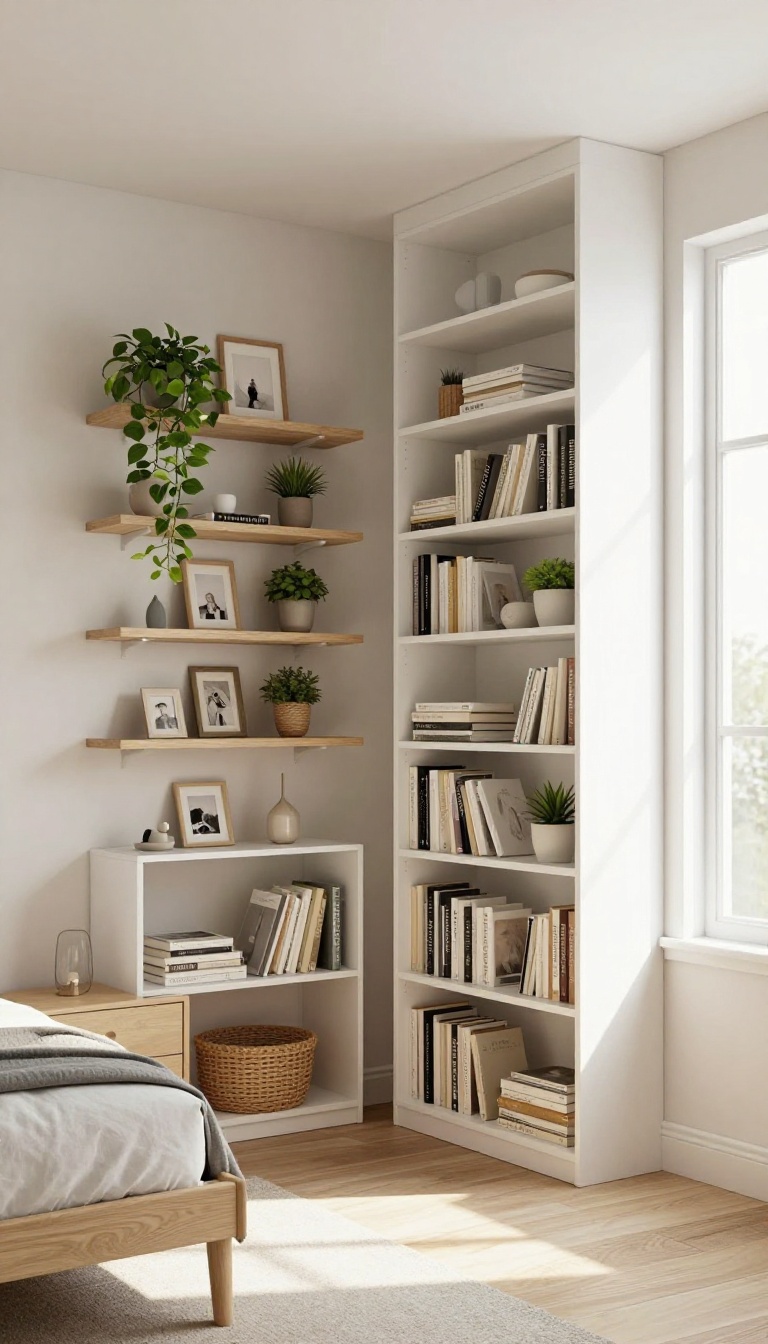
When floor space is tight, the walls become your best friend. Tall shelving units and floating shelves draw the eye upward, making the ceiling feel higher and the room more expansive. They also free up valuable floor area for furniture or walking space.
Vertical storage is a game-changer in small bedrooms. By taking advantage of wall height, you can store and display items without cluttering your floor. This approach not only maximizes storage but also adds visual interest and a sense of openness.
Maximize Wall Height
Install floor-to-ceiling shelving units that utilize every inch of vertical space. This is perfect for storing books, baskets, and decor. Choose slim, open shelves to keep the room feeling airy, or go with closed cabinets for a cleaner look.
Either way, you'll gain ample storage without sacrificing floor space.
Floating Shelves For Display
Floating shelves are a stylish way to display your favorite items without taking up floor space. Mount them above your bed, desk, or along an empty wall. Use them to showcase plants, framed photos, or small decorative objects.
Mixing different shelf lengths and heights adds visual interest and keeps the display from looking static.
Use Tall Furniture
Choose tall, narrow furniture pieces like armoires or bookcases that reach toward the ceiling. These provide substantial storage while occupying a small footprint. Look for pieces with adjustable shelves to accommodate items of various sizes.
A tall dresser can also double as a nightstand, saving space and adding vertical storage.
2. Choose Multi-Functional Furniture
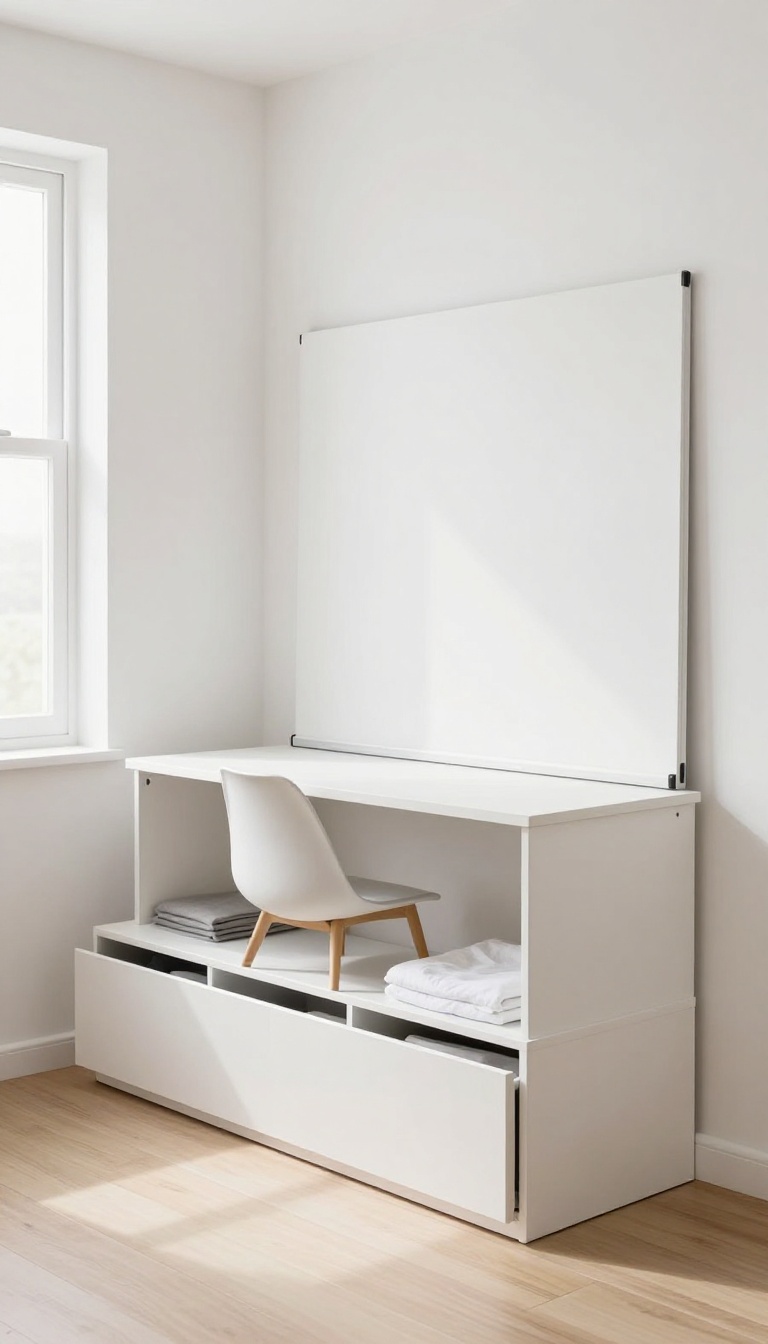
When every square foot counts, furniture that does more than one job is a game-changer. A piece that stores, folds, or transforms can free up precious floor space and keep your room looking tidy. The key is to pick items that blend function with style, so you're not sacrificing aesthetics for practicality.
Multi-functional furniture is the ultimate space-saver in a small bedroom. Instead of a bed that just sleeps, choose one with built-in drawers or a lift-up base to stash extra linens. A wall-mounted desk that folds down when you need it and disappears when you don't can turn a corner into a workspace without cluttering your room.
Nightstands with drawers or shelves keep essentials within reach while hiding clutter. By choosing pieces that serve double duty, you reduce the need for extra furniture and keep your room feeling open and airy.
Storage Beds: More Than A Place To Sleep
A bed with built-in storage is a small bedroom's best friend. Look for options with drawers underneath or a hydraulic lift that reveals a cavernous space for off-season clothes, extra bedding, or shoes. This way, you're not just sleeping – you're gaining a closet without adding a bulky dresser.
Choose a platform bed with clean lines to keep the look modern.
Fold-down Desks: Work When You Need It
If you work or study from your bedroom, a fold-down desk is a brilliant solution. Mount it on the wall and fold it up when you're done to reclaim the floor. Some even come with built-in shelves or cubbies for supplies.
It's perfect for small spaces that need a flexible workspace without permanent commitment.
Nightstands With Hidden Storage
Your nightstand can do more than hold a lamp. Choose one with drawers, shelves, or a cabinet to store books, glasses, chargers, and other bedtime essentials. A floating nightstand with an open shelf below adds storage without taking up floor space.
This keeps your bedside tidy and functional.
3. Lighten Up with Sheer Curtains
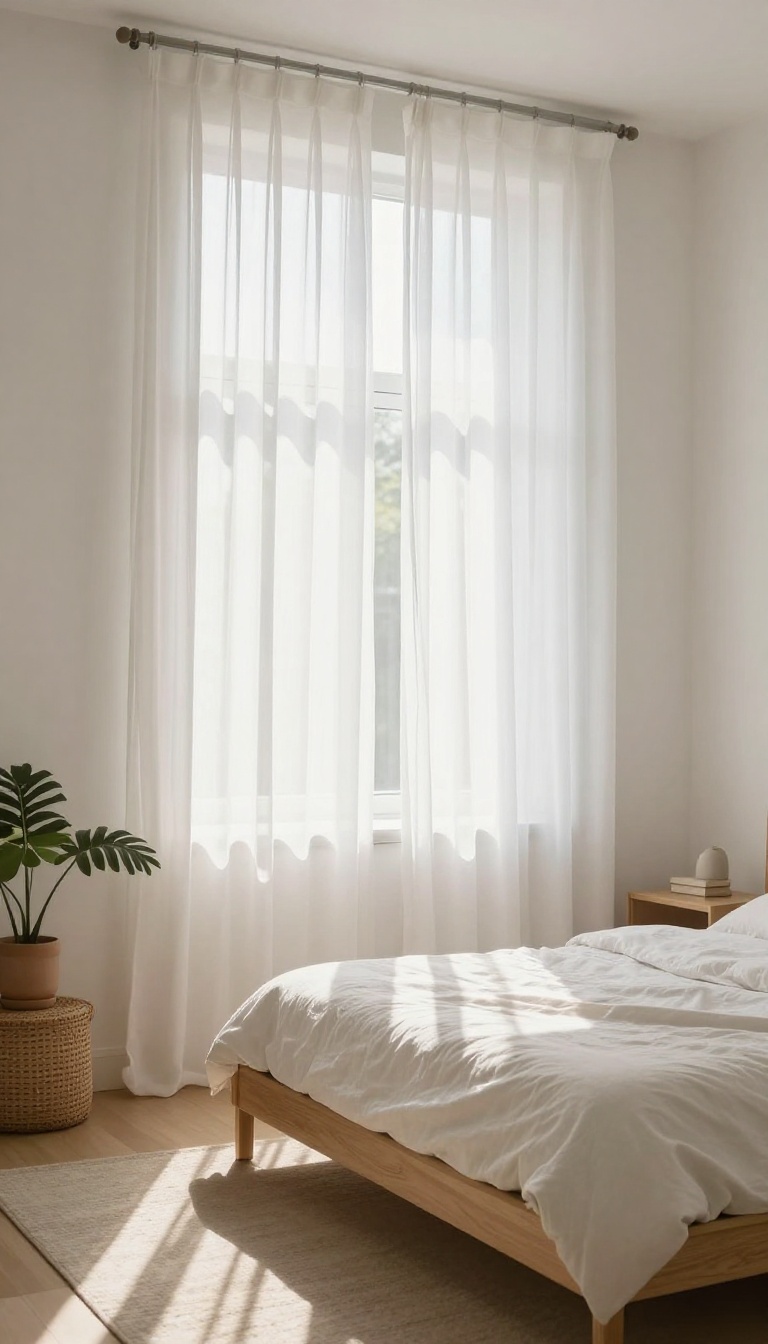
Natural light is one of the easiest ways to make a small bedroom feel bigger. Heavy drapes can block out that light and visually weigh down the space. Swapping them for sheer or light-colored curtains lets sunlight filter through, creating an airy and open atmosphere while still offering the privacy you need.
Sheer curtains soften the look of your windows without darkening the room. They allow daylight to bounce around, making the walls seem further apart. Plus, they come in a range of styles, from crisp white to soft pastels, so you can match them to your decor effortlessly.
Choose The Right Fabric
Look for lightweight materials like linen, voile, or cotton. These fabrics diffuse light gently, reducing glare while keeping the room bright. Avoid heavy velvet or thick polyester, which can make the space feel closed in.
Hang Them High And Wide
Mount the curtain rod closer to the ceiling and extend it a few inches beyond the window frame. This trick draws the eye upward and makes the window—and the room—appear larger. Floor-length sheers add a touch of elegance and elongate the walls.
Layer With Blinds For Privacy
If you need extra privacy at night, pair sheers with light-filtering blinds or a second set of blackout curtains. This way, you get the best of both worlds: soft daylight during the day and complete darkness when you need to sleep.
4. Add a Large Mirror
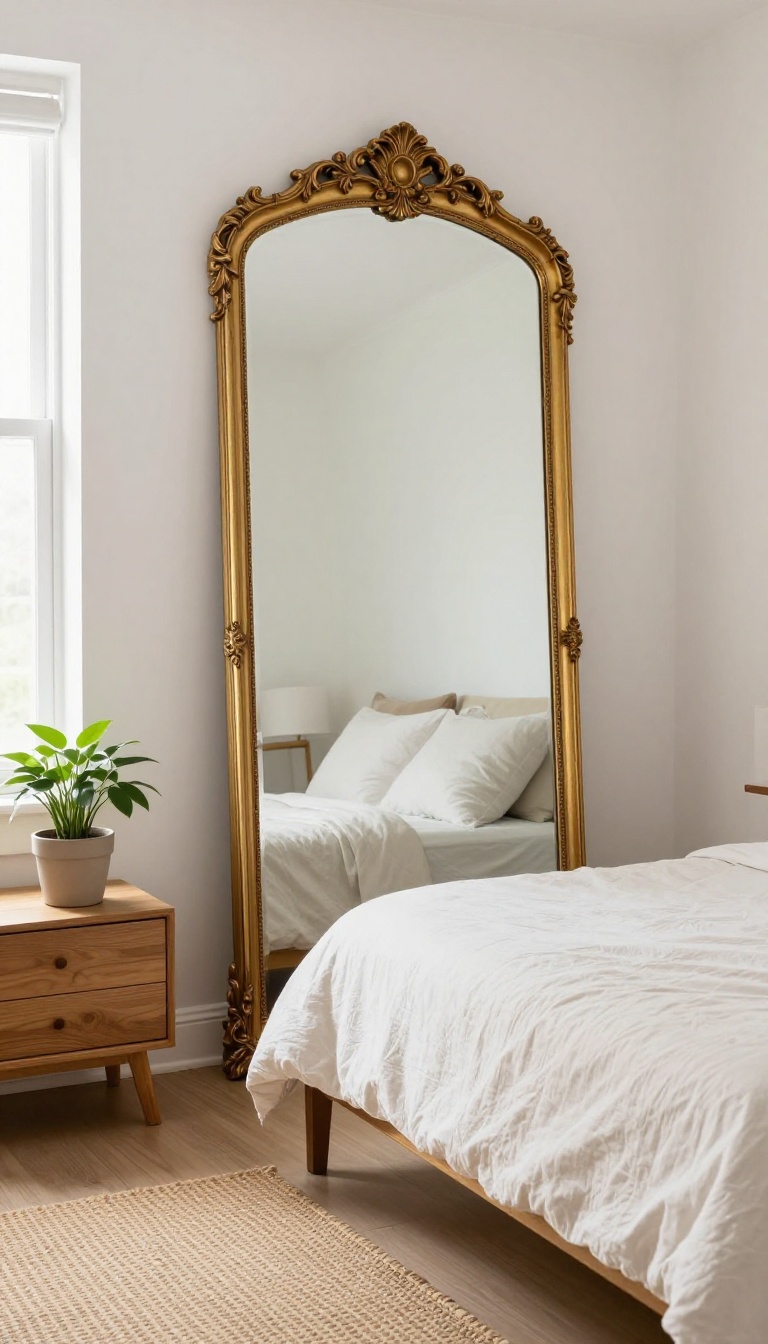
Mirrors are like magic for small spaces. They bounce light around the room and trick your eye into seeing more depth than there actually is. A big mirror can make a tiny bedroom feel twice as large, and it adds a touch of elegance without taking up any floor space.
Place a large mirror opposite a window to reflect natural light and brighten the whole room. If you have a closet door, consider replacing it with a full-length mirror or adding a mirror panel. This not only opens up the space visually but also gives you a practical spot to check your outfit before heading out.
Choose The Right Spot
The placement of your mirror matters. Hang it across from a window to maximize light reflection, or lean it against a wall to create a casual, relaxed vibe. Avoid placing it directly opposite the bed if you don't want to see your reflection first thing in the morning.
Style It Like A Pro
A mirror can be a statement piece. Choose a frame that complements your bedroom's aesthetic—whether it's sleek and modern, rustic wood, or ornate gold. You can also lean a large mirror on the floor for an effortlessly chic look that adds height to the room.
Make It Multifunctional
Opt for a mirror with built-in storage, like a mirrored cabinet or a jewelry armoire with a mirror front. This way, you're not just adding depth—you're also gaining hidden storage for accessories or small items, which is a win-win in a small bedroom.
5. Create a Cozy Reading Nook
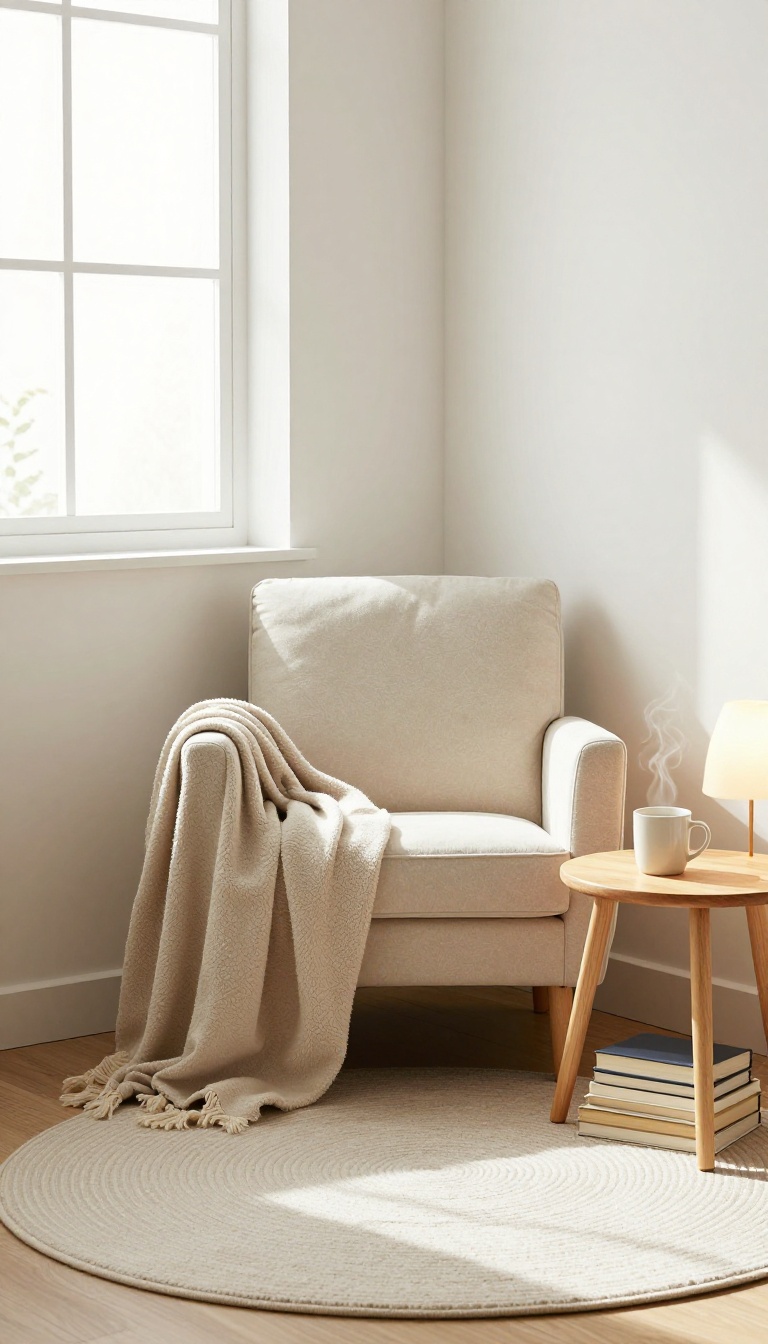
A tiny corner can become your favorite spot in the whole house. You don't need a lot of square footage to carve out a place that's just for you. A reading nook adds charm and purpose to an otherwise unused area, making your bedroom feel more intentional and inviting.
Pick a corner that gets a little natural light or is near a window. Place a comfortable chair—think a plush armchair or a cozy papasan—and add a small side table for your coffee or tea. A floor lamp with a warm bulb sets the mood.
This nook doesn't have to be big; even a 2×3-foot space works if you choose compact furniture. The key is to make it feel separate from the rest of the room, so use a rug or a different wall color to define the area. You'll be surprised how much a dedicated spot for reading or journaling can change the vibe of your bedroom.
Pick The Perfect Chair
Comfort is everything. Look for a chair that supports your back and has armrests. If space is tight, try a slim-profile chair or a floor chair with cushions.
A small rocking chair can also add a playful touch. Test it before buying—if you wouldn't sit in it for an hour, it's not the one.
Lighting Sets The Mood
Don't rely on the overhead light. A floor lamp with a warm bulb creates a cozy glow, or you can use a clip-on reading light. Position the light so it shines over your shoulder, not directly in your eyes.
Dimmable options are great for adjusting brightness throughout the day.
Add Personal Touches
Make the nook feel like yours. Throw a soft blanket over the chair, stack a couple of your favorite books on the side table, and hang a small piece of art or a shelf nearby. A tiny plant can bring life to the corner.
These little details make the space feel curated and welcoming.
6. Go Bold with an Accent Wall
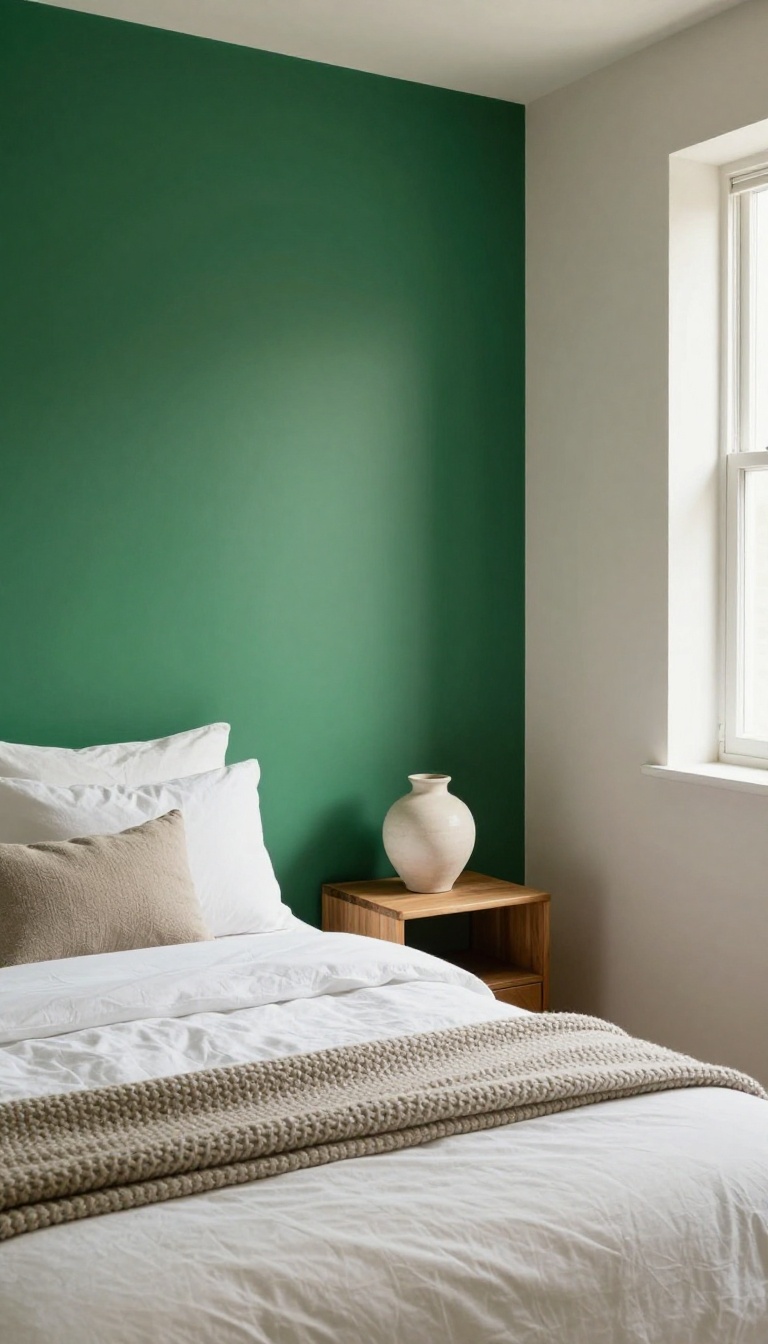
A single bold wall can completely shift the mood of a small bedroom. Instead of painting the whole room, focus on one surface to add depth and drama. This trick pulls the eye to a specific spot, making the space feel intentional rather than cramped.
An accent wall is one of the most effective ways to inject personality without overwhelming a small room. By choosing a deep, saturated color like navy, emerald, or charcoal, you create a visual anchor that makes the room feel grounded. Alternatively, removable wallpaper with a bold pattern can add texture and interest without a long-term commitment.
The key is to keep the other walls light and neutral so the accent wall stands out as a deliberate design choice.
Choose The Right Wall
Not every wall is a good candidate for an accent. The best choice is usually the wall that your eyes naturally land on when you walk in—often the one behind the bed. This creates a strong focal point and makes the bed feel like the centerpiece.
If your room has an architectural feature like a window or a fireplace, consider accenting that wall to highlight it.
Pick A Color That Works
Deep jewel tones like emerald green or sapphire blue add richness and a touch of luxury. For a more grounded feel, earthy shades like terracotta or olive bring warmth. If you're hesitant about going too dark, try a muted shade like dusty rose or slate blue—they still add depth without making the room feel smaller.
Always test a sample on the wall first to see how it looks in different lighting throughout the day.
Make It Versatile With Wallpaper
Removable wallpaper is a renter-friendly option that lets you experiment with patterns and textures. From tropical leaves to geometric prints, there's a style for every taste. It also makes it easy to change the look when you're ready for something new.
Just make sure to follow the instructions carefully for a smooth application and easy removal later.
7. Keep the Floor Clear with Wall-Mounted Lighting
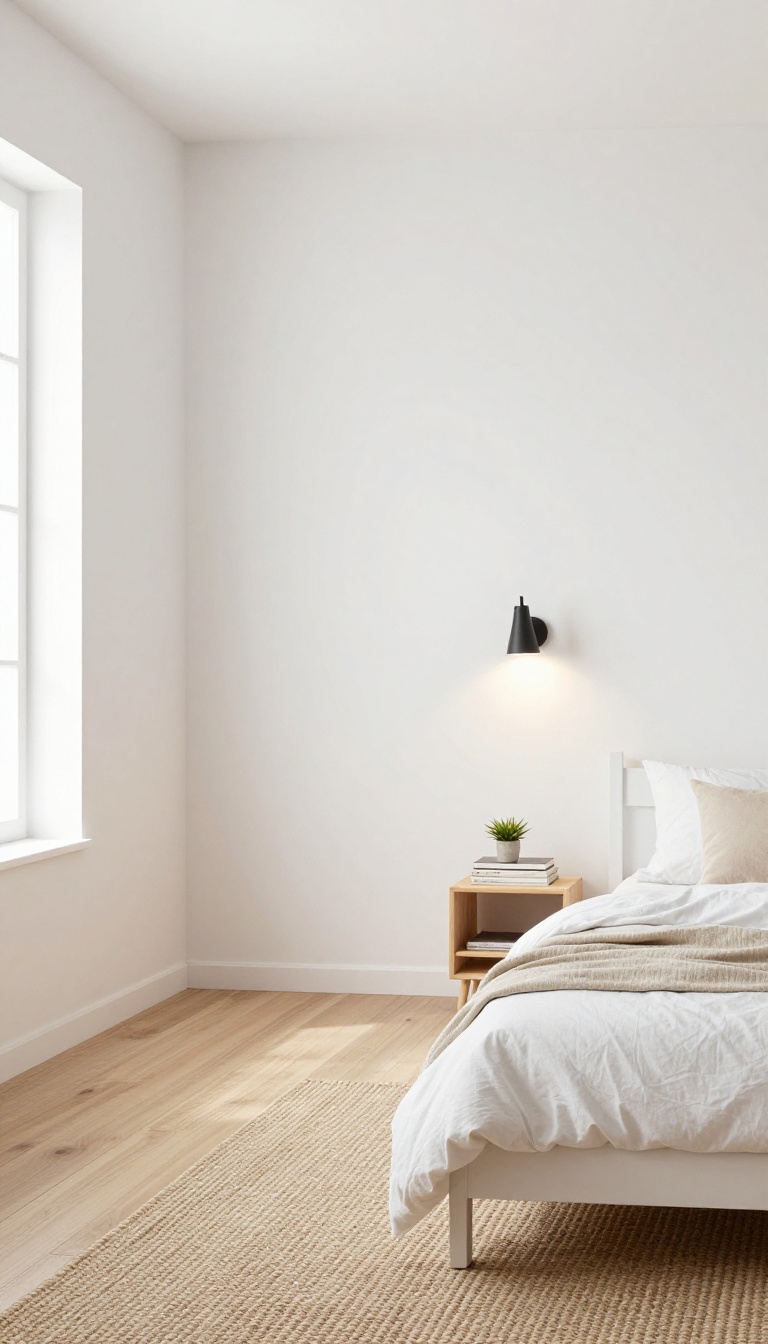
Floor lamps might seem like a quick fix for dark corners, but they can eat up precious square footage and create visual clutter. Wall-mounted lighting solves that problem by lifting the light source off the floor and onto the walls, where it can do double duty as both illumination and decor. The result is a cleaner, more open space that feels intentional and airy.
Swapping a bulky floor lamp for a pair of sleek wall sconces instantly frees up floor area, making the room feel larger and easier to navigate. Pendant lights hung from the ceiling achieve a similar effect, especially if you position them over nightstands or a reading nook. These fixtures also draw the eye upward, emphasizing vertical space and adding a touch of architectural interest.
Choose The Right Style For Your Vibe
The key is to pick fixtures that complement your room's aesthetic without overwhelming it. For a minimalist look, go with slim, adjustable sconces in matte black or brushed nickel. If you prefer a cozier feel, fabric shades or warm brass finishes add a soft, inviting glow.
Just make sure the scale fits—oversized fixtures can make a small room feel cramped.
Positioning For Maximum Effect
Place sconces at eye level when you're seated in bed, about 60 to 66 inches from the floor. This creates a balanced, functional light source for reading without casting harsh shadows. For pendant lights, hang them so the bottom of the shade sits about 28 to 36 inches above your nightstand or table.
That leaves room for books and decor while keeping the light close enough to be useful.
Installation Tips For Renters And Diyers
If you're worried about wiring, look for plug-in wall sconces that simply mount to the wall and plug into an outlet. Many come with cord covers that blend into the wall, so you don't have to cut into drywall. For a more permanent solution, hardwiring is a straightforward project if you're comfortable with basic electrical work—just turn off the breaker and follow the manufacturer's instructions.
If you're renting, always ask your landlord before making any holes.
8. Use Under-Bed Storage Wisely
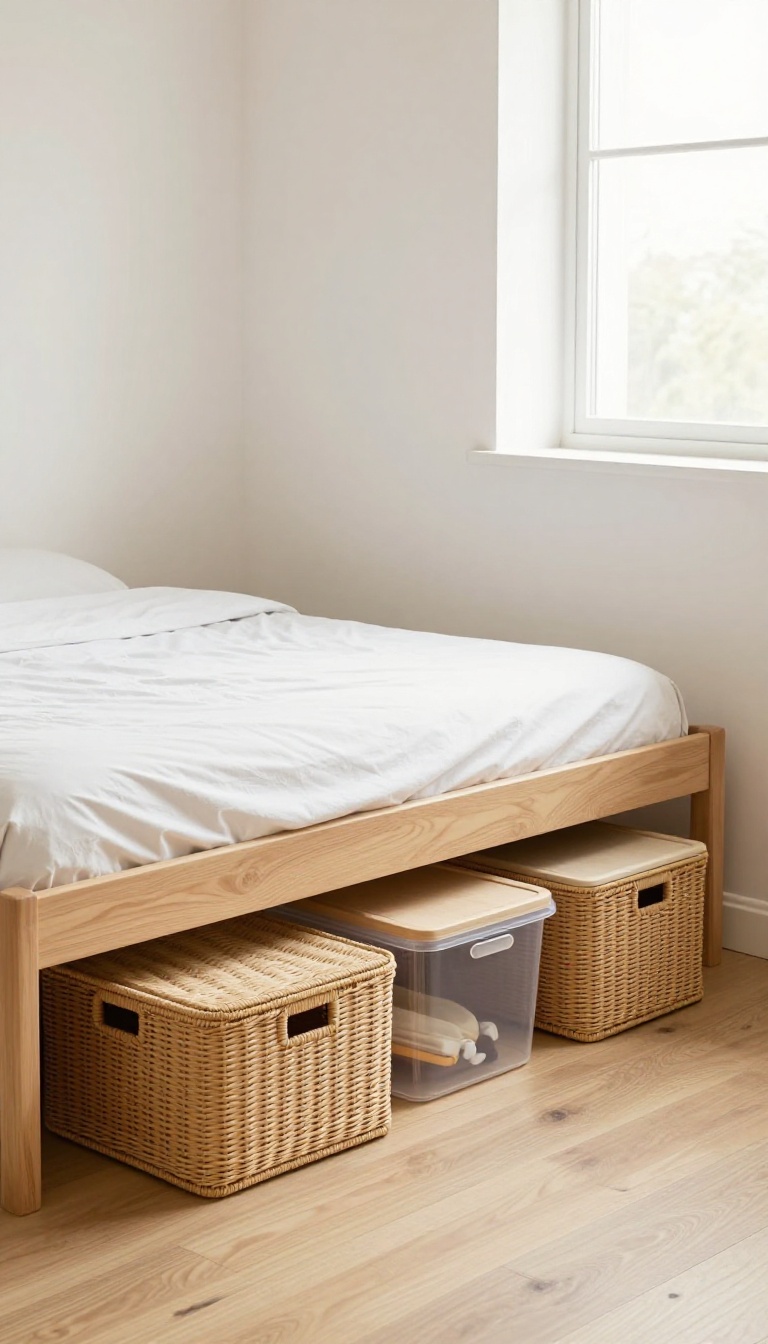
The space beneath your bed is prime real estate, often overlooked. Instead of letting it collect dust bunnies, turn it into a hidden storage haven. With the right bins or drawers, you can stash away items that would otherwise clutter your room, keeping the floor and surfaces clear.
This not only maximizes space but also contributes to a cleaner, more serene aesthetic.
Under-bed storage is a game-changer for small bedrooms. Low-profile bins and drawers slide neatly out of sight, making them perfect for off-season clothes, extra linens, or shoes. By utilizing this often-wasted area, you free up closet and floor space, which helps the room feel more open and organized.
Plus, with a variety of stylish options available, you can keep your storage looking intentional and chic.
Choose The Right Bins
Opt for bins that are low enough to slide under your bed with ease. Clear plastic containers let you see what's inside, while fabric bins add a soft, cozy touch. Consider bins with lids to keep dust out, and look for ones with handles for easy pulling.
Measure the height under your bed first to ensure a perfect fit.
Organize By Category
Sort items by type and season. Use one bin for winter sweaters, another for summer sandals, and a third for extra bedding. Label each bin or choose different colors to quickly identify contents.
This system makes it simple to swap items as the seasons change, keeping your closet and drawers less crowded.
Keep It Accessible
Store items you use less frequently in the back, and place everyday essentials near the front. If you have a bed frame with built-in drawers, use them for items you need often, like pajamas or extra pillows. For slide-out bins, consider adding wheels to make them easier to pull out, especially if they're heavy.
9. Incorporate a Compact Desk
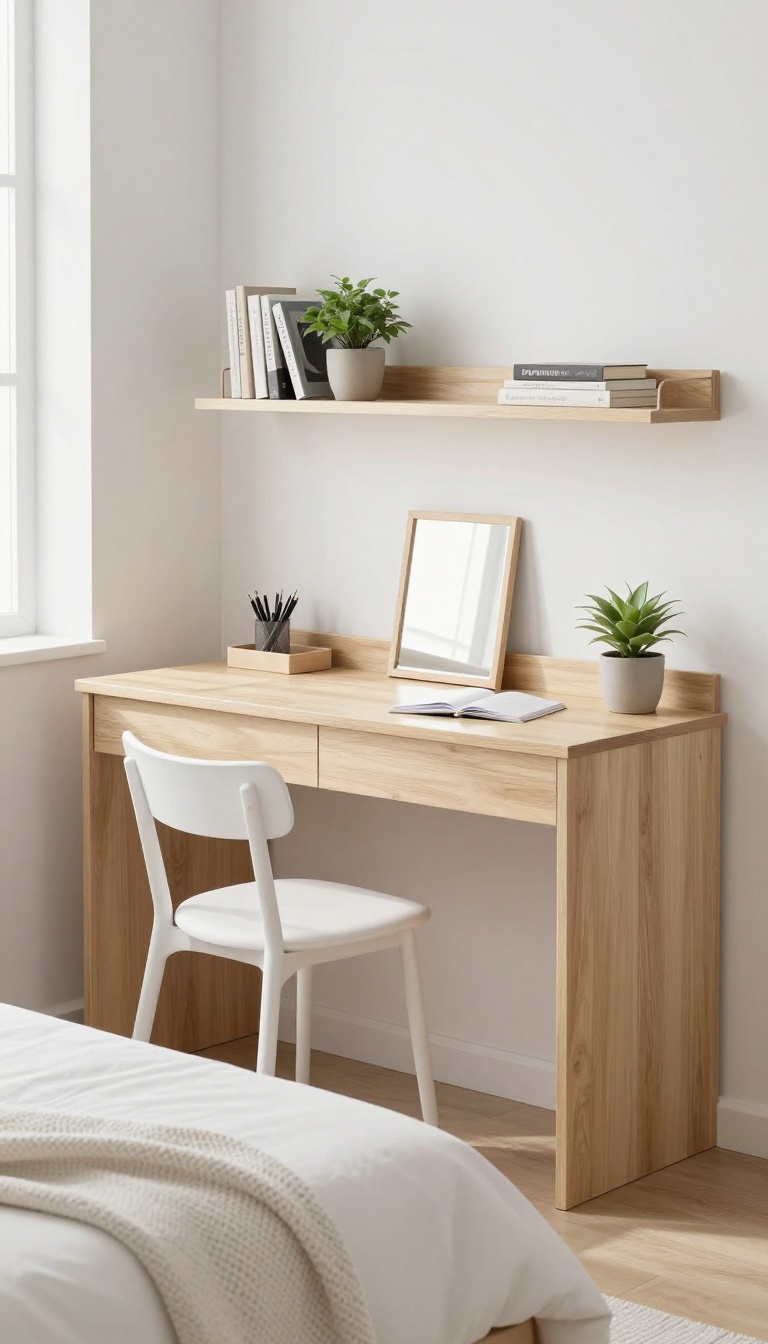
Working from home or studying in a small bedroom can feel cramped if you don't have a dedicated spot. A compact desk solves that without stealing the whole room. The trick is choosing a design that tucks away neatly or blends into the wall, so it's there when you need it and invisible when you don't.
A wall-mounted desk is a game-changer for tight spaces. It attaches directly to the wall, leaving the floor below open for a stool or storage bins. If you prefer something freestanding, a slim console table can double as a vanity or catch-all when you're not working.
Look for models with built-in shelves or drawers to keep pens, papers, and laptop cords organized.
Opt For A Fold-down Design
Fold-down desks are perfect for rooms that need to multitask. When closed, they look like a simple cabinet or shelf, and when open, they offer a sturdy workspace. This style works especially well in a corner or beside a bed, giving you a spot to write or type without sacrificing floor space.
Style It As A Vanity
A compact desk can easily pull double duty as a vanity. Add a small mirror above it and a tray for jewelry or skincare. Choose a chair that can slide completely underneath, and you'll have a spot that feels intentional and polished, not like a cluttered office corner.
Keep It Visually Light
To avoid making the room feel heavy, pick a desk with slim legs or an open base. A white or light wood finish helps it blend into the wall, and a floating shelf above can hold books or decor without adding bulk. This keeps the eye moving around the room instead of getting stuck on one piece of furniture.
10. Layer Textures for Depth
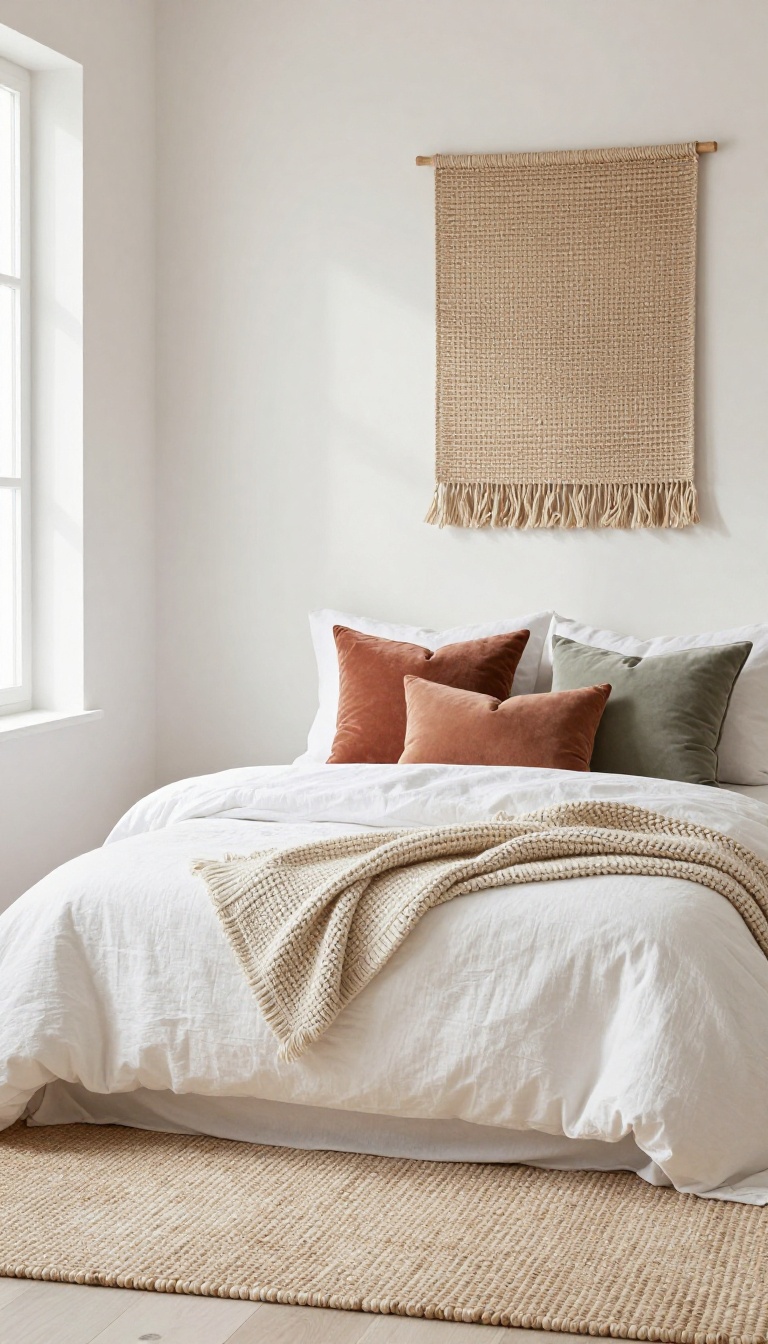
Texture is the quiet workhorse of interior design, especially in small spaces. When you mix materials like a chunky knit throw, velvet pillows, and a woven rug, you instantly add visual interest and warmth. This layering makes the room feel curated and cozy, even if the footprint is tiny.
Start with a neutral base—think a linen duvet or a cotton quilt—and then pile on contrasting textures. The goal is to create a tactile experience that draws the eye around the room. A chunky knit throw at the foot of the bed, a few velvet pillows in complementary tones, and a flat-woven rug underfoot do the trick without overwhelming the space.
Mix Soft And Structured
Pair plush, soft materials with more structured ones. For example, combine a velvet headboard with crisp cotton sheets and a chunky wool throw. The contrast between smooth and nubby adds depth without adding clutter.
Use Rugs To Define Zones
In a small bedroom, a rug can anchor the bed and define the sleeping area. Choose a natural fiber rug like jute or sisal for durability and texture, then layer a smaller, softer rug on top for extra coziness. This trick also adds a sense of layering that makes the room feel more intentional.
Don’t Forget The Walls
Texture isn’t just for bedding and floors. Add a woven wall hanging, a macramé piece, or even textured wallpaper on one accent wall. These elements draw the eye upward and make the room feel taller and more interesting.
11. Opt for a Low-Profile Bed Frame
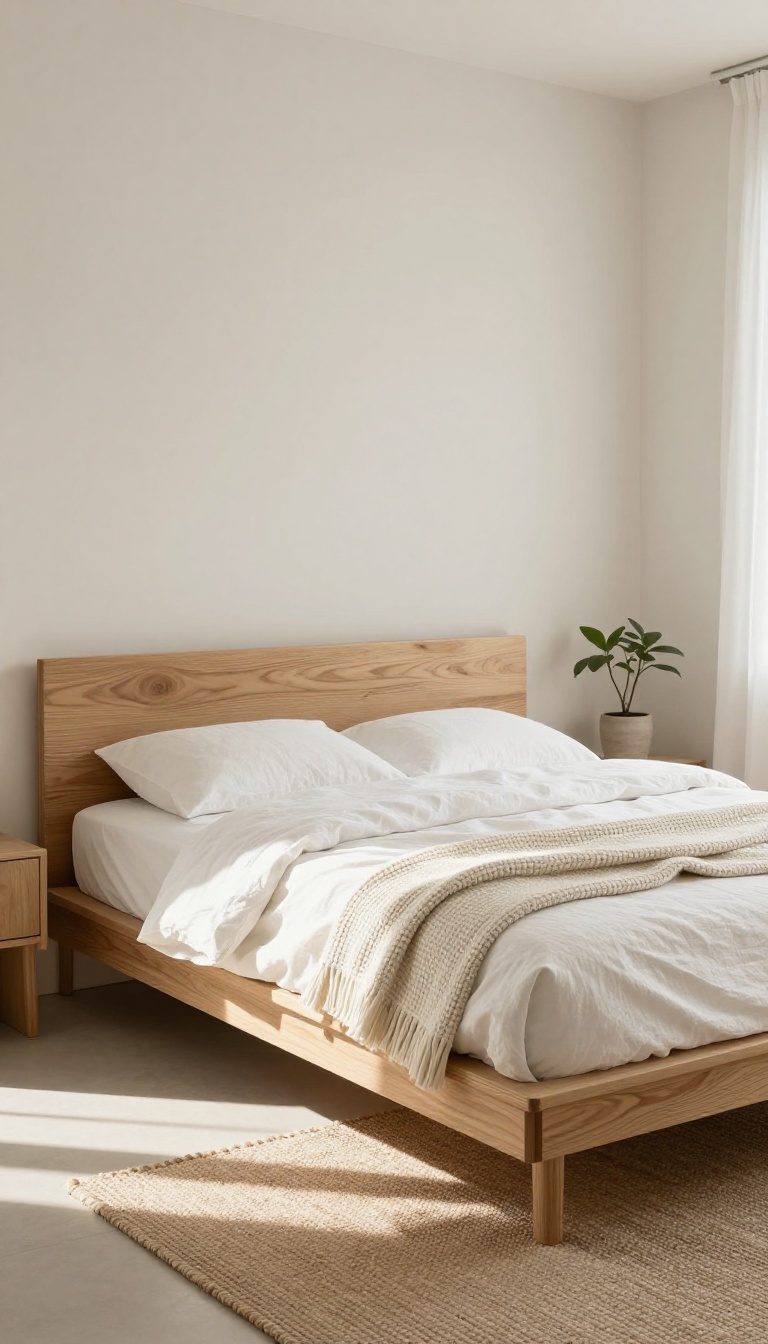
Your bed is the anchor of the room, and its height sets the visual tone. A bulky, tall frame can make a small space feel closed in. Swapping it for a low-profile platform bed instantly changes the proportions, making the ceiling seem higher and the floor area more open.
A low-profile bed frame—think platform beds or frames with minimal headboards—creates a sleek, grounded look. It reduces visual bulk and lets the eye travel freely around the room. This simple change can make your bedroom feel more spacious and airy without any major renovation.
Why Low-profile Works
Low-profile beds sit closer to the floor, which lowers the visual center of gravity. This draws attention to the floor space and makes the walls and ceiling feel taller. It also minimizes the visual weight of the bed, freeing up the room to breathe.
The result is a calm, uncluttered look that's perfect for small bedrooms.
Choosing The Right Frame
When picking a low-profile frame, look for clean lines and a simple silhouette. Platform beds with built-in slats are a great choice—they're sturdy and often don't need a box spring. Wood frames in light tones keep things airy, while upholstered frames add softness.
Just avoid ornate details that can feel busy.
Styling Tips
With a low bed, your bedding becomes the star. Use layers of texture—like a chunky knit throw or crisp linen duvet—to add depth. Keep the headboard area simple with a couple of pillows or a low headboard if you need back support.
And don't forget to style the floor: a soft rug that peeks out from under the bed adds warmth and anchors the space.
12. Add Greenery with Hanging Plants
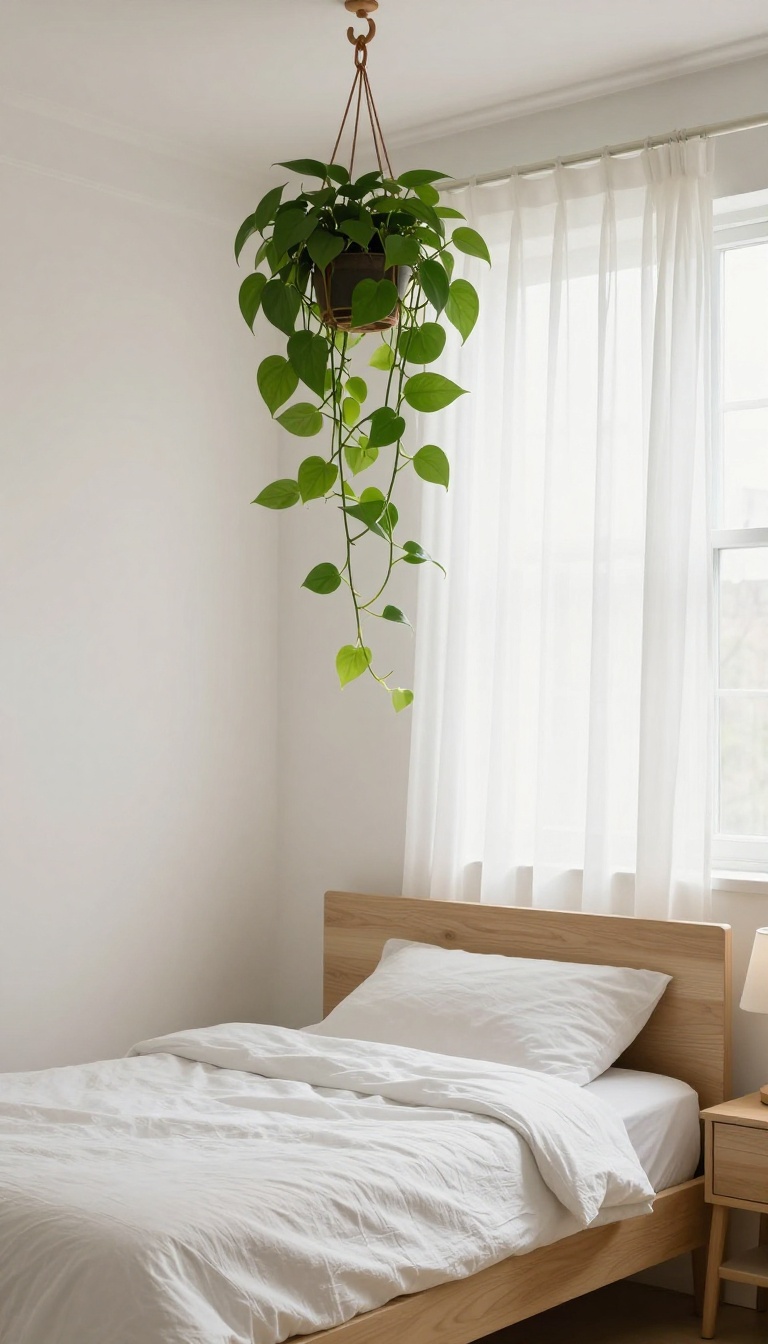
Plants are a simple way to make any room feel more alive, and in a small bedroom, they can work wonders without taking up floor space. Hanging plants, in particular, let you enjoy the benefits of greenery while keeping your surfaces clear. They add a fresh, organic touch that softens the room's edges and makes it feel more inviting.
When floor space is tight, look up. Hanging plants use vertical space that would otherwise go unused, and they bring a pop of color and life to eye level. Plus, many houseplants are excellent at purifying the air, which can help you sleep better and wake up feeling refreshed.
The key is choosing the right plants and placing them where they'll thrive without getting in the way.
Choosing The Right Plants
Not all plants are suited for hanging. Look for trailing varieties like pothos, string of pearls, or spider plants that cascade beautifully. These are low-maintenance and forgiving if you forget to water them occasionally.
If your room gets low light, opt for a ZZ plant or a philodendron, which tolerate shade well. Always check the light requirements before you buy, and consider the humidity in your room—bathrooms are great for ferns, but bedrooms are usually drier.
Placement And Hanging Tips
The best spots for hanging plants are near windows where they can get indirect sunlight. You can hang them from the ceiling using a sturdy hook, or mount a wall planter at different heights to create a living wall effect. Make sure the hooks are anchored into a stud or use heavy-duty drywall anchors to support the weight.
Also, think about traffic flow—you don't want to bump into a plant every time you walk by. Place them in corners or above furniture where they can dangle freely.
Styling With Hanging Planters
The planter itself can be a design element. Choose macramé hangers for a boho vibe, or sleek ceramic pots for a modern look. Mixing different textures and colors adds visual interest without cluttering the room.
You can also group a few small hanging plants together at varying heights to create a focal point. Just remember to keep the overall arrangement balanced—too many plants can make the room feel chaotic, so start with one or two and see how it feels.
13. Use a Neutral Palette with Pops of Color
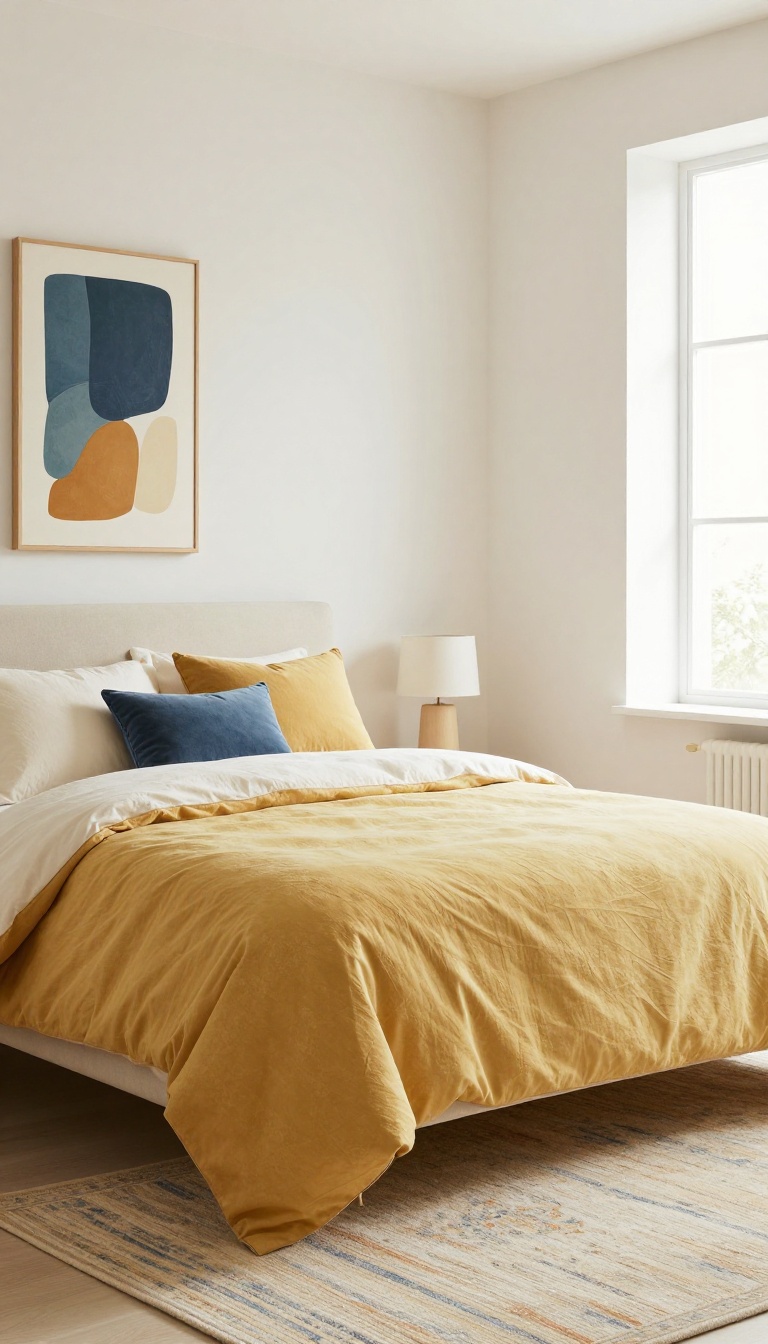
A calm, neutral base can make a small bedroom feel more spacious and serene. But going all-neutral risks looking flat. The trick is to layer in a few bold accents that add personality without overwhelming the space.
Start with walls, bedding, and large furniture in soft whites, warm beiges, or gentle grays. Then introduce color through smaller items like a vibrant rug, a piece of art, or a set of throw pillows. This approach keeps the room visually quiet while giving you the freedom to change accents seasonally or whenever you crave a refresh.
Choose Your Base Tones
Pick a neutral that feels warm or cool depending on the light in your room. White with a hint of warmth (like off-white or cream) bounces light around, making the space feel airier. Soft greige or light taupe adds depth without darkening the room.
Keep the base consistent across walls, bedding, and large furniture to create a seamless backdrop.
Pick A Color Story
Limit your accent colors to one or two hues that complement each other. For example, a mustard yellow and a dusty blue work well together, or a terracotta with a sage green. This prevents the room from feeling chaotic.
Use your chosen colors in a few repeated elements, like the rug, a throw, and a piece of wall art, to tie the room together.
Layer Accents Strategically
Place your most colorful piece where it draws the eye, like a bold rug under the bed or a large framed print above the headboard. Then add smaller accents, such as pillows, a vase, or a bookshelf styling, to reinforce the color without dominating. This way, the room feels intentional and balanced.
Keep It Flexible
One of the joys of using pops of color is that you can easily swap them out. Change the throw pillows or the rug when you want a new look without repainting or buying new furniture. This makes your small bedroom feel fresh and adaptable to your mood or the season.
FAQ
What is the best way to make a small bedroom look bigger?
Use light colors, maximize natural light with sheer curtains, and add a large mirror to reflect light. Also, keep the floor clear by using wall-mounted storage and furniture with legs.
How can I add storage to a small bedroom without making it feel cramped?
Utilize vertical space with tall shelves, use under-bed storage, and choose multi-functional furniture like beds with drawers or ottomans with hidden storage. Keep surfaces clutter-free.
What colors are best for a small bedroom?
Soft, light colors like white, cream, light gray, and pastels make a room feel airy and open. You can add pops of color through accessories to avoid a sterile look.
How do I create a cozy atmosphere in a small bedroom?
Layer textures with rugs, throws, and pillows. Use warm lighting from lamps or string lights, and add personal touches like photos or plants. A reading nook also adds coziness.
Can I have a desk in a small bedroom?
Yes, choose a compact desk like a wall-mounted or fold-down design. Alternatively, use a slim console table that can serve as a desk and a nightstand. Ensure it doesn't block pathways.
Conclusion
Small bedrooms work best when you focus on what actually matters to you. Whether it's a clever storage hack, a fresh color scheme, or a cozy reading corner, the right idea can make the space feel twice as large. Pick one change that excites you and start there—small steps add up fast.
The goal isn't to cram in more, but to make every inch purposeful. With a bit of creativity, your compact room can become your favorite spot in the house.