10 Attic Living Room Ideas That Feel Fresh and Easy
Attics often get dismissed as storage space, but they can become the coziest room in the house. With a bit of creativity and some smart choices, you can turn that sloped-ceiling area into a living room that feels open, airy, and inviting.
The trick is to work with the angles, not against them, and to focus on what makes the space unique. Whether you're starting from scratch or giving an existing attic a refresh, these ideas are designed to be practical, affordable, and surprisingly easy to pull off.
You don't need a huge budget or a contractor—just a clear plan and a willingness to experiment.
1. Embrace the Sloped Ceilings
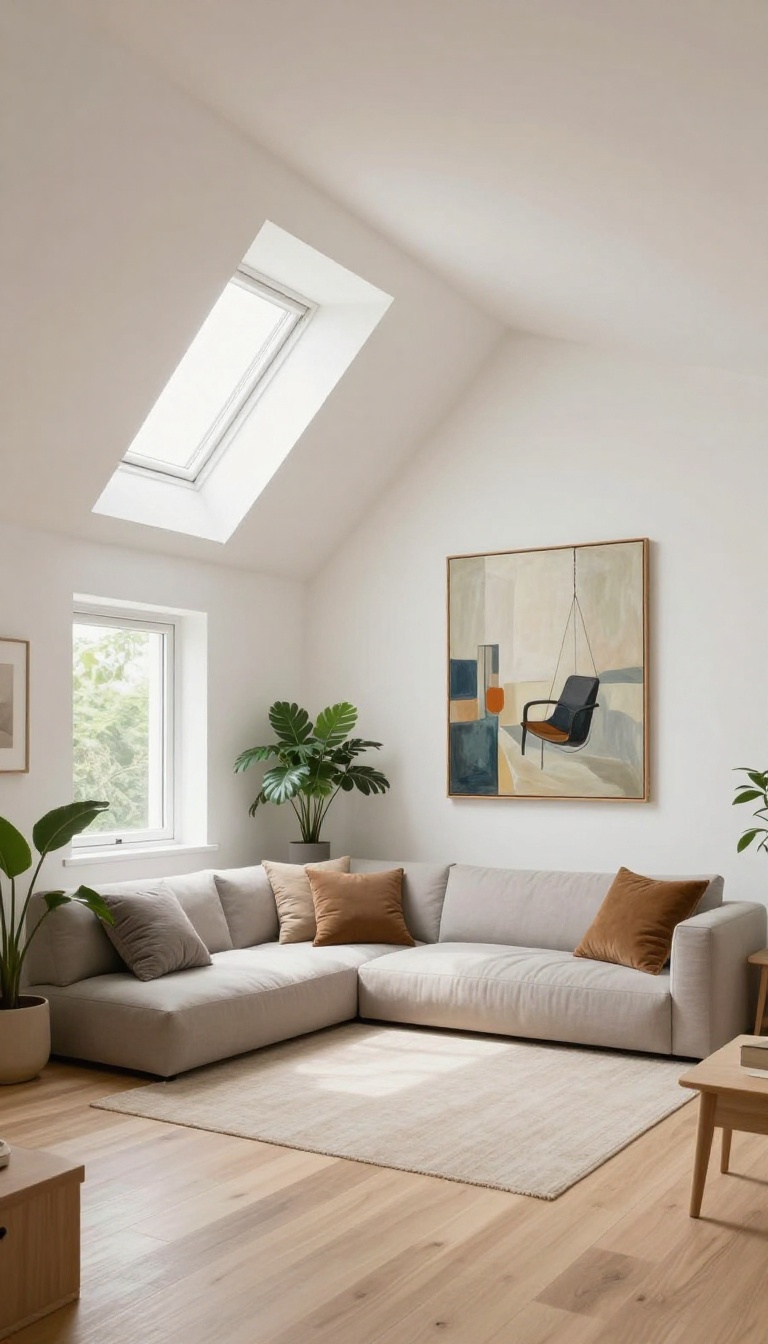
Sloped ceilings can feel like a design hurdle, but they're actually your biggest asset. Instead of fighting the angles, let them guide your layout. This approach not only makes the room feel larger but also adds character that a standard room just can't match.
Start by placing low-profile furniture, like floor cushions or a low sofa, directly under the slants. This uses space that might otherwise feel wasted and keeps the center of the room open. Then, use the highest point of the ceiling for your main seating area or a statement piece like a fireplace.
A light paint color on the ceiling—think soft white or pale gray—will reflect light and make the space feel taller and more open.
Low Furniture Under The Slants
Under the lowest parts of the ceiling, skip tall bookshelves or bulky chairs. Instead, opt for floor cushions, a low bench, or a compact loveseat. This creates a cozy nook without making the room feel cramped.
You'll be surprised how inviting a tucked-away corner can be.
Use The Peak For The Focal Point
The highest point of the ceiling is prime real estate. Place your main seating arrangement, a large piece of art, or even a hanging chair right there. This draws the eye upward and makes the room feel grand, even if it's small.
It also gives you a natural gathering spot that feels intentional.
Light Colors To Open Up
Dark ceilings can make a sloped room feel like a cave. Paint the ceiling a light, airy color to bounce light around and visually raise the roofline. You can also add a few skylights or dormer windows to flood the space with natural light, which works hand-in-hand with the paint to keep things bright.
2. Maximize Natural Light with Skylights
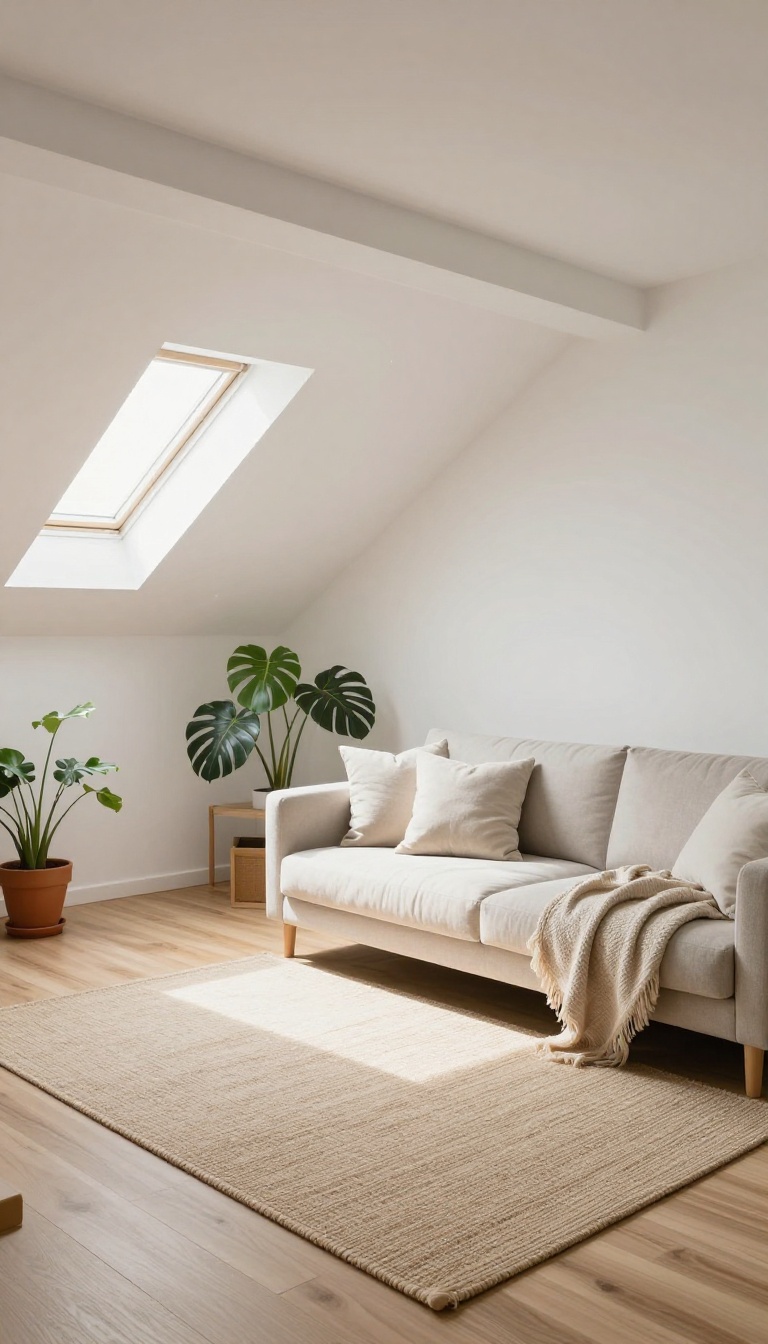
Attics often feel like caves, especially when the only windows are small dormers. But you can flip that by bringing the sky right into the room. Skylights aren't just for show—they completely change how the space feels, making it brighter and more open without knocking down walls.
If your attic has a sloped roof, you're already halfway there. Skylights fit perfectly into that angle, letting sunlight pour in from above. Even on cloudy days, they make the room feel less closed in.
And if you're worried about heat in the summer, modern skylights come with coatings that block UV rays, so you get the light without the sauna effect.
Choose The Right Skylight For Your Roof
Not all skylights are the same. Fixed skylights are great for light but don't open, while vented ones let in fresh air—perfect for a stuffy attic. Tubular skylights are a clever alternative if you have limited roof space; they use a reflective tube to funnel light from a small dome on the roof down into the room.
They're easier to install and work wonders in tight corners.
Placement Matters More Than Size
Where you put the skylight matters just as much as how big it is. Position it to capture the morning sun if you want a bright breakfast spot, or face it west for warm afternoon light. Avoid placing it directly over where you'll watch TV, as glare can become annoying.
Think about the room's layout and where you want the light to land.
Boost Light Without Skylights
If skylights aren't an option—maybe the roof structure won't allow it—you can still brighten things up. Hang sheer curtains on any windows you have so light filters through softly. Place a large mirror on a wall opposite a window to bounce daylight around the room.
Choose light-colored furniture and walls to reflect what light you do get, making the whole space feel airier.
3. Choose Low-Profile Furniture
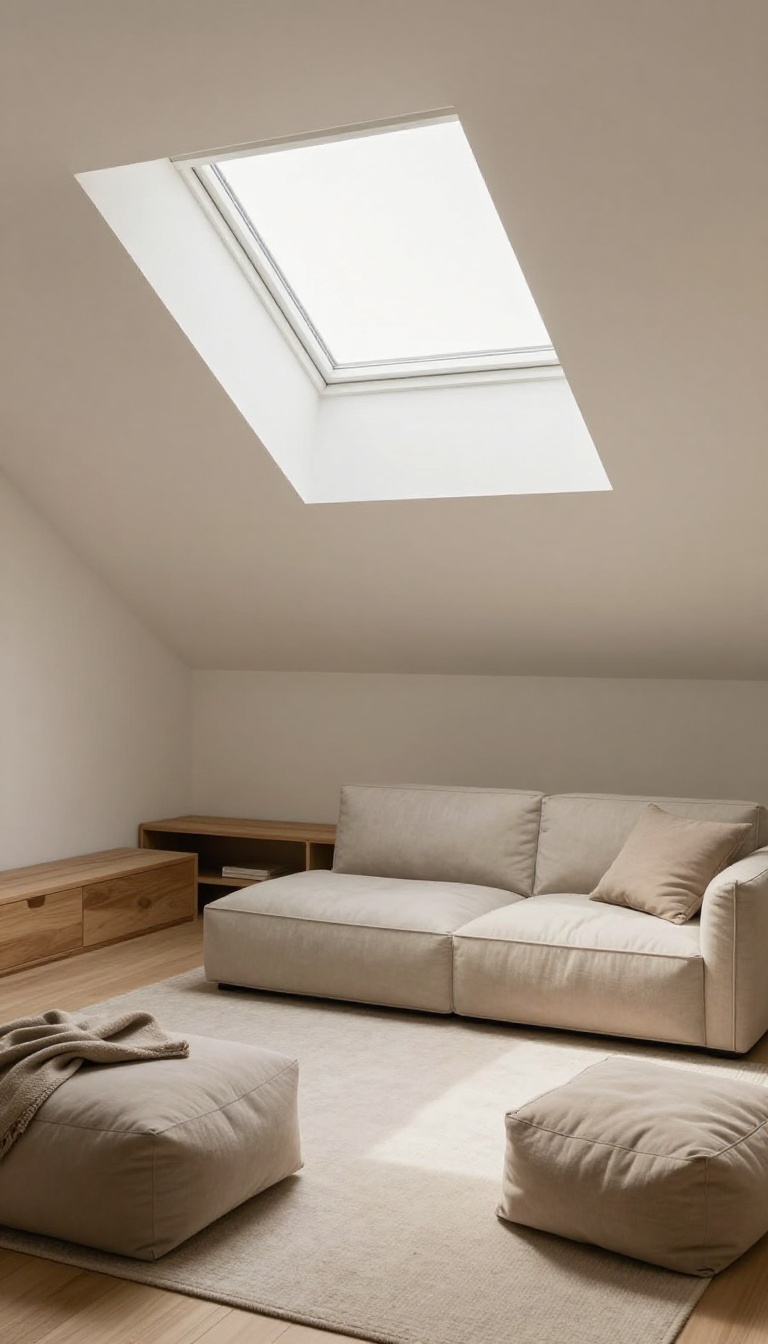
When your ceiling slopes down on both sides, tall furniture just makes the room feel cramped. Low-profile pieces work with the architecture, not against it. They keep sightlines clear and make the space feel more open and airy.
Low-profile furniture is a game-changer in an attic. It fits neatly under the eaves and leaves plenty of headroom in the center. Plus, it creates a cozy, grounded vibe that's perfect for relaxing.
Here's how to make it work:
Floor Cushions And Poufs
Instead of a bulky sofa, try a mix of floor cushions and poufs. They're easy to move around, so you can change the layout whenever you want. Pile them with soft throws and you've got a casual, inviting seating area that hugs the floor.
Low Sofas And Modular Pieces
If you prefer a sofa, go for a low-profile model with a seat height around 15 inches or less. Modular sectionals are also great because you can arrange them to fit the angles of the room. They feel modern and keep the space from feeling boxed in.
Low-profile Storage
Storage doesn't have to be tall. Use low bookshelves, storage benches, or flat cabinets that slide under the eaves. This keeps your essentials close at hand without blocking the natural flow of the room.
Look for pieces with a low, horizontal silhouette to maintain that open feel.
4. Create a Cozy Reading Nook
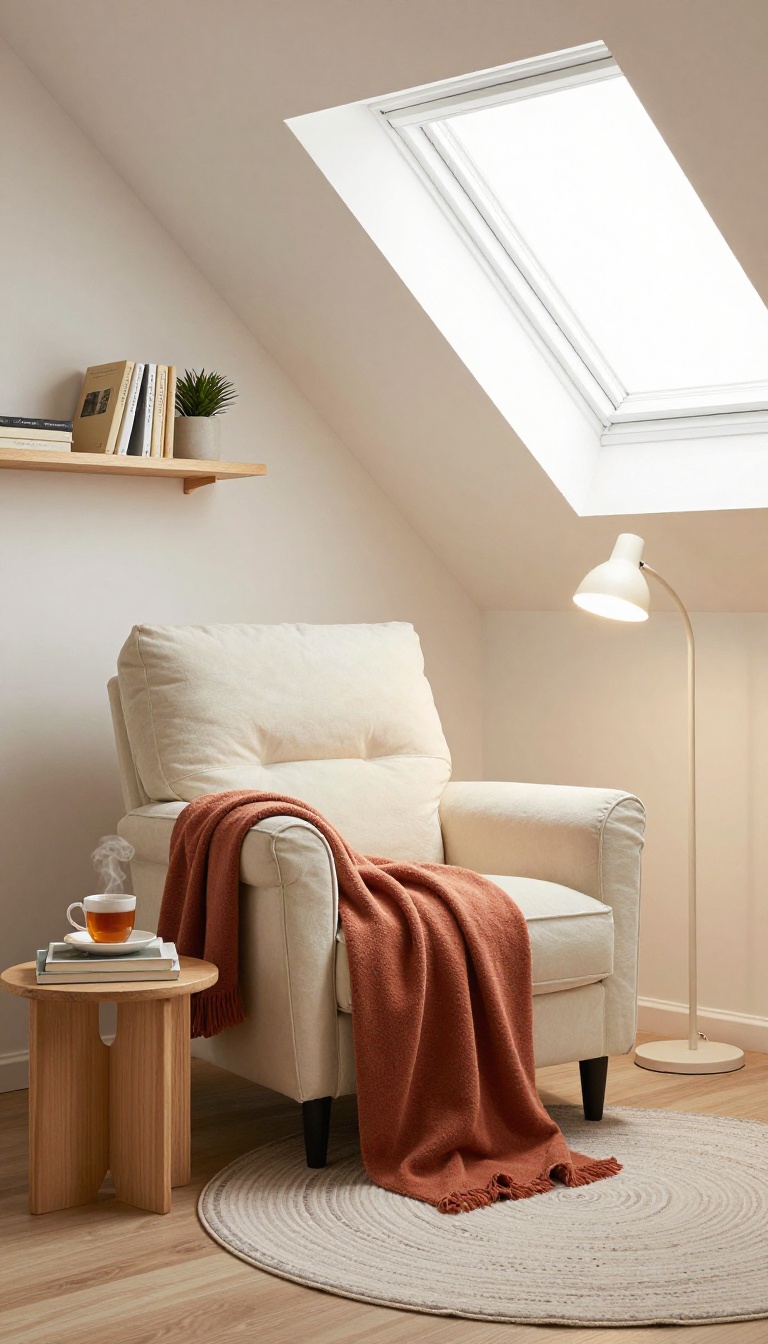
An attic with a low corner might seem too awkward for anything useful, but it's actually the perfect spot for a reading nook. The sloped ceiling creates a natural sense of enclosure, which makes a small space feel intimate and snug. With the right chair, lighting, and a few cozy touches, you can turn that forgotten corner into your favorite place to unwind.
Start by measuring the corner to see how much room you have. A comfortable armchair or a chaise lounge works best, but even a sturdy floor cushion can do the trick. Place a small bookshelf or a floating shelf nearby to keep your current reads within arm's reach.
Add a floor lamp or a wall-mounted reading light that casts a warm glow without taking up floor space. Finish the nook with a soft throw blanket and a small rug to anchor the area and make it feel intentional.
Choose The Right Chair
Look for a chair that fits the scale of the space. A compact armchair with a high back can make the nook feel more enclosed, while a low-profile chair with a footstool offers a more relaxed vibe. Test the chair for comfort—since this is a reading nook, you'll want to sit for long stretches.
If the ceiling is especially low, consider a chair with a lower back or a floor seat with cushions.
Lighting That Works
Good lighting is essential for a reading nook. A floor lamp with an adjustable arm lets you direct light exactly where you need it. If floor space is tight, mount a swing-arm wall lamp or use a clip-on book light.
Choose a warm bulb (around 2700K) to create a cozy atmosphere. Avoid harsh overhead lights that can feel too bright in a small space.
Add Storage And Personal Touches
A small bookshelf or a stack of floating shelves keeps your books organized without overwhelming the corner. Use baskets or bins to store magazines, blankets, or other items. Add a personal touch with a framed photo, a small plant, or a decorative object that makes the nook feel like yours.
The goal is to make the space functional and inviting, not cluttered.
5. Use Light, Neutral Colors
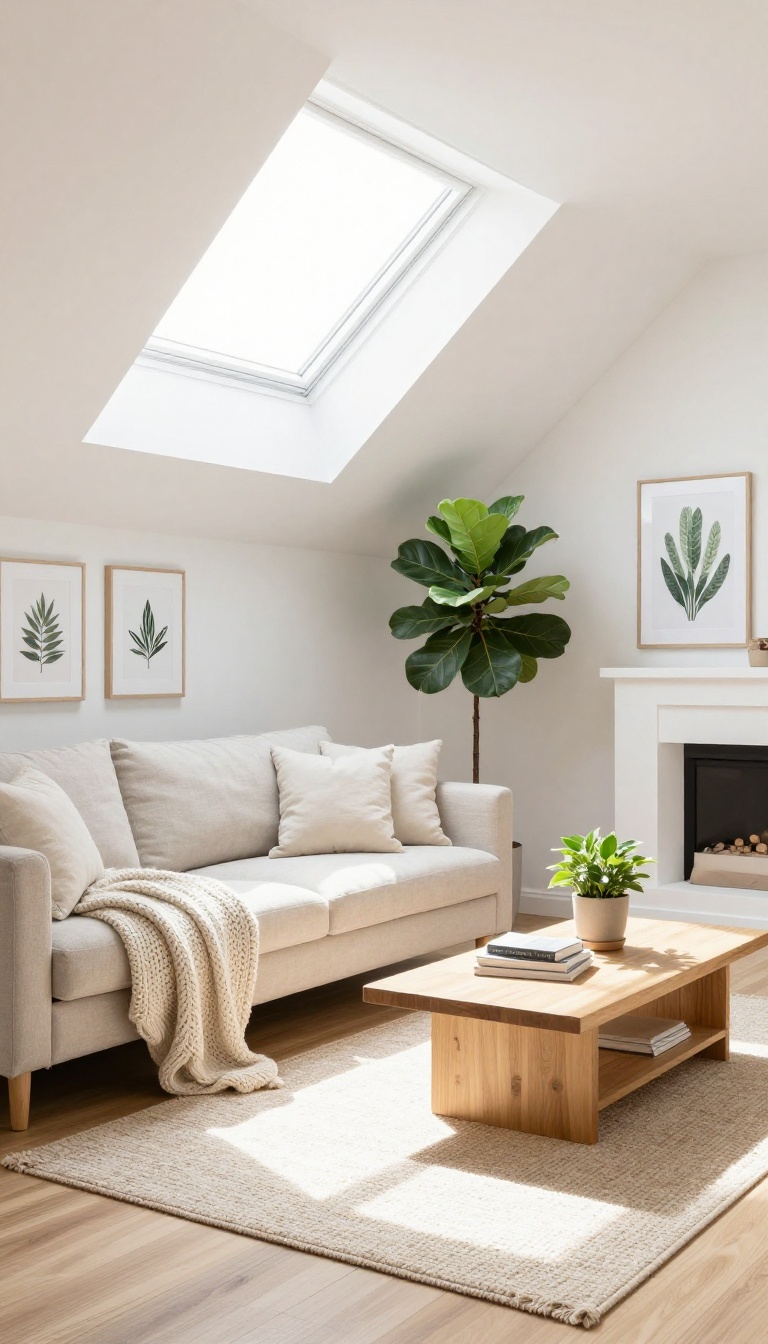
Light, neutral colors are a game-changer in an attic living room. They bounce natural light around, making the space feel bigger and brighter, even when the ceilings are low. Plus, they create a calm, airy backdrop that lets your furniture and decor shine.
Start by painting the walls and ceiling in soft whites, creams, or pastels. These shades reflect light and visually lift the ceiling, counteracting any cramped feeling. Then, add personality with pops of color through pillows, art, and plants.
This way, you keep the room fresh and open without it feeling sterile.
Choose The Right White
Not all whites are created equal. Warm whites with a hint of yellow or beige feel cozy, while cool whites with blue or gray undertones feel crisp and modern. Test a few samples on your attic walls to see how they look in different lighting throughout the day.
You'll be surprised how much the right white can transform the space.
Layer In Texture
Neutral doesn't mean boring. Use texture to add depth and interest. Think chunky knit throws, linen curtains, a jute rug, or a velvet sofa.
These tactile elements make the room feel inviting and rich, even with a limited color palette.
Add Pops Of Color
Once your base is neutral, have fun with accessories. A few bright throw pillows, a colorful piece of wall art, or a collection of green plants can inject energy and personality. You can easily swap these out seasonally or whenever you want a fresh look without repainting.
6. Incorporate Smart Storage Solutions
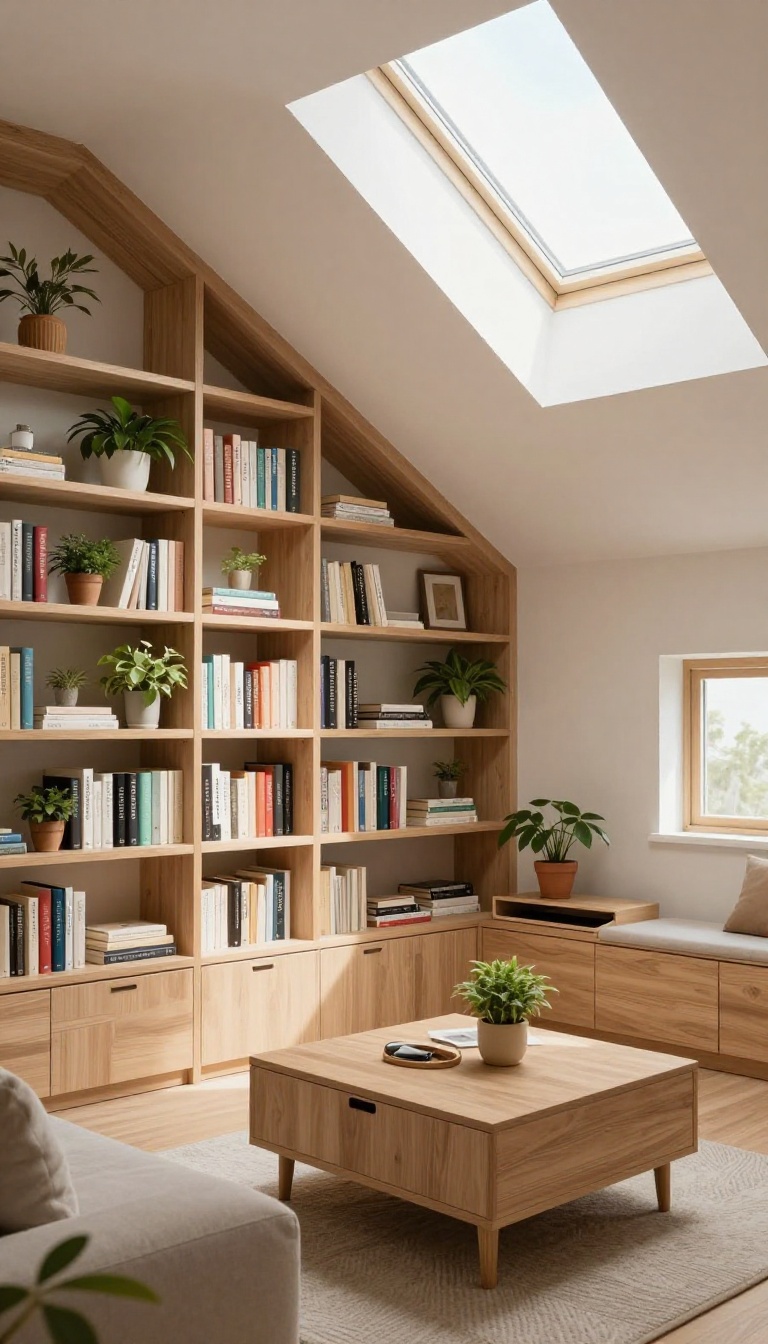
Attic living rooms often double as catch-alls for things you don't know where to put. But with a little planning, you can keep the space tidy without sacrificing style. The key is to use every nook and cranny—especially those awkward spots under the eaves.
Start by looking at the sloped areas. Built-in shelves that follow the roofline turn dead space into a display spot for books, plants, or baskets. For seating, choose storage ottomans that hide blankets or remotes.
Wall-mounted cabinets keep floors clear and draw the eye upward, making the room feel taller. The goal is to make storage feel like part of the design, not an afterthought.
Use The Eaves Wisely
The corners where the ceiling meets the floor are prime real estate. Install custom or modular shelving that fits the angle. You can also add drawers or pull-out bins on casters that slide under the lowest points.
This way, you're using space that would otherwise be wasted.
Choose Furniture That Doubles As Storage
Look for pieces that serve two jobs. A bench with hidden storage works great at the foot of a sofa. Coffee tables with lift-top lids or shelves underneath keep remotes and magazines within reach but out of sight.
Even a window seat with a hinged top can hold extra pillows or seasonal decor.
Keep Clutter Off The Floor
Wall-mounted shelves and floating cabinets free up floor space, which is especially important in a room with limited square footage. Use vertical space for items you don't need daily, like board games or extra throws. A pegboard or wall hooks can also hold baskets or bags, adding function without taking up room.
7. Add Warm Textures and Layers
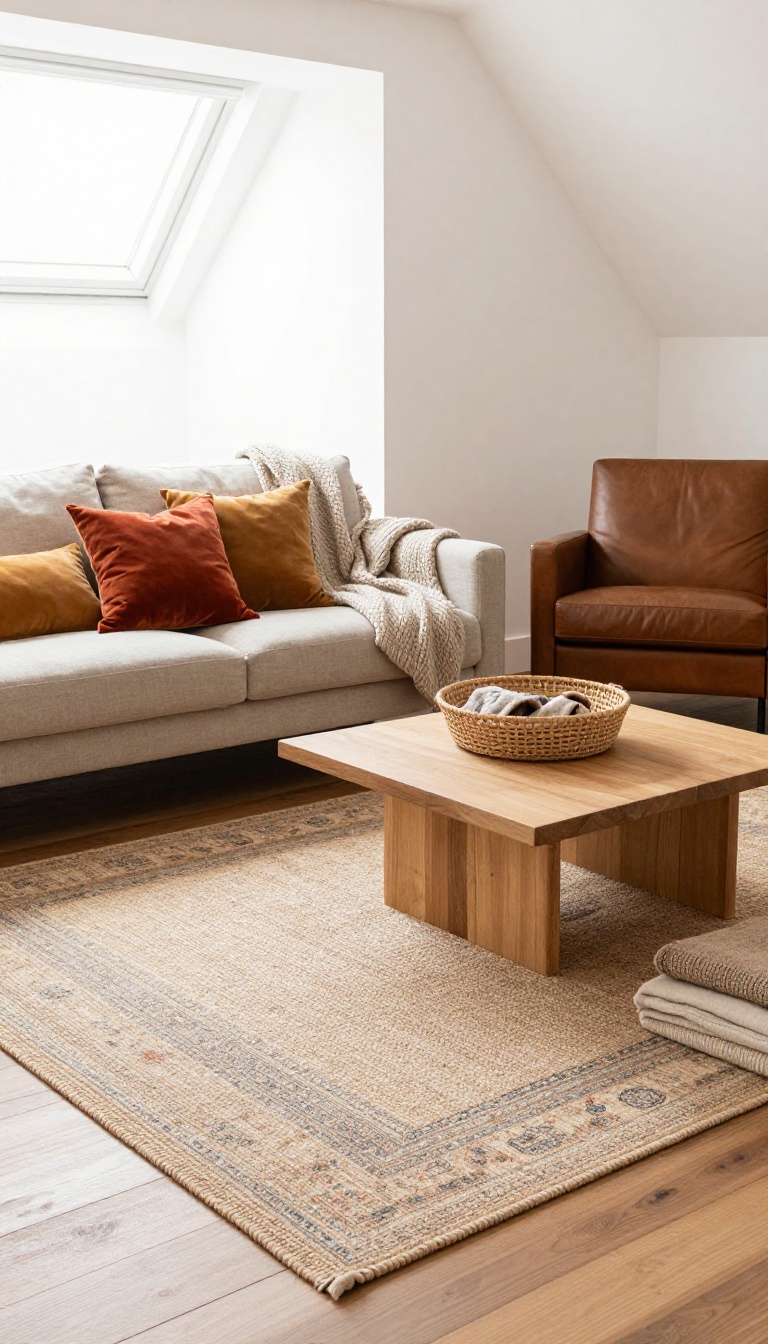
An attic living room can sometimes feel a little bare, especially if the walls are mostly drywall and the floor is plain wood. That’s where texture comes in. By layering different materials, you can instantly make the space feel warmer, more inviting, and truly lived-in.
Think of it as dressing the room in cozy layers, just like you would a bed on a chilly night. The goal is to mix and match so that every surface has some softness or visual interest, without going overboard. You want it to feel effortless, not cluttered.
Start with a soft area rug that anchors the seating area. Choose one with a thick pile or a woven texture that feels good underfoot. Then, add a chunky knit throw draped over the back of the sofa, and a few velvet or boucle pillows in warm tones.
Mix in natural elements like a wooden coffee table or a rattan basket for storage. The key is to balance different textures—smooth against rough, soft against sturdy—so the room feels rich and layered.
Layer Rugs For Depth And Warmth
A single rug can do a lot, but layering two rugs adds even more depth. Place a large, neutral jute or sisal rug as a base, then top it with a smaller, softer rug in a pattern or color. This not only looks stylish but also adds extra insulation and comfort underfoot.
It’s a simple trick that makes the space feel more curated and cozy.
Mix Materials For Visual Interest
Don’t be afraid to combine different materials. A leather armchair next to a linen sofa, a wool throw over a velvet cushion, or a wooden side table beside a metal floor lamp—these contrasts create a dynamic, lived-in look. The trick is to keep the color palette cohesive so the mix feels intentional, not chaotic.
Use Textiles To Soften Hard Surfaces
Attics often have exposed beams or hard floors that can make the room feel cold. Soften those areas by adding a textured runner along a walkway, hanging a woven wall hanging, or placing a sheepskin throw over the back of a chair. These small touches not only add warmth but also help absorb sound, making the room feel quieter and more peaceful.
8. Install Dimmable Lighting for Ambiance
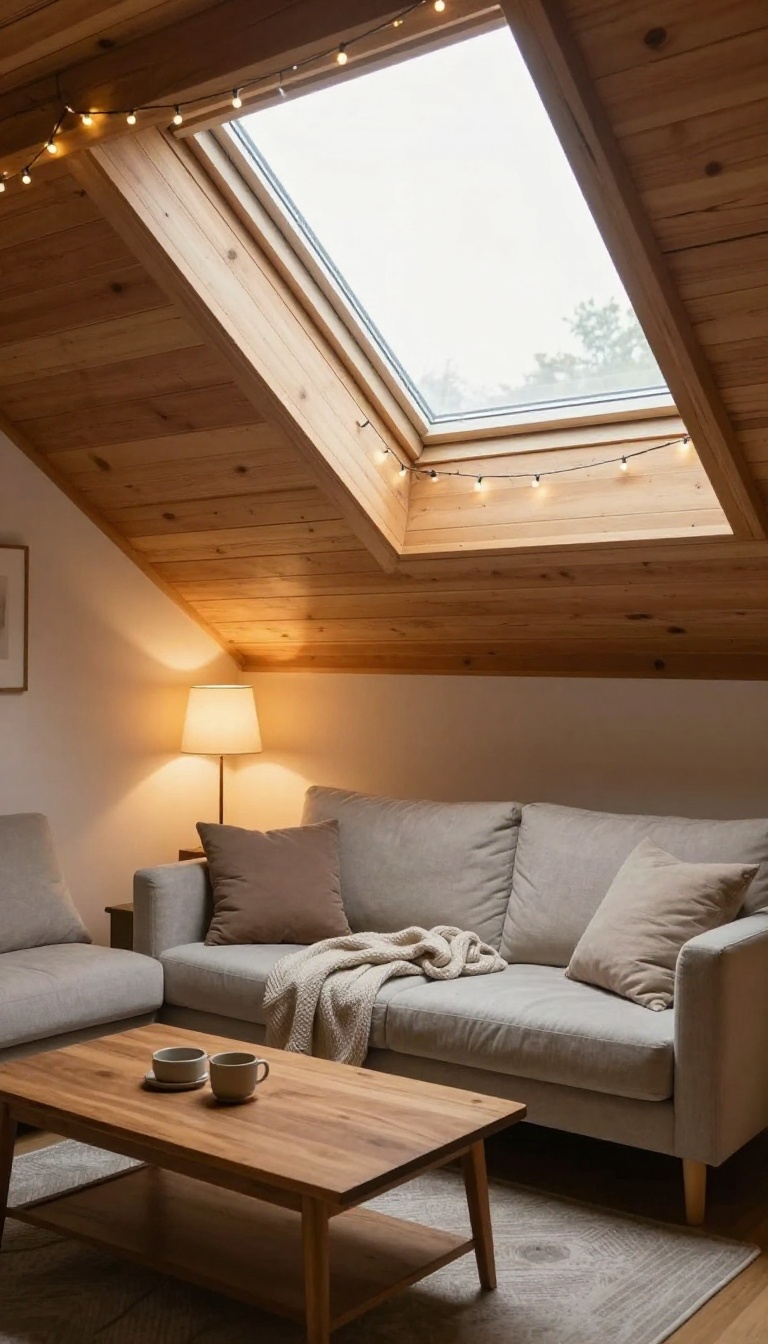
Lighting can make or break an attic living room. The sloped ceilings and often limited natural light mean you need a flexible setup. Dimmable lighting gives you control over the mood, whether you're hosting friends or winding down with a book.
Start by swapping out your main overhead light for a dimmable fixture. Then add floor lamps and string lights on separate dimmer switches. This way, you can brighten the room for activities or dim it for a cozy evening.
It's a simple upgrade that makes the space feel more versatile.
Layer Your Light Sources
Don't rely on a single overhead light. Combine ambient lighting (like ceiling fixtures), task lighting (like a reading lamp), and accent lighting (like string lights). Each layer should be on its own dimmer so you can adjust them independently.
This creates depth and lets you tailor the brightness to any situation.
Choose The Right Bulbs
Not all dimmable bulbs are created equal. Look for LED bulbs labeled 'dimmable' and check the color temperature. Warm white (2700K-3000K) is best for a cozy feel, while cool white (3500K-4100K) works better for tasks.
Avoid cheap dimmers that can cause flickering or buzzing.
Place Dimmers Where You Need Them
Install dimmer switches at the entrance and near seating areas. If you have a reading nook, put a dimmer on the floor lamp right beside it. For string lights, use a smart plug with a dimming function so you can control them from your phone.
This makes it easy to adjust the mood without getting up.
9. Define Zones with Rugs and Furniture Arrangement
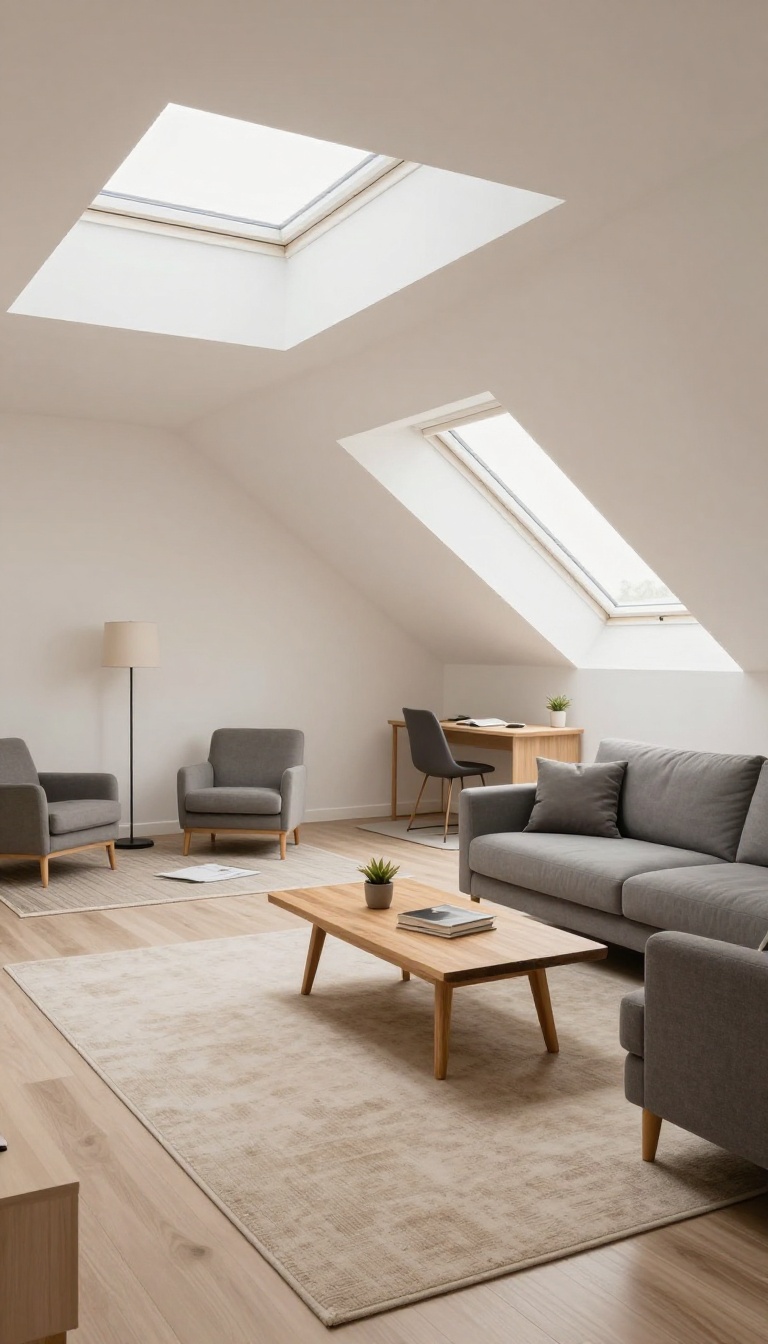
Attics often have an open layout, which can feel a little chaotic if everything is just floating in the middle. That's where rugs and furniture placement come in. By carving out specific zones, you give the room a sense of order without adding walls or dividers.
Start by thinking about how you want to use the space. Maybe you want a cozy corner for reading, a spot for watching TV, and a small desk for working. Once you've decided, use area rugs to anchor each zone.
A rug under the sofa defines the lounge area, a smaller rug under a chair creates a reading nook, and a simple mat under a desk marks the work zone. Then, arrange furniture to face each other within the zone, not across the whole room. This makes each area feel intentional and inviting.
Choose Rugs That Fit The Space
Pick rugs that are proportional to the zone. A large rug under the main seating area should be big enough to fit all the furniture legs, or at least the front legs. For smaller nooks, a 5×7 or 4×6 works well.
Keep the colors and patterns complementary so the zones feel connected, not disjointed.
Arrange Furniture To Create Flow
Position furniture so there's a natural walking path between zones. Avoid blocking windows or doorways. Angle a chair toward a window for a reading spot, or place the sofa perpendicular to the TV wall.
This not only defines the area but also makes the attic feel more spacious and easy to move around.
Use Lighting To Reinforce Each Zone
Lighting can help separate zones visually. A floor lamp next to the reading chair, a pendant light over the desk, and a table lamp on the sofa side table all signal different functions. This adds warmth and makes each area feel distinct, even in an open layout.
10. Bring in Greenery for a Fresh Vibe
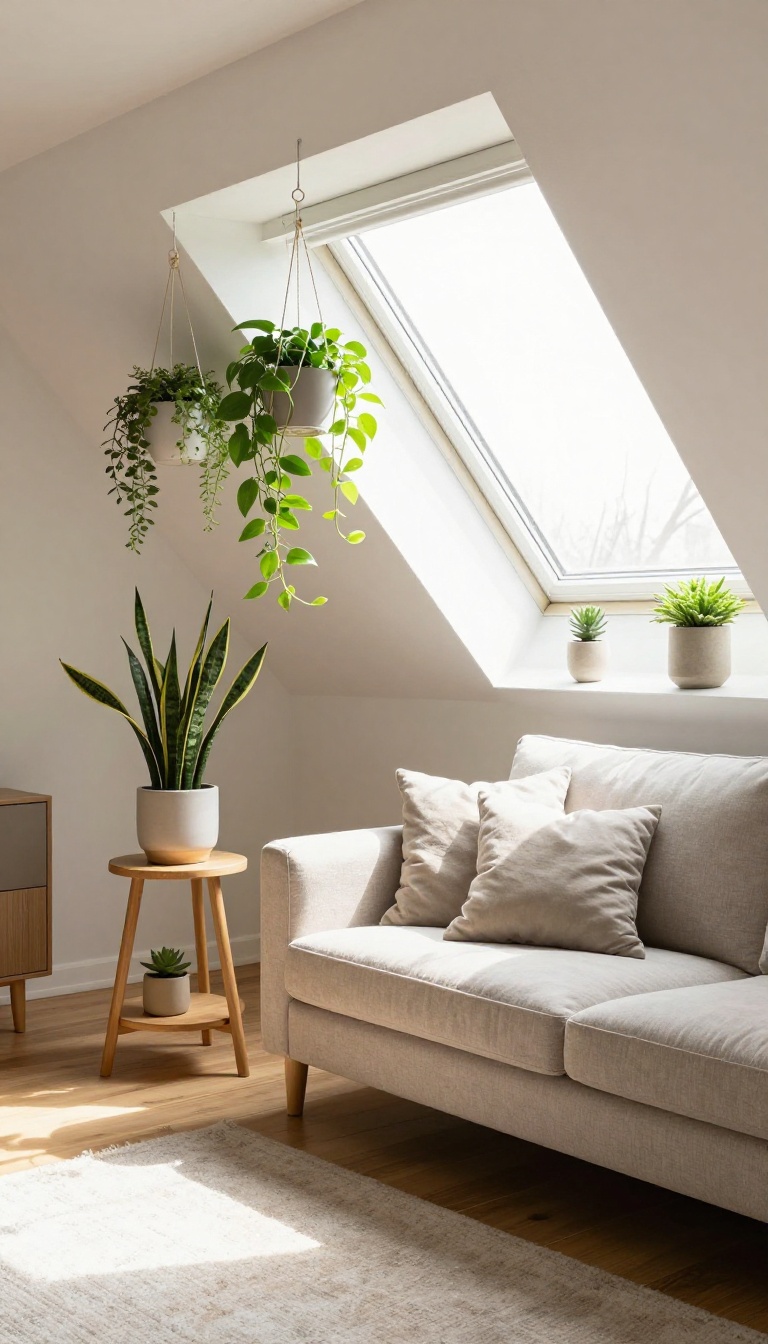
Plants have a way of making any room feel more alive, and an attic living room is no exception. With all that natural light from skylights and dormer windows, you've got the perfect conditions to grow a little indoor jungle. Plus, greenery softens the hard edges of sloped ceilings and adds a pop of color that's both refreshing and calming.
Adding plants to your attic living room is one of the easiest ways to breathe life into the space. They don't just look good—they also help purify the air and create a more relaxing atmosphere. The key is to choose varieties that thrive in the specific light conditions your attic offers, and to place them where they'll get the most benefit without getting in the way.
Pick Low-maintenance Varieties
Not everyone has a green thumb, and that's okay. Start with forgiving plants like snake plants, pothos, or succulents. These guys can handle a bit of neglect and still look great.
They also adapt well to the fluctuating temperatures that attics can experience, so you won't have to worry about them wilting if the room gets a little warm or cool.
Use Vertical Space Wisely
Attics often have limited floor space, so make use of the walls and corners. Hang trailing plants from ceiling beams or place them on floating shelves. You can also set up a small plant stand near a window.
This way, you get the greenery without sacrificing precious floor area for seating or furniture.
Group Plants For Impact
Instead of scattering single pots around the room, group several plants together in one corner or on a large tray. This creates a mini indoor garden that feels intentional and lush. Mix different heights and leaf shapes for visual interest.
A cluster of plants also makes it easier to care for them—you can water them all at once and keep an eye on their health.
Consider Artificial Options For Low Light
If your attic doesn't get much natural light, don't worry. High-quality artificial plants have come a long way and can look just as good as the real thing. Place them in spots where real plants would struggle, like dark corners or shelves far from windows.
They require zero maintenance and always look fresh, making them a practical choice for busy households.
FAQ
How can I make my attic living room feel bigger?
Use light colors on walls and ceilings, maximize natural light with skylights or mirrors, and choose low-profile furniture that doesn't block sightlines. Keep the floor clear with smart storage.
What is the best flooring for an attic living room?
Hardwood or laminate flooring works well, but add area rugs for warmth and sound absorption. Carpet is also cozy but can trap dust, so consider a low-pile option if you have allergies.
Do I need planning permission to convert my attic?
It depends on your location and the extent of the renovation. In many places, adding skylights or structural changes requires permits. Check with your local building authority before starting.
How do I heat and cool an attic living room?
Consider mini-split systems for efficient heating and cooling. Also, insulate the roof and floor properly, and use ceiling fans to circulate air. Skylights with shades can help regulate temperature.
What are some budget-friendly attic living room ideas?
Repurpose existing furniture, paint walls a fresh color, add DIY shelves, use string lights for ambiance, and incorporate thrifted decor. Focus on small changes that make a big impact.
Conclusion
Turning your attic into a living room doesn't have to be a massive project. By focusing on a few key ideas—like working with the sloped ceilings, adding light, and choosing the right furniture—you can create a space that feels fresh, cozy, and uniquely yours. Start with one or two changes and build from there.
The best part is that these ideas are flexible and can adapt to your style and budget. So go ahead, give your attic a second life and enjoy a new favorite spot in your home.