11 Patio Decorating Ideas on a Budget That Look Polished
A polished patio doesn't have to come with a designer price tag. With a little creativity and some smart shopping, you can turn your outdoor space into a stylish retreat that feels put-together and inviting.
The trick is focusing on high-impact upgrades that cost less than you'd think, from clever DIY projects to simple decor swaps. These 11 budget-friendly ideas prove that a gorgeous patio is about resourcefulness, not deep pockets.
Get ready to take notes and transform your backyard without breaking the bank.
1. Refresh with Outdoor Rugs
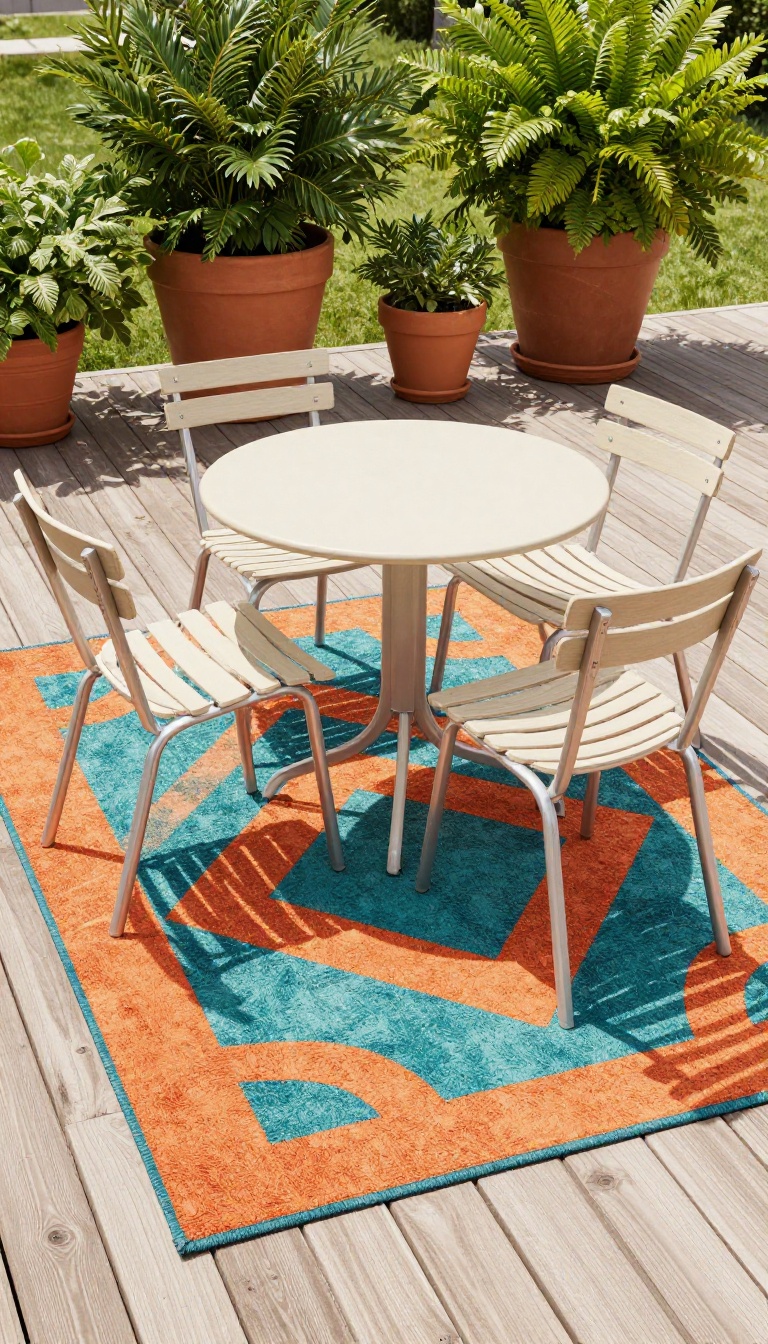
An outdoor rug is the quickest way to make your patio feel like a real room. It anchors your furniture, adds a pop of color, and softens hard surfaces underfoot. Best of all, you don't need to spend a fortune to find one that looks great and holds up to the elements.
Start by measuring your seating area so you know what size rug to hunt for. Then, scan discount stores, online marketplaces, and end-of-season sales for weather-resistant options. Look for materials like polypropylene that resist fading and mildew, and pick a pattern that hides dirt and spills.
A well-chosen rug can pull your whole design together for under $50.
Choose The Right Material
Polypropylene is your best friend for outdoor rugs. It's durable, easy to clean, and often cheap. Avoid natural fibers like jute or sisal unless they're treated for outdoor use—they can rot or mold when wet.
Check the label for 'indoor/outdoor' to ensure it can handle rain and sun.
Find Budget-friendly Deals
Don't pay full price. Check online marketplaces, discount stores, and clearance racks. End-of-season sales are goldmines for outdoor decor.
Also, consider buying a larger rug than you need and cutting it to fit—just seal the edges to prevent fraying.
Style It To Define Your Space
Use the rug to visually separate your seating area from the rest of the patio. Place it under your coffee table and chairs, making sure the front legs of your furniture sit on the rug. This instantly creates a cozy, intentional look.
Choose a pattern that complements your cushions and planters for a cohesive vibe.
2. DIY Pallet Furniture
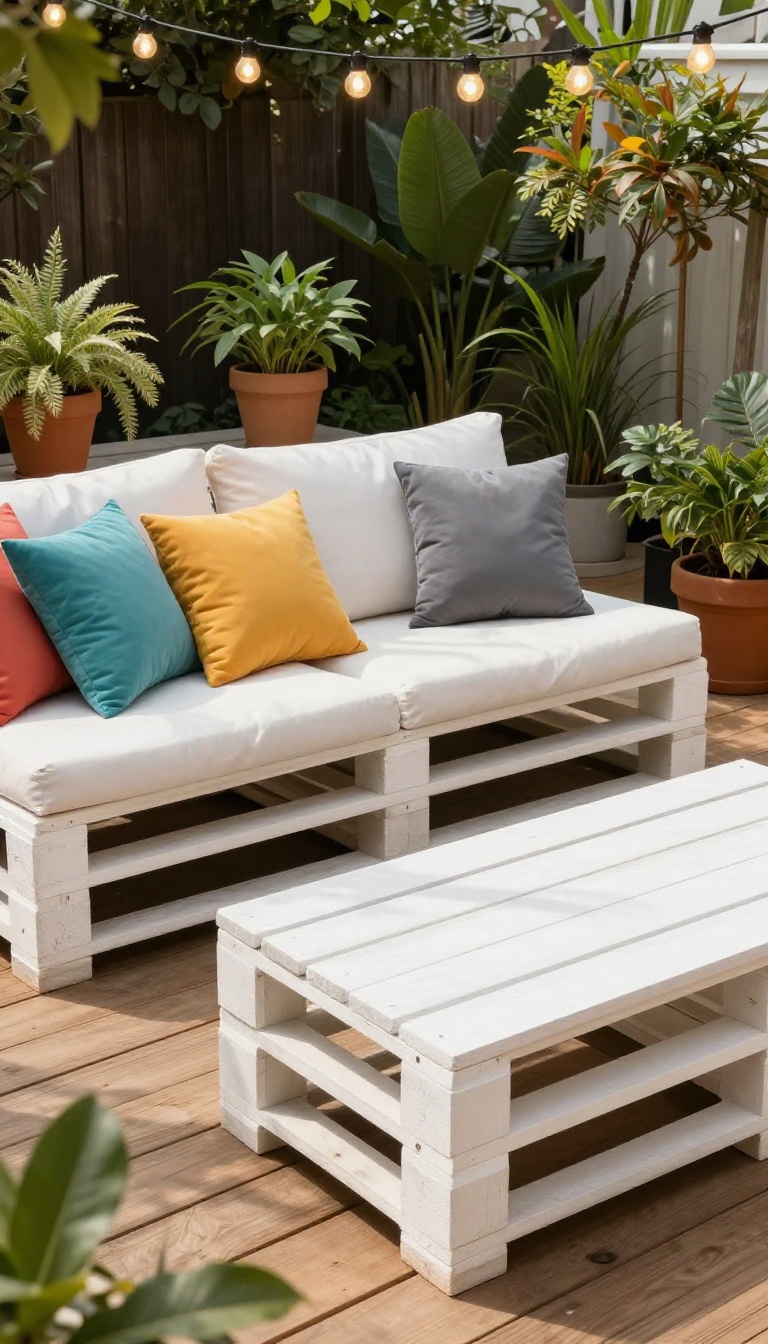
Pallets are a budget-friendly goldmine. With a little sanding and paint, you can turn them into a stylish sofa or coffee table. Add cushions and throw pillows for comfort and a polished look.
Building your own pallet furniture is easier than you think, and the savings are huge. A single pallet can cost as little as $10 (or even free if you know where to look), and with a few basic tools, you can create pieces that look custom-made. The key is to choose pallets that are in good condition, sand them well, and finish them with a weather-resistant paint or stain.
Then, top them with plush cushions and pillows to make them inviting. Not only will you save money, but you'll also have the satisfaction of saying, "I made that. "
Where To Find Free Pallets
Start by checking local businesses like hardware stores, grocery stores, or warehouses. Many are happy to give away pallets they'd otherwise have to dispose of. You can also check online marketplaces like Craigslist or Facebook Marketplace, where people often list free pallets.
Just make sure to inspect them for damage or chemical spills before you bring them home.
Essential Tools And Prep
You'll need a pry bar, hammer, sandpaper or an electric sander, and a saw if you need to cut the pallets to size. First, remove any loose nails and sand all surfaces to avoid splinters. Then, clean the wood with a mild soap and water solution.
Once dry, apply a coat of primer and then your chosen paint or stain. This step not only makes it look polished but also protects the wood from the elements.
Simple Pallet Sofa Plan
For a basic sofa, stack two pallets on top of each other for the seat, and one pallet vertically for the backrest. Secure them together with screws. You can leave the wood natural or paint it to match your patio.
Then, add a custom-cut foam cushion on the seat and a few outdoor throw pillows for back support. This creates a cozy seating area for a fraction of the cost of store-bought furniture.
Finishing Touches For A Polished Look
To elevate your pallet furniture, consider adding casters to the bottom for easy mobility, or attach a fabric skirt to hide the pallet structure. Use outdoor fabric for cushions and pillows to withstand the weather. Add a side table made from a single pallet, and you'll have a complete patio set that looks like it came from a boutique store.
3. String Lights for Ambiance
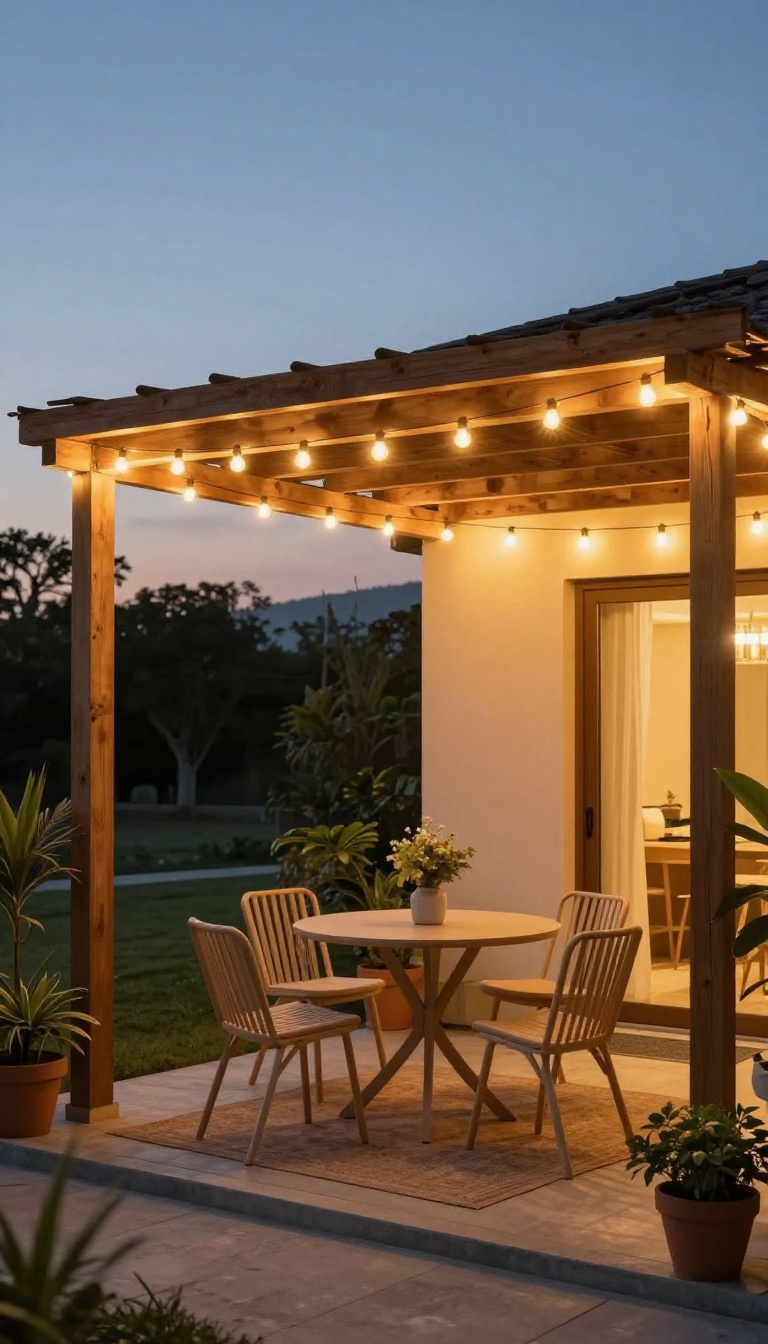
Lighting can make or break a patio's mood, and string lights are the easiest way to add a soft, welcoming glow. They're affordable, versatile, and instantly make any space feel cozier. Whether you drape them overhead or along a railing, they turn a plain patio into a magical evening retreat.
String lights are a budget-friendly staple for outdoor decor. They come in various styles—from classic Edison bulbs to fairy lights—so you can match them to your patio's vibe. Plus, they're simple to install: just hook them up, plug them in, and enjoy the ambiance.
The best part? You can find quality weatherproof options at dollar stores or online for under $20.
Choose The Right Bulb Style
The bulb style sets the tone. Edison bulbs give a warm, vintage feel, while fairy lights are delicate and whimsical. If you want a clean, modern look, go for globe lights.
Think about the atmosphere you want: bright and festive, or soft and romantic. Mixing styles can also create a unique, layered effect.
Hang Them The Smart Way
No need for complicated wiring. Use adhesive hooks, zip ties, or even a simple nail to secure the lights. If you have a pergola, drape them across the top.
For a fence or railing, weave them through the gaps. Keep the lines loose and organic—it looks more natural and is easier to adjust.
Protect Them From The Weather
Outdoor lights need to withstand rain, wind, and sun. Look for lights rated for outdoor use, with waterproof connectors and UV-resistant coating. If you're on a budget, you can still find durable options, but check the label.
Also, consider using a timer or smart plug to save energy and avoid leaving them on all night.
4. Add a Pop of Color with Throw Pillows
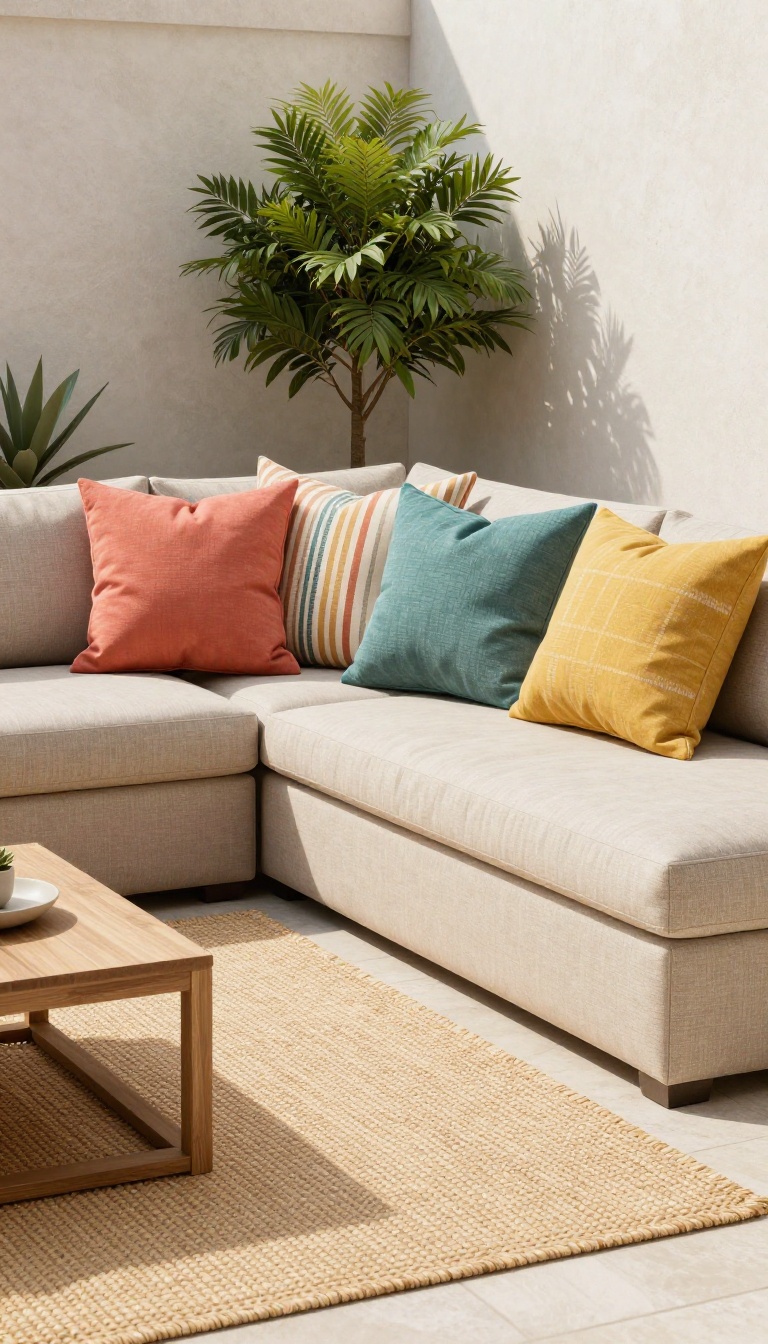
Throw pillows might seem like a small detail, but they have a big impact on how your patio feels. A few colorful cushions can instantly make a seating area look more inviting and polished, even if the rest of your furniture is basic. The best part?
You don't have to spend a fortune to get that designer look.
Outdoor throw pillows are one of the easiest ways to inject personality and color into your patio. They're also a budget-friendly upgrade because you can mix and match patterns and textures to create a curated, high-end look without buying new furniture. Whether you're working with a neutral sofa or a worn-out bench, the right pillows can tie everything together and make the space feel intentional.
Mix Patterns And Textures
Don't be afraid to combine different patterns and textures. A striped pillow next to a floral one, or a smooth velvet cushion paired with a woven texture, adds depth and visual interest. The trick is to keep a common color palette so the mix feels cohesive, not chaotic.
Start with two or three colors you love and build from there.
Shop Sales And Discount Stores
You don't need to splurge on high-end outdoor pillows. Check discount stores, end-of-season sales, or online marketplaces for affordable options. Many times, you can find great deals on pillows that are just as durable and stylish as pricier ones.
Also, consider buying pillow covers and inserts separately—covers are often cheaper and easier to swap out when you want a change.
Diy Your Own Pillows
If you're crafty, making your own throw pillows is a fun and budget-friendly project. Buy fabric that's meant for outdoor use (it's more resistant to sun and rain) and pick up some pillow inserts. You can sew simple envelope closures or use fabric glue for a no-sew option.
This way, you get exactly the colors and patterns you want, often for less than store-bought versions.
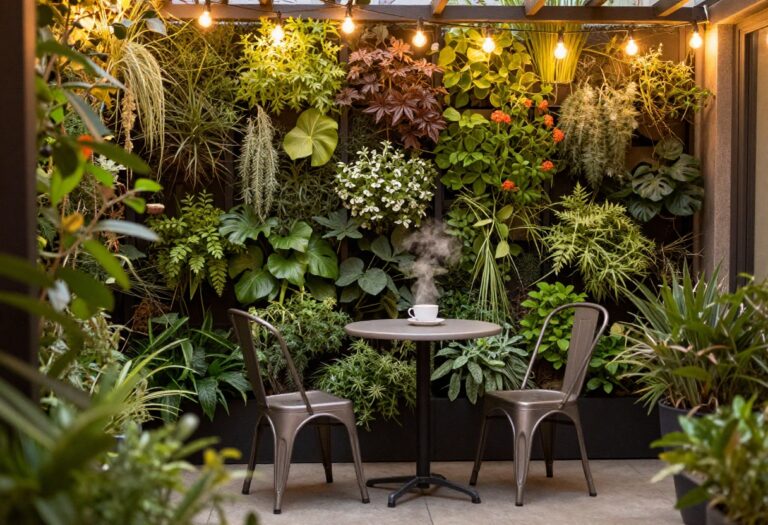
5. Create a Vertical Garden
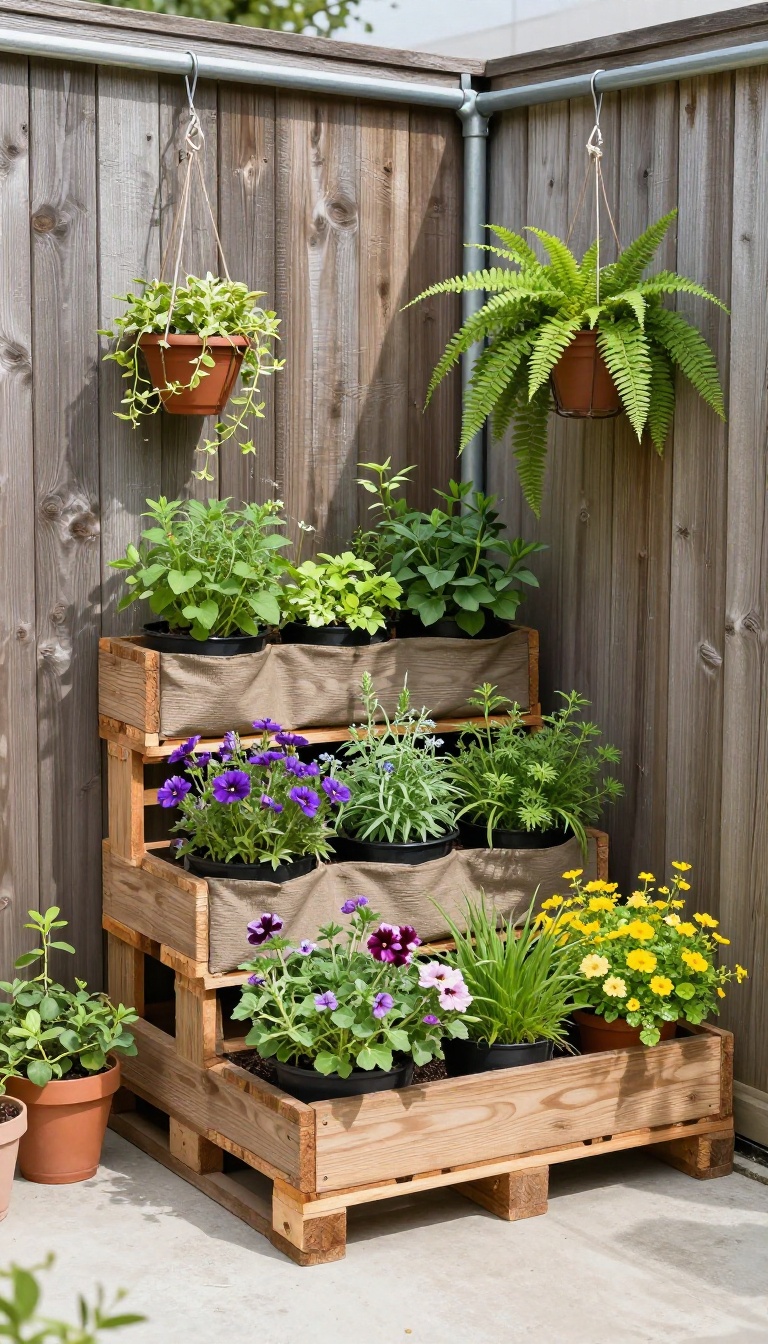
If your patio is short on floor space, look up. A vertical garden adds lush greenery without taking up a single square foot of ground. It's a clever way to bring life to a boring wall or fence, and you can build one for next to nothing.
Vertical gardens are perfect for small patios, balconies, or any spot that feels a little bare. They also create a beautiful focal point that draws the eye upward, making the area feel larger and more inviting. Best of all, you don't need to be a master gardener to pull it off.
Start With A Repurposed Pallet
An old wooden pallet is a budget-friendly superstar. Stand it upright, attach landscape fabric to the back and sides to hold soil, then staple pockets of fabric to the front. Fill each pocket with herbs or small flowers.
Lean it against a wall or hang it securely. It's rustic, charming, and costs almost nothing.
Hang Planters In Layers
Hanging planters are another easy option. Use a sturdy rod or a wall-mounted rail, then hang several pots at different heights. Mix trailing plants like ivy with upright ones like ferns for texture.
You can find inexpensive hanging pots at thrift stores or make your own from tin cans or mason jars.
Try A Wall-mounted Pocket Planter
Pocket planters are fabric organizers with multiple pouches, perfect for growing succulents or herbs. They're lightweight, easy to install, and come in various sizes. Fill the pockets with a mix of plants for a living wall that's both practical and pretty.
Plus, they're portable, so you can move them if needed.
6. Use Potted Plants for Structure
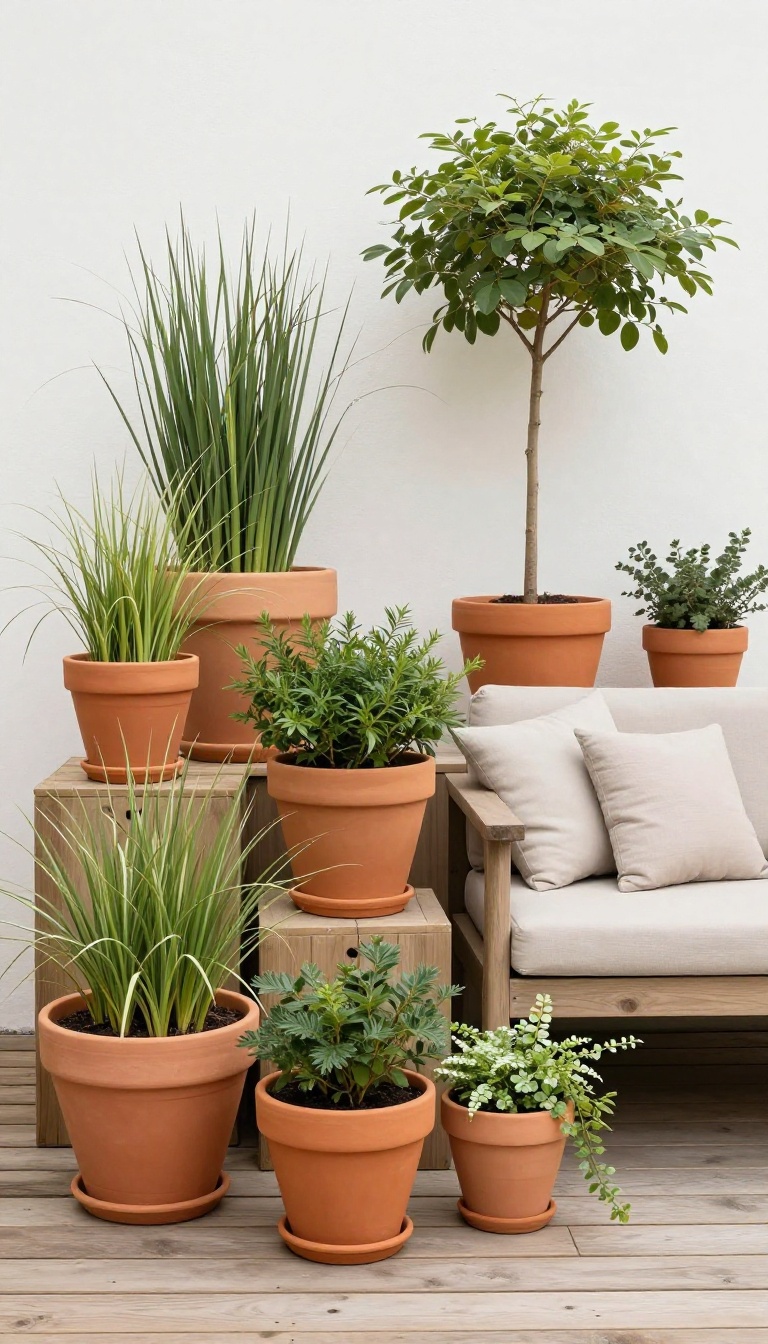
Plants are the easiest way to make a patio feel alive, but they also do something more practical: they add structure. A few well-placed pots can define seating areas, frame doorways, and create natural privacy screens. The best part?
You don't need a green thumb or a big budget to make it work.
Start by choosing a mix of planters in different heights and sizes. Tall pots with upright plants like ornamental grasses or small trees anchor the space, while shorter pots with trailing vines soften edges. Group them in odd numbers—three or five—for a more natural, designer look.
And don't forget about faux plants. Modern artificial options look surprisingly real, and they're perfect for shady spots or for anyone who travels often.
Mix Heights And Textures
A row of identical pots looks flat and boring. Instead, combine a tall planter with a medium one and a low, wide bowl. Use different leaf shapes—spiky, round, trailing—to add depth.
This simple trick makes your patio feel layered and intentional without spending extra money.
Choose Containers That Match Your Style
Your pots are part of the decor, so pick ones that fit your vibe. Terracotta feels warm and rustic, while sleek ceramic or metal looks modern. Thrift stores and garage sales often have unique pots for a fraction of retail prices.
Just make sure they have drainage holes or use a liner.
Use Plants To Define Zones
If your patio is open and undefined, use plants to create separate areas. A pair of tall pots can mark the entrance to a dining nook, while a row of low planters can separate a lounging spot from a walkway. This gives your patio a polished, designed feel without any construction.
7. DIY Concrete Stepping Stones
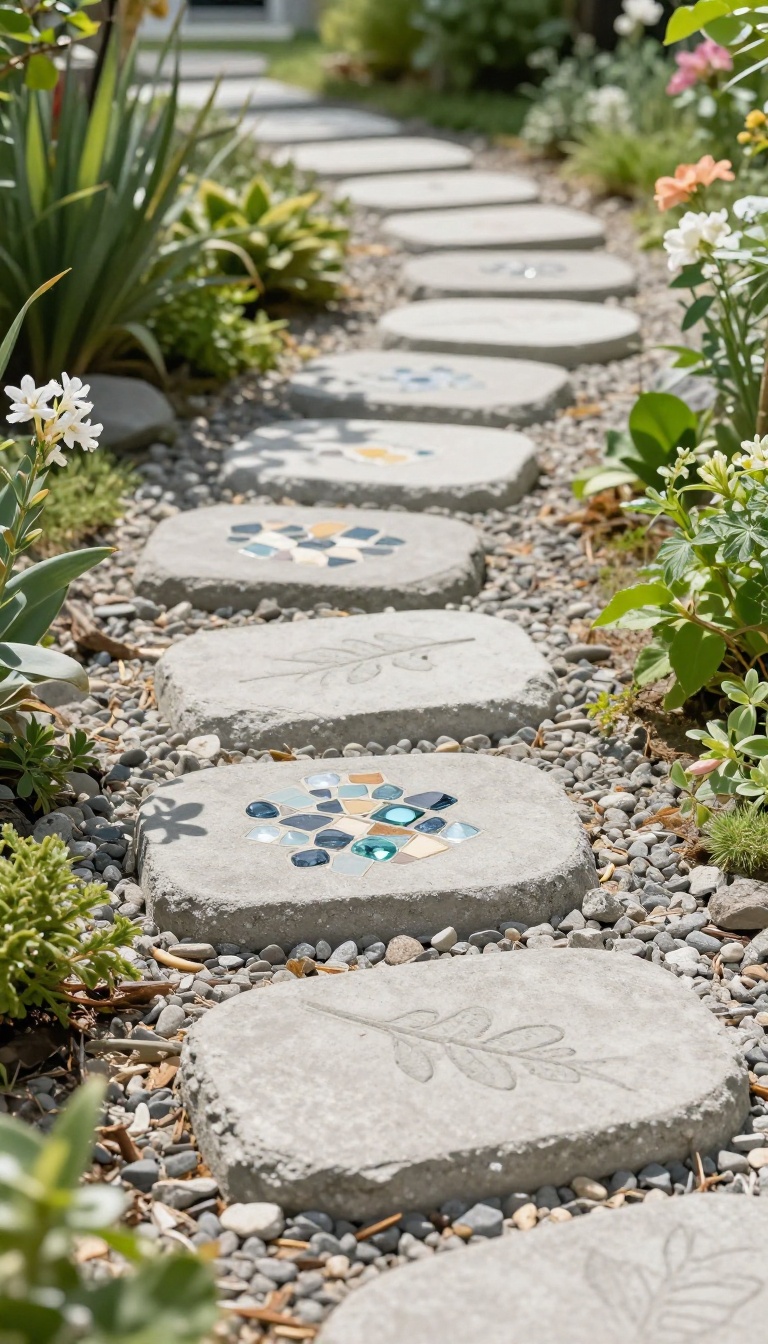
Give your patio a custom, high-end touch without the high-end price tag by making your own concrete stepping stones. This project lets you add a personal flair while also guiding foot traffic through your garden or across your patio. It's a fun weekend activity that results in something that looks like it came from a boutique garden store.
Making your own stepping stones is surprisingly easy and affordable. You'll need a few basic supplies and a bit of creativity. The best part?
You can customize them to match your exact style, whether that's sleek and modern or whimsical and playful.
What You'll Need
Gather a bag of concrete mix, a large bucket or wheelbarrow for mixing, water, a trowel, and some molds. For molds, you can use store-bought plastic molds, but you can also get creative with round cake pans, large plastic containers, or even a sturdy cardboard box lined with plastic. You'll also want some cooking spray or petroleum jelly to help release the stones from the molds.
Personalize Your Design
The real fun begins with decorating. Before the concrete fully sets, press in mosaic tiles, glass gems, seashells, or even leaves for an imprint. For a family touch, make handprint or footprint impressions.
You can also use stencils and concrete paint to add patterns or initials after the stone is dry.
Placement Tips
Once your stones are cured, place them strategically. Lay them in a path through your flower beds, or use them as a transition between different patio areas. Space them about a step apart for a natural walking rhythm.
They also work well as a border or as a base for potted plants.
8. Repurpose Household Items
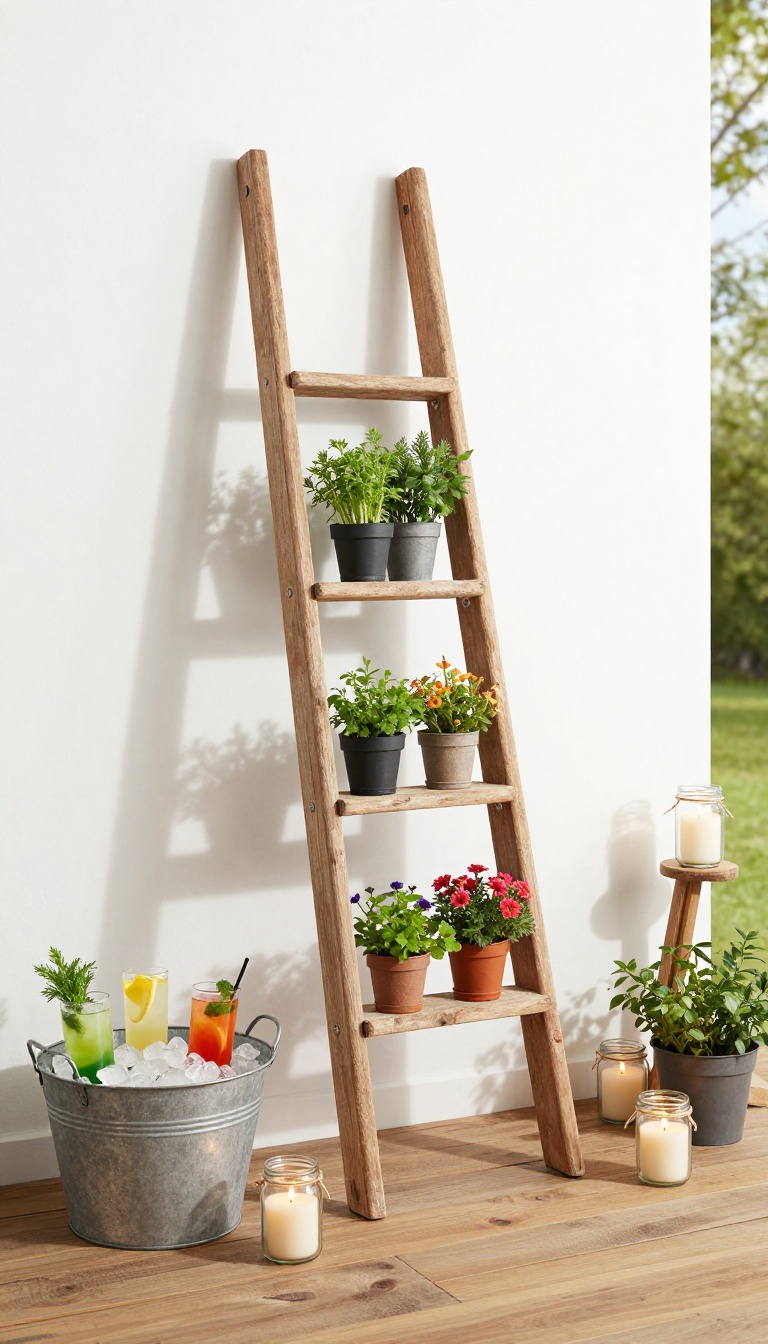
Before you head to the store, take a good look around your house. That old ladder in the garage or the mason jars collecting dust in the pantry might be exactly what your patio needs. Repurposing everyday items not only saves money but also gives your outdoor space a one-of-a-kind, personal touch that store-bought decor just can't match.
The beauty of repurposing is that it's budget-friendly and eco-conscious. You're giving new life to things you already own, which means zero cost and zero waste. Plus, the charm of a weathered ladder or a vintage tin bucket adds character that new items often lack.
It's a win-win for your wallet and your style.
Mason Jars Turned Candle Holders
Mason jars are the ultimate multitaskers. Clean them out, pop in a tea light or a small pillar candle, and you've got instant ambiance. For a more polished look, tie a piece of twine or ribbon around the rim or fill the bottom with sand or pebbles before adding the candle.
Group a few jars of different heights on a table or hang them from a shepherd's hook for a cozy, flickering glow.
Wooden Ladder As A Plant Stand
That old wooden ladder you were going to toss? Lean it against a wall or fence and use the rungs as shelves for potted plants. You can paint it to match your patio decor or leave it weathered for a rustic vibe.
This vertical display saves floor space and adds an interesting focal point. Just make sure the ladder is sturdy and secure before loading it up with your greenery.
Tin Bucket As An Ice Cooler
A galvanized tin bucket isn't just for farm chores. Fill it with ice and your favorite drinks for a charming, rustic cooler that beats a plastic one any day. You can also use it as a planter or a catch-all for outdoor toys and tools.
The best part? These buckets are often found at thrift stores for a few dollars, and they're built to last.
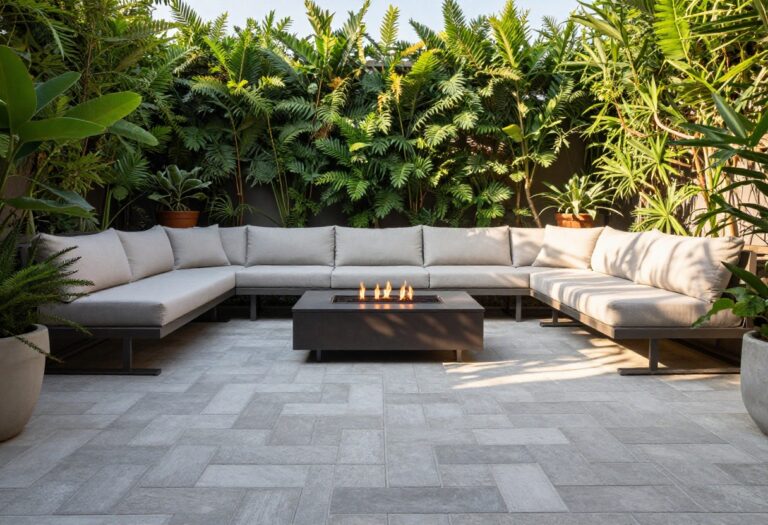
9. Build a Simple Fire Pit
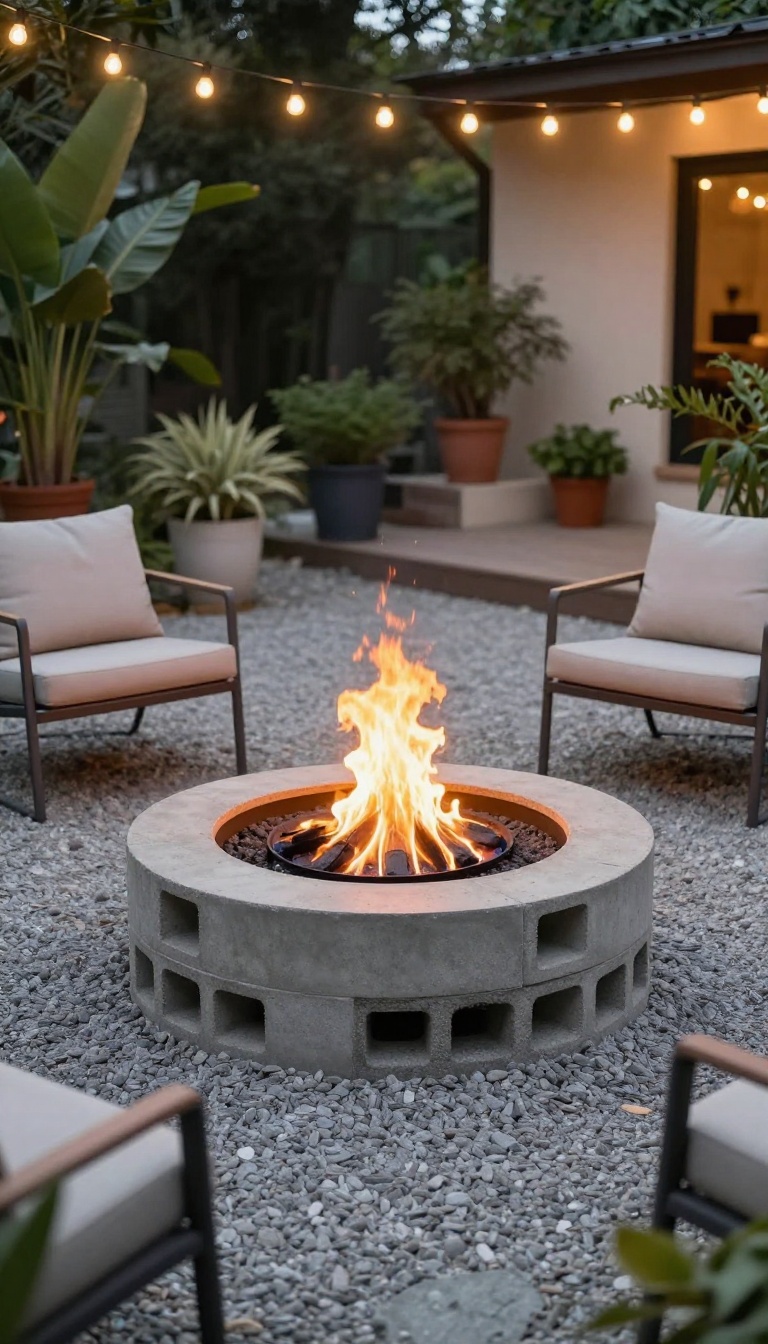
A fire pit does more than keep you warm—it becomes the heart of your patio. It draws people together, creates a cozy glow, and instantly makes your outdoor space feel intentional. The best part?
You can build one for under $100 with basic materials and a weekend afternoon.
Start by choosing a safe, level spot away from structures and overhanging branches. Clear the area and lay a base of sand or gravel. Then arrange concrete blocks or a metal fire ring in a circle.
For a polished look, use pavers or retaining wall blocks in a color that complements your patio. Stack them two or three courses high, leaving gaps for airflow. Finish with a layer of pea gravel inside the pit for drainage and a clean appearance.
Always check local fire regulations before you light it up.
Choose The Right Spot
Safety comes first. Place the fire pit at least 10 feet from your house and any flammable materials. Look for a level area, and consider wind direction so smoke doesn't blow toward seating.
If your patio is small, you can still add a portable fire bowl or a tabletop fire pit that fits on a side table.
Pick Your Materials
Concrete blocks are the easiest and cheapest option—they cost about $2 each. You'll need around 20 to 30 for a standard pit. For a more natural look, use flagstone or river rock.
A metal fire ring insert is a great alternative if you want a rustic feel; it's lightweight and can be placed directly on a gravel base. Just make sure whatever you choose is rated for high heat.
Add Comfort And Style
Once your fire pit is built, make it inviting. Arrange seating around it—Adirondack chairs, benches, or even large floor cushions. Add a few outdoor throws and a side table for drinks.
For extra ambiance, hang string lights overhead or place a few lanterns nearby. The fire pit will naturally become the gathering spot, so keep the area clutter-free and cozy.
10. Install a Budget-Friendly Water Feature
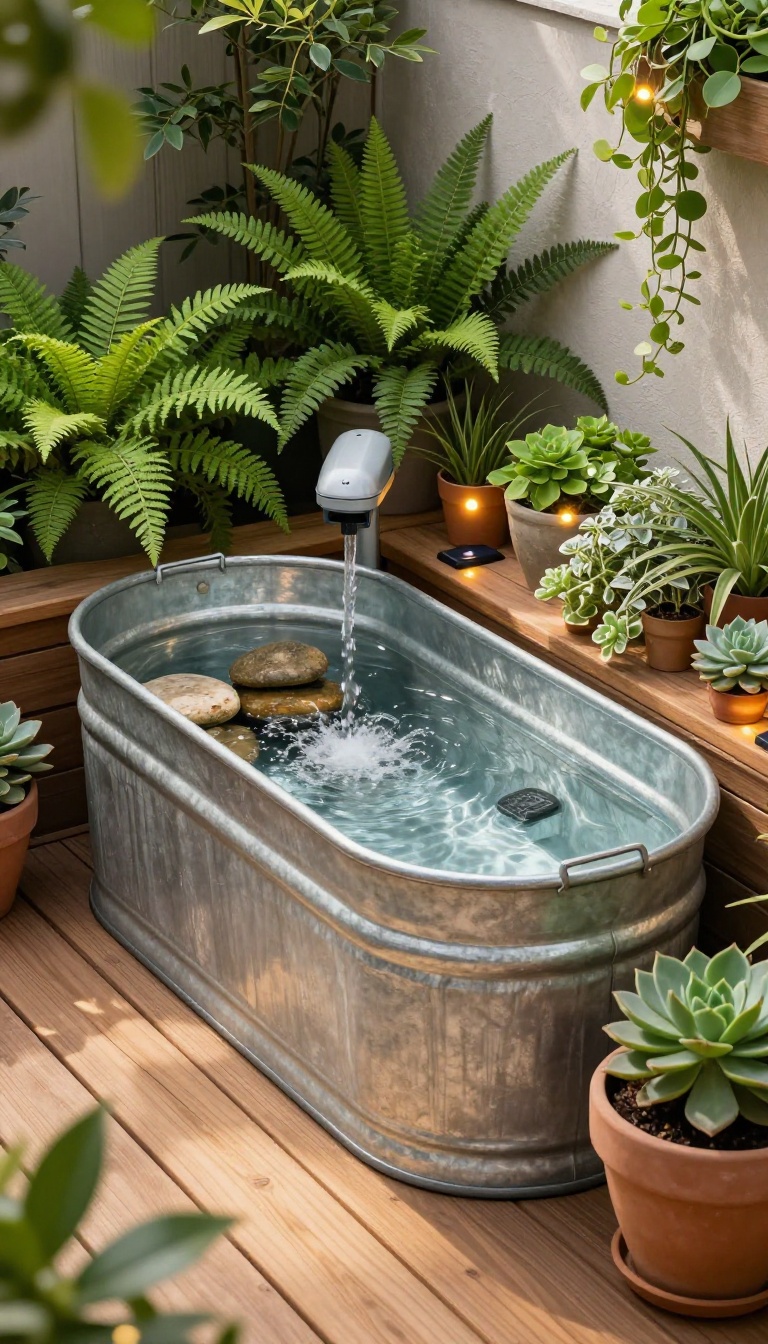
The gentle sound of trickling water can instantly make your patio feel like a private retreat. You don't need a fancy fountain or a pond to get that effect. With a few simple supplies, you can create a charming water feature that looks like it cost a fortune.
A DIY water feature is one of the most rewarding patio projects because it adds both visual and auditory appeal. The key is to keep it simple and use materials you already have or can find cheaply. Here's how to pull it off without spending much.
Pick Your Container
Start with a large, weatherproof pot or container—think ceramic, metal, or even a galvanized tub. Make sure it's deep enough to hold water and the pump. You can also upcycle an old bucket or a whiskey barrel for a rustic look.
The container becomes the focal point, so choose one that fits your patio's style.
Assemble The Pump And Stones
You'll need a small submersible pump (around $20–$30) and some tubing. Place the pump at the bottom of the container, run the tubing up through a hole in the lid or a layer of stones, and cover the pump with pebbles or river rocks. When you turn it on, water will bubble up and trickle back down.
Add a few larger stones or a small statue for visual interest.
Add Finishing Touches
To make it look polished, surround the base with potted plants or solar lights. You can also add a few drops of essential oil (like lavender) to the water for a subtle scent. Just be sure to clean the pump regularly and top off the water to keep it running smoothly.
11. Paint or Stain Your Patio Floor
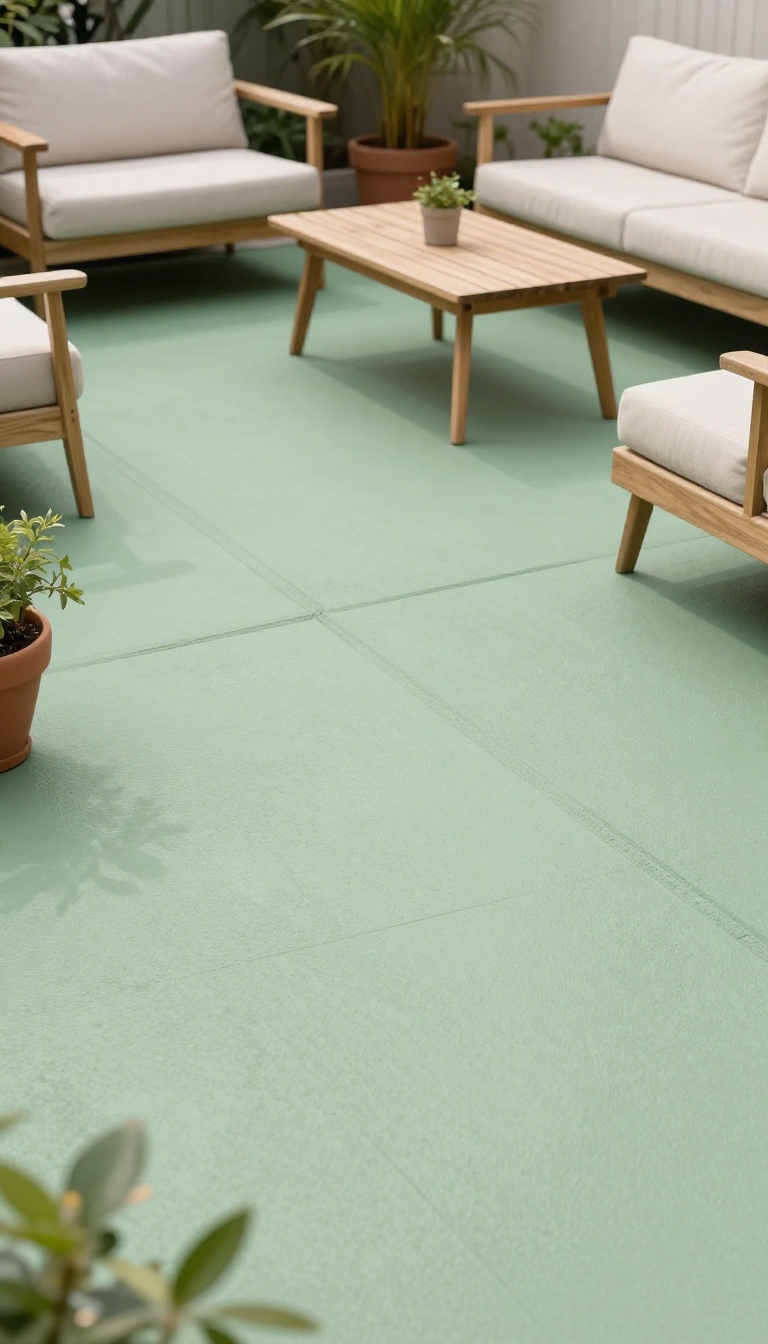
A fresh coat of paint or stain on your patio floor can completely change the vibe of your outdoor space. It's one of the most budget-friendly transformations because you're working with what you already have. Whether you go for a clean solid color or a playful pattern, the result looks intentional and polished.
Painting or staining your patio floor is a weekend project that pays off big. It hides stains, covers up old concrete, and gives your patio a whole new personality. Plus, you can choose colors that tie into your existing decor or make a bold statement.
Choose The Right Paint Or Stain
For concrete patios, use a high-quality concrete paint or a penetrating stain. Paint gives you a solid, opaque finish, while stain soaks into the concrete for a more natural, mottled look. Make sure the product is rated for exterior use and foot traffic.
If your patio is made of brick or stone, use a product specifically designed for that material.
Prep The Surface Properly
The key to a long-lasting finish is preparation. Clean the floor thoroughly to remove dirt, oil, and mildew. Fill any cracks with concrete repair compound.
Let it dry completely, then apply a primer if recommended by the paint manufacturer. This step ensures the paint adheres well and doesn't peel.
Get Creative With Patterns
Don't just stick to one solid color. Use painter's tape and stencils to create stripes, diamonds, or a checkerboard pattern. You can also use a sponge or rag to create a faux stone texture.
Patterns add visual interest and make your patio look custom-designed.
Protect Your Work
Once the paint or stain is dry, apply a clear concrete sealer to protect it from weather, UV rays, and heavy foot traffic. This will also make the surface easier to clean. Reapply the sealer every couple of years to keep your patio looking fresh.
FAQ
What is the cheapest way to decorate a patio?
The cheapest way is to repurpose items you already own and focus on DIY projects like pallet furniture, painted planters, and string lights. Shopping sales and thrift stores can also keep costs down.
How can I make my patio look expensive on a budget?
Focus on high-impact elements like outdoor rugs, pillows, and lighting. Choose a cohesive color palette and add a few statement pieces, like a DIY fire pit or a water feature. Cleanliness and organization also make a space feel more polished.
What are some durable outdoor decor materials?
Look for weather-resistant materials like teak, cedar, aluminum, and all-weather wicker. For fabrics, choose solution-dyed acrylic or polyester that resist fading and moisture. Powder-coated metals and UV-protected plastics are also good options.
How do I protect my patio decor from weather damage?
Use weatherproof covers for furniture, store cushions indoors when not in use, and apply sealants to wood and metal. Choose decor items specifically designed for outdoor use, and bring in delicate items during harsh weather.
Can I decorate a small patio on a budget?
Absolutely. Use vertical space with hanging plants and wall art, choose multi-functional furniture like storage benches, and keep the design simple. A few well-chosen items can make a small patio feel cozy and stylish.
Conclusion
Polishing your patio doesn’t have to drain your wallet. By mixing a few of these budget-friendly ideas—like DIY planters, string lights, or a fresh coat of paint—you can create a space that feels intentional and inviting. Start with one or two changes that fit your style, then build from there.
The best patios are the ones that reflect how you actually live, so pick what works for you and enjoy the process. With a little creativity, your outdoor spot can look put-together without the hefty price tag.