10 Small Patio Garden Ideas for a Lush Little Retreat
A small patio often gets dismissed as too cramped for real greenery, but that's only true if you stick to traditional layouts. The trick is to shift your thinking upward, outward, and into layers, using every inch of vertical space and every corner for a planter or a clever focal point.
With the right mix of structure and plant life, even a tiny slab can feel like a lush, private hideaway. These ten ideas focus on practical, space-savvy solutions that deliver big visual impact without requiring a landscape crew.
You'll find ways to add water, texture, and light, all while keeping the footprint small and the maintenance manageable.
1. Go Vertical with a Living Wall
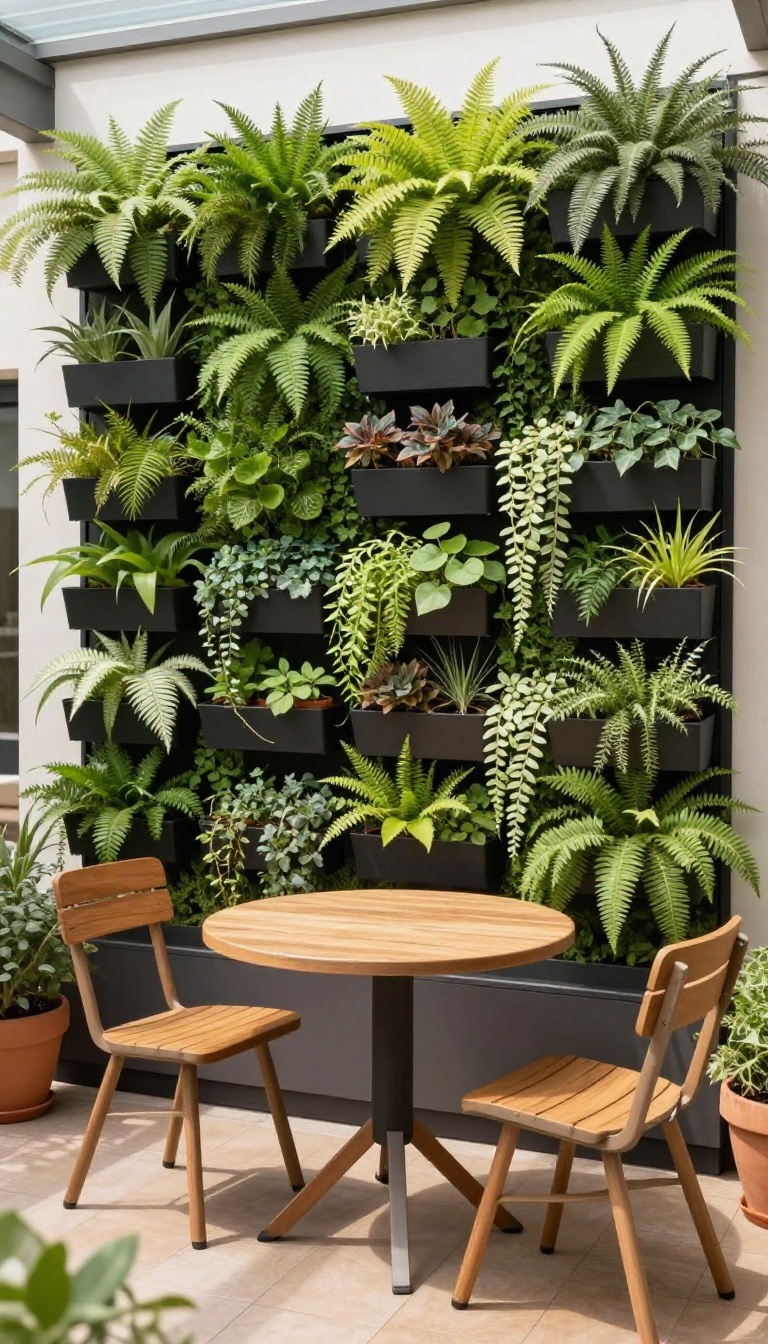
A living wall is the ultimate space hack for a small patio. By taking your plants off the ground and onto a vertical surface, you instantly free up floor space for seating or a bistro table. Plus, a wall of greenery adds a lush, textured backdrop that makes the whole area feel more like a garden and less like a concrete slab.
You don't need a professional installation to get the look. Pocket planters, repurposed pallets, or modular vertical systems all work well. Choose a mix of herbs, ferns, and trailing vines to create depth and interest.
Place the wall where it gets the right amount of light—most edibles need full sun, while ferns and vines prefer shade.
Pick The Right Wall
Not every wall is suitable for a living wall. You'll want a sturdy surface that can handle the weight of soil and water. A wooden fence, brick wall, or even a solid exterior wall can work.
If you're renting or unsure about drilling, consider a freestanding trellis or a leaning ladder planter that doesn't require permanent mounting.
Choose Plants That Thrive
The best plants for a living wall are those that don't mind having their roots confined. Herbs like basil, mint, and thyme are great choices if you have sun. For shade, opt for ferns, pothos, or trailing ivy.
Mixing upright and trailing varieties gives the wall a fuller, more natural look.
Watering Made Simple
Living walls dry out faster than ground plants, so consistent watering is key. A drip irrigation system can take the guesswork out of it, but a simple watering can with a long spout works too. Check the soil moisture regularly and adjust based on the weather.
Adding a layer of moss or coconut coir helps retain moisture.
2. Use Hanging Baskets for Instant Color
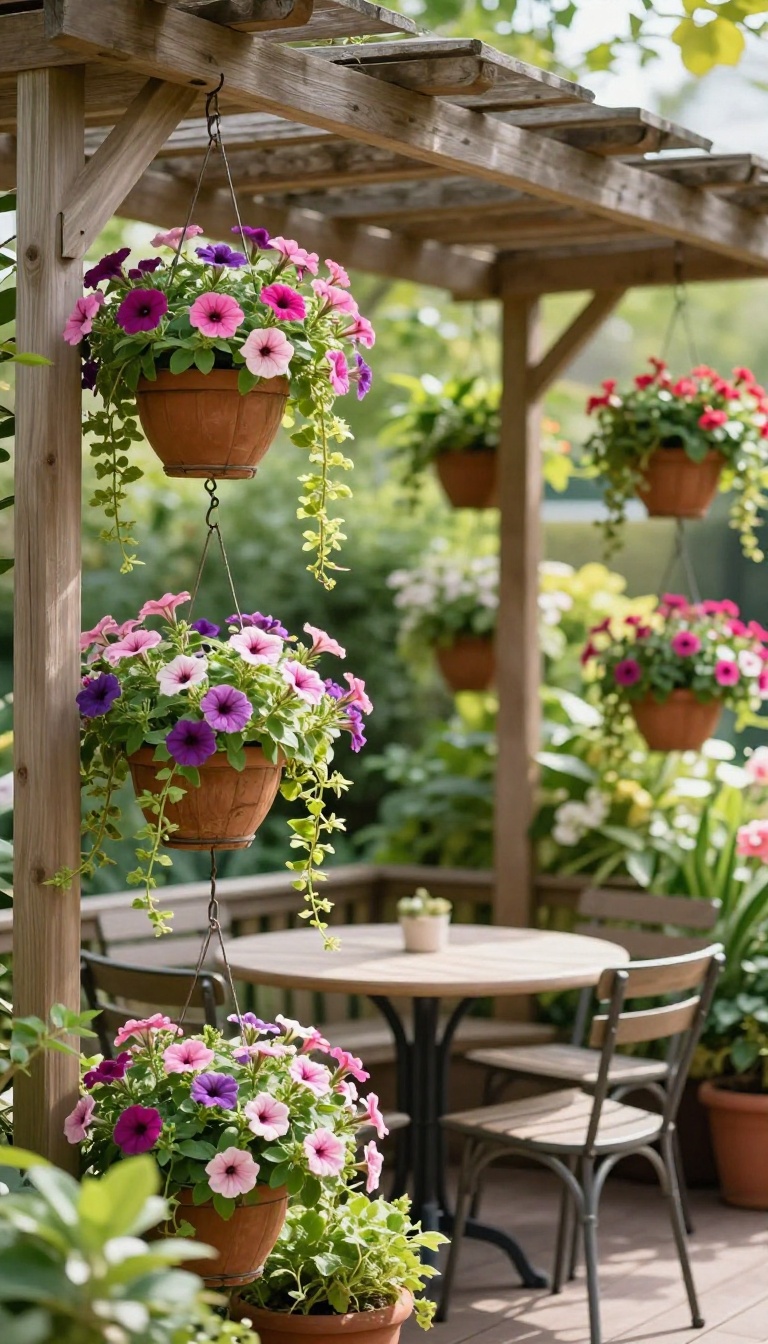
When floor space is tight, the sky's the limit. Hanging baskets let you add color and greenery without sacrificing a single square foot of patio. Suspend them from eaves, pergolas, or sturdy hooks to create a floating garden that draws the eye upward and makes the space feel bigger.
Choose trailing plants like petunias, ivy, or fuchsias for a waterfall of color. Mix and match baskets at different heights to add depth and visual interest. Water them regularly, as baskets dry out faster than ground planters, and use a lightweight potting mix to keep them manageable.
Picking The Right Baskets
Go for wire baskets lined with coconut coir or moss for a natural look that breathes. Plastic baskets retain moisture better but can look less organic. Choose a size that fits your space—12 to 14 inches works well for most trailing plants.
Make sure the hooks are sturdy enough to hold the weight when wet.
Plant Selection For Full Sun Or Shade
For sunny patios, opt for petunias, million bells, or verbena. In shadier spots, try fuchsias, begonias, or trailing lobelia. Mix a thriller (upright), a filler (mounding), and a spiller (trailing) for a full, lush basket.
Don't be afraid to combine colors that pop against your patio's backdrop.
Placement And Care Tips
Hang baskets where you'll see them from your main seating area, but avoid blocking walkways. Use a pulley system for easy watering and rotation. Check soil moisture daily—stick your finger in; if it's dry, water thoroughly.
Feed with a balanced liquid fertilizer every couple of weeks to keep blooms coming.
3. Create a Container Water Feature
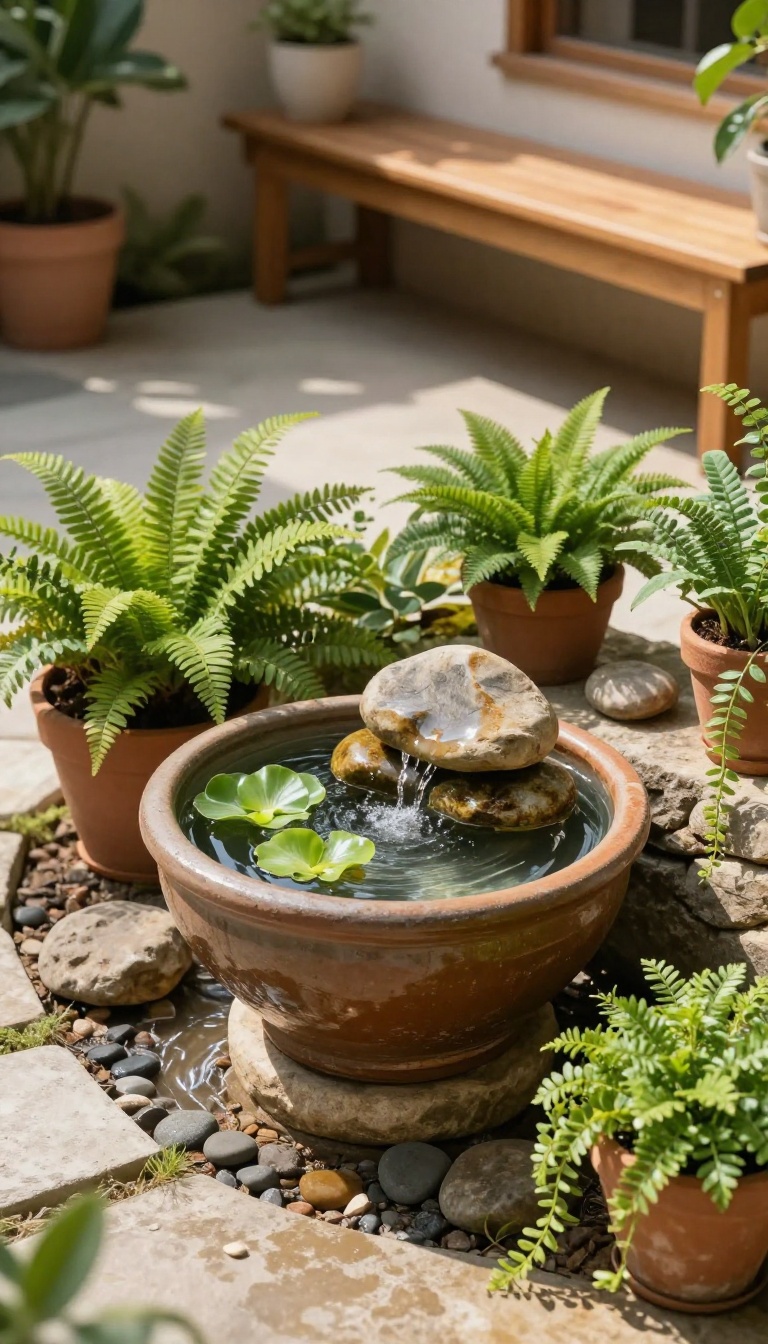
A gentle trickle of water can transform a tiny patio into a serene escape, and you don't need a pond or a plumber to make it happen. A simple container fountain—just a ceramic pot, a small pump, and some tubing—adds soothing sound and a cool focal point that draws the eye and calms the mind. It's a weekend project that rewards you with instant ambience, and it doubles as a magnet for birds and beneficial insects.
Start with a watertight ceramic or glazed pot that suits your patio's style, and pair it with a small submersible pump (available at any garden center). You'll also need a recirculating fountain kit or just some flexible tubing and a fountain head. Place the pump in the pot, cover it with a layer of river rocks or pebbles, and fill with water.
When you plug it in, the water cycles quietly, creating that gentle babbling sound. For extra charm, add a few floating plants like water lettuce or a small water lily to keep the water clear and add a touch of green.
Choosing The Right Container
Pick a pot that's at least 12 inches wide and deep enough to hold the pump fully submerged. Glazed ceramic, concrete, or metal all work well—just make sure it's watertight. A wider, shallower bowl creates a gentle ripple, while a taller urn gives a more dramatic cascade.
Match the pot's color and texture to your patio's vibe, whether that's earthy terracotta or sleek modern gray. Avoid pots with drainage holes unless you plug them with waterproof sealant.
Adding Plants And Finishing Touches
Once your fountain is running, tuck a few small potted plants around the base to soften the edges and blend the water feature into your garden. Ferns, hostas, or creeping thyme love the humidity. You can also place a few smooth stones or a small figurine nearby for personality.
For nighttime appeal, string a few solar fairy lights around the pot or add a floating LED candle to the water—it'll glow beautifully after dark.
Keeping It Simple And Maintainable
This project is low-maintenance, but a little care goes a long way. Top up the water every few days, especially in hot weather, and give the pump a quick rinse every couple of weeks to prevent clogging. In winter, drain the pot and store the pump indoors to avoid freeze damage.
With minimal effort, your container fountain will keep your patio feeling fresh and inviting all season long.
4. Incorporate a Compact Bistro Set
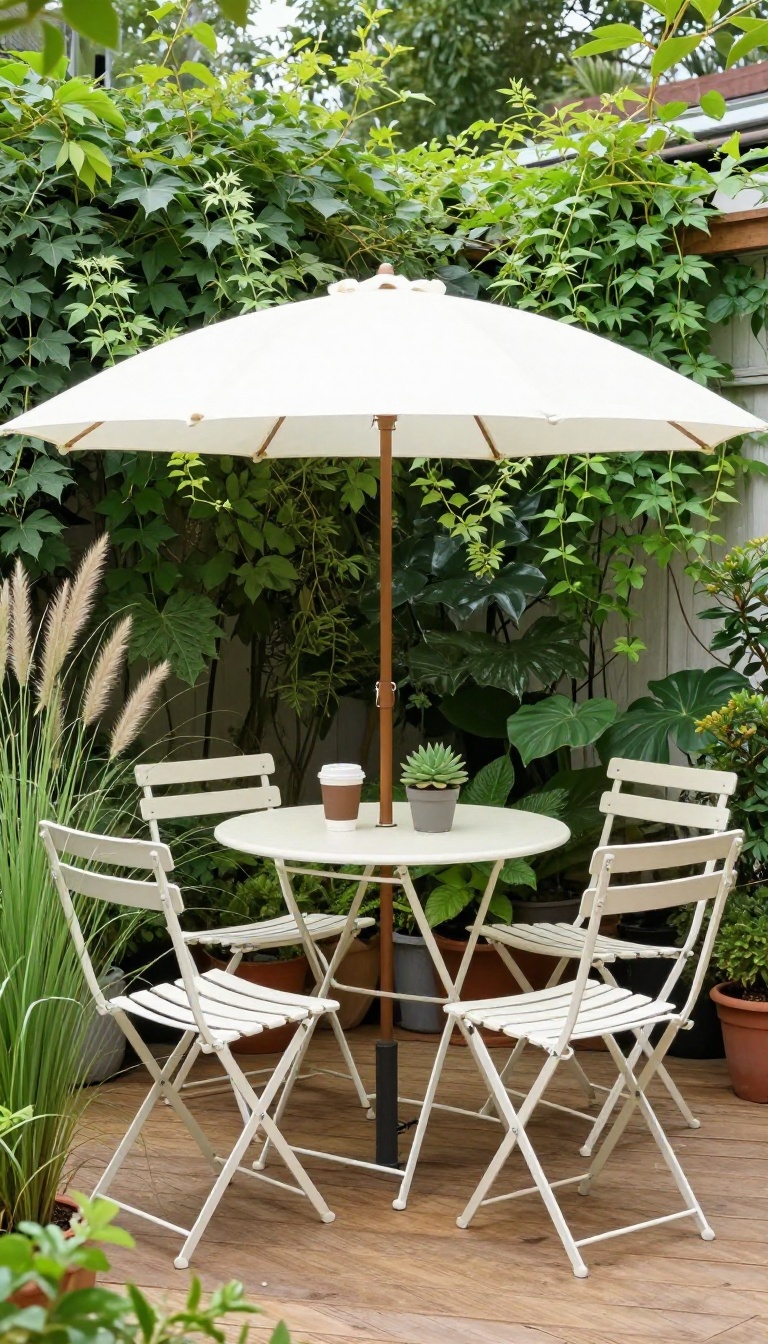
A tiny patio can still host a morning coffee or an evening glass of wine if you pick the right furniture. A foldable bistro set offers that without eating up all your floor space. When you're not using it, you can stash it against a wall or in a corner, keeping the area open for plants and movement.
The key is to choose a table and chairs that fold flat or stack neatly. Look for lightweight materials like aluminum or treated wood that can handle the outdoors. A round table takes up less visual space than a square one, and two chairs are plenty for a cozy retreat.
If you want extra seating, add a small bench that can double as a plant stand when not in use.
Pick The Right Size And Style
Measure your patio before buying anything. A table that's 24 to 30 inches wide works for most small spaces. Opt for a style that matches your vibe—wrought iron for a classic look, or teak for a warmer feel.
Folding models with a built-in handle are especially easy to move around.
Create A Dining Nook With Greenery
Place the bistro set near a wall or railing, then frame it with potted plants. Tall grasses or a small tree behind the chairs add privacy, while trailing vines soften the edges. A small centerpiece like a succulent bowl or a lantern keeps the table functional without cluttering it.
Maximize Comfort With Cushions And Shade
Add removable cushions to the chairs for extra comfort, but store them inside when not in use to keep them dry. If your patio gets full sun, consider a compact umbrella that fits through the table or a wall-mounted shade sail. That way, you can enjoy your bistro set even on hot afternoons.
5. Add a Trellis for Climbing Plants
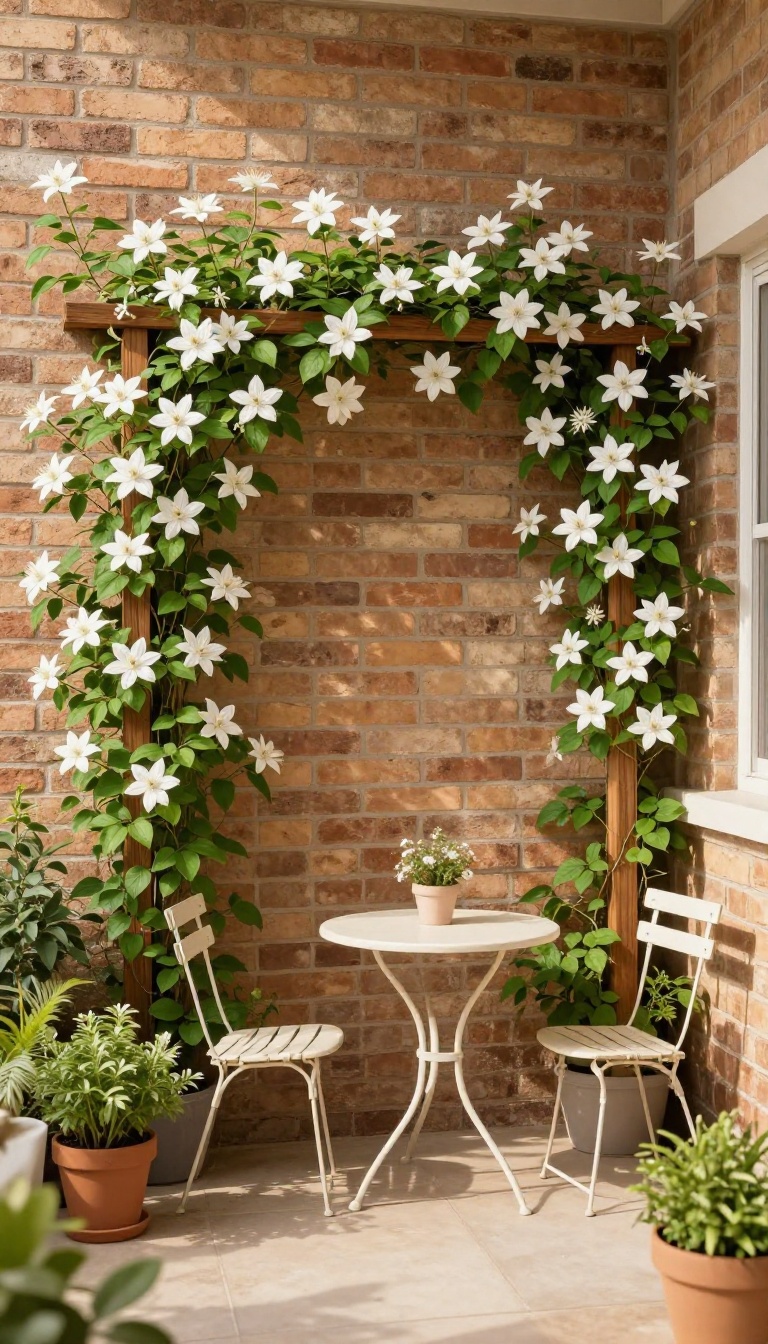
A bare wall or fence is wasted real estate on a small patio. A trellis turns that flat surface into a vertical garden, letting you grow lush climbers without sacrificing floor space. It's a simple structure that instantly adds height, depth, and a sense of enclosure, making the area feel more like a private nook.
Choose a trellis that suits your style and space. Wooden lattice is classic and affordable, while metal grids offer a modern look and can support heavier vines. For a quick setup, lean a freestanding trellis against the wall or use a wall-mounted version with hinges so you can fold it down for storage.
Secure it well—strong winds can topple a top-heavy climber.
Picking The Right Climber
Think about sunlight and maintenance. Clematis thrives in sun and offers big, showy flowers. Climbing roses need more care but reward with fragrance.
If you want fast coverage, try annual vines like morning glory or nasturtium—they grow quickly and fill in within weeks. For edible options, pole beans or cucumbers climb easily and give you fresh produce.
Guiding Growth And Training
New vines need a little help. Gently tie stems to the trellis with soft plant ties or twine, weaving them through the lattice as they grow. Check weekly and redirect wayward shoots.
This keeps the plant tidy and encourages fuller growth. Prune dead or overcrowded stems to maintain airflow and shape.
Creating Privacy And Shade
A trellis with dense foliage acts like a living screen. Position it along a shared fence or near a seating area to block neighbors and create a cozy retreat. As the plant matures, it also casts dappled shade, cooling the patio on hot days.
Choose an evergreen climber like ivy for year-round privacy, or a deciduous vine for summer coverage.
6. Use Mirrors to Double the Greenery
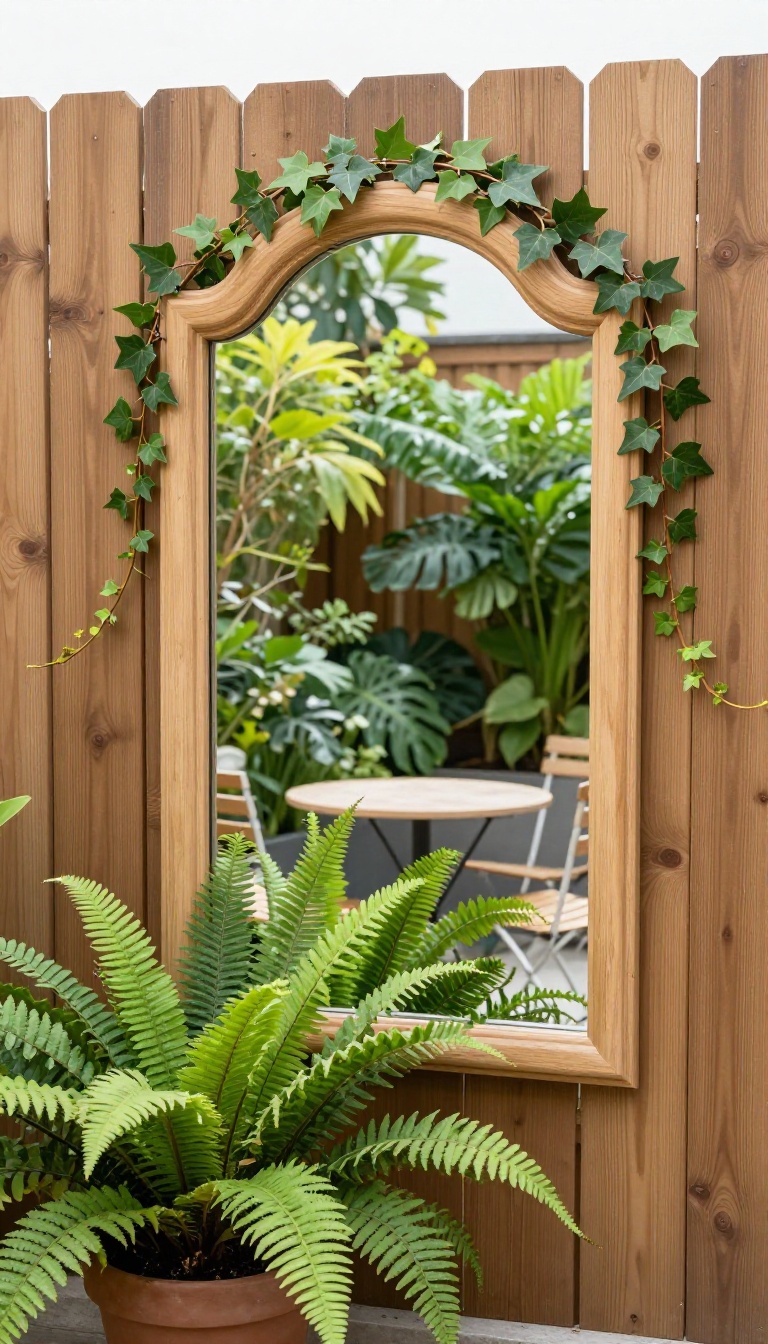
A clever mirror trick can make your patio feel twice as big and twice as lush without adding a single plant. By reflecting light and foliage, mirrors create the illusion of depth and abundance, turning a cramped corner into a verdant escape. It's a simple, budget-friendly hack that works wonders in small spaces.
Mirrors are a classic interior design trick, but they work just as well outdoors. The key is to place them where they can reflect your best plants and capture natural light, making the patio appear larger and more inviting. With a little planning, you can create a stunning focal point that doubles your greenery visually.
Choosing The Right Mirror
Opt for an outdoor-rated mirror with a weatherproof frame, like aluminum or teak. Avoid heavy glass that could crack in extreme temperatures; acrylic or polycarbonate mirrors are safer and lighter. Size matters—a large mirror can overwhelm a tiny patio, so start with a medium-sized piece and adjust.
Placement Strategies
Position the mirror opposite your lushest plant arrangement, so it reflects the greenery and makes the space feel like a garden. Angle it slightly downward to capture more foliage and less sky, which can wash out the effect. Also, place it near a seating area to create a sense of depth and openness.
Styling And Safety
Frame the mirror with trailing plants or place potted ferns in front to blend the edges and make it look like a window into another garden. Ensure the mirror is securely mounted to a wall or fence, especially in windy areas. Avoid direct, harsh sunlight reflecting into your eyes or neighbors' windows.
7. Layer Different Textures with Pots
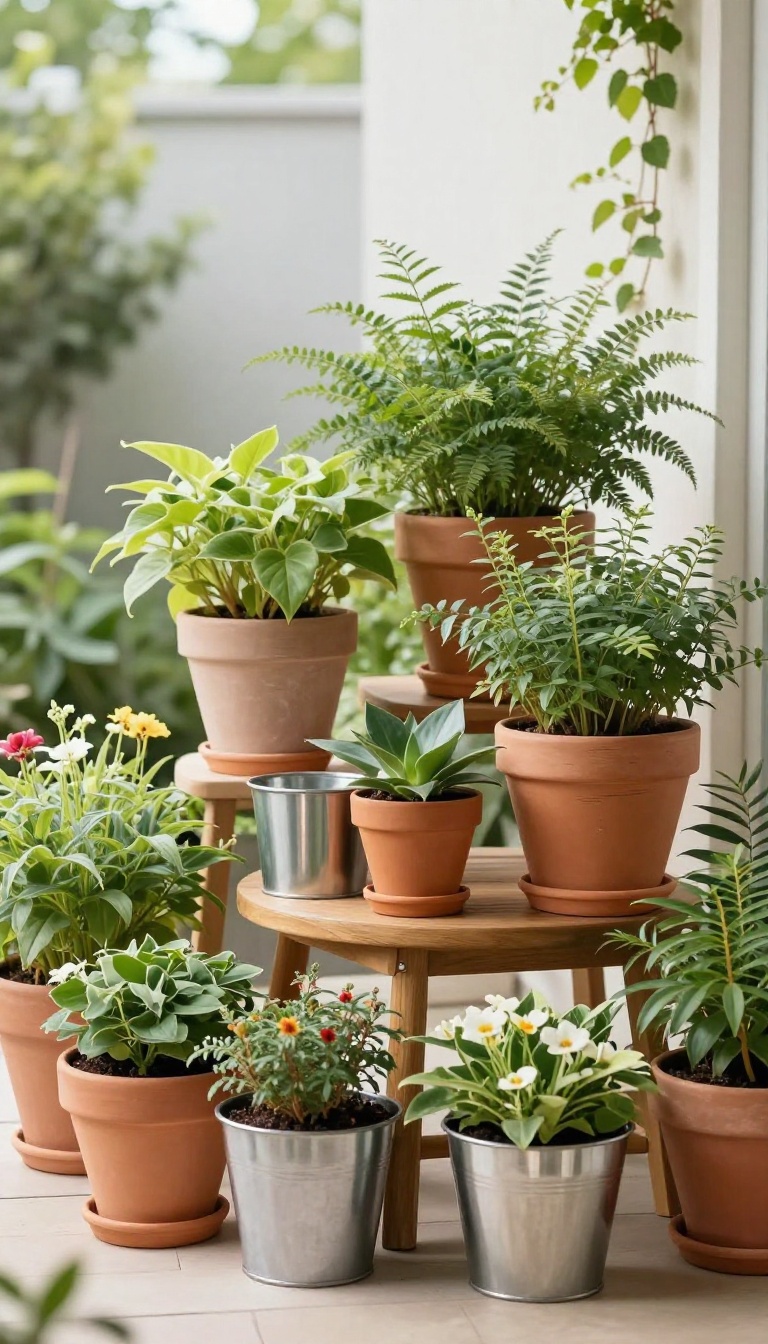
Mixing pot materials is one of the easiest ways to add depth to a small patio. You don't need more plants—just a thoughtful variety of containers. Terracotta, ceramic, and metal each bring their own personality, and when placed at different heights, they create a layered, curated look.
Start by choosing pots in three or four materials that complement each other. Terracotta offers a warm, earthy feel; glazed ceramic adds color and shine; metal brings a sleek, modern edge. Arrange them in clusters, varying heights with stands, stools, or overturned pots.
This approach makes the space feel fuller and more intentional without overcrowding.
Mix Materials For Visual Contrast
Pair smooth, glazed ceramic with rough, unglazed terracotta. The contrast in texture catches the eye and adds richness. Add a brushed metal pot for a touch of industrial chic.
Just keep the color palette cohesive—think warm neutrals or a single accent hue—so the mix feels curated, not chaotic.
Play With Heights And Shapes
Use plant stands, wall-mounted brackets, or stack pots to create varying levels. Tall, cylindrical pots draw the eye upward, while low, wide bowls anchor the arrangement. Mixing shapes—round, square, and oval—adds further interest.
This vertical layering makes the patio feel larger and more dynamic.
Consider Practicality And Maintenance
Different materials have different needs. Terracotta is porous and dries out quickly, while plastic or glazed pots retain moisture. Group plants with similar watering needs together.
Also, ensure each pot has drainage holes and use saucers to protect your patio surface. Choose lightweight materials for hanging or high shelves.
8. Install a Small Raised Bed or Planter Box
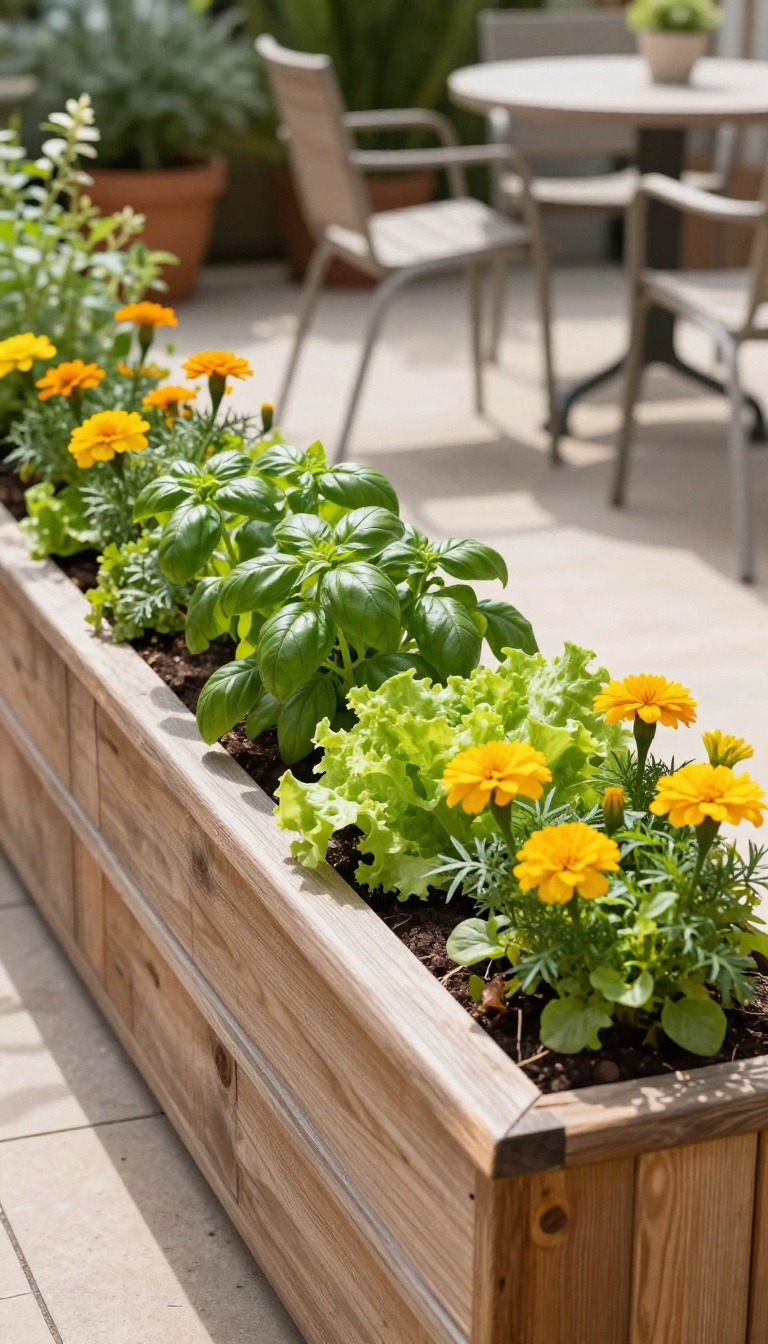
When the patio is too small for a full garden, a raised bed or planter box becomes your best friend. It carves out a defined growing area without eating up precious floor space. You can tuck it against a wall or railing, and suddenly you have room for herbs, greens, or a burst of color.
A narrow raised bed along the edge of the patio does more than hold plants. It gives the space structure and a clear garden feel, even if the whole thing is just a few feet long. You can build one from cedar, repurpose a galvanized trough, or use a ready-made kit.
The key is to keep it slim—12 to 18 inches deep is plenty—so it doesn't overwhelm the area.
Pick The Right Spot
Place the bed where it gets the right amount of sun for what you want to grow. Most herbs and veggies need at least six hours of direct light. If your patio is shaded, lean toward leafy greens or shade-tolerant flowers.
Also, think about access—you want to be able to reach the plants easily from the patio.
Choose Your Plants Wisely
A small bed is perfect for a mix of edibles and ornamentals. Try a row of lettuce, a few basil plants, and some marigolds for color and pest control. Or go all flowers with compact varieties like petunias, geraniums, or dwarf zinnias.
Keep the planting dense but not overcrowded, so each plant has room to thrive.
Keep It Low-maintenance
Raised beds drain well and warm up faster in spring, which means less fuss. Add a layer of mulch to hold moisture and cut down on weeds. A drip irrigation line or a simple soaker hose makes watering a no-brainer.
You'll spend more time enjoying your little garden than tending it.
9. Add a String Light Canopy
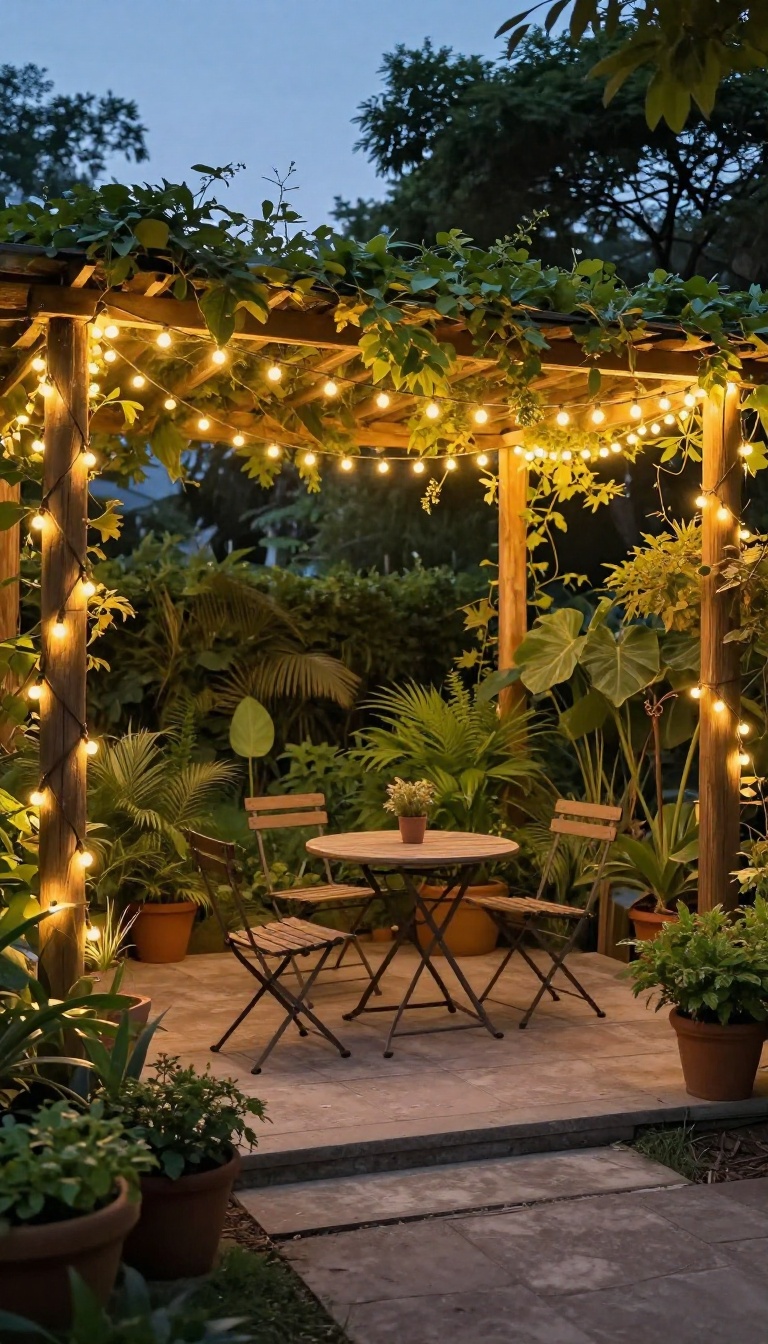
String lights are the quickest way to turn a plain patio into an evening retreat. They add warmth, depth, and a soft glow that makes the space feel cozy and inviting. Plus, they're easy to install and can be adjusted to fit any layout, no matter how small.
When the sun goes down, a small patio can feel dark and uninviting. A canopy of string lights overhead changes that completely. It creates a ceiling of light that defines the space and makes it feel like a room, not just a slab of concrete.
The best part? You can do it without any major construction or electrical work.
Choose The Right Bulbs
Not all string lights are created equal. For a warm, inviting glow, look for LED bulbs with a color temperature around 2700K to 3000K. These mimic the soft light of incandescent bulbs without the heat or energy use.
Avoid cool white or blue-tinted bulbs, which can feel harsh and clinical. Also, consider the bulb size and spacing—larger bulbs with more space between them create a bolder statement, while smaller, closely spaced bulbs give a more delicate, twinkly effect.
Hang Them At The Right Height
The height of your string lights matters more than you might think. Hang them too low, and they'll get in the way; too high, and they lose their intimate feel. Aim for about 7 to 8 feet above the ground.
This gives you enough clearance to walk under comfortably while still creating that cozy, enclosed feeling. If you have a pergola or awning, drape them along the beams. If not, you can attach hooks to the house or use freestanding poles.
Create A Pattern, Not A Mess
Randomly crisscrossing lights can look chaotic, especially in a small space. Instead, plan a simple pattern. A classic zigzag from one corner to the other works well.
Or, if you have a rectangular patio, run them parallel to create a clean, linear look. For a more organic feel, drape them in gentle curves between two points. The goal is to create a canopy that feels intentional and adds to the overall design, not just a tangle of cords.
Power Up Without The Extension Cord Mess
One of the biggest hassles with string lights is power. If you don't have an outdoor outlet nearby, you'll need to run an extension cord. To keep it tidy, use a weatherproof cord cover or hide it along the baseboard or under a rug.
Better yet, consider solar-powered string lights. They're easy to install and don't require any wiring, but make sure they get enough direct sunlight during the day to charge fully. For a permanent solution, you could hire an electrician to install an outdoor outlet, but that's not necessary for most small patios.
10. Incorporate a Compact Watering System
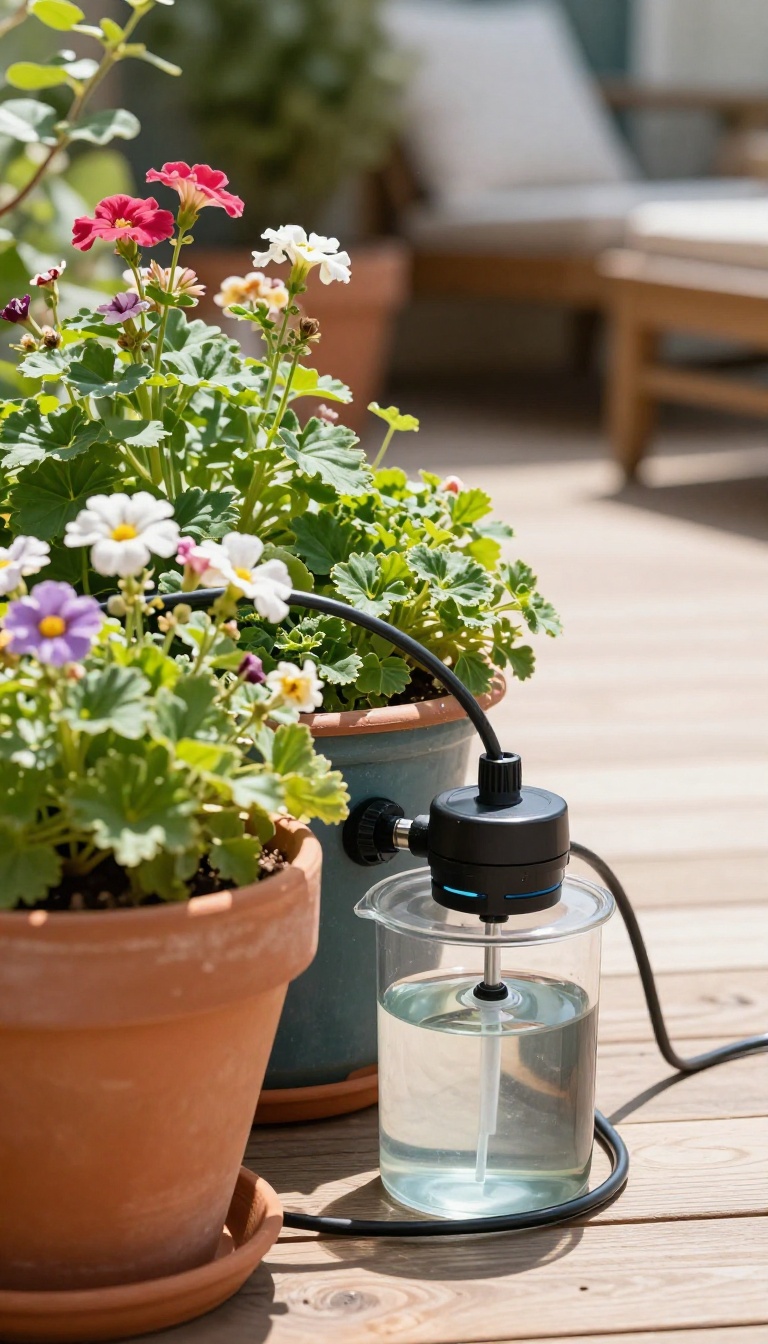
Keeping a patio garden lush often comes down to consistent watering, but who has time to drag a hose around every day? A compact watering system takes the guesswork out of the equation, so your plants stay hydrated even when life gets busy. Whether you're heading out of town or just want to simplify your routine, these setups are small enough to fit any patio and easy enough for anyone to install.
A drip irrigation kit or a self-watering planter can be a game-changer for a small space. Drip systems deliver water directly to the roots, reducing waste and preventing the leaf rot that happens with overhead watering. Self-watering containers have a reservoir at the bottom that wicks moisture upward, so plants can drink as needed.
Both options cut down on daily maintenance and help your greenery thrive without constant attention. For a no-fuss approach, start with a simple timer attached to a faucet and a drip line that winds through your pots. You can also repurpose a large plastic bottle as a slow-release waterer by poking small holes in the cap and burying it upside down.
The goal is to make watering effortless, so you can actually enjoy your retreat instead of worrying about it.
Drip Irrigation Basics
Drip irrigation sounds high-tech, but it's surprisingly simple. You'll need a hose adapter, a pressure regulator, and a length of tubing with emitters. Lay the tubing along the base of your plants, and the emitters release a slow, steady drip.
This method uses up to 50% less water than sprinklers, and it keeps foliage dry, which reduces the risk of fungal diseases. For a small patio, a basic kit covers about 20 pots and costs less than a few fancy planters.
Self-watering Containers
Self-watering pots are another low-maintenance option. They have a built-in reservoir at the bottom, and a wick or a porous section pulls water up into the soil. You only need to refill the reservoir every few days, and many come with a water level indicator so you know when it's time.
These containers are perfect for busy plant parents or for growing herbs and veggies that need consistent moisture. Plus, they come in a range of styles, from sleek ceramic to lightweight plastic, so they'll fit right in with your patio decor.
Simple Diy Watering Hacks
If you're not ready to invest in a full system, try a few DIY tricks. A classic is the wine bottle method: fill an empty bottle with water, invert it into the soil, and it will slowly release moisture as the soil dries. Another option is to create a wicking bed by placing a rope or fabric strip from a water reservoir into the soil.
These hacks are perfect for weekend trips or for plants that need a little extra hydration during a heatwave. They're cheap, easy, and surprisingly effective.
FAQ
What are the best plants for a small patio garden?
Choose compact or vertical growers like ferns, hostas, herbs, and trailing vines. They thrive in containers and don't take up much space.
How can I make my small patio feel more private?
Use tall planters, trellises with climbing plants, or outdoor curtains to create a natural screen.
Do I need a lot of sunlight for a patio garden?
Not necessarily. Many shade-loving plants like ferns and impatiens do well in low light. Just match plants to your patio's light conditions.
How do I maintain a small patio garden?
Regular watering, occasional fertilizing, and pruning keep it tidy. A drip irrigation system can simplify care.
Can I grow vegetables on a small patio?
Yes! Use containers for tomatoes, peppers, lettuce, and herbs. Vertical trellises also work for climbing veggies like cucumbers.
Conclusion
Small patios can still feel lush and private when you focus on layers, height, and the right plant choices. Start with one or two ideas that fit your space and routine, then build from there. The goal is a spot that feels like an escape, not a project.
Mix textures, add a water feature or a corner chair, and let it evolve. Your little retreat will come together one thoughtful touch at a time, ready for quiet mornings or slow evenings outside.