15 Cozy Patio Ideas for Small Spaces With Big Comfort
A small patio can still deliver big comfort. You don't need a sprawling backyard to create a spot that feels like an outdoor living room. With a few smart choices, even a compact concrete slab can become the coziest corner of your home.
The trick is to focus on layers: soft textures, warm lighting, and furniture that fits without overwhelming. Every square foot counts, so each piece should earn its place. The payoff is a space that invites you to linger, whether you're sipping coffee alone or hosting a few friends.
These 15 ideas are practical, budget-friendly, and designed for real life. They work whether you're starting from scratch or just want to refresh what you already have.
1. Use Vertical Planters to Add Greenery Without Taking Floor Space
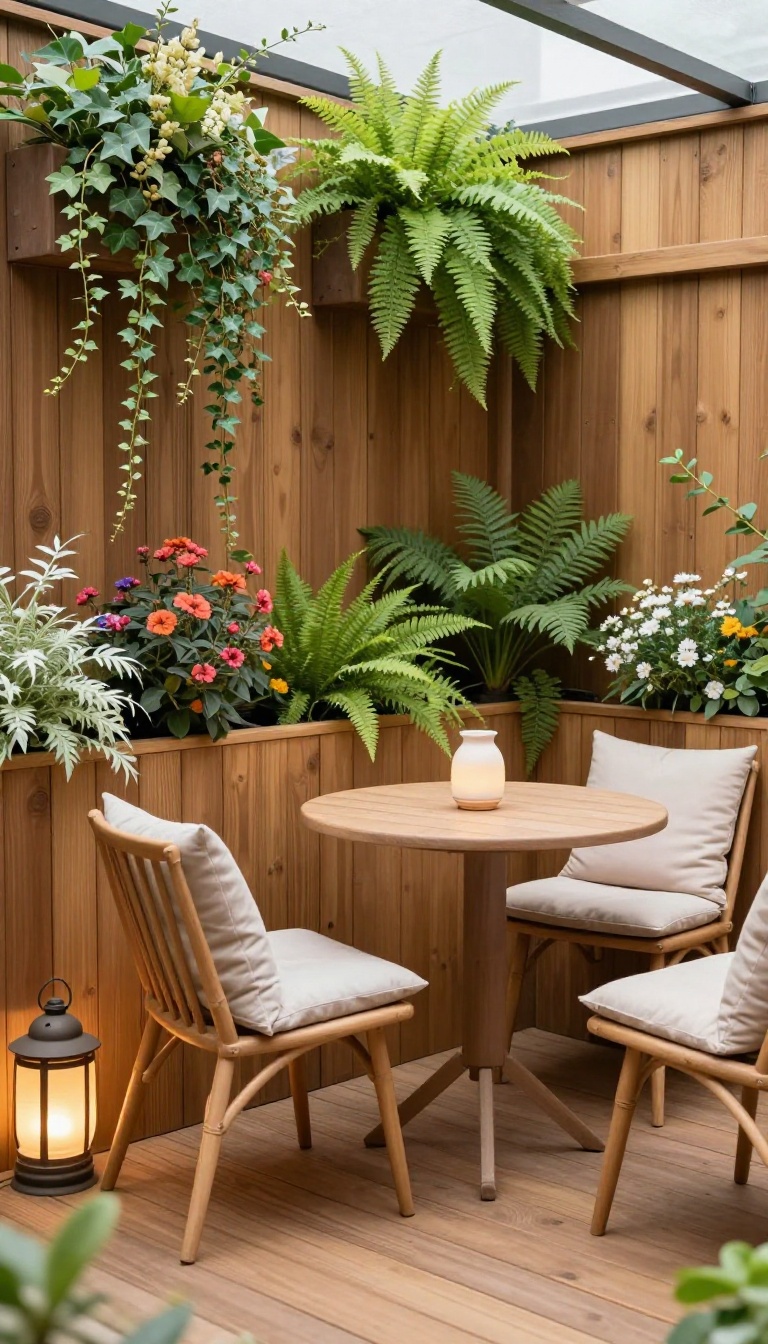
When your patio is only a few feet wide, the ground is prime real estate for seating and tables. That’s where vertical planters come in. By shifting your plants upward, you can surround yourself with greenery without sacrificing a single inch of floor space.
Plus, a wall of leaves adds a natural, private feel that makes a small area seem more enclosed and cozy.
Vertical planters are a smart way to bring life to a small patio. They turn bare walls, fences, or railings into living decor. You can buy ready-made systems or DIY your own with a few basic supplies.
The result is a lush backdrop that makes your outdoor space feel like a secret garden, even if it’s just a few square feet.
Pick The Right Wall Or Fence
Start by choosing a spot that gets the right amount of sunlight for the plants you want. Most herbs and leafy greens like partial sun, while flowering vines can handle more shade. Make sure the surface is sturdy enough to hold the weight of wet soil and pots.
A wooden fence or brick wall works well, but you might need to use hooks or brackets designed for the material.
Choose Plants That Thrive Upward
Not all plants are suited for vertical growth. Trailing varieties like pothos, ivy, or String of Pearls cascade beautifully from hanging pots. For a more structured look, use upright plants like ferns, succulents, or small herbs.
Mix textures and colors to keep it interesting. You can also add a few edible plants like basil or mint, which do well in small containers and reward you with fresh flavors.
Simple Diy Vertical Garden Ideas
You don't need to spend a lot to create a vertical garden. A wooden pallet leaned against the wall can hold small pots. A shoe organizer with pockets is a clever hack for herbs.
Or hang a few wire baskets from hooks at different heights. Just drill small drainage holes in the bottom of each pocket or basket to keep roots from getting soggy.
2. Choose Compact, Multi-Functional Furniture
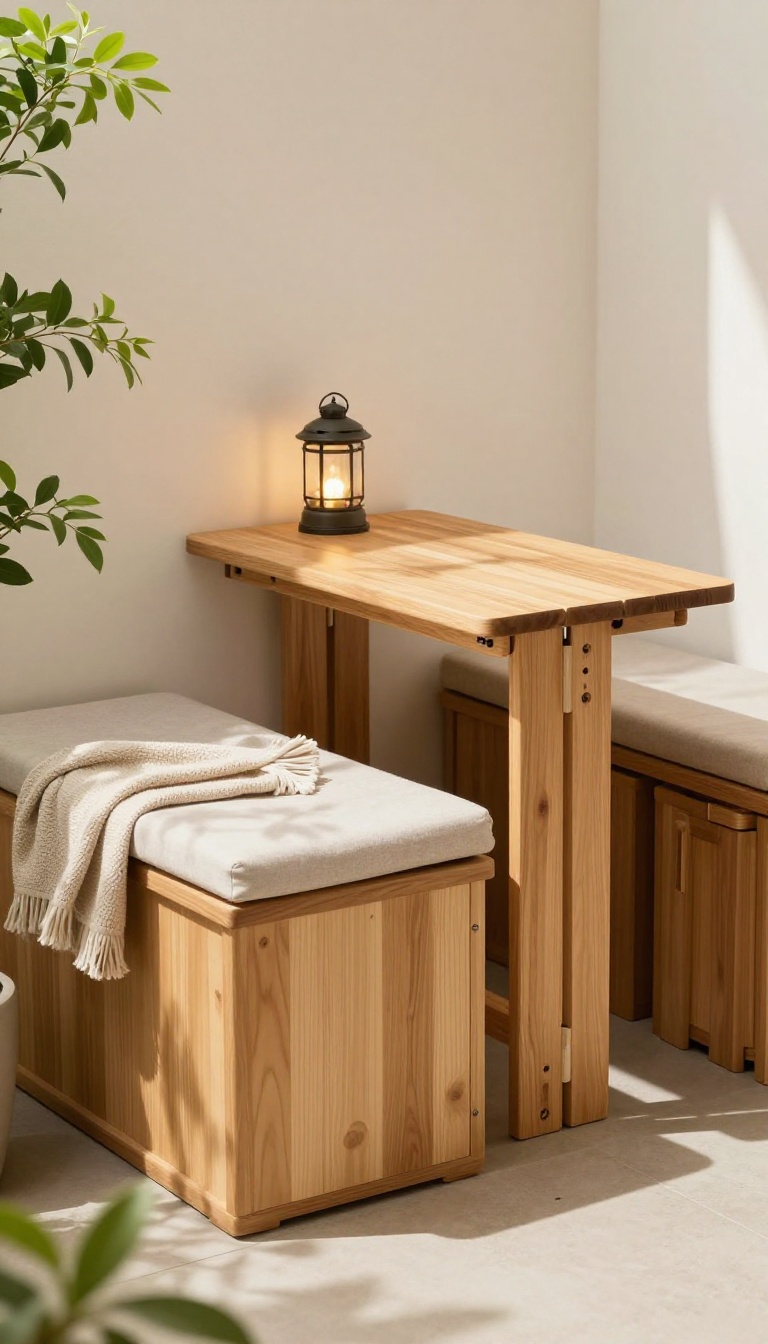
On a small patio, every piece of furniture needs to pull its weight. The best approach is to choose items that serve more than one purpose, so you can maximize function without cluttering the space. Think of a bench that hides garden tools or a table that folds flat against the wall when not in use.
Multi-functional furniture is the secret to making a small patio feel bigger and more usable. By selecting pieces that do double duty, you can keep the area flexible and uncluttered, ready for anything from a quiet morning coffee to a lively evening gathering.
Storage Benches: Sit And Stow
A storage bench is a brilliant addition to a compact patio. It provides comfortable seating and hidden storage for cushions, throws, or gardening supplies. Look for one with a weather-resistant finish, and you'll have a tidy spot that keeps essentials within reach but out of sight.
Folding Tables: Space-saving Flexibility
Folding tables are a game-changer when square footage is tight. A wall-mounted drop-leaf table can be folded down when you need extra room, or a compact bistro table that collapses flat can be stored in a corner. This flexibility lets you adapt your patio for different activities without sacrificing precious space.
Nesting Stools: Stackable Seating
Nesting stools are another smart pick. They can serve as side tables, extra seats, or even plant stands. When not in use, they stack neatly into a single column, taking up minimal floor space.
Choose a set in a durable material like teak or metal to withstand the elements.
3. Add a String Light Canopy for Instant Warmth
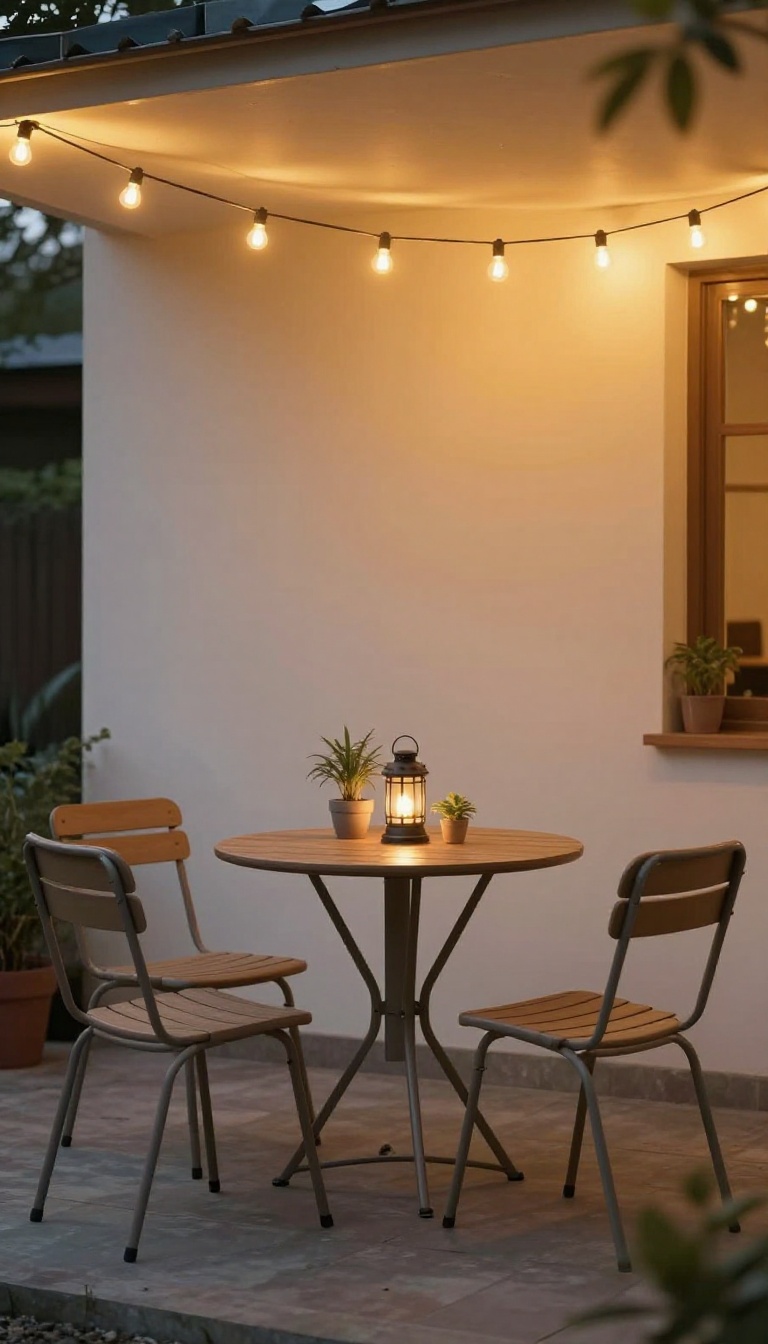
Nothing says cozy quite like a canopy of warm, twinkling lights overhead. String lights have a magical way of turning a plain patio into an inviting retreat, even when the space is just a few feet wide. They soften the edges, cast a flattering glow, and make the whole area feel like a private hideaway.
Pick The Right Bulb Size And Warmth
Not all string lights are created equal. For a small patio, choose bulbs that are large enough to make a statement but not so big they overwhelm the space. Edison-style bulbs with a warm amber glow create that classic, cozy feel.
Avoid cool white or blue-toned lights—they can feel harsh and clinical. Look for weatherproof options with a warm color temperature around 2700K to 3000K.
Hang Them At The Right Height
The height of your string lights matters more than you think. Hang them too high and they lose their intimate effect; too low and they might get in the way. Aim for about 7 to 8 feet above the ground—high enough to walk under comfortably, but low enough to feel like a canopy.
If you're renting or don't want to drill into walls, use freestanding poles or attach hooks to a fence or railing.
Mix With Other Light Sources
String lights work best when they're part of a layered lighting plan. Add a small table lantern or a couple of candles to create pools of light at seating level. This combination makes the space feel dynamic and lived-in.
You can also weave the string lights through potted plants or a trellis to add depth and a bit of greenery to the scene.
4. Incorporate a Compact Fire Pit for Gatherings
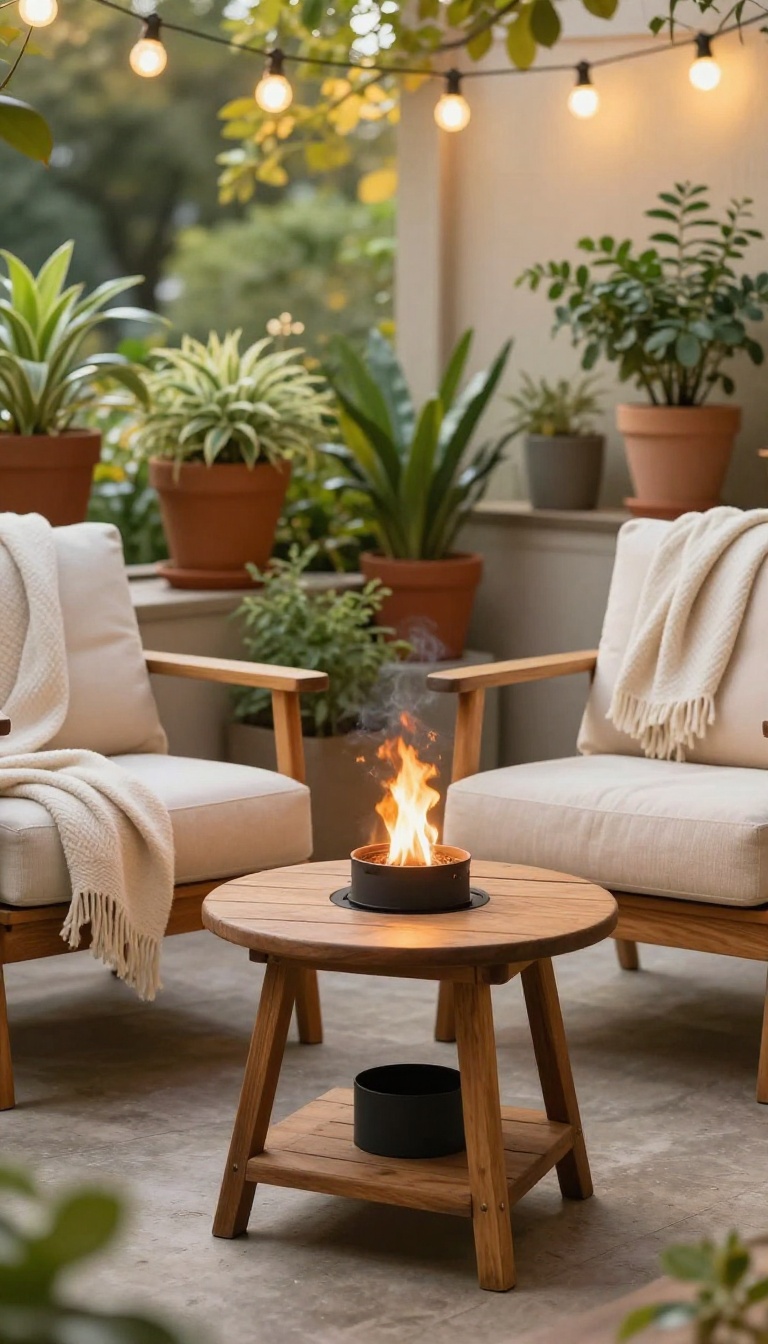
A small patio can still anchor a gathering when you add a compact fire pit. It draws people in, creates a natural focal point, and extends your evenings outdoors. Even a tiny space can host a cozy hangout with the right portable model.
Choose a tabletop fire pit if floor space is scarce. These sit on a side table or the center of a bistro set, offering flames without taking up valuable square footage. For a bit more presence, a freestanding bowl-style pit works on a corner or against a wall.
Look for propane or gel-fuel options—they're clean, easy to manage, and don't require a chimney. Position it away from overhanging branches and keep a fire extinguisher or bucket of sand nearby for safety.
Pick The Right Size And Fuel
Measure your patio and think about how many people you want to seat around the fire. A tabletop model is ideal for two or three, while a larger bowl can fit four or five. Propane pits are convenient—just turn a knob and light.
Gel fuel is even simpler, with no assembly or cleanup. Avoid wood-burning pits on a small patio; they're messier and need more clearance.
Arrange Seating Around The Heat
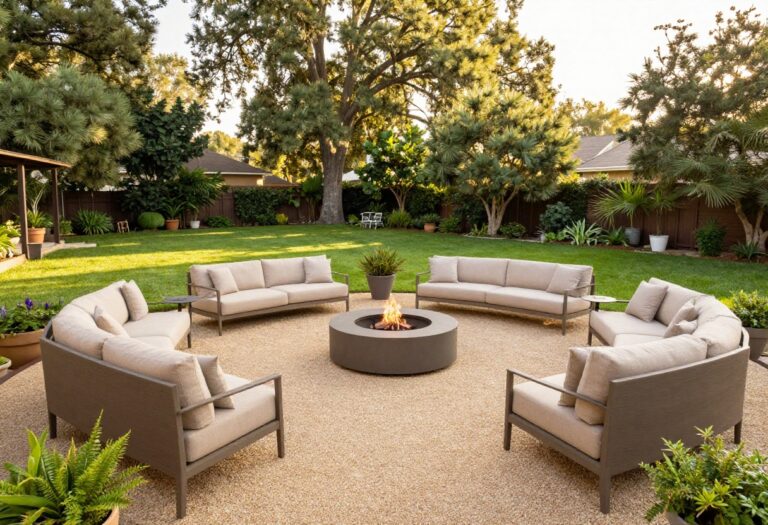
Once your fire pit is placed, arrange chairs and benches in a loose circle. Keep at least two feet of clearance between the flames and any seating. Use weather-resistant cushions and throws to make the spot inviting.
If your patio is narrow, push seating against the walls and place the fire pit in the center—this creates a cozy nook without blocking traffic.
Add Ambiance And Safety Touches
String a few outdoor lights overhead or set a couple of lanterns nearby to complement the fire's glow. Keep a fireproof mat under the pit to protect your patio surface. And always check local regulations—some areas require a spark screen or have rules about open flames.
With the right setup, your compact fire pit becomes the heart of your outdoor space.
5. Layer Outdoor Rugs to Define Zones
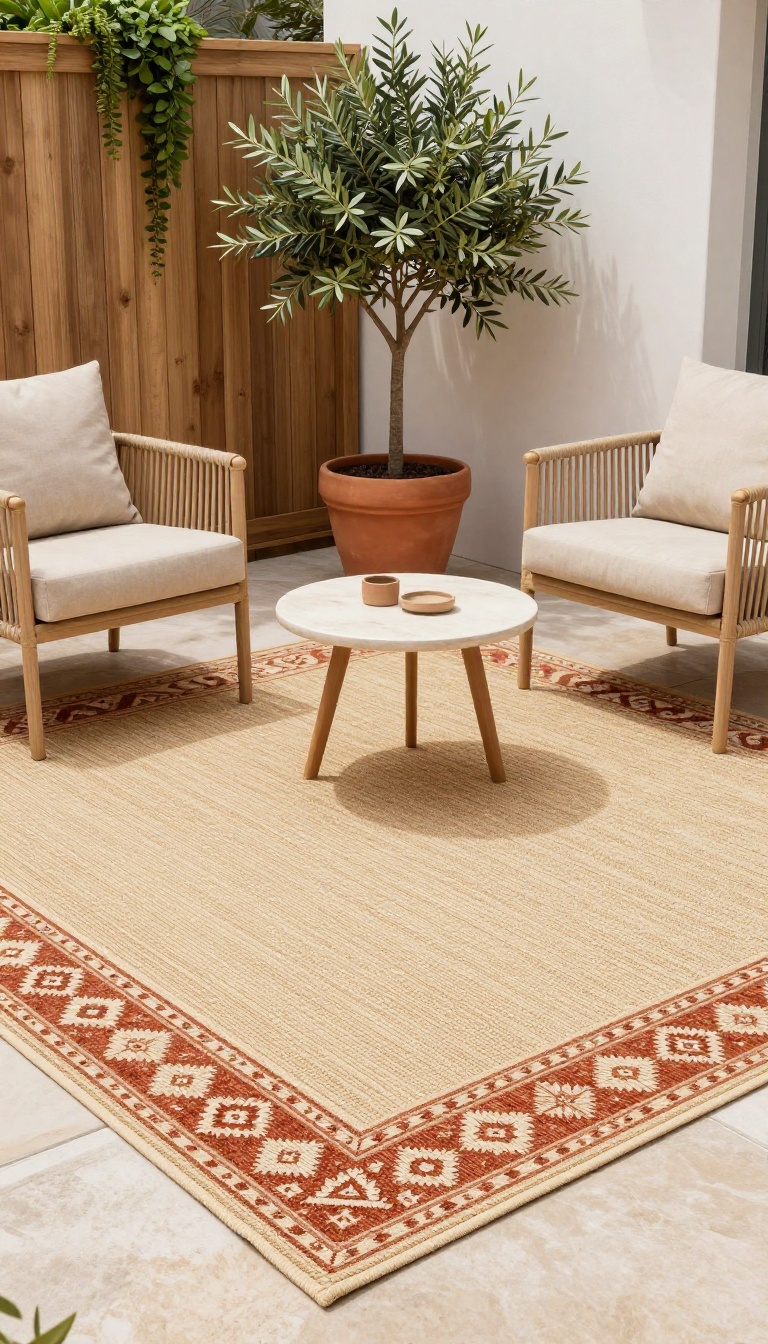
A single outdoor rug can instantly warm up a small patio, but layering takes it a step further. By stacking a smaller rug on top of a larger one, you create a sense of depth and a more curated, collected feel. This simple trick also helps break up the hard concrete or stone underfoot, making the space feel softer and more inviting.
Start with a large, neutral rug that anchors your main seating area. Then, place a smaller, patterned rug on top, angled slightly for a relaxed look. This works especially well if you have a bistro table or a couple of chairs—the layered rugs visually define that spot as the heart of your patio.
Choose rugs made from durable, weather-resistant materials like polypropylene or recycled plastic, and make sure they have a non-slip pad underneath to keep them in place.
Pick A Base Rug That Fits
Your base rug should be big enough to cover the main walking area, but leave a few inches of bare patio around the edges. This frames the space and prevents the rug from feeling like a wall-to-wall carpet. Go for a low-pile, flat-weave design in a solid color or subtle stripe—it will be easier to layer and won't compete with the top rug.
Choose A Top Rug With Personality
The top rug is where you can have fun. Try a bold geometric pattern, a vintage-inspired print, or a natural fiber like jute for texture. Keep it smaller than the base rug—about two-thirds of the size—and place it off-center for a more organic feel.
If you're worried about slipping, use a rug-to-rug gripper or a bit of double-sided tape.
Use Rugs To Create Separate Areas
Even on a tiny patio, you can carve out distinct zones with rugs. Lay one rug under a pair of chairs for a conversation nook, and another under a small side table for drinks. This trick makes the space feel larger and more purposeful.
Just keep the colors and styles complementary so the whole patio feels cohesive.
6. Install a Wall-Mounted Folding Table for Dining
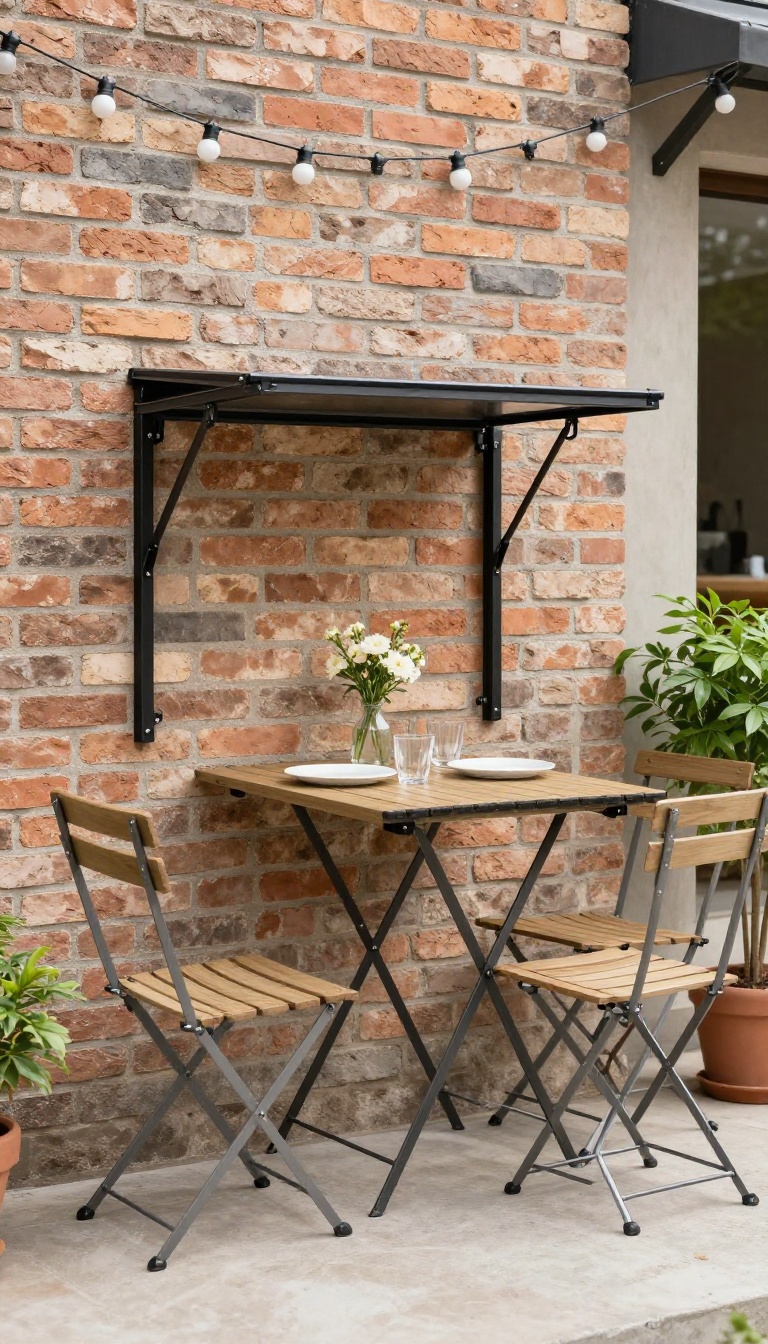
A small patio can still host a proper meal when you think vertically. Instead of dedicating precious floor space to a permanent table, mount a fold-down table to an exterior wall. It flips up for dinner and folds flat when not in use, keeping your patio open for other activities.
Wall-mounted folding tables are a clever solution for tight spaces. They come in various sizes and materials, from weather-resistant teak to powder-coated steel. Choose one that matches your patio's style and can handle the weight of your typical meals.
Installation is straightforward with sturdy brackets and proper anchors, ensuring safety and durability.
Choosing The Right Table
Look for a table with a solid wood or composite top that resists moisture and warping. Consider the depth when folded—slim profiles save space. A table with a folding leg adds extra stability, while a simple hinge design is lighter and easier to mount.
Placement And Support
Mount the table at a comfortable height for dining, typically around 28 to 30 inches. Ensure the wall is solid, like brick or concrete, and use heavy-duty anchors. For added support, install a fold-out leg that touches the ground when the table is open.
Styling And Accessories
Pair the table with compact folding chairs that can be stored nearby. Add a small lantern or string lights above for ambiance. When not in use, you can hang a decorative planter or a small shelf on the folded table to keep the wall interesting.
7. Create a Privacy Screen With Lattice and Climbing Plants
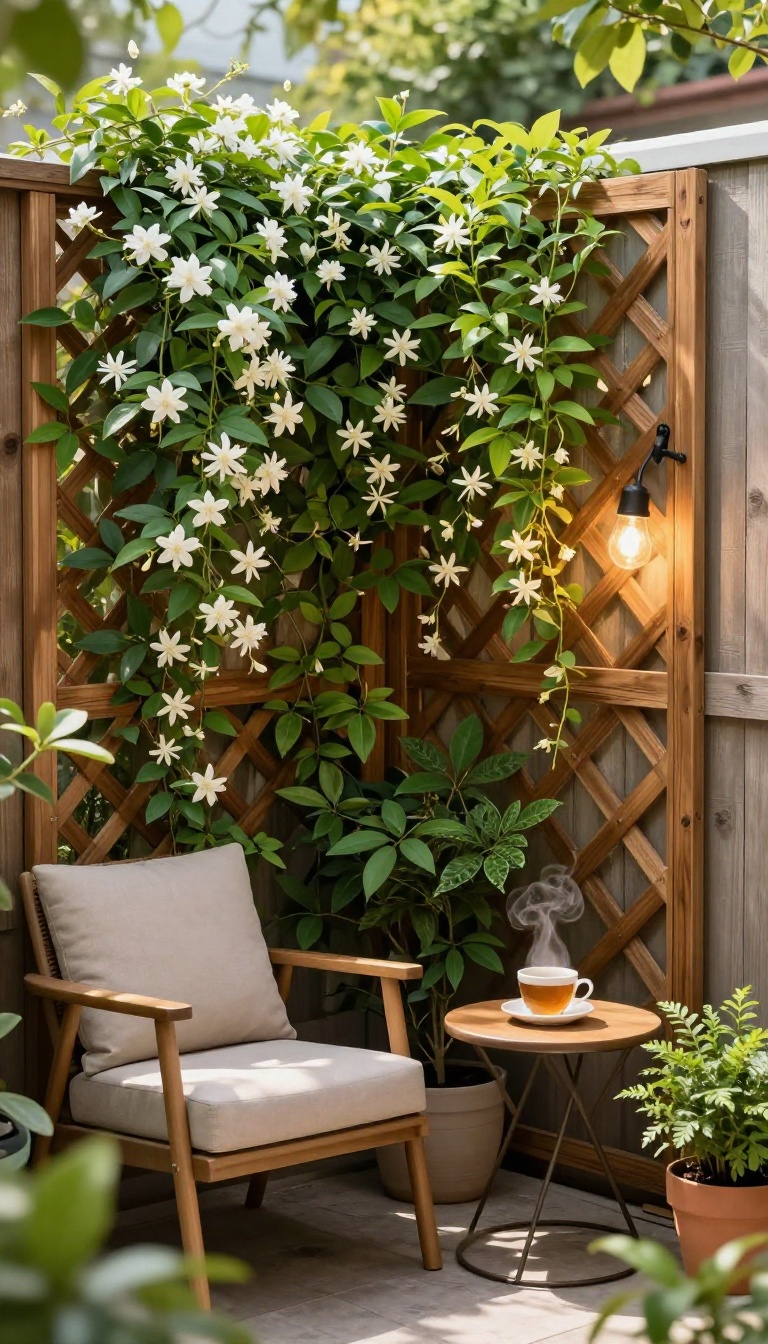
A patio that feels like a fishbowl is hard to enjoy. Even a small space can feel more private with a simple lattice panel and some climbing vines. This setup gives you a natural screen that blocks sightlines and adds a lush, green backdrop without building anything permanent.
It's a low-cost, high-impact way to turn an exposed corner into a cozy retreat.
Lattice panels are lightweight, easy to install, and available at most home improvement stores. You can attach them to an existing fence, mount them on posts, or lean them against a wall. For a small patio, one or two panels are usually enough to create a sense of enclosure.
Choose a style that matches your outdoor aesthetic, whether that's classic white wood or a more modern dark metal.
Pick The Right Climbers
Not all vines are created equal. Some grow too fast and become a maintenance headache, while others stay neat and manageable. For a small patio, consider clematis, jasmine, or climbing hydrangea.
These plants are compact, fragrant, and won't take over your space. If you prefer something edible, try pole beans or a dwarf cucumber variety—they'll give you privacy and a snack.
Use Planters For Flexibility
If you're renting or want to change your layout often, skip the permanent planting. A row of large pots with trellises or a planter box attached to the lattice can do the job just as well. This way, you can move the screen when the sun shifts or when you want a different look.
Plus, potted plants are easier to water and care for.
Layer With Other Privacy Elements
Lattice and vines work even better when you combine them with other elements. Hang string lights from the top of the panel to add warmth after dark. Place a small bench or a couple of floor cushions in front of it to create a reading nook.
You can also add a few outdoor curtains on a rod for extra shade and privacy when you need it.
8. Add Cushions and Throws for a Plush Feel
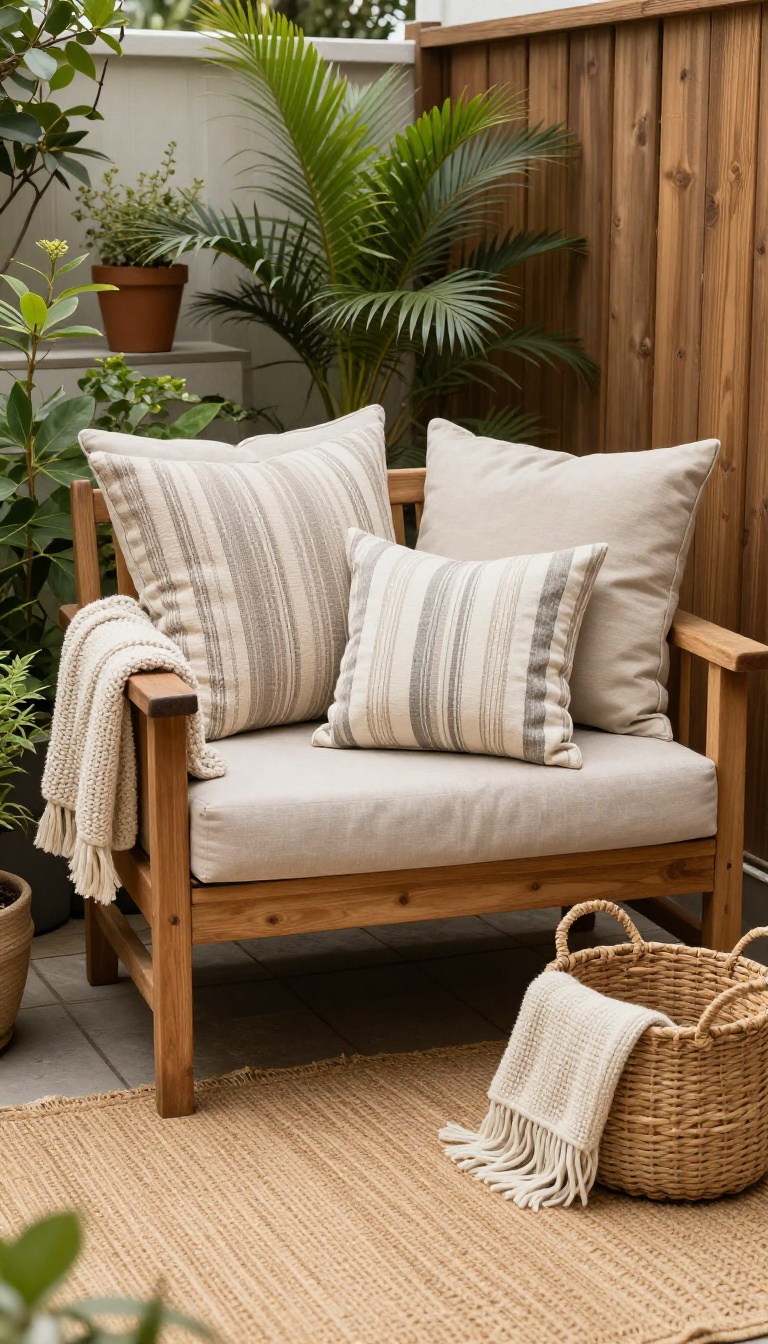
Softness is the fastest route to cozy. A bare metal or wood seat can feel cold and uninviting, but a few well-placed cushions change everything. Weather-resistant fabrics mean you don't have to baby them, and throws add an extra layer of warmth for chilly evenings.
Mixing patterns and textures is where the magic happens. Stripes with solids, knits with smooth weaves—these combinations add visual interest and make the space feel curated, not just thrown together. The goal is to make your patio seating look and feel like an extension of your living room.
Start with a base of neutral cushions for the seat and back, then add a couple of accent pillows in bolder colors or patterns. This gives you flexibility—you can swap out the accents seasonally without replacing everything. Look for cushions with zippered covers that are easy to remove and wash, and choose fabrics labeled as outdoor-grade to resist fading and mildew.
Throws are the unsung heroes of outdoor comfort. Drape one over the arm of a chair or the back of a bench for easy access on cool nights. Choose lightweight, quick-drying materials like acrylic or polyester blends that feel soft but can handle a little dew.
Store them in a weatherproof box or basket when not in use to keep them fresh. Don't forget the floor. An outdoor rug underfoot adds another layer of softness and ties the whole seating area together.
Even a small rug can define the space and make it feel more like a room.
Choosing The Right Cushions
Not all cushions are created equal. For outdoor use, look for foam that's dense and quick-drying, with a waterproof inner liner. The covers should be made from solution-dyed acrylic or polyester, which resist fading and are easy to clean.
If your chairs have specific dimensions, measure before you buy—cushions that are too small look sloppy, and too large can be uncomfortable. Consider the depth of your seating. Deep chairs might need thicker cushions for proper support, while shallow benches work better with slim profiles.
And don't forget about ties or Velcro straps to keep cushions in place on windy days.
Mixing Patterns And Textures
The key to a stylish outdoor space is balance. If your cushions are bold and patterned, keep the throws solid and simple. If you're using a lot of texture—like a chunky knit throw or a woven cushion—pair it with smooth, clean lines.
A good rule of thumb is to stick to two or three colors and vary the scale of patterns: a large stripe with a small geometric print, for example. Texture adds depth even in neutral tones. A boucle cushion next to a linen-look throw creates interest without being loud.
Don't be afraid to mix materials like cotton, polyester, and even a little outdoor wool—just make sure they're all weather-appropriate.
Styling Throws For Function And Looks
Throws should be easy to grab, not just decorative. Fold them neatly over the back of a chair or drape them loosely over an armrest. A basket or bin near the seating area is a practical spot to store them when not in use.
Choose throws with fringe or tassels for a cozy, casual vibe, or go with a clean hem for a more tailored look. If your patio is covered, you can leave throws out overnight, but if it's open, bring them in or store them in a waterproof container. This keeps them dry and ready for the next time you want to snuggle up.
9. Use a Bar Cart for a Mobile Drink Station
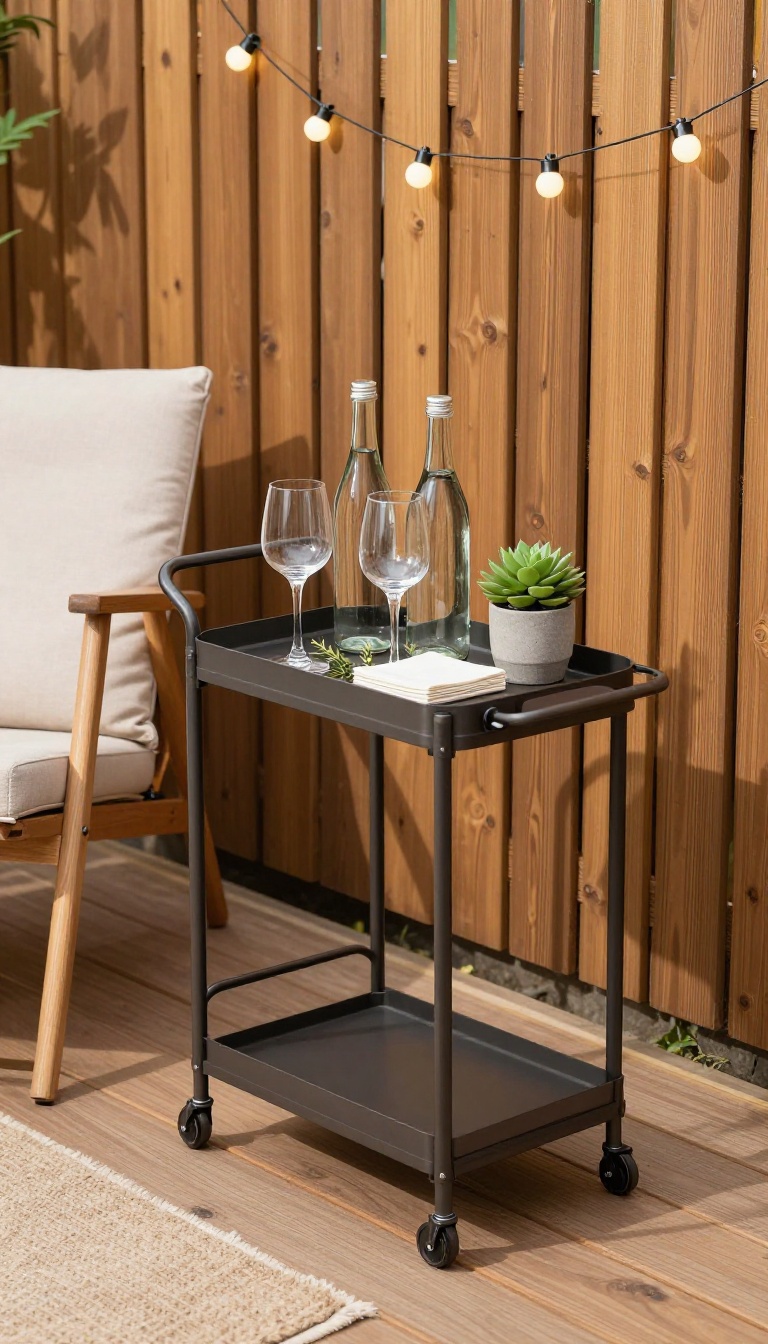
When your patio is small, every piece of furniture needs to multitask. A bar cart on wheels does exactly that: it holds drinks, snacks, and glassware, and you can roll it wherever you need it. It's like having a tiny outdoor kitchen that doesn't take up permanent space.
Set it up against a wall when you're not using it, then wheel it next to your seating for easy access during a get-together. It's practical, but it also adds a touch of style—think of it as a mini bar that makes your patio feel more polished.
A bar cart is a smart addition to a small patio because it's compact and flexible. You can use it as a drink station, a snack table, or even a place to display plants and lanterns. The wheels let you move it around to catch the sun or shade, and when you need extra floor space, it tucks neatly into a corner.
Styling Your Bar Cart
Keep the cart simple: a few bottles, some glassware, and a small tray for napkins or garnishes. Add a small plant or a string of battery-operated lights to make it feel inviting. Choose a cart with a shelf or two so you can store extra items below without cluttering the top.
Choosing The Right Cart
Look for a cart that's sturdy and weather-resistant. Metal or wicker options work well outdoors. Make sure the wheels lock so it stays put when you're using it.
If you have limited space, a narrow cart is ideal—it can fit in tight spots without blocking walkways.
Using It Beyond Drinks
Don't limit the cart to beverages. Use it as a coffee station in the morning, a dessert table in the evening, or a place to hold a small speaker and some books. Because it's mobile, you can repurpose it easily depending on the occasion.
10. Hang a Hammock Chair for a Relaxation Nook
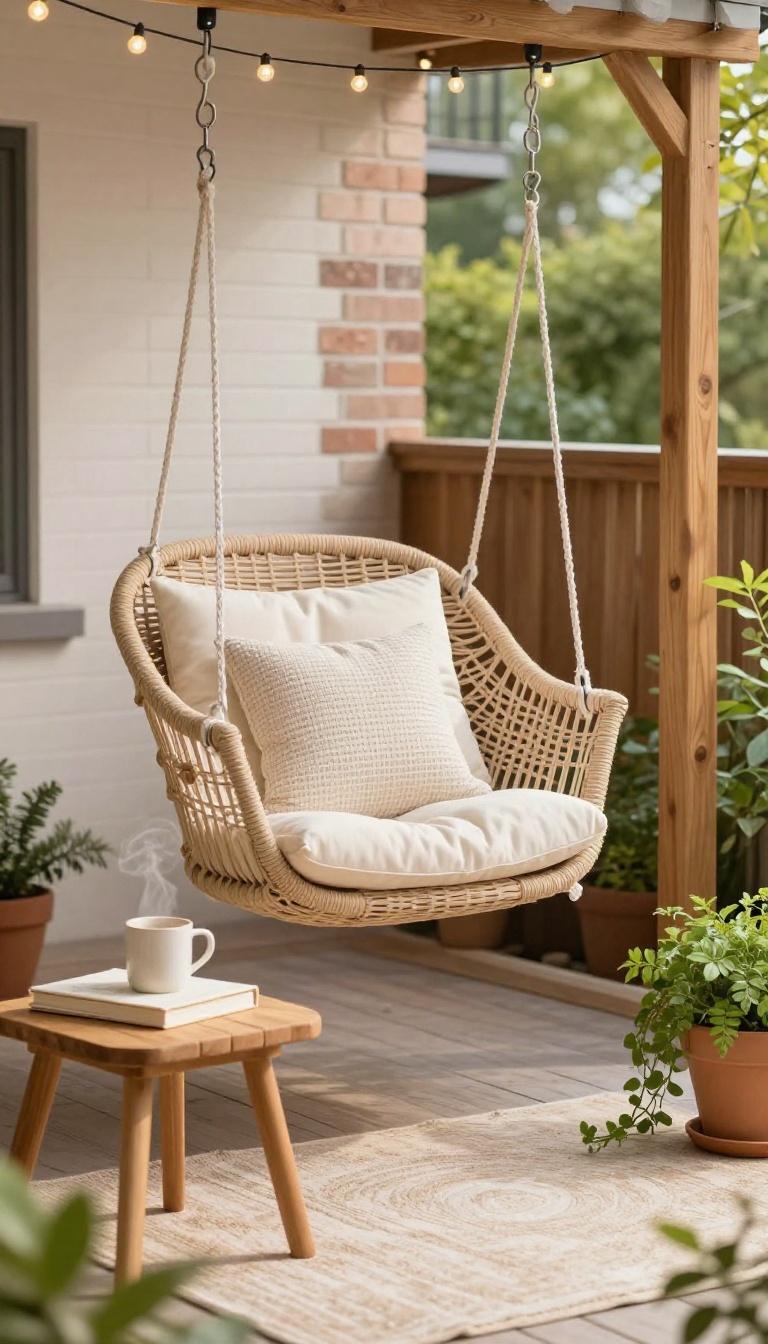
A hammock chair is a game-changer for small patios. It swings gently, cradles you in comfort, and takes up barely any floor space. You can hang it from a sturdy beam, a pergola, or a freestanding stand if you don't have a mounting point.
It instantly creates a cozy nook that begs you to sit down and unwind.
Why It Works In Small Spaces
Traditional hammocks need two anchor points and a lot of room to stretch out. A hammock chair needs just one point and a small footprint. It hangs vertically, so it uses air space rather than floor space.
That makes it perfect for a tight corner or a narrow balcony. Plus, it adds a playful, bohemian vibe that instantly makes the patio feel more inviting.
Hanging Options And Safety
The key is a secure anchor. If you have a solid ceiling beam or a pergola, use a heavy-duty hanging kit rated for at least 300 pounds. If not, a freestanding hammock stand is a sturdy alternative that doesn't require drilling.
Always check the weight limit and follow the manufacturer's instructions. For extra safety, use a carabiner and a chain to adjust the height to your liking.
Styling Your Hammock Chair
Add a soft cushion and a small throw pillow for extra coziness. Hang it near a side table so you have a spot for your drink or book. String a few fairy lights above it to create a magical evening glow.
You can also add a small outdoor rug underneath to define the nook and keep your feet warm. The goal is to make it feel like a little escape, even in the middle of a busy day.
11. Incorporate a Small Water Feature for Ambiance
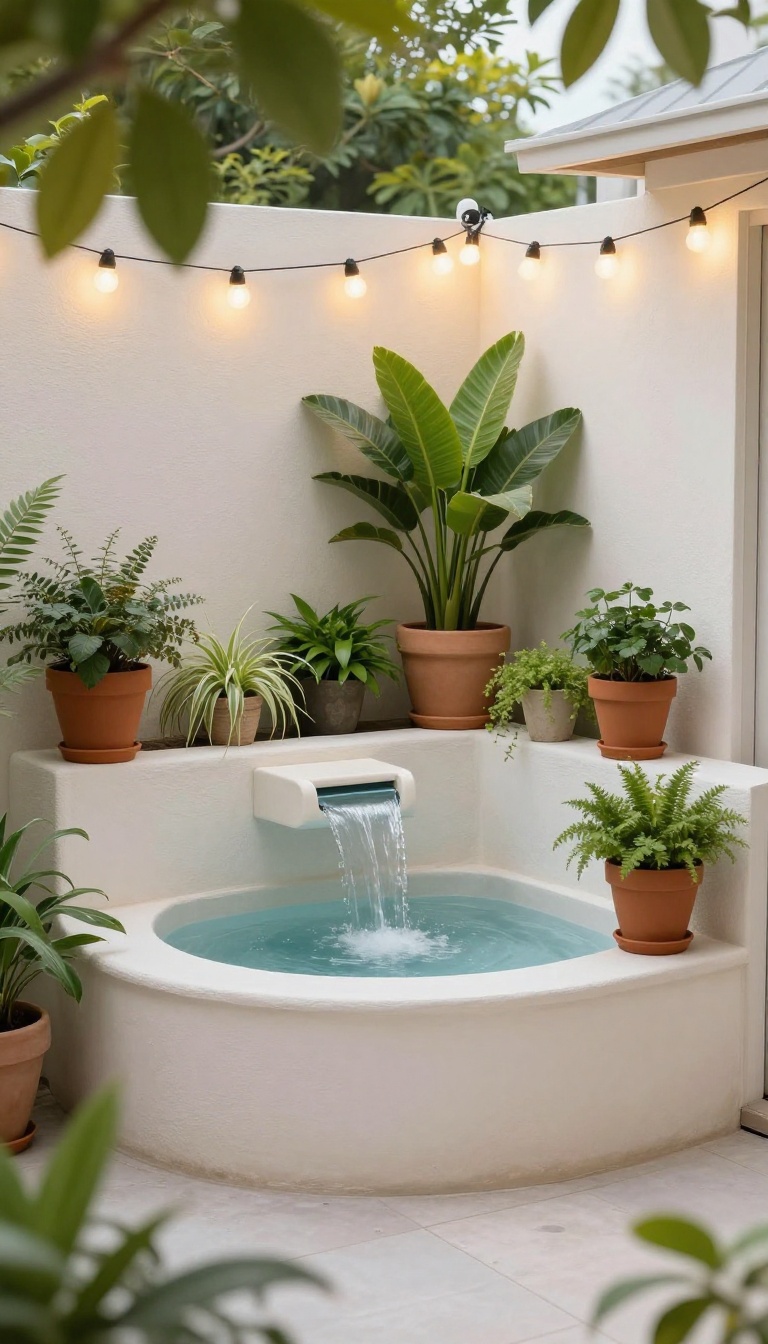
The gentle sound of water can instantly shift the mood of a tiny patio, making it feel like a private spa. You don't need a pond or a large fountain; even a compact tabletop water feature can create that calming backdrop. The key is to choose something that fits your space without becoming the center of attention.
A water feature adds both visual and auditory interest, and it can mask street noise if you live in a busy area. The trick is to keep it proportional to your patio. A small bubbling urn or a wall-mounted waterfall can deliver the same effect as a large fountain, but in a fraction of the space.
Plus, the sound of trickling water is naturally soothing, which makes your patio feel more inviting.
Pick The Right Size And Style
For a small patio, think vertical or compact. A wall-mounted water feature saves floor space and becomes a focal point. A tabletop fountain can sit on a side table or shelf, adding ambiance without cluttering the ground.
Choose a style that matches your decor—modern, rustic, or minimalist—so it blends seamlessly.
Placement Tips For Maximum Effect
Position the water feature near a seating area where you can hear it clearly. If your patio is enclosed, place it near a wall to amplify the sound. Avoid placing it in a high-traffic walkway where it might get bumped.
Also, consider the power source—make sure it's close enough to an outlet or use a solar-powered option.
Easy Maintenance Ideas
Keep maintenance simple by choosing a feature with a pump that's easy to access. Clean it regularly to prevent algae buildup, and top off the water as needed. In winter, drain and store it indoors if you live in a cold climate.
A low-maintenance water feature means you can enjoy it without extra chores.
12. Use Outdoor Curtains to Add Softness and Shade
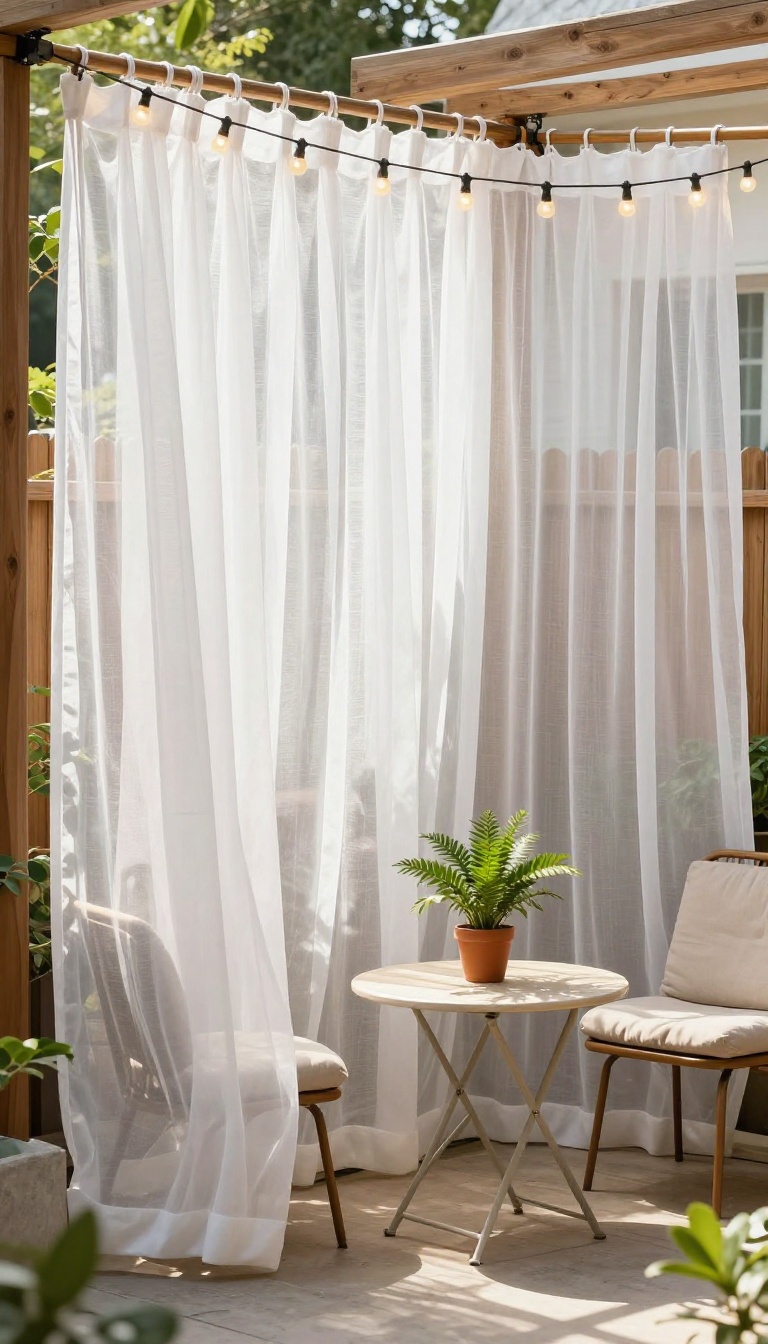
Outdoor curtains are one of the quickest ways to make a small patio feel like a cozy outdoor room. They add softness to hard surfaces, create dappled shade, and introduce a sense of privacy without closing off the space entirely. Plus, they’re surprisingly easy to hang and come in a range of fabrics and colors to match any style.
When you’re working with a small patio, every element should pull double duty. Curtains do exactly that: they soften the edges, provide shade, and make the space feel more intimate. They can also hide an ugly fence or wall, add a pop of color, and even help block a breeze.
The best part? You don’t need a professional to install them—just a rod, some hooks, and a few minutes.
Choosing The Right Fabric
For outdoor use, look for fabrics that are weather-resistant and easy to clean. Polyester and acrylic blends are popular because they dry quickly and resist mildew. If you want a more natural look, consider canvas or linen, but be prepared to bring them inside during heavy rain.
Sheer fabrics let in more light and create a dreamy, airy feel, while heavier fabrics offer more shade and privacy.
Hanging Options For Small Spaces
You don’t need a permanent structure to hang curtains. A simple tension rod between two walls or a wire strung across a corner works perfectly. For a freestanding option, use a shepherd’s hook or a sturdy plant stand.
If you have a pergola or awning, attach the curtains to the frame with clips or rings. Just make sure the rod or wire is secured tightly so the curtains don’t sag.
Styling Tips For Maximum Coziness
Hang the curtains high and wide to make the patio feel larger. Choose a color that complements your existing decor—soft neutrals create a calm vibe, while bold hues add personality. Layer them with string lights or lanterns for a magical evening glow.
And don’t be afraid to tie them back during the day to let in the breeze, then let them flow freely at night for privacy.
13. Add a Mirror to Visually Expand the Space
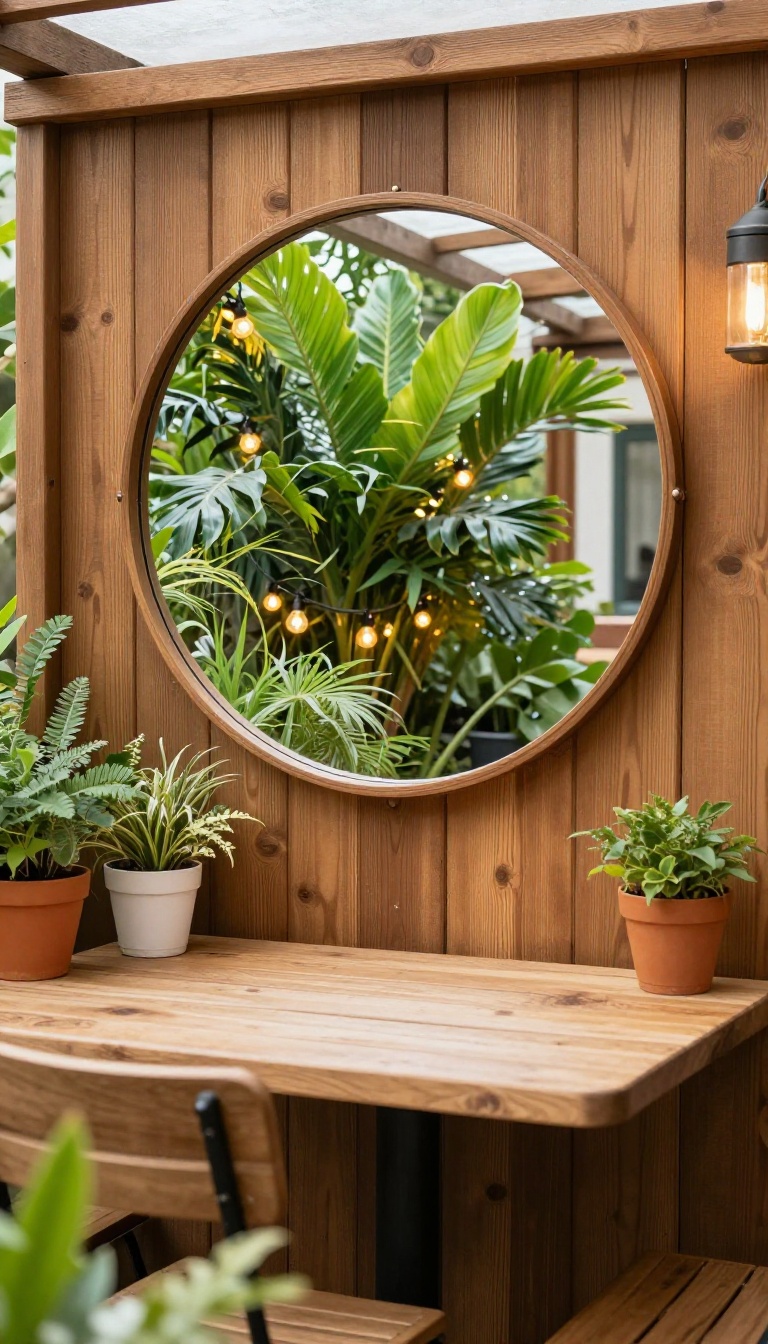
Mirrors aren't just for indoors. A well-placed outdoor mirror can trick the eye into seeing double the patio, making a cramped corner feel open and airy. It’s a simple, budget-friendly trick that adds depth and light without taking up any floor space.
Beyond the illusion of space, a mirror reflects your plants and cozy details, creating a layered view that feels curated. It also bounces natural light around, brightening shady spots. With the right frame and secure mounting, it becomes a stylish focal point that works year-round.
When you hang a mirror outside, you're not just adding decoration—you're changing the way the space feels. It instantly opens up a small patio by reflecting the sky, greenery, or a pretty corner, making the area seem larger than it is. Plus, it adds a touch of elegance that feels unexpected and polished.
To get the most out of this trick, place the mirror where it will reflect something worth seeing, like a potted plant, a string light glow, or an open view. Avoid facing it directly at a wall or a cluttered area, as that will just double the mess. The goal is to create a visual escape that draws the eye outward.
Choose The Right Frame And Material
Outdoor mirrors need to withstand the elements, so pick a frame that's weather-resistant. Metal frames with a powder-coated finish, teak, or synthetic wicker are great options. Avoid frames that can warp or rust easily.
For the mirror itself, consider acrylic or polycarbonate instead of glass—they're lighter, safer, and won't shatter if knocked. Also think about style. A round mirror softens sharp lines, while a tall arched mirror adds height and a touch of drama.
Match the frame to your patio's vibe—dark metal for a modern look, natural wood for a rustic feel, or a bright color for a playful pop.
Placement Tips For Maximum Effect
Hang the mirror where it can reflect a focal point, like a seating area, a potted tree, or a string of lights. Ideally, place it at eye level so the reflection feels natural. If you have a narrow patio, mount it on the longest wall to create the illusion of width.
For a shady corner, angle it to catch and bounce light from a brighter area. Make sure it's securely attached—use heavy-duty hooks or brackets rated for outdoor use. If you're renting, consider a freestanding mirror that leans against the wall, but ensure it's stable and won't tip over in the wind.
Styling Around The Mirror
Once your mirror is up, style around it to enhance the effect. Place a couple of potted plants at its base to create a layered reflection. Add a small shelf or a hanging planter nearby to draw the eye.
You can also frame the mirror with a trailing vine like ivy or string of pearls for a lush, romantic look. Keep the area around the mirror uncluttered so the reflection stays clean. A simple bench or a couple of cushions in front of it can make the space feel inviting and complete.
The mirror becomes a window into a larger, more beautiful patio—even if it's just a trick of the eye.
14. Build a DIY Pallet Sofa for Seating and Storage
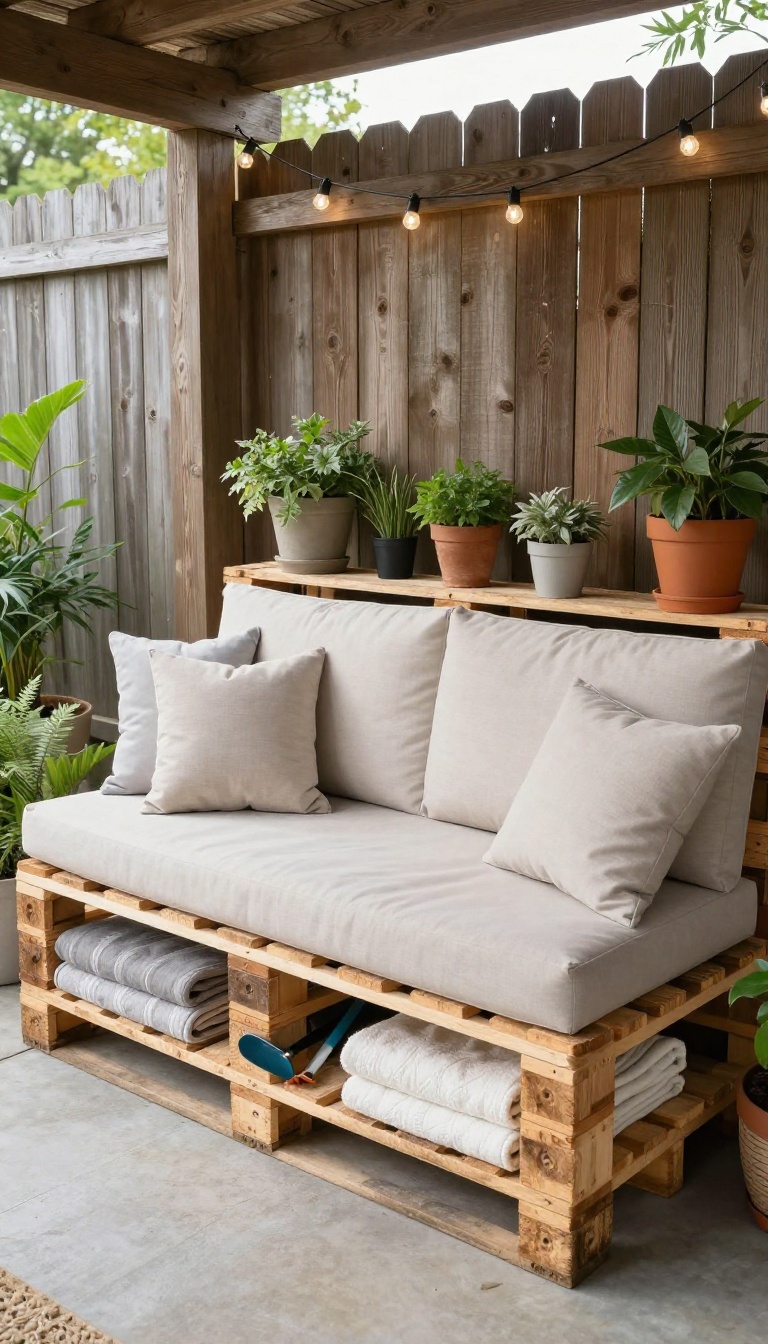
Pallet furniture is a favorite for good reason: it's cheap, sturdy, and endlessly customizable. A pallet sofa can give you a generous seating area without the hefty price tag, and you can build it to fit your exact space. Plus, the open slats underneath are perfect for stashing extra pillows, throws, or even gardening tools, keeping your patio tidy and comfortable.
Start by sourcing a few sturdy pallets—check local hardware stores, warehouses, or online marketplaces. Look for heat-treated pallets (marked with HT) rather than chemically treated ones, and sand them down to avoid splinters. Stack two pallets for the seat base and one vertically for the backrest, securing them together with screws or brackets.
Add a layer of outdoor plywood on top for a smoother sitting surface. Finish with a coat of weatherproof sealant or paint to protect against the elements. Then, pile on thick outdoor cushions and pillows to create a cozy, inviting spot.
For storage, simply lift the cushions and use the open space below, or add a fabric skirt or hinged lid to keep things hidden.
Choosing The Right Pallets
Not all pallets are created equal. Look for pallets that are in good condition, with no broken boards or excessive wear. Heat-treated pallets are safer for furniture because they’re free of chemical fumigants.
You can usually tell by the stamp on the side—HT means heat-treated, while MB indicates methyl bromide treatment, which you should avoid. Also, consider the size: standard pallets are about 40 by 48 inches, which works well for a two-seater. If you have a smaller patio, you can cut them down or use half pallets for a more compact design.
Assembling Your Pallet Sofa
Once you have your pallets, arrange them to form the base and backrest. For a simple L-shape, use two pallets side by side for the seat and one standing upright for the back. Secure them together with long screws or metal brackets, making sure everything is level.
If you want armrests, attach smaller pallets or pieces of wood to the sides. To make the seat more comfortable, add a piece of plywood on top and fill any gaps with foam or extra cushioning. Always double-check stability before loading it with cushions.
Styling And Storage Hacks
The beauty of a pallet sofa is that you can dress it up however you like. Choose outdoor cushions in bright, weather-resistant fabrics to add color and comfort. Layer in a few throw pillows and a soft blanket for those cooler evenings.
For storage, use the space under the seat to keep items you want close at hand. You can place a few plastic bins or baskets underneath to organize pillows, gardening gloves, or even a small cooler. To keep things neat, attach a simple fabric skirt with Velcro or use a hinged wooden lid that lifts up.
This way, your patio stays clutter-free without sacrificing style.
15. Add Potted Trees for Height and Shade
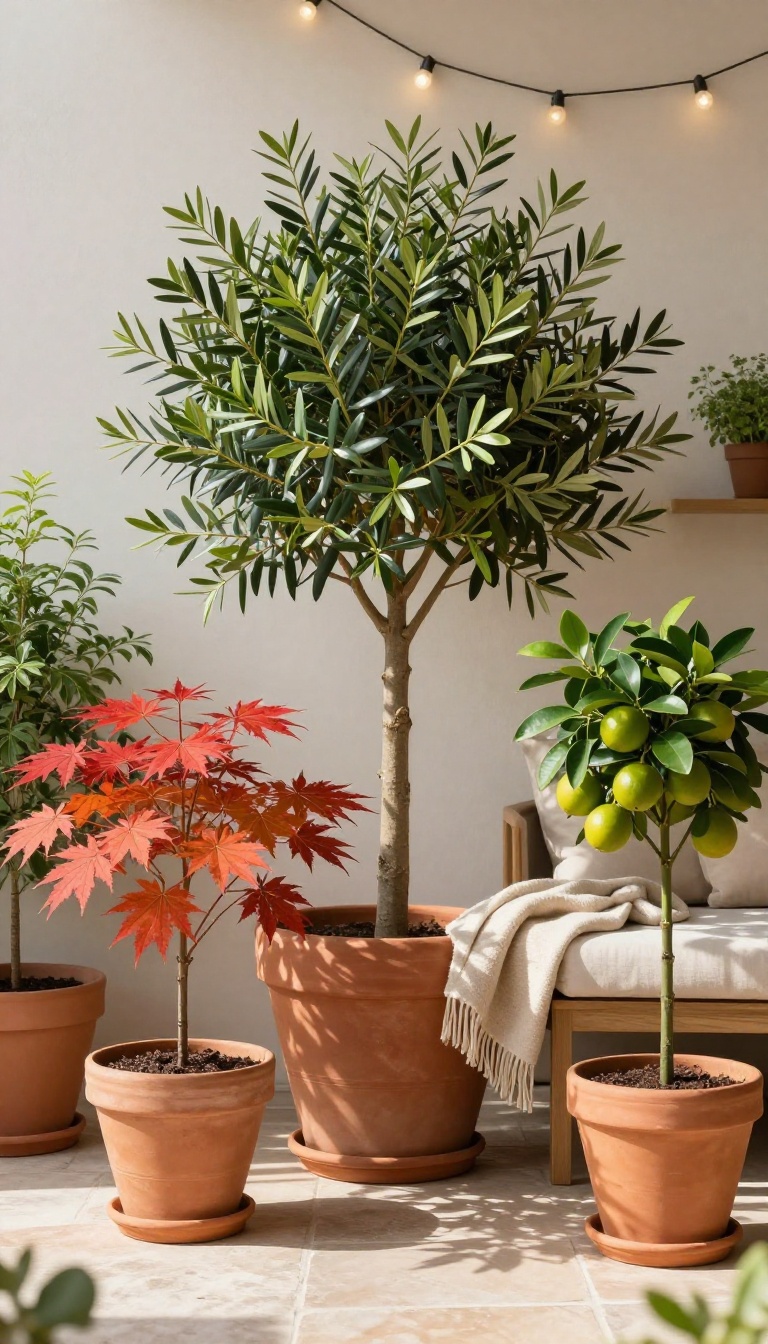
Potted trees are the quiet overachievers of small patios. They add height, create dappled shade, and make the whole space feel more established, like it's been there for years. Best of all, they're portable, so you can shuffle them around to chase the sun or frame a seating area whenever the mood strikes.
Even a modest patio can feel instantly more private and polished with a tree in a pot. Dwarf varieties are perfect because they stay small, but they still give you that lush, leafy canopy. Plus, the pots themselves can double as design accents, adding texture and color even when the tree is bare.
Choosing The Right Tree
Look for dwarf or slow-growing varieties that thrive in containers. Dwarf citrus trees, like Meyer lemons or kumquats, are a favorite because they're compact, fragrant, and produce real fruit. Olive trees are another great pick—they're drought-tolerant, have silvery leaves, and add a Mediterranean vibe.
If you're in a cooler climate, try a Japanese maple or a small evergreen like a boxwood tree for year-round structure.
Container And Placement Tips
Pick a pot that's at least 16 to 20 inches in diameter to give the roots room to grow. Make sure it has drainage holes to prevent waterlogging. Place your tree where it won't block walkways or doorways, and consider using a plant caddy with wheels so you can move it easily.
Position it to shade a seating area in the afternoon, or use it to create a natural screen for privacy.
Caring For Your Potted Tree
Potted trees need a bit more attention than ground-planted ones. Water them regularly, especially during hot, dry spells, but let the top inch of soil dry out between waterings. Feed them with a slow-release fertilizer in spring and summer, and prune lightly to keep their shape.
In winter, move them to a sheltered spot or wrap the pot to protect the roots from freezing.
FAQ
What is the best way to make a small patio feel bigger?
Use mirrors to reflect light, choose furniture that's proportional to the space, and keep the floor clear by using vertical storage and planters. Light colors and minimal clutter also help.
How can I add privacy to a small patio?
Options include lattice panels with climbing plants, outdoor curtains, tall potted plants, or a freestanding privacy screen. These add seclusion without taking up much floor space.
What are the best plants for a small patio?
Choose compact varieties like dwarf conifers, herbs, succulents, and trailing annuals. Vertical planters and hanging baskets are great for maximizing space. Consider the amount of sunlight your patio receives.
How do I protect patio furniture in a small space?
Opt for furniture made from weather-resistant materials like teak, aluminum, or all-weather wicker. Use covers when not in use, and store cushions indoors or in a waterproof bin to extend their life.
Can I use a fire pit on a small patio?
Yes, but choose a compact, portable model and check local fire codes. Place it on a non-flammable surface, keep it away from structures, and never leave it unattended.
Conclusion
A small patio doesn't have to feel limited. With a few thoughtful upgrades, you can create a cozy outdoor space that's perfect for relaxing, entertaining, or just enjoying your morning coffee. Start with one or two ideas that speak to you and build from there.
The best patios are the ones that get used. So pick what fits your style and budget, and make it your own. You'll be surprised how much comfort you can pack into even the tiniest outdoor area.