10 Patio Planter Ideas to Add Color Without Clutter
Patio color usually comes with a trade-off: more plants, more pots, more mess. But you can have a vibrant outdoor space without tripping over containers or losing your seating area.
The trick is choosing planters that work with your layout, not against it. From vertical walls to rolling stands, these ten ideas keep blooms front and center while leaving your floors clear.
Each option solves a specific space problem, whether you're dealing with a tiny balcony or a wide-open deck. Pick one or mix a few—your patio will feel fuller, not cluttered.
1. Vertical Wall Planters for Small Footprints
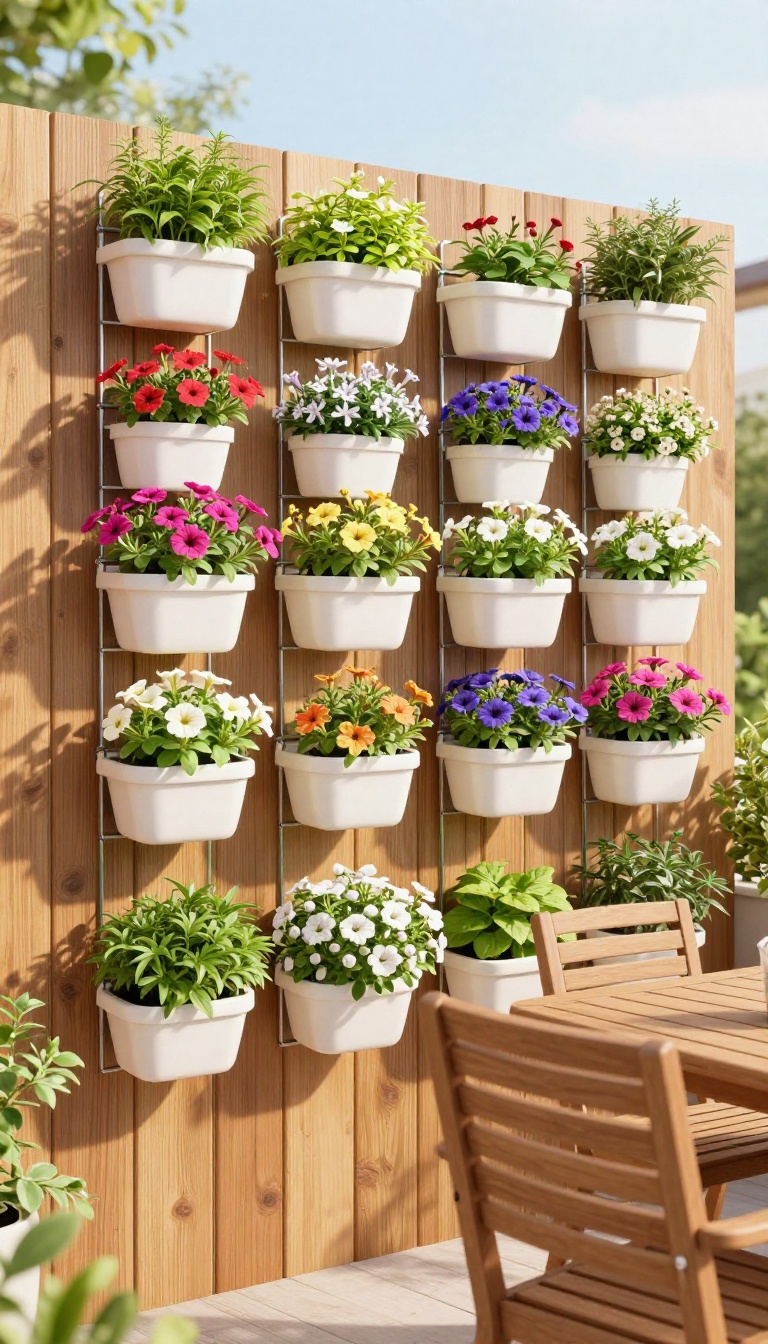
If your patio floor is already packed with furniture, look up. Vertical wall planters turn bare fences, walls, or even balcony railings into a lush, colorful display without stealing an inch of floor space. They're perfect for renters too, since many options are removable or require only a few small hooks.
Vertical planters come in many forms—pocket-style fabric pouches, modular grid systems, or simple wall-mounted pots. The key is choosing one that matches your wall material and sunlight exposure. Most work best with trailing or compact plants that won't overwhelm the structure.
Pocket Planters For Herbs And Trailing Blooms
Fabric pockets are lightweight and easy to install on wooden fences or stucco. Fill them with herbs like thyme and oregano, or trailing annuals like petunias and million bells. They dry out faster than ground pots, so plan for more frequent watering.
Modular Grids For A Custom Living Wall
Grid systems let you arrange small pots in a pattern that suits your space. You can mix colors and leaf textures for a dynamic display. These are sturdier and work well on concrete or brick walls.
Just make sure the mounting hardware is rated for the weight.
Rail-mounted Planters For Balcony Railings
If you have a railing, clip-on planters are a zero-drill solution. They attach securely and can hold a surprising number of plants. Use them for compact flowers or even small vegetables.
Check the railing width before buying to ensure a snug fit.
2. Rail-Mounted Planters for Balconies and Decks
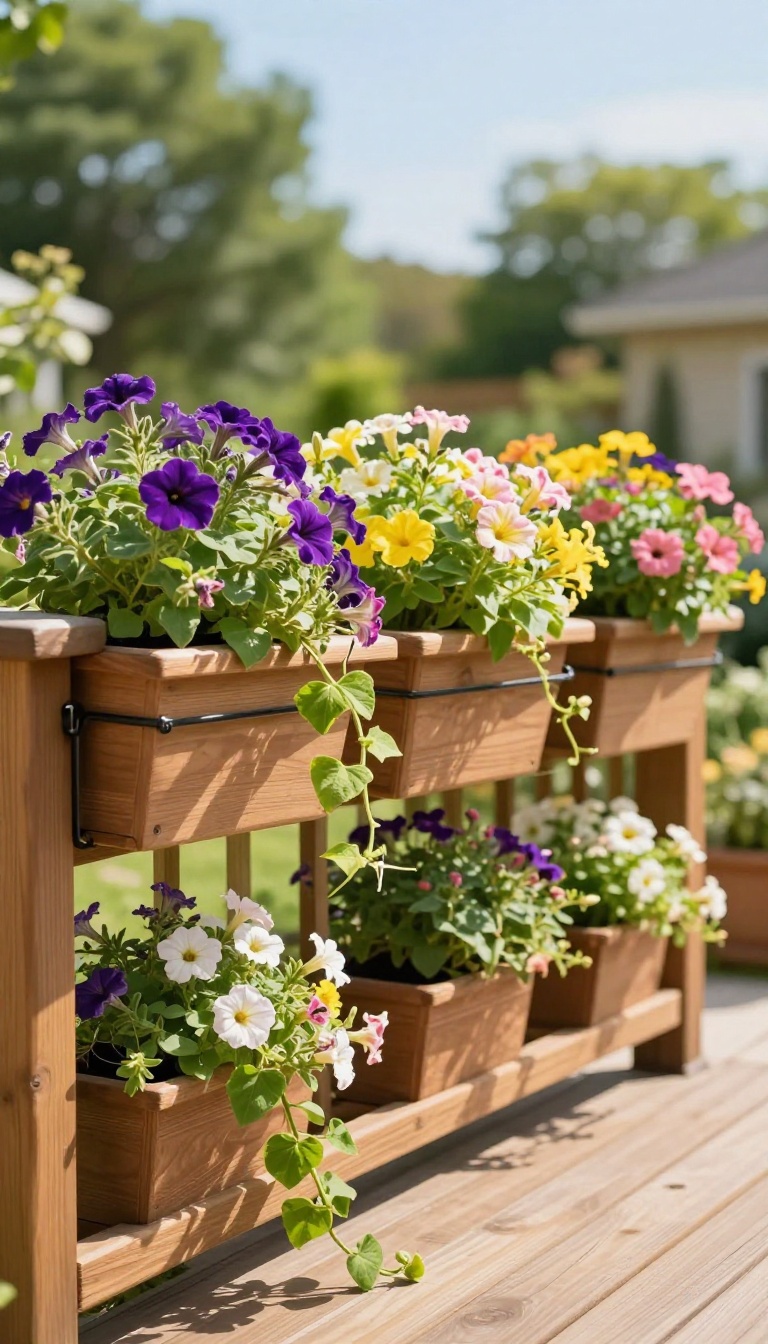
Railings are prime real estate that often goes unused. Mounting planters on them puts flowers right at eye level and keeps the floor clear for furniture or foot traffic. It’s a simple upgrade that makes a small balcony feel like a garden.
Rail planters come in a few styles: clamp-on boxes, hanging baskets with hooks, or pouches that wrap around the rail. They’re perfect for trailing plants that spill over the edge, softening the hard lines of a railing. Plus, they’re easy to water and maintain since they’re within reach.
Choosing The Right Rail Planter
Look for planters with sturdy clamps or brackets that fit your railing width. Adjustable models work on wood, metal, or composite rails. Weight matters too—lighter materials like resin or fabric are safer for balconies with load limits.
Best Plants For Rail Planters
Trailing annuals like petunias, million bells, or sweet potato vine create a waterfall of color. Herbs like trailing rosemary or thyme add fragrance and are handy for cooking. Mix upright and trailing plants for a fuller look.
Installation And Safety Tips
Secure planters tightly to avoid accidents on windy days. Check that they don’t block railings if you need them for safety. Use lightweight potting mix and water regularly, as rail planters dry out faster than ground beds.
3. Tiered Plant Stands That Maximize Vertical Space
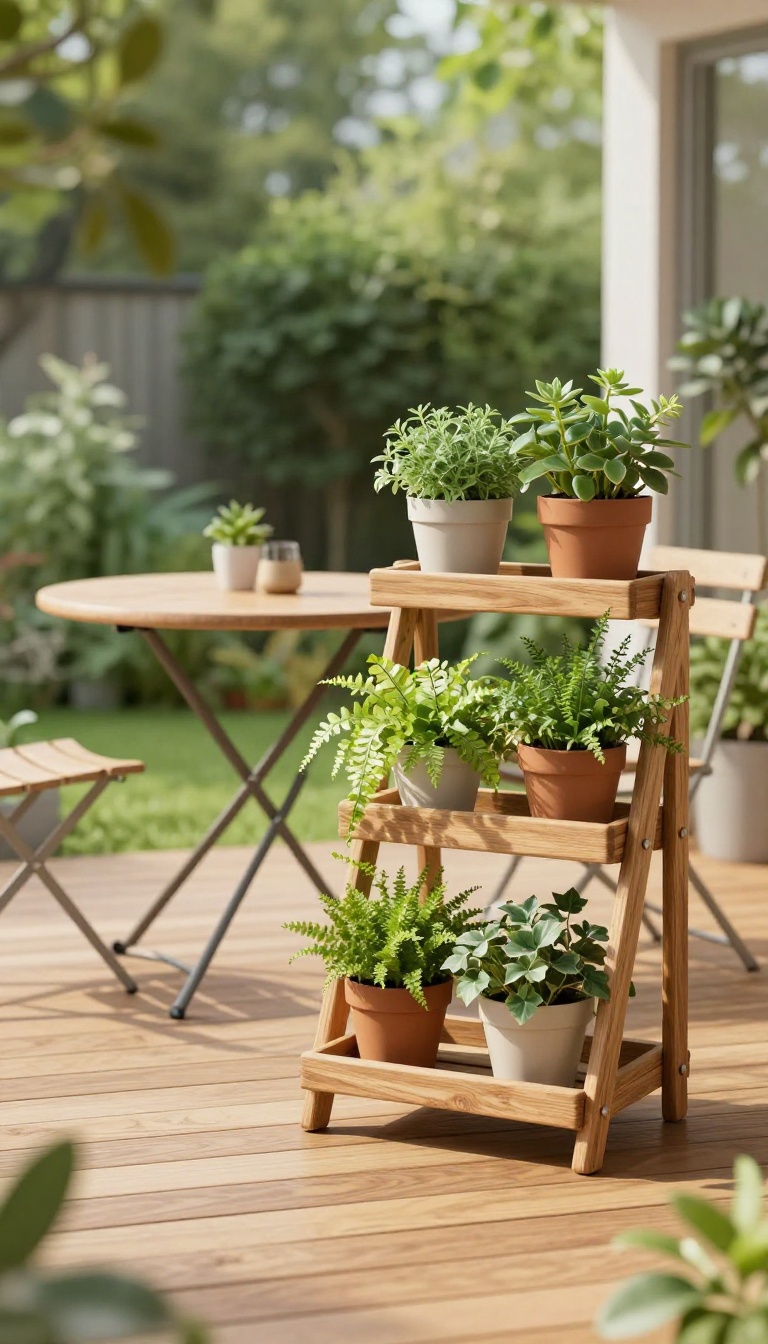
When the ground is already claimed by chairs, tables, and foot traffic, the only way to grow is up. Tiered plant stands turn vertical airspace into a display area, letting you show off a whole collection without sacrificing floor space. They also add a sense of structure and rhythm to a patio, making it feel organized and intentional rather than chaotic.
A tiered stand works like a ladder for your plants, offering multiple levels that catch the eye and keep everything within reach. You can find them in wood, metal, or plastic, and they range from compact three-step units to larger five-tier designs. The key is choosing a stand that fits your space and matches your pots, so the whole setup looks cohesive, not cluttered.
Choose The Right Size And Material
Before you buy, measure your patio and think about what you'll place on each tier. A narrow stand works well against a wall or in a corner, while a wider one can serve as a room divider. Material matters too: powder-coated metal resists rust, teak or cedar holds up outdoors, and resin is lightweight and easy to move.
Pick a finish that complements your existing furniture and planters.
Arrange Plants By Light And Growth Habit
Group plants with similar sunlight needs on the same stand, and place the sun-loving ones on the top tiers where they get the most light. Trailing plants like ivy or string of pearls look great cascading over the edges, while upright plants like ferns or herbs fill the middle and lower levels. This arrangement not only looks balanced but also keeps maintenance simple.
Style It To Blend With Your Patio
A tiered stand can be a focal point or a subtle helper. Paint it a bright color to make a statement, or keep it neutral to let the plants shine. Add a few decorative elements like a small lantern or a garden ornament on an empty tier, but don't overcrowd.
The goal is to create a layered, inviting display that feels curated, not packed.
4. Hanging Baskets with Built-In Watering Systems
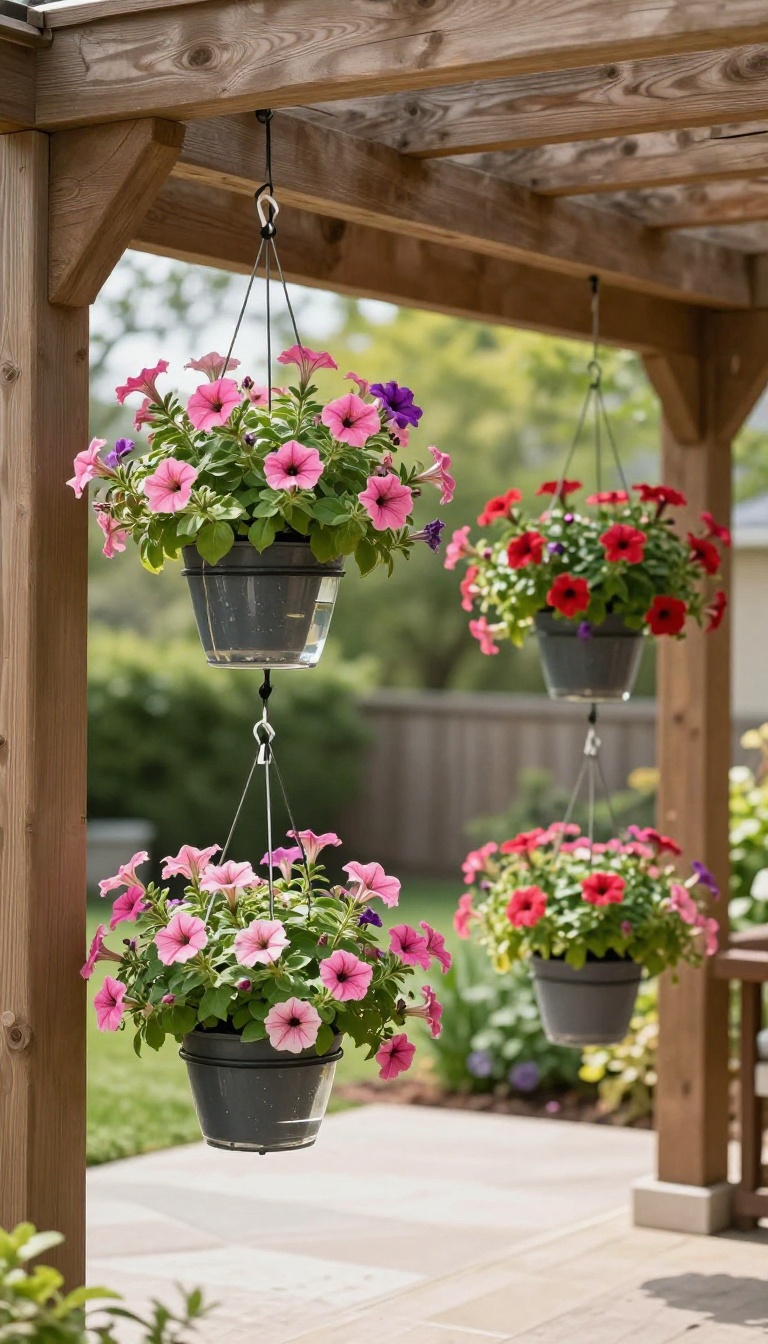
Hanging baskets already save floor space, but the self-watering kind take the hassle out of daily care. These planters come with a reservoir at the bottom that slowly releases water to the roots, so your petunias and fuchsias stay hydrated even when life gets busy. You get the lush, cascading look without the constant worry.
Self-watering hanging baskets are a game-changer for anyone who loves color but hates the chore of watering. The built-in reservoir means you only need to top it up every few days, and the plants drink as needed. This is especially handy during hot summer stretches or if you travel often.
Plus, the consistent moisture keeps blooms fuller and longer.
Why Self-watering Works
The reservoir sits below the soil, separated by a wicking system that draws water up as the roots dry out. This prevents both overwatering and drought stress, which are the top two reasons hanging baskets fail. You'll notice fewer wilted leaves and more vibrant flowers, even in direct sun.
Choosing The Right Basket
Look for baskets with a removable reservoir for easy cleaning and a fill tube that lets you add water without taking the basket down. Plastic or resin options retain moisture better than wire baskets with moss liners. Pick a size that matches your plant's root system—too small dries out fast, too large can drown.
Best Plants For Self-watering Baskets
Trailing plants like petunias, million bells, and verbena thrive with steady moisture. Mix in some upright plants like geraniums or begonias for height. Herbs like trailing rosemary and thyme also work well and add fragrance.
Avoid succulents, which prefer dry conditions and may rot in a self-watering setup.
5. Repurposed Containers with a Personal Touch
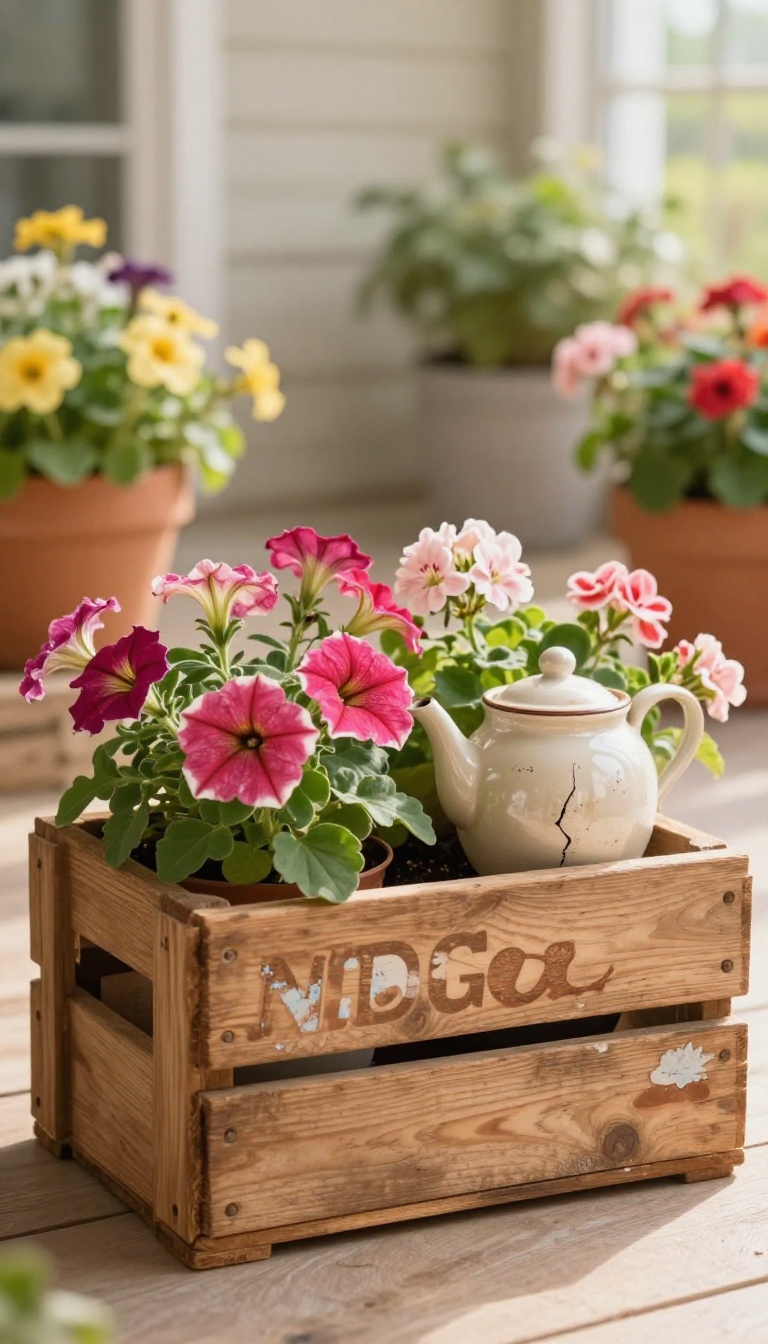
Some of the best planters aren't sold in garden centers—they're already sitting in your garage or kitchen. Old buckets, wooden crates, or a chipped teapot can become charming homes for your favorite flowers. Repurposing cuts down on waste and adds a story to your patio that store-bought pots just can't match.
Before you toss that rusty watering can or cracked ceramic bowl, consider giving it a second life as a planter. Not only does this save money and reduce waste, but it also gives your patio a unique, personalized look. Plus, the imperfections—like a faded logo or a slightly bent handle—add character that mass-produced pots lack.
Start by looking around your home for items that are no longer useful for their original purpose but still have good bones. Then, with a few simple steps, you'll have a planter that's both functional and full of personality.
Choosing The Right Containers
Not every old container is suitable for plants. Avoid anything that held chemicals or non-food substances, as residues can harm your plants. Stick with items like metal buckets, wooden crates, ceramic bowls, or even old tires.
Make sure the container is large enough for the plant's root system and has drainage holes or can be easily drilled. If it lacks holes, you can add a layer of gravel at the bottom, but proper drainage is crucial to prevent root rot.
Preparing And Protecting
Clean your chosen container thoroughly to remove dirt and potential pests. For metal containers, line them with a plastic bag or use a waterproof liner to prevent rust and protect the metal from constant moisture. For wooden crates, consider adding a plastic liner or coating the inside with a waterproof sealant.
This extends the life of the container and keeps your plants healthy.
Planting And Placing
Fill the container with quality potting mix, leaving enough space for the plant. Choose plants that match the container's size and style—herbs in a vintage teapot, succulents in a shallow bowl, or trailing flowers in a hanging bucket. Place your repurposed planter where it gets the right amount of sunlight and complements your patio layout.
Group a few different repurposed containers together for a charming, eclectic look.
6. Corner Planters That Fill Dead Zones
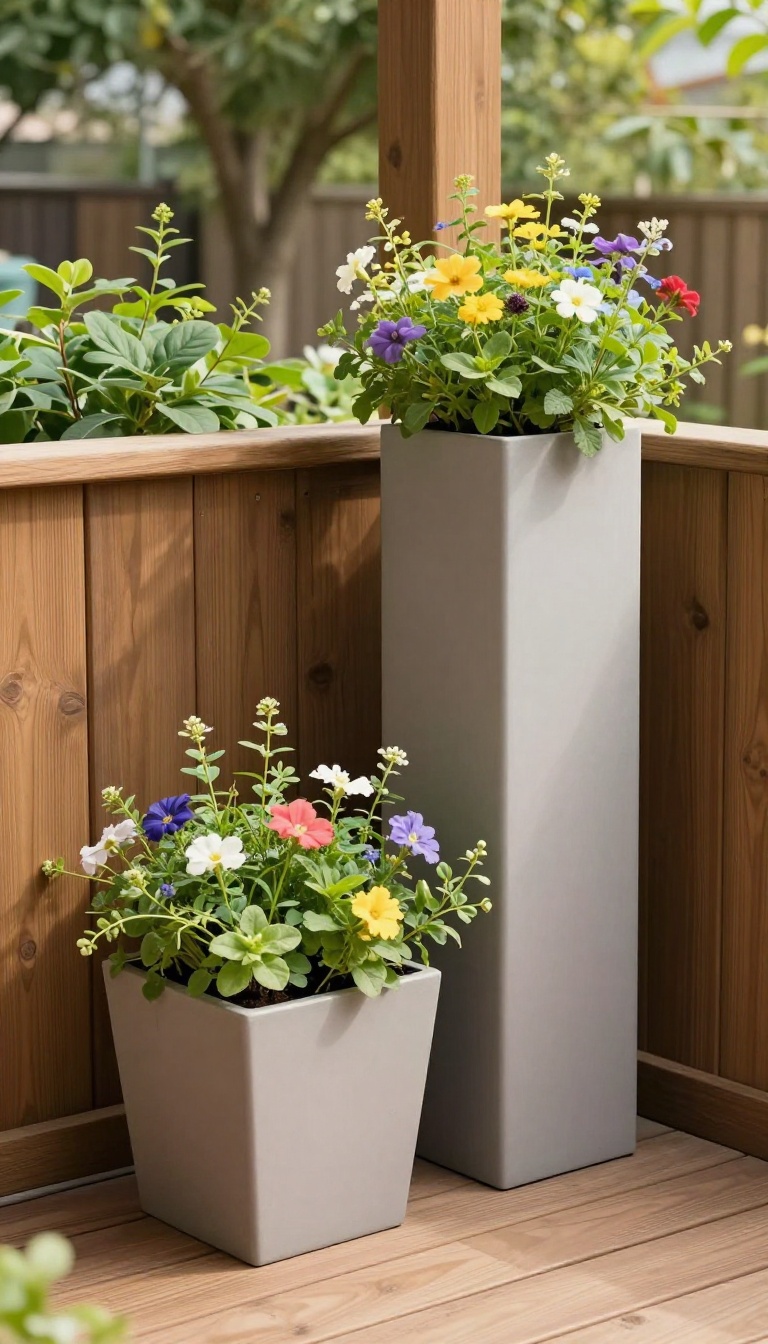
Corners often become dumping grounds for stray chairs or empty pots. Instead of letting them collect dust, turn those awkward spots into focal points. Tall or triangular planters fit snugly into corners, adding height and greenery without stealing walkway space.
These planters work especially well in tight patios or balconies where every inch matters. You get the lush look you want, but the layout stays open and easy to move through.
Corners are the forgotten real estate of any patio. They’re too small for most furniture, so they end up as catch-alls for clutter. But a well-placed corner planter can transform that dead zone into a lush, vertical feature.
The key is choosing the right shape and scale—tall and slim works best, so the planter doesn’t jut out into your walking path. Triangular planters are a smart pick because they match the corner’s angle, maximizing space. Tall, narrow options, like obelisks or tiered stands, draw the eye upward and make the area feel bigger.
You can even group two or three different heights for a more dynamic look, but keep the footprint small to avoid blocking traffic. Another benefit? Corner planters often catch more sunlight than you’d think, especially if they’re placed near a railing or fence.
That means you can grow sun-loving flowers or herbs that might struggle elsewhere. Plus, they add a sense of depth and dimension, making your patio feel more intentional and polished.
Pick The Right Shape
Triangular planters are the obvious choice for corners, but don’t overlook round or square pots with a narrow profile. A tall, rectangular planter can also work if it’s placed diagonally. The goal is to fill the corner without creating a bottleneck.
Measure the corner’s depth before you buy, so you know exactly how much space you have to work with.
Go Vertical With Tall Planters
Tall planters, like those on pedestals or with built-in trellises, add height and drama. They draw the eye up, making the patio feel more expansive. Use them for climbing plants like ivy or morning glories, or choose a tall, structural plant like a dwarf evergreen or ornamental grass.
This keeps the floor clear while still giving you that lush, green backdrop.
Layer Different Heights
Don’t settle for just one planter in the corner. Group two or three of varying heights to create a mini garden display. Place the tallest at the back, a medium one in front, and a low, trailing planter at the base.
This adds depth and interest without taking up extra floor space. Just make sure the arrangement doesn’t spill into the walkway.
7. Window Boxes for a Classic Pop of Color
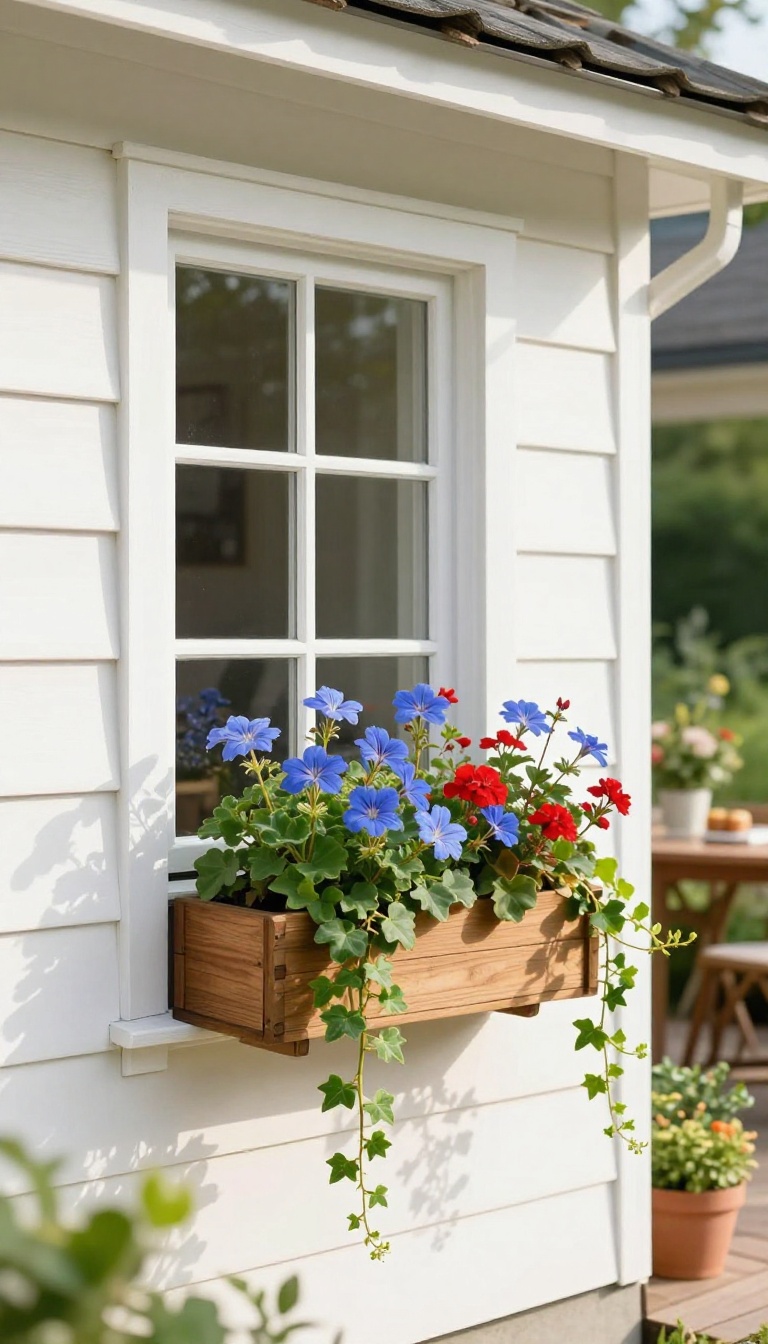
Window boxes are the unsung heroes of patio design. They attach right under your windows, lifting color to eye level and beyond, so your whole house feels part of the garden. Plus, they keep the ground completely clear—no tripping, no clutter, just blooms framing your view.
Window boxes work best when they echo your home's style. For a cottage look, mix trailing lobelia with upright geraniums. For a modern vibe, stick to one plant type, like white petunias, and let the repetition do the work.
The key is to choose plants that spill over the edge—that softens the hard lines of the window frame and makes the whole facade feel welcoming.
Choosing The Right Box
Measure your window width before buying. A box that's too short looks lost; one that's too long overwhelms. Go for a box that's at least 4 inches deep and 8 inches tall to give roots room.
Plastic or fiberglass is lighter and easier to mount, while wood adds natural warmth—just line it with plastic to prevent rot.
Planting For Continuous Color
Use a mix of thriller, filler, and spiller. A tall grass or spike in the center, bushy annuals around it, and trailing vines like ivy or sweet potato vine over the edge. This creates a full, lush look that hides the box itself.
Choose plants with similar water needs so the whole box stays happy with one routine.
Easy Mounting And Maintenance
Mounting brackets should be secured to the wall, not just resting on the sill—this prevents accidents in wind. Use rust-proof screws and check the brackets yearly. For watering, a drip line with a timer is a game-changer, but a watering can works fine if you check daily.
Deadhead spent blooms weekly to keep the display fresh.
8. Rolling Planters for Flexible Arrangements
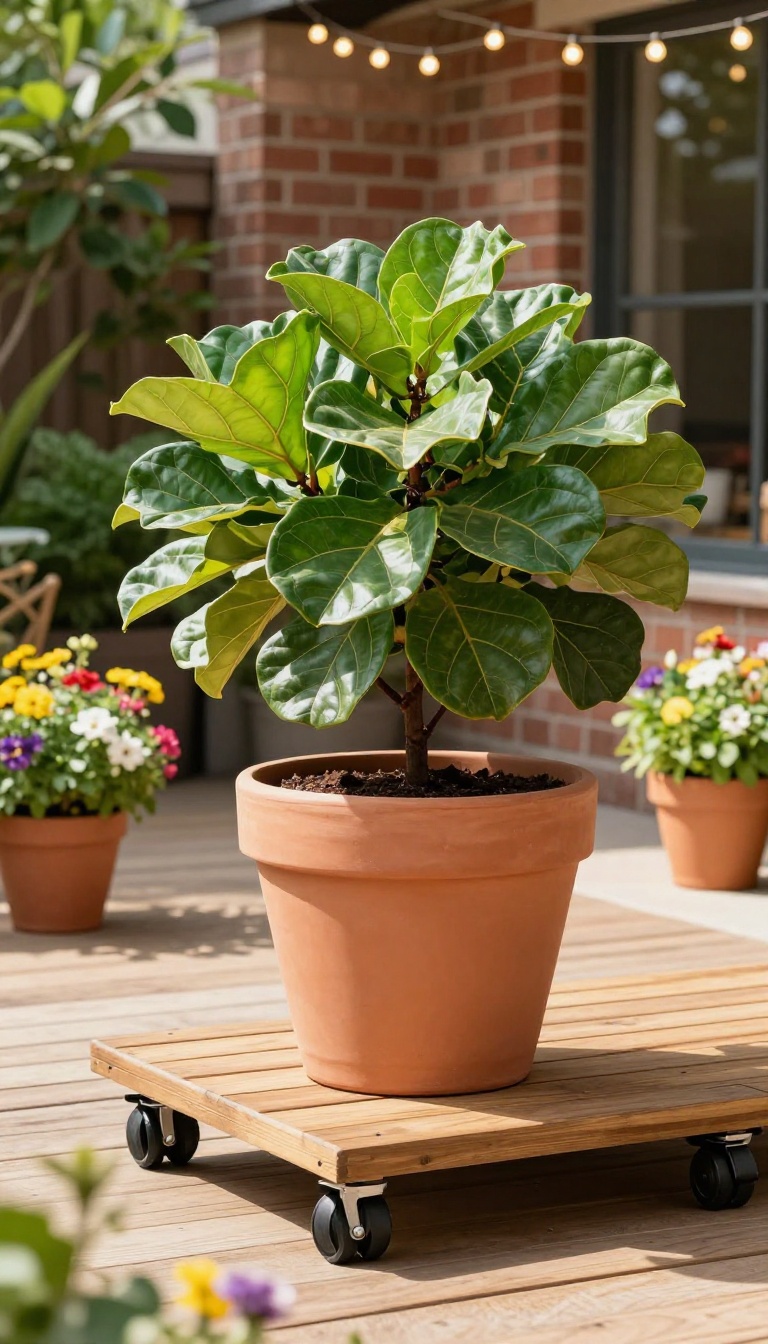
Static pots lock you into one layout, but rolling planters give you the freedom to shift your greenery whenever the mood—or the weather—changes. Whether you want to follow the sun across your patio or clear space for a gathering, casters make it effortless. These mobile containers turn your plant display into a living, rearrangeable feature.
Rolling planters are perfect for anyone who likes to experiment with their outdoor setup. They let you move tall plants away from windy spots, bring herbs closer to the grill, or tuck everything against a wall when you need extra room. The key is choosing the right base and weight distribution so your plants stay stable and easy to roll.
Choose The Right Casters
Not all wheels are created equal. Look for heavy-duty casters that can handle the weight of soil and a large pot. Locking wheels are a must for uneven surfaces or windy days.
If your patio is made of decking or pavers, opt for soft rubber wheels to avoid scratches and rolling resistance.
Build A Simple Rolling Base
You don't need to buy a fancy planter. Place a sturdy wooden or metal platform on casters and set your existing pot on top. This works especially well for lightweight plastic or fiberglass containers.
Just make sure the base is slightly larger than the pot's footprint to keep it stable.
Use Rolling Planters For Seasonal Swaps
Rolling planters make seasonal changes a breeze. In spring, roll out bright annuals; in summer, move tropicals into the sun; and in fall, shift mums and ornamental kale to the spotlight. When winter arrives, roll tender plants into a sheltered corner or greenhouse without heavy lifting.
9. Self-Watering Planters for Low-Maintenance Color
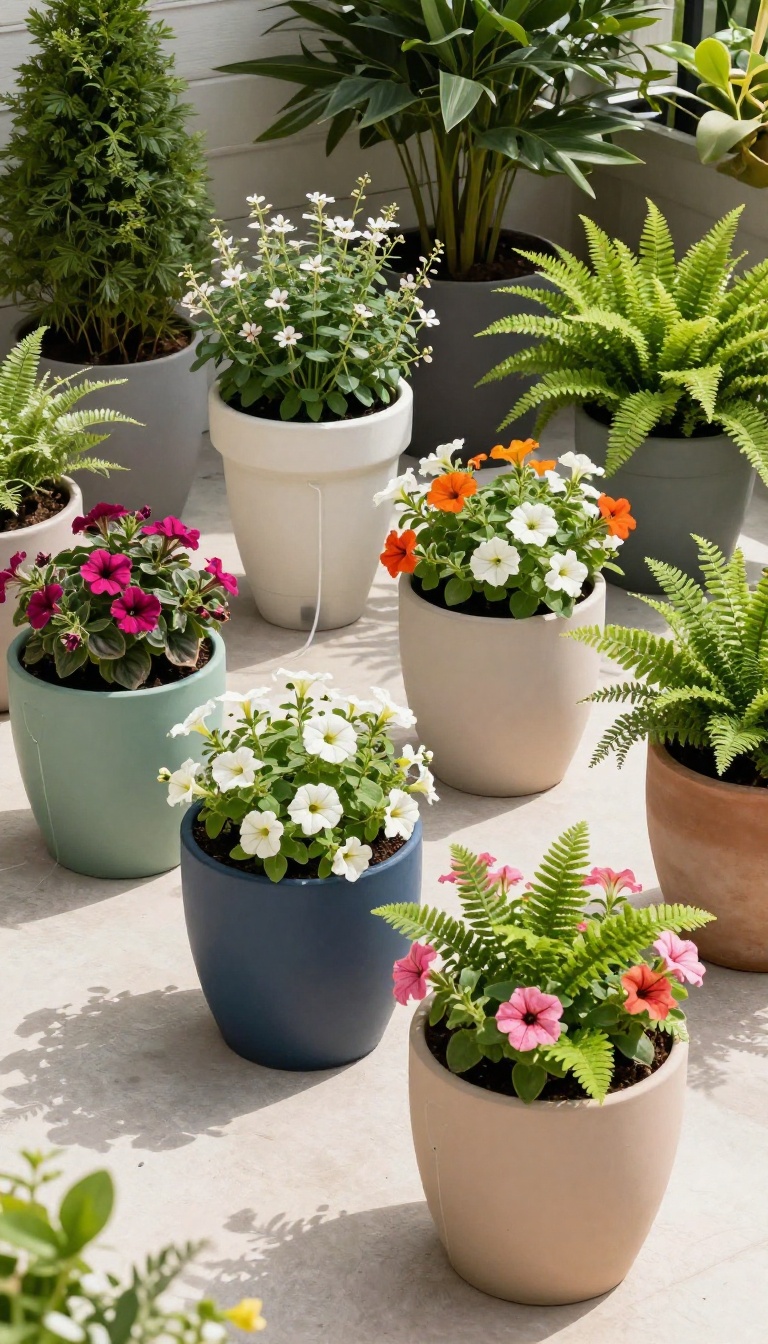
Life gets busy, and the last thing you need is a patio full of thirsty plants that demand daily attention. Self-watering planters solve that by giving roots a steady supply of moisture from a built-in reservoir, so you can skip a day or two without guilt. These containers work on a simple wicking system that pulls water up as the soil dries out.
The result? Consistent hydration that keeps blooms vibrant and foliage lush, even during hot spells. It's a smart, hands-off way to keep color flowing on your patio.
Self-watering planters are a game-changer for anyone who loves plants but doesn't have time for constant care. They come in all shapes and sizes, from sleek modern pots to rustic urns, so you can match your patio style without sacrificing convenience. Plus, they reduce water waste and prevent overwatering—a common killer of container plants.
To get the most out of these planters, choose plants that thrive in consistently moist soil, like impatiens, begonias, or ferns. Pair them with a quality potting mix that retains moisture, and you'll have a low-maintenance display that looks like you spent hours tending it.
How Self-watering Planters Work
The magic lies in a reservoir at the bottom that holds excess water. A wick or porous fabric draws moisture upward into the soil as needed, so roots never sit in water but always have access to hydration. This capillary action keeps the soil evenly moist, reducing the risk of root rot and drought stress.
Best Plants For Self-watering Containers
Moisture-loving annuals like petunias, coleus, and calibrachoa perform beautifully in self-watering pots. Herbs like basil and mint also thrive, giving you fresh flavors right outside the door. Avoid succulents and cacti, which prefer dry conditions and can rot in constantly moist soil.
Tips For Maximizing Color And Bloom
Fill the reservoir regularly but let it run dry occasionally to prevent stagnation. Use a balanced liquid fertilizer every few weeks, as frequent watering can leach nutrients. Place planters in spots that match each plant's light needs, and rotate them periodically for even growth.
10. Mixed Container Gardens with a Unified Palette
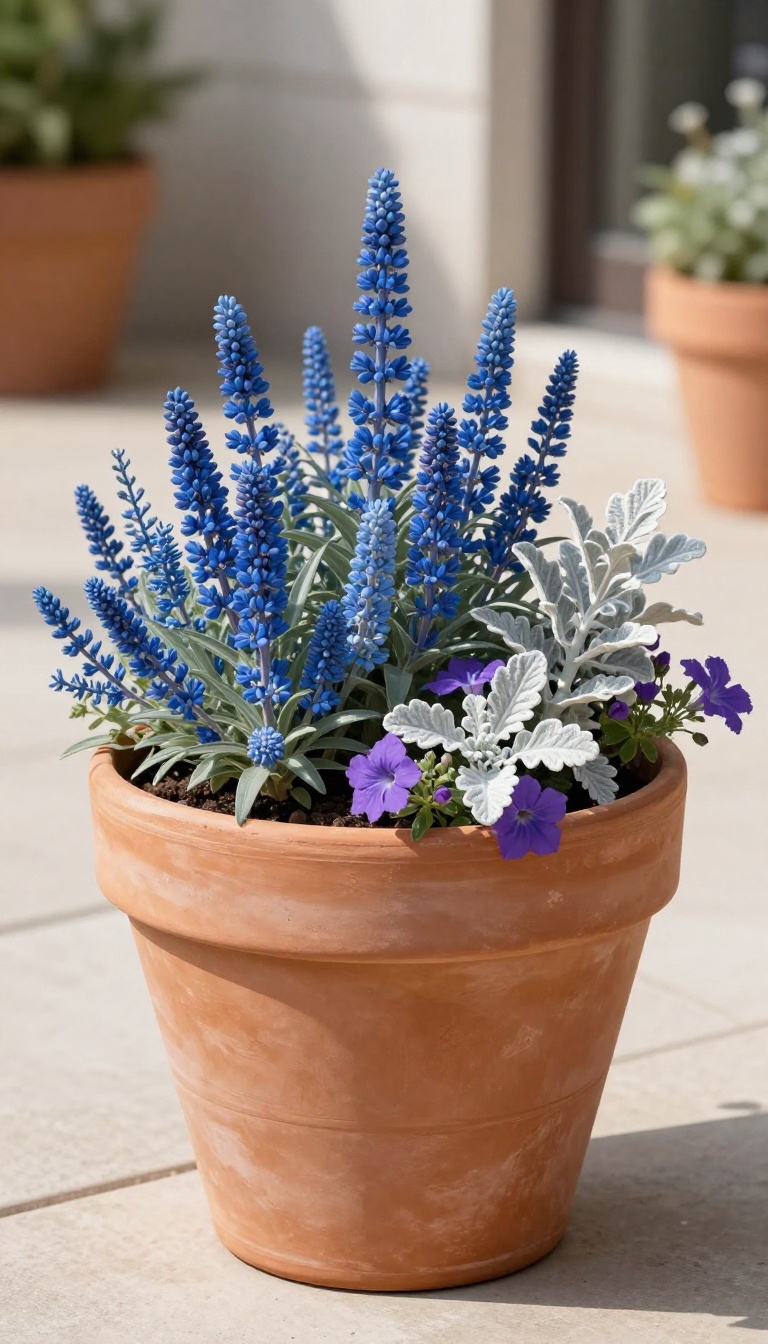
Mixing several plants in one large planter can feel chaotic if you just toss them together. The trick is to pick a color scheme and stick to it. When every plant shares a common hue or tone, the container looks intentional and polished, not messy.
A unified palette doesn't mean boring. You can play with textures, heights, and leaf shapes while keeping the flowers or foliage within a few complementary colors. This approach lets you pack more plants into one pot without overwhelming your patio.
Start by choosing a base color that ties everything together—maybe a soft blue, a warm coral, or a crisp white. Then pick two or three plants that echo that color in different ways: one with solid blooms, one with variegated foliage, and one with a contrasting texture. For example, a blue-themed planter could feature blue salvia, silver dusty miller, and purple trailing lobelia.
The silver foliage softens the blue, while the lobelia spills over the edge for a lush look. Another way to unify is to use the same plant family or shape. Grouping plants with similar leaf shapes, like all grasses or all succulents, creates a cohesive feel even if the colors vary.
Or use a repeated color in different intensities—light pink, hot pink, and magenta—to build depth without clashing. Finally, think about the container itself. A neutral pot—gray, terracotta, or black—lets the plants shine.
If you want a pop, choose a pot that echoes one of the colors in your palette. The goal is a display that looks like it was designed together, not a random assortment.
Pick A Color Anchor
Choose one main color that appears in at least two or three plants. This could be a flower color, a foliage tint, or even a leaf variegation. For a calming vibe, go with cool tones like blues and purples.
For energy, use warm reds and oranges. The anchor color will guide your plant choices and keep the planter from feeling scattered.
Layer For Depth
Place taller plants in the back or center, medium ones in the middle, and trailing ones at the edges. This creates a full, layered look. Mix leaf textures—like broad hosta leaves with fine ferns or spiky grasses—to add visual interest without needing more colors.
The contrast in shapes makes the planter feel rich and dynamic.
Keep It Balanced
Don't overcrowd. Leave a little room for plants to grow, and avoid mixing too many different colors. Stick to shades and tints of your anchor color, plus one neutral (like white or green).
This keeps the arrangement harmonious. Also, consider the pot's size: a large planter can handle more variety, but a small one should stay simple.
FAQ
What are the best low-maintenance plants for patio planters?
Succulents, petunias, marigolds, and geraniums are excellent choices. They thrive in containers and require minimal care, making them perfect for busy gardeners.
How can I keep patio planters from looking cluttered?
Stick to a consistent color palette, choose planters of similar style or material, and use vertical space to reduce floor clutter. Also, avoid overcrowding by selecting a few statement plants rather than many small ones.
What is the best way to arrange planters on a small patio?
Use vertical planters, railing-mounted containers, and corner planters to maximize space. Place larger planters in corners or against walls, and keep pathways clear.
How often should I water patio planters?
It depends on the plant type, weather, and planter material. Generally, check the soil moisture daily; water when the top inch feels dry. Self-watering planters can reduce frequency.
Can I use regular garden soil in patio planters?
It's better to use a high-quality potting mix, as garden soil can compact and drain poorly in containers. Potting mix provides better aeration and drainage for healthy roots.
Conclusion
Adding color to your patio doesn't mean cluttering every corner with pots. The trick is choosing planters that pull double duty—hanging baskets, rail planters, or a slim vertical tower can all bring life without eating into your floor space. Pick one or two ideas that match how you actually use the area, then let the plants do the rest.
Start with a single spot that feels empty, and you'll see how a little green goes a long way. Your patio will feel fuller, brighter, and still open enough to actually enjoy.