11 Small Patio Ideas for Townhouse Outdoor Living Style
Your townhouse patio might be small, but it can still become the favorite spot in your home. With a few smart choices, you can turn a few square feet into a cozy retreat that feels twice its size.
The key is to focus on what works: vertical space, multi-functional furniture, and a clear layout. These 11 ideas are designed to help you make every inch count, without sacrificing style or comfort.
Whether you're starting from scratch or refreshing an existing space, you'll find practical solutions that fit your townhouse lifestyle.
1. Go Vertical with a Living Wall
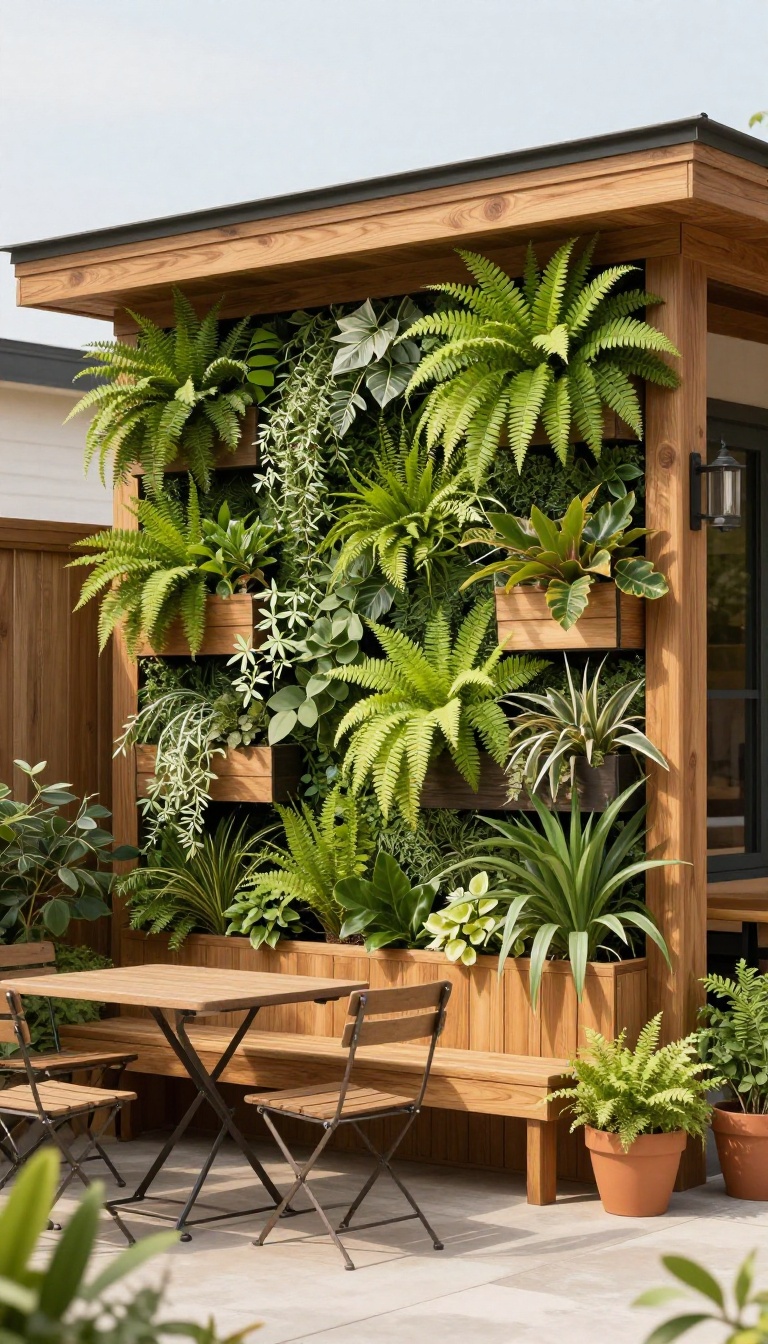
When floor space is tight, the only way to go is up. A living wall turns a plain fence or wall into a lush, green feature that instantly makes your patio feel more alive. It’s a clever way to add nature without sacrificing precious square footage.
A living wall doesn’t have to be complicated or expensive. You can start with a simple trellis and climbing plants, or go for a full modular system with pockets for herbs and flowers. The key is to choose plants that thrive in your light conditions and to set up a simple watering routine.
Once it’s in place, you’ll have a gorgeous vertical garden that becomes the focal point of your outdoor space.
Pick The Right Plants
Choose plants based on the amount of sunlight your patio gets. For shady spots, ferns and trailing vines like pothos work well. If you have more sun, go for herbs like basil, mint, or thyme—they’ll love the warmth and you’ll have fresh seasoning on hand.
Succulents are also a low-maintenance option that adds texture and color.
Set Up Simple Watering
Watering a vertical garden can be tricky, but a few simple tricks make it easy. Use a drip irrigation system or a watering can with a long spout to reach each pocket. Group plants with similar water needs together so you don’t over- or under-water.
Adding a layer of moss or coconut coir in the planters helps retain moisture, so you won’t have to water as often.
Make It A Feature
A living wall isn’t just about plants—it’s a design statement. Frame it with outdoor string lights to make it glow at night, or add a small water feature for a calming sound. You can also mix in decorative elements like a small mirror or a piece of art to make the wall truly yours.
The goal is to create a spot that draws you outside and makes you forget the size of your patio.
2. Choose Foldable or Stackable Furniture
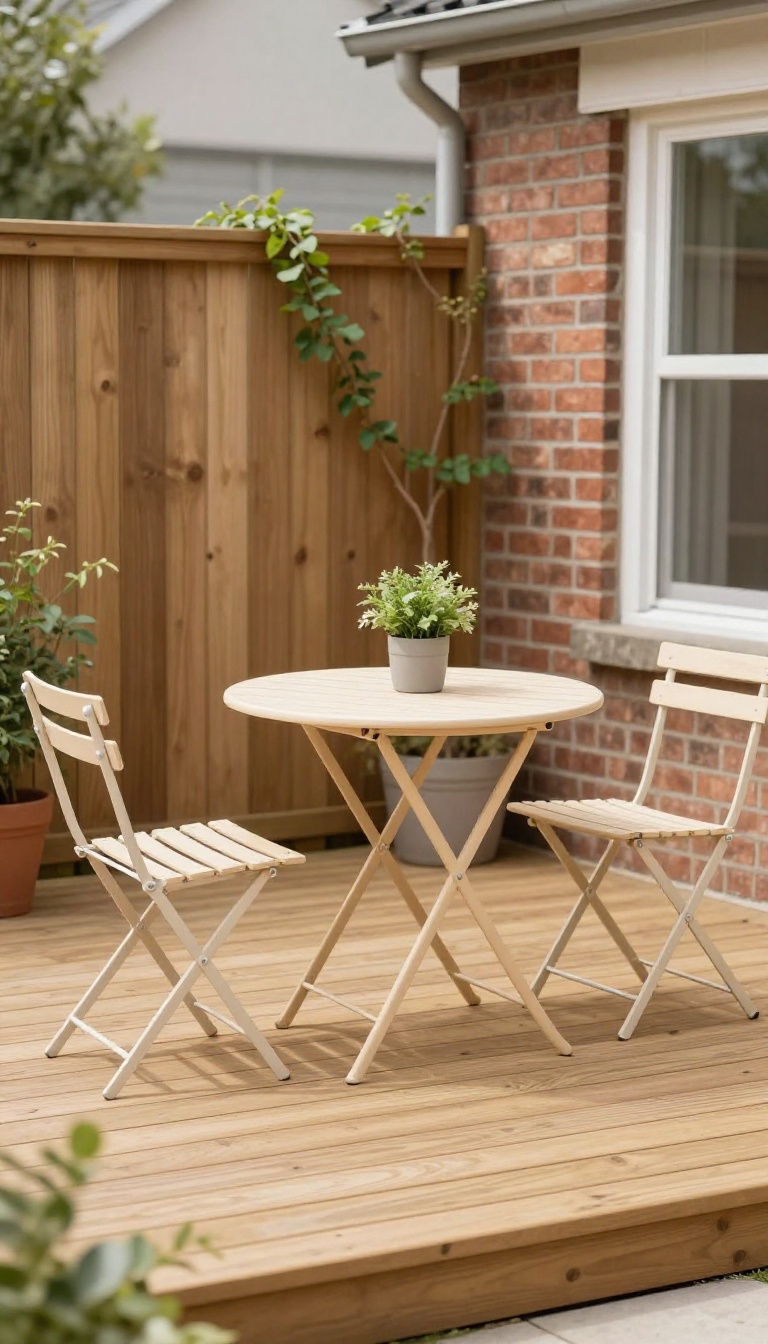
When your patio is measured in footsteps rather than acres, every piece of furniture needs to earn its keep. Foldable or stackable pieces are the ultimate trick for making a small space feel flexible and uncluttered. They let you switch from a morning coffee nook to an evening gathering spot in minutes, then tuck away neatly when you're done.
The beauty of foldable and stackable furniture is that it gives you options without the visual weight. A drop-leaf table can be compact for daily use, then expanded when you have guests. Folding chairs can hang on a wall or lean in a corner when not needed.
Stackable stools can become a side table or a plant stand. This approach keeps the patio open and airy, which makes it feel larger than it actually is.
Why Flexible Furniture Works
Flexible furniture is all about adaptability. You can create a dining setup for a weekend brunch, then clear the space for a yoga session or a kids' play area. The ability to reconfigure your patio on a whim means you're not locked into one layout.
Plus, when the weather turns, you can easily bring everything inside without a struggle.
Top Picks For Small Patios
Look for folding bistro sets, which often include a small table and two chairs that fold flat. A drop-leaf table is another winner—it can be a slim console against the wall or a full dining table when needed. Stackable stools are versatile and can be used as extra seating or as a surface for drinks.
If you want something comfy, consider folding Adirondack chairs or stackable lounge chairs that don't take up much room.
Storage Ideas To Keep Things Tidy
Even foldable furniture needs a home. Use a weatherproof deck box to stash cushions and small items. Install hooks on the wall to hang folding chairs.
A slim cabinet or shelf can hold stackable stools when they're not in use. The goal is to keep the patio looking clean and intentional, not like a storage shed.
3. Define Zones with an Outdoor Rug
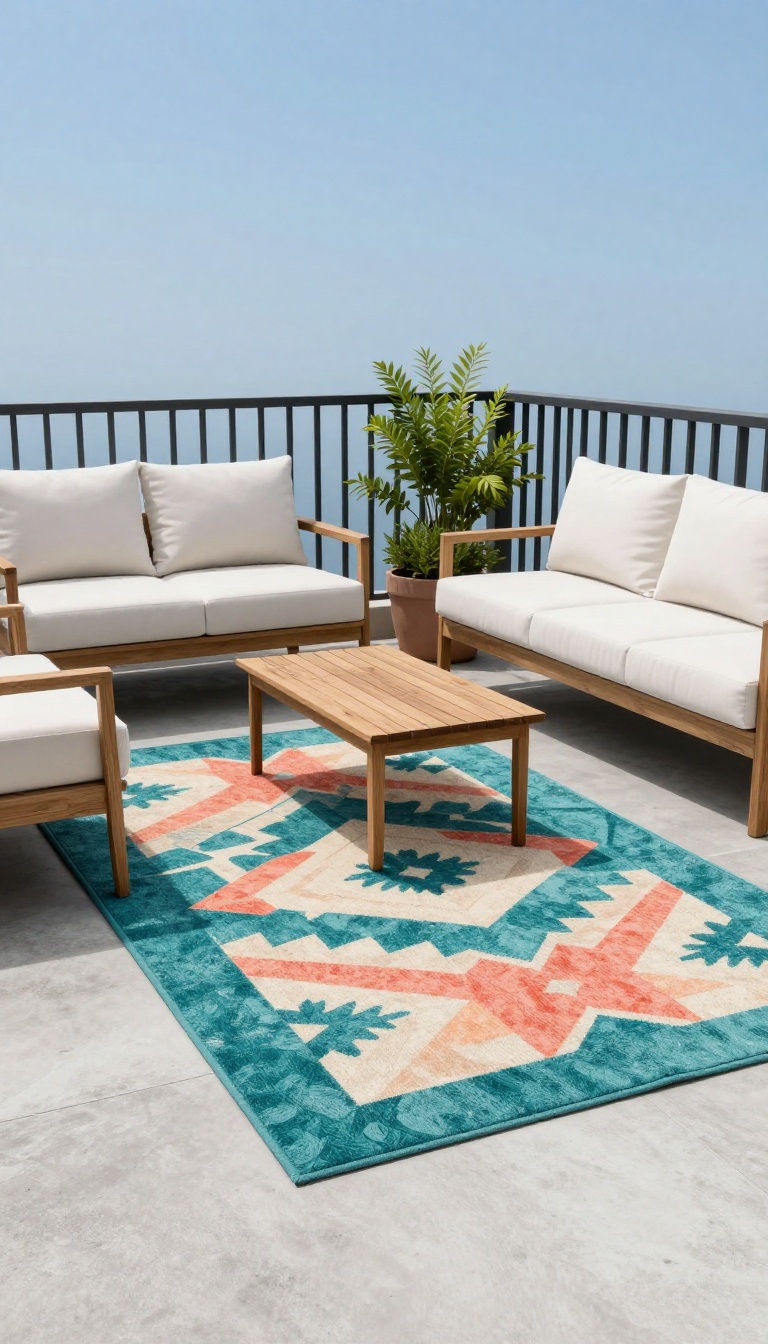
A small patio often ends up as one big blur of pots, chairs, and grills. An outdoor rug can change that in minutes. It acts like a visual anchor, carving out a clear spot for lounging or dining without adding a single wall.
Think of it as the easiest way to give your townhouse patio a sense of order. A rug tells your eye where to stop and what belongs where. It also brings in color and softness, making the concrete or decking feel more like an actual room.
Choosing the right rug is about more than just looks. You want something that can handle rain, sun, and foot traffic. Look for rugs made from polypropylene or other synthetic fibers that resist fading and mildew.
They dry quickly and clean up with just a hose. Size matters too. A rug that’s too small will look lost; one that’s too big will swallow the space.
For a typical townhouse patio, a 5×7 or 6×9 rug works well for a seating area. If you’re zoning a narrow balcony, go for a runner instead. Placement is key.
Lay the rug under your main seating group, making sure the front legs of chairs sit on it. This ties the furniture together and makes the area feel intentional. Leave a little bare floor around the edges to keep the space from feeling cramped.
Pick A Rug That Loves The Outdoors
Not all rugs are created equal. For a patio, skip anything made of natural fibers like jute or wool—they soak up moisture and can rot. Instead, go for polypropylene, which is tough, UV-resistant, and easy to clean.
You can even find rugs with a rubber or PVC backing to keep them from slipping on tile or wood.
Scale It To Your Space
A rug that’s too small makes the area feel scattered. A good rule of thumb: leave at least 6 to 12 inches of bare floor around the rug’s edges. For a seating area, the rug should be big enough that the front legs of your chairs rest on it.
If you’re working with a narrow balcony, a runner down the center can define a path and make the space feel longer.
Let The Rug Set The Mood
Your rug is a chance to inject personality. A bold geometric pattern can make a small space feel energetic, while a solid neutral adds calm. Think about the vibe you want: a soft, low-pile rug in a warm tone feels cozy; a flat-weave with a bright pattern feels playful.
Don’t be afraid to layer a smaller rug on top for extra texture.
4. Add String Lights for Ambiance
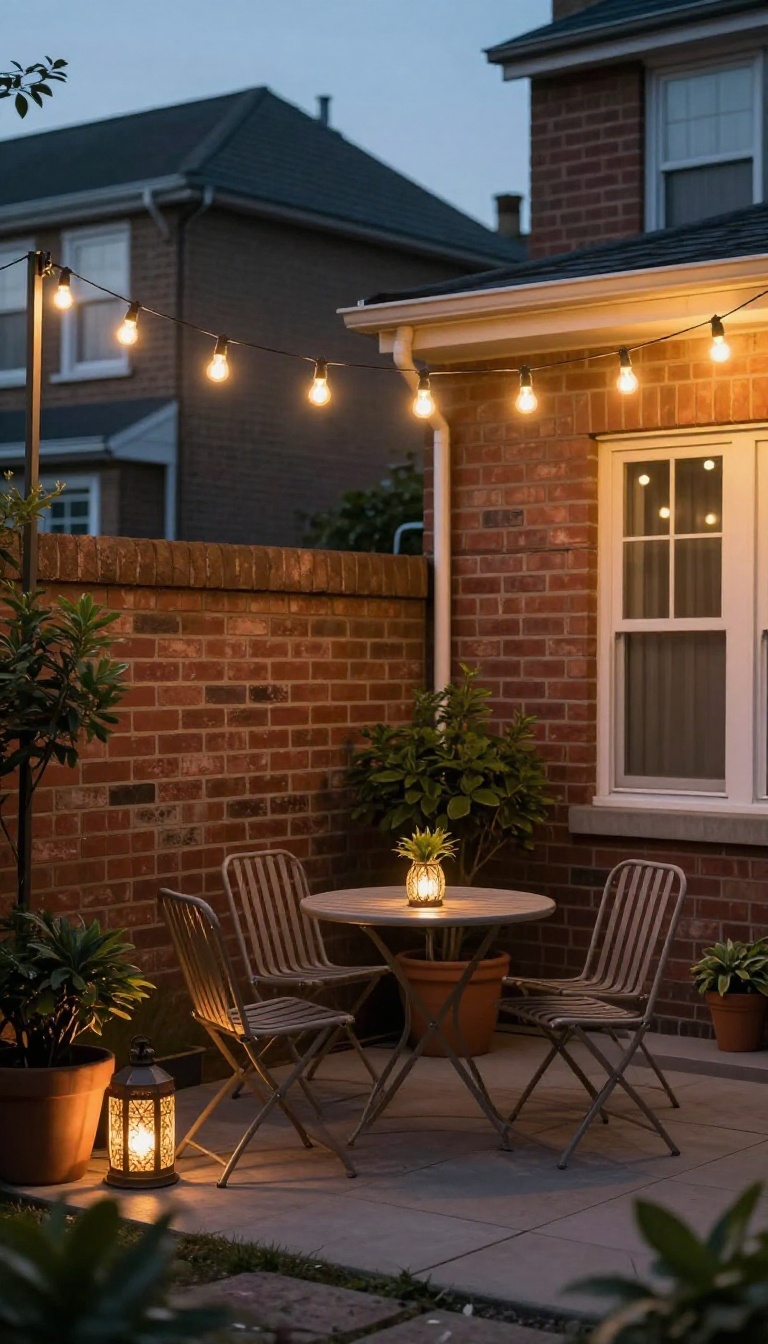
The right lighting can completely change how your patio feels after sunset. String lights are an easy, affordable way to add warmth and charm, turning a plain outdoor space into a cozy retreat. They also help your patio feel more inviting, encouraging you to spend more time outside in the evening.
String lights are a simple yet transformative addition to a small townhouse patio. They create a soft, warm glow that makes the area feel intimate and welcoming. Plus, they’re versatile—you can hang them overhead, drape them along railings, or wrap them around posts to define the space and add visual interest.
Choose The Right Bulb Size And Style
Pick bulbs that match the vibe you want. Larger Edison bulbs give a vintage, warm feel, while small fairy lights offer a delicate, whimsical touch. For durability, choose weather-resistant options designed for outdoor use.
If your patio is covered, you can opt for indoor-rated lights, but always check the IP rating for safety.
Hang Them At The Right Height
Hang the lights high enough to avoid head bumps but low enough to create a canopy effect. Aim for about 7 to 8 feet above the floor. If you’re attaching them to a railing or wall, use hooks or clips that won’t damage the surface.
For a freestanding option, consider a simple pole or a tension rod between two walls.
Use A Timer Or Smart Plug For Convenience
Set your string lights on a timer or connect them to a smart plug so they turn on automatically at dusk. This saves energy and ensures your patio is always ready for relaxation. You can also dim them or change colors if you choose smart bulbs, giving you more control over the ambiance.
5. Incorporate a Compact Bistro Set
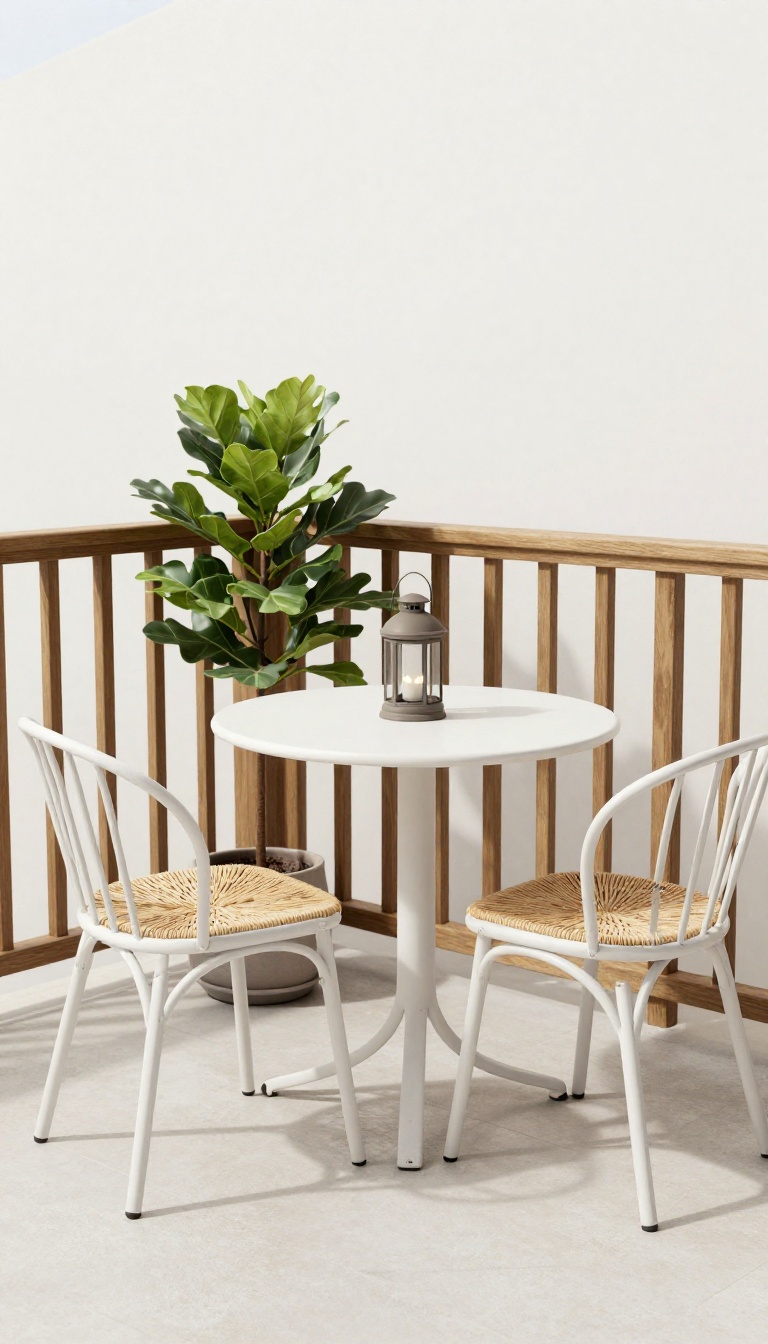
A bistro set is a classic small-space solution that never goes out of style. It’s compact enough to tuck into a corner or against a railing, yet it offers a real spot to sit and enjoy your patio. Choose a table and two chairs that fold or stack when not in use, and you’ll have flexibility without sacrificing charm.
When you’re working with a few square feet, a bistro set is a smart investment. It gives you a place to start your day with coffee or unwind in the evening without taking up too much room. Look for pieces made from weather-resistant materials like powder-coated aluminum, teak, or all-weather wicker so they can handle the elements.
A round table often fits better than a square one in tight spaces, and it encourages conversation.
Measure First, Then Shop
Before you buy anything, measure your patio’s dimensions and the spot where you plan to put the set. You want at least 18 inches of clearance around the table for chairs to slide in and out. If your space is really tight, consider a fold-down table that mounts to the wall or a rail, paired with compact stools that can be stored underneath.
Style It To Match Your Vibe
A bistro set doesn’t have to look basic. Add a small potted plant or a lantern on the table to make it feel intentional. Choose cushions in a pop of color or a pattern that ties into your patio’s overall look.
If you go with a classic black or white set, you can easily change the vibe with different accessories.
Make It Work For Dining And More
Beyond coffee, a bistro set can double as a workspace for your laptop or a spot for a casual dinner. If you often eat outdoors, pick a table with a hole for an umbrella so you can have shade on sunny days. For extra function, look for a set with a shelf or a small side table nearby to hold drinks or books.
6. Use Multi-Purpose Planters
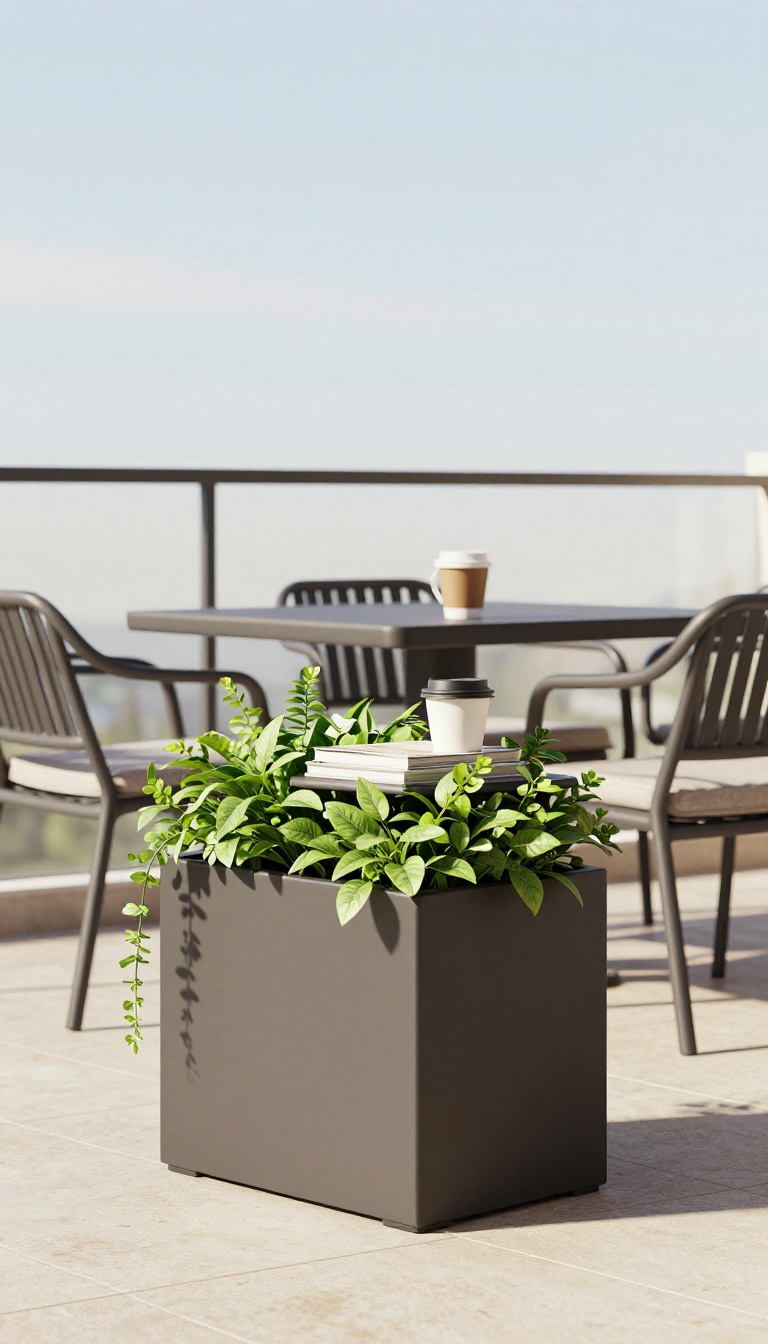
Plants add life to any patio, but on a small townhouse patio, they can also work overtime. Multi-purpose planters let you combine greenery with function, saving precious floor space while keeping your style intact. Think of planters that double as seating, storage, or side tables—each one serves two jobs without looking cluttered.
The trick is to choose planters that are sturdy enough for their secondary role. A large planter with a flat, solid top can easily become a stool or a side table for your morning coffee. A planter box with a hinged lid offers hidden storage for tools, cushions, or gardening supplies, keeping your patio tidy.
By blending form and function, you get more use out of every square foot.
Planter As Seating
Look for square or rectangular planters with reinforced sides and a flat top. These can handle a person's weight when built from materials like fiberglass, concrete, or thick cedar. Place one near your bistro table for extra guest seating, or use a pair as a bench by adding a wooden plank across the top.
Just make sure the planter is at least 18 inches tall for comfortable sitting.
Planter As Side Table
A tall planter with a wide rim can hold drinks, books, or a small lantern. Choose a style with a lip or a removable tray to keep items from slipping off. This works great next to a lounge chair or as a landing spot by the door.
You can even plant trailing herbs or flowers that spill over the edge for a soft, inviting look.
Planter With Storage
Some planters come with built-in compartments or hinged lids that reveal storage space inside. Use them to stash gardening gloves, small tools, or extra plant food. This is perfect for townhouse patios where every bit of storage counts.
Just keep the soil in a separate inner container so it doesn't mix with your stored items.
7. Install a Privacy Screen
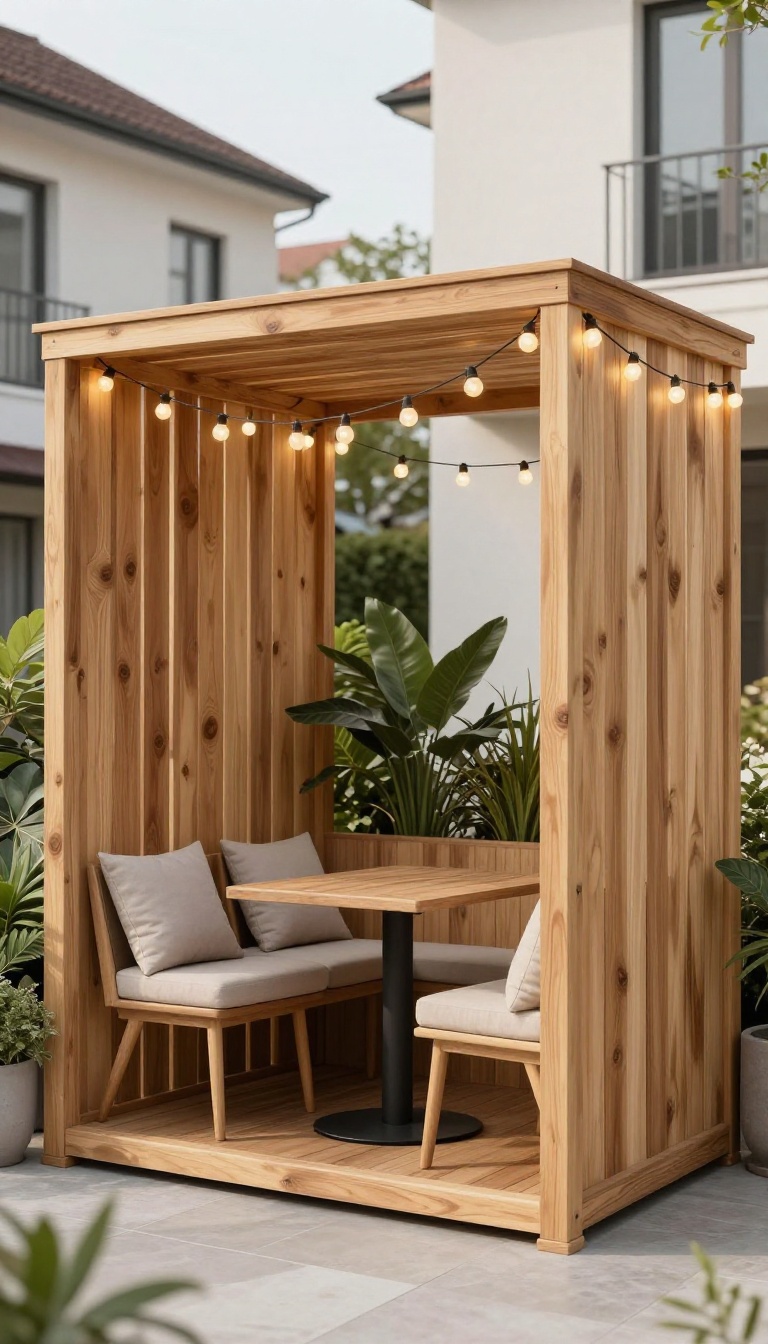
Nothing kills the vibe of a cozy patio faster than feeling like you're on display. A privacy screen can turn your small townhouse patio into a secluded nook where you can actually relax without worrying about neighbors or passersby. It's one of those upgrades that instantly makes the space feel more intimate and personal.
A privacy screen doesn't have to be a permanent structure or an expensive renovation. Freestanding panels, lattice, or even a row of tall plants can do the job beautifully. The goal is to block sightlines while adding a touch of style that complements your outdoor decor.
Freestanding Panels That Move With You
Freestanding privacy screens are a renter-friendly option because they require no drilling or permanent installation. You can find them in wood, metal, or synthetic wicker, and they often come in folding designs that let you adjust coverage as needed. Place one near your seating area to create a cozy corner, or use two to shield a specific side of the patio.
They're easy to move around, so you can experiment with different layouts until it feels just right.
Lattice And Climbing Plants
Lattice panels offer a classic look that works well with townhouse architecture. Attach them to an existing fence or wall, or use them as standalone structures. The real magic happens when you train climbing plants like ivy, jasmine, or clematis to grow over the lattice.
Over time, you get a living screen that adds greenery and softens the hard edges of your patio. It's a simple, natural way to create privacy that feels organic and inviting.
Tall Plants As A Natural Barrier
If you prefer a softer approach, tall potted plants can serve as a living privacy screen. Ornamental grasses, bamboo, or tall shrubs in large containers can block sightlines without feeling closed off. Arrange them in a row along the side of your patio, or cluster them near your seating area for a more organic look.
This option is flexible and adds a lush, tropical vibe to your space, making it feel like a hidden retreat.
Diy Options For A Custom Fit
If you're handy, you can build a custom privacy screen that fits your patio perfectly. Use cedar or composite wood to create a slatted panel that's both stylish and functional. You can also repurpose old doors, shutters, or even corrugated metal for an industrial touch.
DIY screens let you match the exact dimensions and style of your space, and they often cost less than store-bought options. Plus, it's a fun weekend project that gives your patio a personal stamp.
8. Add a Water Feature for Tranquility
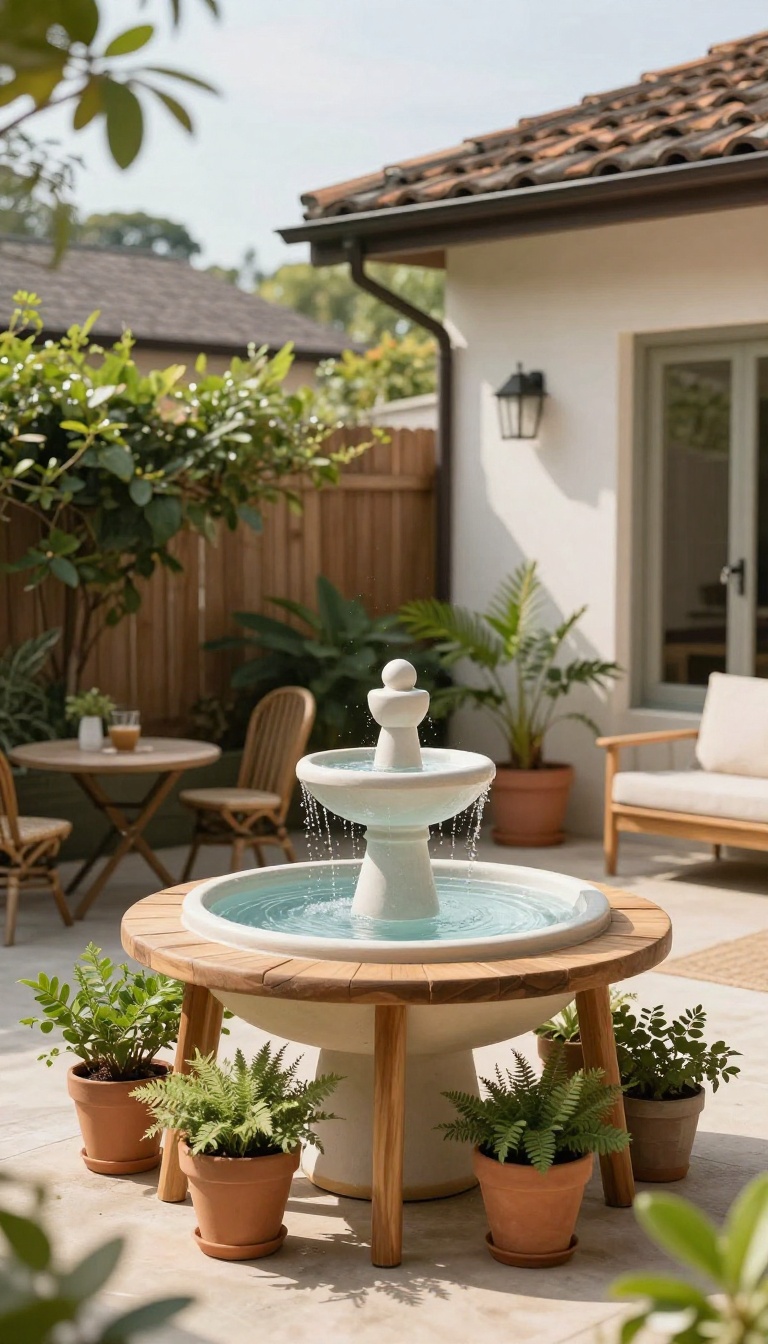
The gentle sound of water can instantly make a small patio feel like a private sanctuary. A water feature doesn't need to be large or elaborate—a compact tabletop fountain or a wall-mounted spout can deliver that calming effect while taking up minimal space. It's an easy upgrade that adds both a visual focal point and a soothing audio backdrop.
When you're working with a small patio, every element has to earn its spot. A water feature does double duty: it's a conversation starter and a natural stress reliever. The sound of trickling water masks city noise and creates a peaceful atmosphere that makes your outdoor space feel larger than it is.
Plus, it can be a stunning centerpiece that draws the eye and ties the whole design together.
Pick The Right Size And Style
Before you buy, measure your patio and think about where the water feature will go. A tabletop fountain works well on a side table or a plant stand, while a wall-mounted option frees up floor space entirely. Choose a style that complements your existing decor—modern, rustic, or coastal—and consider the material: ceramic, stone, or metal.
Make sure it's weather-resistant and easy to maintain.
Placement Tips For Maximum Effect
Position your water feature where you can hear it clearly, like near your seating area or entryway. If you're using a wall-mounted version, place it at eye level to create a visual anchor. Avoid putting it in a spot that gets too much direct sun, as that can cause algae growth and increase evaporation.
A little shade goes a long way in keeping the water clean and the pump running smoothly.
Maintenance Made Simple
Water features don't have to be high-maintenance. Look for models with easy-to-clean basins and replaceable filters. To keep the water clear, change it every couple of weeks and wipe down the pump.
During winter, drain and store your fountain indoors to protect it from freezing. With a few simple habits, your water feature will stay beautiful for years.
9. Create a Cozy Corner with Floor Cushions
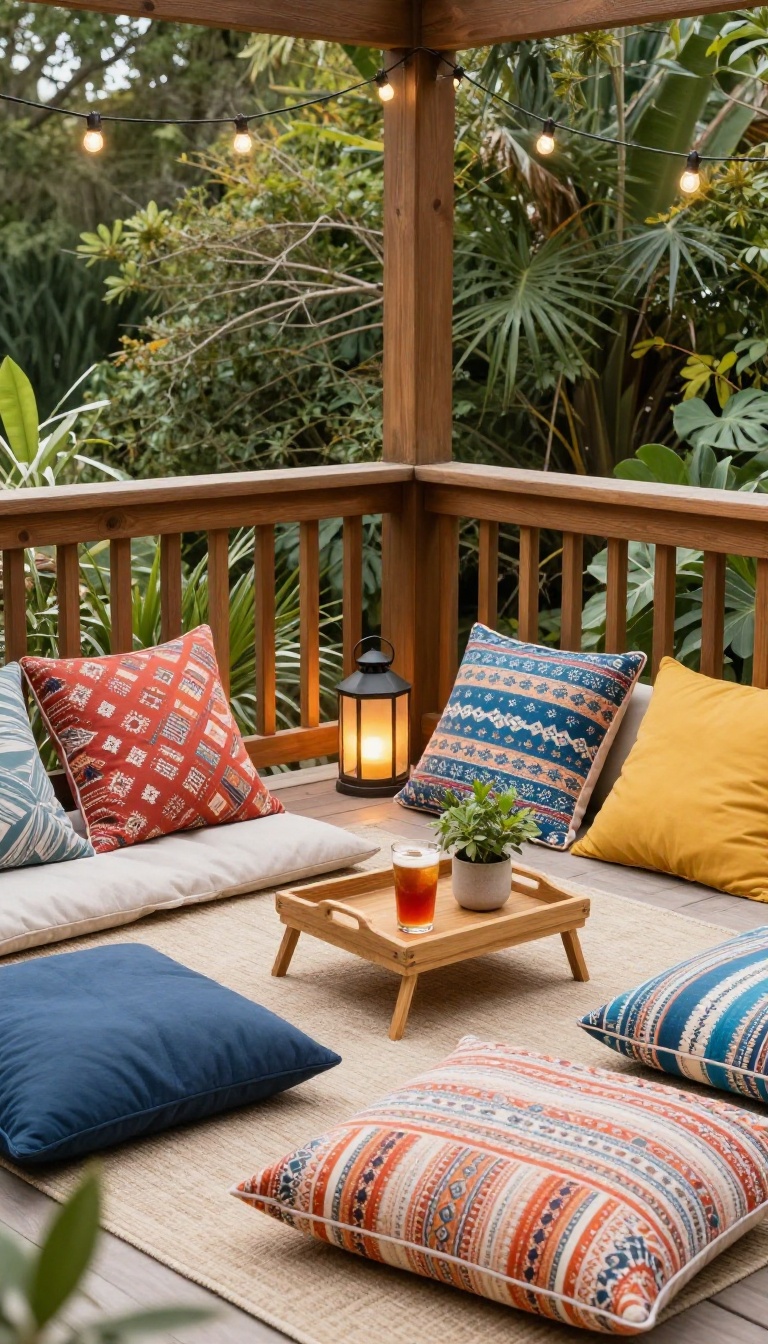
Sometimes the best seat in the house is on the floor. Floor cushions and poufs bring a relaxed, bohemian vibe to a small patio while keeping things flexible. They're easy to move, stack, and store, making them perfect for a space that needs to multitask.
Floor cushions turn a plain corner into an instant lounge spot. They're lightweight, so you can rearrange them in seconds, and they take up zero visual space when not in use. Plus, they're a budget-friendly way to add color and texture without committing to bulky furniture.
Pick The Right Cushions
Look for outdoor-grade cushions with water-resistant covers and quick-dry foam. Oversized square poufs (around 24 inches) work well for lounging, while smaller round ones are great for footrests or extra seating. Choose fabrics that can handle sun and rain, and go for bold patterns or bright solids to make the corner pop.
Arrange For Comfort And Flow
Place the cushions against a wall or railing to create a natural backrest. Add a low table or a large tray in the center for drinks and snacks. Leave enough space to walk around, and angle the cushions slightly toward each other to encourage conversation.
If you have a corner, use it—two or three cushions can fill it perfectly.
Layer With Soft Touches
Add a few outdoor throw pillows for extra support and a cozy feel. A soft outdoor rug underneath ties the area together and defines the zone. For evenings, hang a string light or place a lantern nearby.
These small touches make the corner feel intentional and inviting.
10. Hang a Hammock Chair
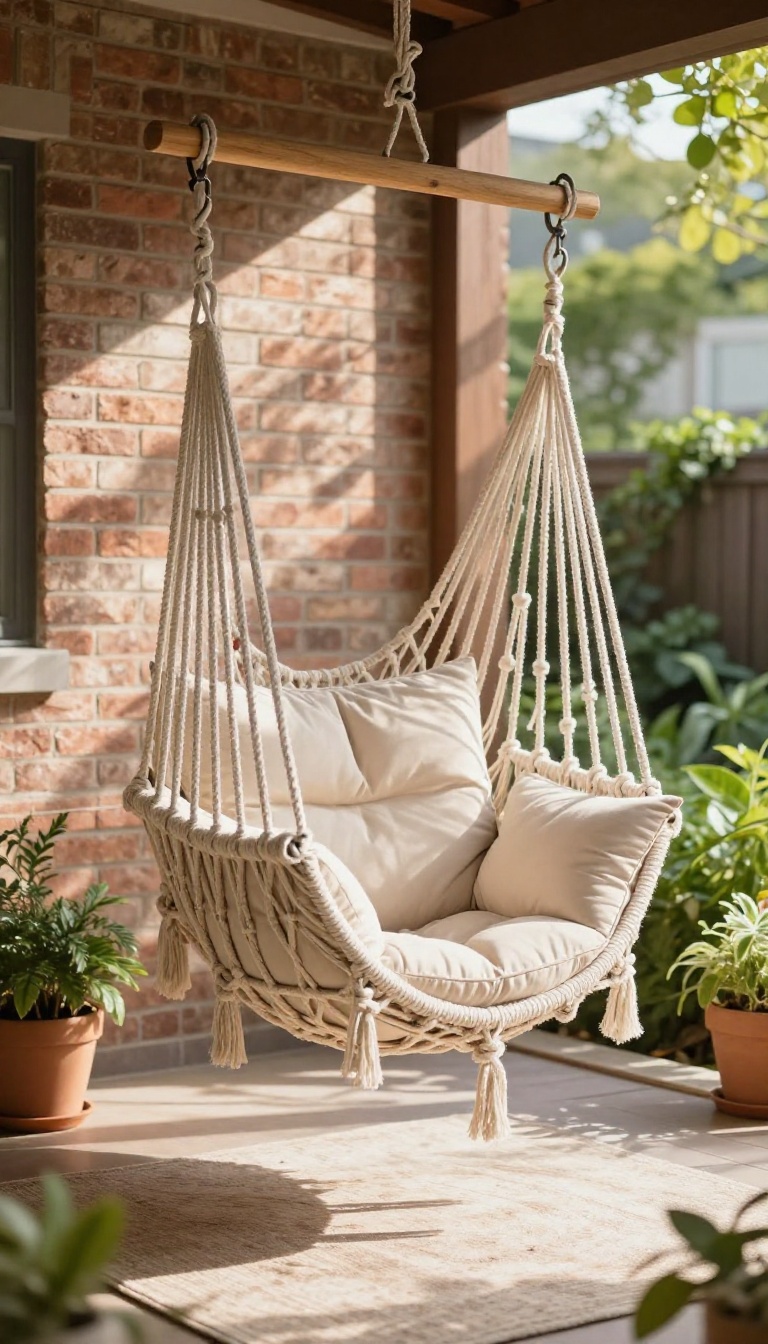
A hammock chair brings instant relaxation and a touch of whimsy to a small patio. Unlike a full hammock, it takes up minimal floor space and can be tucked into a corner or hung from a ceiling beam. It’s the kind of spot where you can curl up with a book, sip your morning coffee, or just sway gently after a long day.
Installing a hammock chair is easier than you might think. First, check that your ceiling beam is sturdy enough to support weight—most are, but it’s worth confirming. If you don’t have a suitable beam, a freestanding frame works just as well and can be moved around as needed.
Choose a chair with a comfortable cushion and a weather-resistant fabric so it holds up in the elements.
Why A Hammock Chair Works On A Small Patio
A hammock chair doesn’t need a lot of room—just a few square feet. It can hang from a ceiling, a pergola, or a sturdy wall mount. Unlike a traditional hammock, which requires two anchor points and a lot of open space, a hammock chair only needs one.
That makes it perfect for narrow or awkwardly shaped patios. Plus, it adds a vertical element that draws the eye upward, making the space feel larger.
Choosing The Right Hammock Chair
Look for a chair that’s comfortable and durable. Woven cotton or polyester ropes are breathable and classic, while fabric chairs offer more cushioning. If your patio is exposed to rain or sun, go with UV-resistant and quick-drying materials.
Also, consider the weight capacity—make sure it can support you and any pets or kids who might want to join. A removable, washable cushion is a bonus for easy cleaning.
Installation Tips For Safety And Style
Always use a heavy-duty ceiling hook or a hammock chair stand rated for the weight. If you’re mounting to a beam, drill a pilot hole and use a screw-in eye bolt that’s rated for at least 300 pounds. For a freestanding frame, assemble it on a flat surface and anchor it if you live in a windy area.
Hang the chair at a height where your feet can touch the ground when seated, so you can gently push off. Add a small side table nearby for your drink or book, and you’re all set.
11. Maximize with a Built-In Bench
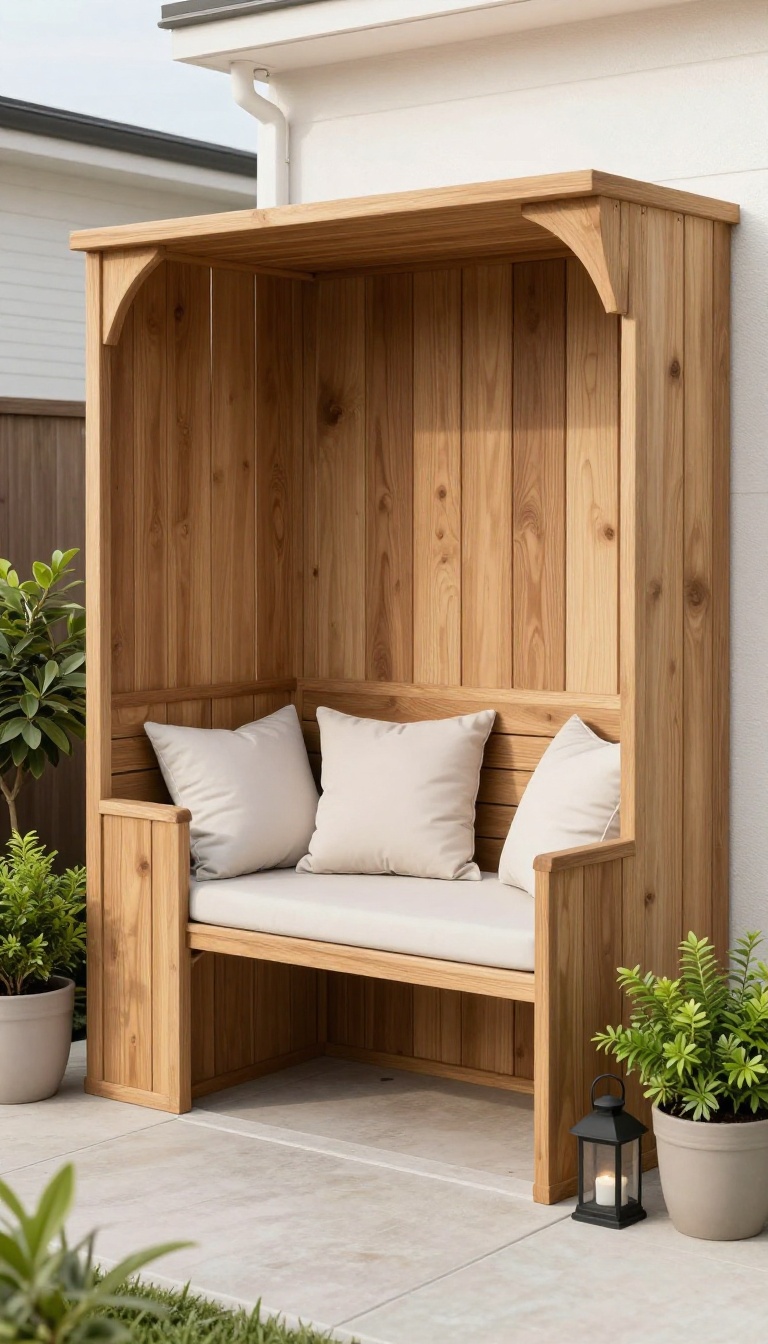
When you're working with a compact patio, every piece of furniture should earn its keep. A built-in bench does exactly that, offering a permanent seating solution that tucks neatly against a wall or railing. Not only does it anchor the space, but it also opens up clever storage possibilities that free up your floor area.
Building a bench along one side of your patio is a weekend project that pays off in both function and style. You can customize the dimensions to fit your exact space, and the storage underneath keeps essentials like cushions, tools, or outdoor games hidden but within reach. Plus, the bench becomes a natural gathering spot, perfect for morning coffee or evening chats.
Plan The Perfect Fit
Measure your patio's length and decide how deep you want the bench—typically 18 to 24 inches. Sketch a simple design with a hinged top for easy access to storage. Use weather-resistant wood like cedar or composite decking to ensure it lasts through the seasons.
Add Comfort And Style
Top the bench with weatherproof cushions in a fabric that complements your outdoor palette. Add throw pillows for extra coziness. To soften the look, place potted plants or a small side table at one end.
The bench can also double as a display surface for lanterns or a tray of drinks.
Storage That Works
Inside the bench, use plastic bins or wooden crates to keep items organized and protected from moisture. Store gardening tools, extra tableware, or kids' toys. If you want to keep things simple, just leave the space open for sliding baskets in and out.
FAQ
How can I make a small patio look bigger?
Use light colors for furniture and walls, add mirrors to reflect light, keep the floor clear, and choose furniture that's proportional to the space. Vertical gardening also draws the eye upward, making the area feel larger.
What is the best flooring for a small patio?
Interlocking deck tiles, outdoor carpet, or large concrete pavers are great options. They create a smooth, seamless look that minimizes visual clutter and makes the space feel more open.
How do I protect my patio furniture from weather?
Invest in weather-resistant materials like teak, aluminum, or all-weather wicker. Use furniture covers when not in use, and store cushions indoors or in a waterproof container.
Can I grow plants on a small patio?
Absolutely! Use vertical planters, hanging baskets, and railing planters to maximize space. Choose compact or dwarf varieties and ensure they get enough sunlight and water.
How can I add privacy to my townhouse patio?
Install a privacy screen, bamboo fence, or tall potted plants like arborvitae or ornamental grasses. Outdoor curtains or a pergola with drapes also work well.
Conclusion
A townhouse patio can quickly become your favorite outdoor room once you match the layout to how you actually live. Start with one idea that solves a real issue—maybe extra seating or more greenery—and build from there as you get comfortable. Small spaces reward experimentation, so don't be afraid to swap pieces or shift things around until it feels right.
The goal isn't perfection; it's a patio that gets used daily. Pick a couple of these ideas, make them your own, and enjoy the extra living space right outside your door.