13 Patio Privacy Ideas That Feel Natural and Attractive
You don't need a fortress to enjoy your patio in peace. Sometimes all it takes is a few well-placed plants, a clever screen, or a simple fabric panel to create a cozy nook that feels tucked away from the world.
And the best part? Many of these solutions are surprisingly affordable and easy to install over a weekend.
Whether you're dealing with nosy neighbors, a busy street, or just want to add a bit of intimacy to your outdoor space, these 13 patio privacy ideas strike the perfect balance between function and charm. From living green walls to rustic wooden screens, you'll find options that suit your style and budget.
1. Tall Ornamental Grasses for a Soft Screen
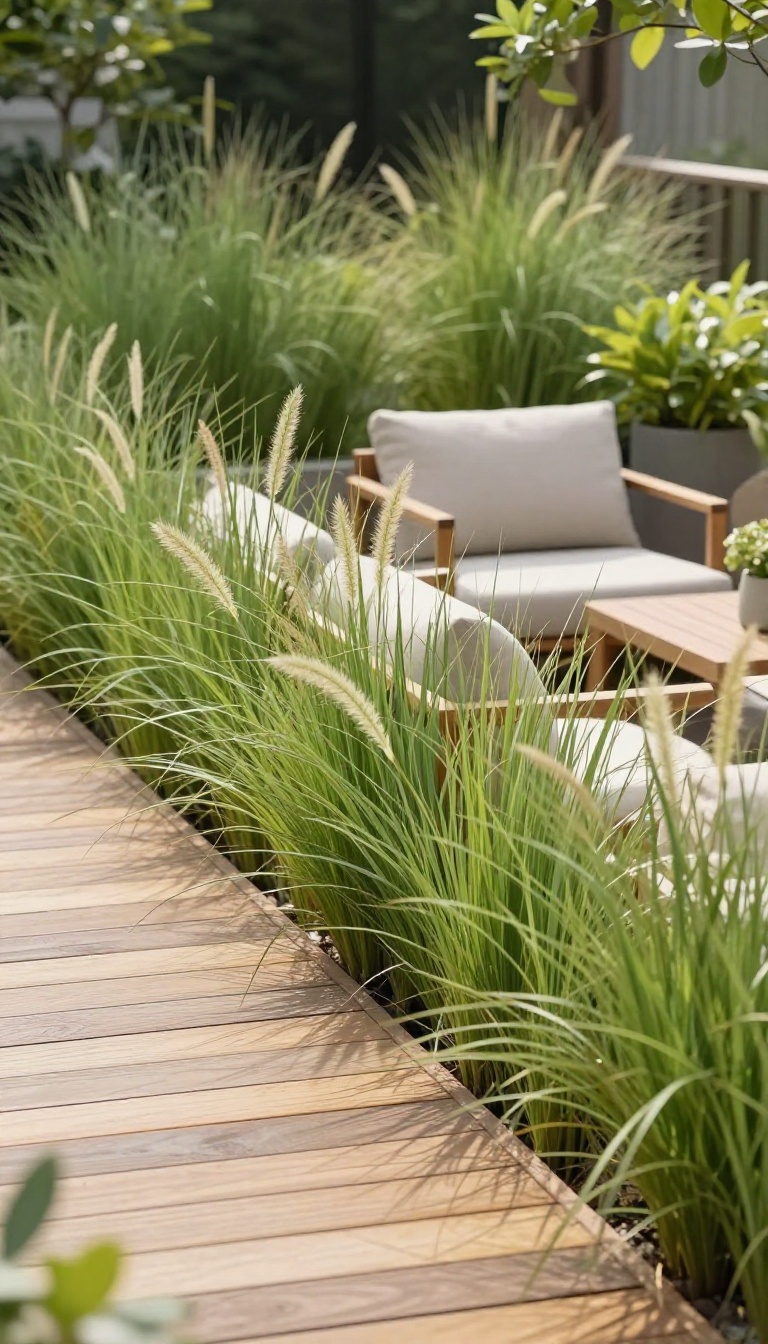
Ornamental grasses are a favorite for good reason: they grow fast, move with the breeze, and turn a plain patio into a private retreat. Unlike solid fences, they let light through while still blocking sightlines, so you get privacy without feeling boxed in. Best of all, they're low-maintenance once established, making them a smart pick for busy homeowners.
Planting a row of tall grasses along your patio edge creates a living screen that softens the view and adds movement. Choose clumping varieties that won't take over your yard, and give them room to reach their full height. In a single growing season, you'll have a natural barrier that filters noise and prying eyes.
Choosing The Right Grass
Look for grasses that stay upright and don't flop over. Miscanthus, switchgrass, and pampas grass are all great options, but check your hardiness zone first. If you want a more delicate look, try feather reed grass or fountain grass—they add texture without being too tall.
Planting And Placement Tips
Space your grasses about 3 to 5 feet apart, depending on the mature width. Plant them in a staggered double row for a denser screen, or mix in some flowering perennials for extra color. Water deeply after planting, and add a layer of mulch to keep the roots cool and moist.
Maintenance And Seasonal Care
Most ornamental grasses are drought-tolerant once established, so you won't need to fuss over them. Cut them back to about 6 inches in late winter or early spring before new growth appears. This keeps them tidy and encourages fresh, healthy shoots.
2. Climbing Vines on a Trellis or Wire System
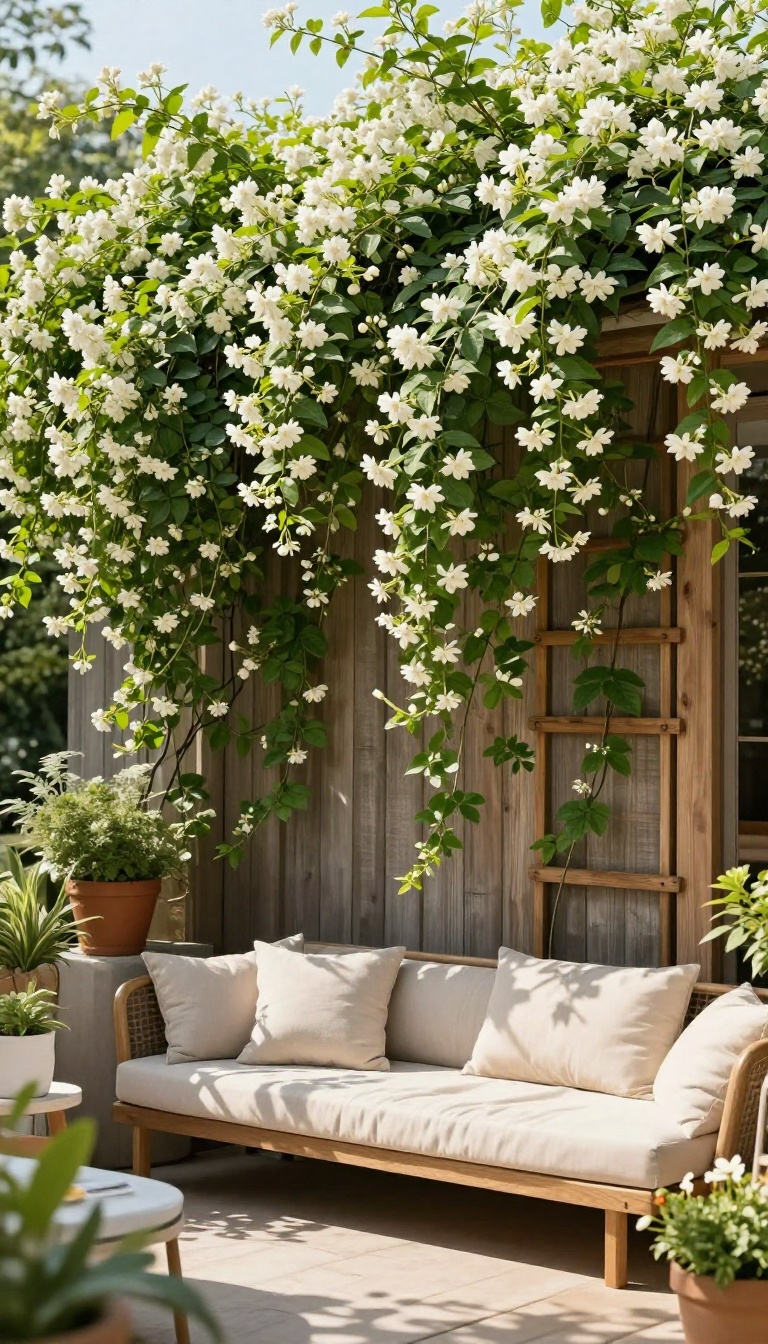
If you want a privacy screen that feels alive, let vines do the heavy lifting. A simple trellis or set of tensioned wires can become a lush, green wall within a season or two. It’s one of the most charming ways to block sightlines while adding color and fragrance to your patio.
Climbing vines are a classic choice for natural privacy. They grow quickly, cover large areas, and soften the look of any outdoor space. With the right support and a bit of patience, you’ll have a living screen that feels both inviting and secluded.
Choosing The Right Vine
Not all vines are created equal. For a fast-growing screen, consider clematis, jasmine, or ivy. Clematis offers beautiful blooms in many colors, while jasmine fills the air with a sweet scent.
Ivy is evergreen and low-maintenance, but it can be aggressive—so keep it in check with regular pruning. Think about your climate and the amount of sun your patio gets before planting.
Building The Support Structure
You don’t need a fancy setup. A freestanding wooden trellis works well, or you can install a few eye hooks and run stainless steel wires between posts. Make sure the structure is sturdy enough to handle the weight of mature vines.
Anchor it securely in the ground or against a wall, and leave a few inches of space between the support and any existing fence to allow airflow.
Planting And Training Tips
Plant your vines at the base of the support, about 6 to 12 inches away, and guide the young tendrils toward the structure. Use soft plant ties or garden twine to gently attach them as they grow. Water regularly during the first season, and feed with a balanced fertilizer in spring.
As the vines fill in, you’ll have a dense, natural screen that not only gives privacy but also attracts pollinators.
3. Bamboo Fencing or Screening Rolls
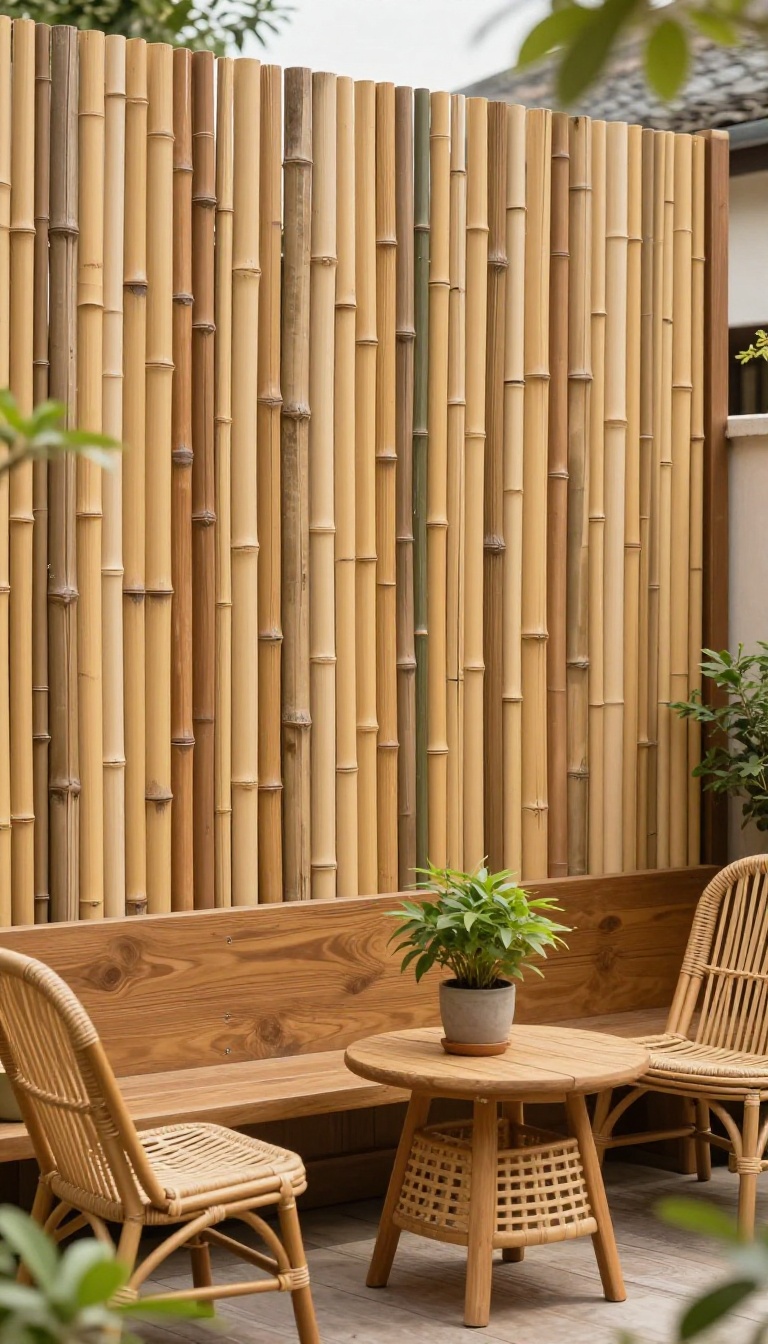
Bamboo is one of those materials that instantly makes a space feel warmer and more exotic. It’s also a privacy powerhouse. You can attach bamboo rolls to an existing fence or install bamboo poles directly in the ground to create a solid screen that blocks sightlines without feeling harsh or industrial.
What makes bamboo so appealing is its natural texture and color. It adds a gentle, organic look that blends beautifully with plants and outdoor furniture. Plus, it’s an eco-friendly choice—bamboo grows quickly and is highly renewable, so you can feel good about using it in your yard.
Bamboo fencing or screening rolls are a practical and attractive way to add privacy to your patio. They come in rolls or panels that are easy to cut and attach to existing structures, or you can install them as freestanding screens. The material is durable, weather-resistant, and requires minimal upkeep.
Over time, bamboo develops a silvery-gray patina that many people find charming, but you can also treat it with a sealant to preserve its golden hue. Whether you’re blocking a view of the neighbor’s driveway or creating a cozy corner for reading, bamboo does the job with style.
Why Bamboo Works So Well
Bamboo is naturally dense and tall, making it an effective visual barrier. It’s also lightweight, so installation is straightforward—no heavy posts or concrete footings needed if you’re attaching it to an existing fence. Bamboo rolls come in various heights (typically 4 to 6 feet), so you can choose the level of coverage you need.
And because bamboo is a grass, it has a slightly flexible quality that withstands wind better than rigid wood panels. It also provides a subtle, soothing rustle when breezes pass through, adding a sensory layer to your privacy.
Ways To Use Bamboo On Your Patio
One popular approach is to attach bamboo rolls to the top of an existing fence to add extra height. You can use zip ties or U-nails, and the bamboo will cover the old fence completely if you prefer a uniform look. For a freestanding screen, install bamboo poles vertically in the ground, spacing them a few inches apart and tying them together with wire or twine.
You can also create a living bamboo hedge by planting clumping bamboo (non-invasive varieties like Fargesia) along your property line—it grows fast and forms a thick, green wall. If you’re renting or want a temporary solution, lean bamboo rolls against a railing or use them as a movable partition.
Installation Tips And Maintenance
Before you buy, measure the area you want to cover and account for any slopes or curves. Bamboo rolls can be trimmed with a handsaw or utility knife, so you can customize the fit. If you’re attaching to wood, use galvanized screws or nails to prevent rust.
For ground installation, dig a shallow trench and set the bamboo poles in gravel or concrete for stability. To keep bamboo looking its best, apply a clear wood sealer or bamboo preservative every couple of years, especially if you live in a rainy climate. Also, check for mold or mildew occasionally and clean with a mild soap solution if needed.
With a little care, bamboo can last 10 to 15 years outdoors.
4. Container Trees and Large Potted Plants
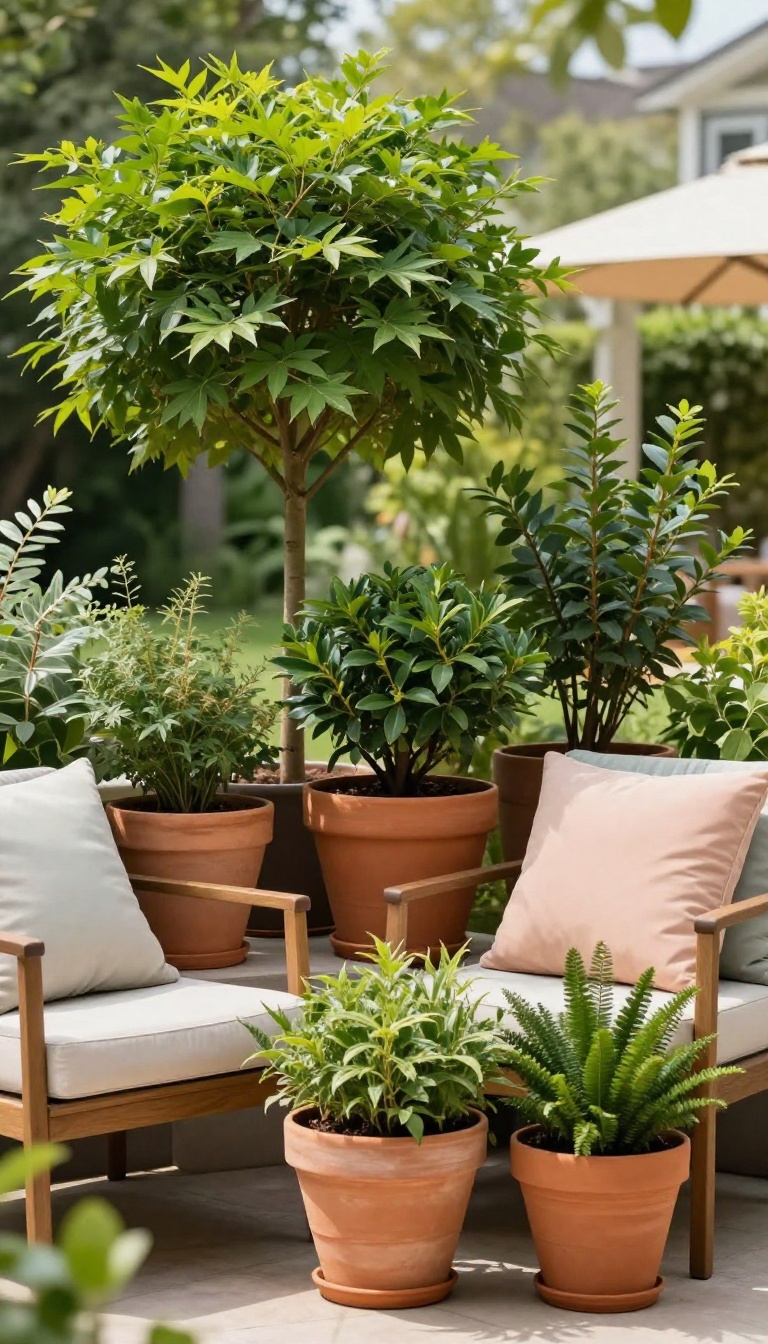
If you want privacy that you can move around, container trees are a brilliant choice. Unlike permanent structures, potted plants let you change your layout whenever you like. They soften the edges of your patio and create a natural screen that feels lush and inviting.
Large potted plants are a flexible, low-commitment way to block sightlines. You can cluster them for a denser screen or space them out for a more open feel. Plus, they add greenery and life to your outdoor space, making it feel more like a garden retreat.
Choosing The Right Trees
Not all trees thrive in containers, so pick ones that are happy in pots. Boxwoods, laurels, and dwarf ornamental trees like Japanese maples or citrus are great options. Consider your climate and how much sun your patio gets, and choose plants that will flourish in those conditions.
Placement Strategies
Position your potted trees where they block the most unwanted views, like near seating areas or along the most exposed side. You can also use them to frame a view or create a sense of enclosure. Try placing them at different heights or angles for a more natural, layered look.
Pot And Maintenance Tips
Use large, heavy pots to keep trees stable in the wind, and make sure they have good drainage. Water regularly, especially in hot weather, and feed them with a slow-release fertilizer during the growing season. Prune occasionally to keep them shaped and healthy.
5. Lattice Panels with Climbing Roses or Honeysuckle
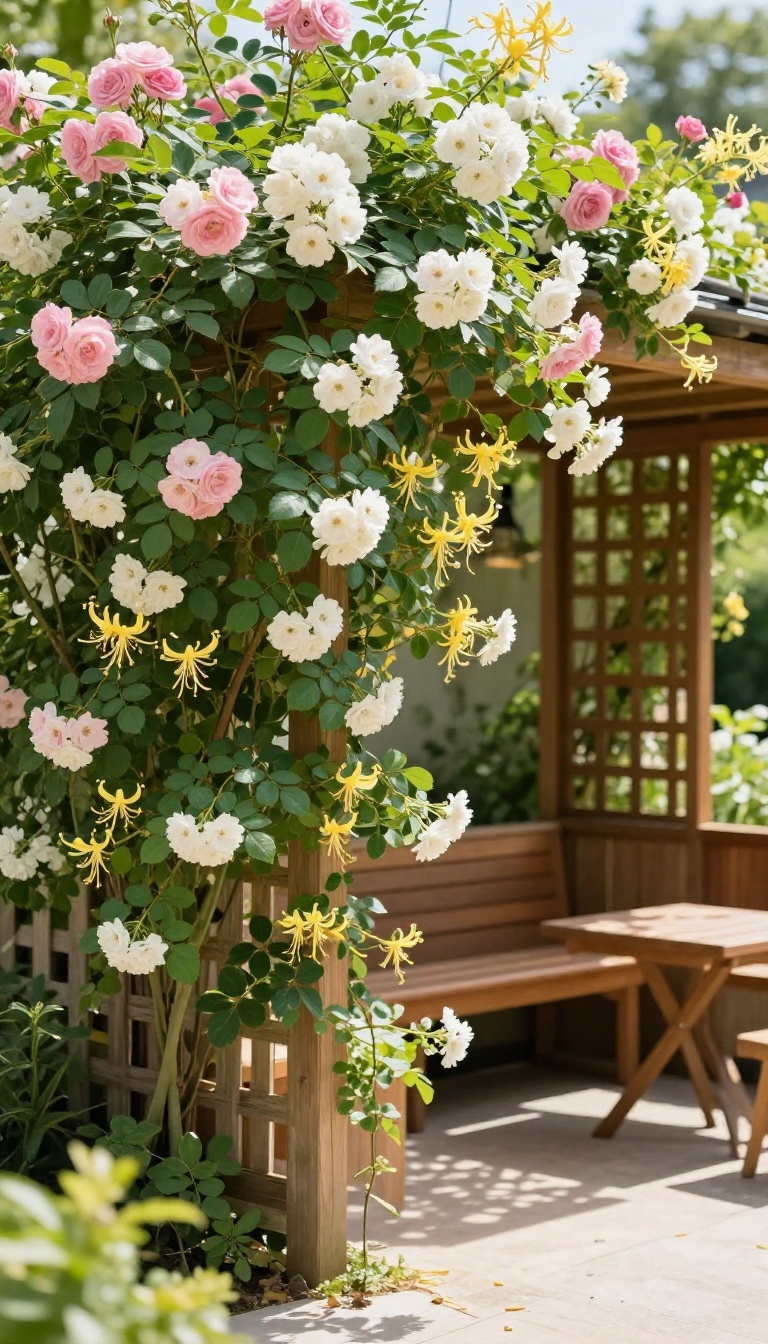
A lattice panel is like a blank canvas for nature. Once you train climbing roses or honeysuckle over it, you get a living screen that softens the view and fills the air with fragrance. It's a classic choice that feels romantic and inviting, not closed off.
Wooden lattice panels are an easy DIY solution for adding privacy without making your patio feel like a cage. The open grid lets light and air pass through while still blocking sightlines, especially when covered with dense foliage. Plus, the flowers attract pollinators and add a splash of color.
Choosing The Right Lattice And Plants
Opt for pressure-treated or cedar lattice that can withstand moisture. For plants, decide between roses and honeysuckle based on your climate and sun exposure. Climbing roses need at least six hours of sun, while honeysuckle is more shade-tolerant.
Both are vigorous growers, so give them sturdy support.
Training And Maintenance Tips
Install the lattice a few inches away from the wall or fence to allow air circulation. As the plants grow, gently tie the stems to the lattice with soft ties. Prune in late winter or early spring to keep the growth in check and encourage more blooms.
Regular watering and fertilizing will keep the foliage lush.
Design Ideas For A Romantic Look
Use multiple lattice panels to create a secluded corner or line them along the perimeter. Combine different varieties of roses or mix honeysuckle with clematis for extended bloom times. Add a bench or a small bistro table nearby so you can enjoy the scent up close.
6. Outdoor Curtains or Drapes
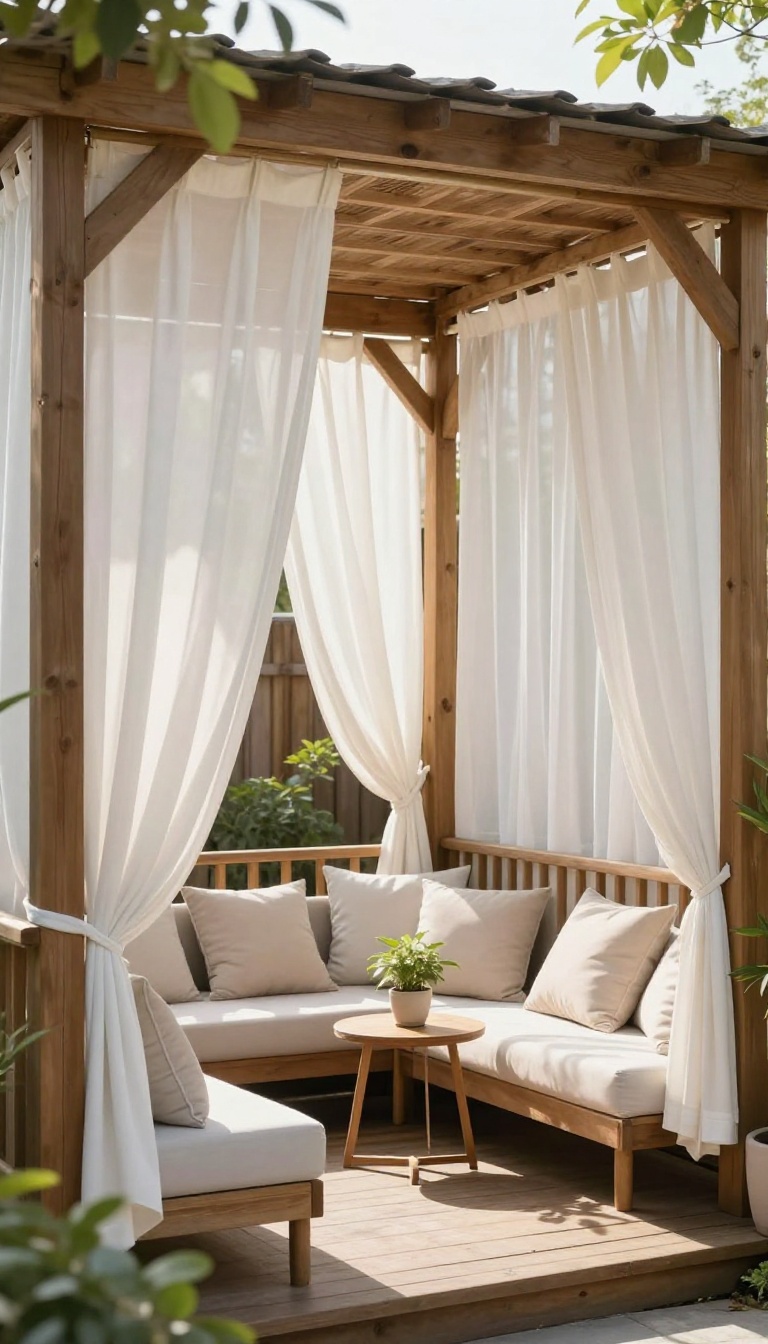
Think of your patio as an outdoor living room—curtains can make it feel just as cozy and private as any indoor space. Unlike permanent structures, they offer flexibility: draw them closed for a secluded dinner or pull them back to let the breeze in. Plus, they soften the hard edges of a pergola or fence, adding a touch of elegance that's hard to beat.
Outdoor curtains are a versatile privacy solution that works with almost any patio layout. They're perfect for renters or anyone who wants to avoid permanent installations. With a few simple hardware pieces and weather-resistant fabric, you can transform an open area into a sheltered retreat in an afternoon.
The key is choosing the right material and hanging method so your curtains look great and last through the seasons.
Choosing The Right Fabric
Not all fabrics are created equal when it comes to outdoor use. Look for materials labeled as weather-resistant, such as solution-dyed acrylic or polyester, which resist fading and mildew. Avoid delicate fabrics like cotton or linen unless they're treated specifically for outdoor use.
Also consider the opacity: sheer curtains let in light while offering a bit of privacy, while heavier fabrics block more view and wind. If you want to see out but not in, go for a lighter shade that still diffuses the view.
Hanging Options For Every Patio
The most common way to hang outdoor curtains is from a curtain rod attached to a pergola or beam. If you don't have a structure overhead, you can install a simple wire system between two posts or along a fence. Another clever option is to use a freestanding frame or a tension rod between two walls.
Make sure your hardware is rust-resistant and sturdy enough to handle the weight of the fabric, especially in windy conditions. Use curtain rings or clips for easy opening and closing.
Styling And Practical Tips
To keep your curtains looking neat, consider using tiebacks or holdbacks so you can easily secure them open during the day. Weighted bottoms or curtain weights help prevent them from flapping in the breeze. For a cohesive look, choose colors that complement your outdoor furniture or the natural surroundings.
Light, neutral tones create an airy feel, while bold patterns can add a pop of personality. Remember to bring them inside or store them during harsh weather to extend their life, especially if you live in an area with strong storms.
7. Living Plant Walls or Vertical Gardens
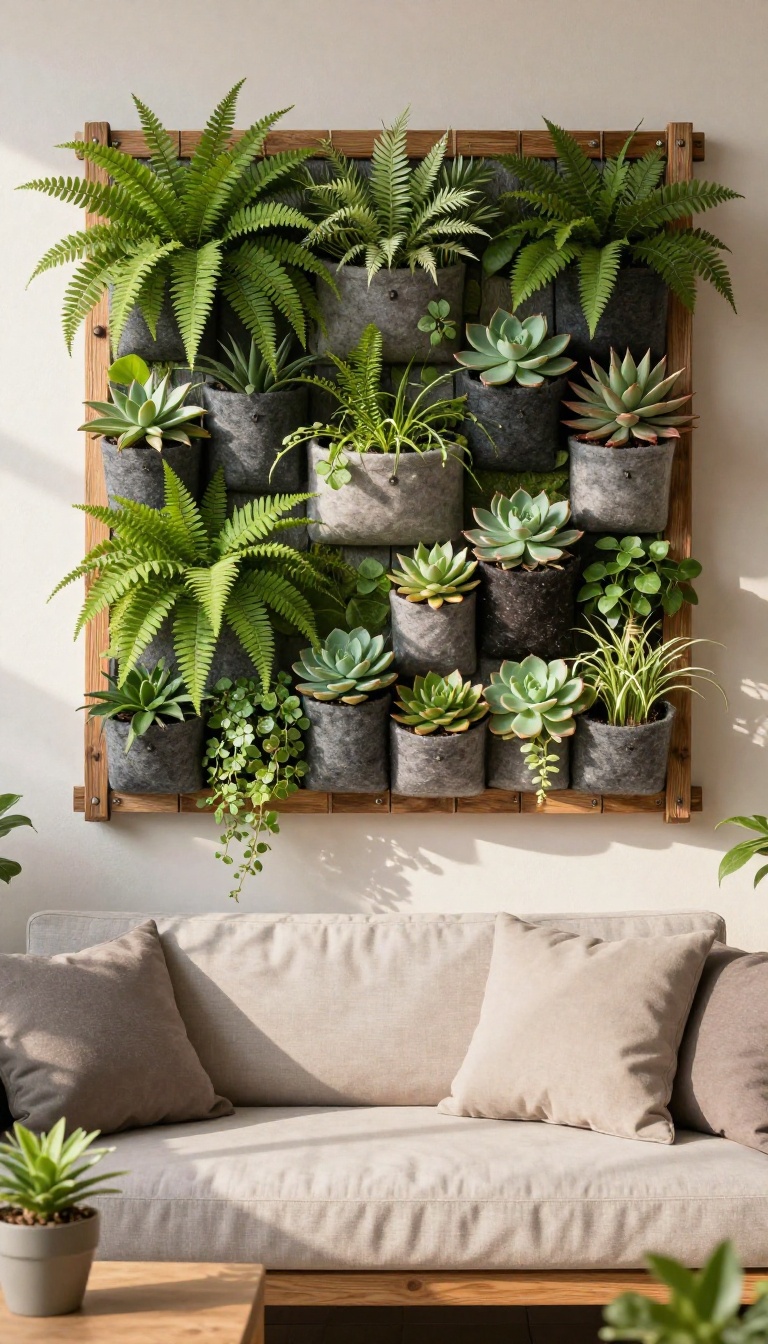
A living wall is like hanging a piece of nature on your fence or wall. It’s bold, beautiful, and surprisingly practical for privacy. Instead of a solid barrier, you get a lush, textured screen that softens the space and draws the eye upward.
You can build one from pocket planters, a modular grid, or even repurpose a wooden pallet. Fill it with ferns, succulents, or trailing vines, and you’ll have a stunning focal point that also blocks sightlines. Plus, it’s a conversation starter that makes your patio feel like a secret garden.
Vertical gardens are more than just a pretty face. They create a dense layer of foliage that can effectively block views from neighbors or passersby, especially when planted with thick, bushy species. The key is choosing the right plants and ensuring they get enough water and light.
With a little planning, you can have a living wall that thrives for years and provides natural seclusion.
Choosing The Right Plants
Pick plants that grow densely and tolerate your climate. Ferns like Boston or maidenhair are excellent for shady spots, while succulents such as sedums and echeverias love sun and need less water. Trailing varieties like English ivy or creeping Jenny fill gaps quickly.
Mix textures and shades of green for a rich, layered look that feels lush and private.
Diy Vs. Modular Systems
If you’re handy, a DIY pallet wall with landscape fabric and soil is budget-friendly and customizable. For a quicker setup, modular systems like felt pockets or plastic grids are easy to install and often come with irrigation options. Both work well; just consider your maintenance preferences and how permanent you want the structure to be.
Maintenance And Watering Tips
Living walls need consistent moisture, so install a drip irrigation system or use self-watering planters. Check the wall regularly for dry spots, and trim back overgrowth to keep it tidy. In hot climates, misting can help ferns thrive.
With regular feeding and occasional pruning, your vertical garden will stay vibrant and effective as a privacy screen.
8. Wooden Slat Screens or Privacy Panels
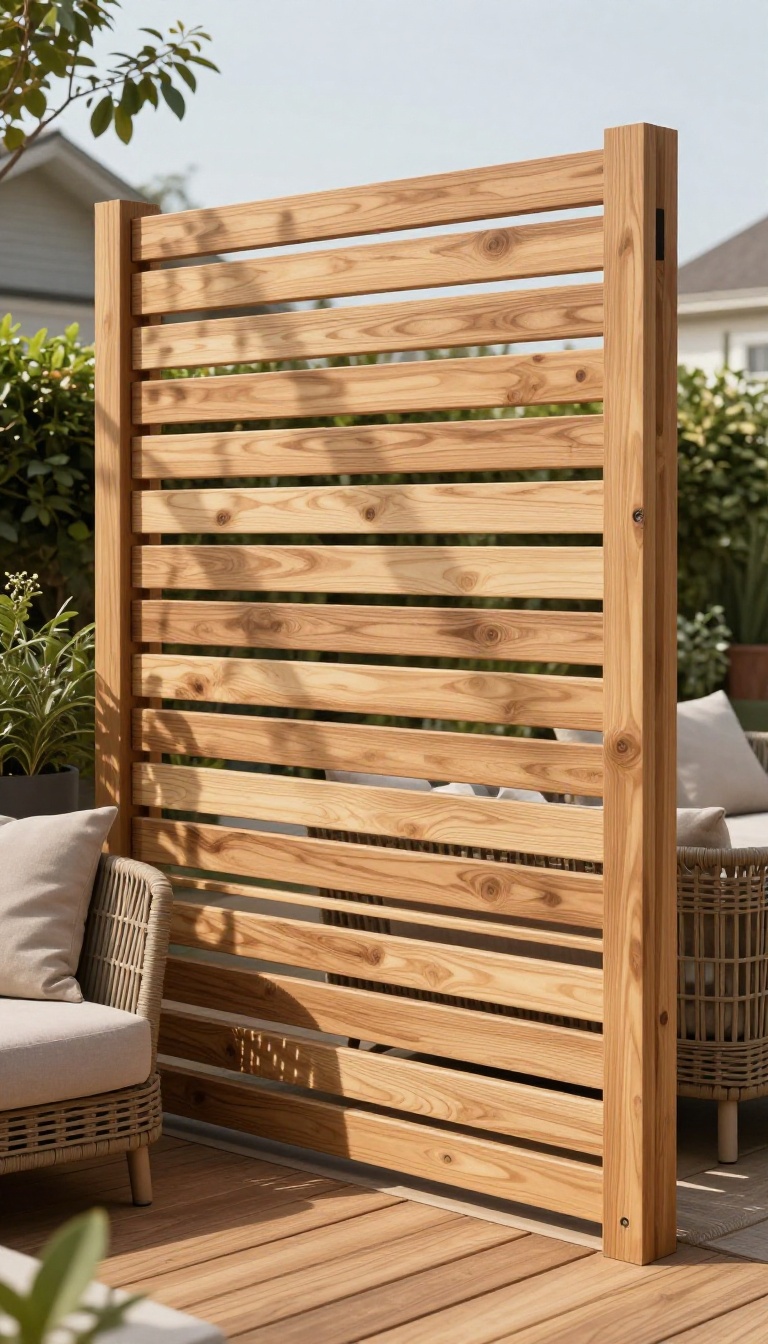
If you're after a clean, modern look that still feels warm, wooden slat screens are a fantastic option. They're not just functional—they add texture and depth to your patio, making the space feel more like an outdoor room than a leftover corner of the yard. What makes slat screens so appealing is their versatility.
You can build a freestanding screen to block a specific view, or attach panels directly to an existing railing or fence. The gaps between the slats let air and light pass through, so you don't feel boxed in, but you still get that much-needed privacy from neighbors or passersby.
Why Slats Work So Well
Unlike solid walls, slatted screens create a sense of enclosure without completely cutting you off from the outside. The narrow gaps allow breezes to flow, which keeps the space comfortable on warm days. They also let in dappled sunlight, so you don't end up sitting in deep shade.
This balance is perfect for patios where you want privacy but still want to enjoy the natural elements. Another benefit is that slat screens are less likely to make your patio feel claustrophobic. They visually break up the view without making you feel like you're in a cage.
Plus, they can be stained or painted to match your home's exterior, giving you a cohesive look that feels intentional.
Diy Vs. Pre-made Options
If you're handy, building your own slat screen is a rewarding weekend project. You'll need some basic lumber, a saw, and screws. Start by constructing a simple frame, then attach the slats with even spacing.
Cedar or redwood are great choices because they resist rot and look beautiful naturally. Not up for a DIY? Many home improvement stores sell pre-made slatted panels that you can install in an afternoon.
These come in various sizes and finishes, so you can find one that suits your space without the hassle of measuring and cutting. Just make sure to anchor them securely, either by digging posts into the ground or attaching them to a sturdy base.
Placement And Styling Tips
Think about where you need privacy the most. Do you want to block a view from the neighbor's upstairs window? Place a tall screen along that side.
Or maybe you just want to create a cozy nook around your seating area. A lower screen can define the space without making it feel closed off. To soften the look, train climbing plants like jasmine or ivy up the slats.
This blends the wood with your greenery and gives the screen a more organic feel. Add some outdoor string lights or lanterns nearby to make the area inviting after dark.
9. Hedges in Raised Planters or Along the Edge
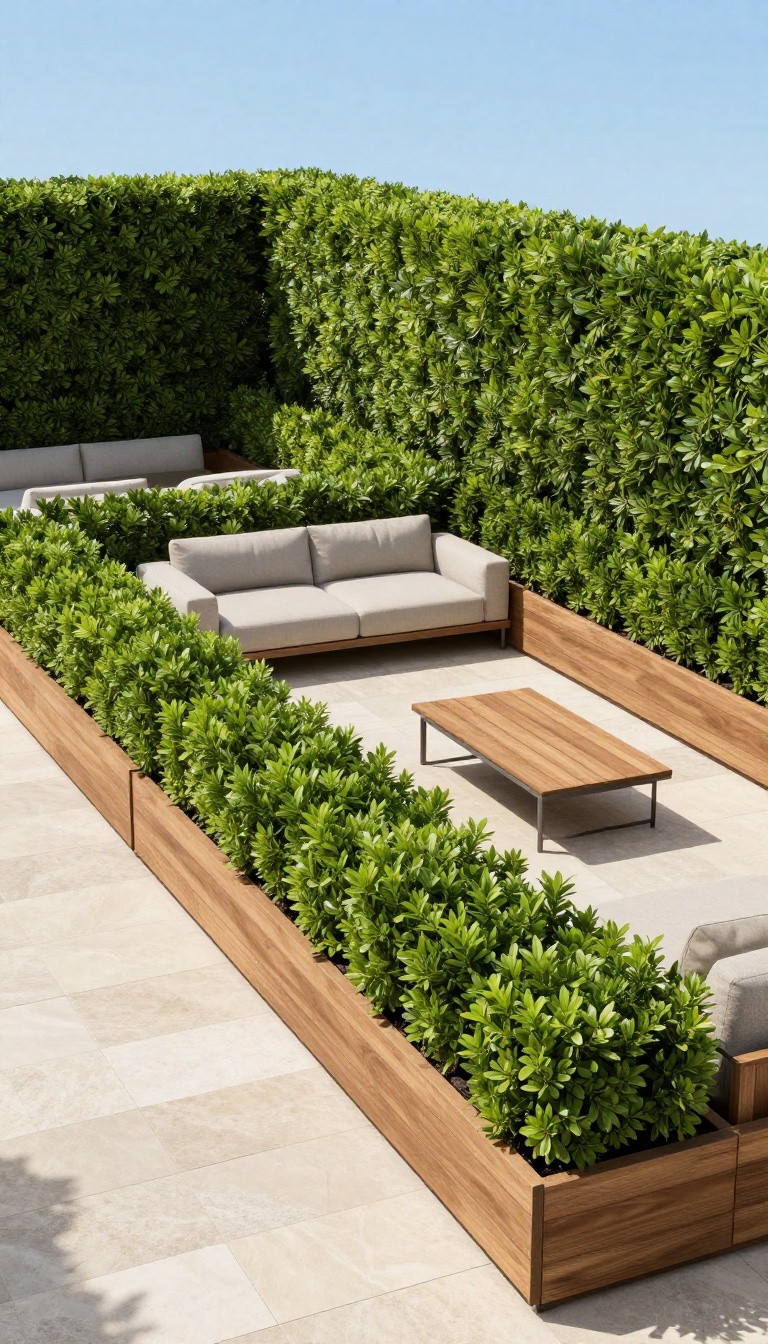
Hedges are the classic privacy solution, but they don't have to be high-maintenance or boring. By choosing easy-care varieties like boxwood or privet, you can create a lush, evergreen screen that stays green all year. Whether you plant them in the ground along your patio's edge or in raised planters for a more structured look, hedges offer a natural, attractive way to block out neighbors and noise.
Hedges are a timeless choice for patio privacy, and with the right plants, they're surprisingly easy to maintain. Boxwood and privet are two popular options that tolerate pruning well and stay dense and green through the seasons. You can plant them directly in the soil to create a living fence, or use raised planters to define the boundary without committing to permanent landscaping.
Raised planters also let you control the soil quality and make it easier to move the hedge if you ever rearrange your outdoor space.
Choosing The Right Hedge Plants
Not all hedges are created equal. For a low-maintenance evergreen screen, boxwood is a top pick because it grows slowly and needs little pruning. Privet grows faster, so you'll get privacy sooner, but it requires more frequent trimming to keep it neat.
If you prefer something with seasonal interest, consider a flowering hedge like lilac or hydrangea, but remember they may lose leaves in winter. Always check your hardiness zone and sun exposure before planting.
Planting In The Ground Vs. Raised Planters
Planting hedges directly in the ground is the most traditional approach. It allows roots to spread and plants to reach their full size, creating a dense, tall screen over time. However, if your patio is paved or you want a more portable option, raised planters are a great alternative.
They keep the roots contained, which limits the ultimate height, but they also make it easy to refresh the soil or move the plants if needed. Just make sure the planters are large enough—at least 18 inches deep and wide—for healthy root growth.
Maintenance Tips For A Tidy Hedge
To keep your hedge looking its best, water it regularly during the first year to help it establish. After that, most hedges are fairly drought-tolerant. Prune once or twice a year to maintain the shape and encourage dense growth.
Early spring is a good time for a light trim, and a second trim in late summer helps keep it neat through fall. Fertilize in early spring with a balanced slow-release fertilizer to promote healthy foliage.
10. Decorative Metal or Laser-Cut Screens
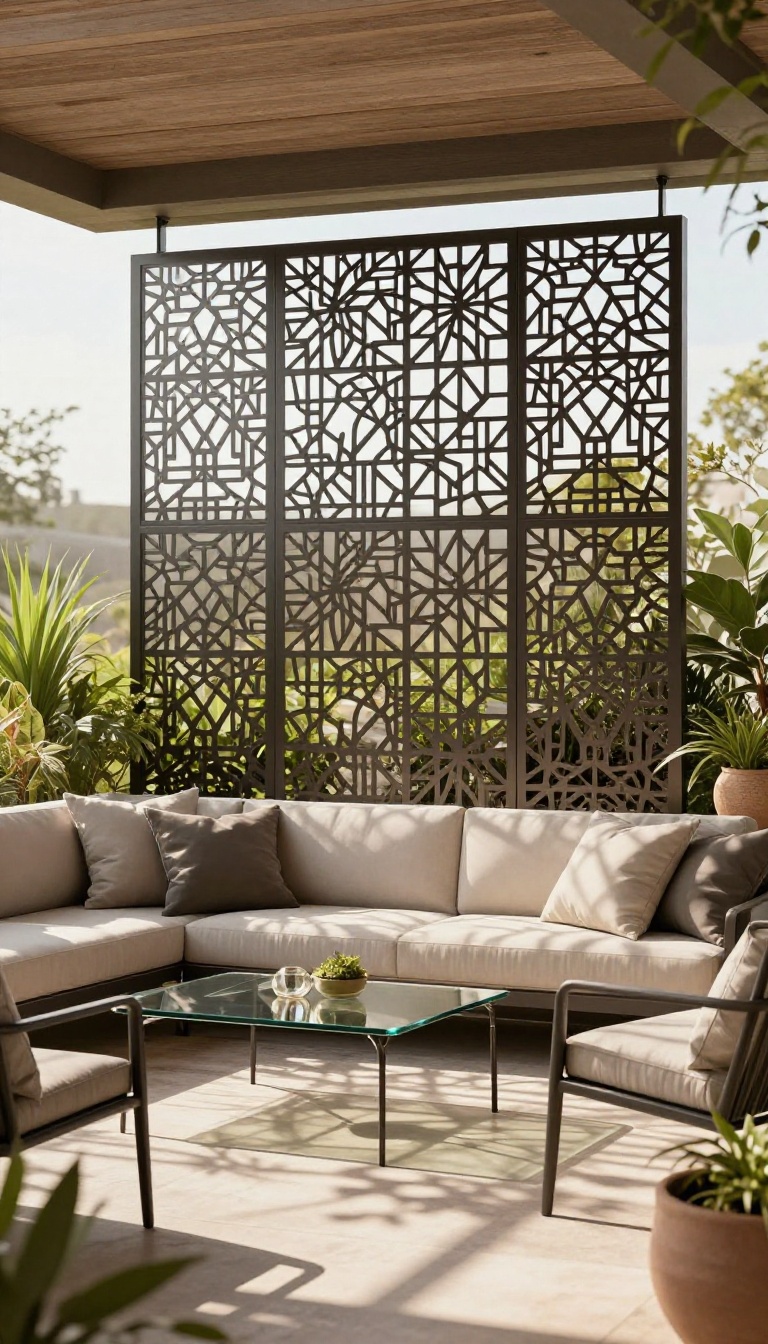
If you want privacy that doubles as art, decorative metal screens are a standout choice. These panels feature intricate cut-out patterns—think geometric shapes, floral motifs, or even abstract designs—that cast playful shadows across your patio as the sun moves. They're sturdy, weather-resistant, and instantly elevate the look of any outdoor space.
Metal screens are more than just a barrier; they're a focal point. The patterns create a dynamic play of light and shadow, adding depth and texture to your patio throughout the day. Whether you choose a freestanding panel or mount one to an existing structure, these screens offer a modern, sophisticated way to carve out privacy without feeling closed in.
Choosing The Right Material
Most decorative screens are made from aluminum, steel, or corten (weathering steel). Aluminum is lightweight, rust-resistant, and easy to move, making it great for freestanding use. Steel is heavier and more durable, ideal for permanent installations.
Corten develops a beautiful rusted patina over time, adding a rustic, earthy feel. Consider your climate and the look you're after when picking a material.
Placement And Installation Tips
For a freestanding screen, make sure it's stable—use a base or anchor it to the ground. If you're mounting it to a fence or wall, use proper brackets and ensure it's level. Position the screen to block the specific sightline you're concerned about, but also think about where the sun will hit it to maximize the shadow play.
You can also use multiple panels in a staggered arrangement for a more dynamic look.
Styling Around The Screen
Let the screen be the star. Keep surrounding decor simple—maybe a few potted plants or a bench nearby. The shadows cast by the pattern can be a lovely backdrop for evening gatherings if you add outdoor lighting.
For a cohesive look, choose a pattern that echoes other elements in your yard, like the shape of your furniture or the foliage.
11. Repurposed Pallets or Reclaimed Wood
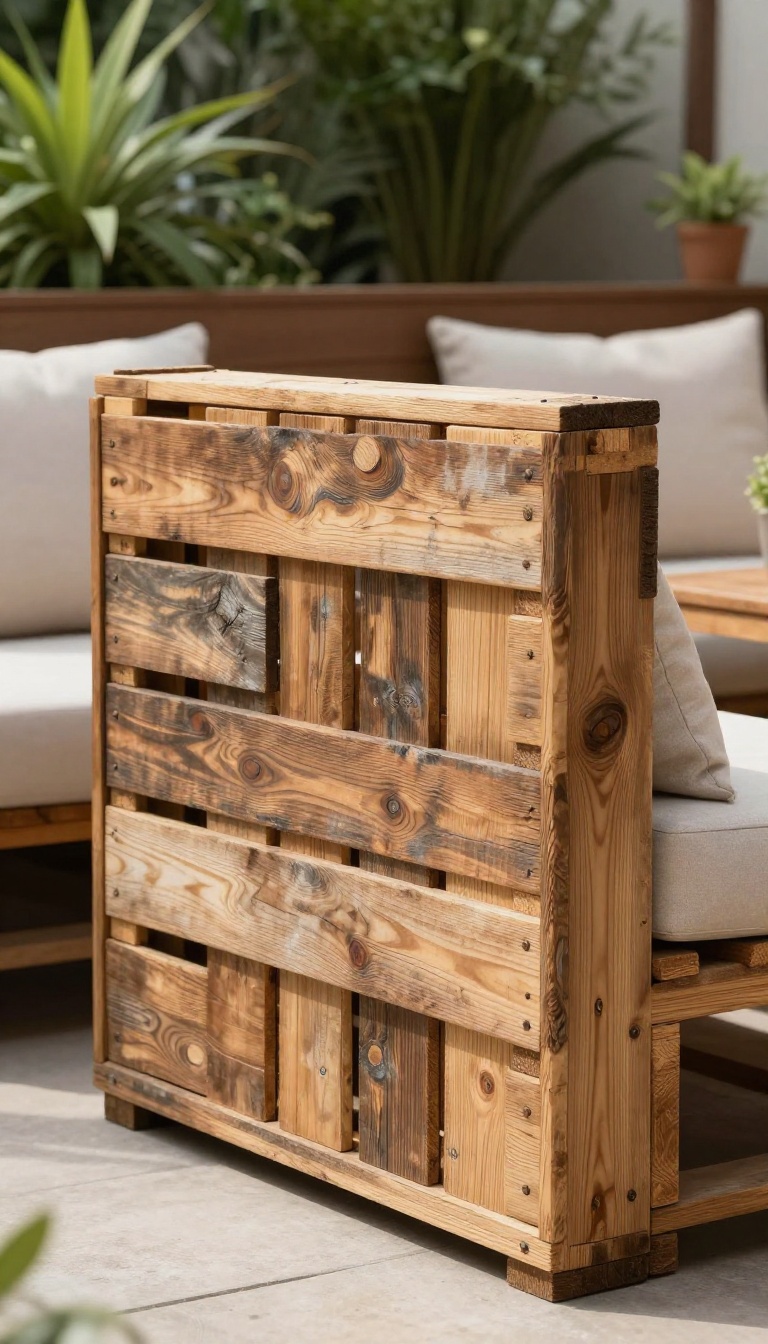
If you're handy (or just willing to try), pallets and reclaimed wood can become a standout privacy feature. This approach gives your patio a rustic, eco-friendly vibe while keeping costs low. Plus, the weathered texture adds instant character that new wood just can't match.
Building a pallet privacy screen is more straightforward than you might think. Start by sourcing sturdy pallets from local businesses or online marketplaces—often free or very cheap. Look for heat-treated (stamped with HT) rather than chemically treated ones.
Give them a good scrub and sand down rough spots to avoid splinters. Then, attach them together in a row or stack them partially for a staggered effect. Secure the structure to a fence or use posts anchored in concrete for a freestanding wall.
You can leave the wood natural, stain it, or paint it to match your outdoor palette. To soften the look, attach planter boxes to the front or lean pots against the base. The result?
A privacy screen that feels like it's been there for years, blending function with rustic charm.
Choosing And Preparing Your Wood
Not all pallets are created equal. Look for ones that are in decent shape, with no major cracks or rot. Heat-treated pallets are safer for gardens because they don't contain harmful chemicals.
Once you have them, give them a good wash with soapy water and let them dry. Sand any rough edges to prevent splinters, especially if you'll have kids or pets around. If you're using reclaimed boards from old furniture or construction sites, make sure to remove any nails or staples and check for lead paint if they're old.
Building And Styling Your Screen
You can keep it simple by leaning pallets against a wall or fence, but for a more permanent solution, attach them to a wooden frame or metal posts. To make the screen feel intentional, consider adding a top cap made of trim or a piece of wood to give it a finished look. Then, style it with hanging plants, string lights, or a small shelf for drinks.
The wood's natural texture pairs well with greenery, so let trailing vines weave through the slats for a charming, lived-in feel.
Maintenance And Longevity
Reclaimed wood is durable, but it still needs a little care to last outdoors. Apply a weatherproof sealant or outdoor wood stain to protect it from moisture and sun damage. Reapply every couple of years or as needed.
Check periodically for loose boards or nails, and replace any that are rotting. With minimal upkeep, your pallet screen can stay sturdy and attractive for many seasons.
12. Water Features with a Privacy Element
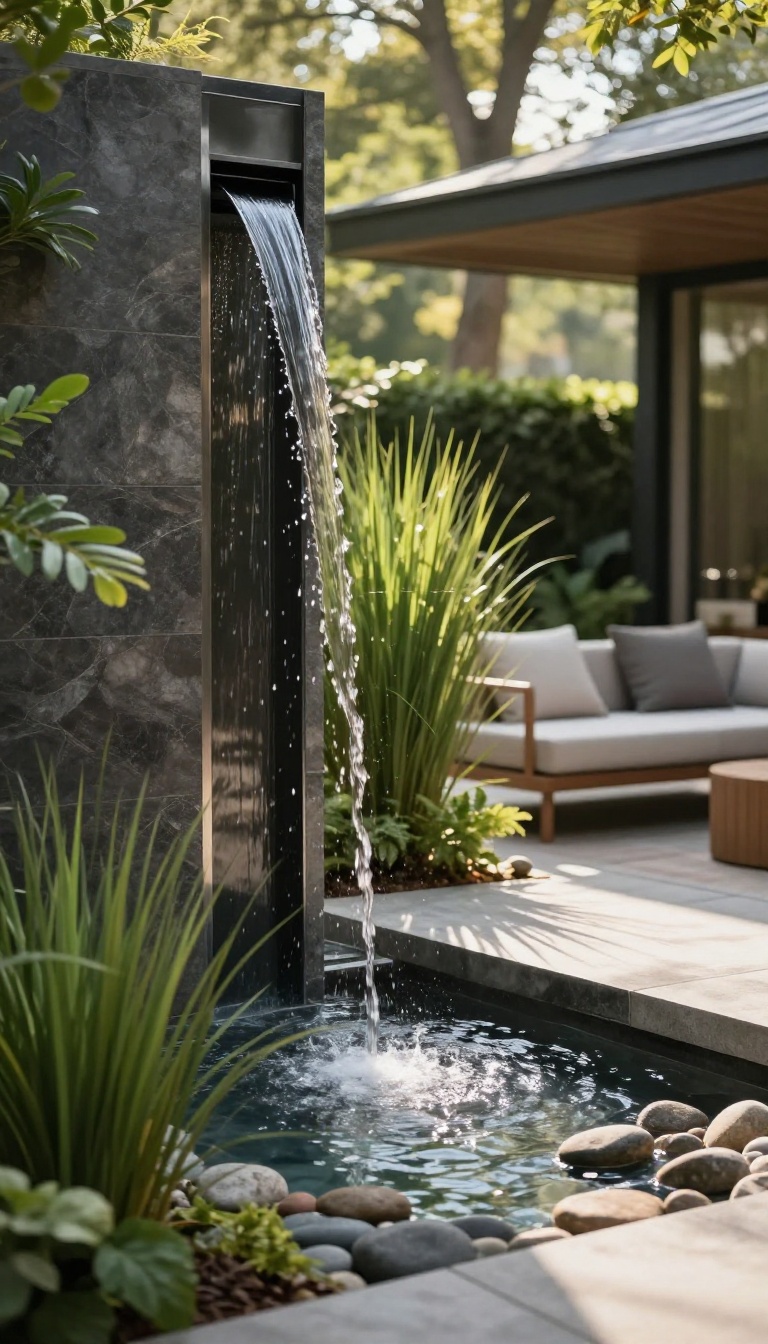
Water has a way of making a space feel calm and secluded, even when it's right next to a busy street. A tall fountain or a sleek water wall can do double duty: it blocks sightlines while filling the air with soothing sound. The result is a patio that feels like a private retreat, no matter what's happening just beyond your property line.
Why Water Works As A Privacy Screen
The sound of running water is a natural white noise that masks conversations, traffic, and other neighborhood sounds. Visually, a vertical water feature creates a solid barrier that draws the eye upward, making the space feel more enclosed. Unlike a fence, it adds movement and life, so your patio feels dynamic rather than boxed in.
Choosing The Right Water Feature
A freestanding fountain with a tall basin or a wall-mounted waterfall are both great options. If you're short on space, consider a narrow water wall that attaches to an existing fence or wall. For a more natural look, pair the water feature with plants or rocks to blend it into the landscape.
Just make sure the scale fits your patio—too small and it won't provide enough privacy, too large and it can overwhelm the space.
Installation And Maintenance Tips
Most water features are surprisingly easy to set up—many are plug-and-play, requiring only a nearby outlet and a water source for refills. Keep maintenance simple by choosing a model with a hidden reservoir and a pump that's easy to access for cleaning. Add a splash guard or adjust the flow to minimize water loss and reduce the need for frequent refills.
13. Mixed Planting Beds with Evergreens and Ornamentals
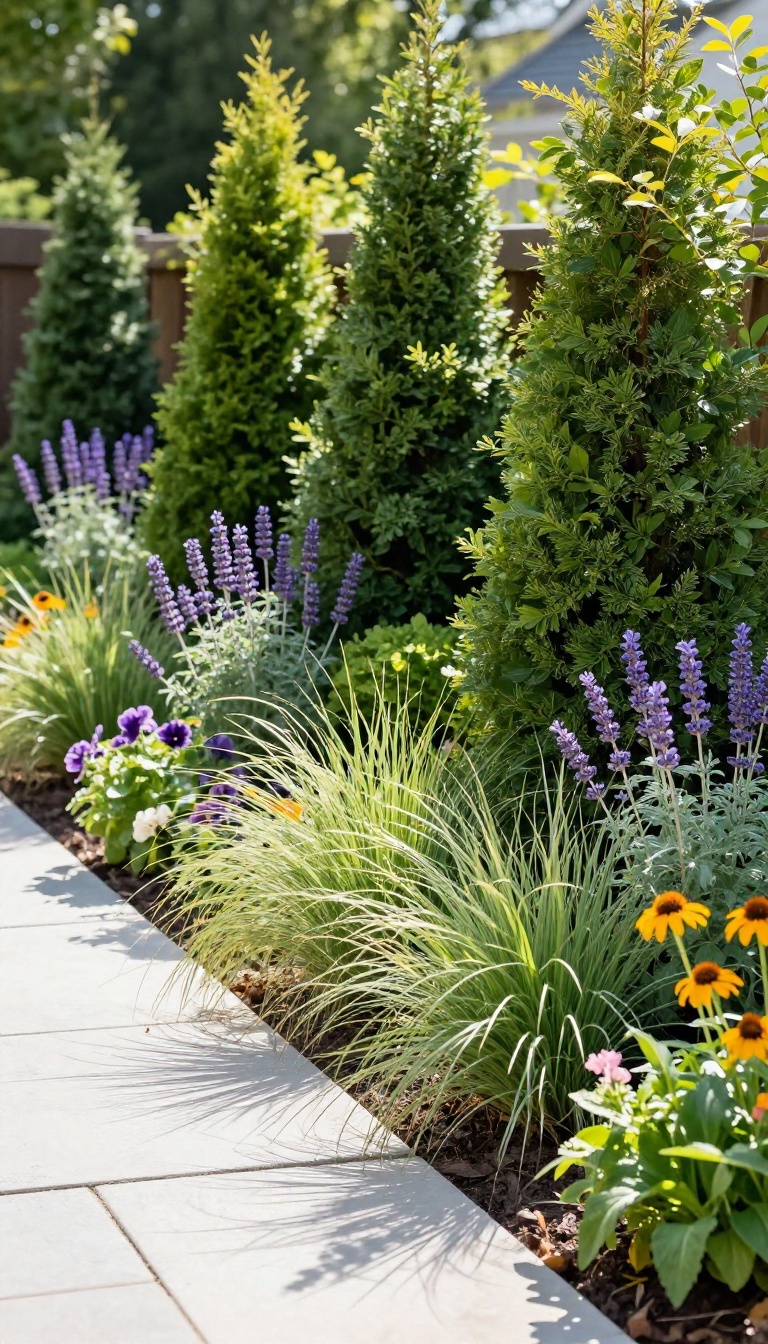
A layered planting bed does more than block sightlines—it builds a living tapestry that shifts with the seasons. By combining evergreens for structure, ornamental grasses for movement, and flowering perennials for color, you create a natural screen that feels lush, not walled in. This approach is forgiving, adaptable, and rewards you with fresh interest from spring through fall.
Start by mapping out the bed's depth. A planting strip of at least three to four feet gives you room to layer without crowding. Place taller evergreens at the back or along the fence line, then step down with mid-height grasses and low perennials in front.
This staggered silhouette softens the edge of your patio and makes the privacy feel intentional, not accidental.
Choosing The Right Evergreens
You want evergreens that respond well to pruning and stay dense near the base. Columnar varieties like 'Green Giant' arborvitae or 'Sky Pencil' holly work for tight spaces, while rounded shrubs like boxwood or inkberry offer a softer profile. Mix heights and textures to avoid a monotonous green wall—try a few upright junipers alongside mounded yews for contrast.
Adding Movement With Ornamental Grasses
Grasses bring lightness and motion that break up solid greenery. Switch grass, feather reed grass, or fountain grass sway in the breeze and catch sunlight, making the screen feel alive. Plant them in clusters of three or five for a natural drift effect.
Their plumes also add winter interest when left standing.
Infusing Color With Flowering Perennials
Perennials fill the gaps with seasonal color and attract pollinators. Choose bloom times that overlap for a long show—early spring bulbs, summer coneflowers or bee balm, and fall asters. Keep the palette cohesive by repeating a few key colors, like soft purples and whites, to tie the bed together.
Deadheading spent blooms keeps things tidy without much effort.
Maintaining Your Living Screen
This bed needs routine care to stay effective. Water deeply during the first two years to help roots establish, and apply a layer of mulch to retain moisture and suppress weeds. Prune evergreens lightly in late spring to maintain shape, and cut back grasses and perennials in late winter before new growth emerges.
With consistent attention, your planting bed will thicken and become a reliable, beautiful barrier.
FAQ
What is the fastest way to add privacy to a patio?
Outdoor curtains or bamboo rolls are the quickest to install—often in under an hour. They provide instant privacy without any permanent changes.
Are there natural privacy ideas that also attract pollinators?
Yes, planting flowering vines like honeysuckle or jasmine, or shrubs like butterfly bush, will attract bees, butterflies, and hummingbirds while creating privacy.
Can I create patio privacy without blocking the view?
Absolutely. Use semi-transparent options like lattice panels with vines, or tall grasses that sway and filter the view rather than fully blocking it.
What are the best low-maintenance plants for privacy?
Evergreen shrubs like boxwood or privet, ornamental grasses, and hardy climbers like ivy are low-maintenance and provide year-round coverage.
How can I make a privacy screen on a budget?
Repurposed pallets, bamboo rolls, or even outdoor curtains from discount stores are budget-friendly. You can also grow fast-growing annual vines for a temporary solution.
Conclusion
Balancing privacy with beauty doesn't require a fortress or a big budget. Start with one or two ideas that tackle your biggest sightline issue, then add layers like plants or fabric as you go. The goal is a space that feels tucked away and inviting, not closed off.
Pick what suits your patio's vibe and your maintenance style, and let the rest follow naturally. Before long, you'll have a retreat that feels both open and yours alone.