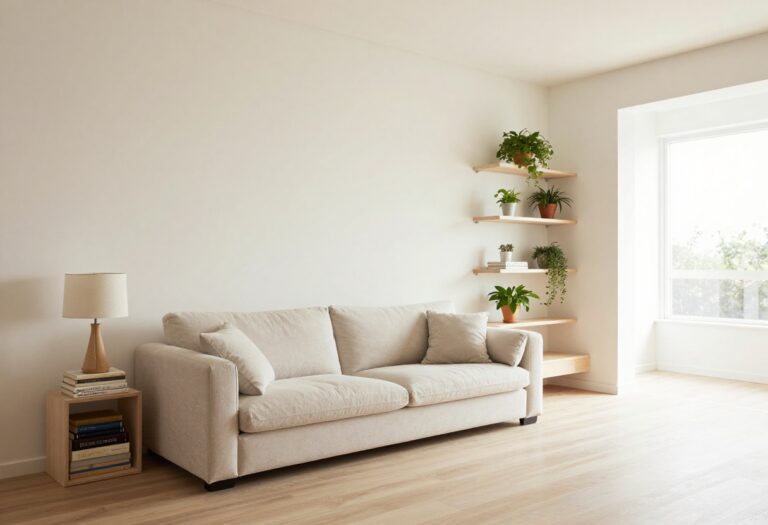
15 Small White Bedroom Ideas That Feel Bright and Airy
A small bedroom doesn't have to feel cramped, dark, or heavy. White walls, light fabrics, and a few smart swaps can make even a tiny room feel open and calm.
The good news is you don't need a renovation budget. Most of these ideas come down to color, texture, and placement, and plenty of them cost little or nothing to try.
Below are 15 small white bedroom ideas that actually work in real apartments and rentals. Pick a few, start with the easiest, and watch the room open up.
1. Go Monochrome with Warm White Walls
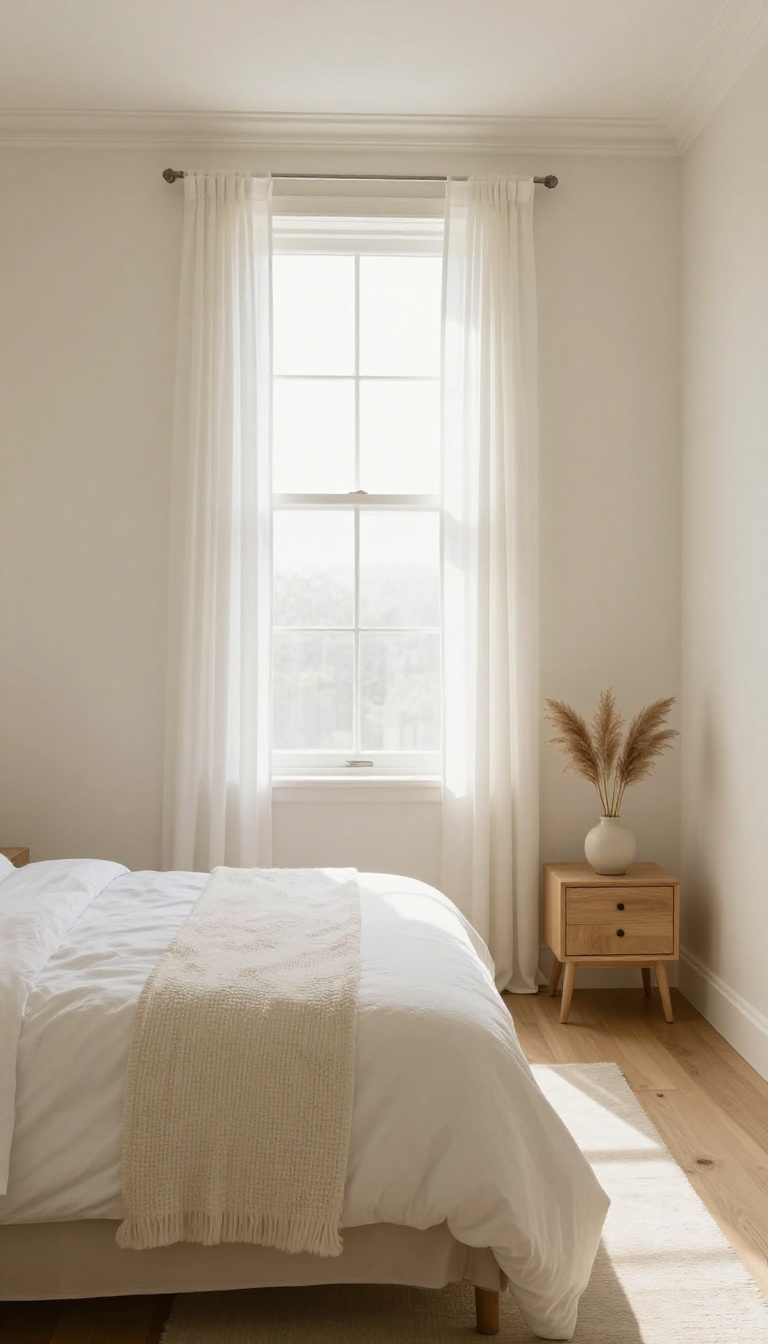
Painting your walls, trim, and ceiling the same warm white might sound boring, but it's one of the smartest tricks for a small bedroom. When everything is one color, your eye doesn't stop at the edges of the room. Instead, it glides right over them, making the space feel taller and wider.
The key is choosing a white with a hint of cream or gray, so it feels cozy instead of clinical.
You don't need to hire a pro to get this look. A few gallons of paint and a weekend are enough to transform the room. The trick is to use the exact same color on every surface—walls, baseboards, window trim, and ceiling.
That way, there are no visual breaks to chop up the space. Even the doors can get the same treatment for a seamless effect.
Pick The Right White
Not all whites are created equal. A pure, bright white can feel stark and cold in a small room. Look for whites with warm undertones—think cream, ivory, or a touch of gray.
Paint swatches like Benjamin Moore's White Dove or Sherwin-Williams' Alabaster are popular for a reason: they add warmth without going yellow. Test a few samples on the wall and check them at different times of day. The right white will make your room feel like a soft, inviting hug.
Paint Everything, Including The Ceiling
The ceiling is often forgotten, but painting it the same white as the walls is crucial. A white ceiling reflects light and makes the room feel taller. If you leave the ceiling a different color, it creates a visual line that stops the eye.
So grab a roller and extend that warm white all the way up. It's an easy upgrade that pays off big in a small space.
Add Depth With Texture
An all-white room can fall flat if you don't layer in texture. Mix in a chunky knit throw, a woven jute rug, or linen curtains. These natural materials add subtle contrast without breaking the monochrome vibe.
Even a simple white bedspread with a waffle weave can do the trick. The goal is to keep things interesting so the room feels cozy, not like a blank canvas.
2. Layer Textures with a Chunky Knit Throw
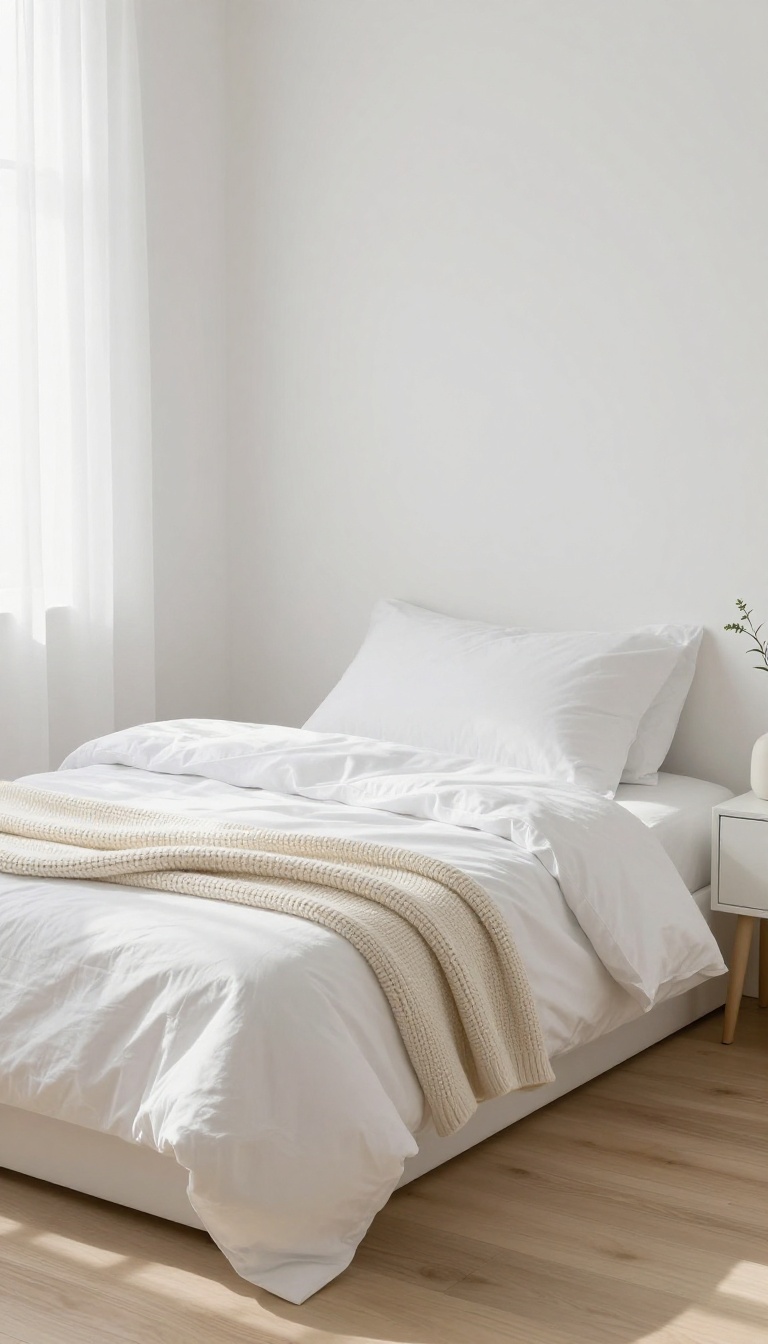
A chunky knit throw is the easiest way to add depth to an all-white bed without breaking the color scheme. It brings softness and warmth that flat sheets and duvets can't provide on their own. Plus, it's a simple swap that makes a small bedroom feel more inviting.
When your room is mostly white, texture does the work that color usually does. A chunky knit throw adds visual interest and a cozy, tactile element. It also breaks up the flatness of a white bed, making the whole space feel more layered and lived-in.
The best part? You can drape it, fold it, or stack it, and it still looks intentional.
Pick The Right Knit
Not all chunky knits are created equal. Look for a throw with a loose, open weave or a thick, ropy texture. That kind of knit catches light and shadow, which adds depth.
Avoid anything too stiff or scratchy—you want it to feel soft enough to actually use. A cotton or wool blend in a creamy white works well, but pure white is fine too if it matches your bedding.
Style It On The Bed
You don't need to overthink this. Fold the throw in thirds and lay it across the foot of the bed. Or drape it diagonally over one corner for a relaxed look.
If your bed is against a wall, try folding it neatly at the end. The goal is to add a soft, textural layer without making the bed look cluttered. One throw is usually enough for a small room.
Keep The Palette Clean
Stick with white or off-white to maintain that bright, airy feel. If you want a tiny bit of contrast, choose a throw that's a shade warmer or cooler than your bedding. But avoid introducing a bold color—it can chop up the visual space and make the room feel smaller.
The texture should be the star, not the color.
3. Use a Large Mirror to Double the Light
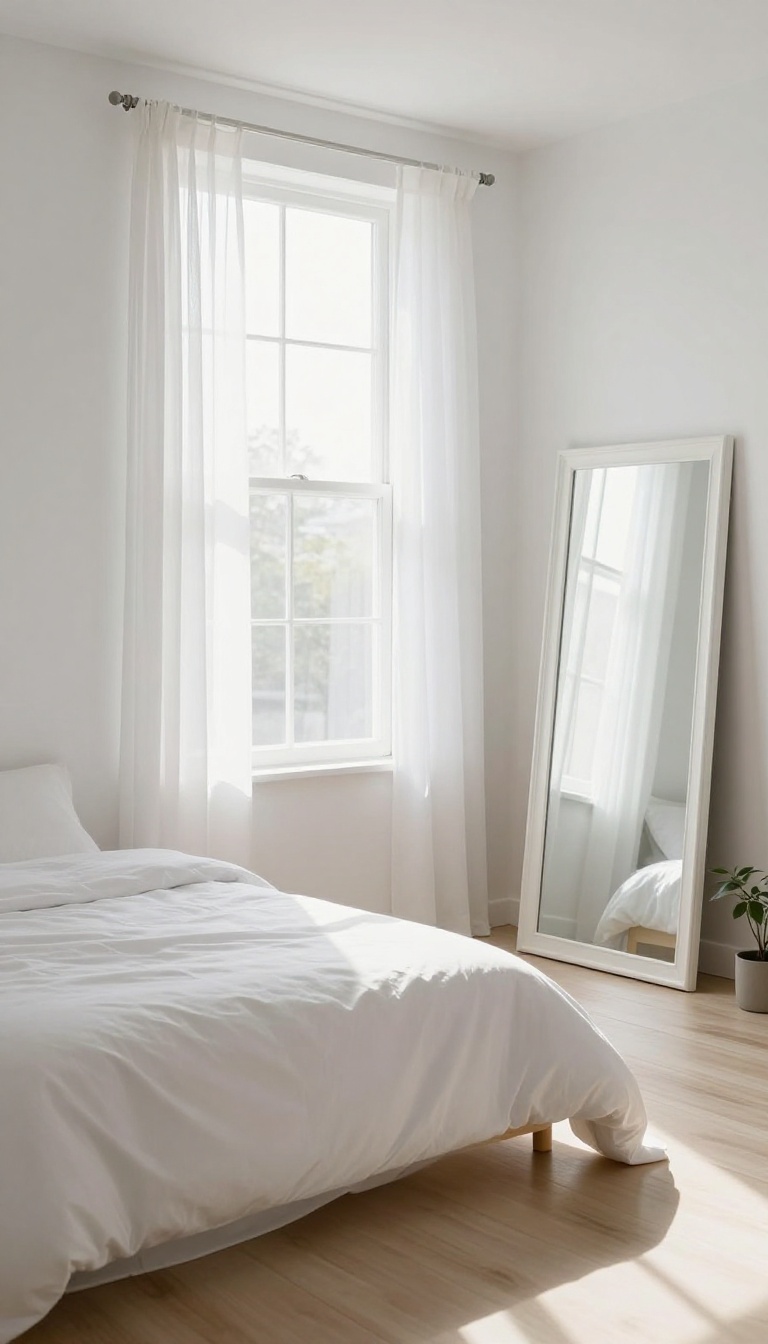
A mirror is basically a second window that you never have to clean the outside of. Lean a big one against the wall or hang it across from your main light source, and it bounces daylight around the room instead of letting it die in a corner. In a small white bedroom, that reflected light keeps the space feeling bright and open even on gray afternoons.
The trick is scale. A tiny mirror on a tiny wall just looks like a tiny mirror. A large, frameless or thin-framed mirror reads almost like an extra doorway, and that sense of depth is what makes the room feel bigger.
You do not need to spend a fortune either. Oversized mirrors show up at thrift stores, discount home stores, and online marketplaces all the time, and a simple frame is easy to paint white if it does not already match.
Where To Put It
The best spot is directly opposite a window. That way the mirror catches the brightest part of the room and throws it back at you. If your window is on a side wall, try the mirror on the opposite side wall at roughly the same height.
In a really tight room, leaning a tall mirror in a corner works too, as long as it is not blocking a door swing or your only walking path.
Lean It Or Hang It
Leaning is faster and renter-friendly. Just make sure the mirror is stable, especially if you have pets or kids, and use a safety strap or a piece of earthquake putty at the bottom edge. Hanging gives you a cleaner look and keeps the floor clear.
If you hang it, use proper anchors for the weight, because large mirrors are heavier than they look.
Keep The Reflection Clean
A mirror only helps if it is reflecting something calm. Point it at a made bed, a plant, or a plain white wall, not at a pile of laundry or a cluttered desk. You can also place a small lamp or a candle near the mirror so it doubles the warm glow at night.
One quick wipe with a microfiber cloth every week keeps the glass clear and the whole effect working.
4. Choose a Low-Profile Bed Frame
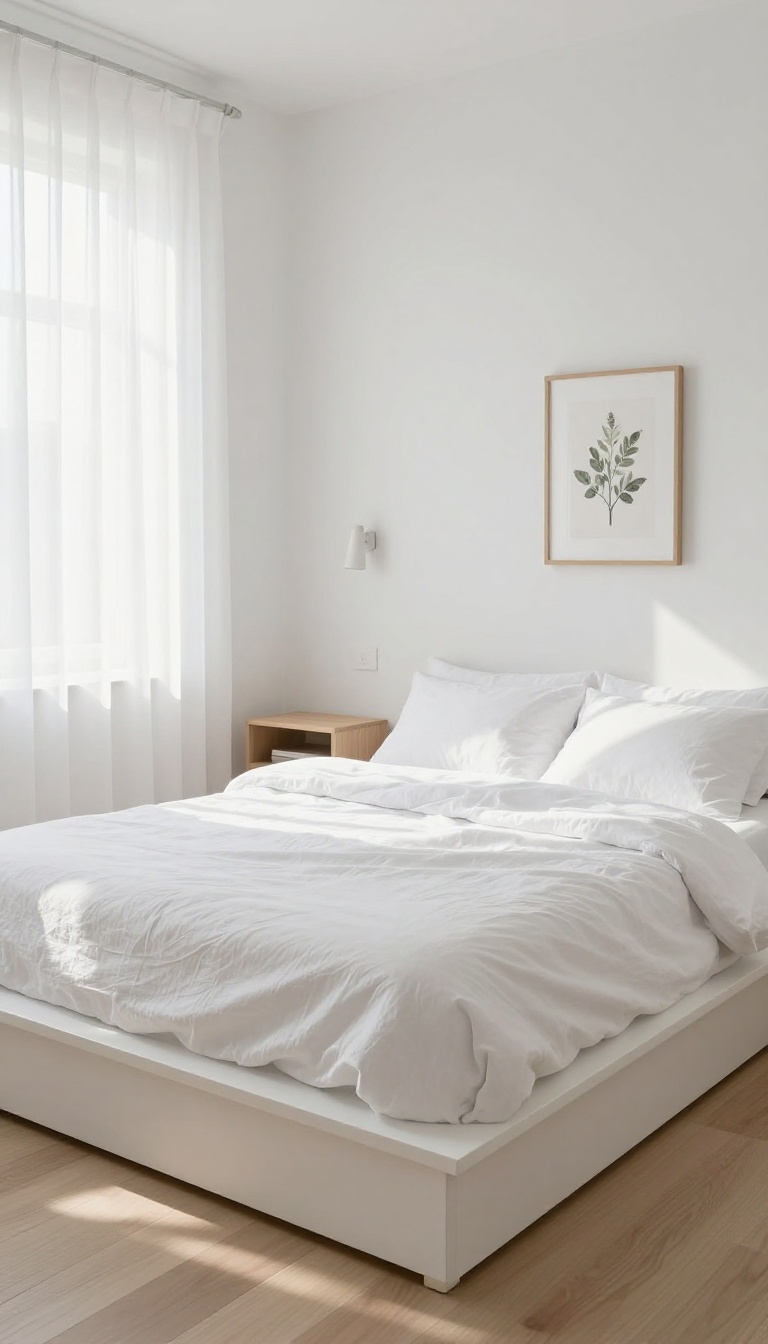
A tall, bulky bed frame can swallow a small room. It blocks sightlines, eats up visual space, and makes the ceiling feel lower than it is. Swap it for a low-profile platform bed and the whole room breathes easier.
Low frames sit close to the floor, so your eye travels across the room instead of stopping at a heavy headboard. That simple shift makes a tiny bedroom feel taller and more open. And because the bed takes up less vertical space, you get more wall above it for art, shelves, or a sconce.
You don't need to spend a fortune to get this look. Many affordable platform beds come in white or light wood, which blends right into a white-walled room. The goal is to keep the bed from dominating the space.
A low frame also changes how you use the room. With less bulk, you can move around more easily, and the bed feels like part of the floor rather than a piece of furniture looming over you. It's a small change that makes a big difference in how the room feels day to day.
Why Low Works
Low beds keep the visual weight near the floor. That leaves the upper half of the room open and airy, which tricks the eye into seeing more height. In a small bedroom, that sense of openness matters more than almost anything else.
They also make the room feel less cluttered. A tall headboard or thick footboard adds bulk you don't need. A simple low frame gets out of the way and lets the rest of the room do the talking.
Pick The Right Material
White-painted wood or metal disappears against white walls. Light oak or birch adds warmth without feeling heavy. Both keep the room bright and cohesive.
Avoid dark stains or oversized upholstered frames. They can look great in large rooms, but in a small white bedroom they create a dark anchor that pulls the eye down and makes the space feel smaller.
Make The Most Of The Wall Space
With a low bed, you free up a surprising amount of wall above it. Hang a single large piece of art, a pair of small prints, or a floating shelf for books and a small plant. Keep it simple so the wall doesn't feel busy.
If you rent and can't drill holes, lean a lightweight mirror or a framed print against the wall. It adds interest without commitment. Just make sure it's secure.
5. Float Curtains High and Wide
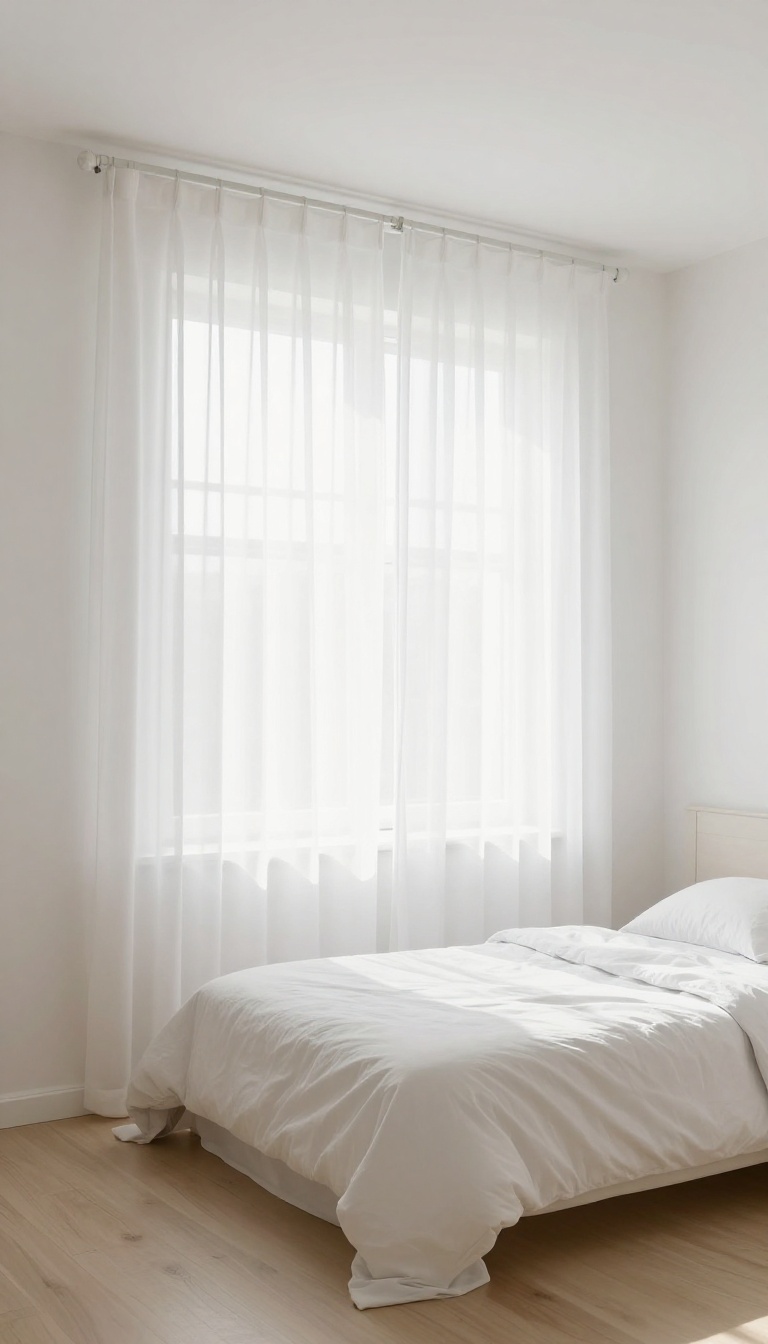
Hanging curtains right at the window frame chops the wall into smaller pieces and makes the whole room feel shorter. Instead, mount the rod a few inches below the ceiling and stretch it wider than the window on both sides. This simple shift draws the eye upward and outward, so the window reads as a bigger, brighter feature.
The trick works because it messes with proportions in a good way. A high rod adds visual height, and the extra width gives the illusion of a broader window. White sheer curtains keep the look light and let daylight filter through without blocking it.
You get a brighter wall, a taller-looking room, and zero major construction.
How High And How Wide?
Aim for the rod to sit 2 to 4 inches below the ceiling, or right at the ceiling line if your trim allows it. Extend the rod 6 to 10 inches past each side of the window frame. That extra width means the curtains can hang mostly over the wall when open, which makes the glass area look larger.
If you have a radiator or furniture under the window, just make sure the curtains still clear it.
Pick The Right Rod And Brackets
A simple white or brushed nickel rod with matching brackets keeps things clean and airy. Look for adjustable rods so you can get that wider span without hunting for a custom size. If you rent, use removable adhesive brackets or tension rods that don't require drilling.
Just check the weight limit, because sheers are light but you still don't want them crashing down.
Sheers That Stay Bright
White linen, voile, or cotton sheers are your best bet. They let light through while softening the window edge. Hang them from rings or a rod pocket, and let them just kiss the floor or stop a half-inch above it.
Skip heavy blackout panels here unless you need them for sleep, because they'll kill the airy vibe you're after.
6. Add a Slatted Wood Room Divider
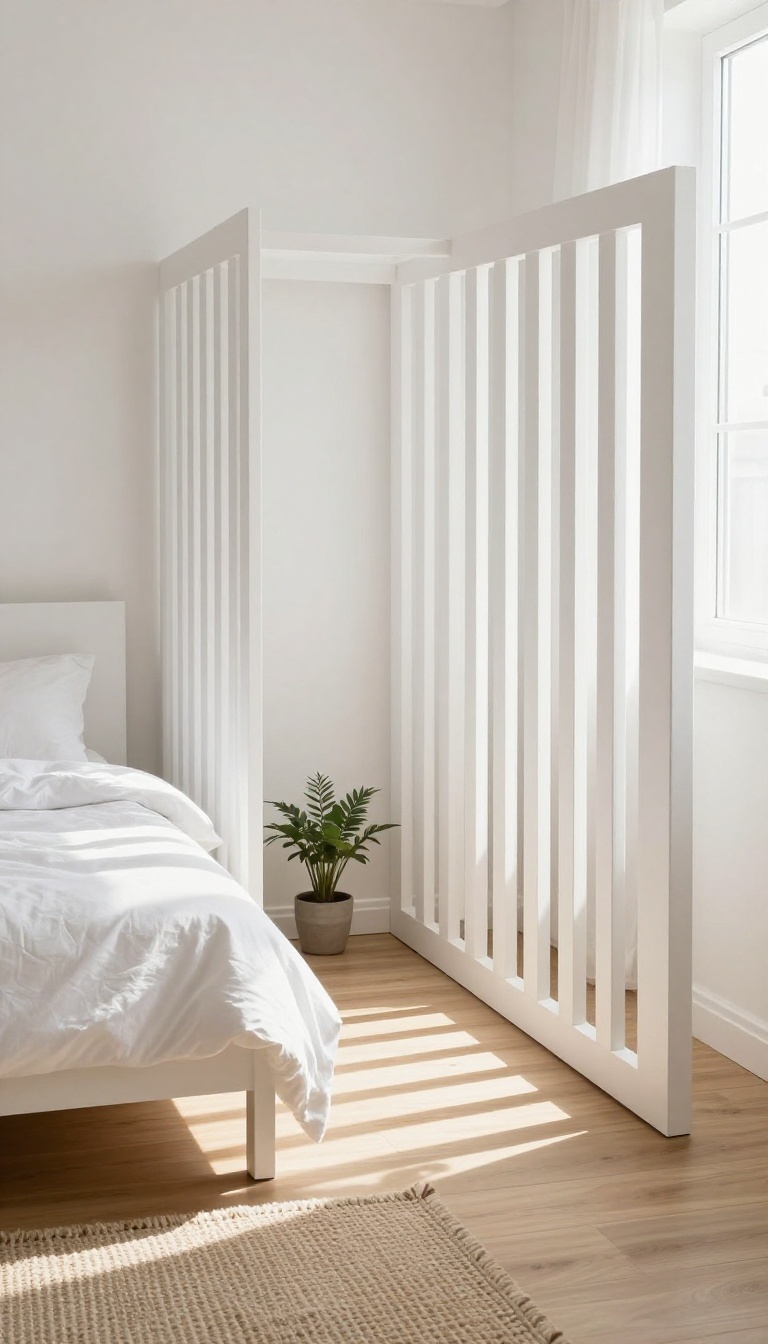
A slatted wood divider painted white gives you the best of both worlds: it breaks up the room without blocking the light. It's a simple way to carve out a sleep zone in a studio or shared space, and it adds a touch of architectural interest that feels intentional. Unlike solid walls or heavy curtains, slats let air and light move through, so the room stays bright and airy.
You don't need a full wall to create separation. A slatted divider does the job with a fraction of the visual weight. It's especially handy if you're renting and can't make permanent changes.
Plus, white paint keeps the divider from feeling like a dark obstacle.
Why Slats Work In Small Rooms
Slats create a visual barrier without blocking light or airflow. That means your bedroom still feels open and connected, but you get a sense of privacy. The vertical lines also draw the eye upward, making the ceiling feel higher.
And because they're painted white, they blend into the background instead of competing with your decor.
How To Place It
Position the divider so it separates the bed from the main living area, but leave a gap on one side for easy access. If you have a window, angle the divider so it doesn't block the light. In a shared room, you can use it to create two distinct zones without building a wall.
Just make sure it doesn't crowd the space—leave at least a foot of breathing room around it.
Diy Or Buy?
You can buy ready-made slatted dividers in various sizes, or build your own with a few pine boards and a coat of white paint. A simple frame with evenly spaced vertical slats is a weekend project. If you're not handy, look for freestanding screens with a slatted design.
Either way, keep the finish matte or satin so it doesn't glare.
7. Keep Nightstands Light and Leggy
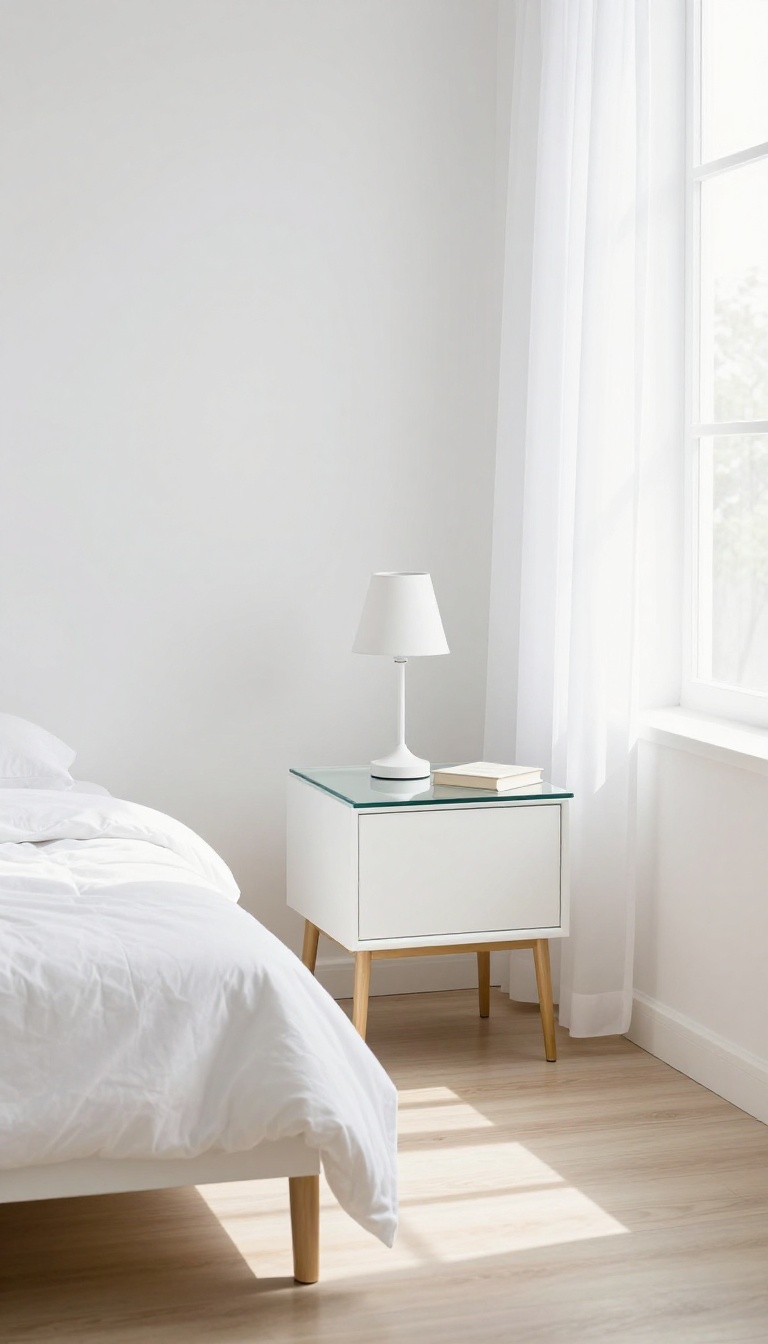
Bulky nightstands can quietly eat up floor space and make a small white bedroom feel heavier than it needs to. Swap them for pieces with open legs or floating shelves, and you instantly gain a sense of airiness. The floor stays visible, light travels underneath, and the whole room breathes a little easier.
When you can see the floor under your nightstand, your eye reads the room as larger. That's why leggy designs and wall-mounted options work so well in tight spaces. They also keep the white palette from feeling flat by adding subtle shadow and depth.
You don't need to spend much—simple metal or wood frames with a white or glass top do the job beautifully.
Why Leggy Beats Bulky
A solid, closed nightstand creates a visual block that stops the eye and shrinks the room. Open legs let light pass through and keep the floor plane continuous. That small gap underneath makes a surprising difference in how spacious the room feels.
Best Materials For An Airy Look
White-painted wood, clear acrylic, and glass tops all but disappear against a white wall. Metal frames in white or light brass add just enough definition without weight. Avoid dark, heavy wood or thick marble slabs that anchor the eye downward.
Floating Shelves As Nightstands
A simple wall-mounted shelf does everything a nightstand does—holds a lamp, a book, your phone—without touching the floor. Mount it at mattress height and keep it shallow, around 8 to 10 inches deep. It's a clean, minimal solution that costs very little.
Styling Without Clutter
Keep the top surface mostly clear. One small lamp, a single book, and maybe a tiny plant or candle are plenty. The emptier the surface, the more open the whole corner feels.
Let the leggy frame do the talking.
8. Swap Heavy Drapes for Sheer White Panels
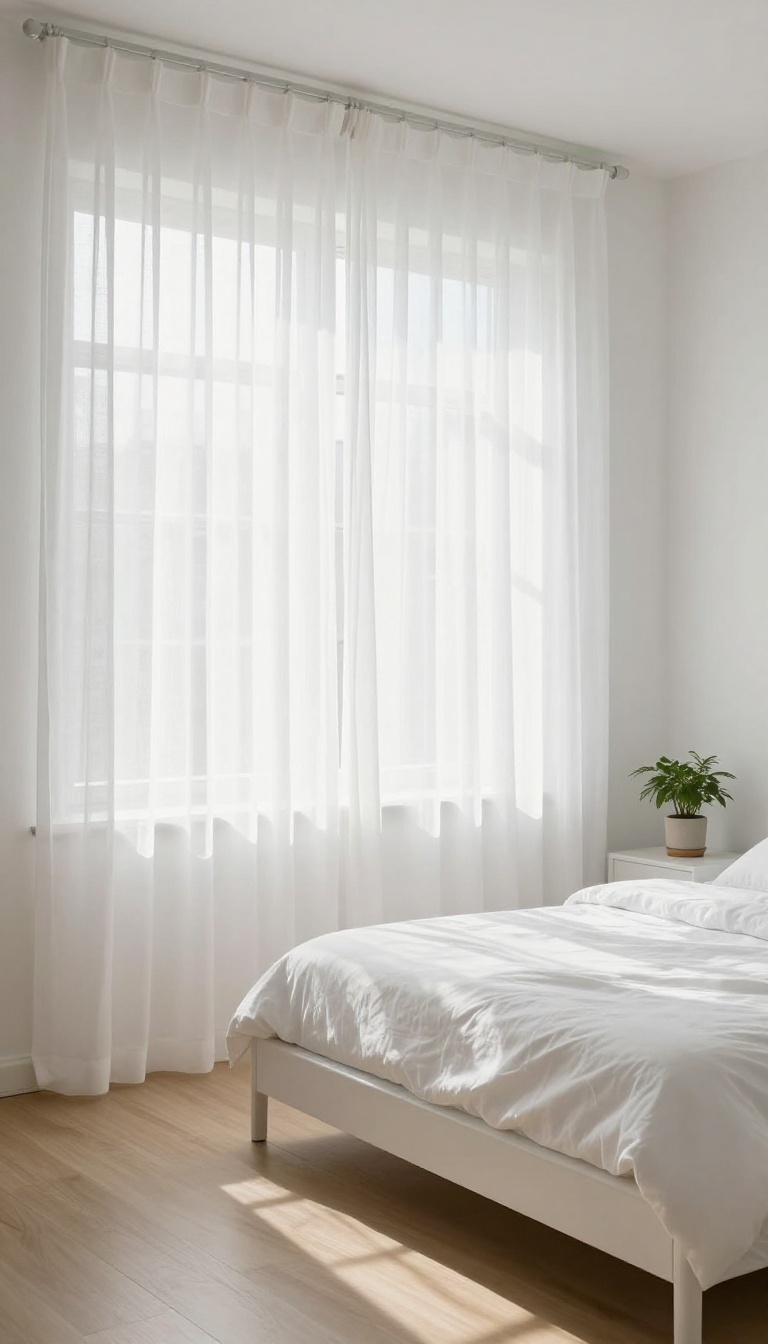
Dark, heavy curtains can make even a white bedroom feel like a cave. They block light, add visual weight, and shrink the window down to a small, dark rectangle. Swap them for sheer white panels and the whole room changes.
Light comes through softly instead of disappearing, and the walls feel taller and lighter.
Sheer panels don't just filter light; they change how the room feels at every hour. In the morning, they diffuse harsh sun into a gentle glow. In the evening, they keep the space feeling open instead of closed off.
And because they're white, they blend into the walls and make the window area feel like part of the room, not a dark hole in it.
Why Sheer Works In Small Rooms
Sheer fabric lets light pass through while still giving you privacy. That means you can keep the curtains closed during the day and still get a bright, airy feel. Heavy drapes do the opposite—they force you to choose between light and privacy.
In a small bedroom, that trade-off makes the room feel smaller than it is. Sheers solve it without any effort.
Pick The Right Fabric And Length
Go for linen blends, voile, or lightweight cotton in pure white or off-white. Avoid anything with a shiny finish—it can look cheap and reflect light in a harsh way. For length, hang them from just below the ceiling to the floor.
That extra height draws the eye up and makes the ceiling feel higher. If you have low ceilings, this trick alone can make a big difference.
Hang Them High And Wide
Mount the rod a few inches below the ceiling and extend it several inches past the window frame on each side. This makes the window look wider and lets in more light when the curtains are open. It also creates a soft, continuous line that makes the wall feel taller.
Use a simple white or light wood rod—nothing bulky or ornate.
Layer For Flexibility
If you need more darkness for sleeping, add a slim roller shade or a second, lighter-weight curtain in a soft white or pale gray behind the sheers. Keep the heavy layer pulled up or tied back during the day. That way you get the best of both worlds: bright and airy by day, dark and cozy at night.
Just make sure the sheer layer stays the star.
9. Use a White Upholstered Headboard for Softness
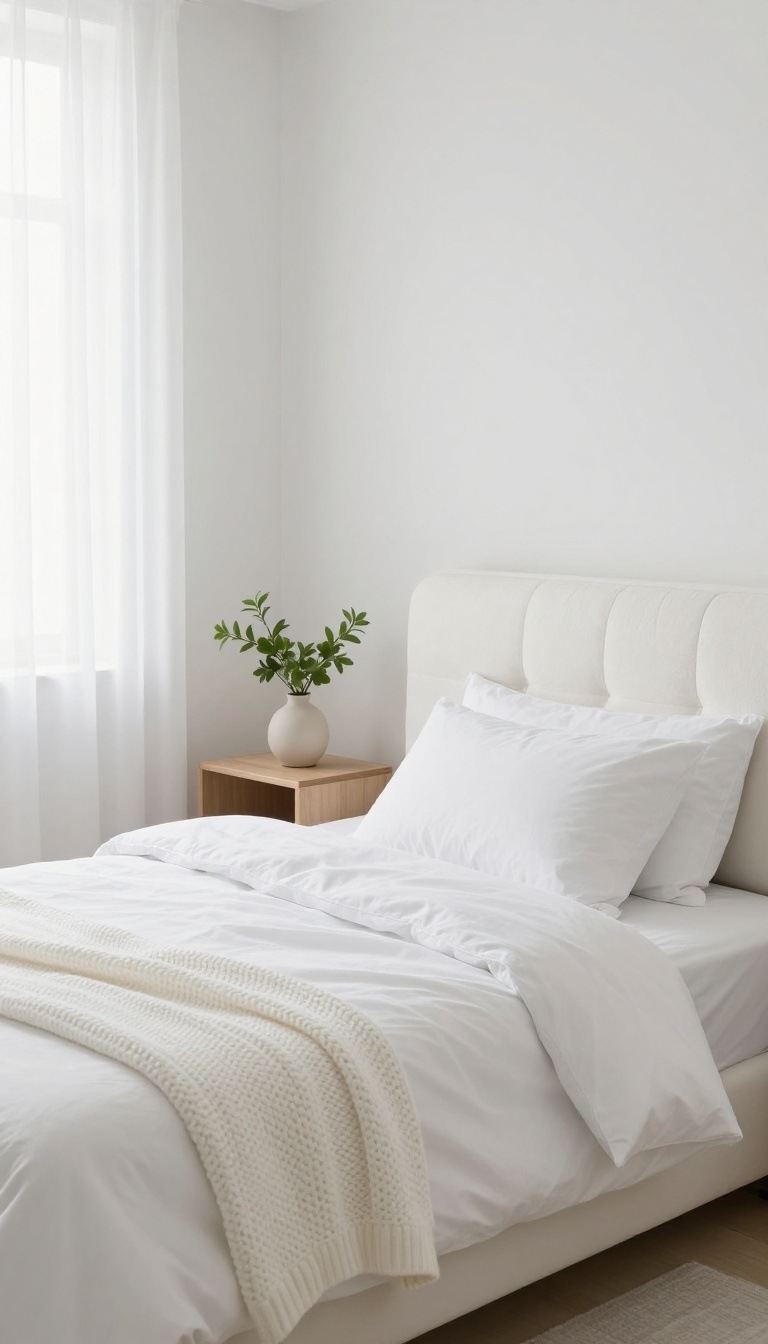
A white upholstered headboard brings a soft, plush feel to a small bedroom without adding visual weight. It's a simple swap that instantly makes the bed look more inviting and hotel-like. Unlike wood or metal, fabric absorbs sound and softens the room's edges, which helps a small space feel calmer.
And because it's white, it blends right into the walls, keeping the room bright and open.
If your bed currently has a bare metal frame or a dark wooden headboard, you're missing an easy opportunity to add comfort and style. A white fabric headboard acts like a soft anchor for the room, drawing the eye without dominating it. It also gives you a chance to introduce texture—think linen, velvet, or bouclé—which adds depth while staying light and airy.
One of the best things about a white upholstered headboard is how versatile it is. It works with almost any bedding, from crisp cotton to chunky knits, and it never clashes with your wall color. Plus, it's a practical choice for renters: many headboards come as slipcovers or attach to the wall with adhesive strips, so you can take it with you when you move. ### Choosing the Right Fabric Not all white fabrics are created equal, especially in a bedroom where you'll be leaning back to read or watch TV.
Look for performance fabrics like polyester blends or treated cotton that resist stains and fading. If you want a natural look, linen is beautiful but wrinkles easily—a linen-cotton blend gives you the best of both. For easy maintenance, choose a headboard with a removable, machine-washable cover.
That way, you can keep it looking fresh without stressing about spills or dust. And if you have pets, consider a tight weave like microsuede or a leather alternative that wipes clean. ### Picking the Right Height and Shape A headboard that's too tall can overwhelm a small room, while one that's too short looks unfinished. Aim for a headboard that extends about 4 to 6 inches above your mattress.
That height gives you comfortable back support without blocking too much wall space. As for shape, a simple rectangular or gently curved headboard keeps the look clean and modern. If you want a touch of elegance, a subtle wingback or camelback design adds interest without bulk.
Just avoid overly ornate details that can make a small space feel busy. ### Styling Around Your New Headboard Once your headboard is in place, treat it as a blank canvas. Layer white bedding with different textures—a waffle-weave blanket, a chunky knit throw, and a few mix-and-match pillows—to add warmth and coziness. Keep the rest of the room uncluttered so the headboard remains the star.
If you have wall space above the bed, a single piece of art or a floating shelf with a small plant can finish the look. But don't overdo it; in a small white bedroom, less really is more.
Choosing The Right Fabric
Not all white fabrics are created equal, especially in a bedroom where you'll be leaning back to read or watch TV. Look for performance fabrics like polyester blends or treated cotton that resist stains and fading. If you want a natural look, linen is beautiful but wrinkles easily—a linen-cotton blend gives you the best of both.
For easy maintenance, choose a headboard with a removable, machine-washable cover. That way, you can keep it looking fresh without stressing about spills or dust. And if you have pets, consider a tight weave like microsuede or a leather alternative that wipes clean.
Picking The Right Height And Shape
A headboard that's too tall can overwhelm a small room, while one that's too short looks unfinished. Aim for a headboard that extends about 4 to 6 inches above your mattress. That height gives you comfortable back support without blocking too much wall space.
As for shape, a simple rectangular or gently curved headboard keeps the look clean and modern. If you want a touch of elegance, a subtle wingback or camelback design adds interest without bulk. Just avoid overly ornate details that can make a small space feel busy.
Styling Around Your New Headboard
Once your headboard is in place, treat it as a blank canvas. Layer white bedding with different textures—a waffle-weave blanket, a chunky knit throw, and a few mix-and-match pillows—to add warmth and coziness. Keep the rest of the room uncluttered so the headboard remains the star.
If you have wall space above the bed, a single piece of art or a floating shelf with a small plant can finish the look. But don't overdo it; in a small white bedroom, less really is more.
10. Incorporate Open Shelving for Display
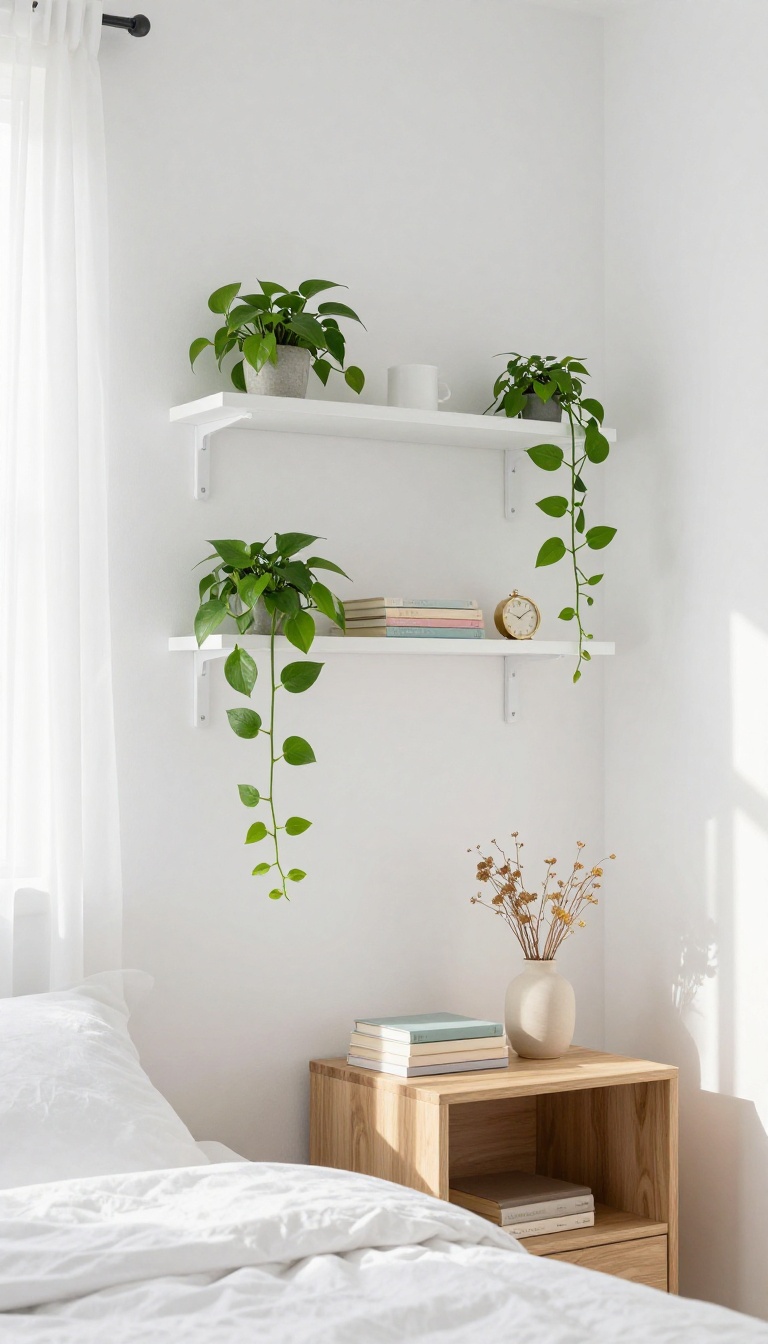
Open shelving might be the easiest way to add storage without adding visual weight. Instead of a bulky bookcase or closed cabinet, you mount a few white floating shelves on the wall. They hold your stuff, but they also let the wall breathe.
This works especially well in a small white bedroom because the shelves blend right into the background. Your books, plants, and little treasures become the focus, not the furniture. The room stays bright and airy while still feeling personal and lived-in.
Floating shelves are simple, affordable, and surprisingly versatile. You can put them almost anywhere—above a desk, beside the bed, or even high up near the ceiling. The key is to keep them light and uncluttered so they don't start to feel heavy.
When you choose white shelves, they practically disappear against a white wall. That means your display items pop without the shelf itself demanding attention. It's a subtle trick that keeps the room feeling open instead of packed.
You don't need a lot of shelves to make an impact. Two or three well-placed ones are usually enough. And because they're open, they don't block light or make the room feel boxed in.
Here's how to make open shelving work in your small white bedroom.
Pick The Right Spot
Place shelves where they won't crowd your movement. Above a nightstand or desk is a natural choice. If you have a narrow wall, a single long shelf can add storage without eating floor space.
Avoid hanging shelves too low where you might bump your head. And don't stack them too close together—leave breathing room so the wall still feels open.
Style Without Clutter
Treat each shelf like a tiny gallery. Mix a few books, a small plant, and one or two decorative objects. Leave some empty space so the shelf doesn't look stuffed.
Group items in odd numbers for a relaxed look. And vary heights—a tall vase next to a short stack of books keeps things interesting.
Keep It Light And White
Choose white or light wood shelves to match your walls. That way they blend in and don't break up the visual flow. If you want a little contrast, a pale gray or natural wood tone can work too.
Use white or glass decor where possible. Clear glass jars, white ceramics, and light-colored books all contribute to that airy feel.
Install With Confidence
Floating shelves need secure mounting. Use wall anchors rated for the weight you plan to put on them. If you're renting, look for damage-free options or ask your landlord first.
A level is your best friend here. Even a slight tilt will be noticeable. Take your time, measure twice, and you'll have shelves that look built-in.
11. Choose a White Ceiling Fan with a Light
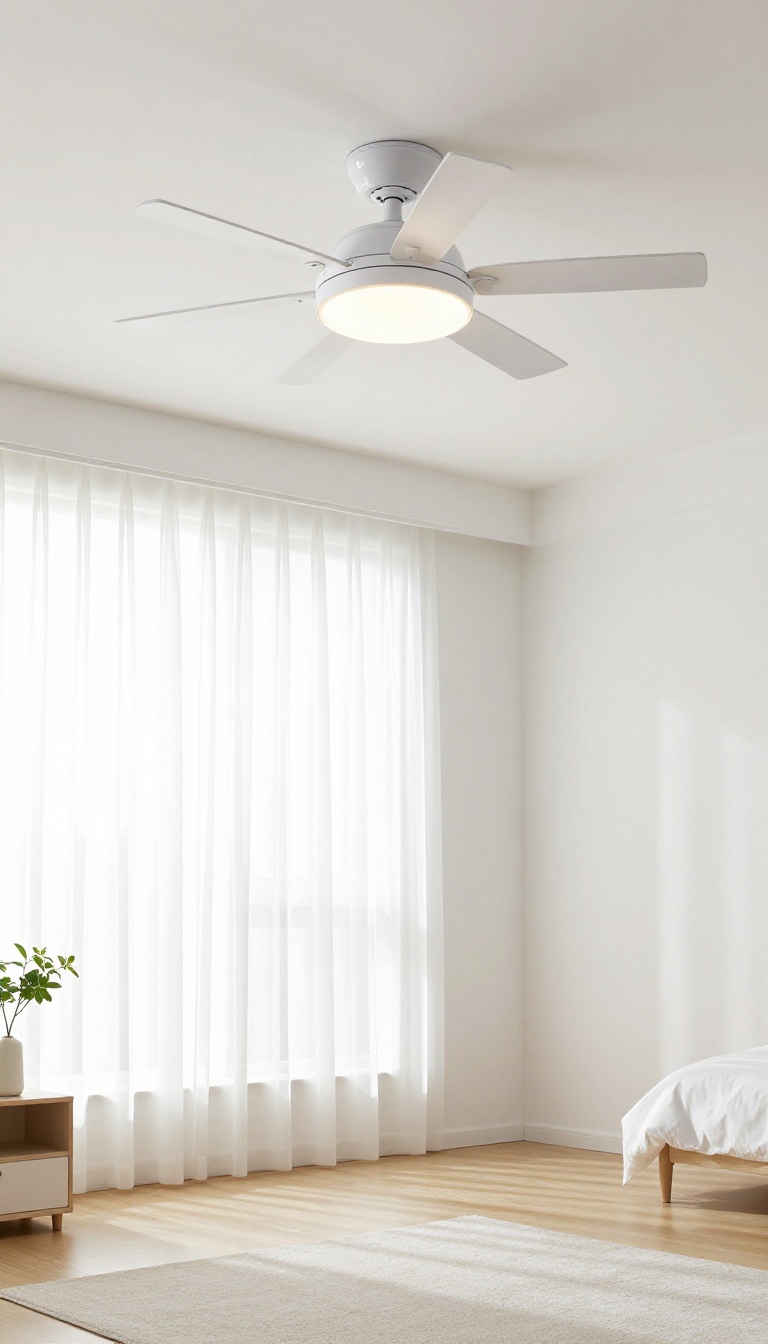
A white ceiling fan with a light does two jobs at once: it moves air and brightens the room. In a small white bedroom, that combo is a quiet win. You get comfort and light without adding another bulky fixture.
Ceiling fans used to be an afterthought, but a white one can actually blend into the ceiling and almost disappear. That's exactly what you want in a small space. It keeps the room feeling open while still giving you airflow and overhead light.
Instead of a chunky pendant or a separate floor lamp, you get one streamlined piece. The white finish matches your walls and ceiling, so your eye doesn't stop there. The room feels taller and cleaner, not busier.
Why White Works On The Ceiling
White blends with most ceilings, especially if you paint them the same shade. That makes the fan feel less like a statement and more like part of the architecture. In a small room, that visual quiet matters.
It also bounces light around instead of blocking it. A dark fan can create a heavy shadow overhead, but a white one keeps things bright. You get the function without the visual weight.
Get The Size And Height Right
For a small bedroom, a fan that's 36 to 44 inches wide usually works well. Too big and it overwhelms the room; too small and it won't move enough air. Check the room's square footage before you buy.
Hang it high enough that you don't feel like you'll bump your head. Most ceilings need about 7 to 8 feet of clearance from the floor to the fan blades. If your ceiling is low, look for a flush-mount or hugger style.
Light Without The Bulk
Choose a fan with an integrated LED light, not a separate bulb kit that hangs down. Integrated lights stay low-profile and give you even, soft illumination. Look for a frosted white glass shade so the light feels diffused, not harsh.
A dimmable option is worth it. You can go bright for getting dressed and low for winding down. That flexibility is huge in a small bedroom where one light has to do everything.
Keep It Quiet And Easy To Control
A noisy fan defeats the purpose in a small room. Look for a model with a DC motor, which runs quieter and uses less energy. Read reviews about noise level before you commit.
A remote control is a small upgrade that makes a big difference. You won't have to reach up or get out of bed to change the speed or turn off the light. It's one of those details that makes the room feel more finished.
12. Add a Gallery Wall with White Frames
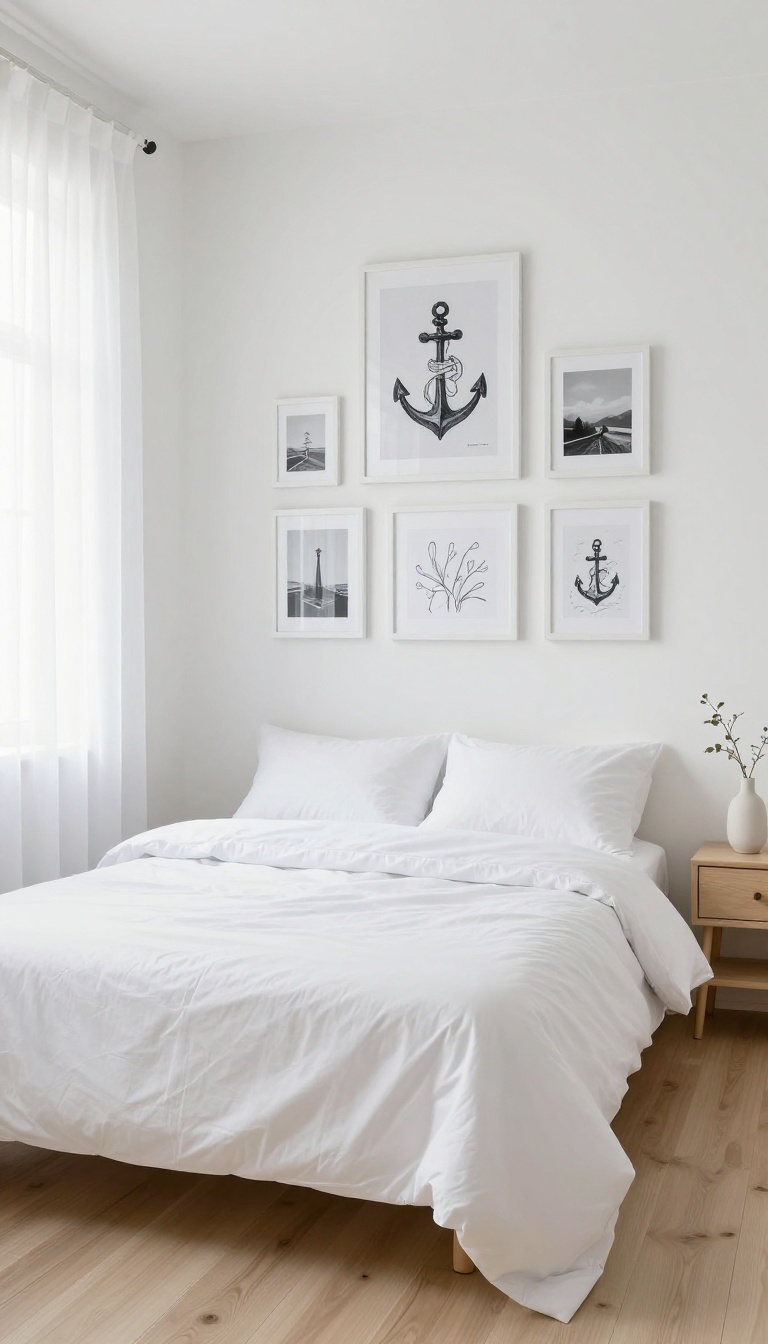
A bare white wall can look calm, but it can also look unfinished. A gallery wall fixes that without introducing heavy, dark borders that shrink the room. The trick is sticking to white frames so the art does the talking and the wall stays bright.
White frames blend into a white wall, which sounds like they'd disappear. In practice, they do the opposite. The frame edges fade, and your eye lands on the art itself, so the whole arrangement reads as one soft, airy shape instead of a grid of dark boxes.
That's the real win in a small bedroom. Dark frames create hard outlines that chop up the wall and make it feel busier than it is. White frames keep everything light and cohesive, even when you mix photos, prints, and sketches.
You also get flexibility. Swap one print, add another, and the wall still looks intentional because the frames tie it together.
Mix Sizes, Keep The Frames The Same
Vary the art sizes so the wall feels collected rather than catalog-ordered. Keep every frame white and you can go as mismatched as you like with the contents. A good starting point is one large anchor piece surrounded by smaller ones.
It gives the eye somewhere to land first.
Plan The Layout On The Floor
Lay everything out on the floor or a large sheet of paper before you touch a nail. Move pieces around until the spacing feels even, roughly two to three inches apart. Snap a photo of the final layout.
It makes hanging way easier and saves you from patching extra holes.
Hang At The Right Height
Aim for the center of the arrangement to sit around eye level, usually 57 to 60 inches from the floor. In a bedroom, you can also anchor it above the bed or a dresser. Keep the bottom edge a few inches above furniture so it doesn't feel crowded.
Keep The Art Light Too
White frames work best with art that doesn't fight them. Black-and-white photos, pale abstracts, and simple line drawings all fit the bright theme. You can sneak in one or two bolder pieces for contrast.
Just let the white frames do the calming work around them.
13. Use a White Area Rug to Ground the Space
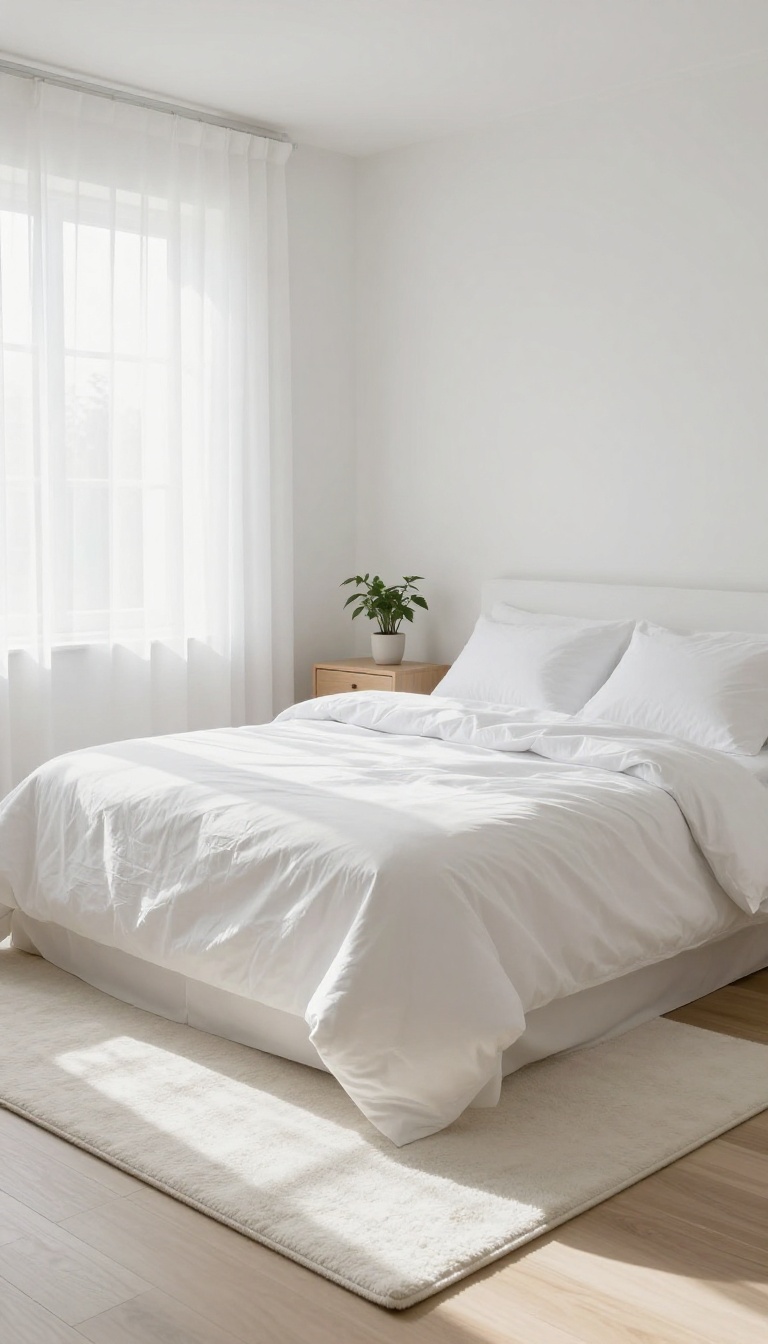
A white area rug might sound like a magnet for stains, but in a small bedroom it can be the piece that pulls everything together. It adds softness underfoot, warms up cold floors, and gives the eye a clear boundary so the room feels intentional rather than unfinished. The trick is picking the right material and size for a tight footprint.
In a small white bedroom, a rug does more than look pretty. It anchors the bed, defines the sleeping zone, and adds a layer of texture that keeps all that white from feeling sterile. Without one, a bare floor can make the room feel echoey and a bit cold, especially in rentals with basic flooring.
The key is to treat the rug as a foundation, not a focal point. You want it to blend with the white walls and bedding while still adding a subtle contrast that makes the space feel grounded. A white or cream rug does exactly that without chopping the room into visual pieces.
Pick The Right Size For A Small Room
In a tiny bedroom, a rug that's too small looks like a bath mat lost on the floor. Aim for a rug that extends at least 18 to 24 inches beyond the sides and foot of your bed. If the room is really tight, a runner along the side of the bed works too, but only if it spans most of the bed's length.
For a full or queen bed, a 5×8 rug usually fits well in a small room. If you have a twin, a 4×6 can work. Just make sure you're not covering every inch of floor, because seeing a border of flooring around the rug actually makes the room feel bigger.
Choose Low-pile Or Flatweave For Easy Care
High-pile shag rugs look cozy, but in a small bedroom they trap dust and are a pain to vacuum. Low-pile and flatweave styles are much easier to keep clean, and they lie flatter so doors glide right over them. Look for materials like cotton, jute, or a polypropylene blend that you can spot-clean.
A flatweave also has a lower profile, which means less tripping and more visual space. It won't dominate the room, and it won't fight with your bedding or curtains. That's exactly what you want in a small white space.
Keep The Look Soft And Layered
A white rug doesn't have to be stark white. Cream, ivory, or a very light gray works just as well and hides minor smudges better. You can also layer a smaller textured rug on top of a larger flatweave for extra softness near the bed.
To keep things airy, stick with one or two subtle patterns, like a thin stripe or a faint geometric. Too much pattern in a small room can feel busy. And if you're worried about stains, choose a rug with a bit of a heathered or speckled look, which is far more forgiving than solid white.
14. Maximize Light with a White Bedding Set

Your bedding takes up more visual space than almost anything else in a small bedroom. So when it's all white, it bounces light around the room instead of soaking it up. That's why hotel beds feel so bright and open, even in compact rooms.
Swapping to an all-white set is one of the cheapest, fastest changes you can make. No tools, no painting, just a fresh look that makes the whole room feel bigger.
White sheets, a white duvet, and white pillowcases create a clean, crisp base that reflects daylight instead of absorbing it. In a small room, that reflection matters. It keeps corners from feeling shadowy and helps the walls and ceiling read as one bright, continuous space.
You don't need expensive bedding to get the effect. A simple white cotton or microfiber set does the job. The key is keeping the whole bed white, top to bottom, so your eye isn't stopping at a dark comforter or a busy pattern.
Why All-white Works
Dark or patterned bedding creates a heavy visual block in the middle of the room. White bedding does the opposite. It blends with white walls and lets light travel across the bed instead of getting trapped.
It also makes the room feel taller. When your bedding matches your walls, there's no hard line breaking up the space. The result is a soft, airy look that feels intentional, not empty.
Add Texture, Not Color
An all-white bed can start to feel flat if everything is the same fabric. That's where a textured white quilt comes in. A waffle weave, quilted cotton, or chunky knit throw adds depth without adding color.
Layer it at the foot of the bed or fold it across the middle. You get subtle contrast, a little coziness, and zero visual weight. It's the easiest way to keep white bedding from looking boring.
Keep It Crisp
White bedding shows wrinkles and stains more than darker sets, so a little upkeep goes a long way. Wash it weekly, and keep a stain remover pen nearby for quick fixes. Smooth the duvet each morning and fluff your pillows.
Those two minutes make the whole room look pulled together. A neat white bed reads as calm and spacious, even in a tiny space.
15. Add Greenery in White Planters
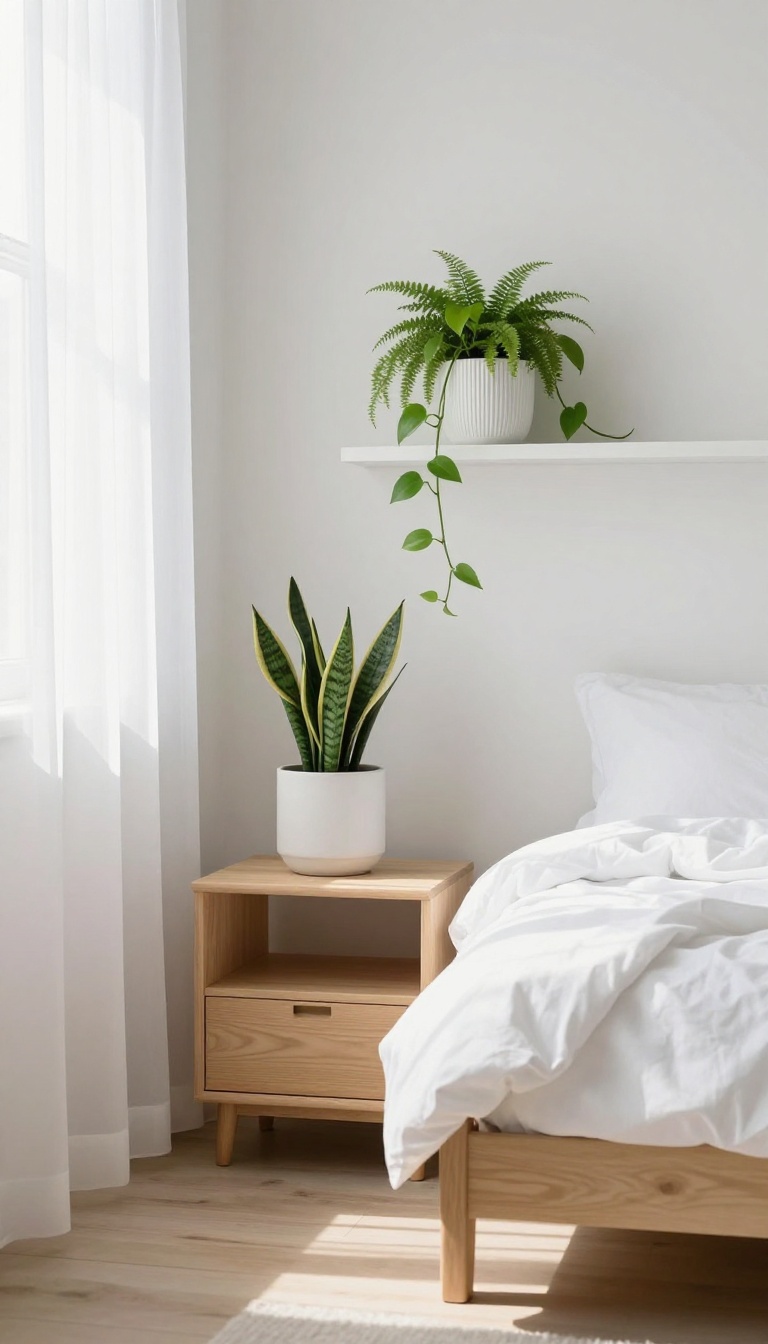
Plants do something no pillow or throw blanket can. They add life to a room that leans heavily on white, and they do it without demanding much space. The trick is the pot.
A white planter keeps the look clean and lets the green do the talking. That way you get color and freshness without the visual clutter that mismatched containers can create. A few small plants are usually enough.
This is one of those ideas where less really does more, especially in a tight room.
A small bedroom can handle greenery as long as you keep the scale modest. One plant on a nightstand, one on a shelf, and maybe one near the window is plenty. Each one adds a soft hit of green that breaks up all the white without making the room feel busy.
White planters tie the whole thing together. They blend into the walls and bedding, so your eye reads the leaves first, not the pots. That keeps the airy feeling intact while still giving the room a little personality.
Pick Plants That Stay Small
You want plants that look good at desk size, not jungle size. A pothos, a small snake plant, or a compact ZZ plant all work well and forgive the low light that many small bedrooms have. Succulents and small ferns are good picks too.
Just avoid anything that grows fast and wide, because a plant that outgrows its spot will start to feel crowded in a room this size.
Match The Pots To The Room
White ceramic, matte white plastic, or even a white woven basket all keep the palette consistent. If you want a little texture, choose pots with a subtle ribbed or speckled finish instead of switching colors. Group two or three pots of different heights on one surface.
That small cluster reads as intentional and takes up less room than scattering plants around the whole bedroom.
Keep Them Easy To Care For
Plants that need constant attention can turn a relaxing room into a chore. Choose varieties that tolerate a missed watering and don't mind average indoor light. If you travel or forget to water, a small self-watering pot solves most of the problem.
A fake plant in a real white pot is a fine backup too, and nobody will notice from across the room.
FAQ
Will an all-white bedroom look too cold or sterile?
Not if you layer textures like knits, linen, and wood tones. Warm white paint and soft lighting also keep the space feeling cozy rather than clinical.
What's the best white paint color for a small bedroom?
Warm whites with a hint of cream or gray, like Benjamin Moore White Dove or Sherwin-Williams Alabaster, work well. They reflect light without feeling harsh.
How can I add color to a white bedroom without losing the airy feel?
Use soft pastels or natural greens in small doses through plants, art, or a throw blanket. Keep the majority of the room white to maintain brightness.
Do white curtains really make a room look bigger?
Yes, especially when hung high and wide. Sheer white curtains let light through and blur the window edges, making the space feel larger and more open.
What kind of lighting works best in a small white bedroom?
Opt for warm, diffused lighting from ceiling fixtures, wall sconces, or table lamps. Avoid harsh overhead lights that create shadows and make the room feel smaller.
Conclusion
Bright and airy doesn't require a bigger room or a bigger budget. Pick one idea from this list that solves your biggest annoyance, whether that's heavy curtains, a dark wall, or a crowded nightstand, and try it this weekend. Give it a few days before layering in more.
Notice how the light moves through the room and what still feels cramped. Small white bedrooms get better through small, smart moves, not a rushed overhaul.