15 Enclosed Patio Ideas for a Cozy Four-Season Hangout
An enclosed patio is a rare gem—it gives you the best of both worlds: the fresh air and openness of the outdoors, with the comfort and protection of being inside. But without the right setup, it can easily become an underused space that’s too cold in winter and too hot in summer.
The good news? With a few thoughtful upgrades, you can turn it into a cozy hangout that works beautifully in every season.
Whether you have a sunroom, a screened porch, or a three-season room, these 15 ideas will help you make the most of your enclosed patio all year long.
1. Add a Layered Heating System
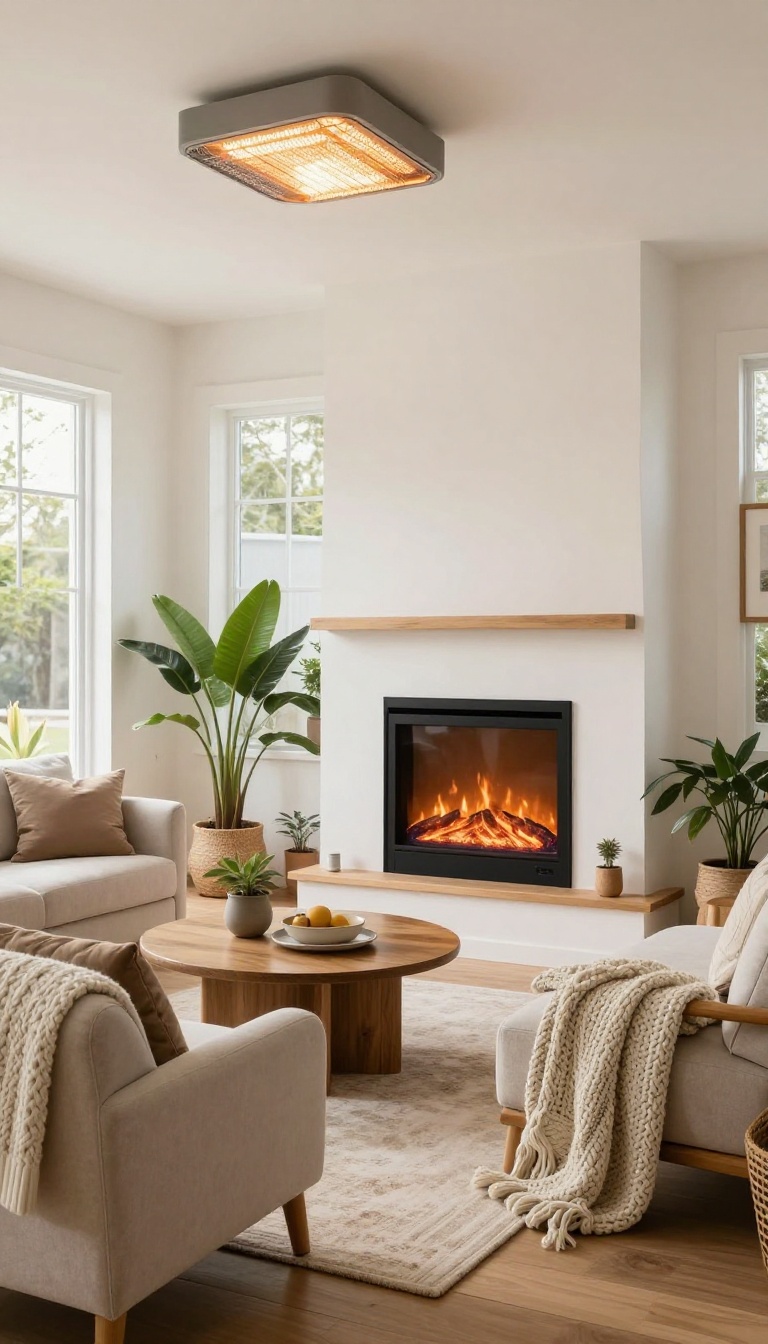
When the temperature drops, an enclosed patio can turn into a spot you avoid rather than enjoy. The trick to keeping it cozy is layering your heat sources, just like you'd layer clothing. A single heater often leaves cold spots, but a combination works much better.
Start with a ceiling-mounted radiant heater to warm the area from above, then add a portable electric fireplace for both heat and ambiance. Finally, keep a basket of soft throws within reach for those extra chilly moments. This setup distributes warmth evenly and lets you adjust based on how cold it feels, so you never have to abandon the space in winter.
Why Radiant Heat Works Best
Radiant heaters warm objects and people directly, not just the air. That means you feel the heat almost instantly, even if the room is drafty. Ceiling-mounted models are ideal because they stay out of the way and cover a wide area.
Plus, they don't circulate dust or allergens like forced-air systems can.
Adding Ambiance With A Fireplace
An electric fireplace adds more than just warmth—it brings a focal point and a cozy glow. Many models come with adjustable flame effects and thermostats, so you can set the mood without overheating. Place it against a wall or in a corner, and arrange seating around it to create a natural gathering spot.
Layering In Soft Textiles
Throws and cushions aren't just decorative—they're functional layers. Keep a few chunky knit blankets on a nearby shelf or in a basket, and drape them over chairs for easy access. This way, everyone can grab one without getting up, and the extra insulation makes a big difference on colder days.
2. Install Energy-Efficient Windows or Insulated Panels
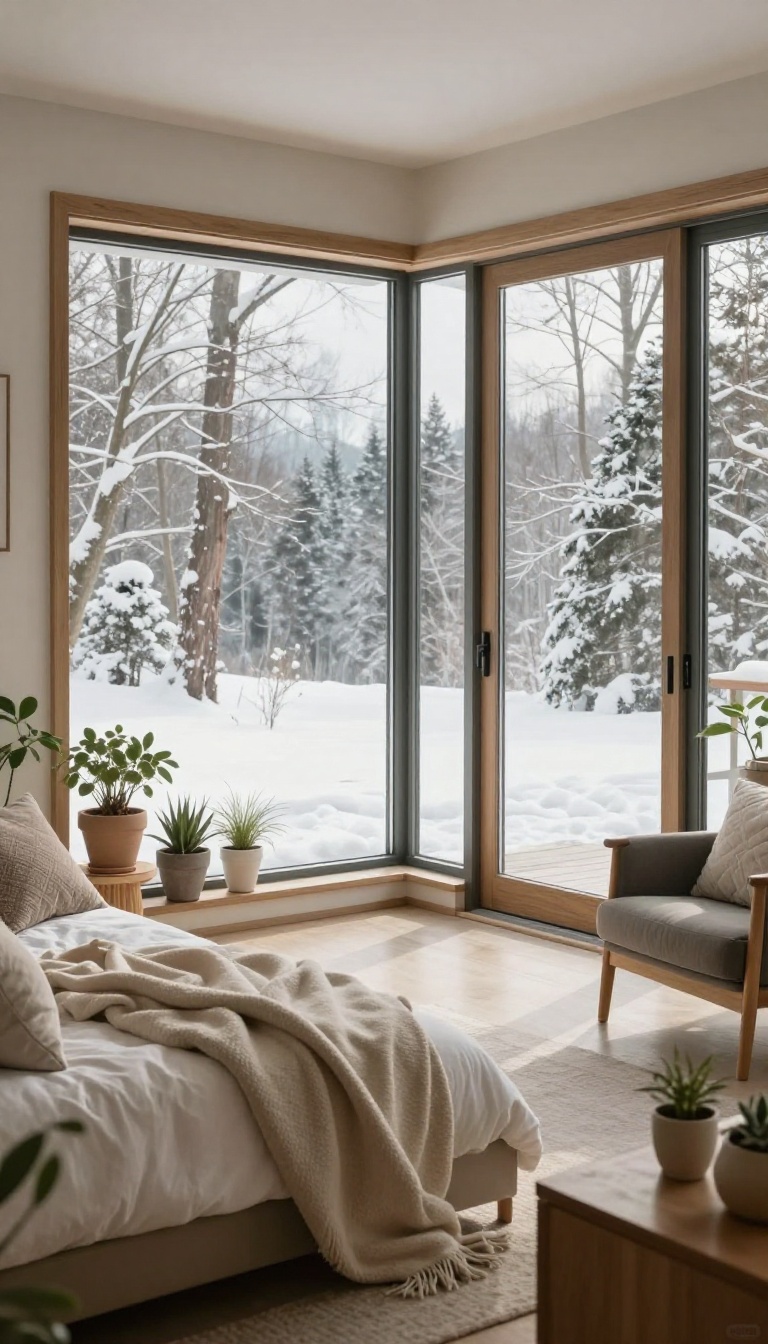
Drafty windows and thin screens can turn your enclosed patio into a place you avoid when the weather turns. If you're tired of feeling every gust of wind or struggling to keep the temperature steady, upgrading your windows or adding insulated panels is a game-changer. Not only does it make the space more comfortable, but it also helps cut down on energy bills.
Why Single-pane Windows Fall Short
Older single-pane windows are notorious for letting heat escape in winter and allowing unwanted heat to build up in summer. They also offer minimal sound insulation, so you'll hear every car passing by or neighbor's dog barking. If your patio has these, you're essentially sitting in a room with no climate control—just a thin sheet of glass between you and the elements.
Double-pane Windows: The Upgrade That Pays Off
Double-pane windows feature two layers of glass with a layer of insulating gas in between. This design dramatically reduces heat transfer, keeping your patio warmer in winter and cooler in summer. They also do a much better job at muffling outside noise.
While the upfront cost can be higher, the energy savings over time often make it worthwhile. Plus, you'll enjoy your patio in any weather without cranking up the thermostat.
Clear Vinyl Panels: A Budget-friendly Alternative
If replacing windows isn't in the cards, clear vinyl panels are a practical, affordable option. These panels can be added over existing screens or openings, creating an extra barrier against cold drafts and rain. They're easy to install and remove, making them perfect for seasonal use.
You still get the outdoor view, but with better insulation and protection from the elements.
Bonus Tips For Maximum Comfort
To get the most out of your window upgrade, consider adding weatherstripping around the frames to seal any gaps. Also, think about using thermal curtains or blinds that can be opened during the day to let in sunlight and closed at night to retain heat. These small additions complement your new windows or panels and make your patio even more energy-efficient.
3. Use Outdoor-Rated Area Rugs for Warmth and Texture
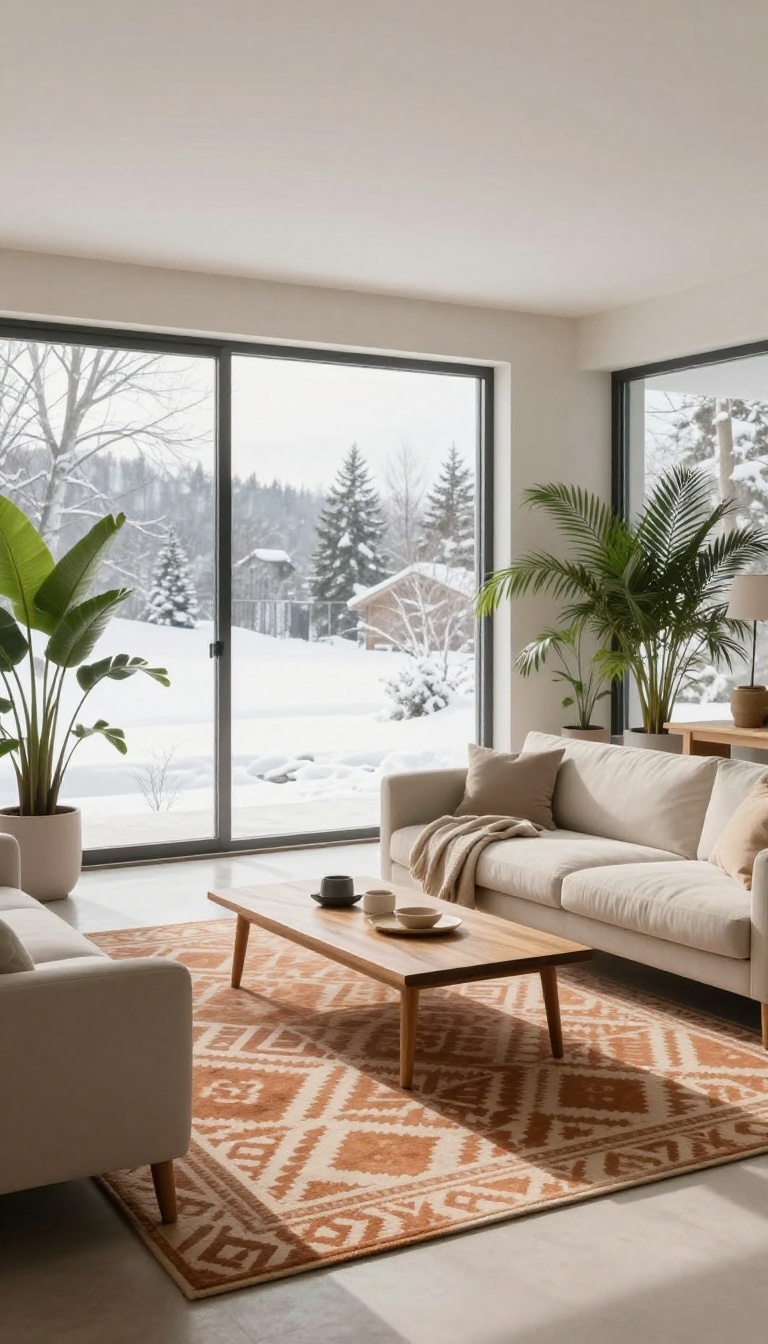
A bare floor can make an enclosed patio feel cold and uninviting, no matter how nice the furniture is. An outdoor-rated area rug is the quickest way to add warmth, color, and a soft surface underfoot. It also helps define separate zones—like a seating area or a dining nook—making the space feel more intentional and cozy.
When choosing a rug for your enclosed patio, prioritize materials that can handle moisture, sunlight, and heavy foot traffic. Polypropylene and other synthetic fibers are your best bet—they resist fading, mildew, and stains, and they dry quickly if they get wet. Avoid natural fibers like wool or jute, which can absorb moisture and become damaged over time.
Look for rugs labeled "indoor/outdoor" or "all-weather" to ensure they’re built for the elements.
Pick A Pattern That Works Hard
Since your patio is enclosed, it’s still exposed to dirt from shoes, pets, and occasional spills. A patterned rug—think geometric, floral, or abstract—will hide everyday wear far better than a solid color. Choose a pattern that includes colors from your existing furniture or decor to tie the whole space together.
If you have a neutral sofa, a bold rug can be the statement piece that brings energy to the room.
Layer Rugs For Extra Comfort
If you want even more cushioning underfoot, try layering a smaller, softer rug on top of a larger flat-weave one. This adds visual interest and a plush feel in high-traffic areas, like in front of a sofa or under a coffee table. Just make sure the bottom rug is large enough to anchor the space, and keep the top rug centered to avoid tripping hazards.
Keep It Clean And Fresh
Outdoor rugs are low-maintenance, but they still need occasional care. Shake them out or vacuum regularly to remove loose dirt. For spills, blot immediately with a mild soap and water solution—avoid harsh chemicals that could fade the fibers.
When not in use, roll up the rug and store it in a dry place to extend its life, especially if your patio isn’t fully weatherproof.
4. Incorporate Ceiling Fans for Air Circulation
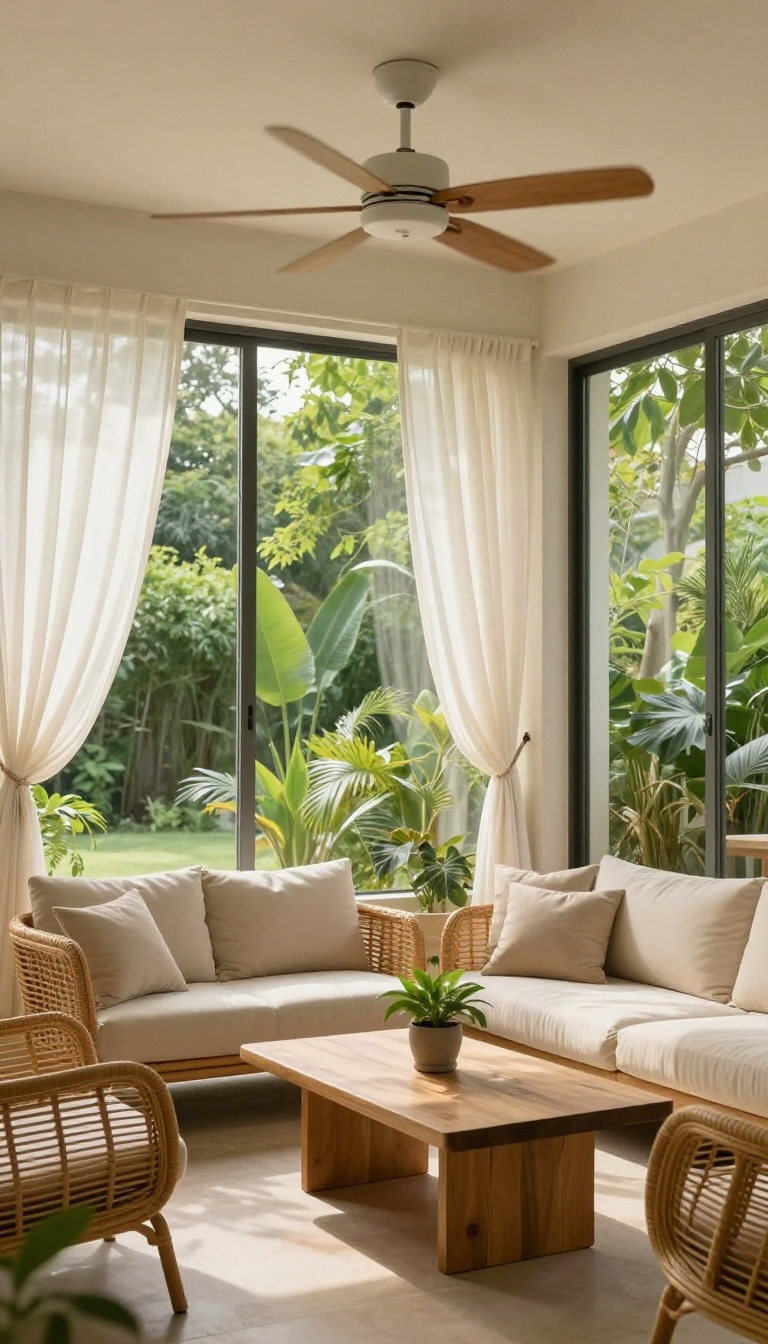
An enclosed patio can feel stagnant, especially when the windows are shut tight. That’s where a ceiling fan steps in—not just as a cooling device, but as a year-round workhorse for keeping the air moving and the space comfortable. Running the fan counterclockwise in summer creates a breeze that makes the room feel cooler.
Flip the switch to clockwise in winter, and it gently pushes warm air that collects near the ceiling back down to where you’re sitting. Plus, it helps cut down on that musty feeling that can creep into enclosed spaces.
A ceiling fan is one of those small additions that pays off in comfort all year long. It’s not just about temperature—it’s about making the air feel fresher and more inviting, so your patio actually gets used.
Why Air Circulation Matters In An Enclosed Space
When a patio is fully enclosed, there’s no natural breeze to stir the air. That can lead to stuffiness, humidity, and even condensation on windows during colder months. A ceiling fan keeps the air moving, which helps regulate moisture and prevents that heavy, closed-in feeling.
It also makes the room feel more comfortable at a wider range of temperatures, so you’re not constantly adjusting the thermostat.
Choosing The Right Fan For Your Patio
Look for a fan rated for damp or wet locations if your patio has any exposure to moisture. If you have low ceilings, consider a flush-mount model. For higher ceilings, a downrod helps position the fan at the optimal height—about 8 to 9 feet above the floor.
Pick a fan with a reversible motor switch, which is essential for switching between summer and winter modes. And don’t forget about style—there are plenty of designs that blend with indoor or outdoor aesthetics, from sleek modern to rustic wood.
Placement And Installation Tips
Position the fan in the center of the room or over the main seating area for the most effective airflow. Make sure the blades have at least 18 inches of clearance from walls and other obstructions. If you’re mounting it on a vaulted ceiling, use an angled adapter.
For safety, always hire a licensed electrician if you’re not comfortable with wiring. Once it’s up, test both directions to ensure the switch works properly—counterclockwise for summer, clockwise for winter.
5. Choose All-Weather Furniture with Cushions
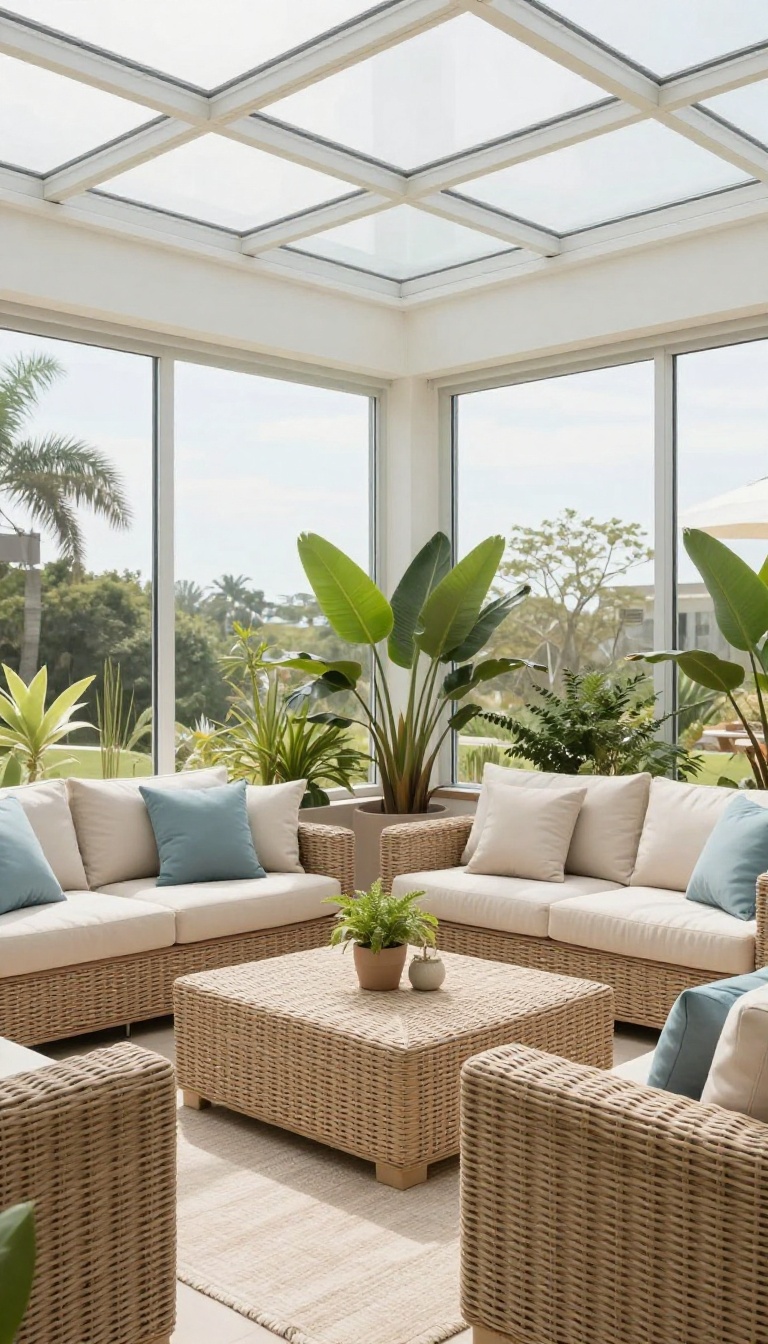
Furniture can make or break an enclosed patio. If you pick pieces that aren't built for changing conditions, they'll start looking worn after just one season. That's why investing in all-weather materials from the start is a smart move.
Teak, aluminum, and all-weather wicker are tough enough to handle rain, snow, and intense sun. Pair them with quick-dry foam cushions, and you get a space that's both durable and inviting. You won't have to drag anything inside when the forecast turns ugly.
Why Material Matters
Teak naturally resists moisture and insects, making it a classic choice for patios. Aluminum is lightweight, rust-proof, and easy to move around. All-weather wicker—usually resin or synthetic—offers that classic woven look without the rot.
Each option stands up to temperature swings and humidity without cracking or warping.
Cushion Considerations
Quick-dry foam cushions are a game-changer. They're designed to shed water and dry fast, so they won't stay soggy after a downpour. Look for outdoor-grade fabric like Sunbrella that resists fading and mildew.
Removable, washable covers make cleanup a breeze—just unzip and toss them in the wash.
Style And Comfort Balance
All-weather doesn't mean boring. You can find sleek modern sets, classic Adirondack chairs, or deep-seated sofas that rival indoor comfort. Add a few throw pillows and a cozy blanket for extra warmth, and you'll have a spot that feels as good as it looks.
Just make sure everything is rated for outdoor use so it lasts.
6. Create a Cozy Lounge Nook with Built-In Seating
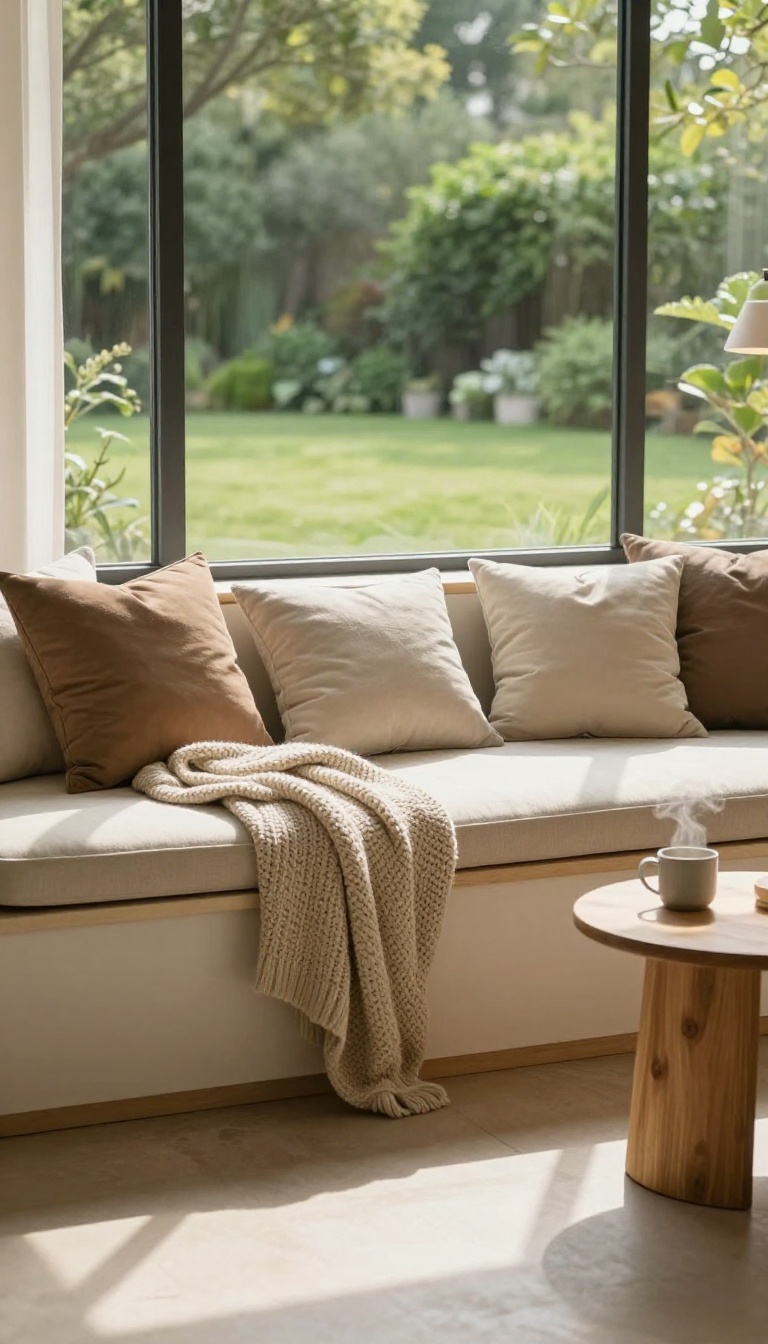
A built-in bench along one wall can turn an awkward corner into the most inviting spot in your home. It’s a smart way to maximize space, especially if your patio is on the smaller side. Plus, it gives you a permanent home for cushions and throws, so everything stays tidy and ready for relaxation.
Built-in seating feels custom and intentional, like the patio was designed around it. You can use it for reading, napping, or just staring out at the yard with a warm drink. The key is to layer it with soft textures and add a few personal touches so it doesn’t feel too bare or formal.
Choose The Right Bench Design
Think about the length and height of your bench based on how you plan to use it. A deeper bench (around 24 inches) works well for lounging, while a shallower one (18 inches) is better for sitting upright. You can add a slight recline to the backrest for extra comfort, or keep it straight and use pillows for support.
Layer Cushions And Throws For Comfort
Start with a high-density foam cushion that’s at least 4 inches thick for proper support. Then pile on outdoor-rated throw pillows in different sizes and patterns to create a relaxed, collected look. A soft knit blanket draped over the armrest invites you to curl up, even on chilly evenings.
Add Storage And Lighting For Function
Consider building drawers or cubbies beneath the bench to store extra pillows, blankets, or board games. For lighting, install a small wall sconce or place a floor lamp nearby so you can read without harsh overhead glare. This turns your nook into a true retreat that works day and night.
7. Add Layers of Lighting for Ambiance and Function
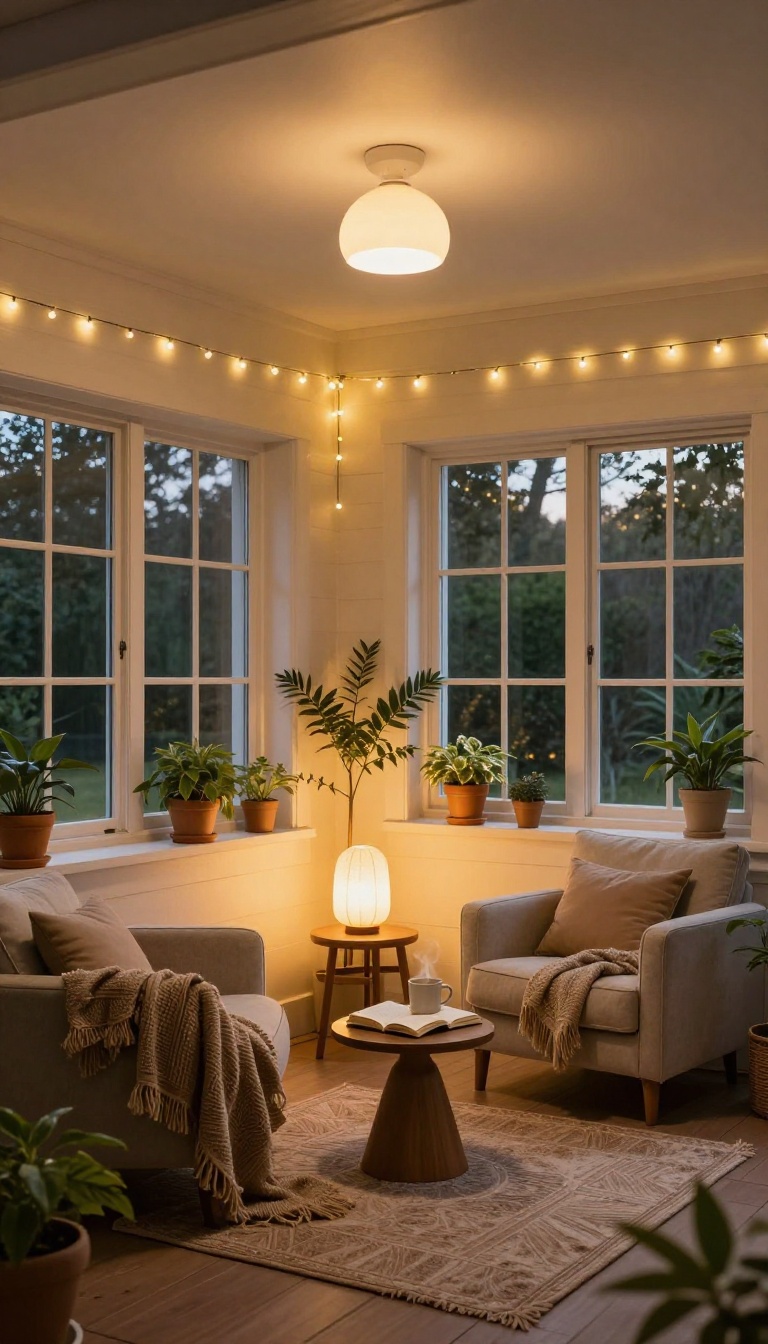
Lighting can make or break the mood of an enclosed patio, especially when the sun goes down. A single overhead fixture often leaves the space feeling flat or overly bright, like a waiting room. The trick is to layer different types of light so you can dial in the perfect atmosphere for any activity—whether that’s reading a book, hosting a dinner, or just relaxing with a drink.
Start by thinking about the three main types of lighting: ambient, task, and accent. Ambient light provides overall illumination, usually from a ceiling fixture or recessed lights. Task lighting focuses on specific areas, like a reading nook or a dining table.
Accent lighting adds depth and highlights architectural features or plants. By combining these, you create a flexible setup that adapts to your needs.
Mix Overhead And Floor Lamps
A dimmable overhead light is a solid starting point, but don’t stop there. Floor lamps placed near seating areas offer a softer, lower glow that feels more intimate. They’re also easy to move around, so you can experiment with different layouts.
For a cohesive look, choose lamps with warm-toned bulbs (around 2700K) to keep the space inviting.
String Lights For A Whimsical Touch
String lights are a classic choice for patios, and they work just as well in an enclosed space. Drape them along the ceiling or across a wall to add a gentle, festive sparkle. They’re especially effective when the rest of the lighting is dimmed.
Look for weatherproof options if your patio isn’t fully sealed, and use clips to hang them without damaging surfaces.
Don’t Forget Task Lighting
If you plan to read, work, or dine on your patio, dedicated task lighting is essential. A swing-arm lamp next to a lounge chair or a small pendant over a side table can make all the difference. For dining, consider a dimmable chandelier or a track light aimed at the table.
Task lighting should be bright enough to function but not so harsh that it kills the cozy vibe.
Use Dimmers And Smart Controls
Dimmer switches are a game-changer for creating adjustable ambiance. They let you lower the lights for a movie night or brighten them for a game of cards. Smart bulbs and plugs take it a step further—you can control everything from your phone or set schedules.
This is especially handy if you want to come home to a softly lit patio without fiddling with switches.
8. Bring in Greenery with Cold-Tolerant Plants
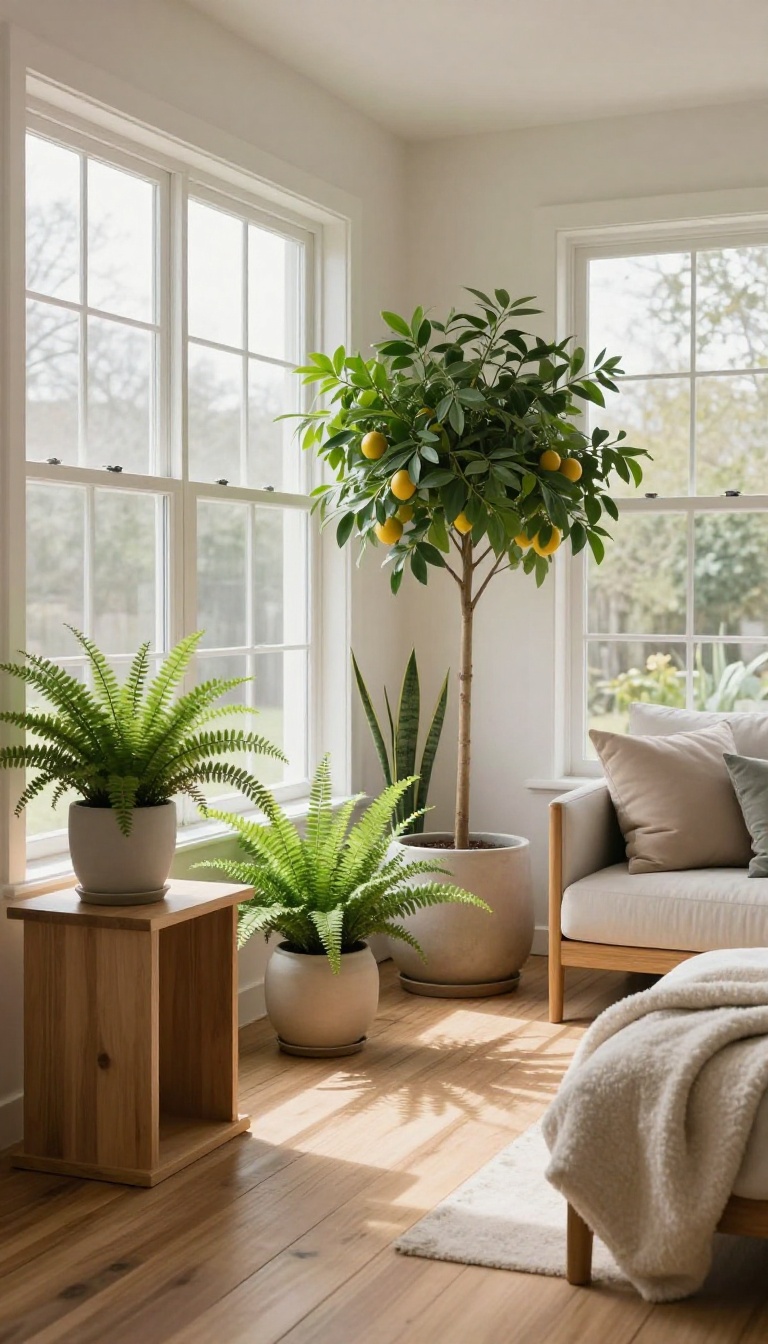
Plants do more than just fill empty corners—they make an enclosed patio feel alive. Even when the weather outside is gloomy, a few hardy greens can bring a sense of calm and freshness to your space. But not every plant will thrive in a patio that gets chilly in winter or lacks bright sunlight.
The trick is choosing species that tolerate cooler temperatures and lower light, so they stay healthy and vibrant all year.
Pick plants that can handle the conditions of your enclosed patio. Ferns, snake plants, and citrus trees are great choices because they adapt well to cooler environments and don't need constant direct sun. These plants also improve air quality by filtering toxins and adding moisture to the air, which makes the space feel more comfortable and inviting.
Place them strategically—near windows where they get indirect light, or in corners where they add a pop of green without blocking pathways. Use stylish pots that match your decor to make the plants feel like intentional design elements, not just afterthoughts.
Choosing The Right Plants
Focus on varieties that thrive in cooler, lower-light conditions. Boston ferns, ZZ plants, and cast iron plants are all hardy options. If you want a pop of color, consider cyclamen or Christmas cactus, which bloom even in winter.
Always check the specific light and temperature needs of each plant before buying.
Placement And Styling
Group plants together to create a mini indoor garden, and use plant stands or hanging planters to add vertical interest. Place taller plants like citrus trees in corners to soften hard edges, and put smaller ferns on shelves or side tables. This layering makes the space feel lush and curated.
Caring For Your Patio Plants
Water less frequently in cooler months, and make sure pots have good drainage to prevent root rot. Dust leaves regularly to help them absorb light, and rotate pots occasionally so all sides get equal sun. With a little attention, your plants will stay healthy and vibrant.
9. Install Outdoor Curtains for Privacy and Insulation
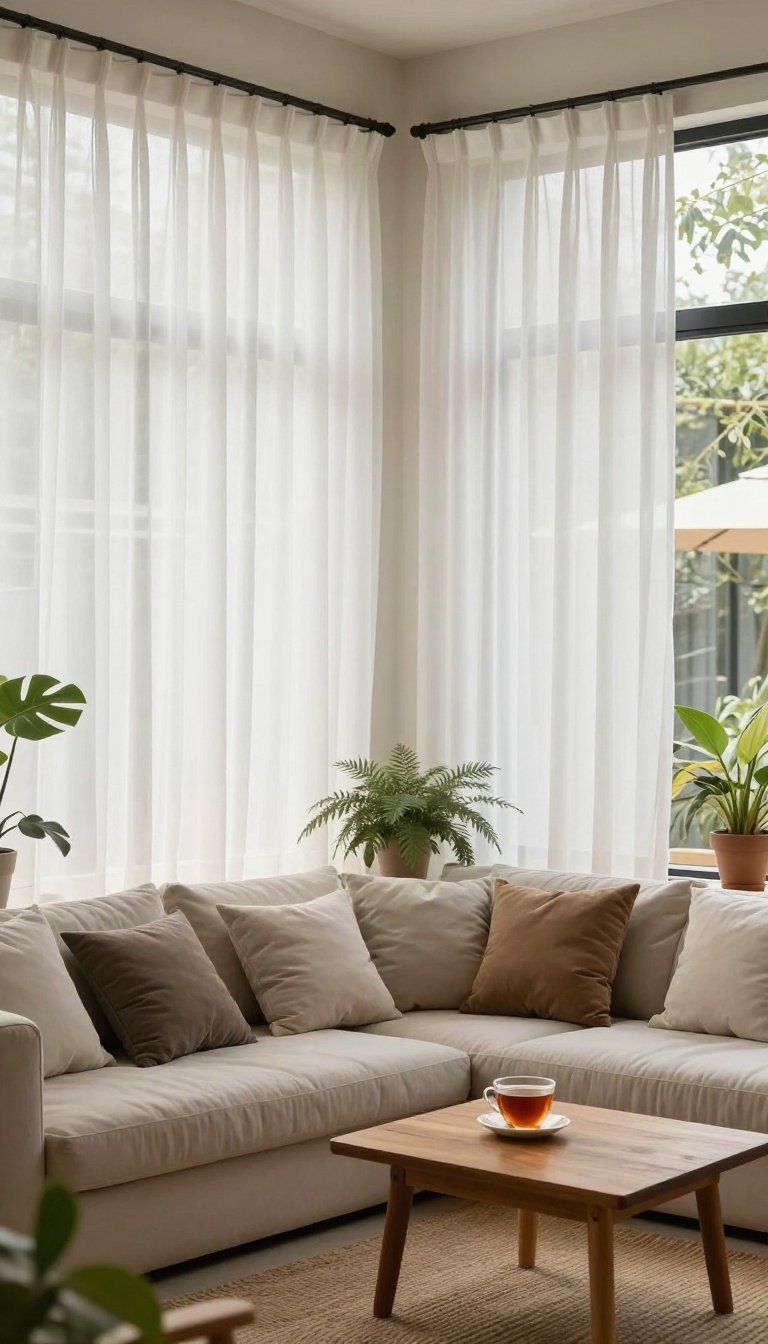
When the seasons shift, an enclosed patio can start to feel a bit exposed—drafts sneak in around the windows, and neighbors might catch a glimpse of your cozy setup. Outdoor curtains solve both problems at once. They act like a soft, movable wall that you can open or close in seconds, giving you control over light, privacy, and temperature.
Hanging weather-resistant curtains is one of the most flexible upgrades you can make. They block chilly drafts in winter, cut down on harsh glare in summer, and create a sense of intimacy that makes the space feel more like a room. Plus, they add texture and color, softening all those hard surfaces that patios tend to have.
Best of all, you can adjust them throughout the day—open them wide when you want the view, or close them for a movie night or an afternoon nap.
Choosing The Right Fabric
Not all curtains are created equal, especially outdoors. Look for fabrics labeled as weather-resistant, UV-protected, or mildew-resistant. Outdoor polyester and acrylic blends are popular because they dry quickly and hold up to sun and moisture.
If you want a breezier feel, go for a lighter weave; for more insulation, pick a heavier, lined option. Stay away from delicate indoor fabrics that will fade or rot in the elements.
Hardware That Holds Up
You'll need a sturdy rod and brackets that can handle wind and weight. A tension rod might work for a lightweight curtain, but for a more permanent setup, consider a ceiling-mounted track or a heavy-duty curtain rod. Make sure the hardware is rust-resistant—stainless steel or powder-coated aluminum are good choices.
If you're mounting on a ceiling, use anchors that can support the rod and fabric without pulling loose.
Placement And Hanging Tips
For maximum draft protection, hang curtains close to the walls and let them pool slightly on the floor—that extra fabric helps block air movement. Overlap panels by a few inches in the center to close the gap. If you want to keep the view flexible, use tiebacks or holdbacks so you can pull them open during the day.
And remember to hang them high and wide to make the ceiling feel taller and the space more open.
Styling And Maintenance
Curtains are a chance to inject personality. Choose a color that complements your patio furniture or go bold with a patterned fabric for a pop of interest. Sheer curtains create a soft, airy feel, while blackout curtains give you total privacy and light control.
To keep them looking fresh, shake them out regularly and spot-clean with mild soap and water. If you live in a very rainy area, take them down during the wettest months or store them indoors when not in use.
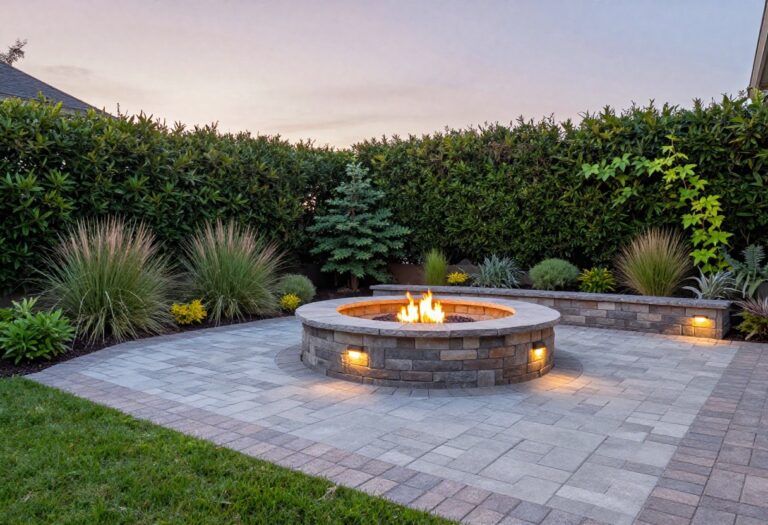
10. Incorporate a Fire Feature for Focal Point and Warmth
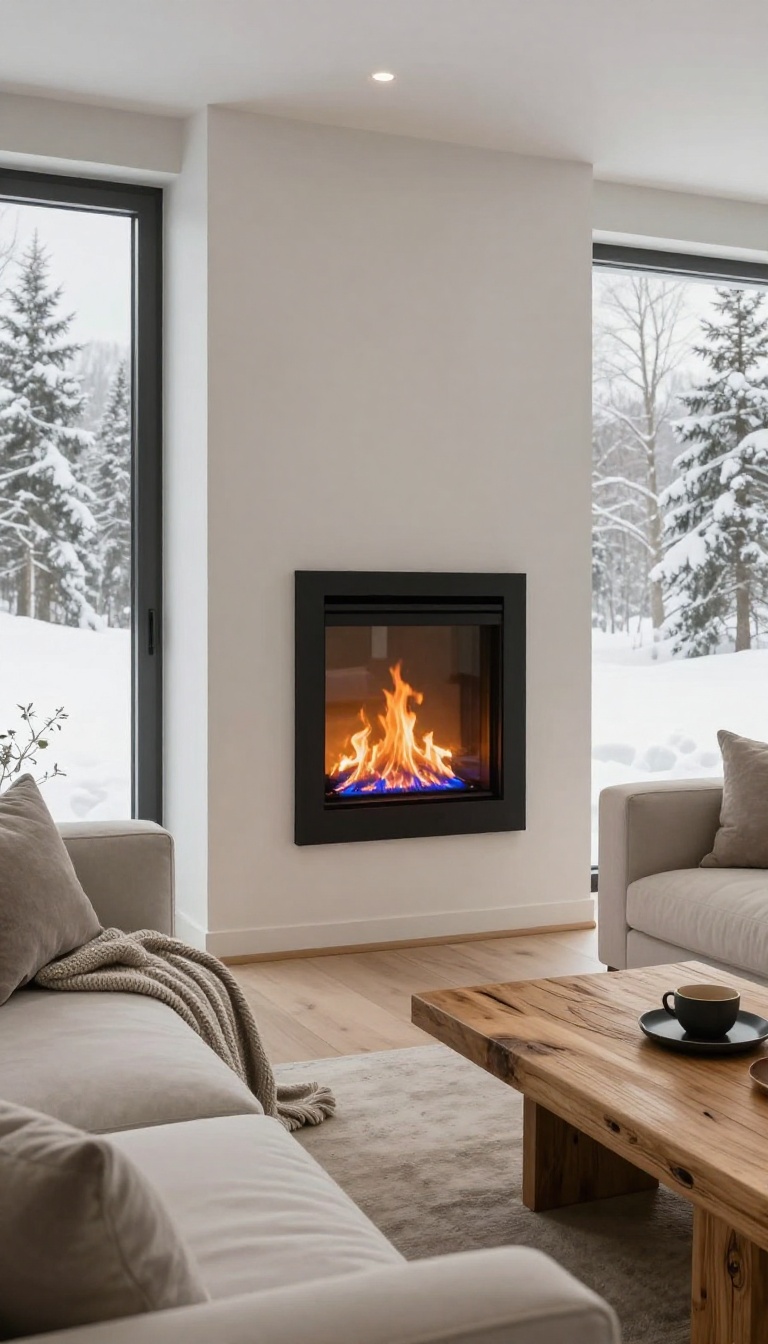
Few things make a space feel instantly inviting like the soft flicker of flames. On an enclosed patio, a fire feature not only cuts through the chill of cooler months but also gives the room a natural gathering point. It’s a simple addition that brings both visual warmth and actual heat, making your patio a place people naturally gravitate toward.
When you add a fire feature to an enclosed space, you’re doing more than just warming the air. You’re creating a focal point that draws the eye and sets a relaxed, intimate mood. The gentle crackle and dance of the flames make conversation easier and evenings feel cozier.
Plus, with modern ventless options, you can enjoy this ambiance without worrying about smoke or complicated installation.
Choose The Right Type For Your Space
For enclosed patios, safety and ventilation are key. A tabletop fire bowl is a great choice if you want something portable and easy to store. It sits on any sturdy surface and adds a warm glow without taking up floor space.
Wall-mounted ethanol fireplaces are another excellent option—they hang flat against the wall, save room, and provide a clean, ventless flame that’s perfect for enclosed areas. Both options are safe, simple, and don’t require a chimney or flue.
Place It To Maximize Comfort And Flow
Where you put your fire feature makes a big difference. Position it near the seating area so everyone can feel the warmth, but keep it clear of foot traffic and any flammable materials like curtains or furniture. If you’re using a tabletop bowl, place it on a heat-resistant table in the center of your seating arrangement.
For a wall-mounted unit, install it at eye level when seated, so the flames are visible and the heat spreads evenly across the room.
Safety First: Ventless And Flame-free Options
Even though ventless fire features are designed for indoor use, it’s still wise to follow a few precautions. Always keep a fire extinguisher nearby and never leave the flames unattended. Check that the room has some airflow—even a small crack in a window or door helps.
If you have pets or kids, consider a model with a protective screen or a cool-touch exterior. With these simple steps, you can enjoy your fire feature worry-free all season long.
11. Use a Smart Thermostat or Heater for Easy Control

Nothing kills the mood faster than stepping into a chilly patio and waiting forever for it to warm up. Smart heating takes the guesswork out of that ritual. With a quick tap on your phone, you can have the space toasty before you even head outside.
A smart thermostat or heater puts climate control right in your pocket. Whether you're coming home from work or just stepping out back, you can adjust the temperature remotely. This means your enclosed patio is always ready when you are, no matter the season.
Pick The Right Heater For Your Space
Not all heaters are created equal. For enclosed patios, consider an electric infrared heater, a wall-mounted unit, or a ceiling-mounted radiant heater. Each has its perks, but the key is matching the heater size to your room's square footage.
A quick rule of thumb: you need about 10 watts per square foot for a well-insulated space.
Set Schedules To Match Your Routine
Smart thermostats let you set schedules just like you would for your home's HVAC. Program it to warm up 30 minutes before your usual coffee time or cool down in the evening. That way, the patio feels effortless—it's always the right temperature when you walk in.
Control It From Anywhere
The biggest perk of a smart heater is the remote access. Forgot to turn it off? Just use the app.
Want to preheat while you're still in the car? Done. Many models also work with voice assistants like Alexa or Google Home, so you can just say, "Set patio to 72 degrees.
"
Monitor Energy Use And Save
Smart heating often comes with energy monitoring features. You can see exactly how much power your patio heater uses and adjust habits to save money. Some thermostats even learn your preferences over time and optimize heating patterns automatically.
12. Design a Multi-Purpose Layout for Dining and Relaxing
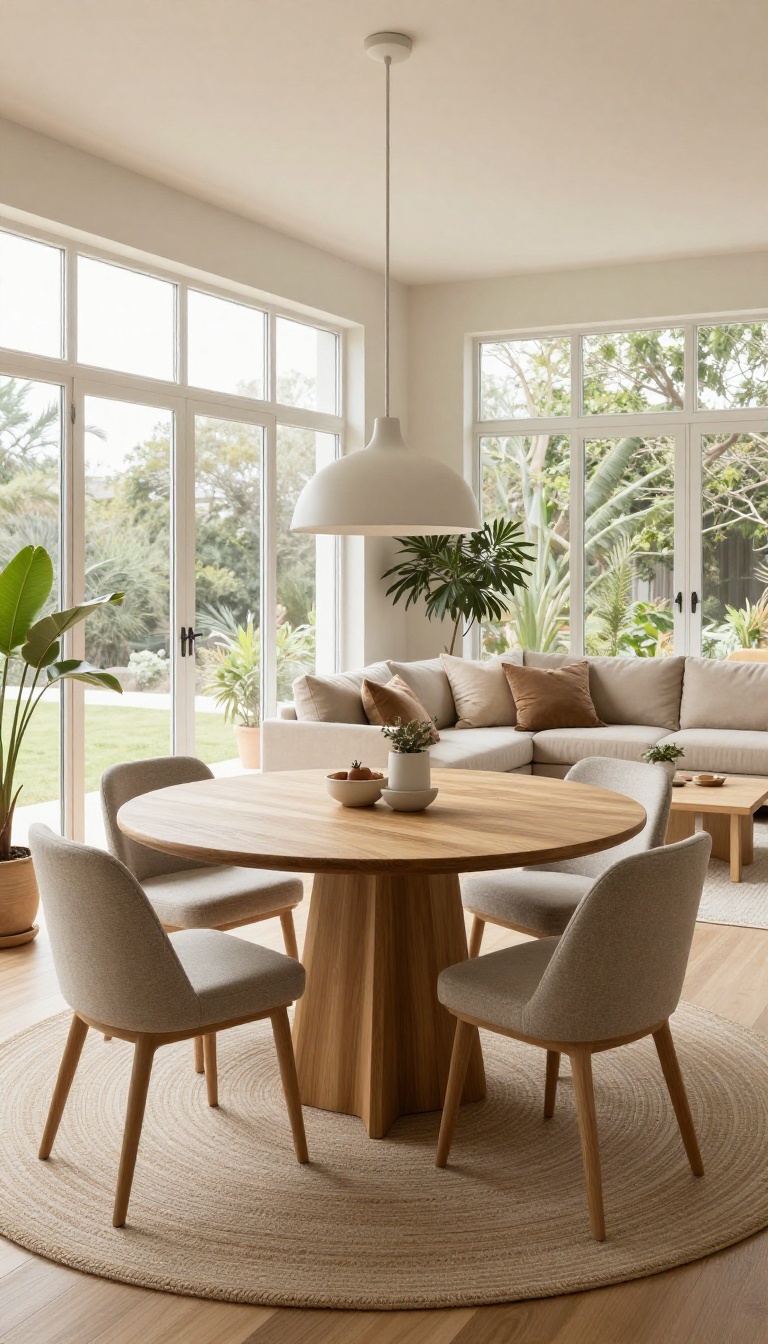
An enclosed patio often becomes a catch-all space—part dining room, part lounge, and sometimes even a home office. Without a clear plan, it can feel cluttered and chaotic. The fix is simple: divide the area into distinct zones, each with its own purpose.
This way, you can host dinner parties, curl up with a book, or even get some work done without the space feeling cramped or disorganized.
Start by measuring your patio and sketching a rough floor plan. Identify the natural focal points, like a window, a fireplace, or a door. Then, assign each zone a primary function.
For example, place the dining area near the kitchen or a pass-through for easy serving, and position the lounging area away from high-traffic paths to create a cozy retreat. Use area rugs to visually anchor each zone, and consider furniture that can serve double duty, like a bench with storage or an ottoman that works as extra seating.
Zone 1: The Dining Nook
Even in a small patio, a dedicated dining spot makes meals feel more intentional. Choose a table that fits your space—round tables work well in corners, while rectangular tables are great for longer rooms. Pair it with comfortable chairs that have cushions, and add a pendant light or a small chandelier above the table to define the area.
If you're short on space, consider a drop-leaf table or a built-in banquette with storage underneath.
Zone 2: The Lounge Area
For the relaxation side, opt for deep-seated sofas or a pair of armchairs arranged around a coffee table. This setup invites conversation and lazy afternoons. Add plenty of throw pillows and a soft blanket to make it extra inviting.
If you have room, include a small side table for drinks and books. A floor lamp or a floor lamp with a dimmer switch can create a warm glow for evening lounging.
Zone 3: Flexible Transition Spaces
If your patio is large enough, consider a third zone that can serve multiple purposes—like a small desk for working from home or a reading nook with a comfortable chair and a floor lamp. This area can be easily adapted as your needs change. Use movable furniture, like lightweight chairs or a rolling cart, so you can reconfigure the space for different occasions, from a dinner party to a yoga session.
13. Add Storage Solutions to Keep Clutter at Bay
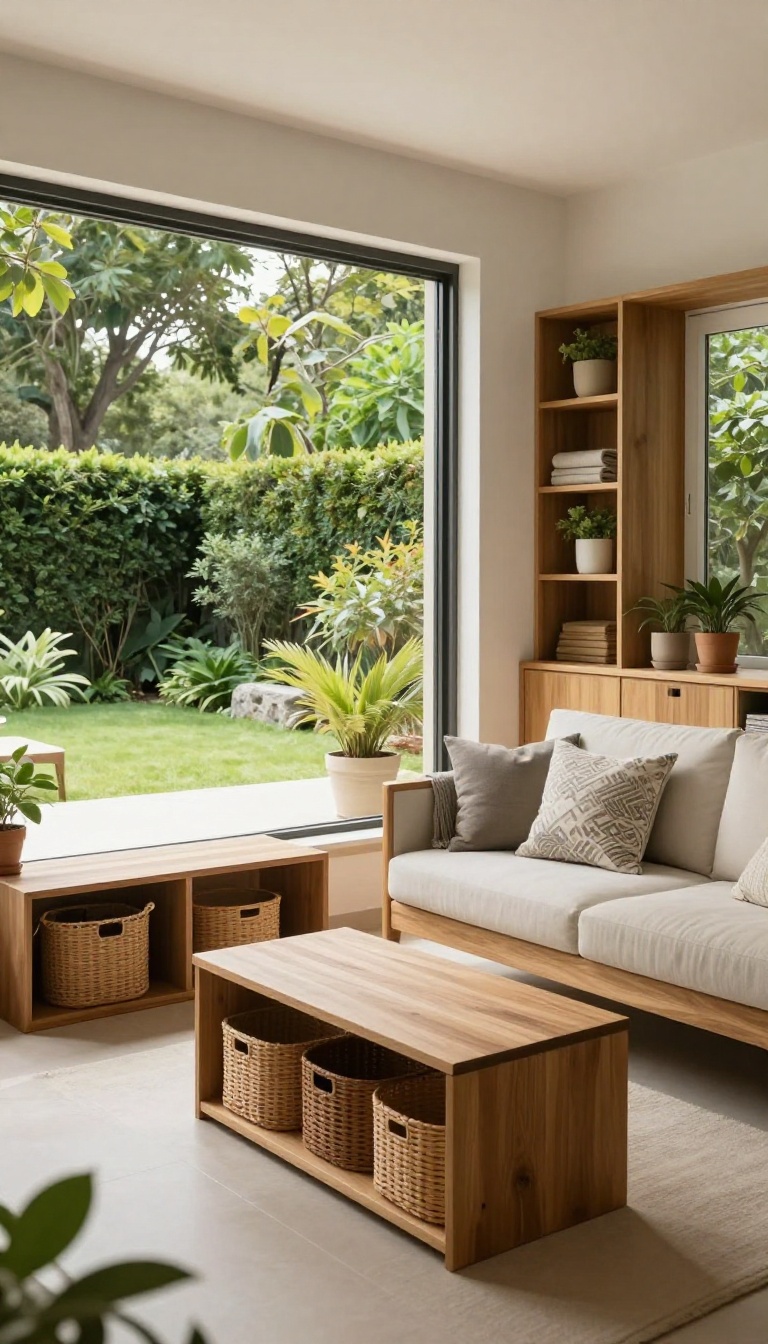
Enclosed patios tend to collect stuff—cushions, throws, games, plant supplies—and before you know it, the space feels more like a storage unit than a hangout. Clutter sneaks up on you, especially when you're using the room across different seasons and stashing items as you swap things in and out. The fix isn't to get rid of everything you love; it's to give each item a designated home.
With smart storage, you can keep the patio tidy and still have everything you need within arm's reach. A clean, organized space instantly feels more relaxing and welcoming.
When you build storage into your enclosed patio, you're not just hiding clutter—you're creating a more functional and peaceful room. Think about what tends to pile up: outdoor cushions, extra blankets, kids' toys, gardening tools, or board games. The goal is to have a place for all of it, so you can actually enjoy the space without tripping over stuff.
Built-in cabinets are a great option if you're doing a renovation, but you don't need to go that far. Freestanding pieces like a sideboard, storage bench, or even a stylish trunk can do the job. The key is to choose pieces that blend with your decor and serve double duty—like an ottoman that opens up for storage or a bench with cubbies underneath.
Don't forget vertical space. Floating shelves or a pegboard can hold smaller items and keep them off the floor. Use baskets or bins to group similar things, and label them if you're prone to forgetting what's where.
The idea is to make tidying up so easy that it becomes a habit, not a chore. Finally, consider the flow of the room. Place storage near where you use the items.
For example, keep throws and blankets in a basket next to the seating area, and store dining accessories near the table. That way, everything is convenient, and you're more likely to put things back where they belong.
Built-in Vs. Freestanding
Built-in cabinets are a dream if you're remodeling—they maximize space and look seamless. But they're not the only answer. Freestanding pieces like a console table, armoire, or storage bench are easier to install and can be moved if you change the layout.
Choose what fits your budget and your patio's structure.
Dual-purpose Furniture
Look for furniture that hides more than it shows. An ottoman with a removable lid can store blankets or games, while a bench with cubbies can hold shoes or plant pots. A coffee table with drawers or shelves underneath keeps remotes and magazines out of sight.
Every piece can earn its keep.
Baskets And Bins
Baskets and bins are your best friends when it comes to organizing smaller items. Woven baskets add texture and warmth, while plastic bins are practical for outdoor elements. Use them to corral cushions, throws, toys, or gardening gloves.
Stack them on open shelves or tuck them under a console for a clean look.
14. Install a Ceiling-Mounted Projector for Movie Nights
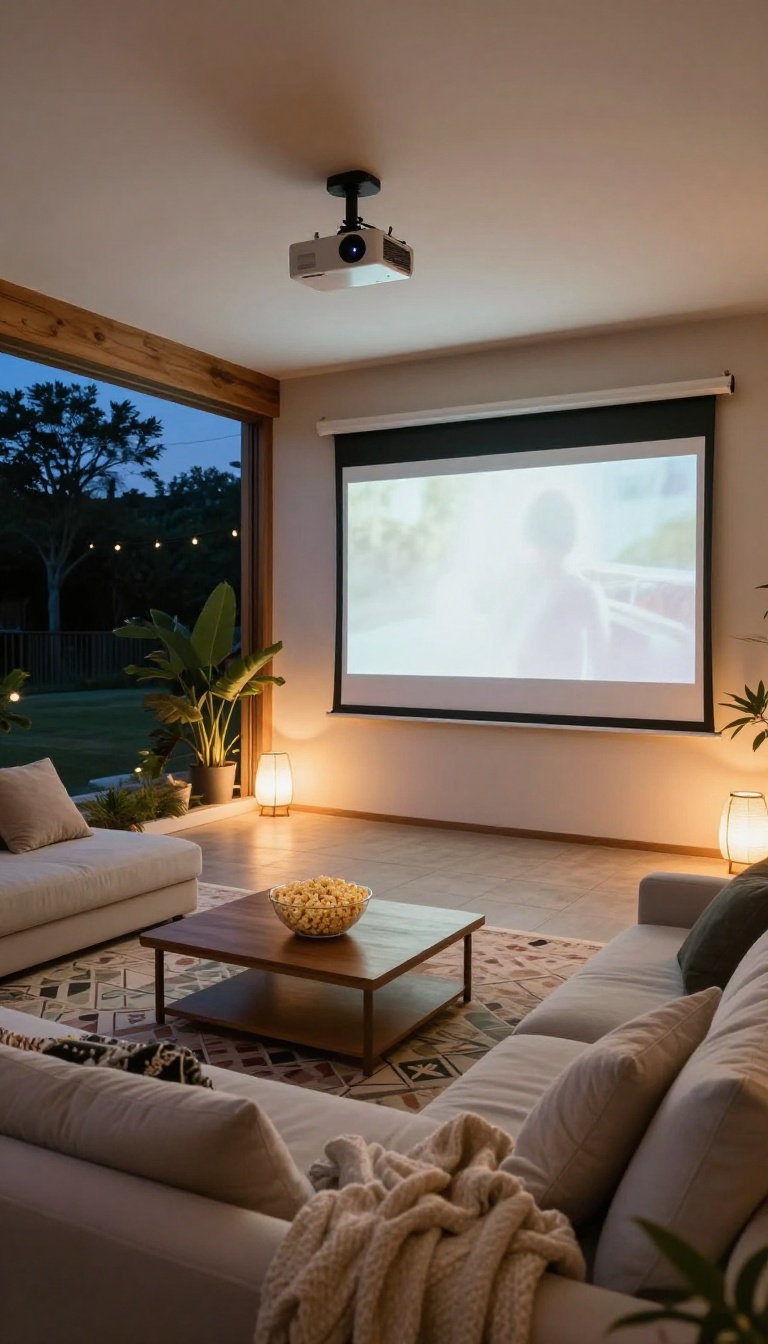
There’s something special about watching a movie under the open sky—but when the weather doesn’t cooperate, your enclosed patio can step in as the next best thing. With a ceiling-mounted projector and a blank wall or retractable screen, you can transform your patio into a private cinema that works in any season. This setup is surprisingly easy to achieve, and it doesn’t require a full renovation.
Once the projector is in place, you’ll have a cozy entertainment spot that’s perfect for family movie nights, game-day watch parties, or even just a quiet evening with a good film and a bowl of popcorn.
A ceiling-mounted projector is a game-changer for an enclosed patio. It frees up floor space, keeps the projector out of the way, and gives you a true theater feel. The key is choosing the right projector and screen setup for your space, and then making sure the room is dark enough for a clear picture.
When you’re planning your setup, think about the viewing distance, ambient light, and the size of the wall or screen you’ll be using. With a little effort, you can create a movie experience that rivals your living room—and your patio will become the go-to spot for entertainment.
Choose The Right Projector
Not all projectors are created equal, and the one you pick will depend on your patio’s size and lighting. For most enclosed patios, a portable or short-throw projector works well because it can sit close to the wall and still produce a large image. Look for a model with decent brightness (at least 2, 500 lumens) and good contrast so the picture stays clear even if some light sneaks in.
If you plan to watch mostly at night, a standard projector will do. But if you want daytime viewing, consider one with higher lumens or pair it with blackout curtains to control glare. Also, check the projector’s throw ratio—it determines how far back it needs to be for a certain screen size.
Measure your patio and choose accordingly.
Pick A Screen Or Wall
You can project onto a blank wall if it’s smooth and light-colored, but a retractable screen gives you a more polished look and better image quality. A pull-down screen mounted near the ceiling is easy to hide when not in use, and it keeps the wall free for other decor. If you have a textured wall, a screen is definitely the way to go—it will prevent the image from looking fuzzy.
When positioning the screen, make sure it’s at a comfortable viewing height and that there’s enough space for seating. You don’t want your furniture to block the projector’s beam or have people craning their necks. Test the setup with a temporary screen first to find the sweet spot.
Set The Mood With Lighting And Sound
A projector is just the start—what really makes movie night special is the atmosphere. Dim the lights with a dimmer switch or use smart bulbs to create a warm, low-light glow. You can also add string lights or LED strips along the ceiling for a subtle, theater-like feel without washing out the picture.
Sound matters too. Built-in projector speakers are usually weak, so consider a soundbar or a pair of wireless speakers placed behind or beside the seating area. For a true surround-sound experience, you could even add a small subwoofer.
Just make sure your audio setup doesn’t overpower the room—you still want to be able to chat during the movie if you’re with friends.
15. Personalize with Seasonal Decor and Textiles
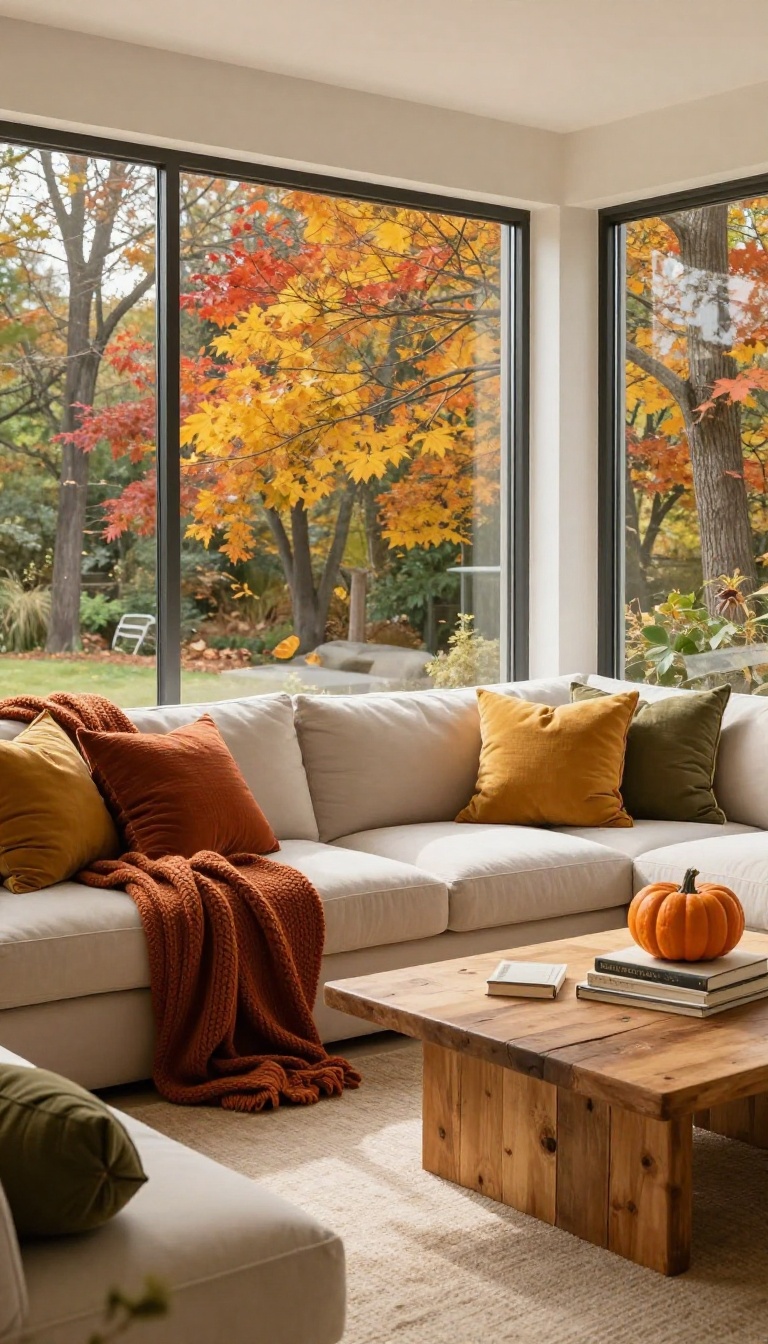
When the seasons shift, your enclosed patio can shift right along with them. A few simple swaps in textiles and decor can make the space feel brand new without a big renovation or a big budget. This approach keeps things fresh and celebrates what each time of year brings—cozy layers for fall, light linens for summer, and everything in between.
Rotating seasonal decor is one of the easiest ways to keep your enclosed patio feeling intentional and lived-in. It also gives you a reason to look forward to each new season, and it’s a low-commitment way to experiment with color and texture. The key is to focus on items that are easy to swap out and store, like pillows, throws, and tabletop accents.
Start With A Seasonal Color Palette
Choose a color scheme that reflects the season—warm earth tones and deep greens for autumn, icy blues and crisp whites for winter, soft pastels for spring, and bright, sunny shades for summer. Use these colors in your throw pillows, table runners, and small decor pieces. You don’t need to replace everything; even a few accent pieces can transform the whole vibe.
Layer Textiles For Comfort And Style
Textiles are your best friend when it comes to seasonal shifts. In cooler months, add chunky knit blankets and faux fur throws to seating areas. When warmer weather arrives, switch to lightweight cotton or linen throws in breezy colors.
Don’t forget floor cushions or an outdoor rug that can be swapped out to tie the whole look together.
Add Seasonal Wall Art And Accents
Wall art and small decorative items are another easy way to mark the season. Consider swapping out framed prints or adding a seasonal wreath to the door. You can also rotate vases, candle holders, and small sculptures on shelves or side tables.
These little touches make the space feel current and personal without a major overhaul.
Create A Storage Routine For Easy Swaps
To make seasonal updates effortless, keep a labeled bin or closet shelf dedicated to off-season decor. When the season changes, simply pack away the old items and bring out the new. This routine takes just a few minutes and ensures your patio always feels fresh and ready for the next holiday or season.
FAQ
What is the best way to heat an enclosed patio?
The best way depends on your patio's size and insulation. For smaller spaces, a portable electric fireplace or radiant heater works well. For larger areas, consider installing a ceiling-mounted infrared heater or a ductless mini-split system.
Always ensure proper ventilation if using a gas or wood-burning heater.
Can I use regular indoor furniture on an enclosed patio?
It's not recommended. Enclosed patios can experience temperature swings and humidity, which can damage indoor furniture. Instead, choose outdoor-rated furniture made from materials like teak, aluminum, or all-weather wicker, which are designed to withstand these conditions.
How do I keep my enclosed patio cool in the summer?
Use ceiling fans to improve air circulation, install window treatments like blinds or curtains to block direct sunlight, and consider adding a portable air conditioner or a ductless mini-split for effective cooling. Also, ensure proper ventilation by opening windows or using exhaust fans.
What plants thrive in an enclosed patio during winter?
Cold-tolerant plants like ferns, snake plants, spider plants, and certain citrus trees can thrive in an enclosed patio during winter. Make sure they receive adequate light and avoid overwatering. You can also use grow lights to supplement natural light.
How can I make my enclosed patio feel more private?
Install outdoor curtains, bamboo shades, or privacy screens around the perimeter. You can also use tall plants or trellises with climbing vines to create a natural barrier. Frosted window film is another option that adds privacy while still letting in light.
Conclusion
With these 15 ideas, your enclosed patio can become a favorite spot for relaxation and entertainment, no matter the weather. Start with the changes that address your biggest comfort issues, then layer in the style touches that make the space feel like yours.
Remember, the goal is to create a cozy retreat that you’ll actually use throughout the year. So pick a few ideas, get started, and soon you’ll be enjoying your four-season hangout to the fullest.