9 Simple Kitchen Faucet Ideas to Make Everyday Cooking Feel Better
Cooking feels better when the right faucet makes every rinse, fill, and cleanup effortless. The perfect fixture saves time, reduces mess, and even adds a touch of style to your daily routine.
Whether you're upgrading for convenience or aesthetics, the options are more versatile than you might think. From hands-free sensors to commercial-style sprayers, each design solves a specific problem in the kitchen.
The key is matching the faucet to your cooking habits and space. Here are nine simple ideas that can transform how you work at the sink.
1. Pull-Down Sprayer Faucets for Easy Rinsing
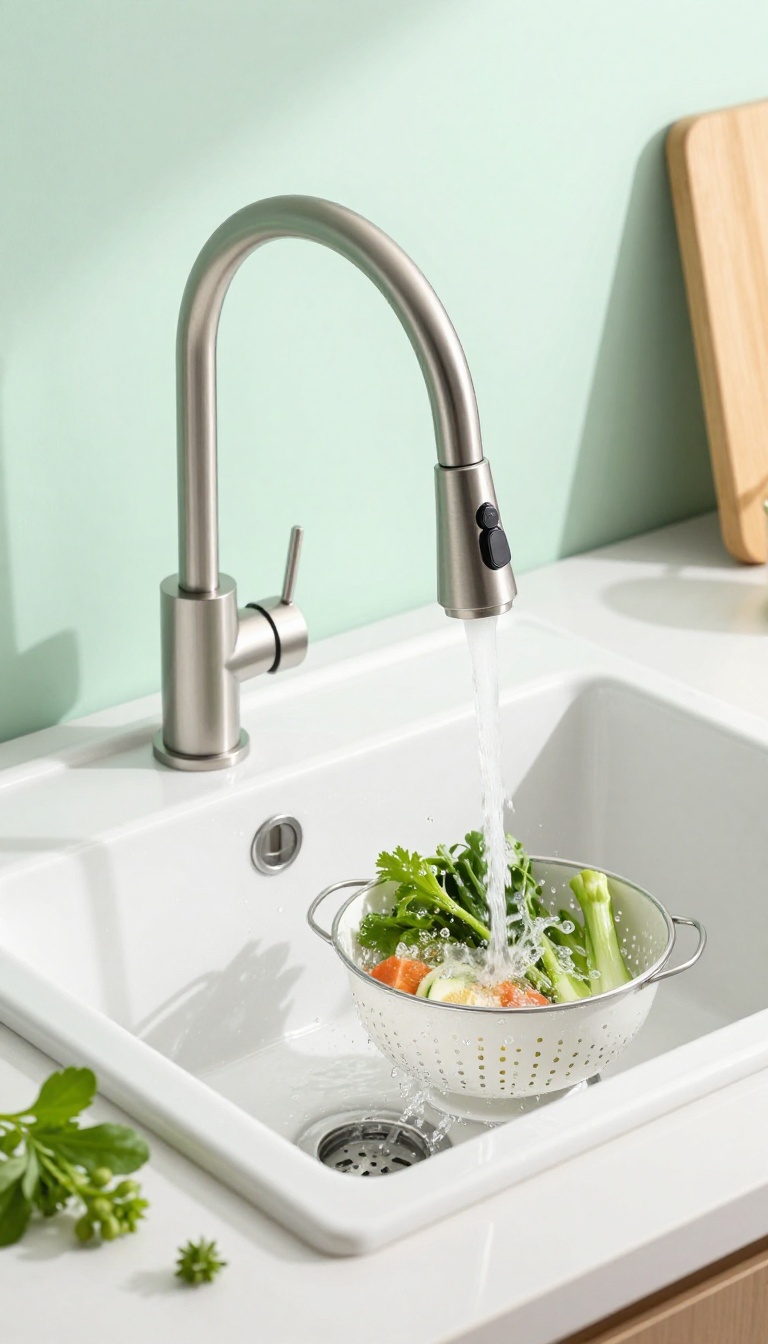
A pull-down sprayer gives you flexibility to rinse dishes and veggies with ease. The retractable hose reaches every corner of the sink, making cleanup faster and more efficient. It's a simple upgrade that instantly makes your kitchen feel more capable.
Pull-down sprayers are designed to make rinsing effortless. Instead of holding heavy pots under a fixed stream, you can bring the water to the food. The hose extends smoothly and retracts with a gentle tug, so it stays out of the way when not in use.
Many models also offer multiple spray modes, letting you switch from a powerful jet to a soft aerated flow with a button. That versatility is perfect for everything from blasting stuck-on food to gently washing berries.
Why Pull-down Beats Pull-out
Pull-down sprayers have the hose built into the faucet neck, which gives you more vertical reach and keeps the handle out of the way. Pull-out models have the hose on a separate side sprayer, which can be less convenient. For most sinks, a pull-down design feels more natural and easier to control.
Spray Modes That Make A Difference
Look for a faucet with at least two spray modes: a powerful stream for heavy duty cleaning and a gentle aerated flow for everyday rinsing. Some models add a pause button, so you can stop the water without moving the handle. That's handy when you're scrubbing or reaching for a sponge.
Matching Your Sink Setup
Check your sink's hole configuration before buying. Most pull-down faucets require a single-hole mount, but adapters are available for three-hole setups. Also consider the height and reach of the faucet—taller arcs work better with deep sinks, while shorter ones fit under low cabinets.
2. Touchless Faucets for a Hands-Free Experience
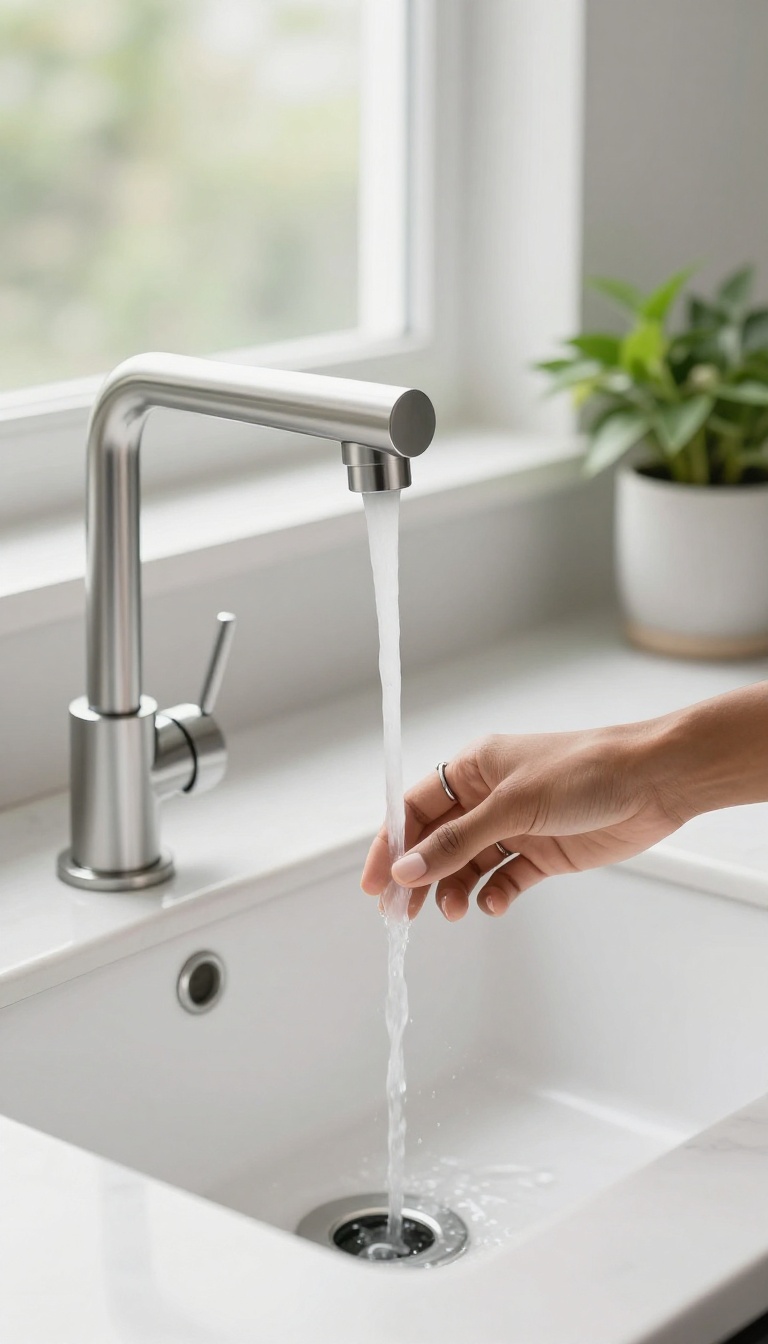
Picture this: your hands are covered in raw chicken juice, and you need to turn on the water. With a touchless faucet, you just wave a hand or an elbow near the sensor, and water flows automatically. It’s a small convenience that makes a big difference in daily cooking.
Touchless faucets use motion sensors to detect your presence, so you don’t have to touch the handle with dirty hands. This reduces the spread of germs and keeps the faucet cleaner. Plus, it’s incredibly handy when you’re juggling multiple tasks at the sink.
Touchless faucets are more than a futuristic gadget—they’re a practical upgrade for any busy kitchen. They help you maintain hygiene without extra effort, and they’re especially useful when your hands are full or messy. Here’s how to get the most out of one.
How Touchless Technology Works
Most touchless faucets use an infrared sensor near the base or spout. When you place your hand or an object within range, the sensor activates the water flow. Some models have a manual override, so you can still use the handle if the sensor battery dies or you prefer traditional control.
Sensors are adjustable in many models, letting you set the detection range and duration. This means you can avoid accidental activation and fine-tune the faucet to your sink size and habits.
Key Benefits For Cooking And Cleanup
The biggest advantage is hygiene. You don’t have to touch a potentially contaminated handle, which is great when handling raw meat, fish, or eggs. It also helps when your hands are covered in flour, dough, or sticky sauces—just wave and go.
Touchless faucets also help you save water. Many models automatically shut off after a few seconds if no movement is detected, preventing accidental running water. This is handy when you step away to grab a sponge or check a pot.
Choosing The Right Touchless Faucet
Look for models with a reliable sensor that responds quickly and has an adjustable timeout. Consider whether you want battery-powered or plug-in operation—batteries are easier to install but need replacement, while plug-in models are more consistent but require an outlet near the sink. Also, think about the spout style and finish.
Touchless faucets come in various designs, from high-arc to commercial-style, so you can match your kitchen’s look. Check the flow rate and whether it includes a pull-down sprayer for extra versatility.
3. High-Arc Gooseneck Faucets for Filling Large Pots
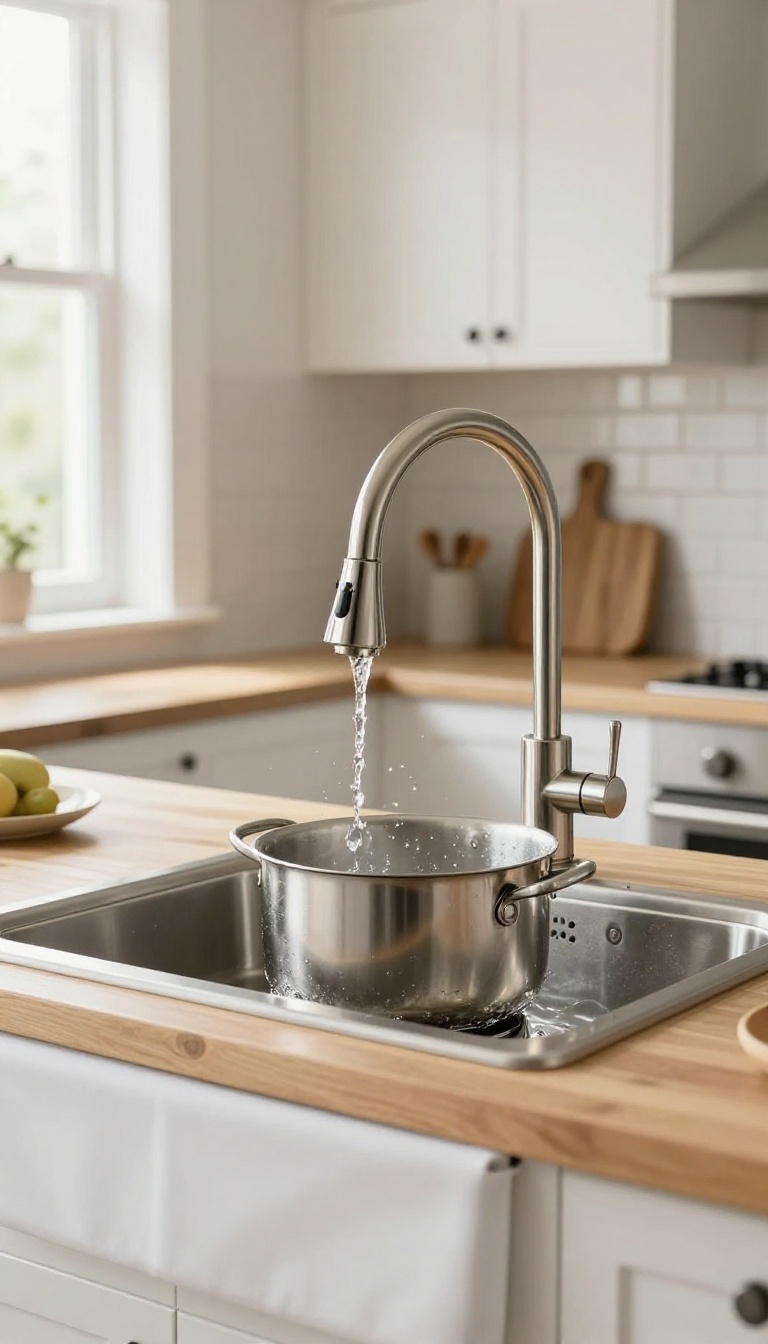
Filling a stockpot for pasta or a big pot for soup can be awkward when the faucet is low and stubby. You end up tilting the pot, splashing water everywhere, and hoping you don't miss. A high-arc gooseneck faucet solves that problem with a tall, curved neck that gives you plenty of room underneath.
This design isn't just practical—it also brings a classic, elegant look to your kitchen. Whether you're a weekend cook or a daily meal prepper, the extra clearance makes a big difference. Let's see why this simple change can make your time at the sink feel less like a chore.
The gooseneck's tall profile is its main selling point. It rises well above the sink, so you can slide a large pot underneath without hitting the spout. That means you can fill it directly from the faucet without lifting or balancing.
It's a small change that saves your back and your countertops from spills. Another plus is the clean, uncluttered look. The curved neck draws the eye upward and gives your kitchen a more open feel.
It works especially well with farmhouse sinks or modern minimal designs. Plus, the simple shape is easy to wipe down—no nooks and crannies for grime to hide.
Clearance That Actually Helps
Standard faucets often sit too low for tall pots. You have to angle the pot or use a pitcher to fill it. A high-arc gooseneck gives you at least 10 to 12 inches of clearance, so even a 16-quart stockpot fits comfortably.
You can also rinse large baking sheets or cutting boards without hitting the spout. It's the kind of convenience you don't realize you need until you have it.
A Look That Never Gets Old
The gooseneck shape has been around for decades, and it's still a favorite in both traditional and contemporary kitchens. It pairs well with bridge-style handles or a simple single lever. The clean lines make it a versatile choice that won't clash with your existing decor.
Plus, the tall silhouette can make a small kitchen feel a bit more spacious by drawing the eye upward.
Pairing It With The Right Sink
To get the most out of a high-arc faucet, pair it with a deep sink. A shallow sink can splash water back at you, especially when the water pressure is high. Look for a sink that's at least 8 inches deep.
If you have a double bowl, make sure the faucet can swivel easily to reach both sides. This combo gives you maximum flexibility and keeps your countertop dry.
4. Commercial-Style Faucets for a Professional Touch
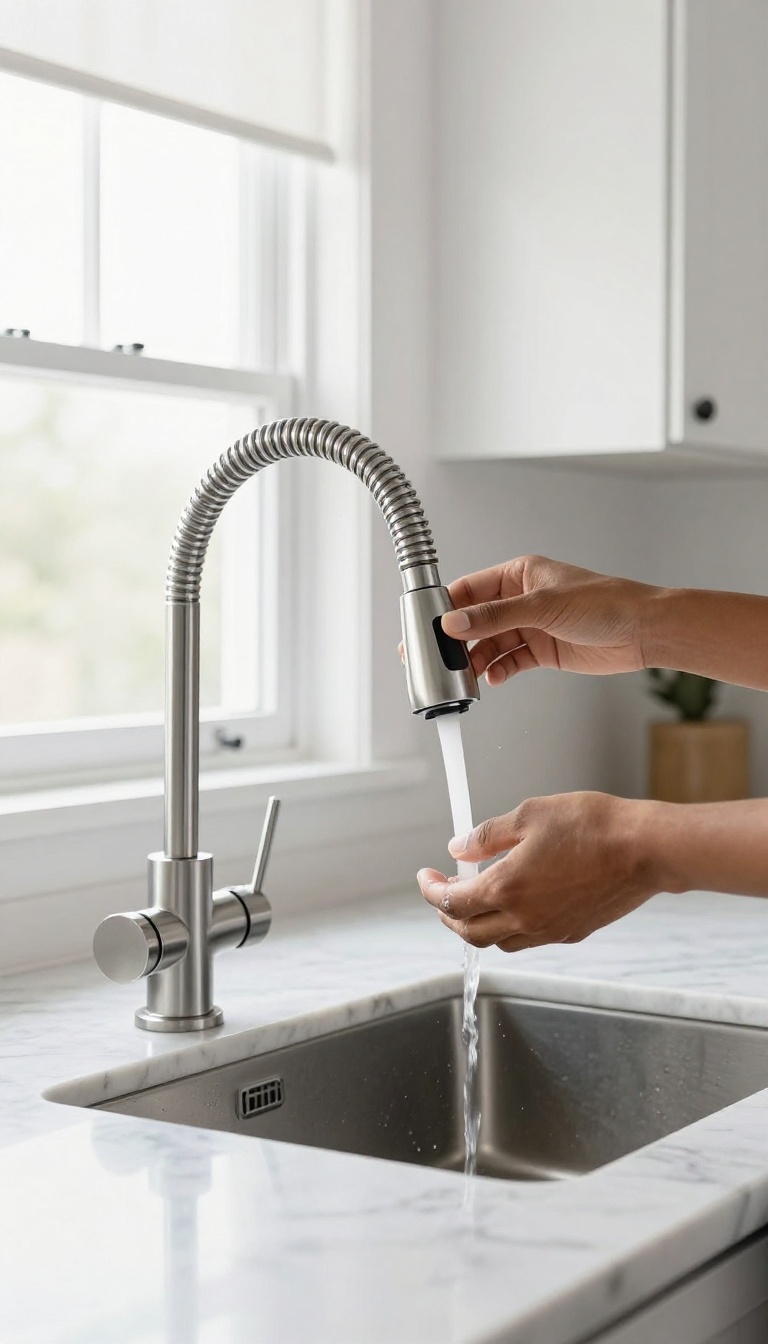
If you love cooking like a pro, your faucet should keep up. Commercial-style faucets bring that restaurant feel home, with a spring pull-down sprayer and a heavy-duty build that handles daily abuse. They're not just for show—they're designed to make every rinse and fill faster and more comfortable.
These faucets come with a high-arc gooseneck and a spring-loaded pull-down head, giving you plenty of clearance for tall pots and a flexible spray that reaches every corner of the sink. The solid metal construction feels substantial, and the sprayer glides smoothly in and out, so you can switch from a focused stream to a wide rinse without missing a beat. If you're serious about cooking, this is the faucet that won't slow you down.
Why The Spring Design Works
The spring not only looks cool but also adds flexibility. You can pull the head down and move it around without fighting a stiff hose. The spring also helps the head return to its dock smoothly, reducing wear and tear.
Plus, the open design makes it easy to wipe down, so keeping it clean is a breeze.
Durability That Lasts
Most commercial-style faucets are made from solid brass or stainless steel, with a commercial-grade finish that resists scratches and tarnishing. The sprayer head is often built with a metal body and a rubber nozzle that's easy to clean. This is a faucet that can take a beating and still look great years down the road.
Finding The Right Fit
Before you buy, check your sink setup. These faucets need a bit more space above the sink, so make sure you have enough clearance. Also, some models require a separate deck plate or a larger mounting hole.
Measure your sink and countertop to ensure a smooth installation, and you'll be ready to cook like a pro.
5. Pot Filler Faucets for Convenient Cooking
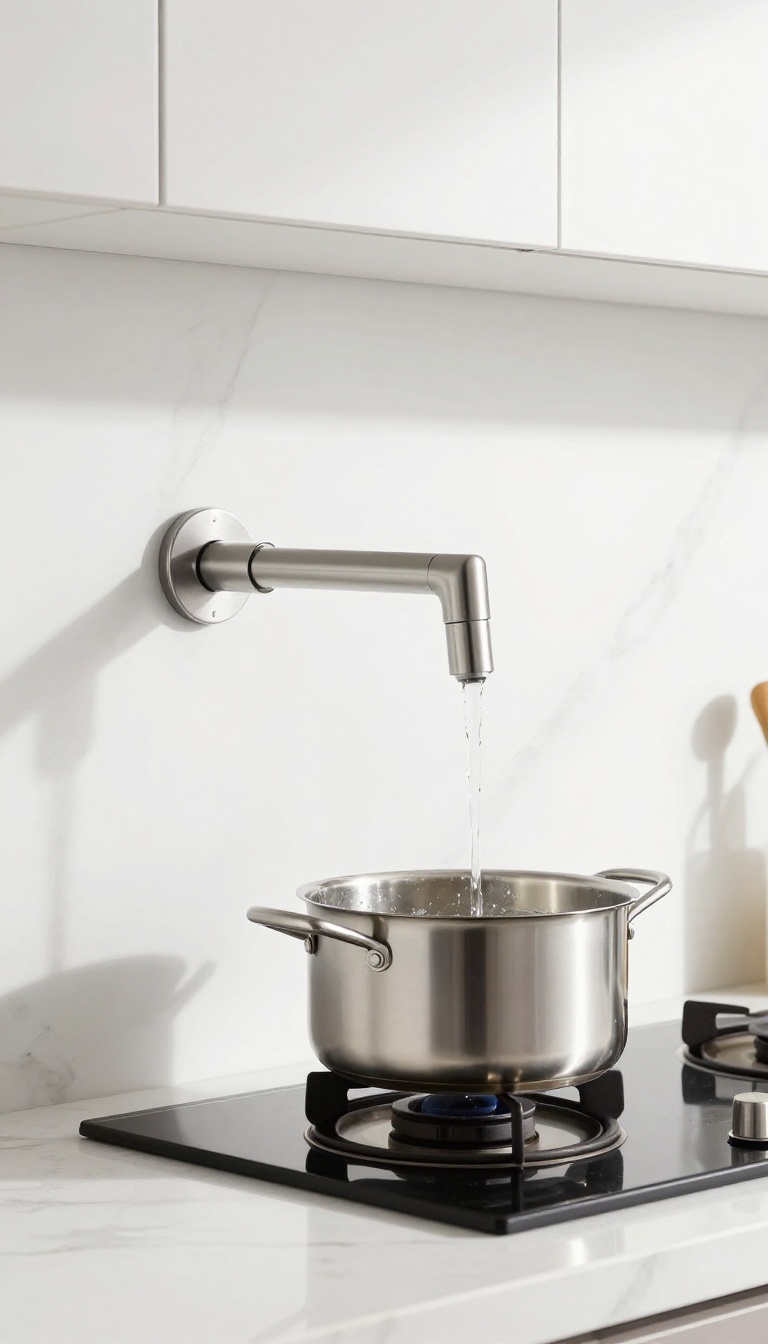
Boiling pasta for a crowd or simmering a big batch of stock usually means lugging a heavy pot from the sink to the stove. That awkward, water-sloshing shuffle is exactly what a pot filler eliminates. Mounted on the wall behind your cooktop, this faucet brings the water right to your biggest pots.
It’s a small addition that changes the flow of your cooking in a big way.
Pot fillers are a favorite among avid cooks and anyone who regularly prepares large meals. They save your back, your floor, and your time. Instead of wrestling with a full pot, you simply swing the arm over, turn it on, and fill right where you cook.
The convenience is undeniable, and it’s a feature that feels like a luxury every single day.
Why A Pot Filler Makes Sense
The biggest benefit is avoiding the heavy lift. Filling a 12-quart stockpot at the sink is awkward and risky—water splashes, pots slip, and your arms strain. A pot filler lets you fill the pot in place, so you only lift it when it’s full of water, if you need to move it at all.
It also keeps your sink free for other tasks, like rinsing veggies or washing dishes, while the pot fills on the stove.
Types Of Pot Fillers
You’ll find two main styles: a fixed wall-mounted faucet with a rigid arm, and a pull-down model with a hose that reaches across the stove. The fixed style is classic and simple, while the pull-down offers more flexibility for positioning over multiple burners. Both come in a range of finishes and designs to match your kitchen, from sleek stainless to matte black.
Installation And Considerations
Installing a pot filler requires a dedicated water line and a wall mount near the stove, so it’s usually a job for a plumber. You’ll also need to make sure your backsplash or wall can support the faucet. It’s an investment, but for serious cooks, it’s worth every penny.
Check your local plumbing codes and be ready for a slightly higher installation cost compared to a standard faucet.
6. Single-Handle Faucets for Simple Temperature Control
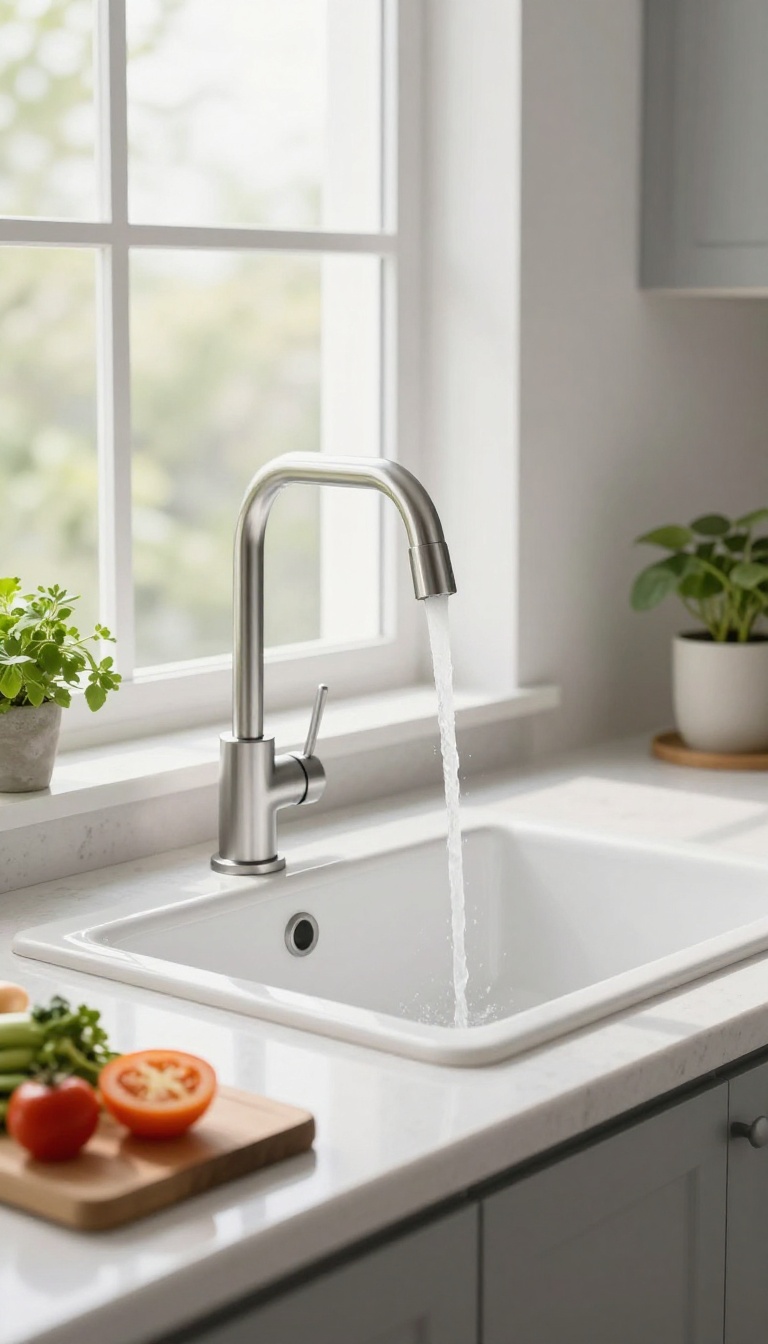
Balancing hot and cold with two handles can be a juggling act, especially when your hands are full or messy. Single-handle faucets simplify that dance by letting you adjust both temperature and flow with one smooth motion. It’s a small change that makes a big difference in everyday cooking.
Single-handle faucets are a favorite in modern kitchens for good reason. They combine form and function, offering a clean look while making water control feel intuitive. Whether you’re rinsing veggies, filling pots, or washing up, the ease of use is unmatched.
One-handed Operation
The biggest win with a single-handle faucet is the ability to operate it with one hand, even when the other is holding a pan or covered in flour. You can nudge the lever with your wrist or forearm, which keeps things hygienic and efficient. No more fiddling with two separate knobs when you’re in a rush.
Sleek, Space-saving Design
Single-handle models tend to have a more streamlined profile that frees up counter space around the sink. The lever sits neatly on the deck or base, and the overall silhouette is less cluttered than traditional two-handle setups. This minimalist look pairs well with modern or transitional kitchen styles.
Precise Temperature Control
Many single-handle faucets come with a ceramic disc cartridge that allows fine adjustments. You can find your perfect water temperature quickly and lock it in without constant tweaking. Some models even have a temperature memory feature, so the water returns to your preferred setting every time you turn it on.
7. Bridge Faucets for a Classic Farmhouse Look
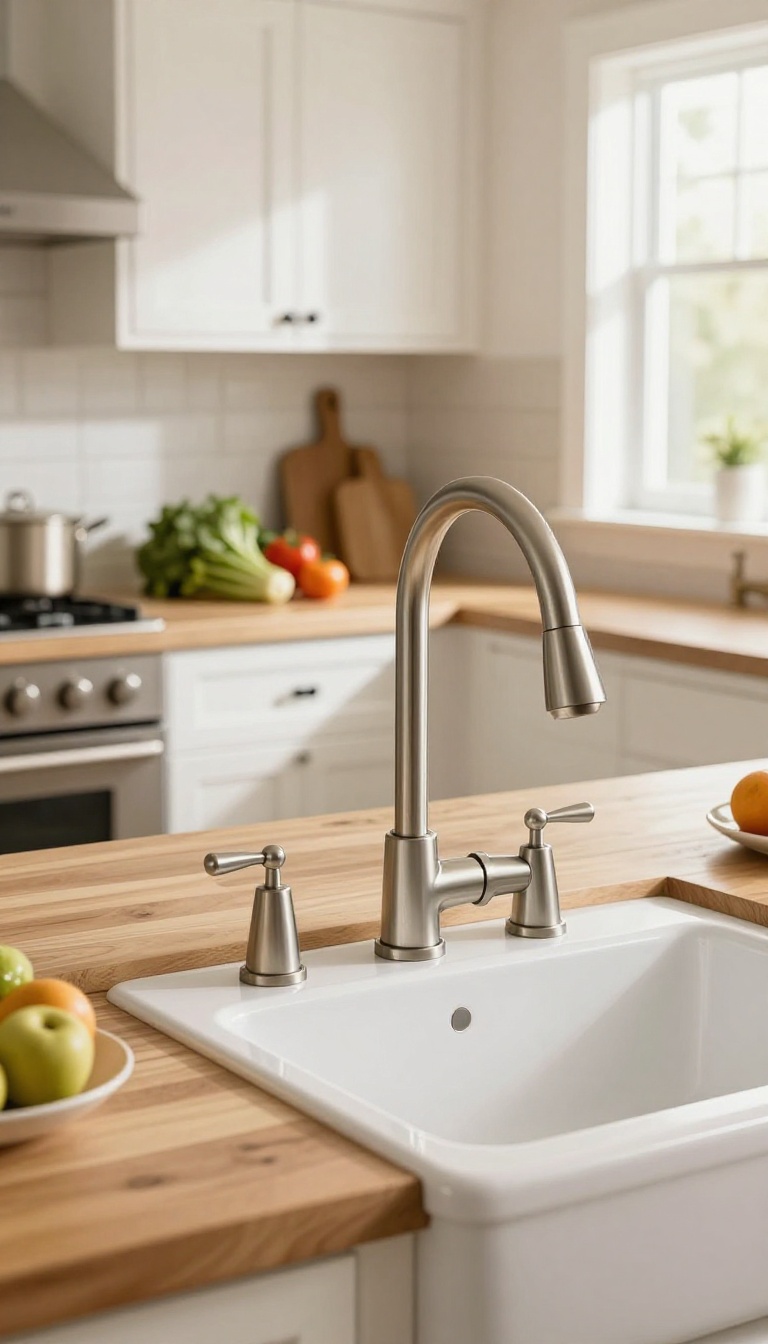
If your kitchen leans rustic or you simply love timeless design, a bridge faucet might be the upgrade you’ve been waiting for. These fixtures pair two separate handles with a connecting bridge, nodding to the farmhouse sinks of yesteryear while still delivering modern performance. Beyond the charming aesthetic, bridge faucets give you precise control over water temperature, which comes in handy when you’re multitasking at the stove or sink.
Bridge faucets are more than just a pretty face—they’re built to make your cooking routine smoother. The two-handle setup lets you dial in the exact temperature without fiddling, and the elevated spout provides plenty of clearance for filling tall pots or rinsing bulky produce. Plus, the sturdy construction means they’re ready for daily wear and tear.
Why Two Handles Beat One
With separate hot and cold handles, you can adjust the temperature before the water even hits the sink. That’s a game-changer when you’re washing delicate greens or need lukewarm water for proofing yeast. You’ll also avoid the accidental temperature spikes that can happen with single-handle models, giving you more confidence in the kitchen.
Matching The Farmhouse Vibe
Bridge faucets look especially at home with apron-front sinks, butcher-block counters, and shaker cabinets. The exposed piping and vintage silhouette add instant character, making your kitchen feel warm and inviting. If you’re not going full farmhouse, they still work in transitional or modern spaces when finished in matte black or brushed nickel.
Installation And Maintenance Tips
Most bridge faucets require three holes in your countertop or sink deck, so check your setup before buying. If you’re replacing a single-hole faucet, you might need a deck plate or a new sink. Cleaning is straightforward—just wipe down the bridge and handles regularly to keep mineral deposits at bay, especially if you have hard water.
8. Wall-Mounted Faucets for a Clean Countertop
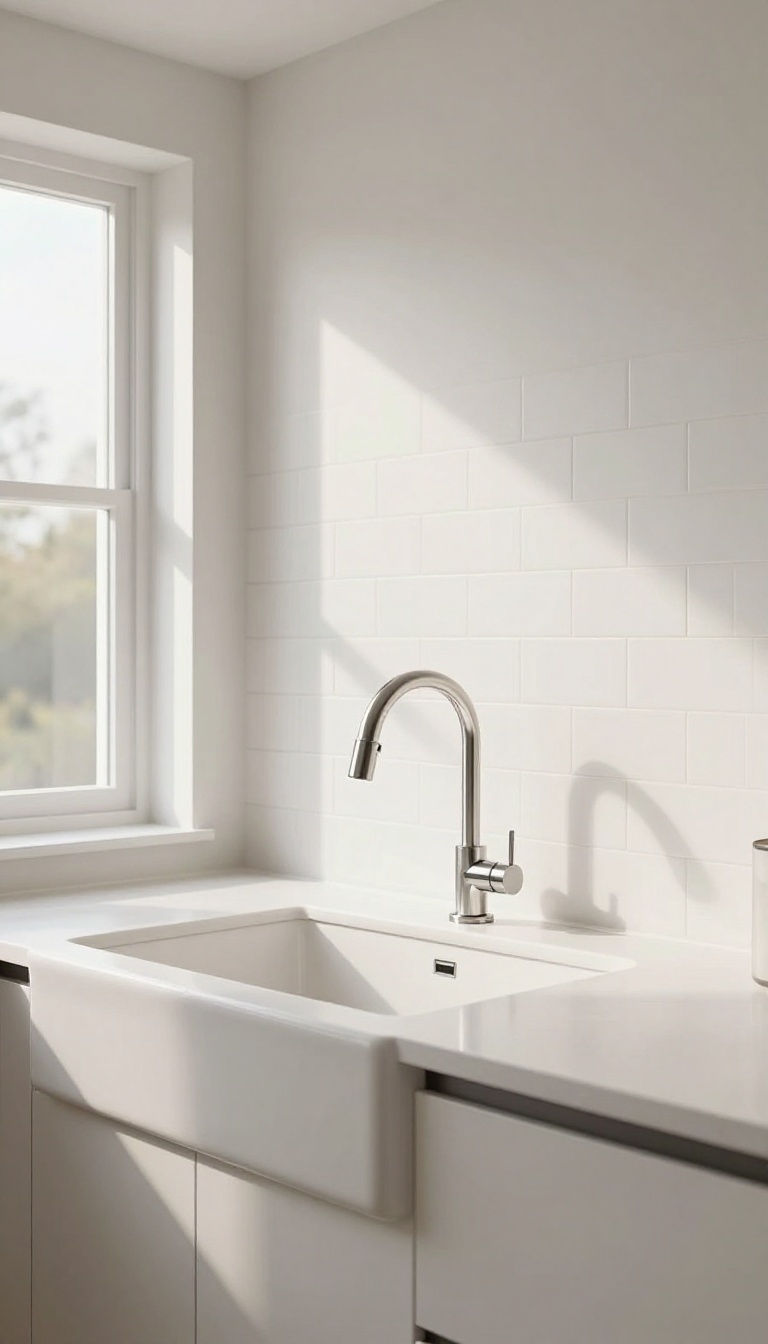
Tired of scrubbing grime around the base of your faucet? Wall-mounted faucets lift the fixture off the counter entirely, which means no more hard-to-reach nooks and crannies. They also free up valuable workspace, making them a smart choice for compact kitchens or anyone who loves a clutter-free prep area.
Mounting the faucet on the wall changes the whole feel of the sink area. It opens up the countertop, making it easier to wipe down spills and keep things tidy. Plus, the minimalist look can make even a small kitchen feel more spacious and modern.
Why Go Wall-mounted?
The biggest win is the extra counter space. Without a base taking up room, you can place cutting boards or drying racks right up against the sink. Cleaning is also a breeze—no more gunk building up around the faucet's base.
And because the plumbing runs inside the wall, you get a sleek, uncluttered look that pairs well with farmhouse, industrial, or contemporary styles.
Installation Considerations
This isn't a simple DIY swap. You'll need to run the water supply lines inside the wall, which means cutting into drywall and possibly moving studs. It's best to hire a licensed plumber, especially if you're retrofitting an existing kitchen.
If you're building or remodeling, the extra cost is often worth it for the clean aesthetic and functionality.
Pairing With Your Sink
Wall-mounted faucets work beautifully with just about any sink type, but they really shine with a farmhouse or apron-front sink. Since the faucet is set back, you can easily reach the entire basin. For island sinks, a wall-mounted faucet can be mounted on the wall behind the island—just make sure the spout reaches far enough.
Choose a gooseneck or swivel design for maximum flexibility.
9. Smart Faucets with Voice Control and App Integration
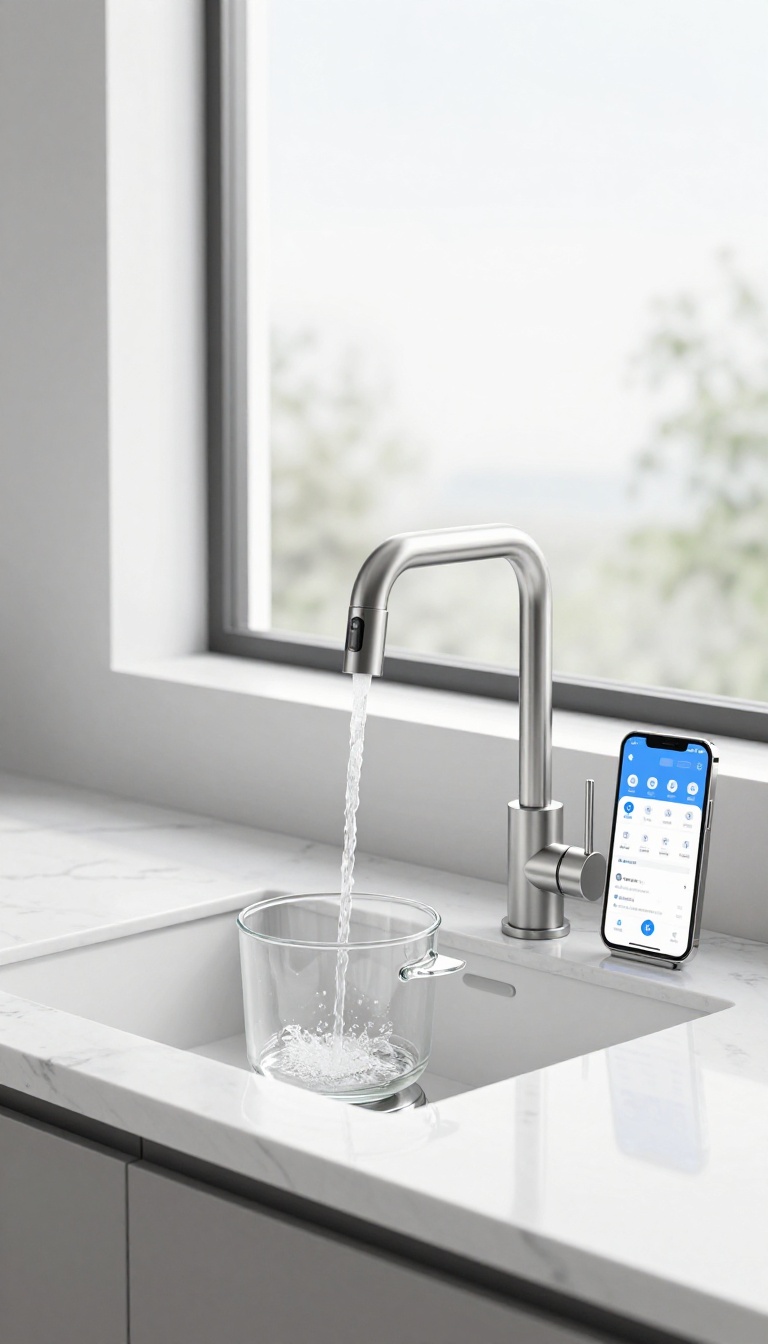
What if your faucet could respond to your voice or even learn your habits? Smart faucets bring that futuristic convenience to your kitchen sink, letting you control water with simple commands or through an app on your phone. They're perfect for busy cooks who want hands-free control and a touch of high-tech ease.
Smart faucets are more than just a novelty—they're genuinely useful. With voice control, you can ask your faucet to dispense a specific amount of water at a precise temperature, which is great for recipes that need exact measurements. App integration takes it further, allowing you to monitor usage, set reminders, or even start filling a pot from another room.
Plus, many models include touch or motion sensors, so you can turn the water on and off with a wave of your hand, keeping germs at bay while cooking.
Voice-activated Convenience
Imagine saying, "Hey faucet, pour two cups of warm water, " and it does exactly that. Voice control frees your hands for chopping, stirring, or holding a pot. It's especially handy when your hands are messy or full, and you need water without touching anything.
Most smart faucets work with popular assistants like Alexa or Google Home, so setup is straightforward.
App-controlled Precision
The companion app gives you a dashboard for your faucet. You can set default temperatures, create presets for common tasks like filling a coffee maker or pasta pot, and even get notifications if a leak is detected. Some models track water usage, helping you be more eco-conscious.
If you're away and want to start soaking beans or thawing something, you can trigger the faucet remotely—just make sure you have a clear drain.
Touch And Motion Sensors
Even without voice or app, smart faucets often include touch or motion sensors. A simple tap on the spout or a wave in front of the sensor turns the water on and off. This is a game-changer when your hands are covered in flour or raw chicken juice.
It also helps reduce water waste since the flow stops automatically when you step away.
FAQ
What is the most popular type of kitchen faucet?
Pull-down sprayer faucets are among the most popular due to their versatility and ease of use. They combine a traditional spout with a retractable sprayer, making them ideal for various kitchen tasks.
Are touchless kitchen faucets worth it?
Yes, touchless faucets offer convenience and improved hygiene, especially when your hands are messy or full. They may cost more upfront but can save water and reduce the spread of germs.
How do I choose the right faucet size for my sink?
Consider the number of holes in your sink and the distance from the faucet to the back of the sink. Standard faucets fit 1-3 holes, and the spout height should allow for easy use without splashing.
Can I install a kitchen faucet myself?
Many homeowners can install a faucet with basic plumbing skills and tools. However, if you're unsure or need to modify plumbing lines, it's best to hire a professional to avoid leaks or damage.
What finish is best for a kitchen faucet?
Stainless steel and brushed nickel are popular for their durability and resistance to fingerprints and water spots. Matte black and bronze offer a modern or rustic look but may require more maintenance.
Conclusion
Upgrading your kitchen faucet is one of those small changes that can genuinely improve how you cook, clean, and move around the space. Whether you go for a pull-down sprayer, a touchless model, or something with a bit more style, the right pick makes daily tasks feel smoother and more enjoyable.
Start with what bothers you most—low water pressure, a stiff handle, or just a dated look—and choose a faucet that solves that problem. A simple swap can change the whole feel of your kitchen, making it a place you actually look forward to spending time in.