11 Living Room Wall Painting Ideas You’ll Want to Save
Your living room walls set the tone for the entire space. A fresh coat of paint can do more than just change the color—it can make the room feel warmer, more inviting, and layered with personality.
Whether you're drawn to soft neutrals or want to try a subtle texture, the right wall treatment can transform how your living room feels without a major renovation. We've rounded up 11 wall painting ideas that lean into a cozy, layered aesthetic.
These aren't just about picking a color; they're about creating depth and warmth through technique, finish, and thoughtful combinations. Each idea is designed to feel achievable for a weekend project but impactful enough to change the whole vibe of your room.
1. Warm Neutral Tones with Subtle Texture
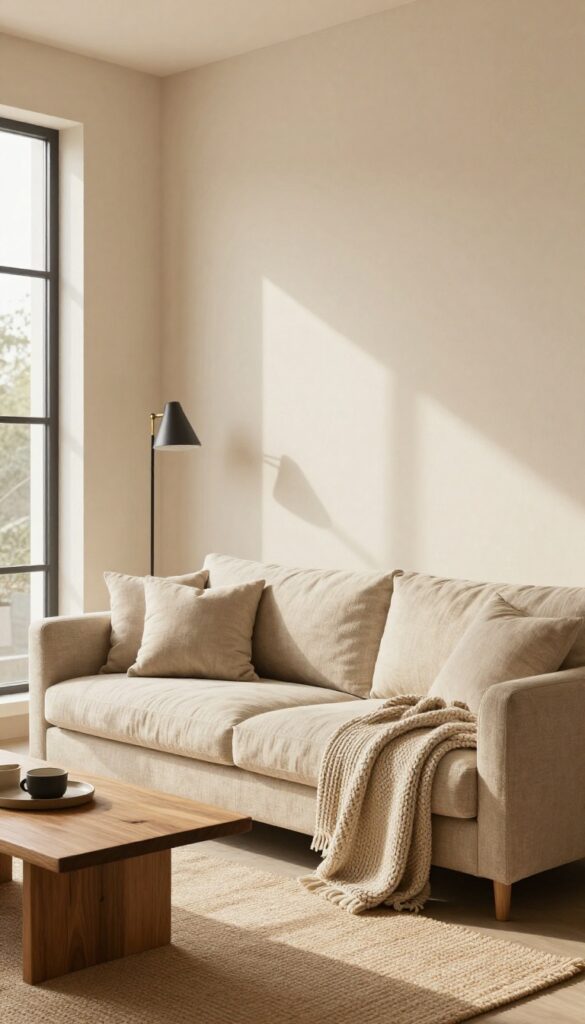
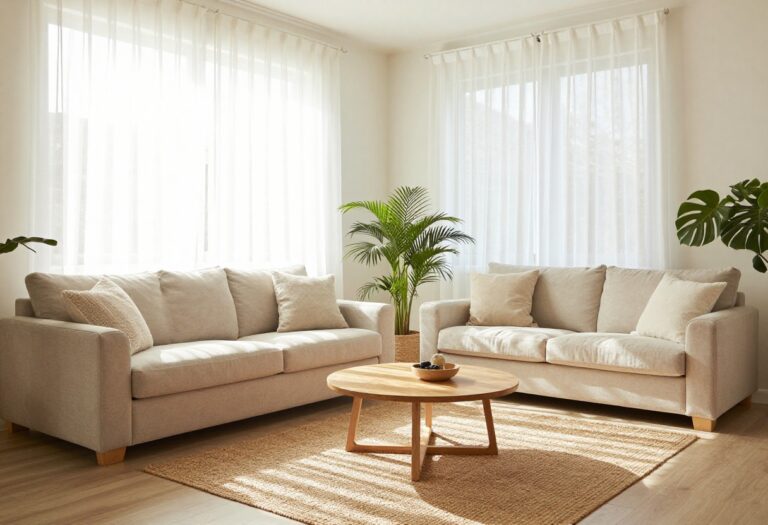
There’s something quietly grounding about a wall that doesn’t shout for attention but still adds depth. Warm beige or greige with a limewash or suede finish does exactly that—it wraps the room in a soft, tactile embrace. The subtle variation in the texture catches light differently throughout the day, making the space feel alive without being busy.
Why It Works
The combination of warm neutrals and gentle texture creates a backdrop that feels both sophisticated and lived-in. It’s forgiving of everyday wear and pairs effortlessly with natural materials like wood, linen, and wool, reinforcing that cozy, layered vibe.
Best For
Living rooms that aim for a calm, inviting atmosphere—especially those with lots of natural light that can play up the texture. It’s also ideal for open-concept spaces where you want warmth without visual clutter.
Styling Tip
Lean into the cozy factor by layering in chunky knit throws, a jute rug, and wooden accents. Keep furniture in similar warm tones to let the wall texture be the hero, and add a few matte black or brass touches for contrast.
2. Two-Tone Walls with a Horizontal Split
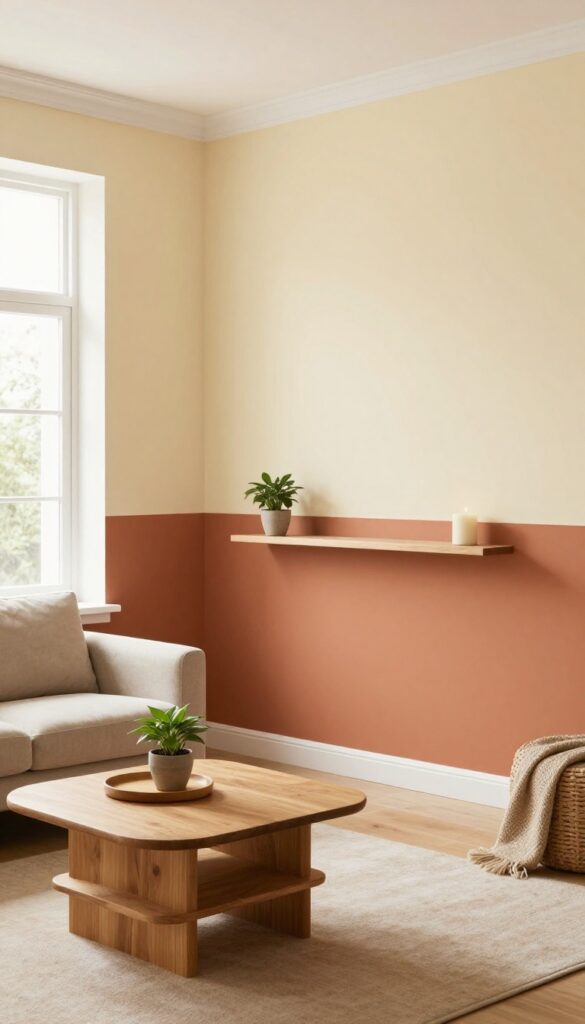
There's something quietly transformative about dividing a wall into two distinct color zones. By painting the lower half a deeper, grounding shade like terracotta or olive and the upper half a soft cream, you instantly add architectural interest without any structural changes. This trick makes a room feel both anchored and airy, perfect for creating that cozy, layered look that invites you to settle in.
Why It Works
The horizontal line draws the eye across the room, making the space feel wider and more balanced. The darker lower half grounds the room, while the lighter upper half keeps it from feeling heavy. It's a simple way to add depth and personality without overwhelming the senses.
Best For
Living rooms that need a focal point but lack architectural details like wainscoting or crown molding. It's also great for rooms with low ceilings, as the lighter top half can visually lift the space, and for open-plan areas where you want to define a cozy seating zone.
Styling Tip
Keep the split line at the same height as your window sills or around 36 to 48 inches from the floor. Use a crisp painter's tape line for a clean edge, and consider adding a floating shelf right at the divide to emphasize the line and display small decor pieces like candles or plants.
3. Painted Arch or Alcove Accent
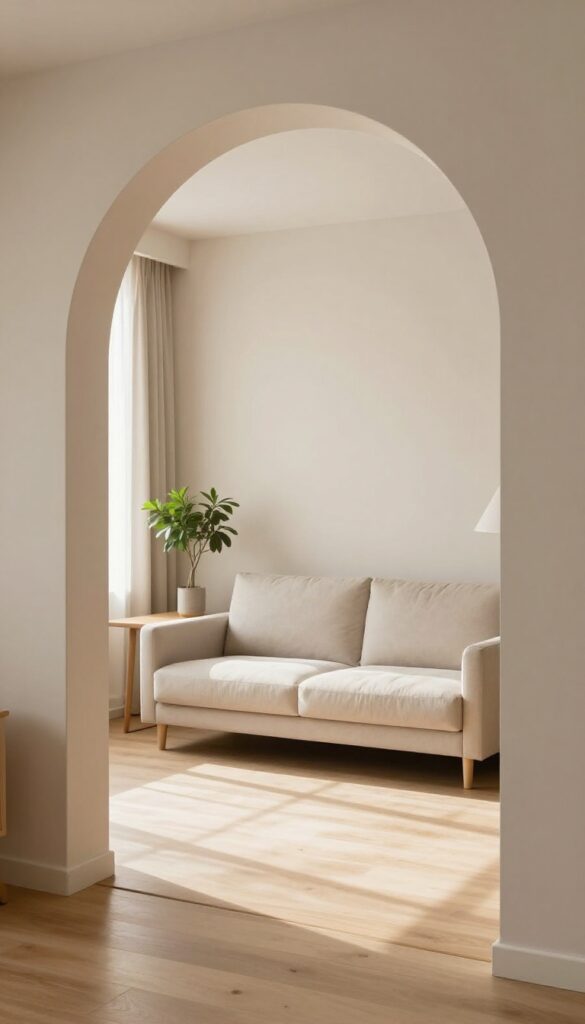
There’s something quietly charming about a painted arch or alcove. It feels like you’ve added a whole new architectural feature, but really it’s just paint and painter’s tape. Soften the shape with a warm muted clay or dusty rose, and suddenly your sofa or built-in has a cozy little frame that draws the eye without shouting.
It’s the kind of detail that makes a room feel thoughtfully layered, not overdone.
Why It Works
A painted arch or alcove creates an instant focal point that tricks the eye into seeing more structure. The soft curve contrasts nicely with straight furniture lines, adding visual interest without taking up any floor space. It’s an easy way to introduce color in a controlled, intentional way.
Best For
This idea shines in living rooms with a blank wall behind the sofa or a recessed nook that feels unfinished. It’s also great for renters who can’t build real arches—just paint it back to white when you move out. Works especially well in open-plan spaces where you want to define a seating zone.
Styling Tip
Keep the rest of the room neutral so the arch stands out. Place a slim console table or a low plant inside the painted area to anchor it. For extra coziness, add a warm floor lamp nearby that casts soft light onto the painted shape.
4. Color Drenching in a Deep, Cozy Hue
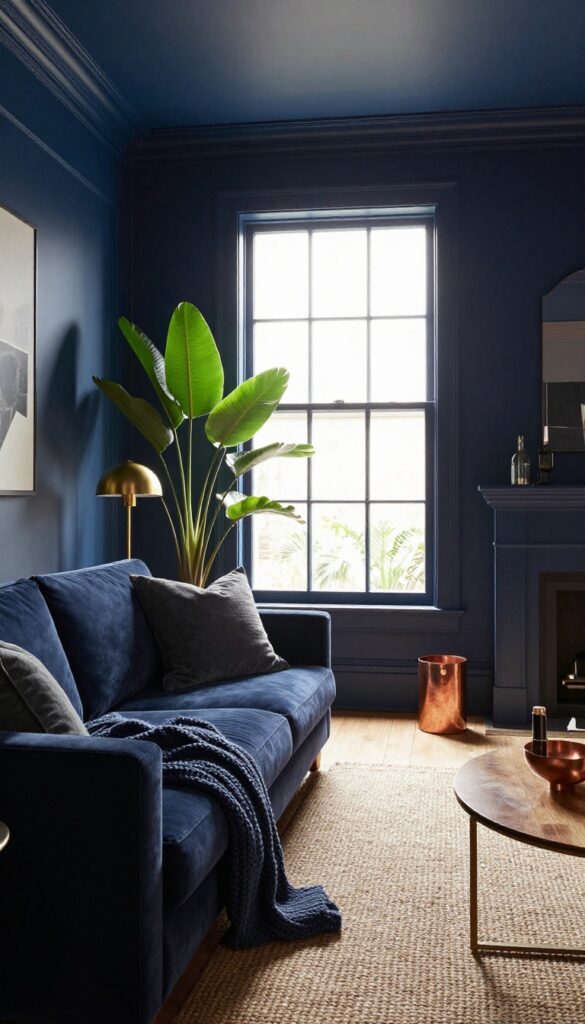
Imagine walking into a living room where the walls, ceiling, and trim are all wrapped in the same rich, dark color. That’s color drenching, and it’s one of the most dramatic yet cozy trends you can try. By eliminating visual breaks, the room feels seamless and enveloping, like a warm hug.
Choose a deep charcoal blue, forest green, or even a moody plum to create an intimate atmosphere that’s perfect for winding down.
Why It Works
Color drenching blurs the boundaries of the room, making the space feel larger and more cohesive. The consistent dark tone absorbs light, creating a cocoon-like effect that instantly makes the room feel snug and intentional. It also simplifies your decor palette, so you can layer in textures without visual clutter.
Best For
This look is ideal for living rooms that get plenty of natural light during the day, as the darkness will feel balanced. It’s also great for rooms you use mainly in the evening, like a family room or a den, where you want a relaxed, intimate vibe. Smaller rooms can surprisingly benefit too, as the monochromatic scheme tricks the eye into seeing more depth.
Styling Tip
Balance the dark walls with plenty of texture: a chunky knit throw, a velvet sofa, or a jute rug. Add warm lighting with table lamps and floor lamps to create soft pools of light. Metallic accents in brass or copper will pop beautifully against the deep hue, and a few houseplants with broad green leaves will keep the space feeling alive.
5. Striped Walls for Vertical Interest
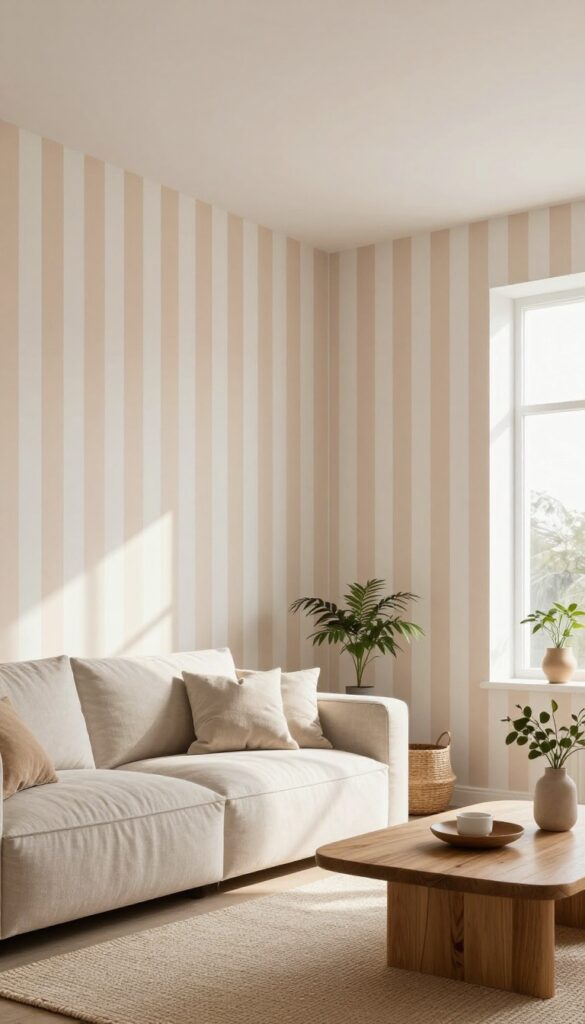
Vertical stripes are a clever way to make a living room feel taller and more spacious without adding a single piece of furniture. By choosing two similar tones—like warm white and pale clay—you get a subtle pattern that adds texture without overwhelming the space. It’s a classic look that feels fresh and modern, especially when paired with cozy, layered furnishings.
Why It Works
The vertical lines draw the eye upward, which visually raises the ceiling height. Using two close shades keeps the effect soft and sophisticated, so it doesn’t compete with your decor. The result is a room that feels airy, calm, and intentionally designed.
Best For
This idea is perfect for living rooms with standard or low ceilings, or for anyone who wants to add architectural interest without a major renovation. It also works well in rooms that need a subtle focal point, like a wall behind a sofa or a reading nook.
Styling Tip
Keep the rest of the room simple to let the stripes shine. Pair them with neutral furniture, natural textures like linen and wood, and plenty of soft lighting. Add a few plants or woven baskets to reinforce the cozy, layered vibe.
6. Ombre Effect from Floor to Ceiling
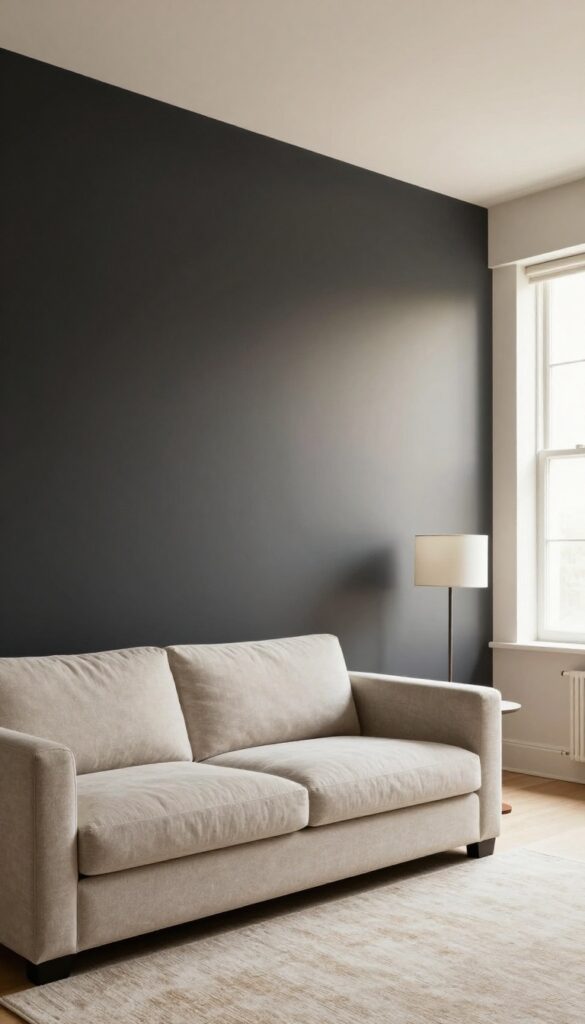
Imagine a wall that shifts from a deep, grounding charcoal at the base to a soft, airy cream near the ceiling. That’s the ombre effect—a gradient that feels both dramatic and soothing. It’s like having a sunset painted on your wall, but in cozy, warm tones that make the room feel taller and more intimate at the same time.
This technique works especially well in living rooms where you want to add visual interest without cluttering the space with patterns or furniture.
Why It Works
The gradient naturally draws the eye upward, making ceilings feel higher and the room more expansive. At the same time, the darker base anchors the space, creating a sense of stability and warmth. It’s a clever way to add depth and artistry without overwhelming the room—perfect for cozy, layered interiors.
Best For
Living rooms with high ceilings or open floor plans, where the gradient can really shine. It’s also great for rooms that lack architectural detail, as the ombre effect becomes a focal point in itself. Avoid in very small rooms with low ceilings, as the contrast might feel too heavy.
Styling Tip
Pair the ombre wall with light, neutral furniture to let the gradient take center stage. Add a plush area rug in a matching warm tone, and use soft lighting—like floor lamps or sconces—to enhance the subtle color transitions. Keep decor minimal on that wall to preserve the effect.
7. Stenciled Pattern for a Custom Look
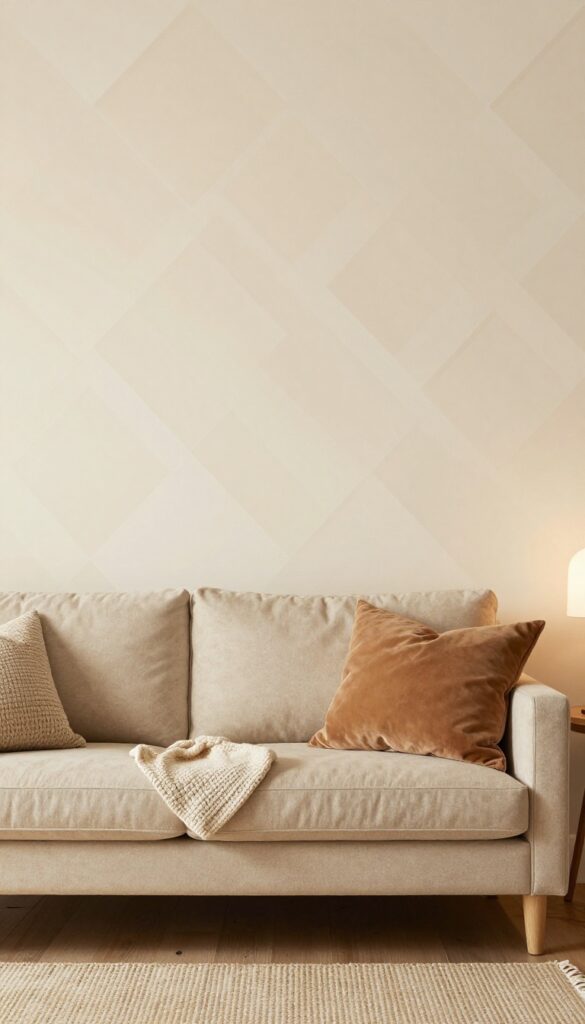
A stencil is one of those tools that makes you feel like a professional decorator without the price tag. By choosing a repeating pattern—think geometric diamonds, soft florals, or even a subtle Moroccan tile motif—you can create a feature wall that looks custom and intentional. The trick is to go tone-on-tone with your base color, so the pattern adds texture and depth without screaming for attention.
It’s a perfect middle ground between a plain painted wall and full-on wallpaper, and it brings a cozy, handcrafted feel to the room.
Why It Works
The tone-on-tone effect keeps the pattern from feeling busy, which is key for a cozy space. It adds visual interest and a sense of layering, making the wall feel like it has history and personality. Plus, because it’s paint, you can easily change it later if your style evolves.
Best For
This idea shines in living rooms where you want a focal point without the commitment of wallpaper. It works especially well on an accent wall behind a sofa or a console table, and it’s fantastic for renters who can paint back to neutral before moving out.
Styling Tip
To keep the look warm and layered, pair the stenciled wall with soft textures like a chunky knit throw, velvet cushions, and a woven rug. Use warm lighting—table lamps with soft bulbs—to highlight the pattern’s subtle relief. Avoid competing patterns in the same area; let the stencil be the star.
8. Textured Plaster or Sponge Finish
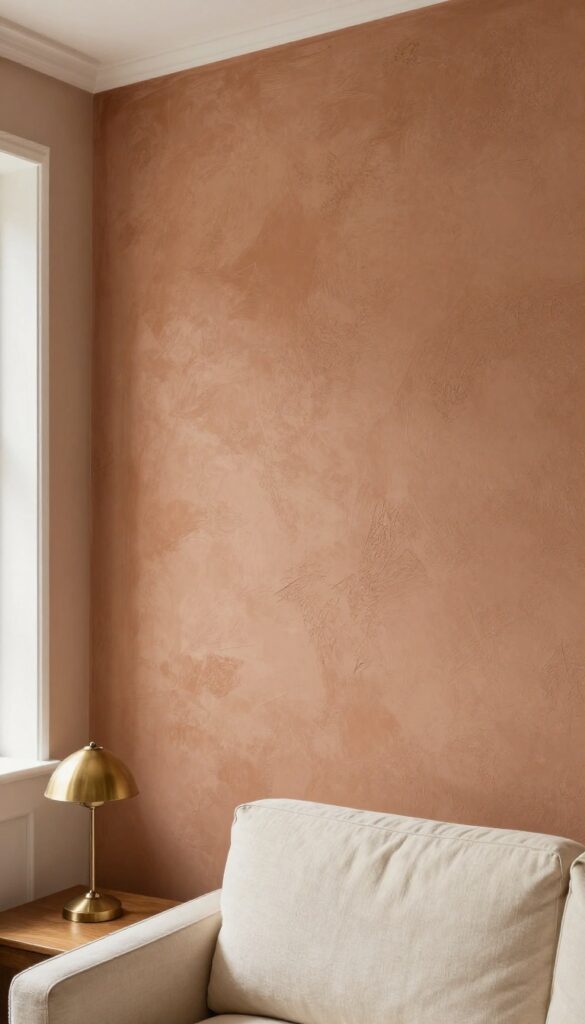
Imagine walls that feel like they have a story to tell. A textured plaster or sponge finish brings that old-world charm into your living room, adding depth and a soft, mottled look that’s anything but flat. It’s the kind of finish that makes a room feel instantly cozier, like a warm hug from a centuries-old villa.
The best part? It’s surprisingly achievable with a little patience and the right tools.
Why It Works
Texture naturally softens a space, making it feel more layered and lived-in. The uneven surface catches light in different ways, creating subtle shadows that add visual interest without needing art or accessories. It’s a simple way to introduce warmth and a sense of history, even in a brand-new build.
Best For
This finish shines in living rooms that need a focal point or a bit of character. It’s perfect for accent walls behind a sofa or fireplace, and works beautifully in rooms with plenty of natural light to highlight the texture. Avoid using it in very small, dark spaces where it might feel heavy.
Styling Tip
Pair textured walls with soft, neutral furnishings and natural materials like linen, wool, or wood. Keep the color palette muted—think warm whites, soft grays, or earthy terracottas—to let the texture take center stage. Add a few matte black or brass accents for a touch of contrast.
9. Accent Wall with a Warm Earthy Tone
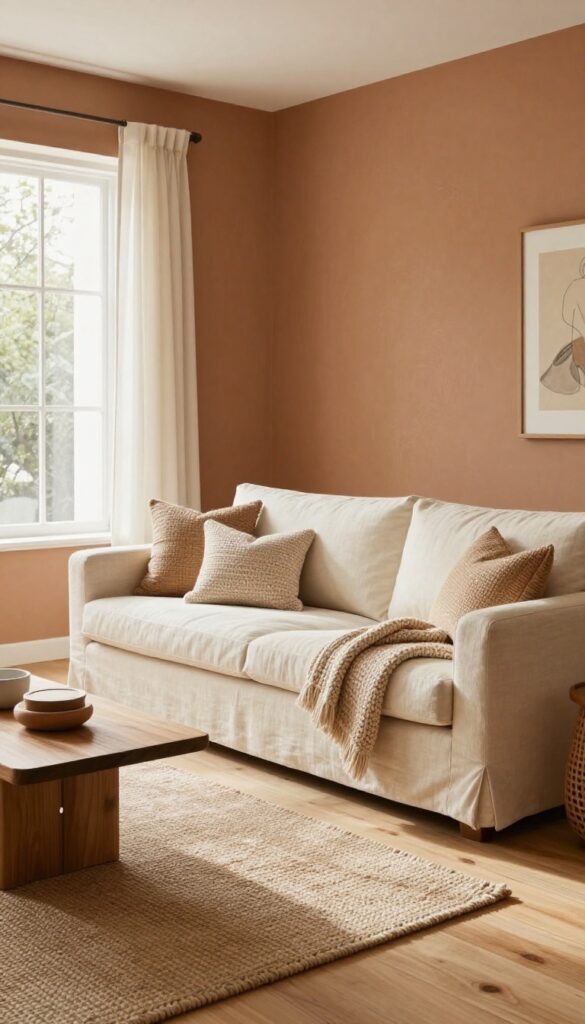
Warm earthy tones bring a grounded, organic feel into any living room. Painting just one wall in a rich shade like burnt sienna or deep mustard adds depth without overwhelming the space. The rest of the room stays neutral, letting that accent wall become a natural focal point that feels both intentional and inviting.
Why It Works
A single bold wall creates visual interest without the commitment of a full-color room. Earthy hues like terracotta, ochre, or rust pair beautifully with natural materials—wood, linen, leather—reinforcing the cozy, layered look you're going for.
Best For
Living rooms that get plenty of natural light; the warmth of the accent wall balances bright, airy neutrals. It's also great for open-concept spaces where you want to define a seating area without building walls.
Styling Tip
Anchor the accent wall with a sofa in a soft neutral like cream or warm gray. Add texture with a chunky knit throw, a woven jute rug, and a few ceramic or wooden accessories. Keep the color palette simple so the wall stays the star.
10. Chalkboard or Magnetic Paint Feature
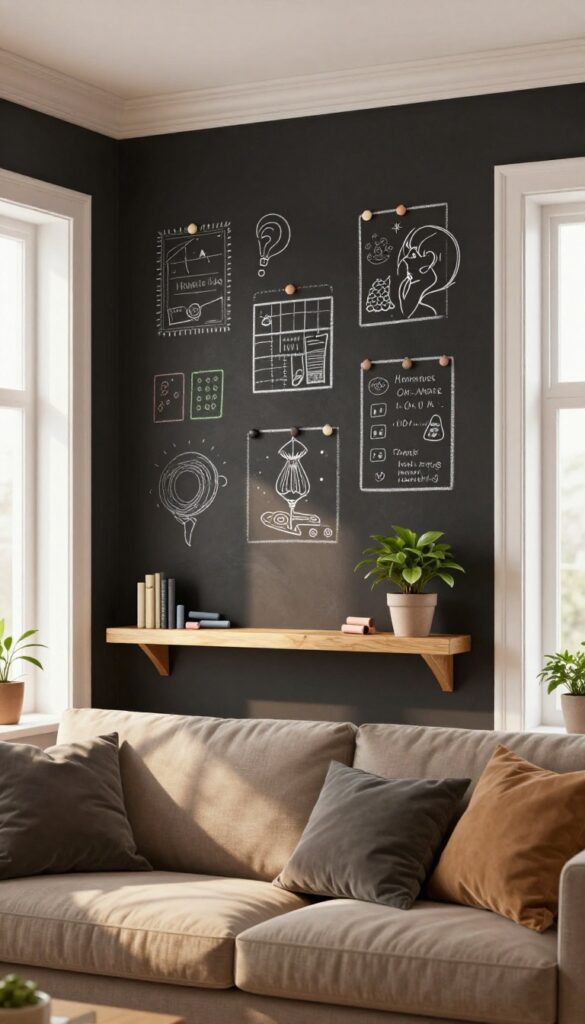
Imagine a wall that pulls double duty as a creative outlet and a practical organizer. Chalkboard or magnetic paint transforms a plain surface into an interactive feature where notes, kids' art, or a rotating gallery of prints can live. When framed with simple molding, it reads as a deliberate design choice rather than a leftover from a school classroom.
The dark matte finish adds depth and a touch of cozy drama, especially when paired with warm wood tones and soft lighting.
Why It Works
This idea brings function and personality together without sacrificing style. The dark surface anchors the room, while the ability to swap out messages and artwork keeps the space feeling alive and personal. It’s also a fantastic way to involve the whole family in the decor—everyone can contribute a doodle or a note.
Best For
Perfect for busy households with kids or anyone who loves to change up their decor frequently. It works especially well in a living room that also serves as a home office or play area, where a mix of practicality and charm is key.
Styling Tip
Keep the look polished by framing the painted area with white or wood molding to create a faux chalkboard feel. Pair with a small ledge underneath to hold chalk, magnets, and a few tiny plants. Use warm, low-light lamps nearby to soften the dark surface and keep the room feeling cozy.
11. High-Gloss Trim and Low-Sheen Walls
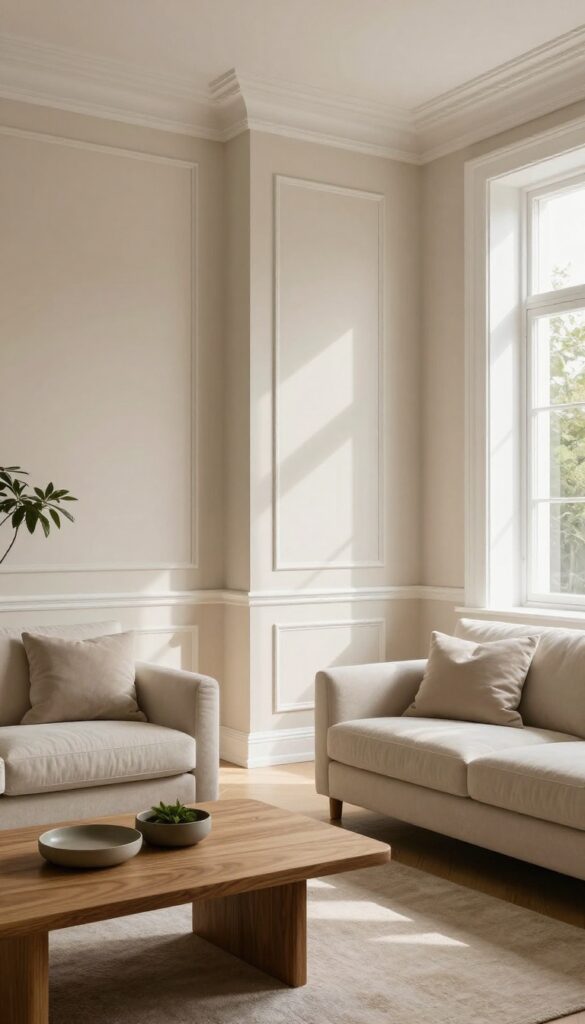
A fresh coat of paint is often the easiest way to transform a room, but the finish matters just as much as the color. By pairing matte or eggshell walls with high-gloss trim, you create a subtle contrast that catches the light and adds a polished, layered finish. It’s a simple trick that makes the architecture of the room feel more intentional and refined, without requiring any major renovations.
Why It Works
The combination of low-sheen walls and glossy trim plays with light in a way that flat paint alone can’t. The trim becomes a visual anchor, framing the walls and drawing the eye around the room. This contrast adds depth and dimension, making the space feel more custom and thoughtfully designed.
Best For
This technique shines in living rooms with traditional moldings, wainscoting, or any architectural details you want to highlight. It’s also great for rooms that get good natural light, since the gloss will reflect it and make the trim pop. If your space has plain walls, adding a glossy baseboard and door frame can instantly elevate the look.
Styling Tip
Choose a trim color that either matches the wall color for a monochromatic, sophisticated feel or goes slightly lighter or darker for more contrast. For a warm and cozy vibe, stick with off-whites, soft beiges, or warm grays on the walls, and use a pure white or cream with a high-gloss sheen on the trim. Don’t forget to prep the trim well—glossy paint shows every imperfection.
FAQ
What paint finish is best for a cozy living room?
Matte or eggshell finishes work well for a cozy look because they absorb light and create a soft, warm feel. For trim, consider a satin or semi-gloss to add subtle contrast.
How do I choose a wall color that feels warm?
Look for colors with warm undertones like beige, taupe, terracotta, or olive. Avoid cool grays and blues if you want a cozy vibe. Test samples on your wall to see how they look in different lighting.
Can I paint an accent wall without it looking dated?
Yes, choose a modern earthy tone or a soft pastel rather than a bright primary color. Keep the rest of the room neutral and let the accent wall add depth without overwhelming.
What's the easiest way to add texture with paint?
Try a sponge or rag rolling technique, or use a textured roller. You can also buy paint additives that create a sand or suede effect. These methods are beginner-friendly and forgiving.
How do I make a small living room feel cozy with paint?
Use a single warm color on all walls and ceiling to blur the edges and make the room feel enveloping. Avoid stark contrasts; instead, layer similar tones for a seamless look.
Conclusion
These 11 wall painting ideas prove that a little paint can go a long way in making your living room feel cozier and more layered. Whether you try a subtle texture or a bold color drench, each approach adds personality without requiring a full renovation.
Pick the idea that speaks to your style and start small—you might be surprised how much warmth a fresh coat of paint can bring. Remember, the best paint projects are the ones that make you feel at home.