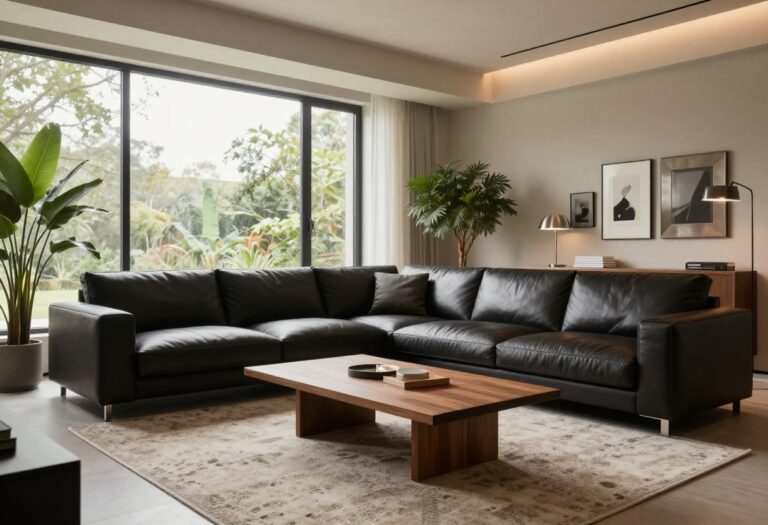
11 Living Room Chairs Ideas for Stylish Extra Seating
Extra seating doesn't have to mean bulky recliners or mismatched folding chairs. The right living room chair can pull double duty—adding a design moment while giving guests a place to sit.
Whether you need a cozy reading nook or just a spot for someone to perch during movie night, these 11 ideas keep things modern, clean, and totally livable.
From sculptural accent chairs to space-saving stools, each option brings something different to the room without cluttering it up.
1. Sculptural Accent Chair with a Slim Profile
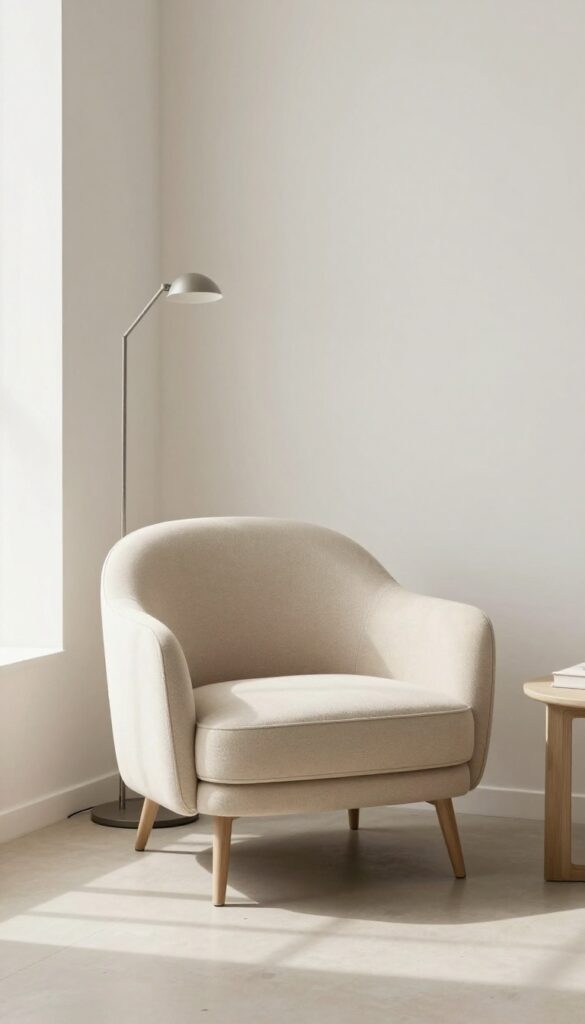
Sometimes a single piece of furniture can change the whole energy of a room. A sculptural accent chair with a slim profile does exactly that—it adds a dose of personality without eating up your square footage. Think of it as functional art: clean lines, a lightweight frame, and a shape that draws the eye without overwhelming the space.
Whether you go for a curved shell chair in a soft beige or a wire-based design that feels airy and modern, this chair becomes a conversation starter while keeping your living room feeling open and uncluttered.
The beauty of a slim-profile sculptural chair is that it works in almost any layout. Tuck one into a corner next to a floor lamp for a cozy reading nook, or place it opposite your sofa to create a balanced seating arrangement. Because it takes up minimal visual weight, you can even float it in the middle of the room to define a zone without blocking flow.
The key is to let the chair stand out—keep surrounding furniture neutral so the chair can shine as the accent piece.
Best Materials & Finishes
- For a modern, clean look, stick with materials that feel light and refined. Molded fiberglass or polypropylene shells in matte white, blush, or charcoal keep the chair sculptural but grounded. Wire-based designs in black or brass add an industrial touch that still feels airy.
- If you prefer something warmer, a bentwood or plywood chair with a natural wood finish brings organic texture without bulk.
Where To Place It
- This chair thrives in spots that need a visual anchor but can't handle a bulky piece. Try it in a narrow entryway, beside a fireplace, or as a desk chair in a home office that doubles as a guest room. In a living room, angle it slightly toward the sofa to create an intimate conversation area.
- Just make sure there's enough breathing room around it—about 18 inches from walls or other furniture—so the silhouette stays readable.
Styling Tip: Keep It Simple
- Because the chair is already a statement, resist the urge to pile on pillows or throws. A single lumbar cushion in a contrasting texture (like velvet or knit) can add comfort without clutter. Pair it with a sleek side table and a small plant to complete the vignette.
- The goal is to highlight the chair's form, not hide it.
2. Low-Back Lounge Chair for Open Flow
A low-back lounge chair is one of those pieces that quietly does a lot. It gives you a cozy spot to sit without blocking the view across the room. In a small living room, that open sightline makes the whole space feel bigger and more connected.
Pick one with slim tapered legs and a soft cushioned seat in linen or bouclé, and you’ve got a chair that feels airy but still inviting.
The beauty of a low-back chair is how it almost disappears visually. It doesn't create a solid barrier like a high-back wingchair or a bulky recliner. Instead, it lets your eye travel freely from the sofa to the window to the bookshelf.
That uninterrupted flow is gold in an open-plan layout or a cozy apartment. Plus, the low profile means it tucks neatly under a console table or next to a plant without feeling cramped.
Best Colors
- Stick with light, neutral tones to keep the airy feel. Cream, warm beige, soft gray, or pale blush all work beautifully. If you want a little contrast, go for a muted sage or dusty blue.
- Avoid dark or saturated hues—they’ll anchor the eye and defeat the open-flow purpose.
Material Mix
- The frame matters as much as the upholstery. Look for exposed wood legs in oak, walnut, or black-stained beech. They add a clean, modern line.
- For the seat, linen or bouclé brings softness without bulk. A bouclé chair in cream with walnut legs is a classic combo that feels current and cozy.
Layout Tip
- Place the low-back chair at a slight angle near a window or next to the sofa. Angle it toward the room’s main focal point—like a fireplace or TV—but keep it slightly off-center. This creates a conversational nook without blocking the path.
- If space is tight, float it just a few inches from the wall to preserve the open feel.
3. Compact Club Chair with a Modern Twist
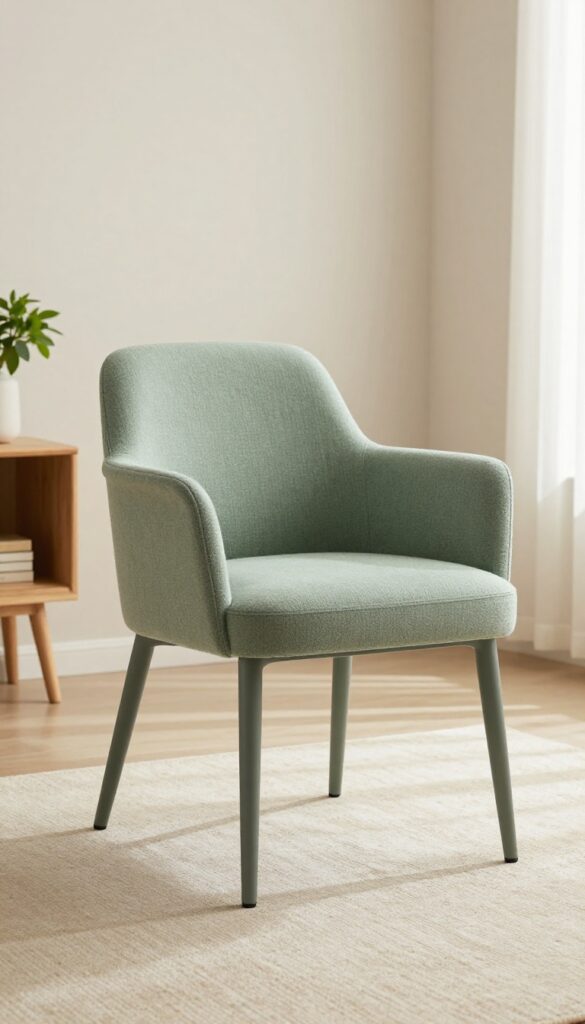
Club chairs are famous for their cozy, wrapped-around-you feel, but they can also eat up a lot of floor space. A compact version with a slim armrest and a streamlined silhouette gives you that same inviting shape without dominating the room. It’s a smart pick for smaller living rooms, reading nooks, or even a corner of the bedroom where you want a spot to sit but can’t spare a lot of square footage.
The modern twist comes from clean lines and a solid, muted color—think charcoal, oatmeal, or a soft sage—that keeps the chair looking fresh and intentional rather than bulky or dated.
A compact club chair proves that cozy doesn’t have to mean oversized. With a narrower seat and lower back, it still cradles you comfortably but leaves more breathing room around it. This makes it ideal for apartments or tight layouts where every inch counts.
The modern aesthetic comes through in the details: tapered legs, minimal tufting, and a fabric with subtle texture like a wool blend or a performance velvet. Because the chair is smaller, you can even place two side by side without the room feeling crowded. Use one as an accent chair in a living room arrangement or pair it with a small side table for a dedicated reading spot.
The key is to let the chair’s shape and color do the talking—keep accessories simple and let the silhouette shine.
Best Colors And Fabrics
- Stick with a single, solid color to emphasize the clean lines. Deep navy, warm gray, or a muted rust work well for a modern feel. For fabric, choose something with a bit of texture—like a bouclé or a tweed—to add visual interest without pattern.
- Performance fabrics are a practical choice if the chair will see daily use, and they’re easy to clean.
Placement And Layout Tip
Because the chair is compact, it can float in a room without feeling awkward. Try placing it at an angle in a corner with a floor lamp behind it, or use it as an extra seat pulled up to a coffee table. In a small living room, swap one side of a sofa for a pair of these chairs to open up the layout.
Styling Finishing Touch
Add a single lumbar pillow in a contrasting texture—like a chunky knit or a leather accent—to give the chair a layered look. Keep the pillow small so it doesn’t overwhelm the chair’s proportions. A simple throw draped over the arm can also soften the modern lines and make the chair feel more inviting.
4. Swivel Chair for Flexible Conversation
A swivel chair does more than just spin—it opens up your living room layout. Instead of locking guests into one fixed position, a swivel seat lets them easily turn toward the TV, the fireplace, or another conversation group. It’s a simple way to make your seating feel more adaptable without adding extra furniture.
The key is choosing a design that doesn’t overwhelm the room. A rounded base and a streamlined upholstered seat keep the look modern and clean, while avoiding bulky pedestals or heavy arms helps the chair blend in rather than dominate.
Swivel chairs are perfect for living rooms where the seating arrangement needs to serve multiple purposes. Maybe you want to watch a movie but also host lively discussions—a swivel chair can pivot between both. It works especially well in open-plan spaces where the seating area flows into a dining or kitchen zone.
Because the chair can rotate, it visually connects different parts of the room without requiring you to rearrange furniture. For a modern and clean aesthetic, stick with neutral fabrics like wool or linen in shades of gray, beige, or soft blue. Avoid tufted backs or ornate details—simple lines and a slim profile keep the chair feeling light and intentional.
Best Materials For A Clean Look
- For a swivel chair that feels modern and uncluttered, choose materials that are smooth and understated. A metal or polished wood base in black or chrome adds a sleek, floating effect. Upholstery in performance fabric—like a textured weave or microfiber—holds up to daily use and stays crisp.
- Avoid heavy velvet or leather that can look too formal or bulky. If you want a touch of warmth, opt for a light oak or walnut base instead of dark metal. The goal is a chair that looks like it belongs in a contemporary space without screaming for attention.
Layout Tip: Position For Flow
- Place the swivel chair at the edge of your main seating group, not in the center. This way, it can rotate toward the sofa for a chat or face the TV without blocking sightlines. Leave at least 18 inches of clearance behind the chair so it can spin freely.
- In a small living room, a swivel chair can replace a bulky armchair and actually make the space feel larger because it doesn’t lock you into one orientation. Pair it with a small side table that’s easy to reach from any angle—a slim round table on a single leg works best.
Finishing Touch: Add A Cozy Throw
- Even a clean modern chair benefits from a soft layer. Drape a chunky knit throw or a lightweight blanket over the back—it adds visual texture and makes the chair feel more inviting. Choose a throw in a contrasting neutral, like charcoal on a beige chair, to keep the palette simple but interesting.
- Avoid patterned throws that compete with the chair’s clean lines. A small lumbar pillow in a complementary solid color can also work, but keep it to one or two pieces max to maintain that streamlined vibe.
5. Minimalist Wooden Accent Chair
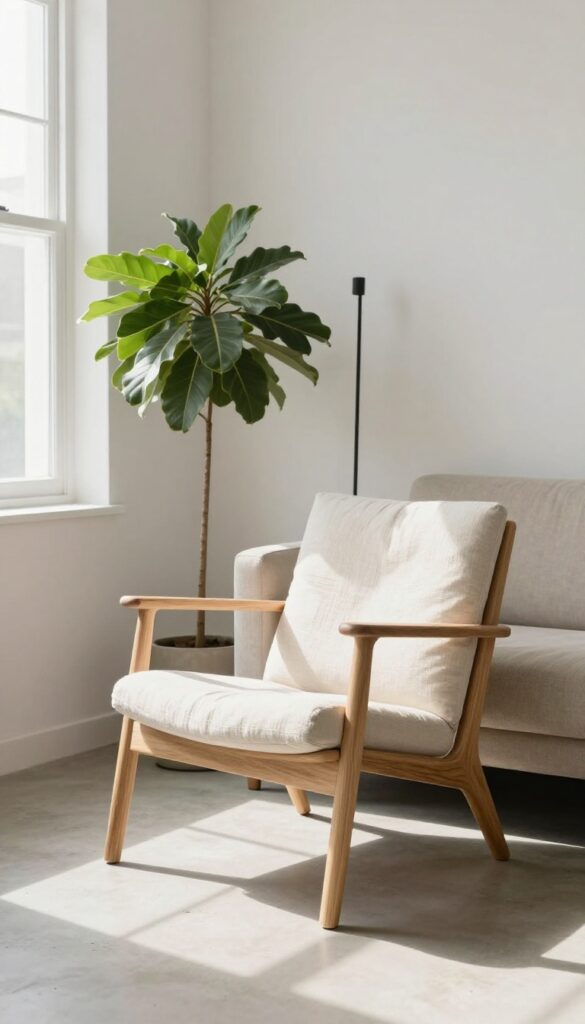
A wooden accent chair can feel surprisingly fresh when you keep the silhouette clean and the finish light. Think sculptural frames—bentwood curves or simple ladder backs—paired with a thin seat cushion that adds just enough comfort without weighing down the look. Light oak or walnut tones keep the piece airy and bring a subtle mid-century modern vibe that blends easily with neutral sofas or concrete floors.
This chair works best as a single statement piece placed beside a plant or a slim floor lamp. Its open frame lets light pass through, making even a small corner feel less crowded. The natural wood grain adds warmth without introducing clutter, so the room stays calm and intentional.
Best Materials
Solid wood is the obvious choice, but look for bentwood or steam-bent designs that show off the material's flexibility. Walnut offers rich depth, while light oak keeps things bright and Scandinavian. For the cushion, a wool or linen blend in off-white, beige, or soft gray adds texture without competing with the wood.
Layout Tip
Place the chair at a slight angle facing the sofa to create a conversational nook. Leave at least 18 inches between the chair and other furniture so the open frame can breathe. A small side table next to it gives you a spot for a coffee mug or a stack of books.
Finishing Touch
Add a simple throw pillow in a muted tone—like oatmeal or sage—to soften the seat. A woven wool or cotton pillow keeps the texture natural and the look relaxed. Skip patterns; let the wood grain be the star.
6. Sleek Armless Chair for Tight Spots
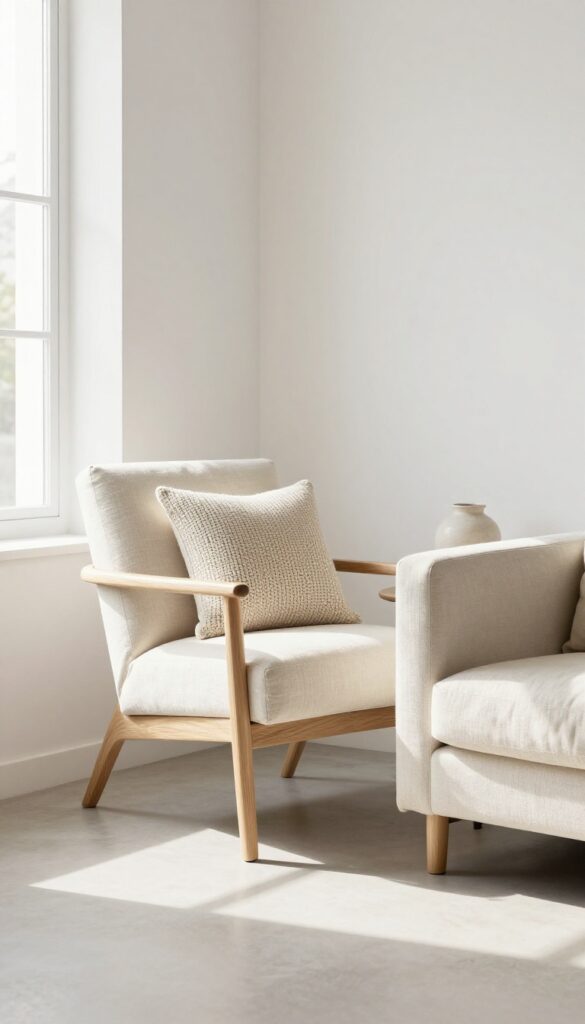
Not every corner needs a bulky armchair. An armless chair slides into tight spots with ease—next to a sofa, in a hallway, or tucked into a small alcove. The lack of arms makes it feel less imposing, so it won’t crowd the room.
Plus, its clean silhouette adds a modern, airy vibe that’s perfect for keeping a space open and uncluttered.
Armless chairs are a smart solution for adding extra seating without overwhelming a room. Their streamlined shape lets them fit where traditional chairs can’t, like beside a console table or in a narrow entryway. Look for a design with a high back and slim legs—metal or light wood works best—to keep the look light and floating.
Upholster in a neutral fabric like linen or bouclé to blend in, or go with a bold color if you want it to pop. Either way, the effect is effortlessly modern and practical.
Best Colors
Stick with neutrals like cream, taupe, or soft gray to keep the chair receding into the background. If you want a statement, try a deep navy or muted rust—just keep the rest of the palette simple so it doesn’t compete.
Layout Tip
Place the armless chair at a slight angle to the sofa or bed to create visual interest. In a hallway, position it against a wall with a small side table and lamp for a cozy reading nook that doesn’t block traffic.
Finishing Touch
Add a lumbar pillow in a contrasting texture—like a chunky knit or velvet—to give the chair some personality without adding bulk. A thin throw draped over the back adds warmth and makes it look intentional.
7. Cantilever Chair with a Floating Effect
There’s something effortlessly cool about a chair that seems to defy gravity. A cantilever chair uses a continuous frame that curves into a single sled base, so the seat appears to hover just above the floor. It’s a clean, modern look that instantly updates a room without feeling cold or sterile.
The open space underneath also makes a small area feel larger, which is a nice bonus if you’re working with a tight layout.
A cantilever chair brings a sculptural quality to any living room. Its streamlined silhouette works especially well in minimalist or mid-century modern spaces, but it can also add a subtle edge to a more traditional setting. The key is to let the chair be the star—keep surrounding pieces simple and uncluttered.
Pair it with a slim side table for a dedicated reading nook, or use two cantilever chairs opposite a sofa to create a balanced conversation area. The floating effect really shines when the chair is placed on a solid floor or a low-pile rug, so the base stays visible.
Best Materials And Finishes
- Cantilever chairs come in a range of materials, from molded plastic and fiberglass to leather and upholstered versions. For a truly modern feel, go with a glossy white or black shell on a chrome base. If you want something warmer, a wood-framed cantilever chair with a woven seat adds texture while keeping the floating silhouette.
- Leather upholstery in a rich tan or deep charcoal brings a touch of luxury without losing the clean lines.
Layout Tip: Create A Reading Corner
- Because cantilever chairs have a small footprint, they’re ideal for tucking into a corner or next to a window. Place one with a floor lamp and a small side table that echoes the chair’s minimal style—like a slim metal or glass table. Keep the table surface simple: a stack of books and a small plant is enough.
- The goal is to maintain the airy, uncluttered feel that makes the floating effect work.
Color Flow And Pairing
- Neutral tones help the cantilever chair blend seamlessly into a room, but a bold color can make it a focal point. Try a mustard yellow or deep teal shell to inject personality without overwhelming the space. If you’re pairing it with other seating, choose a sofa in a complementary neutral and add a rug that ties the colors together.
- The chair’s open base also makes it easy to layer with a small sheepskin or a textured cushion for extra coziness.
8. Upholstered Ottoman That Doubles as Seating
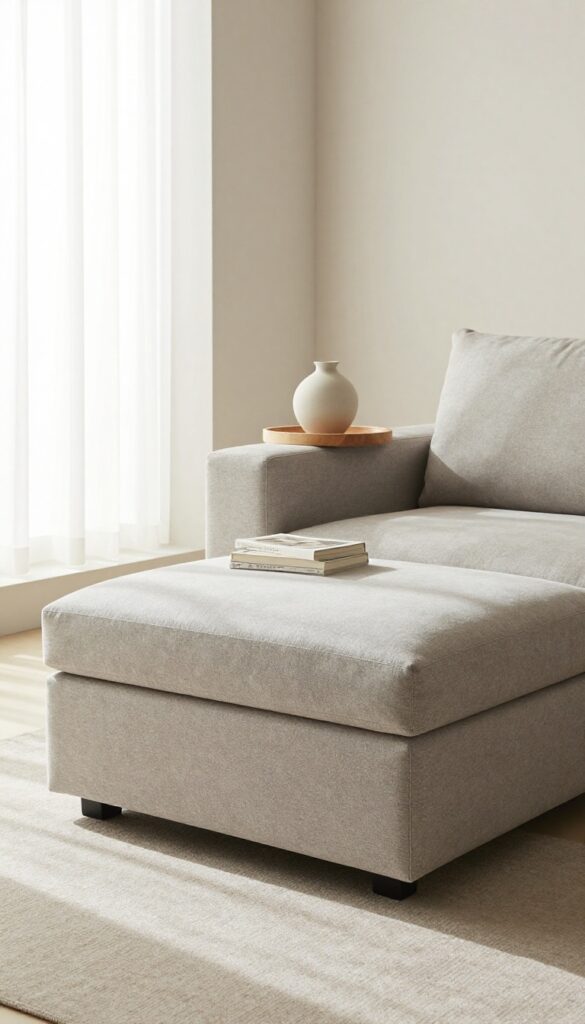
An upholstered ottoman is one of those pieces that quietly works harder than almost anything else in the room. It can pull up as a seat when guests arrive, serve as a footrest during movie nights, or hold a tray and act as a coffee table. In a modern living room, a large square or round ottoman in a neutral performance fabric keeps the look clean while adding softness to the space.
The beauty of a generously sized ottoman is how seamlessly it adapts. Unlike a traditional coffee table, it won't bump shins or feel harsh in a small room. Plus, the upholstered surface brings texture and warmth that balances out harder materials like wood or metal.
For a modern and clean aesthetic, stick with a solid color—think warm gray, camel, or charcoal—and avoid busy patterns that can clutter the visual flow.
Best Fabrics For Everyday Life
- Performance fabrics are your friend here. Look for materials labeled as stain-resistant or made from solution-dyed acrylic, polyester, or crypton. These hold up to spills, pet hair, and daily use without showing wear.
- A textured weave like bouclé or a flat woven fabric in a heathered tone adds visual interest while staying practical.
Shape And Scale Tips
Square ottomans work well in front of a sofa, while round ones soften a room with lots of straight lines. For extra seating, choose one that's at least 36 inches wide so two people can perch comfortably. In a smaller living room, a round ottoman on a low profile keeps the space feeling open and airy.
Styling With A Tray
To turn your ottoman into a coffee table, add a large, lightweight tray that's easy to lift off. This creates a stable surface for drinks, books, or a decorative object. Stick with a tray in a natural material like wood or rattan for warmth, or go with a sleek metal tray for a more modern edge.
9. Leather Butterfly Chair for Casual Cool
The butterfly chair is a midcentury classic that never really went away, but the leather version feels fresh again. Instead of the traditional canvas sling, a leather or faux leather seat adds a little edge without making the room feel heavy. It’s lightweight, easy to move around, and works just as well in a reading nook as it does next to a sofa.
The sling design keeps it airy, so even in a small living room, it won’t eat up visual space. Plus, the leather develops a nice patina over time, giving it that lived-in look that makes a house feel like a home.
A leather butterfly chair brings instant personality to any living room. Its sculptural shape and low profile make it a natural fit for modern spaces, but it also plays well with boho or industrial decor. The key is letting the chair be the focal point—keep the rest of the seating simple.
Pair it with a wool rug and a floor lamp for an effortless lounge area. Because the chair is so portable, you can easily pull it into a conversation circle or tuck it into a corner when you need extra floor space. It’s the kind of piece that looks like you found it at a vintage shop, even if you bought it new.
Best Colors And Materials
- Stick with rich browns, black, or cognac for a classic look that ages well. Faux leather is a budget-friendly option that still feels luxe, and it’s easier to clean if you have kids or pets. For a softer touch, consider suede or a distressed leather that hides scratches.
- The frame is usually metal—black or brass—so think about how that finish works with your other furniture. A chrome frame feels more midcentury, while matte black is a bit more industrial.
Small-space Placement
- Because the butterfly chair doesn’t have bulky arms or a high back, it’s perfect for tight spots. Tuck it next to a bookshelf or in a sunny window alcove. It also works well as an extra seat that you can fold flat and store when not in use.
- If your living room is narrow, place it at an angle to break up the straight lines and make the layout feel more dynamic.
Cozy Styling Trick
Even though the chair has a sleek, modern vibe, you can soften it with a sheepskin throw or a knit pillow. That contrast between the smooth leather and the fluffy texture makes the chair feel inviting instead of cold. A small side table nearby—like a wooden stump or a metal caddy—gives you a spot for a coffee cup or a stack of magazines.
10. Transparent Acrylic Chair for Visual Space
When every square inch counts, an acrylic chair is a smart trick. The classic ghost chair—with its clear, sculptural frame—adds seating without making the room feel crowded. It visually disappears, letting your other furniture and decor take center stage while still offering a comfortable spot to sit.
An acrylic chair works especially well in small living rooms, apartments, or any spot where you want extra seating without the visual weight. Its transparency keeps the eye moving, making the room feel larger and airier. Plus, it pairs with almost any style—from mid-century modern to contemporary—because it doesn't compete with other pieces.
Choose a classic Louis-style ghost chair for a touch of elegance, or go with a simpler clear cube for a more casual vibe. Either way, you gain a functional seat that feels like it's barely there.
Best Colors And Finishes
Clear acrylic is the most versatile, but you can also find smoky gray, amber, or even pale pink tints. For a modern look, stick with crystal clear or a subtle smoke. Avoid heavily tinted or colored acrylic if you want the chair to truly disappear—that's the whole point.
Layout Tip
Place an acrylic chair at the end of a sofa or next to a console table. Because it's transparent, it won't block sightlines or make the room feel chopped up. In a small space, use two acrylic chairs instead of a bulky loveseat to keep the area open and flexible.
Cozy Detail
Even though the chair is clear, you can still add warmth. Drape a soft throw blanket over the back or add a small cushion in a rich texture like velvet or wool. This keeps the chair inviting without sacrificing the airy feel.
11. Stackable Stools for Flexible Arrangements
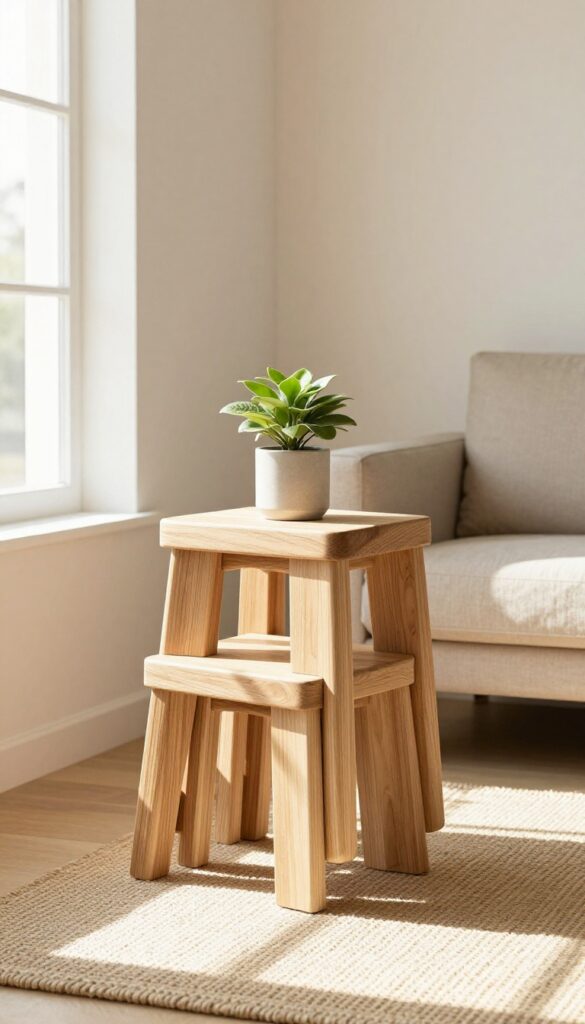
Sometimes you need extra seating that doesn't commit to a permanent spot. Stackable stools are the ultimate space-savers—they pile neatly into a corner or closet when guests leave, then reappear in seconds. Whether you choose warm wood for a natural feel or sleek metal for an industrial edge, these stools add a casual, modern vibe that fits almost any living room.
A set of two or three stackable stools in wood or metal provides seating that can be tucked away when not in use. Use them as occasional seats or pull them up to a console table for a quick desk setup.
Best Materials
Solid wood stools (oak, walnut, or ash) bring warmth and durability, perfect for boho or Scandinavian spaces. For a more industrial or modern look, go with powder-coated metal in black, white, or matte brass. If you want the best of both, look for wood seats with metal frames—they're sturdy and stylish.
Layout Tip
Keep a stack of two or three stools next to a bookshelf or near the fireplace. When you need them, pull one out for a guest or use two as a side table with a tray on top. In a small apartment, store them under a console table or behind the sofa so they're out of sight but always handy.
Styling Note
To make stackable stools feel intentional, choose a color that complements your existing palette. A bright pop (like mustard yellow or teal) can become a fun accent, while neutral tones blend seamlessly. Add a small cushion on top for extra comfort during longer sits.
FAQ
How many extra chairs should I add to a living room?
It depends on your room size and layout. For a small living room, one or two accent chairs are plenty. Larger spaces can handle up to four, but leave enough room for walkways and conversation flow.
What chair style works best in a modern living room?
Look for clean lines, slim profiles, and neutral or muted colors. Sculptural accent chairs, low-back lounge chairs, and cantilever designs all fit a modern aesthetic without feeling too trendy.
Can I mix different chair styles in one room?
Absolutely. Just keep a common thread—like similar colors, materials, or leg styles—to tie them together. For example, pair a wooden accent chair with a leather butterfly chair if both have dark frames.
What's the best chair for a small living room?
Armless chairs, acrylic ghost chairs, or stackable stools are great because they take up minimal visual space. A low-back lounge chair also helps maintain an open feel.
How do I choose the right fabric for a living room chair?
Consider durability and maintenance. Performance fabrics like polyester blends or treated cotton are stain-resistant and easy to clean. Leather and faux leather are also durable and wipeable.
Conclusion
Adding extra seating to your living room doesn't mean sacrificing style. From sculptural accent chairs to stackable stools, each option brings its own personality while keeping the space modern and clean. The key is choosing pieces that fit your layout and lifestyle without overcrowding the room.
Try mixing one or two of these ideas into your current setup. You might find that a single well-chosen chair transforms not just the seating capacity, but the whole feel of the room. Happy decorating!