17 Sofa Cleaning Hacks for Stains Dust and Fresh Fabric
That once-cozy sofa now shows every coffee spill, pet hair clump, and dust layer from daily life. Instead of hiding it under throws, you can tackle each problem with simple ingredients already in your pantry. From baking soda to shaving cream, these 17 hacks target specific stains and refresh fabric without harsh chemicals.
Each trick addresses a different issue—grease marks, ink blots, or musty odors—so you can pick exactly what your couch needs. No guesswork, no expensive treatments, just practical solutions that actually work.
Whether you're dealing with a fresh spill or set-in grime, there's a method here that fits. Your sofa works hard for your family every day; it deserves a little TLC.
1. Baking Soda for Odor Removal
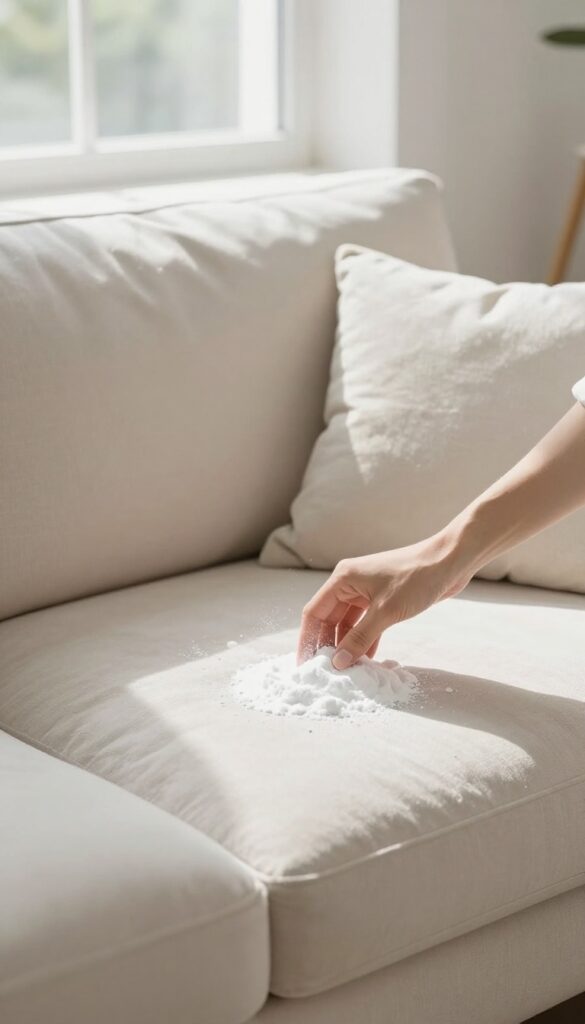
Musty smells and pet odors can make a clean-looking sofa feel stale. Baking soda is a natural deodorizer that absorbs odors without masking them. It’s cheap, non-toxic, and works on most fabric types.
How To Apply
Remove all cushions and vacuum the sofa to pick up loose dirt. Sprinkle a generous layer of baking soda over the entire surface, including crevices and under cushions. Let it sit for at least 15–20 minutes, or overnight for stubborn smells like cigarette smoke or pet accidents.
Vacuuming Tips
Use a vacuum with a brush attachment to lift the baking soda without grinding it into the fabric. Go over each section slowly, overlapping passes to ensure you remove all residue. For deep-set odors, repeat the process once a month.
Boosting The Power
Mix a few drops of essential oil (like lavender or lemon) into the baking soda before sprinkling. This adds a light, fresh scent. Just stir well to avoid clumps.
Test on an inconspicuous spot first to ensure the oil doesn’t stain.
2. White Vinegar Solution for General Stains
White vinegar is a powerhouse when it comes to lifting general stains and odors from sofa fabric. It's gentle enough for most upholstery but tough on grime, making it a go-to for everyday spills and marks. Best of all, it's cheap and already in your kitchen cabinet.
Why Vinegar Works So Well
White vinegar contains acetic acid, which breaks down many types of stains—from food spills to sweat marks—without damaging fabric fibers. It also neutralizes odors, so your sofa smells fresh after cleaning. Unlike harsh chemicals, vinegar is non-toxic and safe for homes with kids or pets.
How To Mix And Apply The Solution
Combine equal parts white vinegar and water in a spray bottle. Shake gently to mix. Lightly mist the stained area—don't soak it.
Let it sit for a minute, then blot with a clean, dry cloth. Repeat until the stain lifts. For stubborn marks, use a soft-bristled brush to gently agitate the solution into the fabric before blotting.
Drying And Deodorizing After Cleaning
After blotting, allow the area to air dry completely. Open a window or use a fan to speed up drying and prevent mildew. The vinegar smell will dissipate as it dries, leaving your sofa clean and odor-free.
For extra freshness, sprinkle baking soda on the damp area, let it sit for 15 minutes, then vacuum it up.
3. Dish Soap and Warm Water for Grease Spots
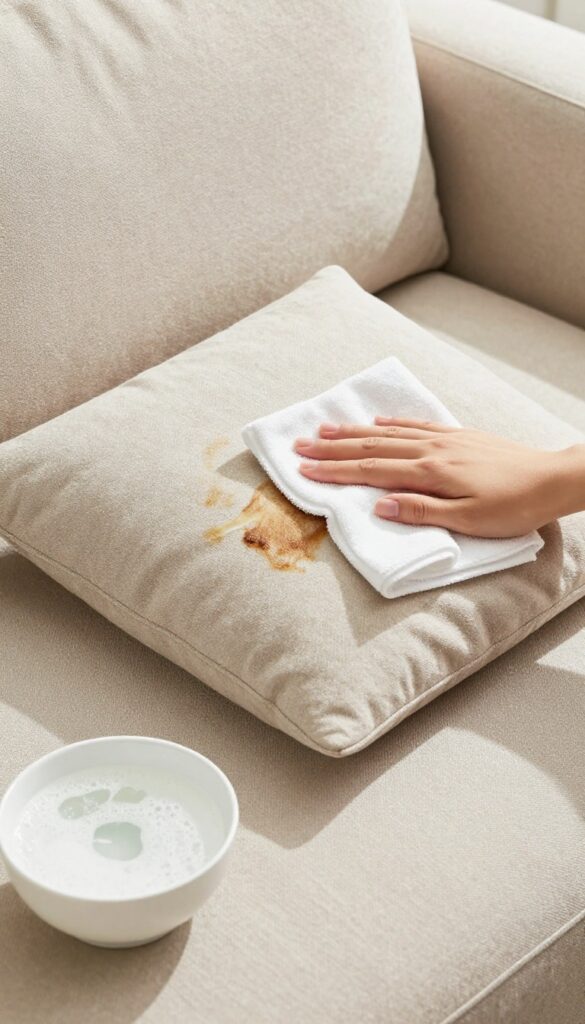
Grease stains from cooking, snacks, or even hair products can leave ugly marks on your sofa. Before you panic, grab the dish soap from your kitchen. A gentle degreaser like Dawn works wonders on fabric upholstery without damaging the fibers.
This method is safe for most washable fabrics and takes just a few minutes.
Mix a few drops of mild dish soap with warm water until sudsy. Dip a clean microfiber cloth into the solution, wring it out well so it's damp not wet. Gently dab the grease stain starting from the outer edge and working inward to avoid spreading.
Blot rather than scrub to lift the oil. Rinse by dabbing with a cloth dipped in plain water, then press dry with a towel. Repeat if needed.
For stubborn spots, let the solution sit for 5 minutes before blotting. Always test on a hidden area first.
Why Dish Soap Works So Well
Dish soap is designed to break down grease on plates, so it's perfect for oily stains on fabric. Its surfactants surround grease molecules and lift them away from fibers. Unlike harsh chemicals, it's gentle enough for most upholstery.
Plus, it leaves behind a clean scent.
Step-by-step: Blotting Vs. Scrubbing
Start by blotting the stain with a dry cloth to absorb excess grease. Then apply the soap solution with a damp cloth using a dabbing motion. Scrubbing can push grease deeper into the fabric or damage the fibers.
After the stain lifts, rinse with a water-dampened cloth to remove any soap residue. Finish by blotting dry with a clean towel.
What To Avoid With This Hack
Don't use hot water, as it can set grease stains. Avoid soaking the fabric, which can lead to mildew or water rings. Never use colored dish soaps, as dyes may transfer.
And always check the care tag—some delicate fabrics like silk or velvet need professional cleaning.
4. Rubbing Alcohol for Ink Stains
Ink stains from a runaway pen or a stray marker can feel like a permanent mark on your sofa. But rubbing alcohol, that common household staple, can lift ink from fabric fibers without damaging the material. The key is to act quickly and use a blotting motion rather than rubbing, which can spread the stain.
Dab a cotton ball or cloth with rubbing alcohol and gently press onto the ink stain. Blot with a dry cloth as the ink transfers. Repeat until the stain fades.
Why Rubbing Alcohol Works
Rubbing alcohol is a solvent that breaks down the pigments in ink, making it easy to lift from fabric. It evaporates quickly, so it won't soak deep into the cushion. This makes it ideal for fresh ink stains, but it can also help with older marks if you're patient.
Step-by-step Process
Start by testing rubbing alcohol on a hidden area of your sofa to ensure it doesn't affect the color. Then, place a clean cloth under the stain to catch any ink that transfers. Dip a cotton ball in rubbing alcohol and dab it onto the stain, pressing gently.
You'll see the ink lift onto the cotton. Replace the cotton ball as it gets dirty and continue until the stain is gone. Finish by blotting with a damp cloth to remove any residue.
Tips For Success
Always blot, never rub, to avoid spreading the ink. If the stain is large, work from the edges inward. For stubborn stains, you can let the rubbing alcohol sit for a few minutes before blotting.
Avoid using too much liquid, as it can wet the foam underneath and cause issues.
5. Shaving Cream for Set-In Stains
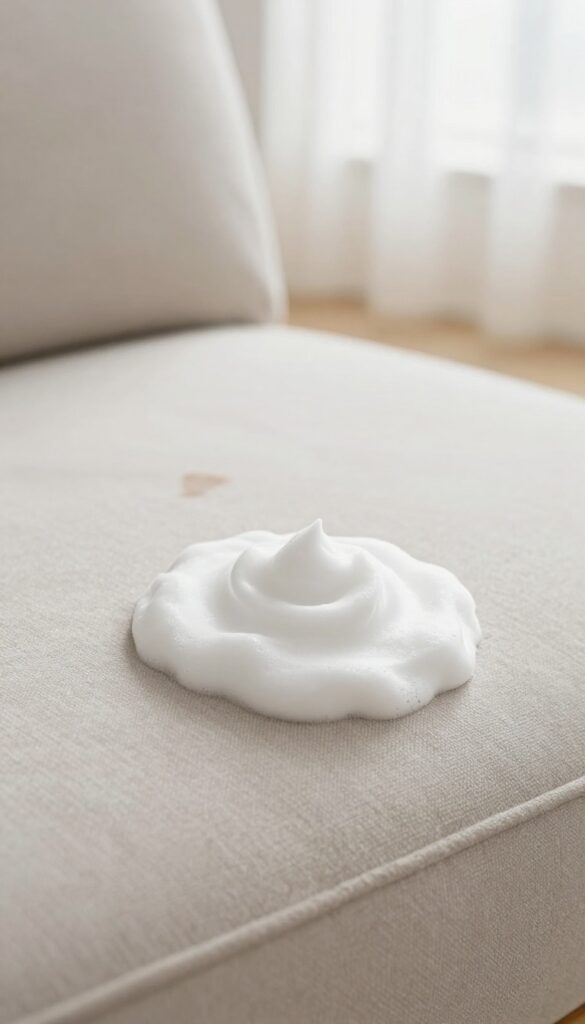
That mystery stain from months ago doesn't have to be permanent. Shaving cream, the foamy kind not gel, works surprisingly well on stubborn marks that have settled into sofa fabric. It's gentle enough for most upholstery yet tough on grease, ink, and even some food stains.
The magic lies in the surfactants and foaming agents in shaving cream. They break down oils and lift dirt without the harshness of bleach or ammonia. This makes it a go-to for delicate fabrics that can't handle strong chemicals.
How It Works
Shaving cream contains mild detergents that emulsify oils and suspend dirt particles. When you apply it to a stain, the foam penetrates the fabric fibers and loosens the grime. After a short wait, blotting lifts the stain away.
Step-by-step Application
Start by blotting any excess moisture from the stain. Squirt a dollop of white foamy shaving cream directly onto the mark. Let it sit for 10 minutes—don't rub it in.
Then, using a clean damp cloth, blot the area until the cream and stain transfer to the cloth. Repeat if needed, then let the spot air dry.
Fabrics And Precautions
This hack works best on cotton, polyester blends, and microfiber. Avoid using it on velvet, silk, or leather. Always test on a hidden area first to ensure no discoloration.
Also, skip shaving creams with added moisturizers or scents—plain foam is best.
6. Vacuum with Upholstery Attachment for Dust
Dust settles into sofa fabric like it's hiding from your cleaning routine. A quick wipe with a cloth only moves it around, but a vacuum with the right attachment pulls it out for good. This simple weekly habit keeps your couch looking fresher and helps anyone with allergies breathe easier.
Grab the upholstery brush attachment that came with your vacuum—it's designed to be gentle on fabric while lifting embedded dust and debris. Start by removing all cushions and vacuuming both sides, then tackle the base of the sofa, especially the crevices where crumbs and dust collect. Don't forget to run the nozzle along the seams and any tufted areas where particles love to hide.
Doing this once a week prevents dust from building up into a visible layer and reduces allergens that can trigger sneezing or itchy eyes.
Get Into Every Crevice
The space between seat cushions and along the backrest is a dust magnet. Use the crevice tool attachment to wedge into these tight spots, and run it slowly so the suction has time to grab everything. Pay extra attention to corners where pet hair and lint tend to clump.
Don't Skip The Underneath
Lift the sofa slightly or use a flashlight to see under the frame. Dust bunnies, lost toys, and debris often accumulate there. Vacuuming underneath every couple of weeks keeps the area clean and prevents dust from being stirred back into the room.
Keep It Gentle On Delicate Fabrics
For velvet, linen, or other delicate materials, reduce the vacuum suction power if possible. Use the brush attachment in a light, sweeping motion rather than pressing hard. This protects the fabric fibers while still removing dust effectively.
7. Lint Roller for Pet Hair and Lint
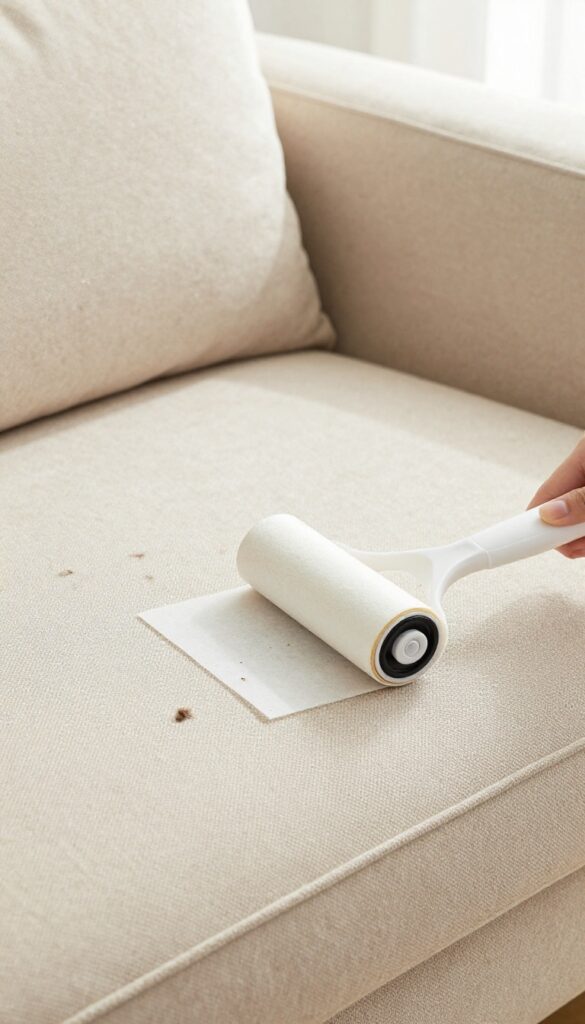
Pet hair and lint can make even the cleanest sofa look unkempt. A lint roller is your quick fix for picking up surface debris without any fuss. For those stubborn hairs that cling to fabric, a damp rubber glove works like a magnet.
A lint roller is a simple but effective tool for daily maintenance. Roll it over the sofa fabric to collect pet hair, dust bunnies, and lint in seconds. Keep one in your living room for quick touch-ups between deep cleans.
For tougher pet hair, try a damp rubber glove. Put it on and run your hand over the fabric—the moisture and rubber create static that pulls hair right off. Rinse the glove as needed and repeat until the sofa is hair-free.
Daily Maintenance With A Lint Roller
A lint roller is perfect for quick clean-ups. Run it over cushions, armrests, and backrests to remove surface hair and dust. Replace the adhesive sheets as they fill up.
This takes just a minute and keeps your sofa looking fresh.
Stubborn Hair? Use A Damp Rubber Glove
When pet hair is embedded, a lint roller may not cut it. Dampen a rubber glove and wipe the fabric in one direction. The hair will ball up and stick to the glove.
Rinse the glove off and repeat until all hair is gone. This method works especially well on textured fabrics.
8. Steam Cleaning for Deep Refresh
Sometimes your sofa just needs a reset—not just spot-cleaning, but a full refresh that reaches deep into the fibers. Steam cleaning does exactly that. A handheld steamer or steam cleaner uses heat and moisture to loosen embedded dirt, kill bacteria, and soften grime so it can be wiped away.
It’s like a spa day for your couch, but with practical results.
Before you start, check the sofa’s care tag. Some fabrics (like velvet or silk) can’t handle steam. If it’s safe, fill your steamer with distilled water to avoid mineral deposits.
Work in sections, holding the steamer a few inches from the fabric. Move slowly to allow steam to penetrate. After steaming, blot the area with a clean microfiber cloth to lift loosened dirt.
Let the sofa dry completely—open windows or use a fan to speed things up. Never sit on a damp sofa, as moisture can lead to mold or mildew.
Why Steam Works So Well
Steam heat reaches 212°F, which is hot enough to kill dust mites, bacteria, and mold spores. It also breaks down sticky residues from spills and body oils. Unlike harsh chemicals, steam leaves no residue, so your fabric feels clean and fresh without any lingering smell.
Steaming For Odor Removal
If your sofa has absorbed cooking smells, pet odors, or mustiness, steam can neutralize them. The heat helps release trapped odors, and the moisture carries them away. Add a few drops of essential oil (like lavender or tea tree) to the water tank for a light, natural scent.
Post-steam Care
After steaming, brush the fabric with a soft-bristle brush to restore the nap. Fluff cushions and pillows to redistribute filling. If your sofa has removable covers, you can steam them separately and air-dry.
Regular steam cleaning every few months keeps your sofa looking and smelling like new.
9. Hydrogen Peroxide for Organic Stains
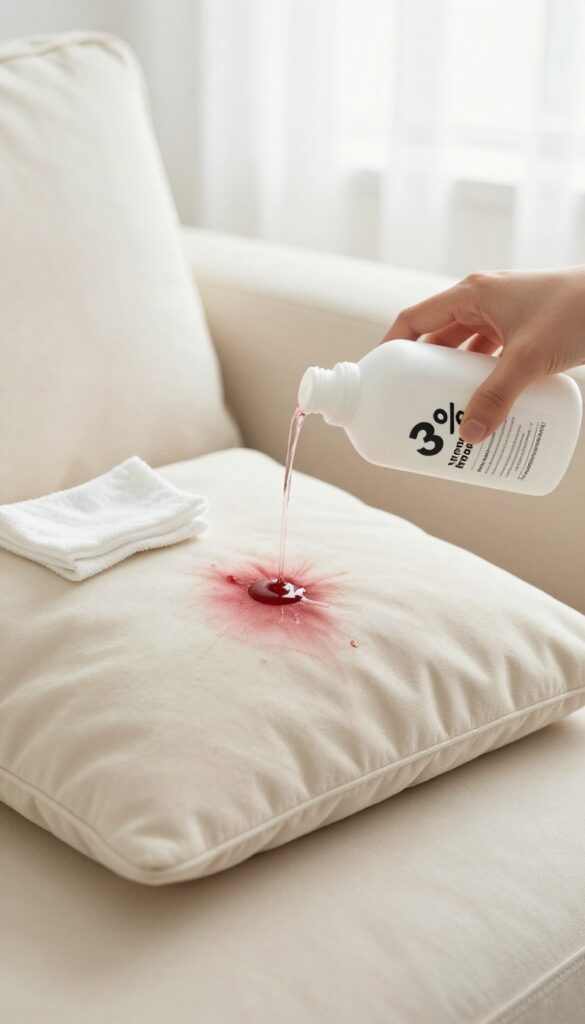
Blood, red wine, and grass stains are some of the toughest to remove from sofa fabric. They're protein-based or pigment-heavy, so standard cleaners often fail. Hydrogen peroxide breaks down these organic compounds without bleaching most fabrics when used correctly.
Just grab a 3% solution from your medicine cabinet and follow these steps.
Always Test First
Before applying hydrogen peroxide, test it on a hidden area like the back or bottom of the cushion. Dab a small amount and wait 10 minutes. If the color doesn't change or the fabric doesn't weaken, you're good to go.
Some delicate fabrics like silk or velvet may react poorly, so this step is non-negotiable.
How To Apply
Pour a small amount of 3% hydrogen peroxide directly onto the stain. Use a clean white cloth to blot gently—don't rub, or you'll push the stain deeper. Let it sit for 5 to 10 minutes.
You should see the stain start to lift. Blot again with a dry cloth to absorb the peroxide and dissolved stain.
Rinse And Repeat If Needed
After blotting, dampen a fresh cloth with water and gently wipe the area to remove any leftover peroxide. Blot dry with a towel. For stubborn stains, repeat the process once more.
Never mix hydrogen peroxide with vinegar—it creates a toxic gas. Stick to one cleaner per session.
10. Cornstarch for Grease and Oil
Grease and oil stains from cooking, snacks, or even hair products can seep into sofa fabric fast. The trick is to act immediately with a pantry staple you probably already have: cornstarch. Its fine powder works like a magnet for oil, lifting it out of fibers without rubbing the stain deeper.
This method is safe for most fabrics and needs zero harsh chemicals.
Cornstarch is a surprisingly effective weapon against fresh grease or oil stains. The key is to apply it generously and let it sit long enough to absorb the oil. For stubborn spots, you may need to repeat the process, but it's gentle enough to use on delicate upholstery without worry.
How To Apply
Blot up any excess grease with a paper towel first. Then, pour a thick layer of cornstarch directly over the stain, covering it completely. Use your fingers or a spoon to press it gently into the fabric.
Let it sit for at least 15 minutes—longer for heavier stains. The cornstarch will start to clump as it absorbs the oil.
Removing The Powder
After the waiting period, brush off the cornstarch with a soft brush or vacuum it up using the upholstery attachment. If any residue remains, repeat the process. For set-in stains, you can let the cornstarch sit overnight for maximum absorption.
When To Use This Hack
This hack works best on fresh stains—the sooner you catch it, the better. It's ideal for oil-based stains like salad dressing, butter, or lotion. Avoid using it on water-based stains like coffee or juice, as cornstarch won't help there.
Always test on an inconspicuous area first, especially on delicate fabrics like silk or velvet.
11. Club Soda for Fresh Spills
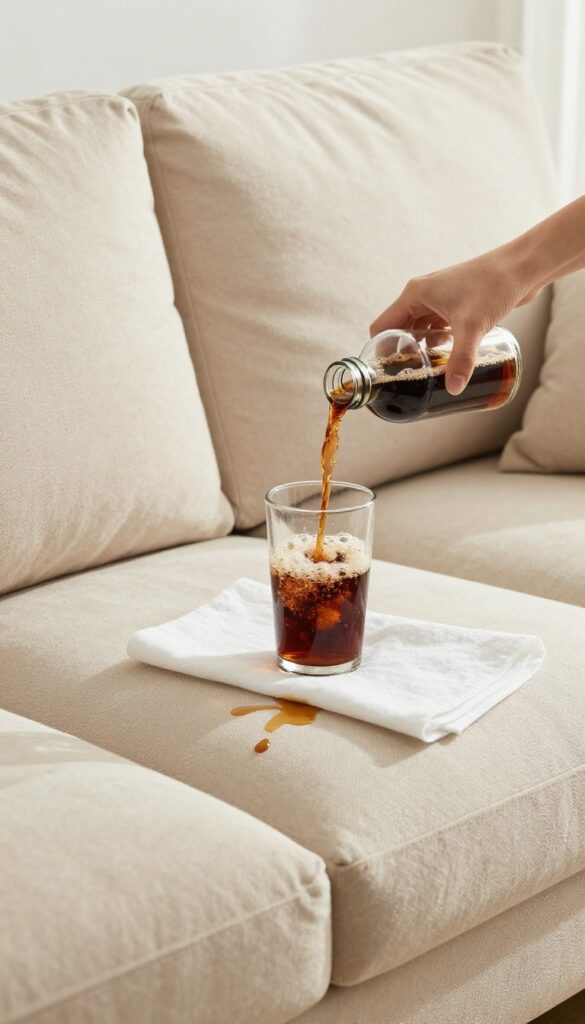
Club soda isn't just a mixer—it's a secret weapon for fresh spills on your sofa. The carbonation works like a gentle lift, pushing stain particles away from the fabric fibers. When you act fast, this fizzy trick can save your cushion from setting into a permanent mark.
Keep a bottle handy for those inevitable coffee, juice, or wine accidents.
Pour club soda directly onto the fresh spill, covering it completely. Let it fizz for a few seconds, then blot with a clean, dry cloth. Repeat until the stain lifts.
Avoid rubbing, which can push the stain deeper. This method works best on water-based spills like soda, tea, or clear juices. For best results, treat the spill within a few minutes.
Why Club Soda Works
The bubbles in club soda are carbon dioxide gas. As they rise, they carry stain particles up and away from the fabric. The mild acidity also helps break down some stain compounds.
Unlike plain water, the carbonation provides a gentle mechanical action that lifts without scrubbing.
Step-by-step Application
First, blot any excess liquid with a paper towel. Then pour club soda directly onto the stain—about a quarter cup for a typical spot. Let it sit for 30 seconds while it fizzes.
Blot with a clean cloth, pressing firmly but not rubbing. Repeat if needed, then let the area air dry.
When To Skip This Hack
Club soda is not ideal for oil-based stains like grease or butter. It also may not work on dried or set-in stains. For delicate fabrics like silk or velvet, test on a hidden area first.
And remember: club soda is different from tonic water, which contains sugar and can leave a sticky residue.
12. Fabric Softener and Water for Wrinkle Release
Sofa cushions can look tired and rumpled after a long day of lounging. Instead of dragging out the iron or steamer, try a simple spray made from fabric softener and water. This hack smooths out creases and leaves fabric feeling soft, all without heat or heavy equipment.
Mix one tablespoon of liquid fabric softener with one cup of water in a spray bottle. Shake gently to combine. Lightly mist the wrinkled areas—don't soak them.
Then use your hand to smooth the fabric in the direction of the weave. The softener relaxes the fibers, allowing wrinkles to fall out naturally. Avoid over-wetting, as too much moisture can lead to water spots or mildew.
Let the sofa air dry completely before sitting on it. This trick works best on cotton, linen, and polyester blends. For delicate fabrics like velvet or silk, test on an inconspicuous spot first.
Why Fabric Softener Works
Fabric softener contains surfactants that coat fibers, reducing static and making them more pliable. When you spray it on wrinkles, the fibers relax and can be reshaped easily. The water provides enough moisture to activate the softener without saturating the cushion.
Best Fabrics For This Hack
This method is ideal for durable fabrics like cotton, linen, polyester, and microfiber. Avoid using it on velvet, silk, or any fabric labeled as dry clean only. Always test in a hidden area first to check for colorfastness or residue.
Tips For Best Results
Use a fine mist spray bottle to avoid wet spots. Smooth the fabric with your hand in one direction to prevent stretching. For stubborn wrinkles, you can lightly tug the fabric while it's damp.
Allow the sofa to air dry away from direct sunlight to prevent fading.
13. Dryer Sheets for Static and Freshness
Dryer sheets aren't just for the laundry room. They can work wonders on your sofa too, especially if you live in a dry climate or have synthetic fabrics that attract static. A quick rub over the cushions reduces cling and leaves a light, pleasant scent.
It's a two-in-one hack that takes seconds.
Dryer sheets are designed to soften fabrics and reduce static in the dryer. The same antistatic agents transfer to your sofa when you rub a sheet over the surface. This neutralizes the electrical charge that makes dust and pet hair stick.
Plus, the mild fragrance can help mask musty odors without being overpowering. For a longer-lasting effect, tuck a fresh sheet under each cushion. The warmth and airflow from sitting will slowly release the scent, keeping your sofa smelling clean between deep cleans.
Why It Works
Dryer sheets contain cationic surfactants that neutralize static charges. When you rub a sheet over your sofa, these compounds transfer to the fabric, reducing cling. The friction from daily use can build up static, especially in low humidity.
A quick swipe with a dryer sheet stops that instantly.
How To Use
Take one unused dryer sheet and gently rub it over the sofa cushions, arms, and backrest. Focus on areas where static is most noticeable. For continuous freshness, place a sheet under each cushion, out of sight.
Replace the sheets every week or when the scent fades.
Tips And Precautions
Test on an inconspicuous spot first, especially on delicate fabrics like velvet or silk. Avoid using heavily scented sheets if you're sensitive to fragrances. Don't use dryer sheets on leather or suede—they can leave a residue.
Stick to unscented or hypoallergenic options if needed.
14. Essential Oils for Custom Scent
Your sofa might be clean, but does it smell inviting? Fabric absorbs odors from daily life—pet dander, cooking smells, or just stale air. Essential oils offer a natural way to add a custom, pleasant fragrance without synthetic air fresheners.
This hack is simple: fill a spray bottle with water and add 10–15 drops of your favorite essential oil. Shake well, then mist lightly over the sofa fabric. The water evaporates quickly, leaving behind a subtle, natural scent.
Lavender promotes relaxation, lemon fights odors and feels fresh, while tea tree oil adds antibacterial benefits. Just test a small hidden area first to ensure the oil doesn't stain or discolor the fabric.
Choosing The Right Oil
Pick oils that complement your home's vibe. Citrus oils like orange or grapefruit are energizing and great for living rooms. Floral scents like lavender or chamomile work well in bedrooms or reading nooks.
For a clean, spa-like feel, try eucalyptus or peppermint. Avoid thick oils like cinnamon or clove, which can leave residue or cause irritation.
Application Tips
Always dilute oils in water—neat oil can damage fabric. Use a fine-mist sprayer to avoid soaking the cushions. Lightly mist from about 12 inches away, then let air dry.
Reapply as needed, typically once a week. For a longer-lasting scent, add a tablespoon of vodka or rubbing alcohol to the mix; it helps the oil disperse and evaporate faster.
Safety And Fabric Care
Test on an inconspicuous spot before full use. Some oils (like citrus) can fade colors over time. Avoid spraying directly on leather or suede—stick to fabric upholstery.
Keep pets away until the mist dries, as some oils (e. g. , tea tree, peppermint) can be toxic if ingested. If you have allergies, choose mild oils and ventilate the room.
15. Upholstery Cleaner for Tough Stains
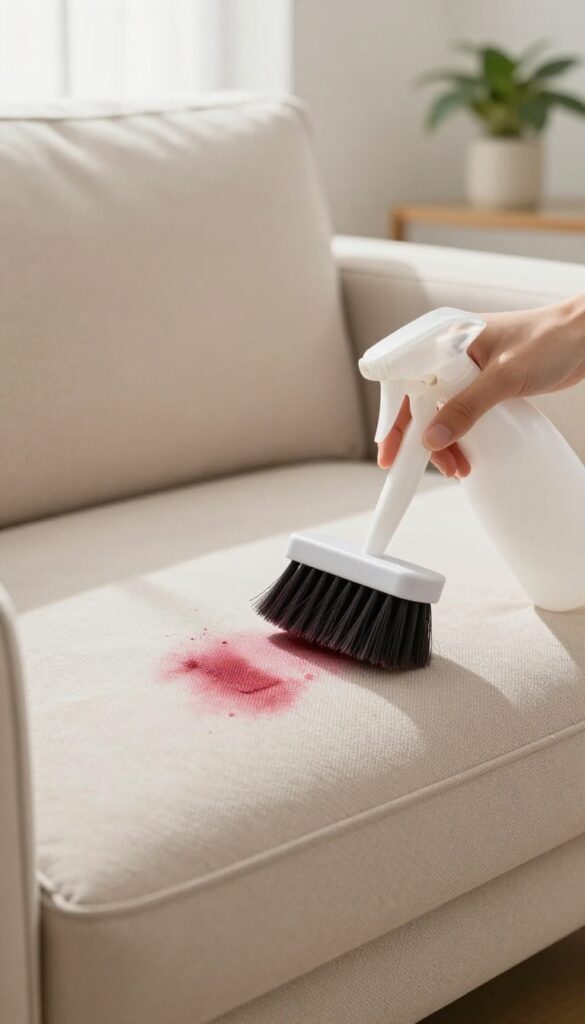
Some stains just won’t budge with home remedies. That’s when a dedicated upholstery cleaner steps in. These products are formulated to break down stubborn grime without damaging fabric fibers.
But not all cleaners are created equal—you need the right one for your sofa’s material.
Commercial upholstery cleaners are a reliable solution for set-in stains like red wine, ink, or pet accidents. They often contain enzymes or solvents that target specific stain types. Always read the label to ensure compatibility with your fabric (e. g. , microfiber, cotton, or synthetic blends).
A quick patch test on an inconspicuous area prevents surprises. Follow the instructions carefully—over-wetting can lead to mold or shrinkage. For best results, blot the stain first, then apply the cleaner and work it in gently with a soft brush or cloth.
Choosing The Right Cleaner
Look for a cleaner that matches your stain type and fabric. For protein-based stains (blood, urine), choose an enzymatic formula. For oily stains, a solvent-based cleaner works better.
Avoid all-purpose cleaners that may contain bleach or harsh chemicals. If your sofa has a “W” code (water-safe), water-based cleaners are fine; for “S” (solvent-only), stick to dry-cleaning products.
Application Tips
Start by vacuuming the area to remove loose dirt. Spray the cleaner onto a clean cloth—never directly onto the sofa—to control moisture. Blot the stain from the outside in to prevent spreading.
Let it sit for the recommended time, then blot with a dry cloth. Rinse with a damp cloth if the instructions say so, and allow the area to air-dry completely.
When To Call A Professional
If a stain remains after multiple attempts or if your sofa has delicate fabric like silk or velvet, consider professional cleaning. Some stains (like permanent marker or bleach) may be impossible to remove completely. Professionals have industrial-grade tools and expertise to minimize damage.
16. Sunlight for Natural Bleaching
Sunlight isn't just for drying laundry—it's a free, natural stain remover for your sofa. UV rays can lighten discoloration and kill bacteria that cause musty smells. This hack works best on removable cushion covers or small, portable sofas you can move outside.
When your sofa has stubborn stains that won't come out with cleaning solutions, try harnessing the power of the sun. UV rays naturally bleach and brighten fabrics, especially cotton and linen blends. Plus, sunlight dries out moisture that leads to mildew.
Just be careful with dark or brightly colored fabrics, as prolonged exposure may fade them.
How Long To Leave It Out
For light stains, 2–3 hours of direct sunlight is usually enough. Heavier discoloration might need a full day. Rotate cushions every hour to ensure even exposure.
If you can't move the whole sofa, place individual cushions in a sunny window or on a balcony.
Which Fabrics Work Best?
Natural fibers like cotton, linen, and hemp respond well to sunlight bleaching. Synthetic fabrics like polyester and microfiber may not lighten as much, but they still benefit from the antibacterial effects. Avoid sunlight on delicate fabrics like silk or velvet, as they can fade or become brittle.
Combine With Other Methods
For extra stain-fighting power, spray a mixture of lemon juice and water on the stain before sunning. The citric acid boosts the bleaching effect. Just test on an inconspicuous area first.
After sunning, vacuum off any residue and fluff the cushions.
17. Regular Maintenance with a Squeegee
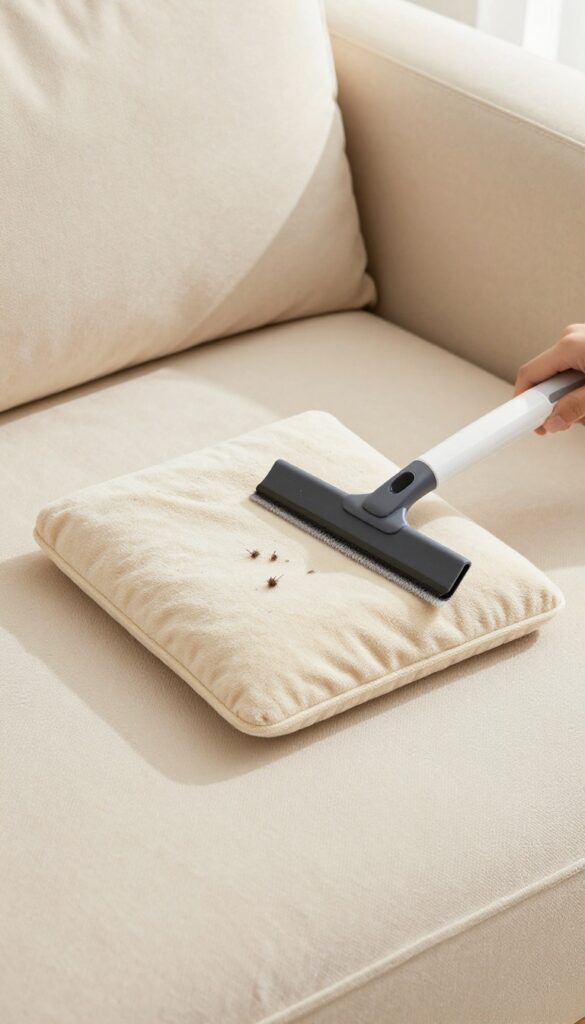
Your sofa collects pet hair, dust, and lint faster than you might think. Instead of dragging out the vacuum every day, grab a rubber squeegee—the same one you use on windows. It lifts hair and dust from fabric in long, satisfying strokes, leaving the surface looking fresh without any harsh scrubbing.
Why A Squeegee Works So Well
Rubber creates static electricity that attracts pet hair and dust like a magnet. The squeegee's flat edge glides over fabric without damaging fibers, making it safe for most upholstery. It's especially effective on microfiber and tightly woven materials where hair gets embedded.
How To Use It On Your Sofa
Start at the top of the cushion and pull the squeegee downward in one smooth motion. Work in overlapping strokes across the entire surface. For stubborn hair, go over the same area a few times.
Collect the debris with your hand or a dustpan—it clumps together neatly.
When To Squeegee Vs. Vacuum
Use the squeegee for quick daily touch-ups between deeper cleanings. It's perfect for removing surface hair and dust without the noise or hassle of a vacuum. For embedded dirt or crumbs, stick with a vacuum's upholstery attachment.
Combining both keeps your sofa consistently clean.
FAQ
Can I use bleach on my sofa?
Bleach is too harsh for most sofa fabrics and can cause discoloration or damage. Stick to mild cleaners like vinegar or dish soap.
How often should I clean my sofa?
Vacuum weekly and spot-clean stains as they happen. A deep clean every 6–12 months keeps your sofa fresh.
What if my sofa has a 'W' or 'S' code on the tag?
W means water-based cleaners are safe; S means solvent-based cleaners only. Always check the tag before using any cleaning method.
Can I machine-wash sofa cushion covers?
Only if the tag says they are removable and machine-washable. Use cold water and air dry to prevent shrinkage.
How do I remove pet urine smell from my sofa?
Blot up as much as possible, then apply a mixture of equal parts vinegar and water. Let it sit, blot, and sprinkle baking soda to absorb remaining odor.
Conclusion
Your sofa doesn't need a professional cleaner to stay spotless. With these 17 hacks, you can tackle stains, dust, and odors using stuff you probably already have at home. Pick a few that match your fabric type and daily habits, and weave them into your cleaning routine.
A little regular care goes a long way in keeping your couch looking fresh and lasting longer. Start with the quickest fix for your biggest problem area today—your sofa will thank you with a cleaner, cozier feel.