How to Clean Bedroom Areas with 11 Freshening Actions
A bedroom should feel like a sanctuary, not a storage unit. These 11 freshening actions target the spots that collect dust, odors, and visual clutter—without requiring a full-day deep clean.
From swapping bedding to simmering a pot of citrus on the stove, each step delivers an immediate sense of freshness. Start with the highest-impact tasks and work your way through: by the end, your room will smell cleaner, look brighter, and feel noticeably more restful.
Ready to breathe new life into your space? Let's dive into the actions that make it happen.
1. Swap and Wash Bedding for Instant Freshness
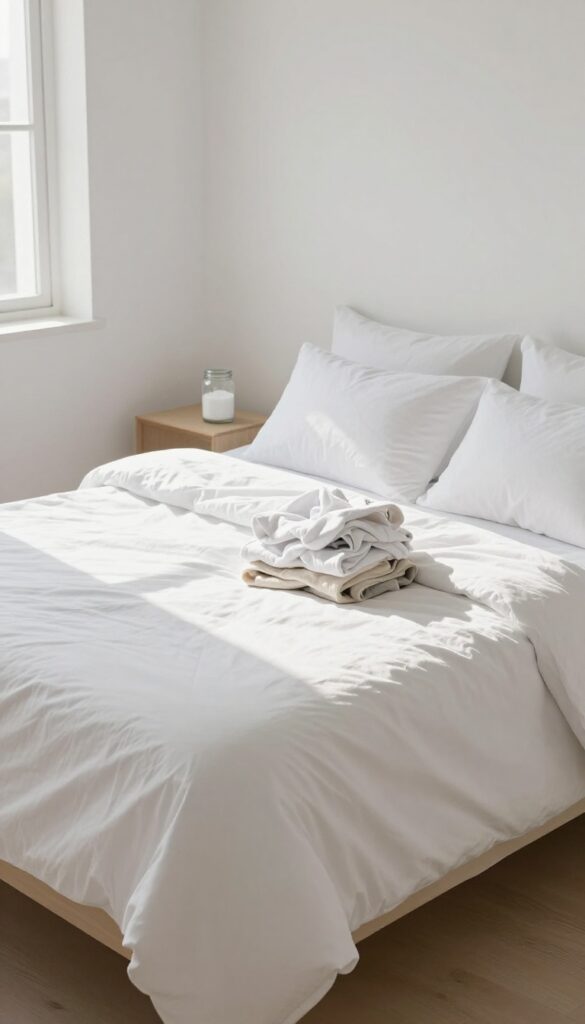
Your bed is the centerpiece of the bedroom, and it’s also the biggest trap for sweat, dust mites, and lingering odors. Stripping the sheets and starting fresh is the fastest way to make the whole room feel lighter and cleaner. You don’t need fancy sprays or gadgets—just hot water, baking soda, and a few minutes of effort.
Start by pulling off all bedding, including pillowcases, fitted sheet, flat sheet, and any duvet covers or blankets. Wash them in the hottest water the fabric allows, adding one cup of baking soda to the wash cycle. Baking soda neutralizes odors naturally and boosts detergent power.
Tumble dry on high heat if possible, or line dry for a crisp, outdoor-fresh scent. While the bedding is washing, flip your mattress and let it air out. Once everything is clean, make the bed with fresh linens.
The result is a crisp, hotel-like feel that instantly upgrades the room.
Why Baking Soda Works Best
Baking soda isn’t just for cookies. It’s a natural deodorizer that breaks down acidic and alkaline odors without leaving a chemical residue. Adding it to the wash helps strip away body oils and fabric softener buildup that can make sheets feel stiff or smell stale over time.
Don’t Forget The Pillows
Pillows collect dust, sweat, and allergens just like sheets. Check the care label—most pillows can go in the washing machine on a gentle cycle with warm water. Tumble dry with a couple of clean tennis balls to fluff them back up.
Fresh pillows make a huge difference in how the bed feels.
The Mattress Pad Factor
If you use a mattress pad or protector, wash it every few months too. These layers trap moisture and dead skin cells, which can lead to musty smells. Wash in warm water with a mild detergent and dry thoroughly before putting it back on the bed.
2. Vacuum Under the Bed and Behind Furniture
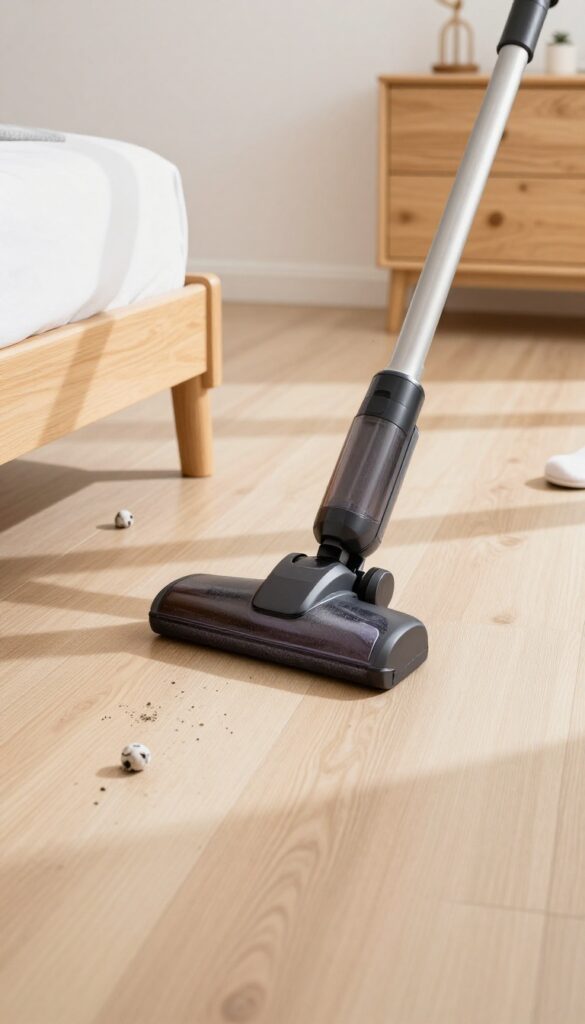
You might make your bed every morning, but when's the last time you looked under it? That dark space collects dust bunnies, stray socks, and who-knows-what-else. A quick vacuum session in those forgotten spots can instantly freshen up the whole room and improve the air you breathe while you sleep.
Grab your vacuum's crevice tool and start with the floor under your bed. Don't just skim the surface—really reach into the corners and along the baseboards. Then move to the gaps behind your dresser, nightstand, and any other furniture that hugs the wall.
You'll be amazed at what comes up: hair, dust, crumbs, and maybe even a missing earring. This single action eliminates musty odors and reduces allergens, making your bedroom feel cleaner and more restful.
Why Under-bed Dust Matters
Dust under the bed isn't just unsightly—it can trigger allergies and make the room smell stale. Since you spend a third of your life sleeping, the air quality in your bedroom directly affects your health. Vacuuming this area once a week keeps dust mites and allergens in check.
How To Reach Tight Spaces
Use the crevice tool for narrow gaps behind furniture. For under the bed, a flat wand attachment works best. If your bed is low, try a slim vacuum head or even a microfiber duster on a stick.
Move furniture slightly if you can, or use a mirror to spot hidden debris.
Don't Forget The Baseboards
While you're down there, run the crevice tool along the baseboards. Dust loves to settle on those ledges, and it can easily get kicked back into the air. A quick pass makes the whole room look cleaner and reduces future dust buildup.
3. Wipe Down All Surfaces with a Damp Microfiber Cloth
Dust settles everywhere, but a dry cloth just kicks it into the air. A damp microfiber cloth traps particles, leaving surfaces truly clean. This simple swap makes a huge difference in how fresh your bedroom feels.
Start with the highest surfaces and work your way down. Hit nightstands, dressers, window sills, and baseboards. Don't forget picture frames and light fixtures.
The damp cloth grabs dust instead of scattering it, so you won't have to re-dust as soon.
Why Microfiber Works Best
Microfiber has tiny fibers that create static electricity, attracting dust like a magnet. When damp, it also picks up grime and allergens. Cotton cloths just push dust around.
Make sure your cloth is just slightly damp—not wet—to avoid streaks on wood.
Top-to-bottom Technique
Always start high: ceiling fans, then shelves, then furniture tops. Finish with baseboards and floors. This way, any dust that falls gets cleaned up in the final pass.
Work in sections so you don't miss spots.
Don't Forget Hidden Spots
Blinds, lamp shades, and behind furniture accumulate dust too. Use a microfiber duster or a clean cloth on a wand for hard-to-reach areas. A quick wipe on these spots makes the whole room feel fresher.
4. Freshen Carpets and Rugs with Baking Soda
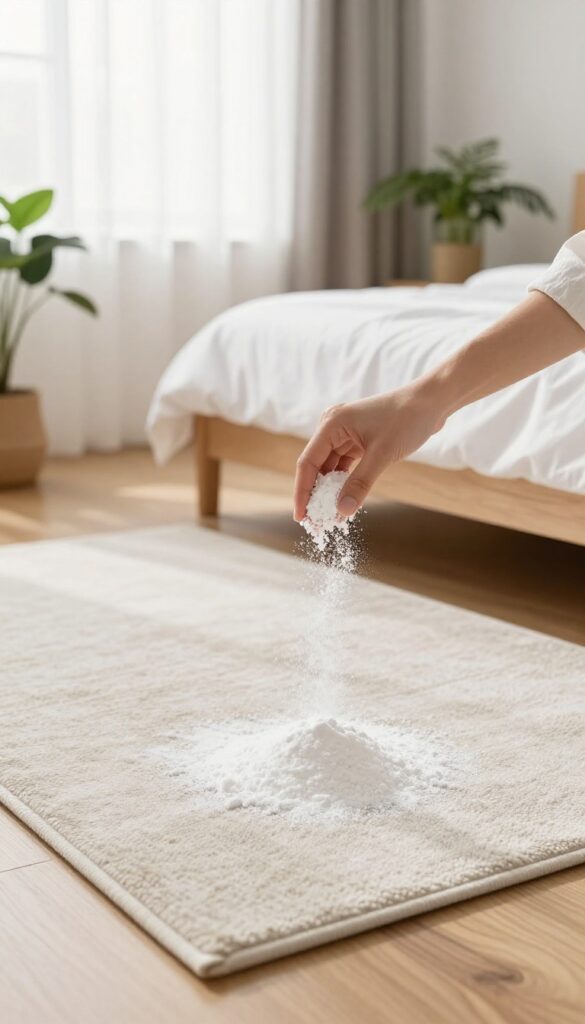
Carpets and rugs are silent odor magnets. Every step, every spill, every pet nap leaves behind tiny particles that build up over time. The result?
A musty, stale smell that no air freshener can truly fix. Baking soda offers a simple, chemical-free solution that neutralizes odors at the source.
Sprinkle a generous layer of baking soda over the entire carpet or rug. Focus on high-traffic areas and spots where pets or kids hang out. Let it sit for at least 15 minutes—longer if the odor is stubborn.
Then vacuum thoroughly, making multiple passes to lift all the powder. The result is a carpet that smells clean and fresh, without any artificial fragrance.
Why Baking Soda Works
Baking soda is a natural deodorizer. It absorbs and neutralizes acidic and basic odor molecules, rather than just covering them up. This makes it especially effective for pet accidents, smoke, and general mustiness.
Tips For Best Results
For extra freshness, add a few drops of your favorite essential oil to the baking soda and stir well before sprinkling. Let the mixture sit overnight for tough odors. Always vacuum slowly to ensure you pick up all the powder.
5. Declutter Nightstands and Dresser Tops
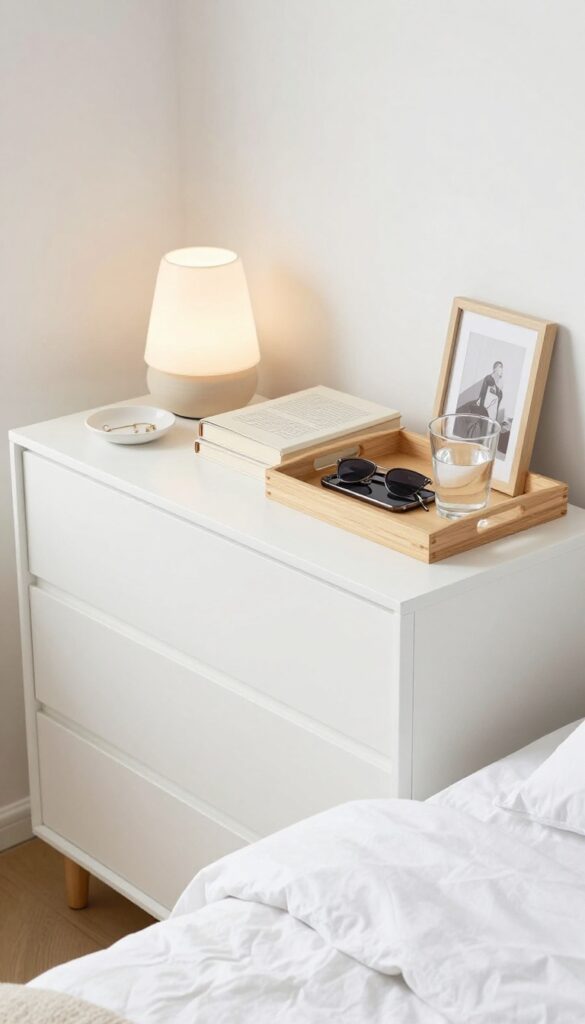
Nightstands and dressers are prime real estate for clutter. They collect mail, glasses, remotes, and a dozen other items you rarely touch. Clearing them off does more than tidy up—it clears your mind.
A clean surface makes the whole room feel lighter and more restful.
Start by removing everything from both surfaces. Wipe them down with a damp cloth and a gentle cleaner. Then, only put back items you use daily: a lamp, a book, a phone charger, maybe a glass of water.
Everything else finds a home in a drawer or elsewhere. This simple edit cuts visual noise instantly.
Sort And Store
As you clear the surfaces, sort items into three piles: daily use, occasional use, and trash or relocate. Daily items stay out; occasional ones go in a drawer or basket; everything else is tossed or moved to its proper place. This keeps surfaces clean without losing functionality.
Add A Tray Or Dish
A small tray or dish on the nightstand catches loose change, jewelry, or watch bands. It keeps small items contained and easy to find. On the dresser, a valet tray works the same magic for keys, sunglasses, and wallets.
It’s a simple trick that prevents clutter from spreading.
Maintain The Habit
Once surfaces are clear, make it a daily habit to reset them each morning. Spend 30 seconds returning items to their designated spots. This small routine prevents buildup and keeps your bedroom feeling fresh without a full declutter session.
6. Wash Throw Pillows and Blankets

Decorative pillows and throws add personality to your bed, but they also trap dust, skin oils, and odors over time. A quick wash can make them feel like new again, instantly freshening up the whole room. Check the care labels first—most are machine-washable on a gentle cycle.
Check The Care Label
Before tossing anything in the wash, look at the tag. Many throw pillows have removable covers that can be unzipped and washed separately. For those without removable covers, spot clean or use a gentle hand-wash method.
Blankets usually tolerate a cold or warm cycle, but avoid hot water to prevent shrinking.
Use A Gentle Detergent
Stick with a mild, fragrance-free detergent to avoid harsh chemicals that can irritate skin. Add a half cup of white vinegar to the rinse cycle—it helps break down residue and neutralizes odors without leaving a smell. Skip fabric softener; it can coat fibers and reduce fluffiness.
Dry Thoroughly
Tumble dry on low heat with a couple of clean tennis balls or dryer balls to fluff the filling back up. Make sure pillows and blankets are completely dry before putting them back on the bed—any lingering moisture can lead to mildew. If the label says air dry, lay them flat in a well-ventilated area.
Refresh Between Washes
To extend the time between full washes, toss pillows and blankets in the dryer on a no-heat or air-fluff setting with a dryer sheet for 10 minutes. This helps remove surface dust and gives them a quick refresh. You can also spray them lightly with a fabric refresher or a mix of water and a few drops of lavender essential oil.
7. Wipe Down Light Switches and Door Handles
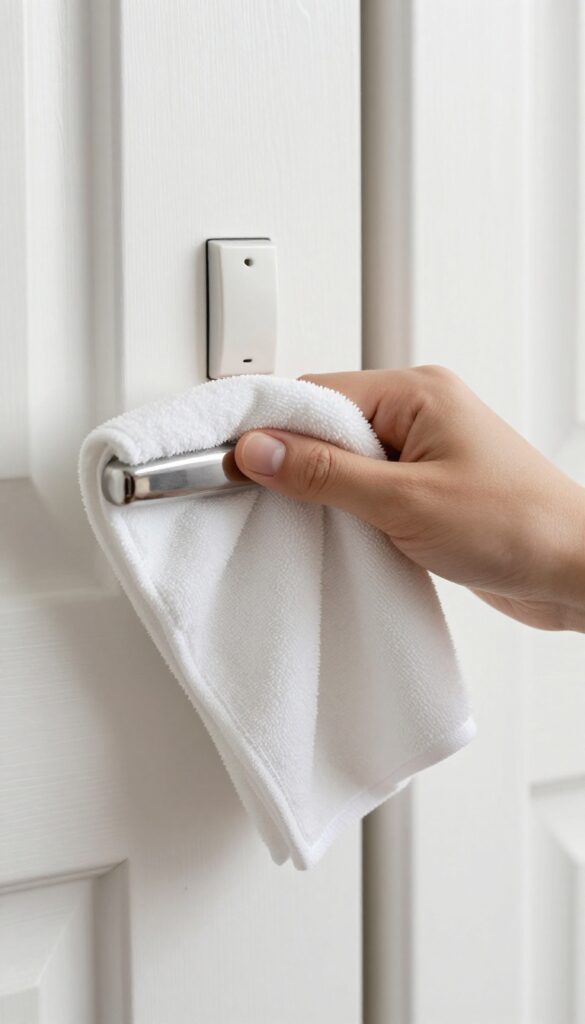
Light switches and door handles are some of the most frequently touched surfaces in any bedroom, yet they're often overlooked during routine cleaning. Over time, these high-touch spots accumulate fingerprints, smudges, and invisible germs that can make the room feel less fresh. A quick wipe with a disinfectant cloth not only removes visible grime but also kills bacteria and viruses, instantly elevating the cleanliness of the space.
This simple task takes less than a minute but has an outsized impact on how clean the room feels. Focus on the switch plates, the toggle itself, and the area around the door handle. Use a microfiber cloth dampened with an all-purpose cleaner or a pre-moistened disinfecting wipe.
Pay special attention to the crevices where dirt tends to build up. For a streak-free finish, dry the surfaces with a clean cloth afterward. Make this a weekly habit to keep these touchpoints consistently fresh.
Why These Spots Matter
Light switches and door handles are among the highest-touch surfaces in a bedroom. They are frequently contacted by hands that may be dirty or sweaty, and they rarely get cleaned as part of regular dusting. This makes them prime locations for germ transfer and visible buildup.
Cleaning them regularly reduces the spread of illness and gives the room a noticeably cleaner feel.
Best Cleaning Approach
Start by turning off the lights to avoid any electrical risk. Use a disinfectant wipe or a microfiber cloth with a spray cleaner. Gently wipe the switch plate, the switch itself, and the surrounding wall area.
For door handles, focus on the lever or knob, the backplate, and any screws. Let the disinfectant sit for the recommended dwell time (usually 30 seconds to a minute) to effectively kill germs. Finish by drying with a clean cloth to prevent water spots.
Frequency And Maintenance Tips
For optimal freshness, clean light switches and door handles at least once a week. In homes with children or during cold and flu season, consider doing it more often. Use a touchless trash can nearby to dispose of used wipes, and keep a pack of wipes in the bedroom for quick touch-ups.
Avoid using abrasive cleaners that can damage the finish. A simple routine keeps these surfaces looking and feeling clean.
8. Open Windows for a Deep Air Exchange
Even five minutes of cross-ventilation flushes out stale air and brings in oxygen. It’s the simplest way to reset the room’s atmosphere without any products. You don’t need sprays, candles, or gadgets—just a clear path for the breeze to flow through.
Opening windows might seem too basic to be a real freshening action, but it’s one of the most effective. Indoor air can be two to five times more polluted than outdoor air, thanks to dust, volatile organic compounds from furniture, and trapped moisture. A quick air exchange dilutes those pollutants and replaces them with fresh oxygen.
Plus, it costs nothing and takes minimal effort.
Create Cross-ventilation
For the best results, open windows on opposite sides of the room or house. This creates a pressure difference that pulls stale air out and draws fresh air in. If your bedroom has only one window, point a fan outward to exhaust the old air, then crack the window to let new air enter.
Time It Right
Aim for early morning or late evening when outdoor air is coolest and least polluted. Even five minutes can make a noticeable difference. If you live in a noisy area, try a quick burst before bed or after you wake up—just enough to refresh the room without letting in too much street noise.
Use Screens And Filters
If pollen or bugs are a concern, install a fine-mesh screen. For allergy sufferers, consider a window filter that traps particles while still allowing airflow. This way you get the benefits of fresh air without the sneezes.
9. Spot Clean Walls and Baseboards
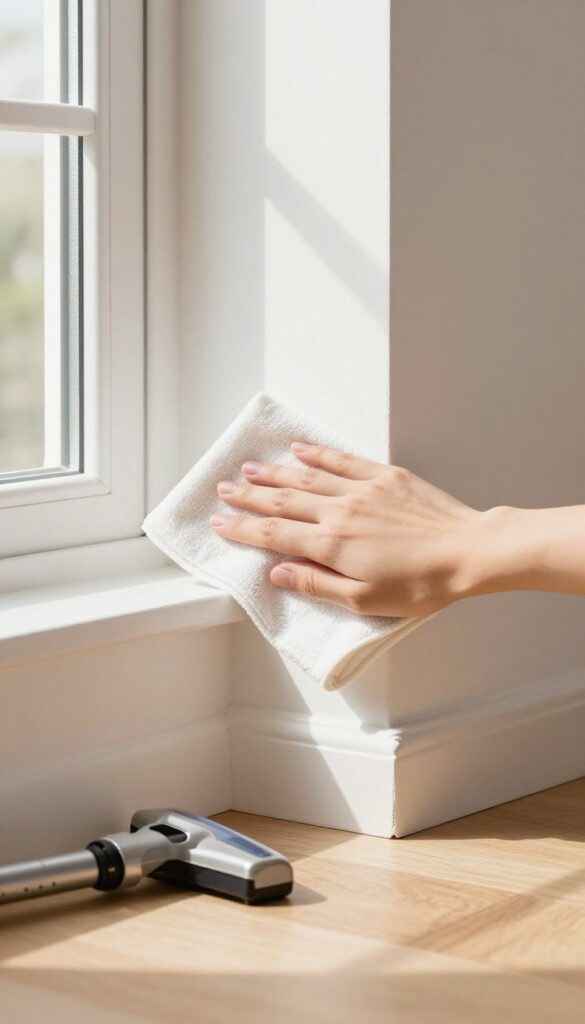
Walls and baseboards often get ignored until they look dingy. A few scuffs near the door or a dusty baseboard along the floor can make the whole room feel tired. Giving these surfaces a quick once-over brightens the space instantly and makes your freshening efforts look complete.
Choose Your Weapon
A magic eraser works wonders on most scuffs—just dampen it and gently rub. For painted walls, test in an inconspicuous spot first. Alternatively, a mild soap solution (a drop of dish soap in warm water) with a soft sponge removes fingerprints and smudges without damaging the finish.
Work Top To Bottom
Start at the top of the wall and work downward so drips don't mess up already-clean areas. Use a microfiber cloth or a long-handled duster for cobwebs and dust before you start scrubbing. For baseboards, a dry cloth followed by a damp one picks up grime without leaving streaks.
Don't Forget The Corners
Corners collect dust bunnies and dead bugs. Run a vacuum crevice tool along the floor where baseboards meet the carpet or hard floor. A quick wipe with a damp cloth finishes the job.
Pay attention to areas behind furniture that rarely see light.
10. Refresh Closet Air and Organize the Floor
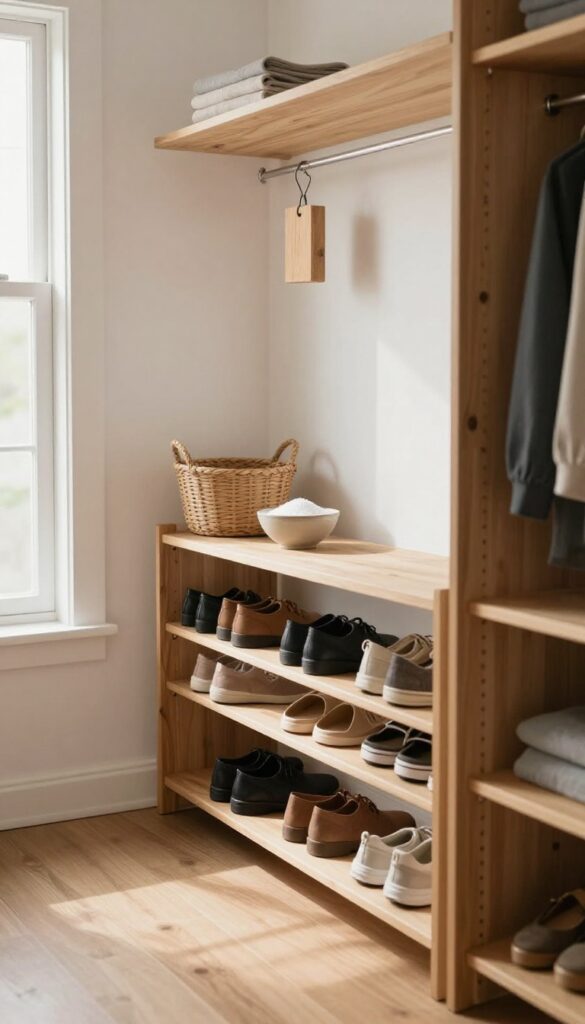
Your closet floor can become a dumping ground for shoes, bags, and random items you're too busy to put away. That clutter traps dust and stale smells, affecting the whole room's freshness. Clearing it out and adding a pleasant scent makes a surprising difference.
Start by removing everything from the floor—shoes, laundry, boxes, anything that doesn't belong. Sort items into keep, donate, or trash piles. Vacuum or sweep the floor, then wipe it down with a damp cloth or gentle cleaner.
Once dry, place a small sachet, cedar block, or a bowl of baking soda to absorb odors and keep the air fresh. A tidy closet floor instantly reduces visual chaos and makes the bedroom feel more serene.
Clear The Floor Completely
Pull out every item from the closet floor. Shoes go on a rack or in bins, bags hang on hooks, and laundry goes in the hamper. This step reveals hidden dust and forgotten items, giving you a clean slate.
Deep Clean The Floor Surface
Vacuum or sweep thoroughly, then mop or wipe with a gentle cleaner. Pay attention to corners and edges where dust accumulates. Let it dry completely before putting anything back.
Add A Freshening Element
Place a small sachet of lavender, a cedar block, or a dish of baking soda on a shelf or in a corner. These natural deodorizers absorb moisture and odors, keeping the closet smelling clean for weeks.
Maintain The Order
Designate a spot for shoes, a hook for bags, and a bin for items that tend to pile up. Spend two minutes each evening returning things to their place. This habit prevents future clutter and keeps the closet fresh.
11. Add a Natural Scent with Essential Oils or Simmer Pot
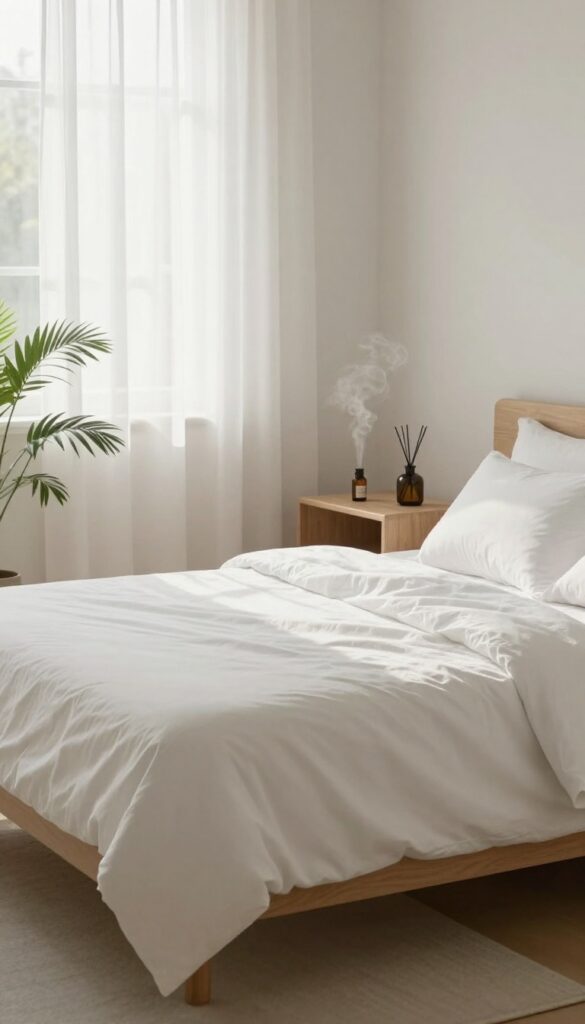
Synthetic air fresheners can overwhelm a small bedroom and sometimes trigger headaches. Natural scenting methods give you control over the intensity while adding a gentle, pleasant aroma that feels like a spa retreat. Whether you prefer a quick diffuser burst or a slow stovetop simmer, these options keep the air smelling clean without chemical residue.
Essential Oil Diffuser For Quick Refresh
A few drops of lavender, lemon, or eucalyptus in a cool-mist diffuser can transform the room in minutes. Run it for 30 minutes before bed or while you're out. The mist also adds a touch of humidity, which helps in dry climates.
Clean the diffuser weekly to prevent oil buildup.
Simmer Pot For A Warm, Homemade Aroma
Fill a small pot with water, add citrus peels (orange, lemon, or grapefruit), a cinnamon stick, and a few sprigs of rosemary or mint. Let it simmer on low for an hour—the steam carries the scent through the house. Keep an eye on the water level to avoid burning.
This works especially well in cooler months.
Diy Linen Spray For A Quick Spritz
Mix 10–15 drops of your favorite essential oil with 2 tablespoons of vodka or witch hazel and 1 cup of distilled water in a spray bottle. Shake well and mist lightly over pillows, sheets, and curtains. The alcohol helps the scent evaporate without leaving a wet spot.
Store in a cool, dark place.
Scented Sachets For Drawers And Closets
Fill small cotton bags with dried lavender buds, cedar chips, or rose petals. Place them in dresser drawers, closet shelves, or inside pillowcases. They absorb mustiness and release a subtle fragrance every time you open a drawer.
Refresh the contents every few months.
FAQ
How often should I wash my sheets to keep my bedroom fresh?
Aim for once a week. If you have allergies or sweat a lot, every five days is even better.
Can I use vinegar to freshen my bedroom?
Yes, white vinegar diluted with water works as a natural deodorizer and cleaner for surfaces, but avoid using it on natural stone or unsealed wood.
What’s the best way to remove dust from electronics?
Use a microfiber cloth slightly dampened with water or a dedicated electronics wipe. Never spray liquid directly on devices.
How do I keep my bedroom smelling fresh without artificial sprays?
Open windows daily, wash bedding regularly, vacuum often, and use natural odor absorbers like baking soda or activated charcoal.
Should I clean my mattress to freshen the bedroom?
Yes, vacuum your mattress every few months and spot clean stains. A mattress protector also helps prevent odors and dust buildup.
Conclusion
A fresher bedroom doesn't require hours of scrubbing—just a handful of targeted actions that deliver visible results fast. Start with the spots that bother you most, and you'll feel the difference immediately.
These 11 actions are your shortcut to a room that smells clean, looks tidy, and actually stays that way. Keep this list handy, and you can refresh your space in minutes whenever it needs a lift.