How to Clean a Couch in 15 Fast Everyday Dirt-Lifting Steps
Your couch sees it all—spilled coffee, pet hair, crumbs, and the daily grind of life. Over time, that cozy spot can start looking a little tired and smelling less than fresh.
The good news? You don't need expensive products or professional help to bring it back to life.
With a few simple techniques and common household items, you can lift dirt, erase stains, and make your sofa look and feel like new again. This guide walks you through 15 fast, effective methods to clean your couch and tackle everyday grime head-on.
1. Vacuum Every Crevice First
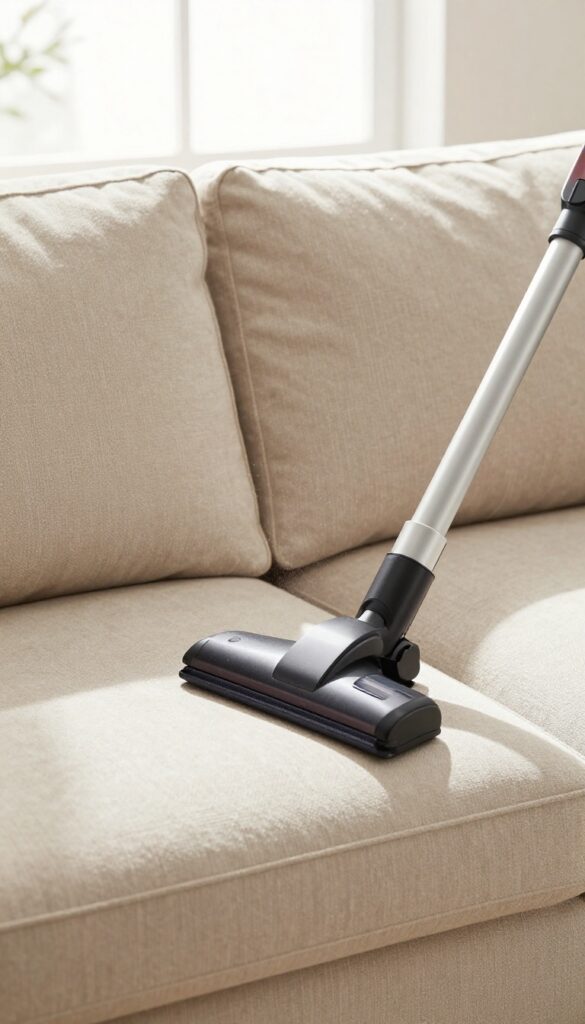
Before you bring out any sprays or scrubbing tools, grab your vacuum. Loose dirt and dust are easier to remove when they're dry, and tackling them first prevents turning grime into mud later. A thorough vacuuming session is the foundation of any good couch cleaning routine.
Most people only vacuum the seat cushions and call it done. But dirt loves to hide in the seams, under the cushions, and along the base of the couch. Skipping these spots means you're just moving dust around instead of actually removing it.
Take the extra few minutes to hit every nook and cranny.
Use The Right Attachment
An upholstery attachment is your best friend here. It's wide enough to cover large areas quickly but gentle on fabric. For tight spaces like the gap between the backrest and seat, switch to a crevice tool.
If you have a brush attachment, use it gently to loosen embedded dirt without damaging the fibers.
Don't Forget Under The Cushions
Lift out all removable cushions and vacuum the exposed deck—the flat surface underneath. Crumbs, pet hair, and small debris collect here and can work their way into the padding. While the cushions are off, vacuum their bottoms too.
This step alone can make a surprising difference in how fresh your couch feels.
Go Over Seams And Crevices Twice
Seams are magnets for dust and lint. Run the crevice tool along every seam where the fabric meets, both on the cushions and the couch body. Pay extra attention to corners and the area where the back meets the seat.
A second pass often picks up what the first missed.
2. Baking Soda Deodorizer Blast
Smells get trapped in couch cushions faster than you think. Pet odors, food spills, and everyday use can leave your sofa smelling stale even if it looks clean. Baking soda is a simple, non-toxic solution that tackles odors at the source without harsh chemicals.
It absorbs moisture and neutralizes smells, leaving your couch fresh and ready for relaxation.
Start by removing all cushions and pillows. Sprinkle a generous, even layer of baking soda over the entire couch surface, including the back, seat, and arms. Don't forget to dust the cushions separately.
Let the baking soda sit for 15-20 minutes—longer if the odor is strong. Then, use your vacuum's upholstery attachment to thoroughly remove all the powder. For extra freshness, add a few drops of your favorite essential oil to the baking soda before sprinkling.
Why It Works
Baking soda is a natural deodorizer that works by absorbing odors and moisture rather than masking them. Its fine particles penetrate fabric fibers to trap and neutralize smelly compounds. This method is safe for most upholstery types, including microfiber, cotton, and polyester blends.
Pro Tips For Best Results
For stubborn odors, let the baking soda sit overnight. If your couch has removable cushion covers, wash them separately in cold water with a cup of baking soda added to the rinse cycle. Always test a small hidden area first to ensure the fabric doesn't discolor.
When To Repeat
Make this a monthly routine to keep odors at bay. High-traffic couches or homes with pets may benefit from a bi-weekly blast. The process is quick and requires no special equipment—just baking soda and a vacuum.
3. White Vinegar Spray for Light Stains
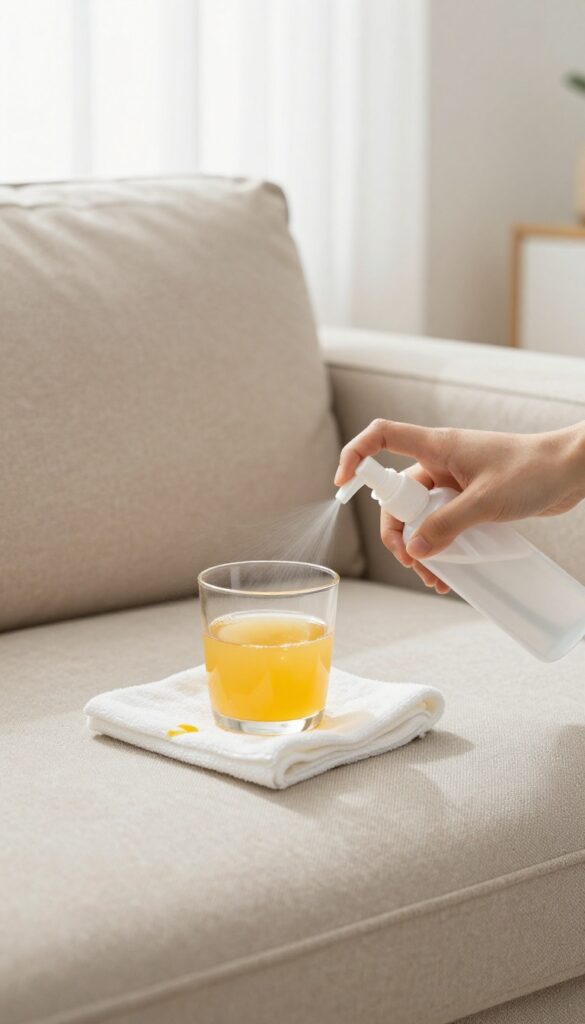
White vinegar is a powerhouse when it comes to gentle stain removal. It cuts through grime without harsh chemicals, making it perfect for light stains like juice splatters or sweat marks. Plus, it neutralizes odors as it cleans.
Mix The Solution
Combine equal parts white distilled vinegar and water in a spray bottle. Shake gently to mix. Avoid using apple cider vinegar—it can leave a residue.
Test First
Spray a small, hidden area of your couch to check for colorfastness. Wait a few minutes and blot with a white cloth. If no color transfers, you're good to go.
Apply And Blot
Lightly mist the stained area—don't soak it. Use a clean, dry cloth to blot the spot, working from the outside in to prevent spreading. Repeat until the stain lifts.
Let It Dry
Allow the area to air dry completely. The vinegar smell will fade as it dries. For faster drying, open a window or use a fan.
4. Dish Soap Solution for Grease and Grime
Grease stains and ground-in grime are some of the toughest couch challenges, especially on armrests and headrests where oils from skin and hair accumulate. A simple dish soap solution cuts through that greasy buildup without damaging most fabrics. Dish soap is designed to break down oils and food residue, making it perfect for tackling those sticky, dark patches that plain water can't touch.
It's gentle enough for regular use yet effective on stubborn spots.
Mixing The Right Ratio
The key is not to overdo the soap. In a small bowl, mix about 1/4 teaspoon of mild dish soap with two cups of warm water. Too much soap leaves a sticky residue that attracts more dirt.
Stir gently until the soap dissolves—you want a few suds, not a foam party.
Scrubbing Technique
Dip a clean microfiber cloth into the solution and wring it out until it's damp, not soaking wet. Blot or gently scrub the greasy area using small circular motions. Work from the outside of the stain inward to avoid spreading it.
For tough spots, let the solution sit for a minute before blotting.
Rinsing And Drying
After scrubbing, dampen a separate cloth with plain water and wipe the area to remove any soap residue. Then use a dry cloth to blot excess moisture. Let the couch air-dry completely—open windows or turn on a fan to speed up the process.
Avoid sitting on it until dry to prevent new dirt from sticking.
5. Rubbing Alcohol for Ink or Marker
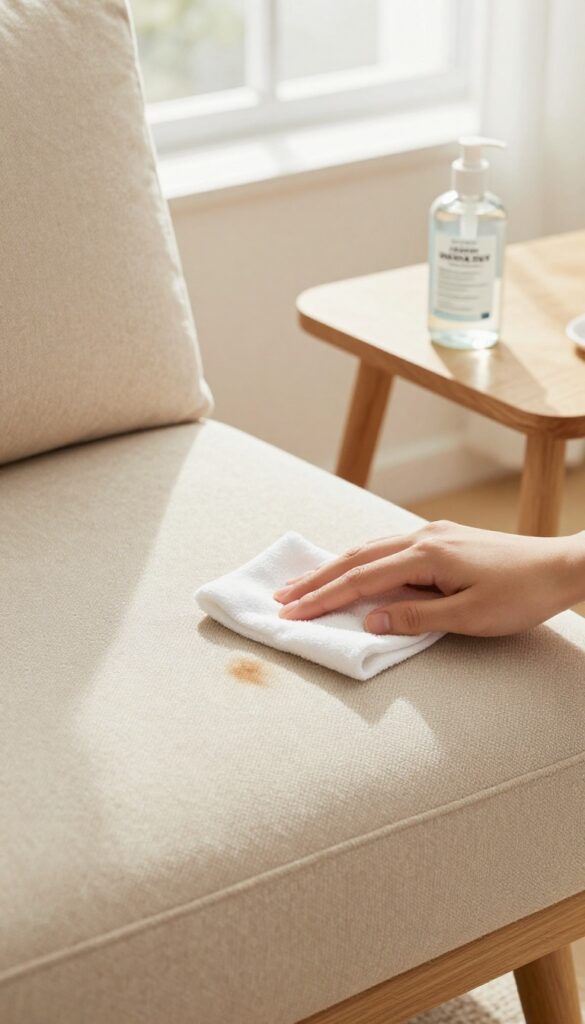
Ink stains from pens or markers can feel like a disaster on your couch, but they're often easier to remove than you'd think. Rubbing alcohol is a simple, effective solution that breaks down the ink without damaging most upholstery fabrics.
Before you start, check the fabric care tag to make sure rubbing alcohol is safe for your couch. Test it on a hidden spot first. Then, grab a clean white cloth or cotton ball and dampen it with rubbing alcohol—don't soak it.
Blot the stain gently, working from the outside in to prevent spreading. The ink should start transferring to the cloth. Keep blotting with fresh areas of the cloth until no more ink lifts.
Finally, blot the area with a damp cloth to remove any alcohol residue and let it air dry.
Why Rubbing Alcohol Works
Rubbing alcohol is a solvent that dissolves the pigments in ink and marker stains. It's effective on both water-based and permanent inks, and it evaporates quickly, which means less risk of soaking into the cushion foam.
Step-by-step Blotting Technique
Place a clean cloth under the stain if possible to catch any ink that bleeds through. Dab the alcohol onto the stain, don't rub—rubbing can push the ink deeper into the fibers. Blot gently and repeat as needed.
Patience is key; some stains may take several rounds.
Aftercare And Drying
Once the stain is gone, use a damp cloth to blot away any leftover alcohol. Let the area air dry completely before sitting on it. If you notice a faint shadow, repeat the process.
For stubborn stains, you can also try a mix of rubbing alcohol and a small amount of dish soap.
6. Steam Clean for Deep Dirt
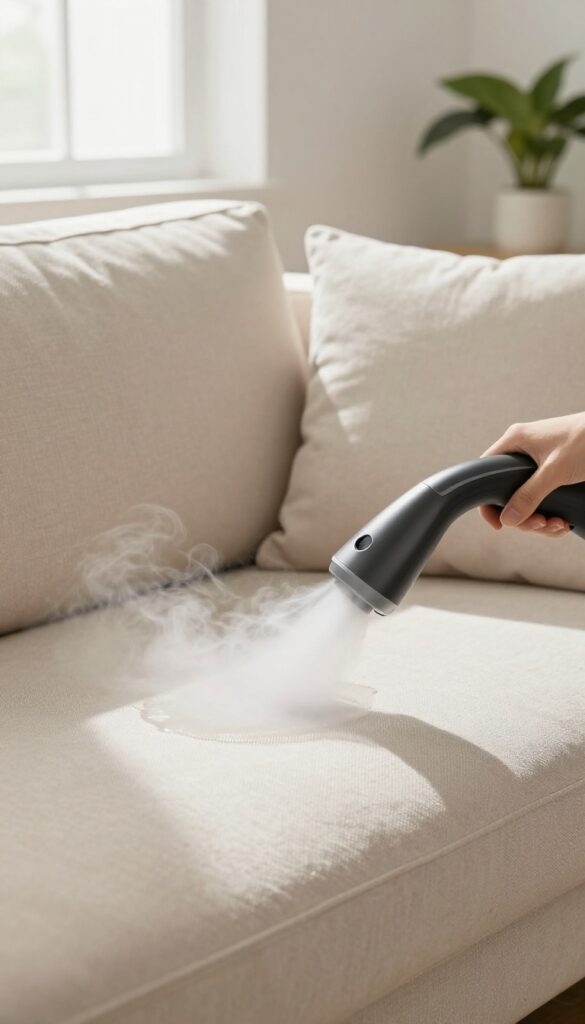
Sometimes a surface clean just isn't enough. Over time, dirt, oils, and allergens settle deep into the fibers of your couch, and no amount of spraying or wiping will reach them. That's where steam cleaning comes in—it's like giving your sofa a deep tissue massage that flushes out the grime.
Steam cleaning uses high-temperature vapor to penetrate fabric, loosen embedded dirt, and kill bacteria and dust mites. It's especially effective for sofas that see heavy use or have stubborn odors. You can use a handheld steam cleaner for spot treatments or rent a full-size machine for a whole-couch refresh.
Always check your couch's care tag first—steam is safe for most fabrics but not for delicate materials like silk or velvet.
Prep The Couch
Before steaming, vacuum every inch of the couch, including crevices and under cushions. This removes loose debris so the steam can focus on deep dirt. If there are any stains, pre-treat them with a fabric-safe cleaner.
Steam And Extract
Fill your steamer with water and let it heat up. Work in small sections, holding the steamer head a few inches from the fabric. Move slowly to let the steam penetrate.
After steaming each section, use a wet-dry vacuum to extract the moisture and dirt. This step is crucial—without extraction, the dirt just resettles.
Dry And Fluff
After steaming, let the couch air dry completely. Open windows or use fans to speed up the process. Once dry, fluff the cushions and brush the fabric to restore its texture.
Your couch will feel fresher and look revived.
7. Hydrogen Peroxide for Organic Stains
Blood, sweat, and urine stains are some of the trickiest to remove because they contain proteins that bond with fabric fibers. Hot water can set them permanently, but hydrogen peroxide breaks down these organic compounds safely. The 3% solution you find at the drugstore is strong enough to lift stains without damaging most couch fabrics.
Always test on a hidden area first, especially on dark or delicate upholstery.
How It Works
Hydrogen peroxide releases oxygen bubbles that lift protein-based stains from fabric fibers. When applied to a fresh or dried organic stain, it fizzes and breaks down the stain molecules, making them easy to blot away. It's also a mild disinfectant, so it helps eliminate odor-causing bacteria from sweat or pet accidents.
Step-by-step Application
Start by blotting up any excess moisture from a fresh stain with a clean cloth. Pour a small amount of 3% hydrogen peroxide directly onto the stain—enough to saturate it without soaking through to the cushion foam. Let it sit for 5 to 10 minutes, watching for fizzing action.
Blot the area with a dry cloth to lift the stain and any remaining liquid. Rinse by dabbing with a cloth dipped in plain water, then blot dry.
When To Avoid This Method
Hydrogen peroxide can bleach or discolor certain fabrics, especially wool, silk, or dark colors. Always test on an inconspicuous spot like the back or bottom of the couch. If the fabric changes color or feels damaged, switch to a gentler stain remover.
Also avoid mixing hydrogen peroxide with vinegar or bleach, as this creates harmful fumes.
8. Cornstarch for Greasy Spots
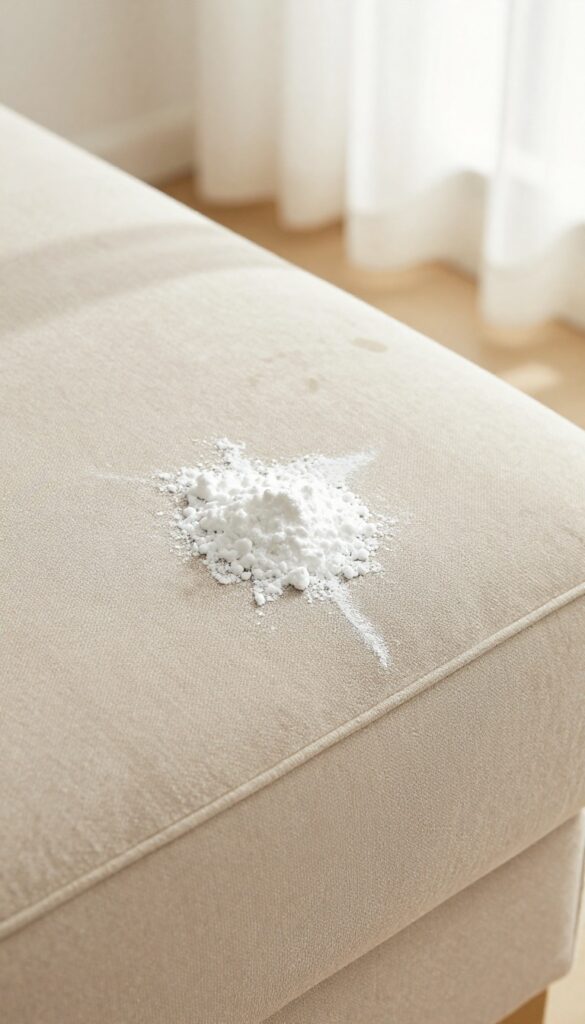
Grease stains and oily spots can make your couch look grimy fast, especially around armrests and headrests where skin oils collect. Cornstarch is a surprisingly effective, chemical-free solution for these stubborn marks. It works like a magnet, pulling oil out of fabric fibers without scrubbing or harsh cleaners.
Cornstarch is a pantry staple that doubles as a powerful degreaser for upholstery. Its fine, absorbent particles latch onto oil molecules, lifting them away from the fabric. This method is safe for most couch materials, including microfiber, cotton, and polyester blends.
Always test on a hidden area first to ensure no discoloration.
How To Apply Cornstarch On Grease Stains
Start by blotting any excess oil with a paper towel—don't rub, or you'll push the stain deeper. Sprinkle a generous layer of cornstarch directly onto the greasy spot, covering it completely. Let it sit for at least 15 minutes (longer for set-in stains) so the powder can absorb the oil.
After the wait, brush off the cornstarch with a soft-bristle brush or vacuum it away using an upholstery attachment.
Why Cornstarch Works Better Than Soap
Soap and water can sometimes spread grease or leave a residue, especially on delicate fabrics. Cornstarch works purely by absorption, so it won't introduce moisture that could cause mold or water stains. It's also gentle enough for frequent use on high-touch areas like armrests, where oils build up over time.
Tips For Stubborn Or Dried Grease
If the stain is old or has been heat-set (like from a dryer), cornstarch may need a little help. After the initial application, gently press the powder into the fabric with a spoon or your fingers. For extra stubborn spots, repeat the process two or three times, allowing the cornstarch to sit for up to an hour each time.
You can also mix cornstarch with a tiny amount of baking soda to boost odor removal.
9. Club Soda for Fresh Spills
When a drink tips over on your couch, every second counts. Club soda is your secret weapon for fresh spills—it lifts stains before they set. The carbonation helps release the liquid from fabric fibers, making blotting far more effective.
For best results, act immediately. Pour club soda directly onto the spill until it's fully saturated. Let it fizz for about 30 seconds—those bubbles are working to push the stain out.
Then blot with a clean, dry cloth, pressing firmly to absorb the moisture. Repeat if needed. Avoid rubbing, which can spread the stain or push it deeper into the cushion.
Why Club Soda Works
The carbon dioxide in club soda creates bubbles that help dissolve and lift water-soluble stains. The salt in club soda also aids in drawing out the liquid. It's gentle enough for most fabrics, including microfiber, cotton, and synthetic blends.
Step-by-step Blotting Method
Start by pouring club soda over the spill. Wait 30 seconds for the fizzing to stop. Then blot with a white cloth—colored cloths might transfer dye.
Work from the outside of the spill inward to prevent spreading. Continue blotting until the cloth comes away clean.
When To Call It Quits
If the stain remains after two or three rounds, try a different method. Club soda works best on fresh spills; once a stain dries or sets, you'll need a stronger cleaner. Always test in an inconspicuous area first, especially on delicate fabrics like velvet or silk.
10. Enzyme Cleaner for Pet Accidents
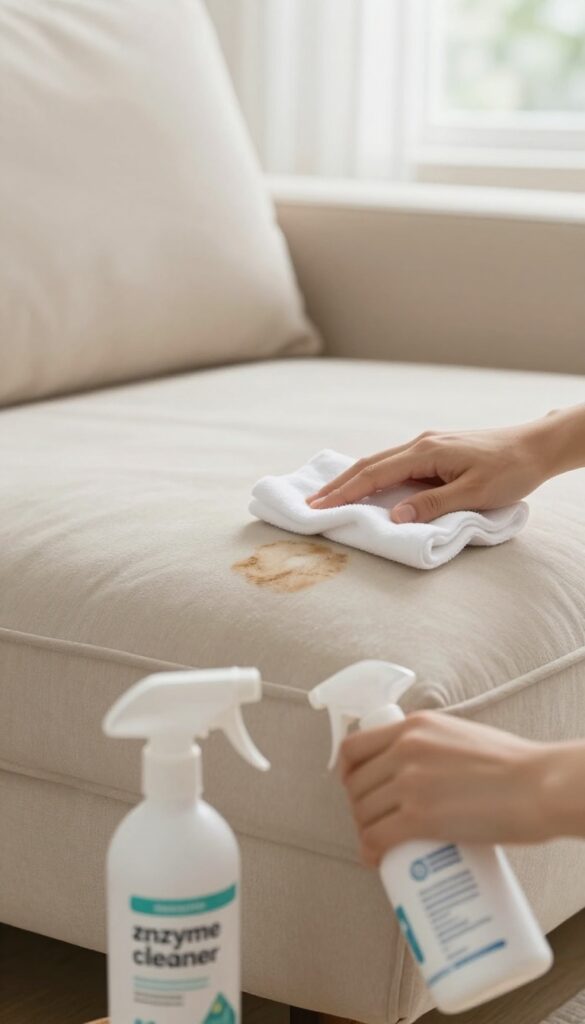
Pet accidents are a fact of life for many couch owners, but they don't have to ruin your furniture. Standard cleaners often mask odors or fail to fully break down the proteins in urine and vomit, leaving behind stains and lingering smells. Enzyme cleaners are specially formulated to tackle these biological messes at a molecular level, making them a go-to solution for pet parents.
Why Enzyme Cleaners Work
Enzyme cleaners contain beneficial bacteria that produce enzymes to digest organic matter like urine, feces, and vomit. These enzymes break down proteins and other compounds into smaller, harmless molecules that can be easily blotted away. Unlike chemical cleaners that just cover up smells, enzymes eliminate the source, preventing pets from re-marking the same spot.
How To Apply Enzyme Cleaner
Start by blotting up as much of the fresh accident as possible with a clean cloth. Then spray the enzyme cleaner generously over the stain, making sure to saturate the area. Let it sit for the time specified on the product label—usually 10 to 15 minutes—so the enzymes can work.
Finally, blot the area with a damp cloth to remove residue, and allow it to air dry. Avoid using heat or steam, as high temperatures can deactivate the enzymes.
Tips For Stubborn Stains And Odors
For old or set-in stains, you may need to apply the enzyme cleaner multiple times. After the first application, let the area dry completely before repeating the process. If the odor persists, try using a black light to locate hidden spots, then treat them again.
Always test the cleaner on an inconspicuous area first to ensure it doesn't discolor your couch fabric.
11. Shaving Cream for Upholstery Stains
Shaving cream isn't just for your morning routine—it's a surprisingly effective upholstery cleaner. The foamy texture lifts dirt and grease without soaking the fabric, making it ideal for spot-treating stains on couches. Best of all, it's cheap and you probably already have a can in your bathroom.
To use shaving cream on your couch, start by blotting the stain with a dry cloth to remove any excess. Squirt a small amount of non-gel shaving cream directly onto the stain—just enough to cover it. Using a damp, clean cloth, gently rub the shaving cream into the fabric in a circular motion.
Let it sit for about 10 minutes, then wipe away the residue with a fresh damp cloth. Allow the area to air dry completely. The shaving cream breaks down oils and lifts dirt, leaving your upholstery clean and fresh.
Always test on an inconspicuous area first to ensure colorfastness.
Why Shaving Cream Works
Shaving cream contains surfactants that break down oils and dirt, similar to a gentle detergent. Its foamy consistency means it doesn't soak deep into the cushion, reducing drying time and the risk of mold or mildew. Plus, it's mild enough for most fabrics, including microfiber and cotton blends.
Best Stains For This Method
Shaving cream is particularly effective on food stains, makeup, and body oils. It works wonders on greasy spots near armrests and headrests. For tougher stains like ink or wine, you might need a stronger cleaner, but for everyday dirt, shaving cream is a quick fix.
Tips For Best Results
Use only white, non-gel shaving cream—avoid colored or gel varieties that could stain. Don't oversaturate the fabric; a little goes a long way. Blot, don't scrub, to prevent spreading the stain.
After cleaning, vacuum the area once dry to restore the fabric's texture.
12. Lint Roller for Pet Hair and Dust
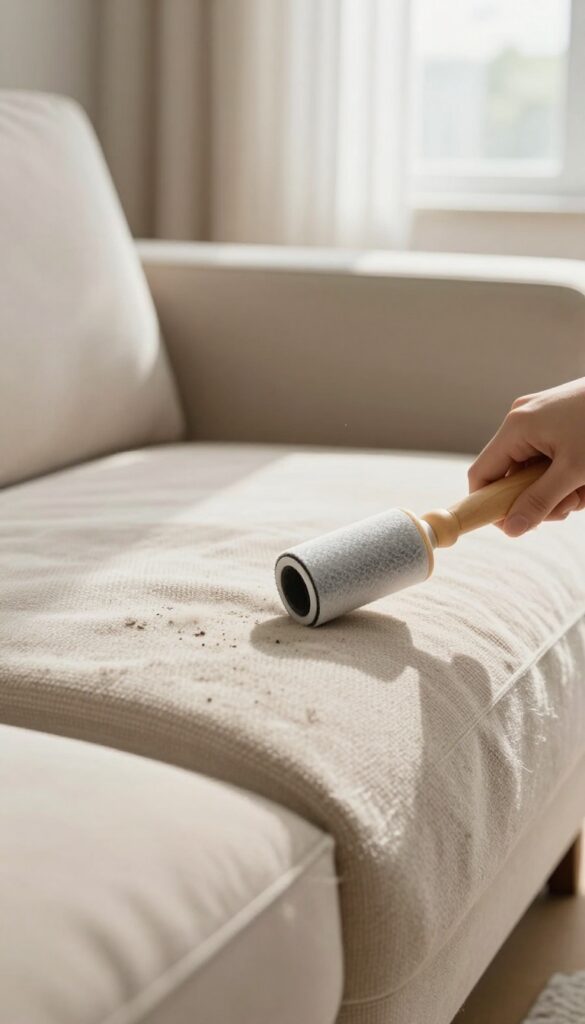
Pet hair and dust can make a couch look grimy even when it's not really dirty. A lint roller is the fastest tool to grab when you need a quick refresh. It's especially handy for spot-cleaning before guests arrive or when you just want to sit down without a layer of fur.
A lint roller works wonders on pet hair, dust, and lint that cling to fabric. It's a no-mess, no-fuss solution that takes seconds. Keep one in your living room or near the couch for easy access.
Why It Works So Well
The adhesive sheets grab loose particles that vacuums sometimes miss, especially on textured fabrics like microfiber or chenille. It's also gentle on delicate upholstery where a brush might snag threads.
Best Uses And Tips
Use a lint roller for quick touch-ups between deep cleans. Roll in one direction to avoid pushing hair deeper into the fabric. For heavy pet hair, go over the area multiple times, replacing the sheet when it loses stickiness.
When To Skip The Lint Roller
If your couch has deep crevices or tufted buttons, a lint roller won't reach those spots. Stick to a vacuum with a crevice tool for those areas. Also, avoid using it on wet or damp fabric—the adhesive can leave residue.
Alternative: Diy Lint Roller
Out of lint roller refills? Wrap a piece of packing tape around your hand (sticky side out) and pat the couch. It works just as well in a pinch.
13. Upholstery Cleaner for Tough Spots
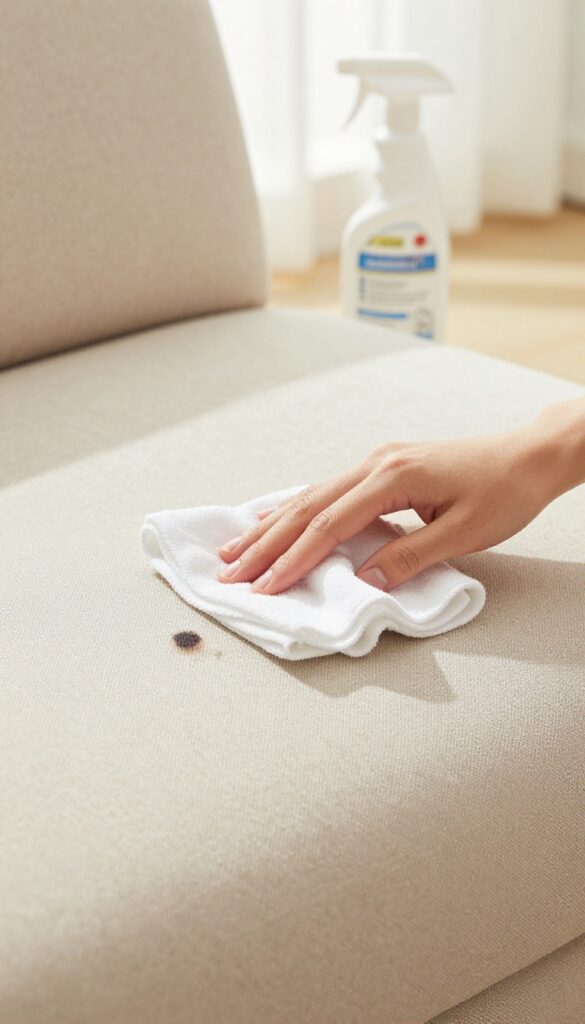
Sometimes, everyday methods just won't cut it. For those stubborn stains like ink, wine, or set-in grease, a commercial upholstery cleaner is your best bet. These products are formulated to break down tough spots without damaging the fabric, but you need to choose the right one for your couch material.
Here's how to use them effectively.
Check The Label First
Before you spray anything, look at your couch's care tag. It will tell you the fabric code (W, S, WS, or X). For water-based cleaners, you need a code W or WS.
For solvent-based cleaners, look for S or WS. If it's code X, only vacuuming is safe. Using the wrong cleaner can ruin the fabric.
Spot Test In A Hidden Area
Even if the label says it's safe, always test the cleaner on a small, hidden spot—like under a cushion or on the back. Apply a little, wait a few minutes, and blot with a white cloth. If the color transfers or the fabric looks damaged, don't use it.
Apply And Blot, Don't Rub
Spray the cleaner onto a clean white cloth or directly onto the stain (if the instructions allow). Gently blot the stain, working from the outside in. Rubbing can spread the stain and push it deeper into the fibers.
Repeat until the stain lifts, then blot with a damp cloth to remove residue.
14. Sunlight for Natural Whitening
If you have light-colored cushion covers that are looking dingy or have lingering odors, the sun might be your best free cleaning tool. Ultraviolet rays naturally break down stains and kill bacteria without any chemicals. This method works especially well for removable covers made of cotton, linen, or synthetic blends.
When To Use Sunlight
Sunlight is most effective on light stains from sweat, food, or general wear. It also helps neutralize musty smells. Avoid using it on dark fabrics, as fading can occur.
Check the care tag first—some materials like wool or silk may be damaged by prolonged exposure.
How To Do It Right
Remove cushion covers and shake off loose debris. Place them flat on a clean surface in direct sunlight, flipping them halfway through. Leave them out for 2–4 hours, depending on stain severity.
For stubborn spots, pre-treat with a mild detergent or lemon juice before sunning.
Combine With Fresh Air
While the covers are outside, open windows or use fans to air out the couch itself. Sunlight and airflow together reduce moisture and discourage mold growth. This simple step can refresh your entire living room without any scrubbing.
15. Regular Maintenance Routine
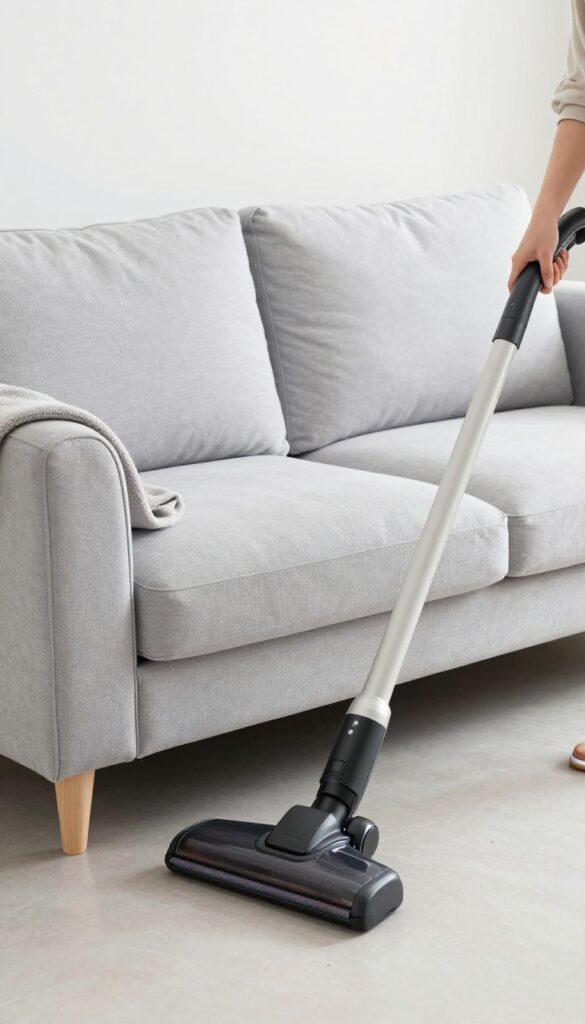
A little regular care goes a long way in keeping your couch looking its best. Instead of waiting for dirt to build up, a simple weekly routine can prevent stains, reduce odors, and extend the life of your upholstery. The key is consistency—spending just a few minutes each week can save you from deep cleaning headaches later.
Weekly Vacuuming
Vacuum your couch every week using an upholstery attachment. Go over all surfaces, including crevices and under cushions, to remove dust, crumbs, and pet hair. This prevents particles from grinding into the fabric and causing wear.
Immediate Spot Cleaning
Keep a small spray bottle with a gentle cleaning solution (like water and a drop of dish soap) nearby. The moment a spill happens, blot—don't rub—with a clean cloth. Quick action prevents stains from setting and makes later cleaning much easier.
Cushion Rotation
Rotate and flip cushions regularly to distribute wear evenly. This stops one side from becoming flattened or faded. For reversible cushions, flip them every few weeks.
For non-reversible, swap positions to balance usage.
Monthly Deep Refresh
Once a month, give your couch a deeper clean. Sprinkle baking soda over the fabric, let it sit for 15 minutes, then vacuum it off to absorb odors. You can also lightly steam or use a fabric-safe deodorizer to keep it smelling fresh.
FAQ
Can I use bleach on my couch?
No, bleach can discolor and damage most upholstery fabrics. Stick to mild cleaners like dish soap, vinegar, or hydrogen peroxide for safe cleaning.
How often should I clean my couch?
Vacuum weekly and spot-clean spills immediately. Deep clean every 3-6 months, or more often if you have pets or kids.
What if my couch has a 'W' or 'S' tag?
Check the tag: 'W' means water-based cleaners are safe, 'S' means use solvent-based cleaners, and 'WS' allows both. Avoid water on 'S' fabrics.
Can I machine wash cushion covers?
Only if the care label says so. Use cold water, gentle cycle, and air dry to prevent shrinking or damage.
How do I remove mildew smell from a couch?
Sprinkle baking soda, let it sit overnight, then vacuum. For persistent odor, use a vinegar-water spray and let dry in sunlight.
Conclusion
A clean couch transforms your living space faster than almost any other chore. With these 15 methods, you can tackle everyday dirt, spills, and odors without spending hours or hiring a pro. Pick the technique that matches your fabric and stain type, and you'll see results immediately.
Make couch cleaning a monthly habit, and your furniture will stay fresh, last longer, and feel like new. Your living room will thank you.