How to Clean a Leather Couch in 11 Surface-Safe Steps
A leather couch adds warmth and elegance to any room, but cleaning it without causing dryness or cracking can feel tricky. Many common cleaners strip natural oils, leaving the surface stiff and dull. The good news is that with the right techniques and a few household staples, you can keep your leather clean and supple.
From gentle dusting to targeted stain removal, these 11 methods focus on preserving moisture while lifting dirt. No harsh chemicals, no guesswork—just practical steps that protect your investment.
Ready to refresh your couch without compromising its soft feel? Let's get into the specifics.
1. Dust and Vacuum First to Prevent Scratches
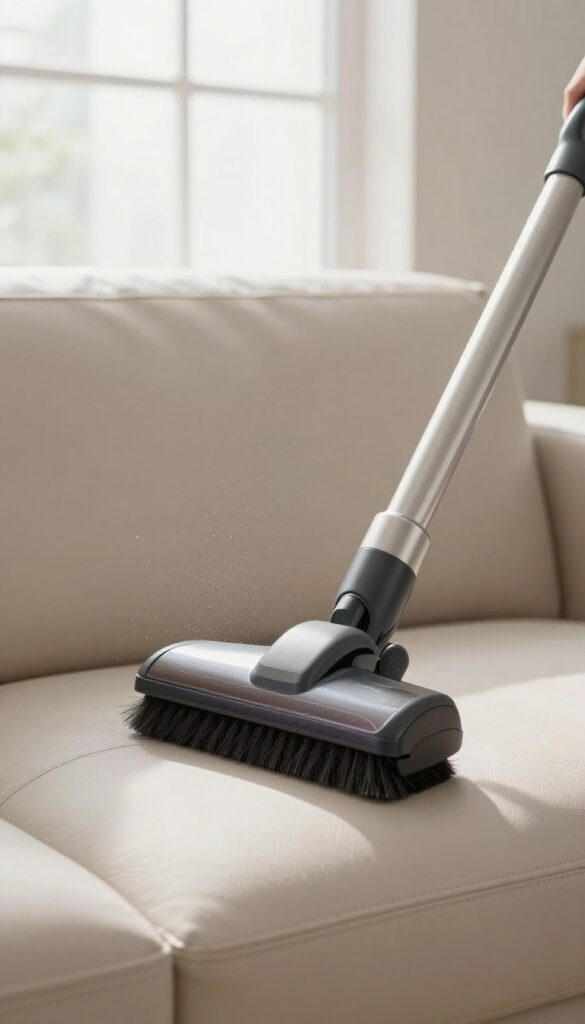
Before you bring any cleaning solution near your leather couch, take a few minutes to remove surface dust and debris. Loose particles act like sandpaper when you wipe them with a damp cloth, creating micro-scratches that dull the finish. A quick vacuum or gentle dusting prevents that damage and makes the actual cleaning more effective.
Start by using the soft brush attachment on your vacuum cleaner. Run it over the entire surface of the couch, including the crevices and seams where crumbs and pet hair tend to hide. If you don't have a vacuum, a microfiber duster or a soft, dry cloth works just as well.
The goal is to lift every speck of dirt so that when you apply any cleaner, you're not grinding grit into the leather.
Why Dusting Matters
Leather is porous, and dust particles can settle into the grain over time. When you later wipe the surface with a damp cloth, those particles can scratch the finish. By removing them first, you keep the leather's surface smooth and reduce the risk of permanent marks.
Best Tools For The Job
Use a vacuum with a soft brush attachment—the kind designed for upholstery. Avoid stiff bristles that can scratch. Alternatively, a microfiber cloth or a lambswool duster works well.
Never use a feather duster, as it can scatter dust rather than capture it.
Don't Forget The Cushions
If your couch has removable cushions, take them off and vacuum both sides. Also check under the cushions and along the backrest. These hidden spots collect dust and crumbs that can cause uneven wear or attract pests.
2. Use a Damp Microfiber Cloth for Light Cleaning
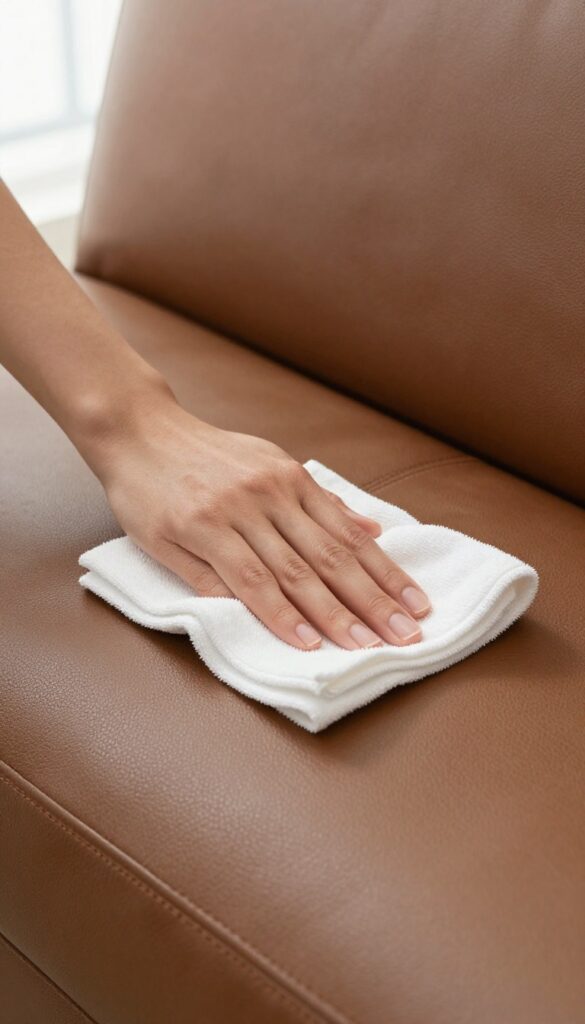
For everyday smudges and dust, a barely damp microfiber cloth works wonders. Wring it out well so no excess water seeps into the leather. This simple method lifts dirt without stripping natural oils, keeping your couch looking fresh.
Microfiber is ideal because its fine fibers trap dust and grime without scratching the leather. The key is using as little water as possible—just a light mist on the cloth, then wring until barely damp. Wipe in gentle circular motions, focusing on high-touch areas like armrests and headrests.
Finish by buffing with a dry microfiber cloth to remove any moisture and restore shine.
Why Microfiber Works Best
Microfiber cloths have split fibers that create a static charge, attracting dust like a magnet. Unlike cotton or paper towels, they won't leave lint or fibers behind. Plus, they're soft enough for delicate leather finishes.
The Right Dampness Level
Too much water can saturate leather and cause staining or warping. After misting the cloth, wring it until no drips come out. The cloth should feel cool and slightly moist to the touch, not wet.
How Often To Light Clean
A quick weekly wipe-down prevents buildup and keeps your couch looking new. For households with pets or kids, you might do it twice a week. Always follow up with a dry buff to avoid water spots.
3. Mix a Gentle Soap Solution with Distilled Water
Not all soaps are safe for leather. Harsh detergents strip natural oils, while tap water can leave mineral residue that dulls the surface. A mild soap mixed with distilled water gives you a gentle yet effective cleaner that lifts grime without drying out the leather.
Start with a few drops of mild castile soap—like Dr. Bronner’s unscented baby soap—in a bowl of distilled water. Stir gently to avoid creating too many suds.
Dip a soft microfiber cloth into the solution, wring it out until barely damp, then wipe the couch in small sections. Rinse the cloth frequently and use a separate dry cloth to buff the area immediately. This method removes everyday dirt and body oils while keeping the leather hydrated.
Why Distilled Water Matters
Tap water often contains minerals like calcium and magnesium. Over time, these can leave a white, chalky film on leather. Distilled water is purified, so it won’t deposit any residues.
This small switch makes a big difference in maintaining a clean, streak-free finish.
Choosing The Right Soap
Castile soap is plant-based and free of synthetic fragrances, dyes, and harsh chemicals. Avoid dish soaps, laundry detergents, or any product labeled “degreasing. ” Even a tiny amount of the wrong soap can dry out leather. Stick with mild, natural options designed for sensitive skin.
Application Tips For Best Results
Always test the solution on a hidden area first—like the back or bottom of the couch. Use a light touch; don’t scrub. Work in small circles, then immediately follow with a dry cloth to remove excess moisture.
Never soak the leather, and never use paper towels, which can scratch the surface.
4. Try a Vinegar and Olive Oil Conditioner
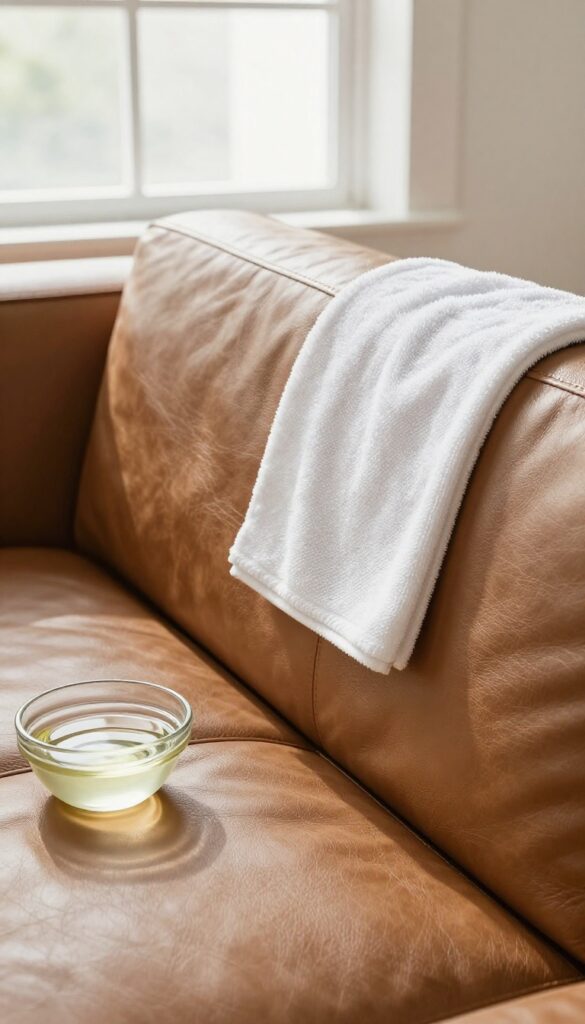
If you want a two-in-one solution that cleans and conditions at the same time, a homemade vinegar and olive oil mix is worth trying. White vinegar cuts through grime and kills bacteria, while olive oil replenishes the natural oils that keep leather soft. It's a budget-friendly alternative to store-bought conditioners, and you probably already have both ingredients in your kitchen.
This simple DIY conditioner works best on finished leather—the kind most modern couches are made from. It's not recommended for unfinished or aniline leather, which is more porous and could absorb the oil unevenly. Always test on a hidden spot first, like the back or under a cushion, to make sure the leather reacts well.
How To Mix And Apply
Combine equal parts white vinegar and olive oil in a small bowl or spray bottle. Shake or stir well. Dampen a soft, lint-free cloth with the mixture—don't soak it.
Wipe the leather in a circular motion, covering one small section at a time. Let it sit for a minute or two, then buff with a dry cloth to remove any excess oil.
Why This Combo Works
Vinegar is mildly acidic, which helps dissolve dirt and residue without stripping the leather's finish. Olive oil is a natural moisturizer that sinks into the leather, preventing it from drying out. Together, they create a gentle cleaning and conditioning step that leaves the surface clean and supple.
Important Precautions
Use only white vinegar—apple cider or other dark vinegars can stain. Olive oil should be light or extra light; heavy oils may leave a greasy residue. Never pour the mixture directly onto the couch; always apply it to the cloth first.
If the leather darkens or feels sticky after the test, skip this method and try a different one.
5. Wipe with a Saddle Soap for Deep Cleaning
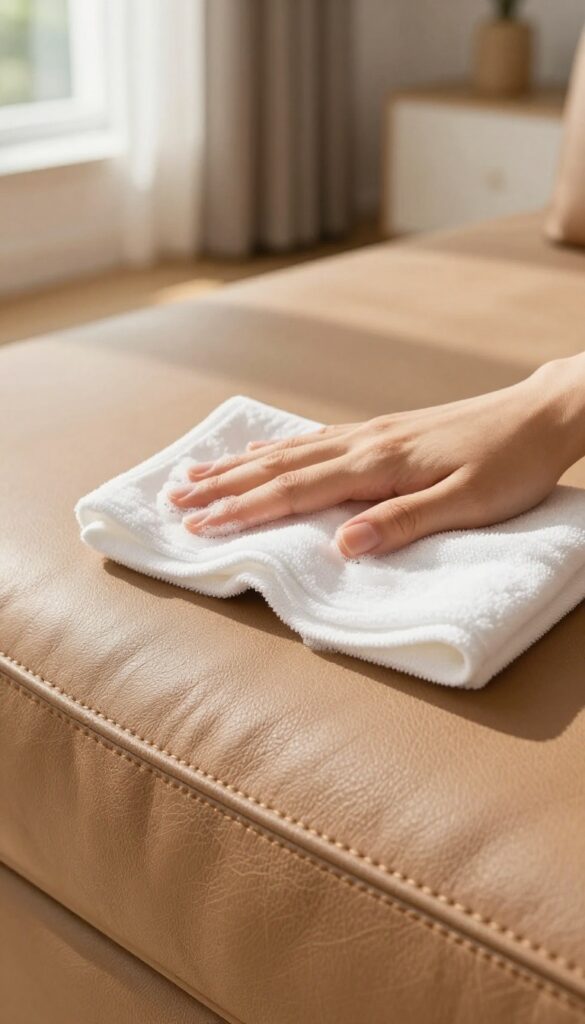
Saddle soap is a classic choice for deep cleaning leather without stripping its natural oils. Originally designed for horse tack, it's gentle enough for your couch when used correctly. The key is to work it into a light lather and remove all residue afterward.
Saddle soap contains waxes and oils that clean while conditioning, making it ideal for leather that needs a thorough but gentle refresh. It's especially effective for removing built-up grime from armrests and headrests.
How To Apply Saddle Soap Correctly
Dampen a soft cloth with water and rub it over the soap to create a light lather. Work the lather into the leather using circular motions, focusing on soiled areas. Avoid soaking the leather—just enough moisture to lift dirt.
Removing Residue Is Essential
After cleaning, use a separate damp cloth to wipe away all soap residue. Leftover soap can attract dust and cause dullness. Follow with a dry cloth to buff the surface to a soft sheen.
When To Use Saddle Soap
Use saddle soap every few months for a deep clean, or when your couch looks dingy despite regular dusting. It's also great for removing light stains like ink or oil, but test on a hidden area first.
6. Remove Ink Stains with Rubbing Alcohol and Cotton Swab
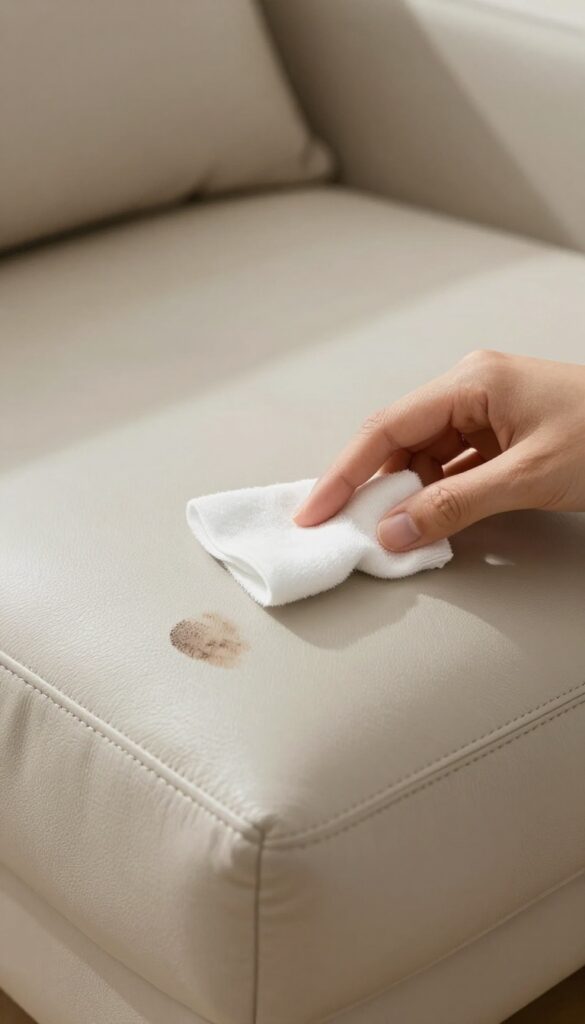
Ink stains on a leather couch can be alarming, but they don't have to be permanent. Rubbing alcohol is a gentle yet effective solvent that lifts ink without drying out the leather when used correctly. The key is to dab, not rub, and to follow up with a conditioner to keep the surface soft.
Why Rubbing Alcohol Works
Rubbing alcohol breaks down the oils and dyes in ink, making it easy to lift from the leather's surface. It evaporates quickly, so it doesn't soak in and cause damage. This makes it ideal for spot-treating ink stains without affecting the surrounding leather.
Step-by-step Removal Process
Dip a cotton swab in rubbing alcohol and gently blot the ink stain. Start from the outer edge and work inward to prevent spreading. Use light pressure and replace the swab as it picks up ink.
Continue until the stain is gone, then let the area air dry completely.
Conditioning After Treatment
Alcohol can strip some natural oils from leather, so conditioning is essential afterward. Apply a small amount of leather conditioner to a soft cloth and rub it into the treated area in circular motions. This restores moisture and keeps the leather supple.
7. Treat Grease Spots with Cornstarch or Baking Soda
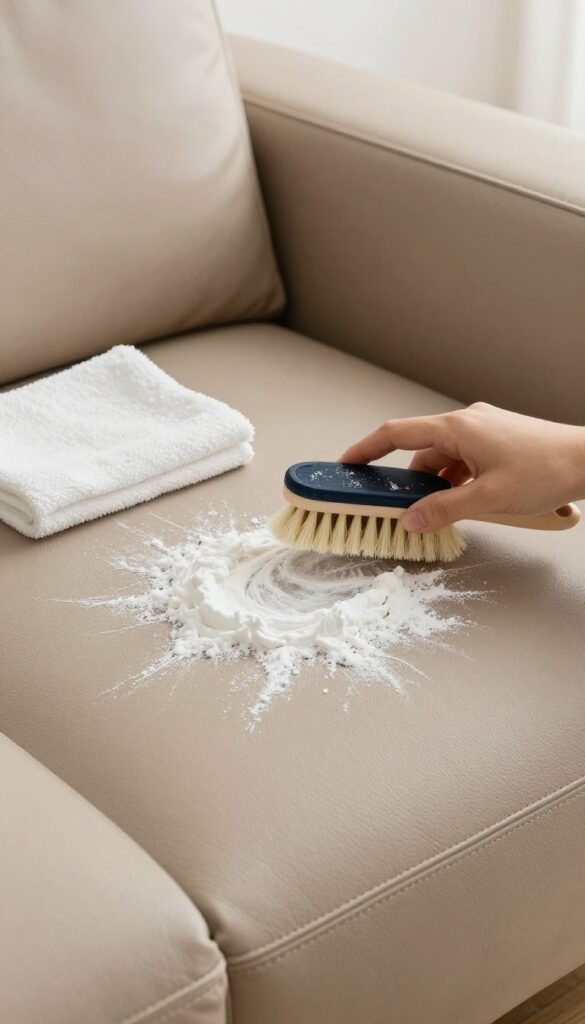
Grease stains from food, hair products, or body oils can be stubborn. But reaching for a wet cleaner often spreads the oil or strips the leather. Instead, let a dry powder do the work.
Cornstarch or baking soda absorbs grease without adding moisture, keeping the leather's natural oils intact.
When you spot a fresh grease mark, act quickly. Sprinkle a generous layer of cornstarch or baking soda directly onto the stain. Let it sit for at least 15 minutes—longer for set-in spots.
The powder pulls the oil to the surface. Then gently brush it away with a soft cloth or a dry sponge. Repeat if needed.
This method is safe for all leather types and won't dry out the surface.
Why Dry Powder Works Best
Water-based cleaners can push grease deeper into the leather fibers. Dry powders like cornstarch or baking soda are hydrophobic—they attract oil, not water. By absorbing the grease, they lift it away without wetting the leather.
This prevents the stiffness and cracking that often follow liquid treatments.
How To Apply For Best Results
Start with a clean, dry couch. Sprinkle enough powder to cover the stain completely. For vertical surfaces, press the powder gently into the spot with your fingers.
Let it sit for 15 to 30 minutes. Then use a soft brush or a dry cloth to sweep it off. For stubborn stains, let the powder sit overnight and brush off the next day.
What To Do If A Residue Remains
After brushing, you might see a faint white cast. That's just leftover powder mixed with absorbed oil. Wipe the area with a dry microfiber cloth.
If any residue persists, lightly vacuum the spot with a soft brush attachment. Avoid using water or any liquid cleaner at this stage.
8. Condition Regularly with a Leather-Specific Product
Cleaning alone isn't enough to keep your leather couch looking its best. Over time, even gentle cleansers can strip away the natural oils that keep leather soft and flexible. That's where conditioning comes in—it's the step that restores moisture and protects against cracking.
After cleaning, apply a high-quality leather conditioner. This replenishes natural oils and keeps the surface soft. Look for products with lanolin or beeswax.
Conditioning every 6 to 12 months will extend the life of your couch and maintain its luxurious feel.
Why Conditioning Matters
Leather is porous and loses moisture over time, especially in dry climates or heated rooms. Conditioner fills those gaps, preventing stiffness and cracks. It also creates a protective barrier against spills and stains.
How To Apply Conditioner Correctly
Use a soft, lint-free cloth to apply a small amount of conditioner in circular motions. Let it absorb for 10–15 minutes, then buff off any excess. Less is more—too much can leave a greasy residue.
Choosing The Right Conditioner
Stick with products specifically made for leather furniture. Avoid all-in-one cleaners that claim to condition—they often contain harsh chemicals. Look for natural ingredients like lanolin, beeswax, or neatsfoot oil.
9. Avoid Alcohol-Based Cleaners and Harsh Chemicals
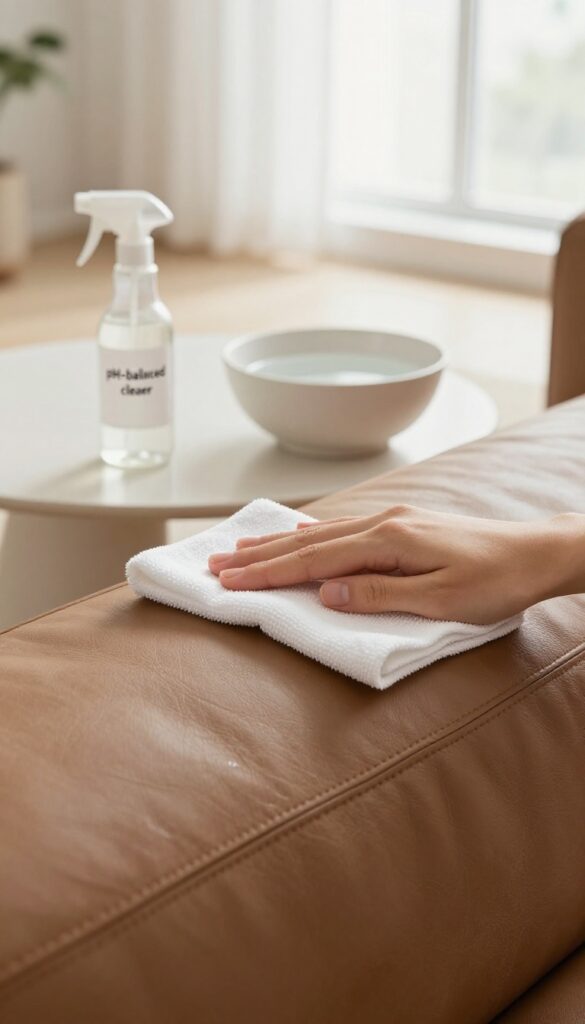
Not all leather cleaners are created equal. Many off-the-shelf products contain alcohol, ammonia, or other harsh solvents that strip the natural oils from your couch. Once those oils are gone, the leather dries out, becomes brittle, and can crack over time.
The key is to choose gentle, pH-balanced cleaners or natural alternatives that clean without compromising moisture.
Stick to cleaners specifically labeled for leather or make your own with mild soap and water. Avoid anything that lists alcohol, ammonia, or acetone as an ingredient. A simple test: dab a small amount on an inconspicuous spot and check for color transfer or stiffness after drying.
Read The Label First
Before using any cleaner, check the ingredient list. If you see denatured alcohol, isopropyl alcohol, ammonia, or bleach, put it back. These ingredients are too aggressive for finished leather and will cause long-term damage.
Even some "leather wipes" contain drying agents, so always verify.
Diy Gentle Cleaner
Mix a few drops of mild dish soap (like Dawn) with distilled water. Dampen a microfiber cloth—never soak the leather—and gently wipe the surface. Follow with a dry cloth to remove excess moisture.
This simple solution lifts dirt without stripping oils.
Natural Alternatives
White vinegar diluted with water (1: 1 ratio) can be used for spot cleaning, but test first. Olive oil or coconut oil can condition after cleaning, but use sparingly to avoid greasiness. For routine cleaning, a damp cloth is often enough.
10. Use a Steam Cleaner on Low Setting for Stubborn Dirt
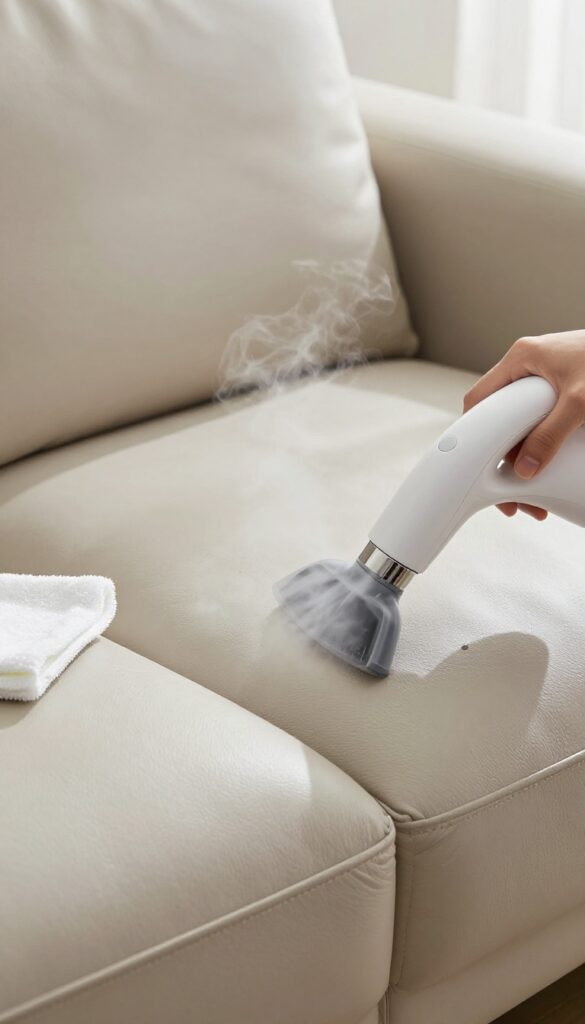
When dust and grime have settled deep into the grain, a simple wipe-down might not cut it. Steam cleaning can be a game-changer for those tough spots, but you have to be careful. Too much heat or moisture can damage leather, so the key is using a low setting and working quickly.
A handheld steam cleaner on low heat can loosen embedded dirt without soaking the leather. The steam helps lift debris from the pores, making it easier to wipe away. Just keep the nozzle moving to avoid concentrating heat in one area, and immediately follow with a dry cloth to absorb any excess moisture.
This method works especially well on crevices, seams, and areas where dirt tends to accumulate.
Why Low Heat Matters
Leather is sensitive to high temperatures, which can cause it to dry out, shrink, or crack. By using the lowest steam setting, you minimize the risk while still getting enough moisture to loosen dirt. Always test on a hidden spot first to ensure the leather can handle it.
Step-by-step Steam Cleaning
Fill the steamer with distilled water to avoid mineral deposits. Hold the nozzle a few inches from the leather and move it in a steady, sweeping motion. After steaming a section, blot with a clean, dry microfiber cloth to remove loosened dirt and moisture.
Work in small areas and repeat if needed.
Drying Is Non-negotiable
Even with low heat, steam adds moisture. After cleaning, let the couch air-dry completely before sitting on it or applying any conditioner. Use a fan or open windows to speed up drying, but avoid direct sunlight or heat sources that could cause uneven drying.
11. Wipe Down with a Diluted Rubbing Alcohol Solution for Disinfecting
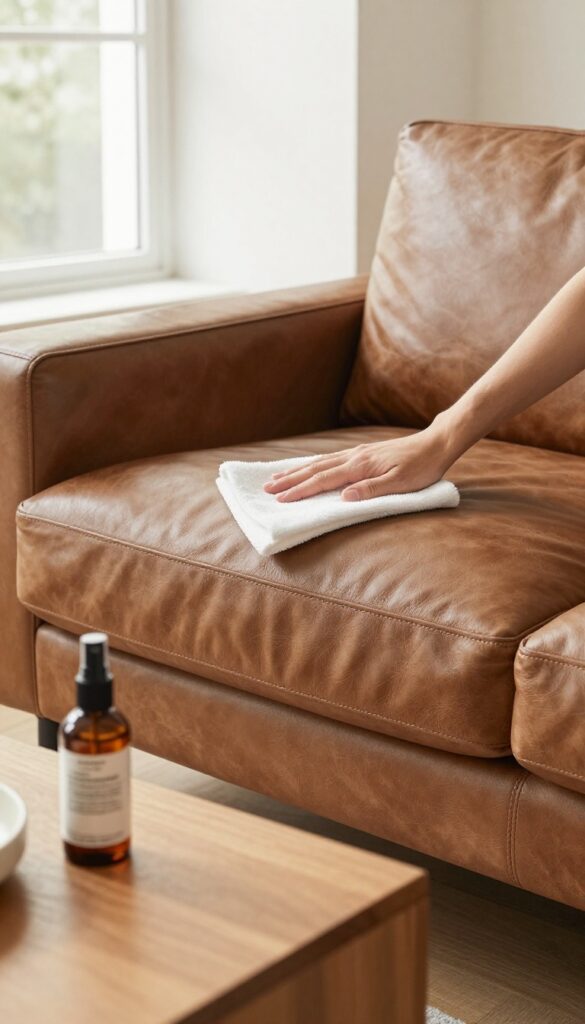
Sometimes your leather couch needs more than just dusting—especially after flu season or when kids and pets have been all over it. Rubbing alcohol is a powerful disinfectant that kills germs without the harshness of bleach. The trick is to dilute it properly and always follow up with a conditioner to keep the leather happy.
Mix one part rubbing alcohol with three parts water in a spray bottle or bowl. Lightly dampen a soft, lint-free cloth—never soak it—and wipe the entire surface of the couch. Focus on high-touch areas like armrests and headrests.
The alcohol evaporates quickly, lifting dirt and killing bacteria. Once the surface feels dry to the touch, apply a leather conditioner to restore any moisture that was lost. This method is safe for most finished leathers, but always test on a hidden spot first.
Why Dilution Matters
Full-strength rubbing alcohol can strip the finish and dry out leather. A 1: 3 ratio with water is strong enough to disinfect but gentle enough to avoid damage. The water also helps the alcohol spread evenly across the surface.
The Conditioning Step Is Non-negotiable
Alcohol is a solvent, so it will remove some natural oils. Conditioning right after wiping locks in moisture and keeps the leather soft. Use a conditioner designed for leather furniture, not a shoe polish or saddle soap.
When To Use This Method
Best for periodic deep cleaning when you need to sanitize—like after a party or during allergy season. Not recommended for weekly cleaning; stick to dusting for routine maintenance. Avoid this method on aniline or untreated leather, as alcohol can stain or discolor it.
FAQ
Can I use baby wipes to clean my leather couch?
Baby wipes are generally safe for quick cleanups, but avoid those with alcohol or fragrance. Always test on a hidden area first and condition afterward.
How often should I condition my leather couch?
Condition every 6 to 12 months, or more often if you live in a dry climate. Signs of dryness include stiffness or light cracking.
What is the best natural cleaner for leather?
A mix of mild castile soap and distilled water is gentle and effective. For conditioning, olive oil or coconut oil can work, but use sparingly.
Can I use vinegar on my leather couch?
Yes, diluted vinegar (1: 1 with water) is safe for cleaning. However, always test on a small area and follow with a conditioner to prevent dryness.
How do I remove mold from leather without drying it?
Mix equal parts rubbing alcohol and water, wipe the mold, then dry immediately. Apply a leather conditioner to restore moisture.
Conclusion
Your leather couch can stay clean and supple without that dreaded dry, cracked feeling. The key is choosing the right cleaner and following up with a conditioner to restore moisture.
Pick one or two methods from this list that fit your routine, and you'll keep your sofa looking rich and feeling soft for years. A little regular care goes a long way toward preserving that beautiful leather finish.