13 Stylish Kitchen Runner Rug Ideas That Feel Practical and Pretty
A runner rug can quietly tie your whole kitchen together, but finding one that survives spills, foot traffic, and daily wear takes a bit of thought. The right pick adds warmth, texture, and a splash of personality without turning into a constant cleaning headache.
From budget-friendly jute to waterproof options that handle messes head-on, these 13 ideas balance style with real-life practicality. Whether you want to soften a hard floor or define a busy workspace, there's a runner here that fits your kitchen's vibe and your routine.
Let's explore the options that look great and hold up beautifully.
1. Go for a Classic Striped Runner
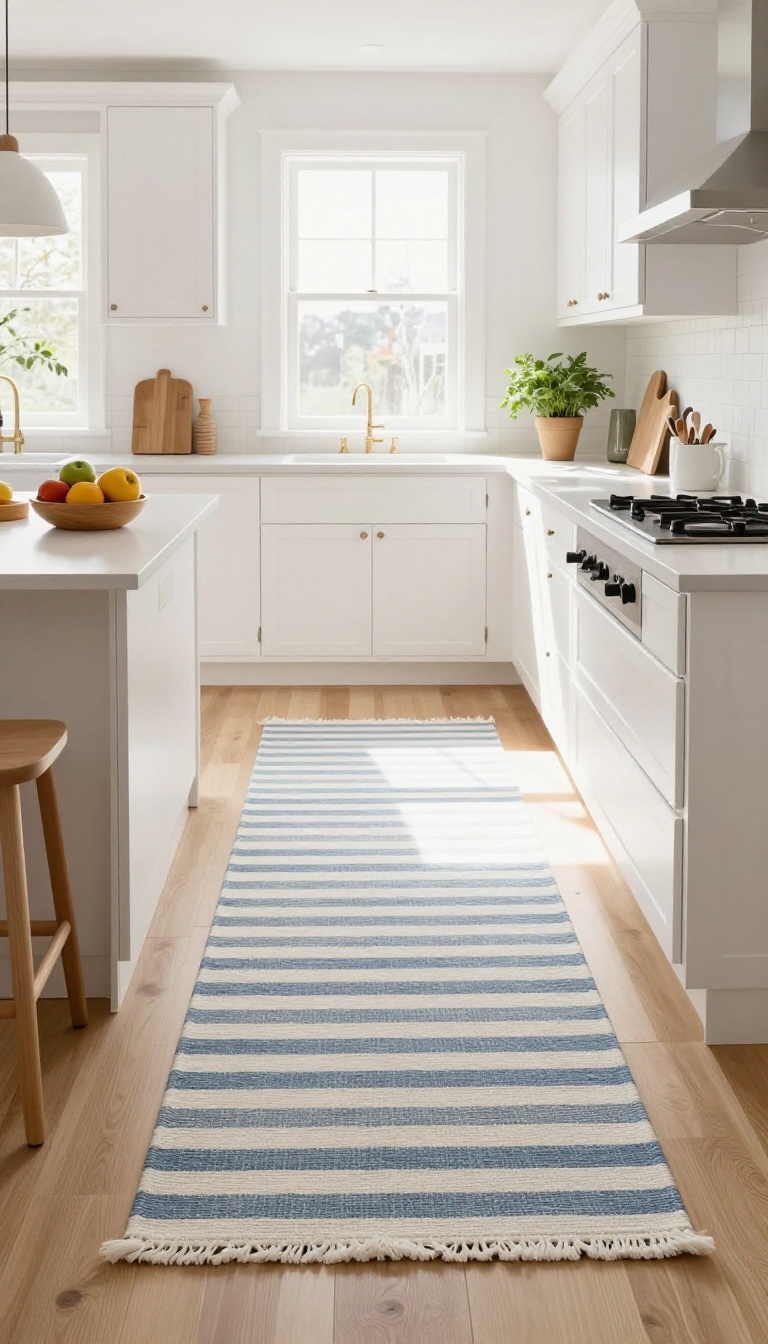
Stripes have a way of making a space feel organized and intentional, even when the countertops are cluttered. A classic striped runner brings that same sense of order to your kitchen floor, adding a crisp, clean look that works with almost any decor. Plus, the pattern does double duty by hiding minor spills and crumbs between cleanings.
When you choose a striped runner, you're not just picking a pattern—you're picking a practical workhorse. The repetitive design helps mask everyday messes, so you don't feel pressured to vacuum after every meal. And because stripes are so versatile, you can easily match them with your existing color scheme, whether you have a modern, farmhouse, or traditional kitchen.
Look for a runner made from durable materials like cotton or polypropylene, which can handle heavy foot traffic and frequent washing without fading or fraying.
Why Stripes Work In The Kitchen
Stripes are more than just a classic look—they're a clever design choice. The linear pattern draws the eye along the length of the runner, making your kitchen feel longer and more spacious. They also add a subtle texture that softens hard floors without overwhelming the space.
And since stripes come in endless color combinations, you can easily find one that complements your cabinets, backsplash, or countertops.
Choosing The Right Material
For a kitchen runner, material matters just as much as style. Cotton is soft and absorbent, but it can stain easily. Polypropylene is a better bet if you want something that resists water and stains—it's also easy to clean with a quick wipe or a trip through the washing machine.
For a more natural feel, consider a cotton-poly blend that offers both comfort and durability. Avoid delicate fibers like wool or silk, which can't handle the daily wear and tear of a busy kitchen.
Styling Tips For Striped Runners
To make your striped runner really shine, think about the scale of the pattern. Wide stripes make a bold statement, while narrow stripes feel more subtle and traditional. If your kitchen has a lot of visual noise, go with a muted stripe in neutral tones.
If you want to add a pop of color, choose a runner with bright stripes that pick up an accent shade from your decor. Place it in front of the sink or stove, where you need both comfort and a style boost.
2. Embrace the Farmhouse Vibe with a Jute Runner
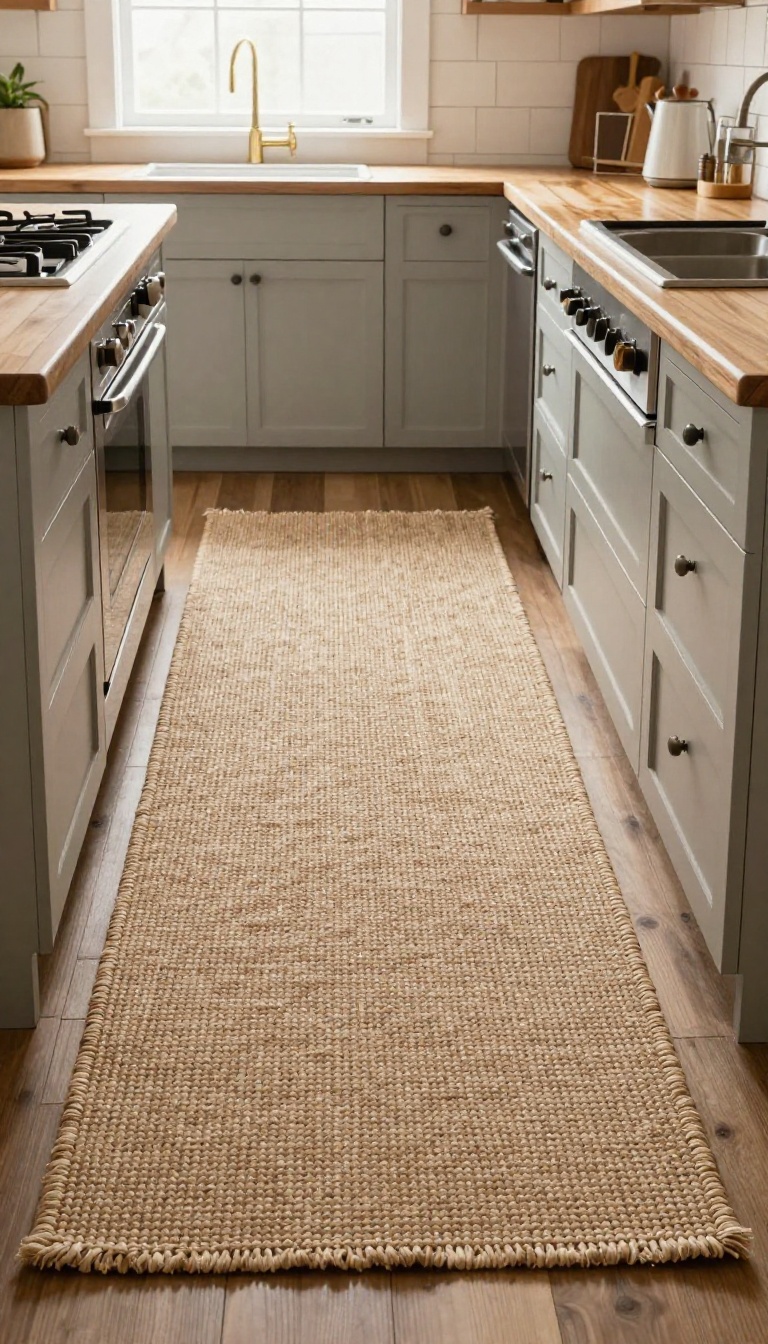
Jute runners are the go-to for that cozy, rustic farmhouse look. They bring a natural, earthy texture that instantly warms up a kitchen. Plus, they're made from renewable fibers, so they're an eco-friendly choice that won't break the bank.
But jute isn't perfect. It can shed, especially at first, and it's not the best for high-traffic areas or spills. If you love the look, just be ready to give it a little extra care.
Why Jute Works In A Farmhouse Kitchen
Jute’s woven, neutral tones blend seamlessly with farmhouse decor—think shiplap, butcher block, and vintage accessories. It adds warmth and a handcrafted feel that synthetic rugs just can't match. And since it's affordable, you can swap it out when it starts to look tired without feeling guilty.
Where To Use A Jute Runner
Place jute in low-traffic spots like in front of a pantry or along a less-used side of the kitchen island. Avoid putting it near the sink or stove where spills are common. A runner in a breakfast nook or under a small table can also work well, as long as it's not in the main walkway.
Caring For Your Jute Runner
Expect some shedding for the first few weeks—that's normal. Vacuum regularly with a suction-only setting to avoid pulling the fibers. For spills, blot immediately with a dry cloth; don't rub.
Use a rug pad underneath to prevent slipping and to help the rug lay flat. If you're worried about moisture, consider a waterproof liner beneath the pad.
Styling Tips For A Jute Runner
Pair your jute runner with a contrasting rug topper, like a thin cotton or wool runner, to add color and protect the jute. Layer it over a larger sisal rug for extra texture. Keep the rest of the room simple so the natural fibers stand out.
3. Make a Bold Statement with Geometric Patterns
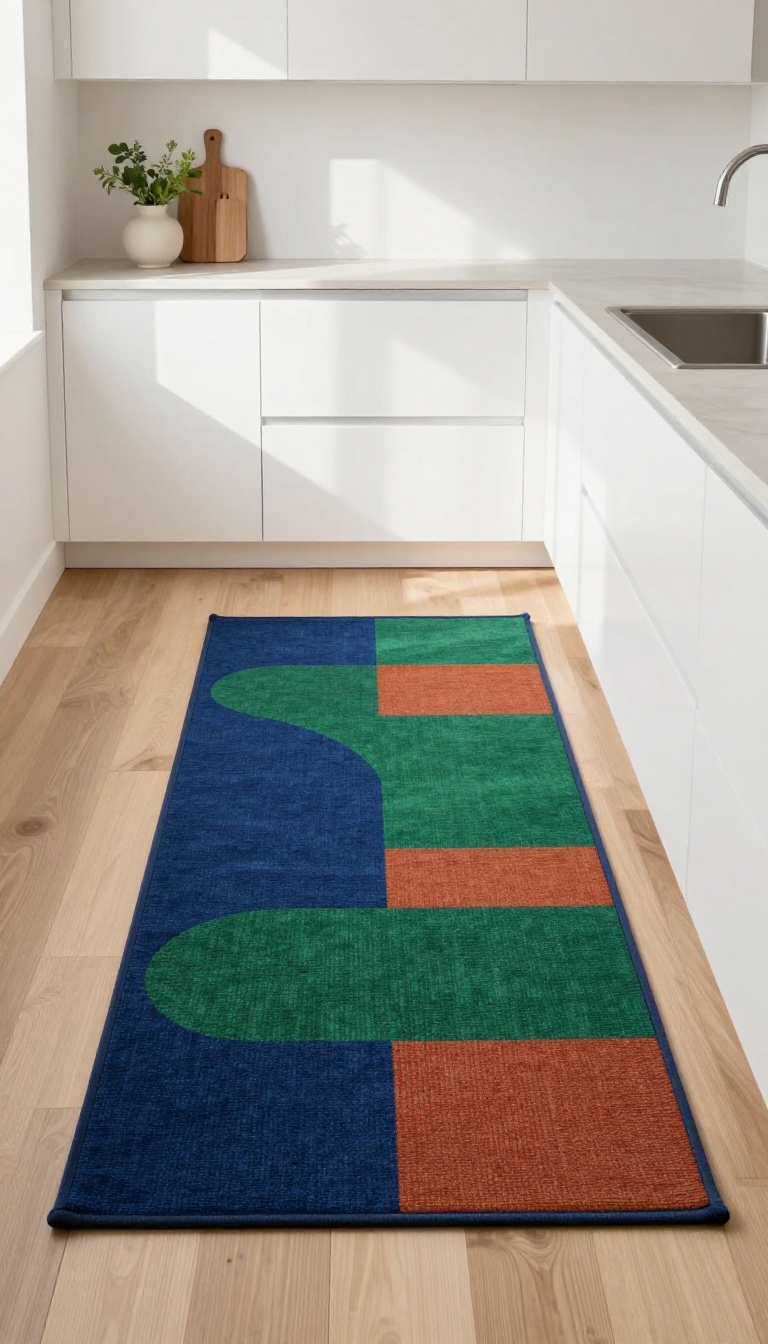
Geometric patterns are having a moment, and for good reason. They inject energy into a neutral kitchen without overwhelming it. A bold, flat-weave runner can become the focal point of the room, drawing the eye down and adding a modern edge.
Plus, those busy patterns are surprisingly practical—they hide crumbs, spills, and the occasional coffee drip better than you'd expect.
When you choose a geometric runner, you're not just picking a floor covering—you're making a design choice that anchors the space. Think of it as a piece of art you can walk on. The key is to balance boldness with durability.
Look for flat-weave constructions in materials like polypropylene or cotton, which are easy to clean and stand up to heavy foot traffic. And don't shy away from color; a vibrant pattern can make your kitchen feel more alive, even on a gray day.
Why Flat-weave Works Best
Flat-weave rugs are the unsung heroes of the kitchen. Unlike plush carpets, they have no pile to trap crumbs or soak up spills. That makes them a breeze to vacuum or even hose down if things get messy.
Plus, their low profile means they won't bunch up underfoot or catch on cabinet doors. For a geometric pattern, the crisp lines and shapes stay sharp without a thick pile distorting them.
Color Choices That Pop
Don't be afraid to go bold with your color palette. Deep blues, emerald greens, and terracotta tones can add richness to an all-white kitchen, while black-and-white patterns offer a timeless, graphic contrast. If you prefer a softer look, choose a geometric design in muted pastels or earthy neutrals.
The pattern itself will still add that modern touch without shouting for attention.
Mixing Patterns Without Chaos
Worried about clashing with your existing decor? Start by picking one dominant color from your kitchen—maybe the cabinet hardware or a backsplash tile—and find a rug that incorporates it. Then, keep other patterns in the room minimal.
If you have a busy countertop or patterned curtains, a more subtle geometric design will complement rather than compete. The goal is to create a cohesive look that feels intentional, not chaotic.
4. Keep It Simple with a Solid Neutral Runner
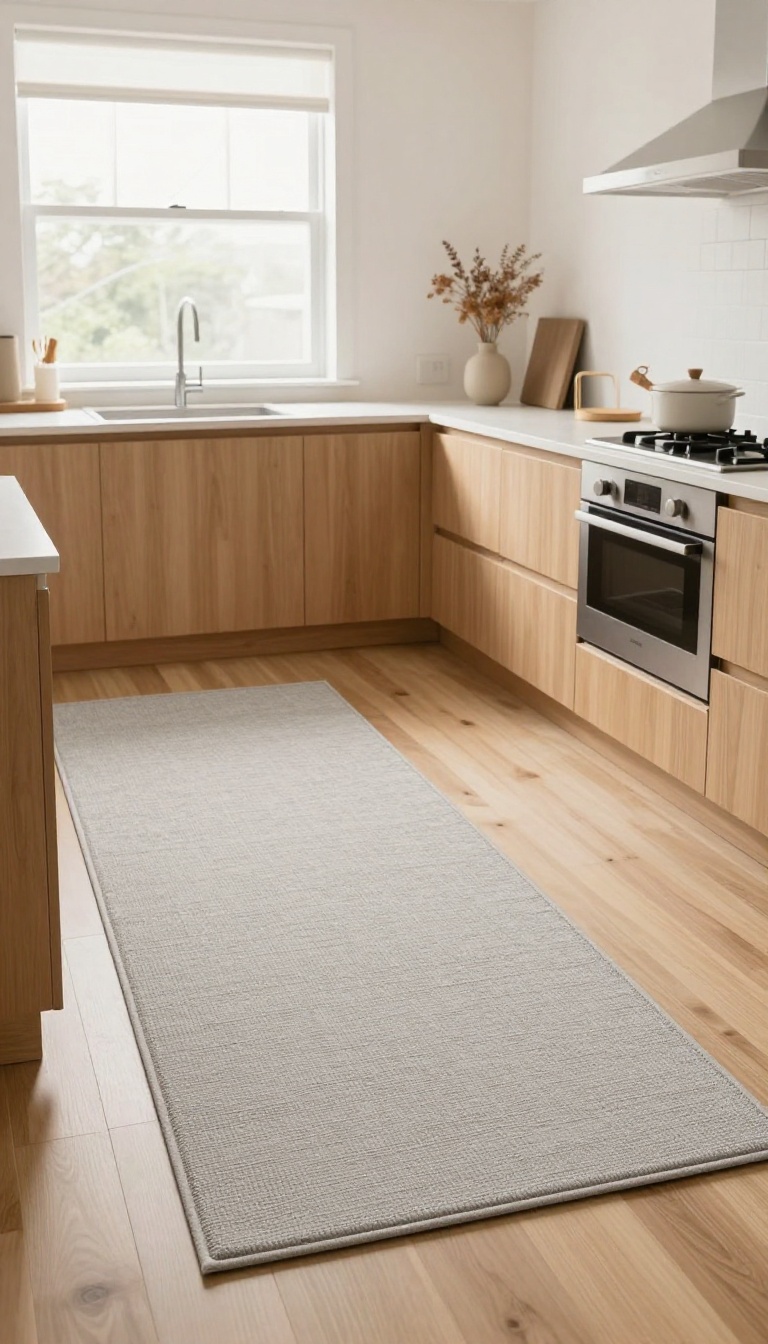
Sometimes the best choice is the one that doesn't shout. A solid neutral runner—think warm gray, soft beige, or greige—slips into any kitchen without a fuss. It's the chameleon of rugs, blending with existing decor while quietly holding up against daily messes.
Neutral doesn't mean boring. The trick is to pick a shade that complements your cabinets and floors, then let texture do the heavy lifting. A flat weave in a light gray hides crumbs, while a chunky knit in cream adds softness underfoot.
The result is a runner that feels intentional, not an afterthought. Because neutrals are so versatile, you can swap out other kitchen accents—towels, canisters, even a vase of flowers—without worrying about clashing. It's a low-commitment way to keep your space feeling fresh.
Why Gray Works Everywhere
Gray is the ultimate neutral because it reads cool or warm depending on the light. A light gray runner brightens a dark kitchen, while a charcoal version grounds a bright, airy space. It also hides coffee spills and muddy footprints better than you'd expect, making it a practical pick for busy households.
Beige And Greige For Warmth
If your kitchen has wood tones or warm whites, a beige or greige runner adds a cozy layer without competing. These shades soften hard floors and make the room feel more inviting. Look for a textured weave—like a looped berber or a low-pile twist—to give the surface a bit of depth and grip.
Texture Is The Secret To Style
A flat, solid rug can look flat, literally. That's why texture matters. A chunky wool blend, a braided cotton, or a ribbed runner brings visual interest and feels nice under bare feet.
Plus, textured weaves tend to hide wrinkles and wear, so the rug stays looking good even after months of use.
5. Add a Pop of Color with a Vibrant Runner
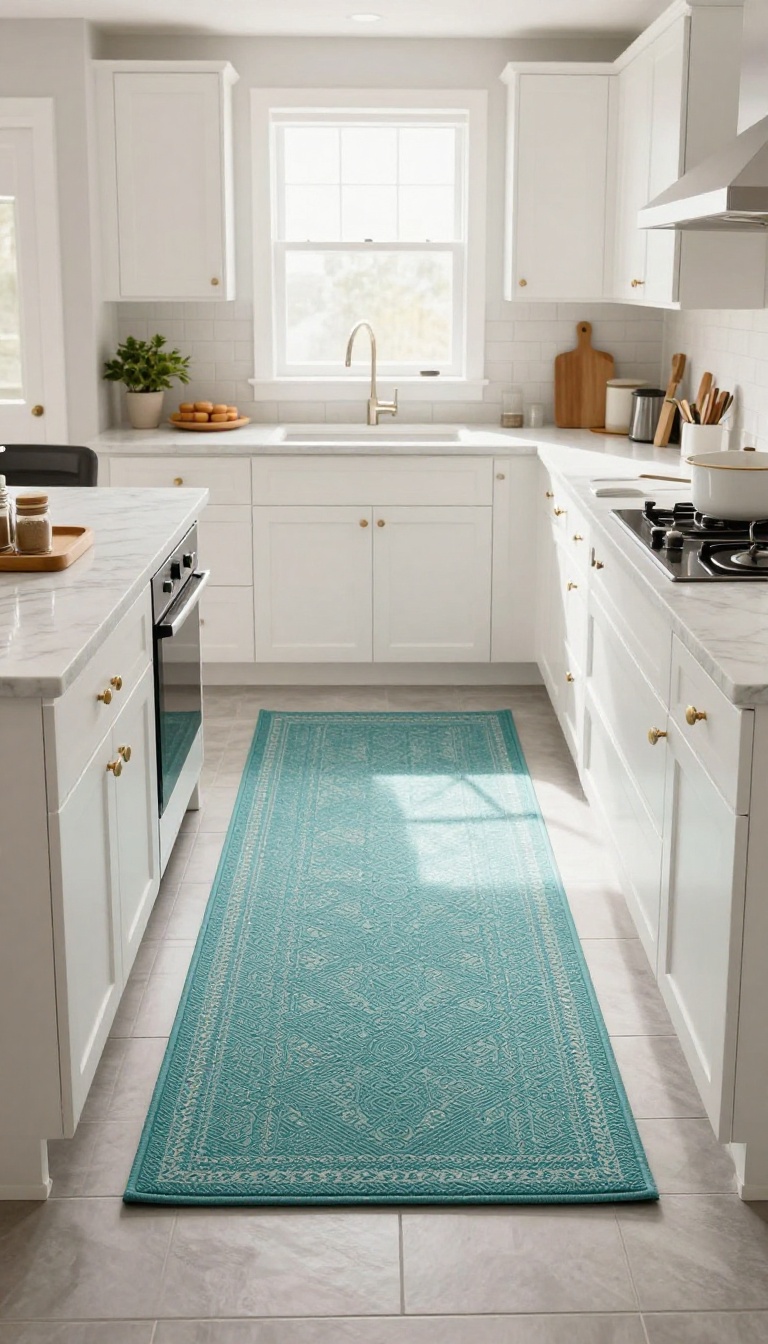
Neutral kitchens feel calm, but sometimes they need a jolt of energy. A vibrant runner in teal, mustard, or terracotta can be that missing piece. It draws the eye, adds warmth, and makes the space feel more personal—without requiring a full remodel.
Color does more than look pretty. It can define zones in an open floor plan or make a narrow galley feel less cramped. And with today's stain-resistant fabrics, you don't have to sacrifice practicality for personality.
When your kitchen is mostly white, gray, or beige, a bold runner becomes the hero. It anchors the room and gives you a chance to play with color that might feel risky on walls or cabinets. The key is choosing a shade that complements your existing accents—think teal against warm wood, mustard with brass fixtures, or terracotta alongside white subway tile.
Material matters just as much as hue. Nylon and polyester are your best friends here. They resist spills, fade less, and clean up easily with a damp cloth.
Look for a low-pile weave to avoid trapping crumbs and to let chairs slide smoothly. A non-slip backing is non-negotiable, especially in a high-traffic area. Don't be afraid to go bold.
A vibrant runner can make your kitchen feel more inviting and lively. It's a low-commitment way to test a color scheme you love, and swapping it out seasonally is a fun way to refresh the space.
Choosing A Shade That Works
Start by looking at your kitchen's fixed elements—cabinetry, countertops, and flooring. If they're cool-toned, a warm hue like terracotta or mustard adds balance. If they're warm, a cool teal or navy creates a pleasing contrast.
Also consider the mood you want: bright citrus tones energize, while deeper jewel tones feel cozy and sophisticated.
Stain-resistant Fabrics To Look For
Nylon is durable and resists water-based stains well. Polyester is another strong choice, often with a softer feel. Some runners come with a built-in stain guard or are treated with a water-repellent finish.
Always check the care label—most can be spot-cleaned or machine-washed, which is a lifesaver for busy kitchens.
Styling Around A Bold Runner
Let the runner be the star, and keep other decor simple. Use neutral dish towels, countertop accessories, and bar stools. You can echo the runner's color in small accents like a fruit bowl or a vase, but avoid matching everything exactly.
A little contrast keeps the look intentional rather than overdone.
6. Choose a Washable Runner for Easy Maintenance
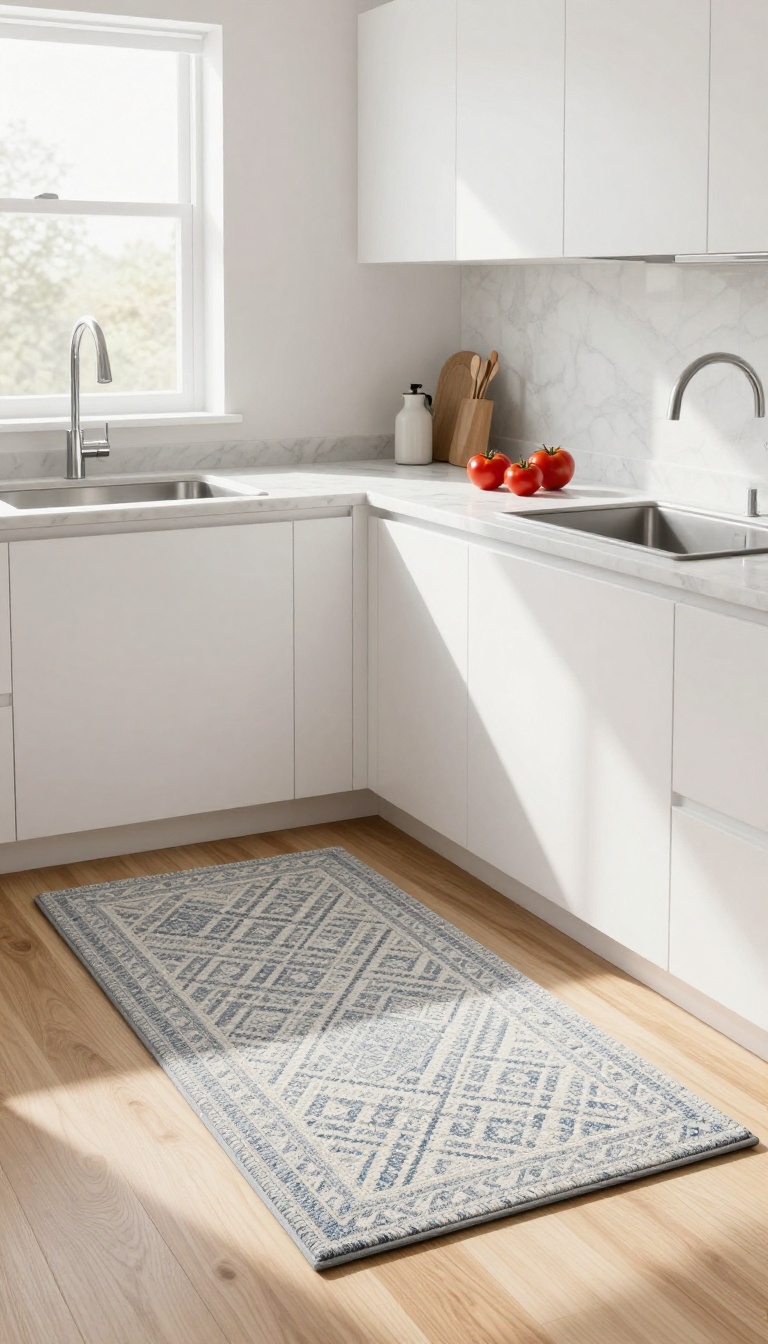
Spills are just a fact of life in the kitchen, and a runner that can't handle them becomes more of a burden than a blessing. That's where washable runners come in—they're designed to be thrown in the machine whenever things get messy. No more scrubbing stains or hiding spots with a rug that never quite looks clean again.
Washable runners have come a long way from the flimsy, plastic-backed mats of the past. Today's options are soft, stylish, and built to withstand repeated washing without falling apart. They're perfect for busy households, pet owners, and anyone who'd rather spend time cooking than worrying about a stray splash of tomato sauce.
What To Look For
When shopping for a washable runner, check the label for machine-washable care instructions. Look for a non-slip backing, especially if your kitchen floor is smooth like tile or hardwood. Many washable rugs are made from synthetic fibers like polyester or nylon, which dry quickly and resist fading.
Some even have a water-resistant layer to keep spills from soaking through.
Style Options That Work
Washable doesn't mean boring. You'll find everything from boho-inspired patterns to sleek, minimalist designs. A flat-weave style is great for high-traffic areas, while a low-pile option feels plush underfoot without trapping crumbs.
Choose a color that hides stains, like a pattern with multiple shades or a darker hue, to make life even easier.
Care Tips To Make It Last
To keep your washable runner in top shape, shake it out or vacuum it regularly to remove loose debris. When it's time to wash, follow the manufacturer's instructions—usually cold water on a gentle cycle. Air drying is often recommended to prevent shrinking, but some can go in the dryer on low.
Avoid using fabric softener, as it can break down the backing over time.
7. Opt for a Waterproof or Water-Resistant Runner
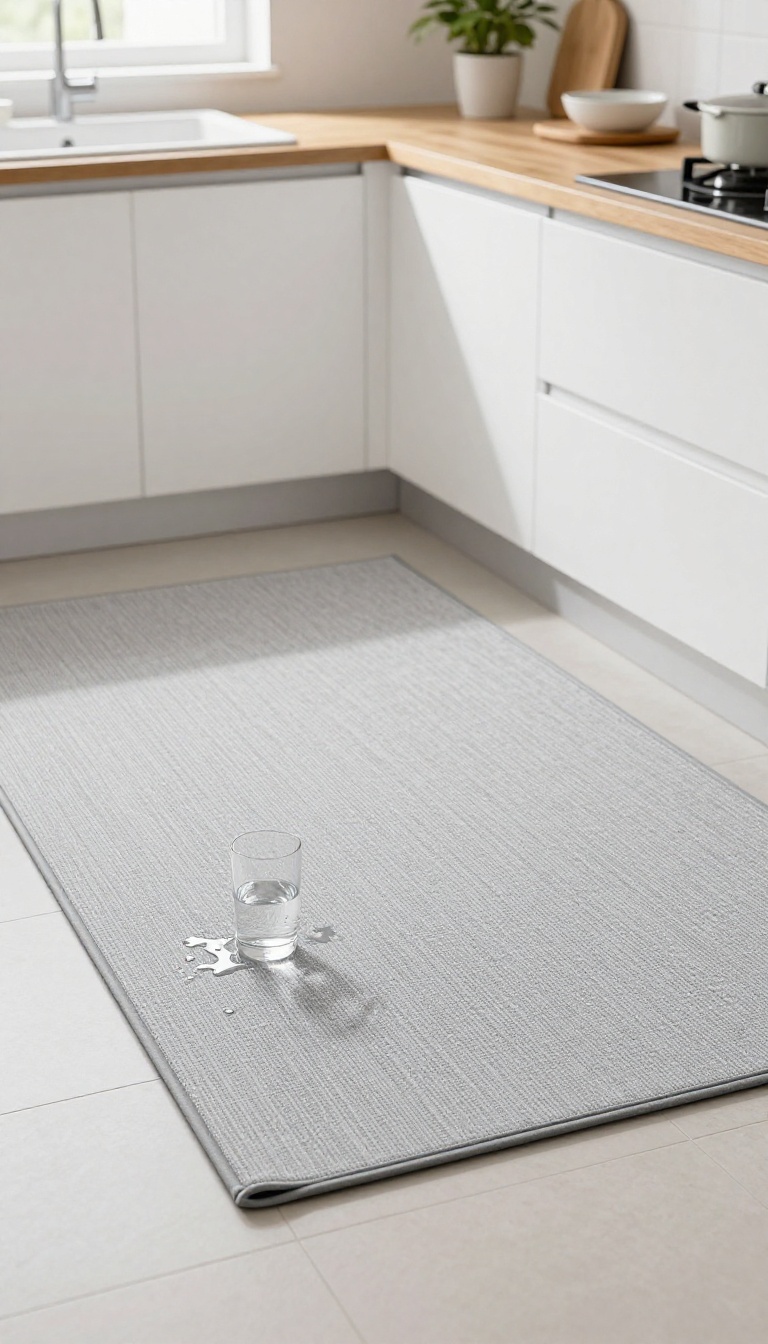
Kitchens are magnets for moisture—think splashes from the sink, drips from wet dishes, and the occasional overturned glass. A runner that soaks up every spill becomes a breeding ground for odors and stains. That's where waterproof or water-resistant runners step in, offering a practical layer that shrugs off liquids and keeps your floor looking fresh with minimal effort.
These runners are typically made from materials like vinyl, rubber, or treated polyester, which create a barrier against water. Unlike natural fibers that absorb and hold onto moisture, these options let you wipe up spills in seconds, often with just a damp cloth. They're also a smart choice for households with kids or pets, where messes are part of the daily rhythm.
The best part? You don't have to sacrifice style—modern designs mimic the look of woven fabrics or add subtle texture, so they blend seamlessly into your kitchen's aesthetic.
Material Matters
Vinyl runners are a classic pick because they're fully waterproof and unbelievably easy to clean—just wipe and go. Rubber options add extra grip, which helps prevent slips on smooth floors, especially near the sink or stove. Treated polyester offers a softer feel underfoot while still resisting water, making it a comfortable middle ground.
Each material has its own vibe, so choose based on your priority: durability, comfort, or slip resistance.
Easy Maintenance In Real Life
The biggest win with these runners is the low-maintenance routine. A quick sweep or vacuum handles crumbs, and a damp mop or wipe tackles spills and sticky spots. No need to toss them in the washing machine or worry about shrinking.
For busy kitchens, this means less time cleaning and more time enjoying your space. Plus, they dry fast, so you won't have a damp rug underfoot for hours.
Style That Holds Up
Gone are the days when waterproof meant ugly. Today's runners come in a range of colors, patterns, and textures—from sleek solid tones to subtle geometric prints. You can find options that mimic the look of natural fiber or add a modern pop of color.
Even better, many feature non-slip backings, so they stay put even on tile or hardwood. That combination of function and fashion makes them a no-brainer for high-traffic kitchens.
8. Layer a Runner over a Larger Rug for Depth
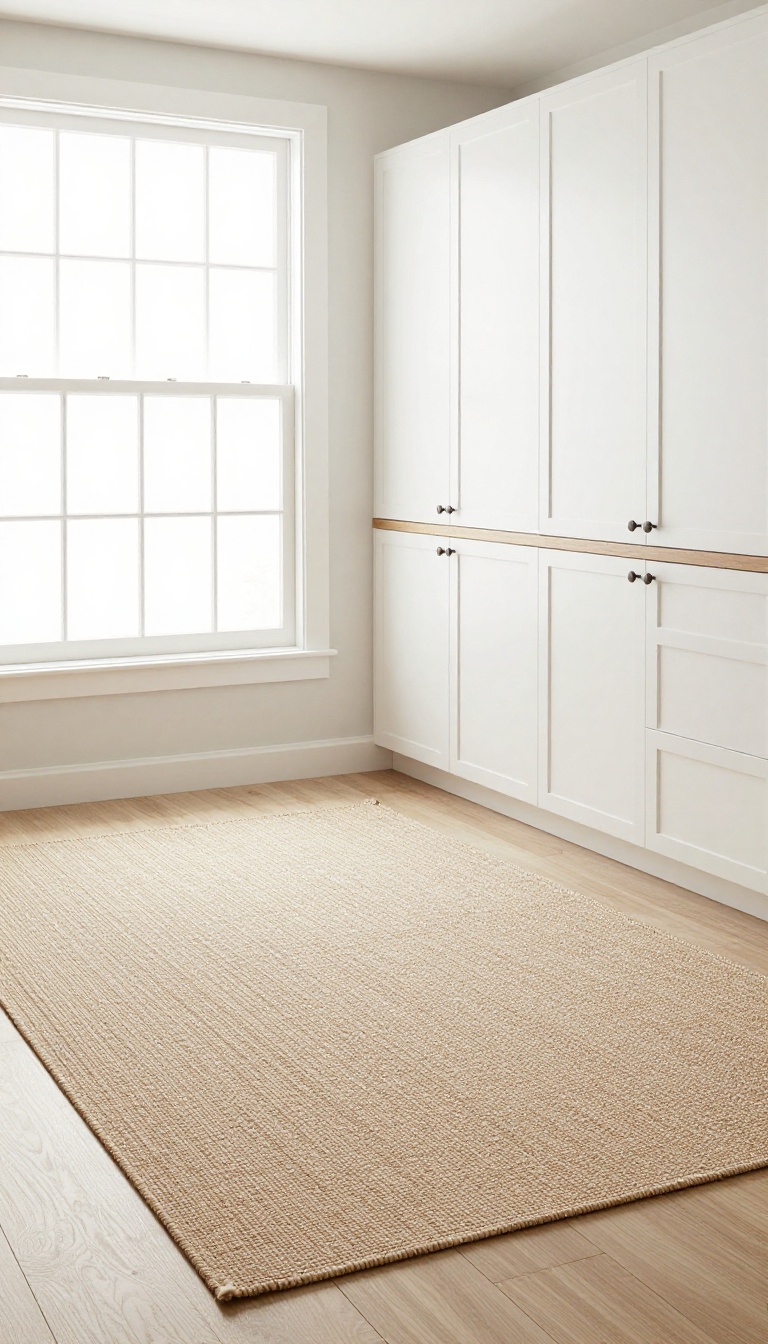
Layering rugs isn't just for living rooms. In the kitchen, placing a runner over a larger area rug adds instant depth and a designer touch. It's a clever way to combine the durability of a runner with the softness of a bigger rug, creating a cozy, curated look that feels intentional.
Start by choosing a larger rug that anchors the space—maybe a neutral sisal or a soft wool in a solid color. Then, lay your runner on top, either centered or slightly offset, to create a visual break. The contrast in texture or pattern makes the layering pop.
For example, a flat-weave runner over a plush rug adds interest without being busy. Just make sure both rugs have non-slip pads underneath to keep everything safely in place, especially in a high-traffic area like the kitchen.
Pick The Right Base Rug
The base rug should be larger than your runner, extending at least a few inches on all sides. Choose a low-pile or flat-weave base to prevent the runner from slipping or creating a lumpy surface. A neutral base lets your runner shine, while a patterned base can add a playful backdrop—just keep the runner simpler to avoid visual chaos.
Mix Textures And Patterns
Contrast is key. Pair a smooth, flat runner with a textured base like a chunky knit or a braided rug. Or, if your base is solid, opt for a runner with a subtle geometric pattern.
Mixing textures not only looks great but also adds tactile interest underfoot. Just ensure the colors complement each other to keep the look cohesive.
Secure Everything With Non-slip Pads
Safety first. Use non-slip pads under both rugs to prevent them from sliding on hard floors. This is especially important in the kitchen, where spills can make surfaces slippery.
A good pad also helps extend the life of your rugs by reducing wear and tear. Look for pads that are thin and grippy, so they don't create bumps underfoot.
9. Try a Runner with a Non-Slip Backing for Safety
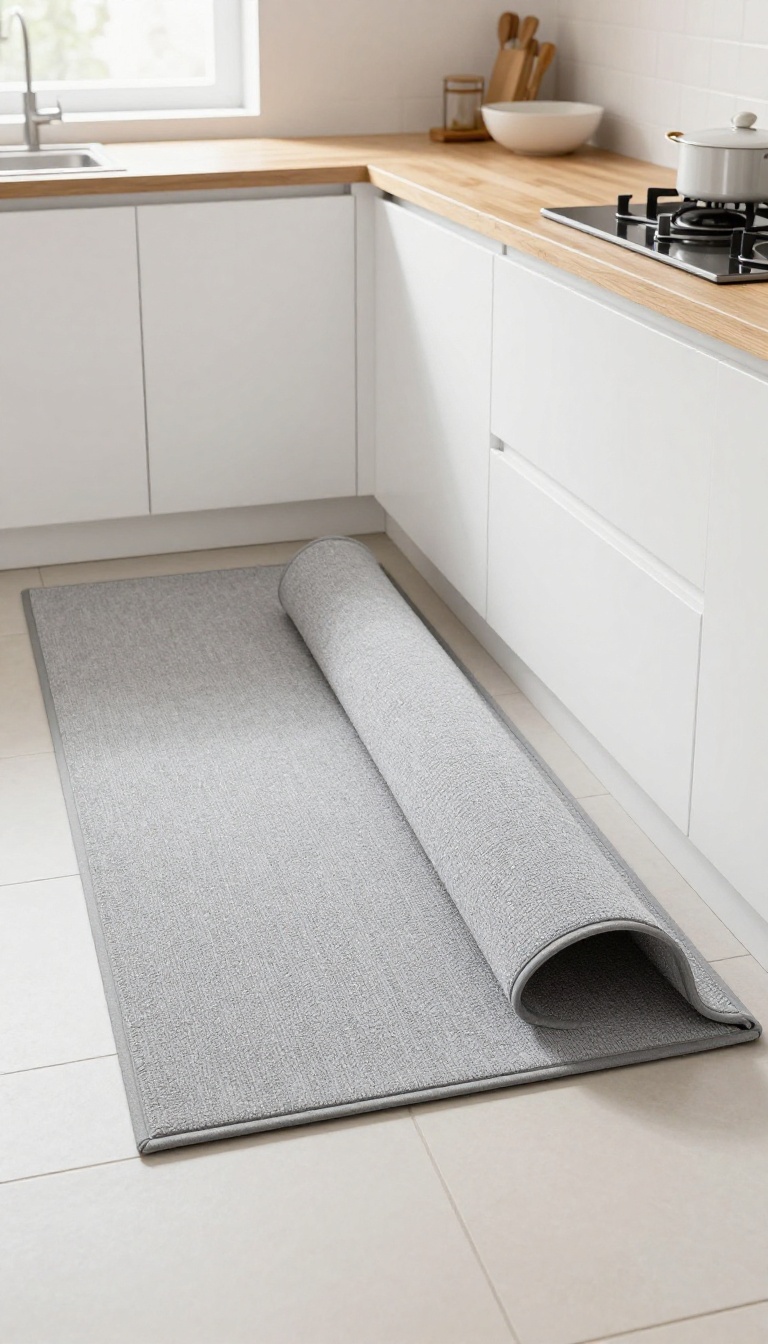
A rug that slides underfoot is more than a nuisance—it's a hazard. In a busy kitchen where hands are often full, a non-slip backing can make a world of difference. Many runners come with a latex or rubber base that grips the floor, but not all backings are created equal.
Some can crumble or lose their stickiness over time, so it pays to choose wisely.
When you're picking a runner, flip it over and check the backing. A good non-slip layer should feel firm and flexible, not brittle. Look for options with a high-quality rubber or latex base that won't degrade quickly.
Some runners also feature a waffle-textured backing that adds extra grip. If you're worried about durability, read reviews to see how the backing holds up after months of use.
Why Non-slip Matters In The Kitchen
Kitchens are high-traffic zones with frequent spills and quick movements. A sliding rug can cause trips and falls, especially when you're carrying hot pots or sharp knives. A non-slip backing keeps the runner firmly in place, so you can move confidently.
It also protects your floors from scratches caused by shifting rugs.
Choosing A Quality Backing
Not all non-slip backings are equal. Some use a thin latex coating that can peel or crumble, leaving a mess on your floor. Others have a thicker rubber base that offers better grip and lasts longer.
When shopping, look for runners with a substantial backing layer and check customer feedback for any complaints about deterioration.
Maintenance Tips For Longevity
To keep the non-slip backing working well, avoid washing the rug too often or using harsh chemicals. Instead, vacuum regularly and spot-clean spills immediately. If the rug is machine-washable, use a gentle cycle and air-dry it to prevent the backing from breaking down.
Rotate the runner occasionally to distribute wear evenly.
10. Incorporate a Runner with a Subtle Border
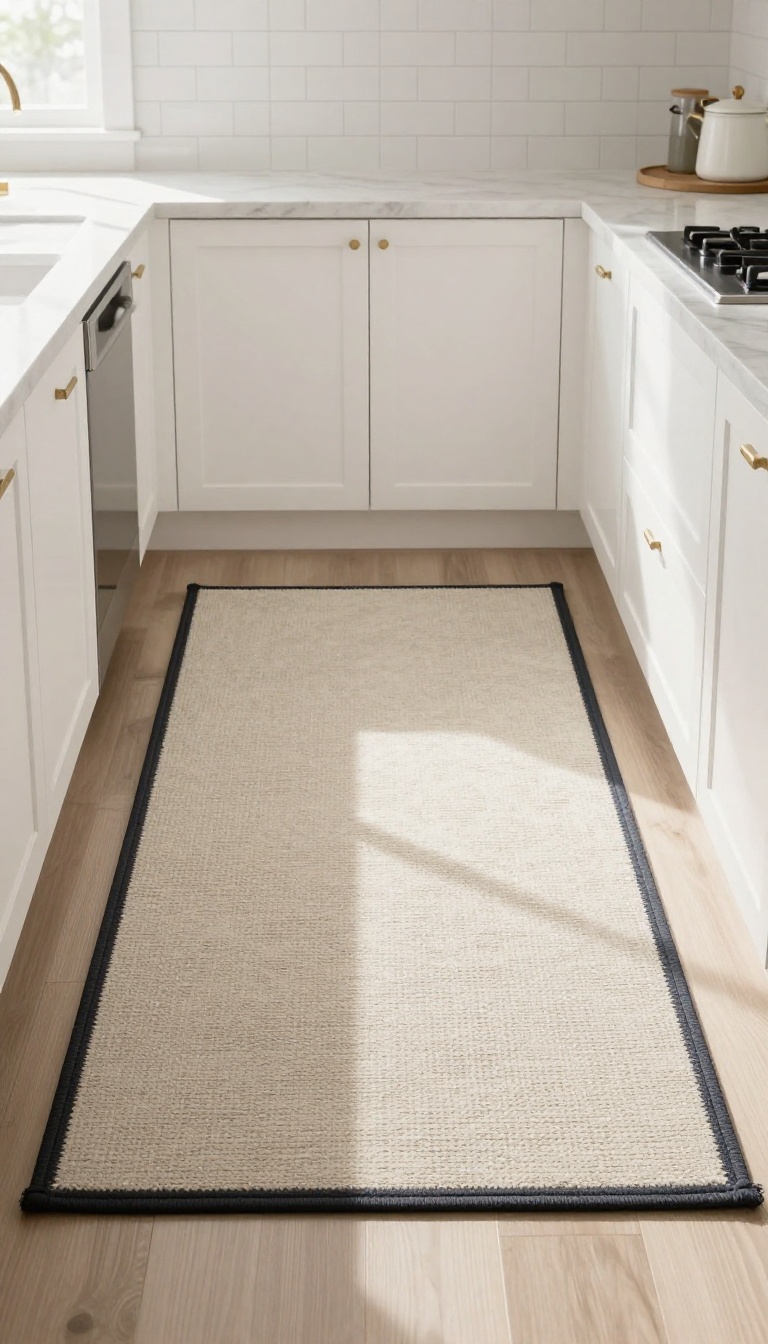
A runner with a defined border, like a contrasting trim, adds structure and elegance. It works well in traditional or transitional kitchens. Choose a durable material like wool or a wool blend to ensure it stands up to daily use.
A subtle border does more than frame the rug—it anchors the space and gives the eye a clear path. This design detail can make a narrow kitchen feel more intentional, especially when the border echoes other accents in the room, like cabinet hardware or window trim. The key is to keep the border understated so it complements rather than competes with your countertops and backsplash.
Why A Border Works In Kitchens
Borders create a visual stopping point, which helps define the runner's area without making it feel boxed in. In a busy kitchen, that subtle definition can reduce visual clutter. Plus, the contrast of the border often hides dirt and wear along the edges, where rugs tend to show the most traffic.
Picking The Right Material
Wool and wool blends are your best bet for a bordered runner. They resist stains, crush well underfoot, and hold their shape even with frequent washing. Flatweave options are easier to clean, while low-pile styles feel smooth underfoot and won't trap crumbs.
Avoid high-pile or shaggy borders that can catch spills and make vacuuming a chore.
Matching The Border To Your Kitchen
Look at the undertones in your flooring, cabinetry, or backsplash and pick a border color that pulls from those. For a classic look, choose a border in a darker shade of the rug's main color. If you want a bit more personality, go for a border that matches your hardware or a subtle accent like a stripe in your tile.
The goal is harmony, not a loud contrast.
11. Pick a Runner with a Low Pile for Easy Cleaning
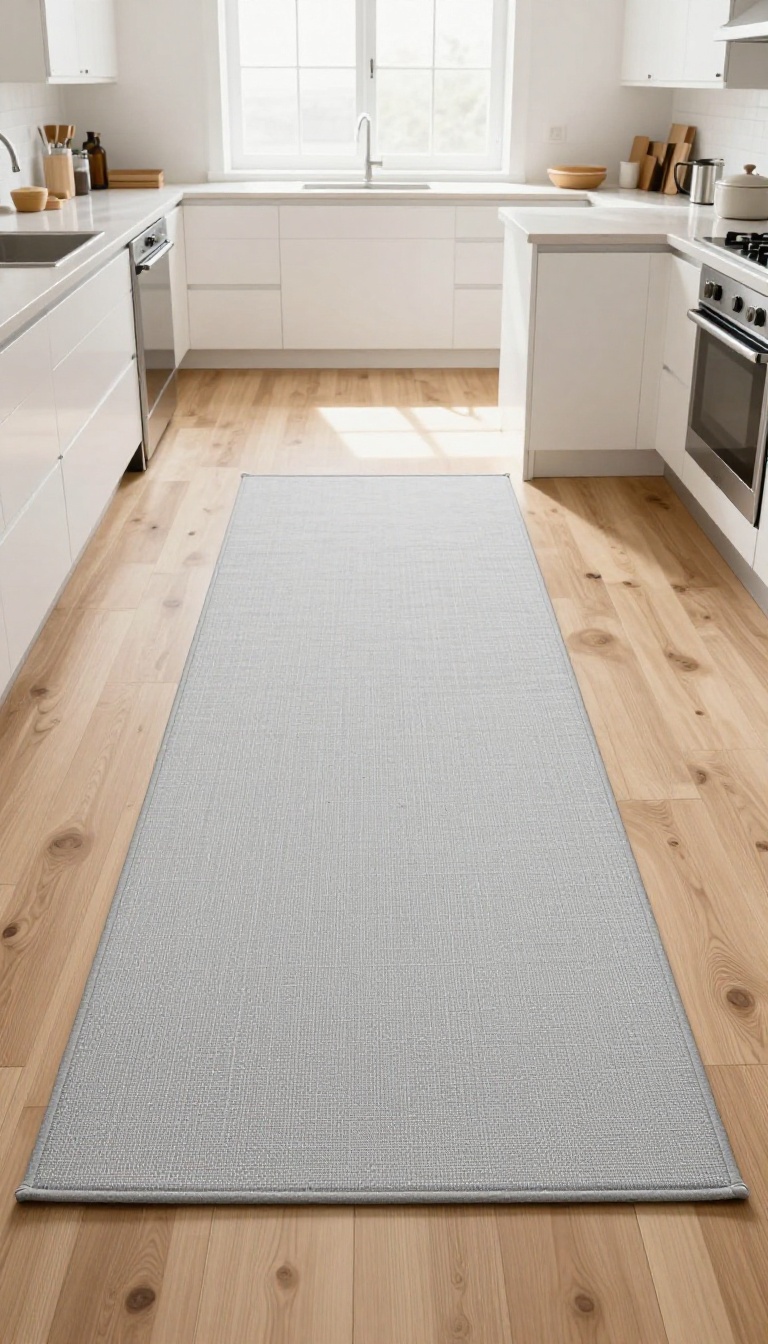
When you're dealing with a space where flour dusts the floor and sauce splatters without warning, a high-pile rug can quickly become a trap for crumbs and stains. Low-pile runners offer a smarter, more practical solution. They sit flat, resist trapping debris, and make cleanup a breeze—so you can spend less time scrubbing and more time enjoying your kitchen.
Low-pile runners are woven tightly with short fibers, which means spills stay on the surface where they're easy to wipe up. They also vacuum more efficiently because there's less depth for dirt to hide in. This makes them a top choice for busy kitchens where messes are inevitable.
Plus, they often come in durable materials like polypropylene that can handle frequent cleaning without fading or fraying.
Why Low Pile Wins In The Kitchen
High-pile rugs feel plush underfoot, but they hold onto crumbs, pet hair, and liquid like a sponge. In a kitchen, that's a recipe for bacteria and stubborn odors. Low-pile runners, on the other hand, have a tight weave that discourages particles from sinking in.
A quick sweep or vacuum pass is usually all it takes to keep them looking fresh. They also dry faster if they do get wet, reducing the risk of mold or mildew.
Look For Indoor-outdoor Rugs
One of the easiest ways to get a low-pile runner that's genuinely easy to clean is to choose an indoor-outdoor style. These rugs are made from synthetic fibers like polypropylene or nylon that resist water, stains, and fading. You can often hose them down or wipe them with a damp cloth, which is perfect for a kitchen.
They also come in a huge range of colors and patterns, so you don't have to sacrifice style for practicality.
Cleaning Tips To Keep It Simple
Even with a low-pile runner, a little routine care goes a long way. Shake it out or vacuum it weekly to remove surface dust. For spills, blot immediately with a clean cloth and mild soap—no harsh scrubbing needed.
If you can, rotate the runner every few months to even out wear. With these simple habits, your low-pile runner will stay looking great for years.
12. Use a Runner to Define a Kitchen Island
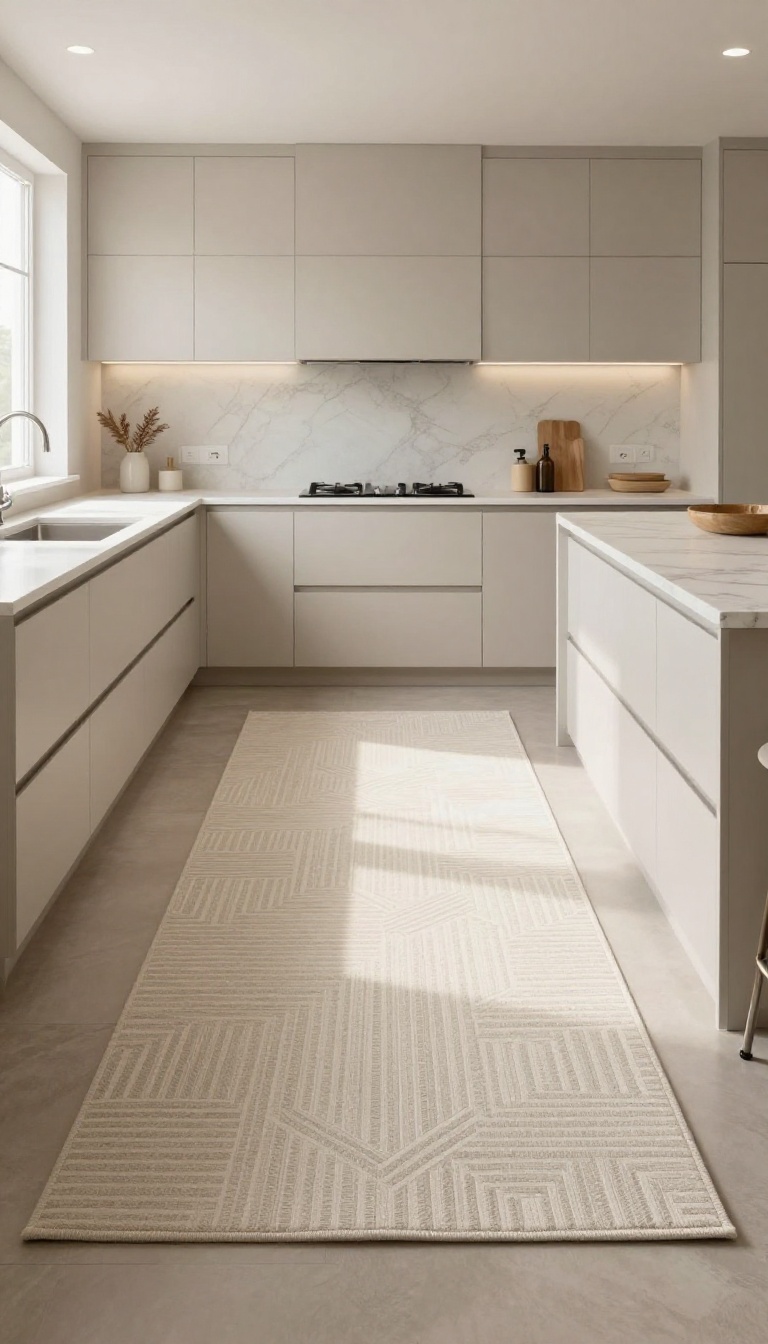
An island often becomes the busiest spot in the kitchen—a place for prep, quick meals, and casual chats. A runner along its length can make the area feel more intentional and inviting. It also adds a soft layer underfoot, which is a relief when you're standing there for a while.
Choosing the right runner for your island is about more than just picking a pretty pattern. The length should match the island's footprint, leaving a few inches of bare floor on each end. And the material needs to handle whatever the kitchen throws at it—spills, crumbs, and constant foot traffic.
Measure For A Perfect Fit
Before you shop, measure the length of your island. A runner that's too short looks lost, while one that's too long can trip people up. Aim for a runner that's about 6 to 12 inches shorter than the island on each side.
That leaves a clean border and keeps the rug safely away from edges.
Pick A Pattern That Works
The runner should complement your countertops and cabinetry, not compete with them. If your counters are busy or dark, a solid or subtly textured runner might be best. If your kitchen is more neutral, a bold pattern can add a pop of personality.
Geometric designs or stripes often work well because they hide stains and add visual interest.
Consider Function First
Think about how you use your island. If you do a lot of food prep, a flat-weave or low-pile runner is easier to clean and less likely to catch crumbs. If you have kids who sit at the island for snacks, a more cushioned runner could be more comfortable.
Just make sure it's durable and easy to vacuum or spot-clean.
13. Mix and Match Patterns with a Runner
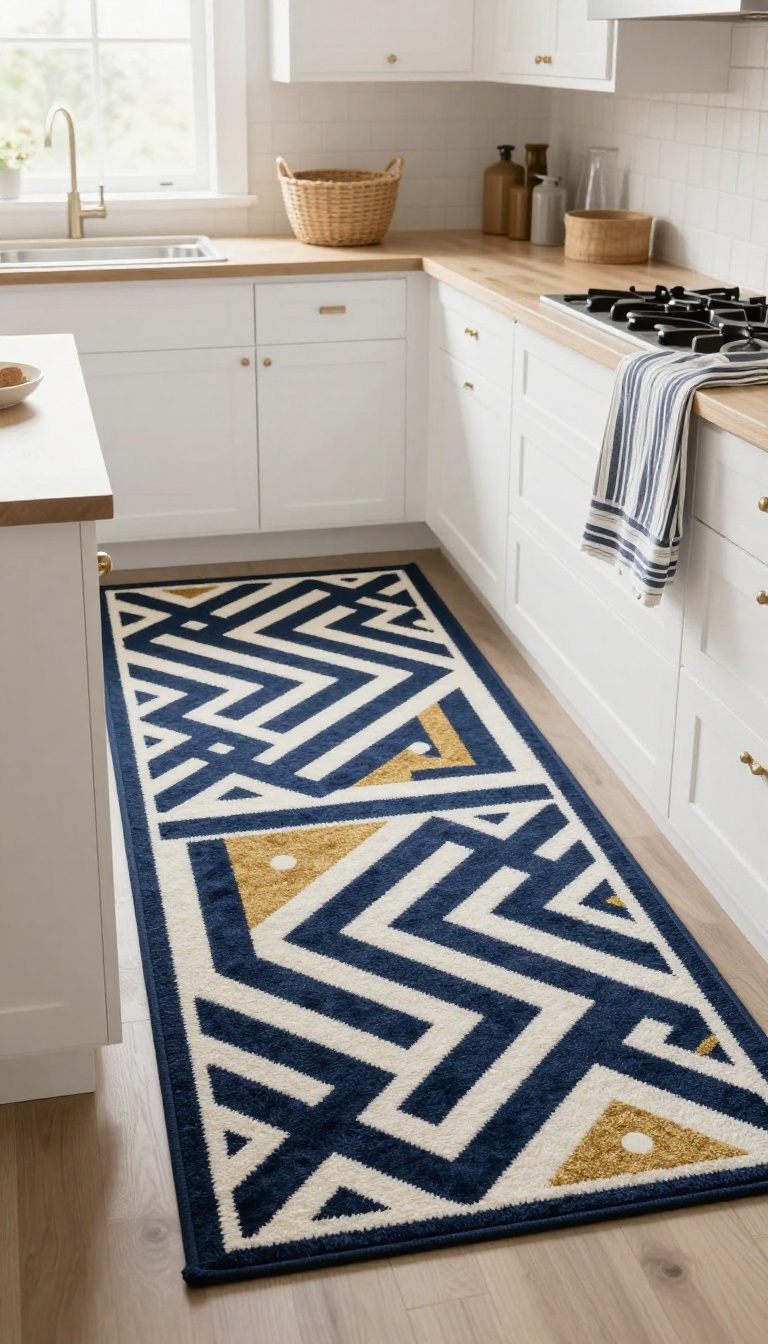
Patterns can feel intimidating, but a runner is the perfect place to experiment. A bold geometric or floral runner can anchor your kitchen while playing nicely with other prints in the room. The trick is to keep the color palette consistent so everything feels intentional, not chaotic.
Mixing patterns in a kitchen might sound like a design risk, but it's actually a smart way to add depth and personality. A runner with a lively pattern can become the focal point, tying together your curtains, seat cushions, or even the backsplash tiles. Start by picking a runner that includes at least two colors already present in your kitchen.
Then, let those colors guide your other pattern choices—maybe a striped dish towel or a polka-dot rug at the sink. The key is to vary the scale of the patterns: pair a large-scale floral runner with smaller, subtle prints elsewhere to keep the eye moving without feeling busy.
Start With A Cohesive Color Story
Before you pick a patterned runner, look around your kitchen and note the dominant colors. Choose a runner that pulls in two or three of those shades. This creates a visual link between the rug and the rest of the room, making the mix feel deliberate.
For example, if your cabinets are navy and your countertops are white, a runner with navy, white, and a hint of gold will tie everything together effortlessly.
Balance Bold With Subtle
If your runner is loud, keep the surrounding patterns more subdued. A busy runner with a small, repeating motif can handle a plain rug pad or a simple woven basket nearby. On the other hand, if your runner is understated, you can afford to be bolder with other textiles.
The goal is to create a rhythm—let the runner set the tone, then let the rest of the room follow.
Use Patterns To Define Zones
A patterned runner can visually separate your cooking area from the dining nook. In an open-concept kitchen, a bold runner under the island helps mark that space as the heart of the room. Meanwhile, a quieter pattern near the sink or pantry can keep the eye moving without overwhelming the space.
This way, you're not just decorating—you're organizing the flow of the room.
FAQ
What is the best material for a kitchen runner rug?
The best material depends on your needs. For durability and easy cleaning, consider polypropylene, nylon, or polyester. Natural fibers like cotton and jute are softer but may require more care.
Waterproof options like vinyl are great for high-moisture areas.
How long should a kitchen runner rug be?
A kitchen runner should be long enough to cover the main work area, typically 6 to 8 feet. If placed in front of a sink or stove, ensure it extends beyond the appliance's width. For islands, measure the island's length and add a few inches on each side.
How do I keep my kitchen runner rug from slipping?
Use a non-slip rug pad underneath, or choose a runner with a non-slip backing. Make sure the floor is clean and dry before placing the rug. Re-position the rug periodically to prevent wear.
Can I put a kitchen runner rug in front of the stove?
Yes, but choose a low-pile or flat-weave rug that's easy to clean and won't catch fire. Avoid placing it too close to the stove to prevent heat damage. A water-resistant or washable option is ideal.
How often should I clean my kitchen runner rug?
Vacuum at least once a week to remove dirt and crumbs. Spot clean spills immediately. For washable rugs, follow the manufacturer's instructions—some can be machine washed monthly or as needed.
Conclusion
Finding the perfect kitchen runner rug is about balancing style with real-life practicality. Whether you prefer a classic stripe or a bold geometric, there's an option that fits your space and budget. Remember to prioritize materials that are easy to clean and safe underfoot.
With these ideas, you can refresh your kitchen without sacrificing function. Take your time, measure carefully, and choose a runner that makes you smile every time you step into the room.