15 Small Couple Bedroom Ideas for a Balanced Shared Setup
Balancing two people's stuff, sleep schedules, and style in one small bedroom can feel like a constant negotiation. But you don't need a bigger room to make it work—just smarter choices that respect both of you.
These 15 ideas focus on shared storage, individual lighting, and flexible layouts that keep the peace without sacrificing comfort. Each one is practical, easy to adapt, and designed to help you reclaim your space and your sanity.
Ready to turn your cramped quarters into a cozy, functional retreat for two? Let's dive in.
1. Go Vertical with Storage
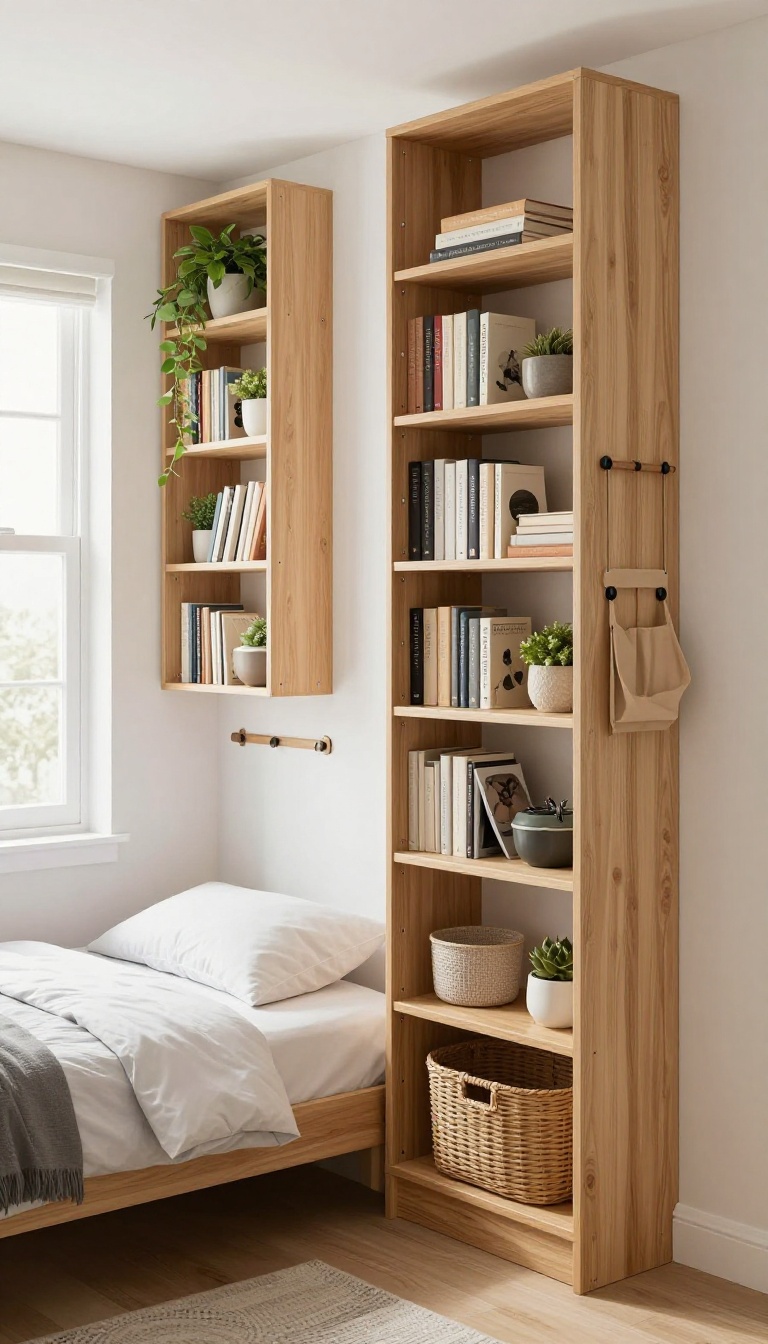
When floor space is tight, the walls become your best friend. Going vertical not only clears the floor but also draws the eye upward, making the room feel taller and more open. It's a simple shift that can transform how you both move and live in the space.
Start by mapping out which walls can handle shelves or tall units without blocking windows or doors. Then, think about what you need to store: books, clothes, decor, or everyday items. Assign zones for each person to keep things fair and organized.
Wall-mounted Shelves For Daily Essentials
Install sturdy shelves above the bed or along an empty wall. Use them for items you reach for often—like glasses, chargers, or a small plant. Keep the bottom shelves for heavier things and the top for lighter decor.
This keeps surfaces clear and everything within arm's reach.
Tall Bookcases That Double As Room Dividers
A tall, open bookcase can separate sleeping and dressing areas without blocking light. Use it to store books, baskets, and personal items. Make sure it's anchored to the wall for safety.
This gives both of you defined zones while keeping the room airy.
Hanging Organizers For Clothes And Accessories
Over-the-door hooks, hanging shelves, and vertical shoe racks work wonders in a shared closet. Use them for bags, scarves, or out-of-season items. They keep things visible and easy to grab, so no one has to dig through a pile.
2. Choose a Bed with Built-In Drawers
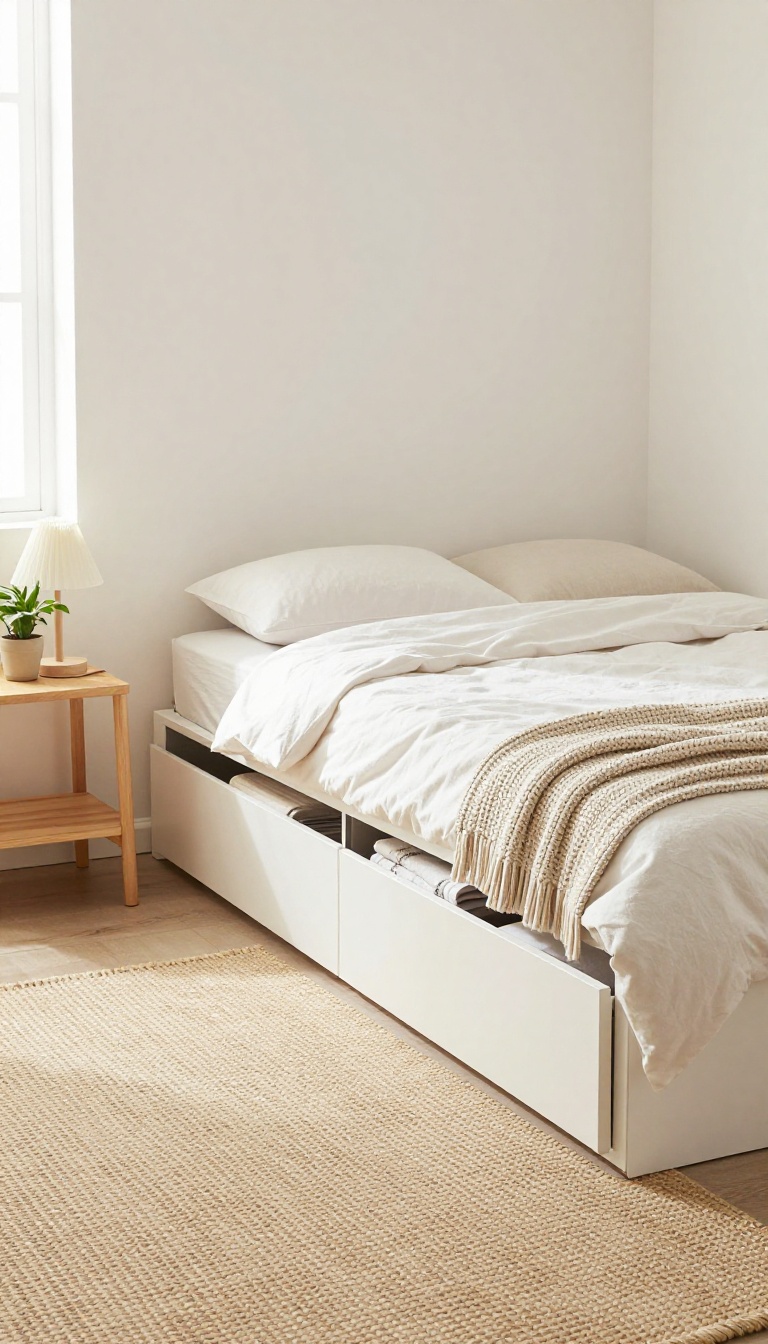
A platform bed with drawers underneath is a game-changer for small shared bedrooms. It gives you a ton of hidden storage without taking up extra floor space. You can stash linens, off-season clothes, or extra pillows, and skip the bulky dresser altogether.
Built-in drawers make the most of the space under your bed, which often goes unused. They keep your room tidy and make it easy to grab what you need. Plus, they're a smart investment that pays off in organization and peace of mind.
Maximize Hidden Storage
The drawers are perfect for items you don't need every day. Use them for extra bedding, towels, or winter sweaters. Assign one drawer to each person to keep things fair and organized.
This way, everything has a place, and your room stays clutter-free.
Choose The Right Drawer Configuration
Think about what you'll store and how often you'll need it. Drawers that pull out from the foot of the bed are great for larger items, while side drawers work well for everyday access. Some beds have a mix of drawers and open cubbies, giving you flexibility.
Measure your space and consider how the drawers will open without hitting nightstands or walls.
Style And Comfort Considerations
A platform bed with drawers comes in various styles, from sleek and modern to classic and upholstered. Pick one that matches your bedroom decor and feels comfortable. Make sure the mattress height works for you—some platforms sit lower, which can be a change if you're used to a higher bed.
Test the drawers to ensure they glide smoothly and have soft-close features to avoid noise.
3. Create Separate Zones with a Rug
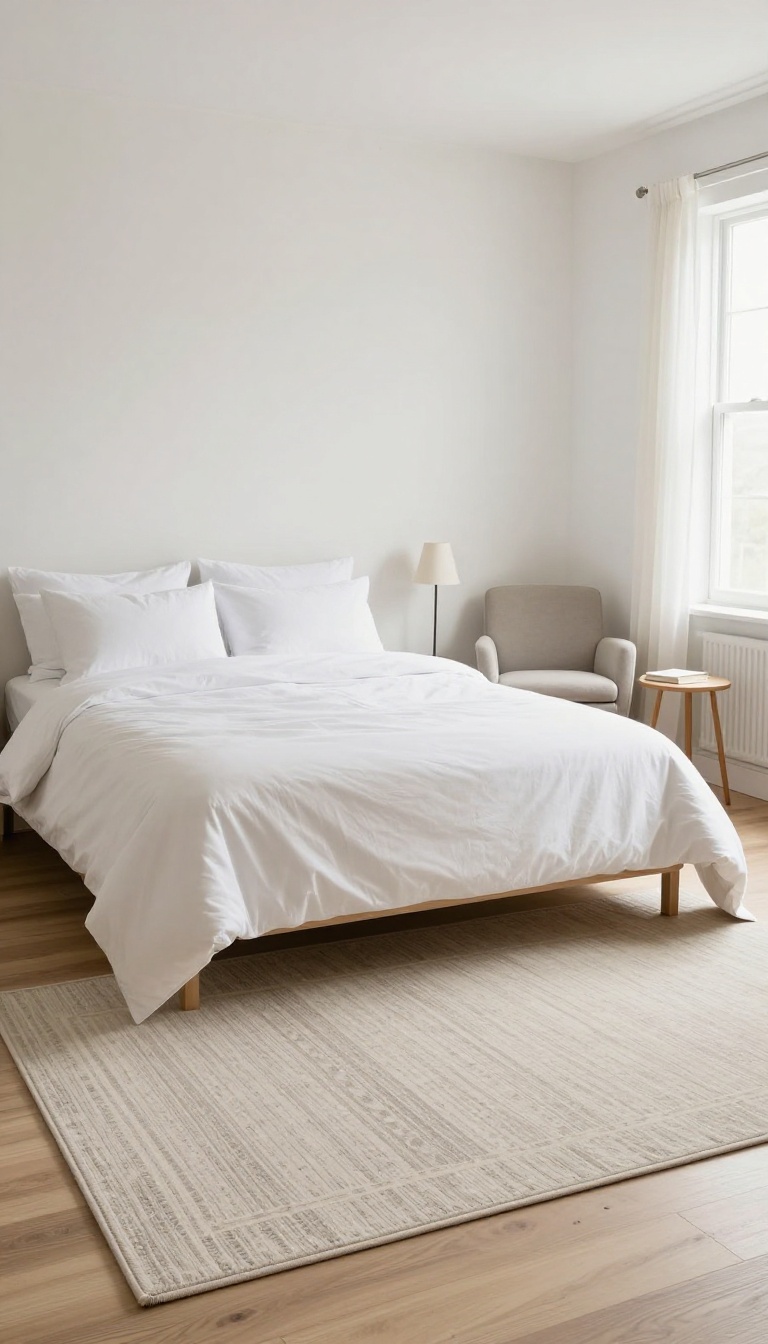
A single room doesn't have to feel like one big shared space. By using a large rug to anchor the sleeping area, you can visually carve out a separate zone for dressing, reading, or just having a little personal corner. It's a simple trick that adds structure and gives each partner a sense of ownership.
When you place a rug under the bed, it instantly defines that area as the sleep zone. The rest of the floor becomes a natural transition into another function, like a small seating nook or a vanity spot. This visual separation helps your brain switch gears—bed is for sleeping, the other side is for getting ready or unwinding.
Pick The Right Size And Placement
For a small bedroom, a rug that extends at least 18 inches beyond the sides and foot of the bed works best. It should sit under the bed's lower two-thirds, leaving the headboard area clear. This creates a clear boundary without making the room feel cramped.
If your room is extra tight, a runner along one side can still do the trick.
Use The Rug To Define The 'other' Zone
Once the bed area is marked, the remaining floor becomes your second zone. Add a small chair, a floor lamp, and a tiny side table to create a reading nook. Or place a bench with storage baskets for a dressing area.
The rug visually separates these functions, so you both know where one ends and the other begins.
Choose A Rug That Balances Both Styles
Since this rug is a shared element, pick a pattern or texture that blends both of your tastes. Neutral tones with a subtle geometric pattern work well, or go for a low-pile wool rug that feels soft underfoot but is easy to clean. Avoid busy prints that might clash with your bedding or wall color—keep it cohesive.
4. Use Mirrors to Double the Light
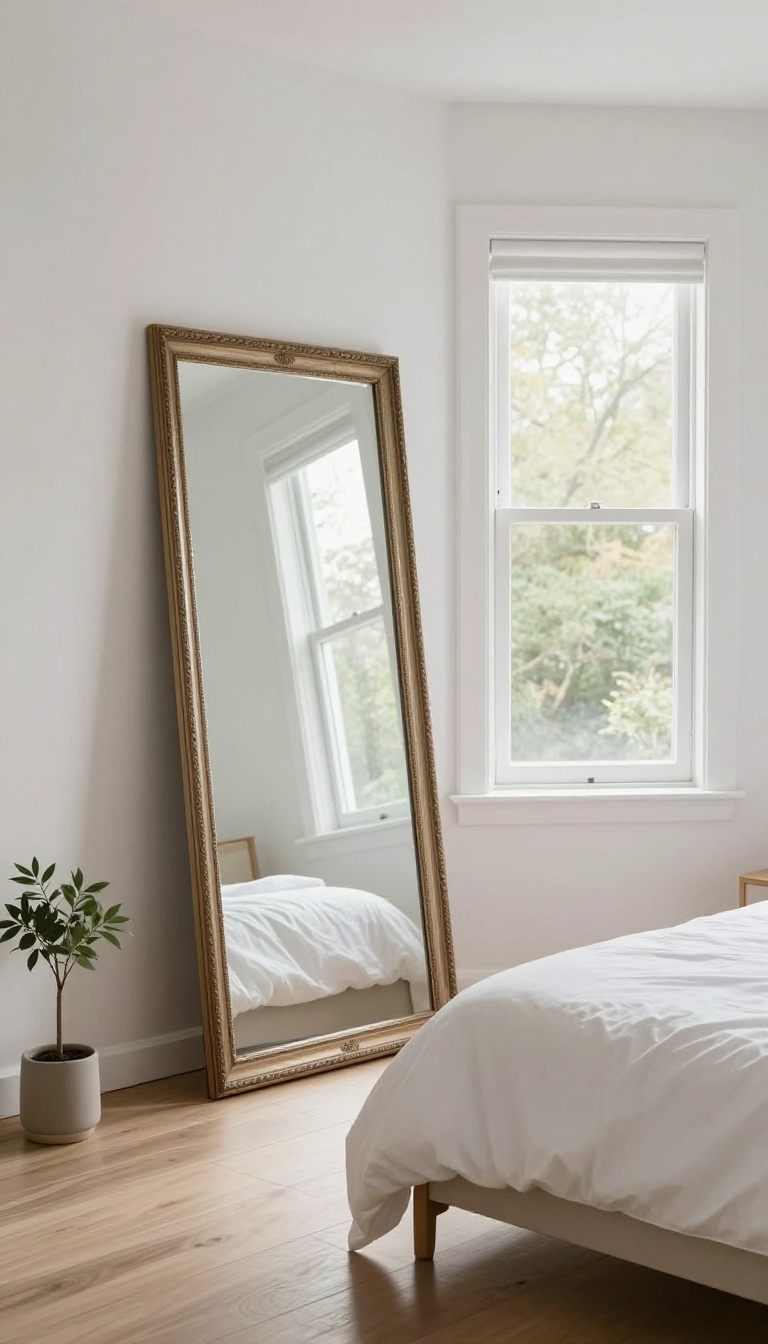
Natural light is a luxury in small rooms, but you can cheat the system with mirrors. A well-placed mirror doesn't just reflect your face—it bounces daylight around the entire room, making it feel brighter and more open. It's one of the oldest designer tricks, and it works especially well in a shared bedroom where you both need your own sense of space.
The key is to position mirrors strategically. Instead of hanging one tiny mirror above a dresser, go big. A full-length mirror leaning against a wall or a large framed mirror above the bed can make a huge difference.
The goal is to reflect the window and the light it brings, not just to check your outfit. When the mirror catches the window, it creates the illusion of a second window, which visually doubles the room's size and brightness.
Pick The Perfect Spot
The most effective spot for a mirror is directly opposite a window. That way, the mirror reflects the outdoors and pulls that light deep into the room. If your window is small or off-center, angle the mirror slightly to catch the light and bounce it around.
Avoid placing mirrors where they'll reflect a cluttered corner—that just doubles the visual mess.
Choose The Right Frame And Size
In a small bedroom, bigger is often better when it comes to mirrors. A large mirror with a thin or minimal frame can blend into the wall and make the room feel more expansive. If you're worried about style, lean a tall mirror against the wall for a casual, modern look, or hang a round mirror to soften the room's angles.
Just make sure the frame matches your bedroom's vibe—wood for warmth, black for drama, or no frame for a sleek, seamless effect.
Use Mirrors For More Than Light
Mirrors can also serve as a shared dressing area. A full-length mirror behind the door or on the back of a wardrobe gives both of you a place to check your look without taking up floor space. You can also use mirrored closet doors to open up the room—they reflect light and make the space feel twice as large.
Just be mindful of what's behind you when you're using them; a tidy room reflects better.
5. Install Sconces for Individual Lighting
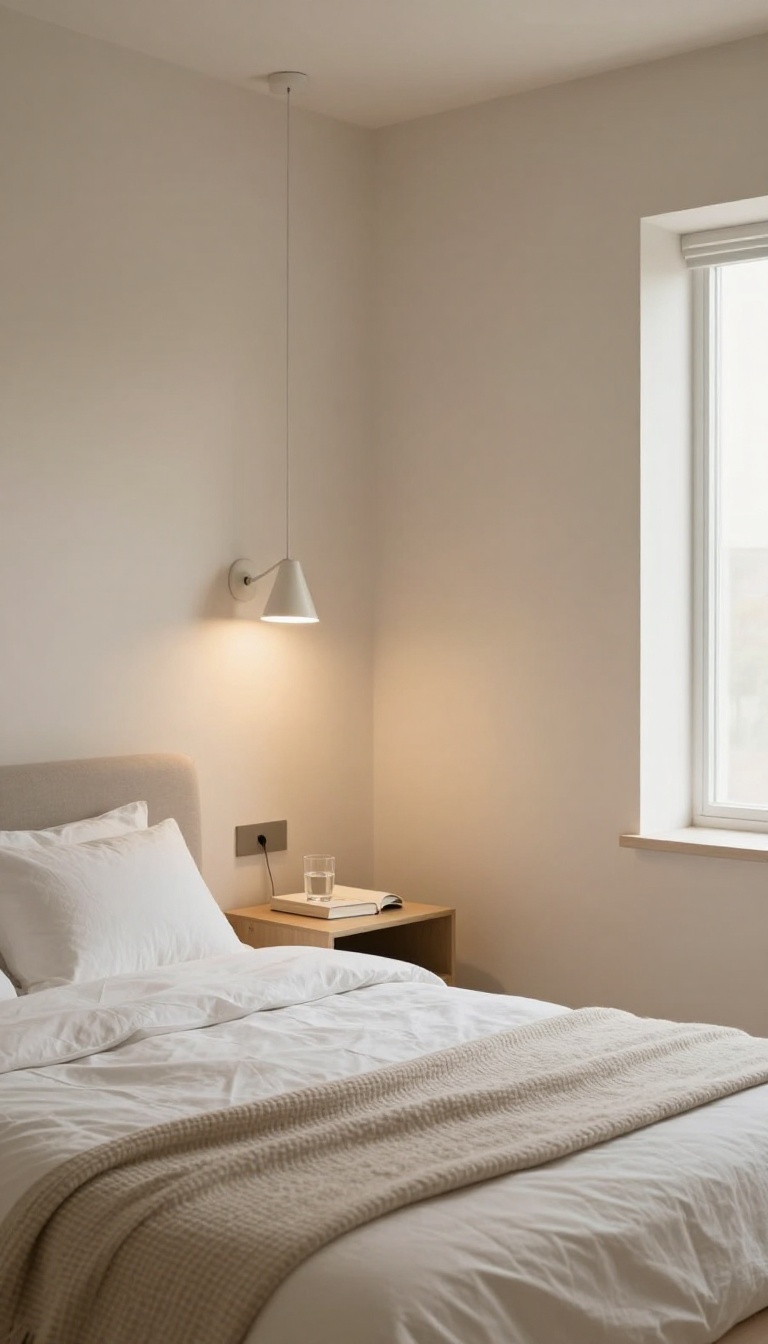
Bedtime doesn't have to be a compromise between reading and sleeping. Wall-mounted sconces give each of you your own light source, so one can stay up with a book while the other drifts off. Plus, they free up precious nightstand space for glasses, phones, or a glass of water.
Sconces are a small change that makes a big difference in how a shared bedroom feels. Instead of one overhead light that floods the whole room, you get targeted pools of light that don't bother your partner. And because they're mounted on the wall, they don't take up any surface space, which is gold in a tiny room.
Choose The Right Style
Pick sconces that match your bedroom's vibe and your bedtime habits. Swing-arm sconces are great if you like to adjust the light direction, while fixed ones are simpler and more streamlined. Go for warm, dimmable bulbs to create a cozy atmosphere that's easy on the eyes.
Positioning Matters
Mount them about 30 to 36 inches above the mattress, angled slightly toward your reading spot. If you share a bed, place them so each light shines outward from the center, not directly into your partner's face. That way, you both get your own bubble of light without glare.
Wiring And Installation Tips
If you're handy, hardwiring sconces is a clean look, but plug-in versions are just as good and easier to install. Hide the cords along the wall or under the bed frame to keep things tidy. For renters, battery-operated or plug-in sconces avoid permanent changes and still give you that custom feel.
6. Opt for a Sliding Barn Door
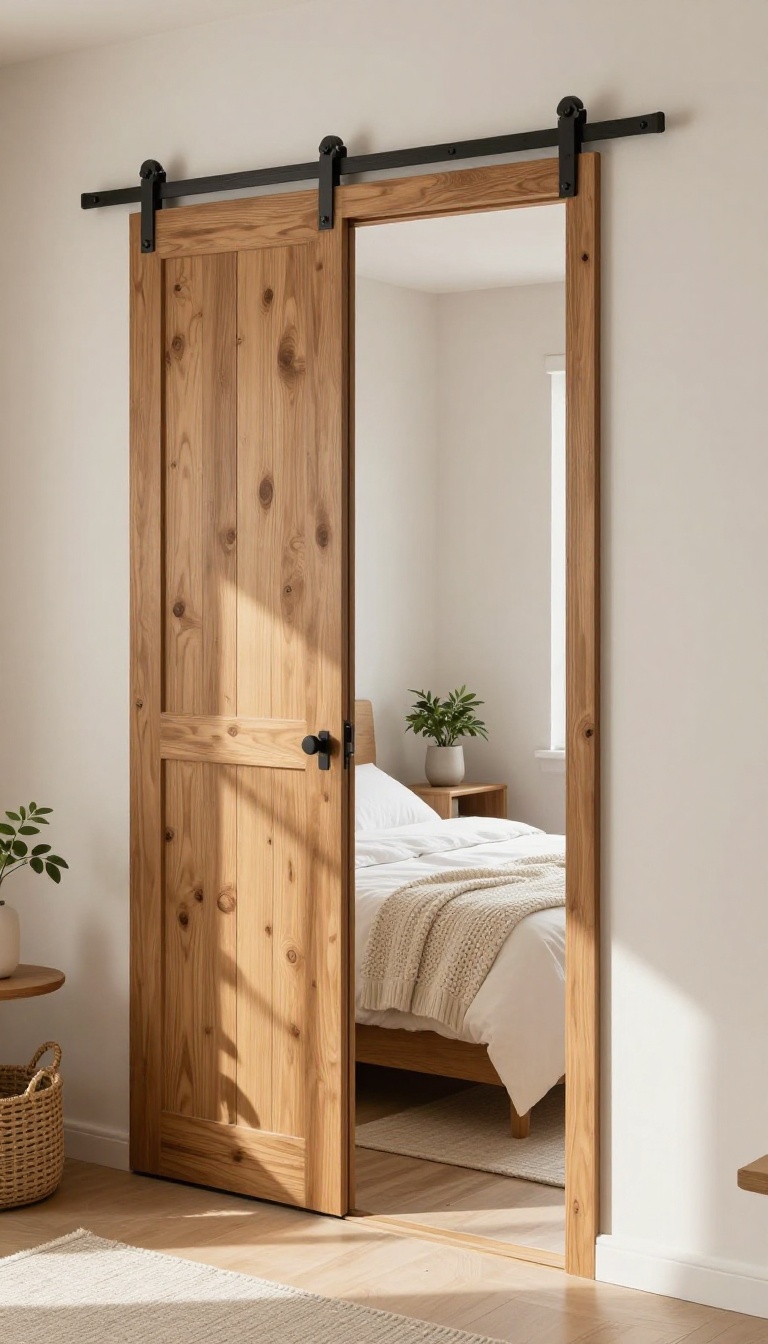
A traditional swinging door eats up valuable floor space every time you open it, which is a luxury you simply don't have in a small couple's bedroom. Swapping it for a sliding barn door can instantly free up that area for a dresser, a reading nook, or just easier movement around the bed. It's a simple change that makes the room feel more open and functional, without a full renovation.
Beyond the practical side, a barn door adds a warm, rustic character that can become a focal point in your shared space. It's a stylish upgrade that feels intentional and personal, especially when you pick a finish that complements your existing decor.
The biggest win with a sliding barn door is the floor space you reclaim. In a small bedroom, every square foot counts, and a door that swings inward can block furniture placement or make the room feel cramped. By mounting the door on a track above the doorway, you keep that area completely clear, making it easier to move around and arrange your furniture.
You'll also gain more flexibility in furniture layout. Without a swinging door, you can push a bookshelf or a tall dresser right up against the wall next to the opening, something you couldn't do before. That extra wall space can be a game-changer for storage in a shared room.
Barn doors also have a unique visual charm that standard doors lack. They come in a variety of styles, from reclaimed wood to sleek modern finishes, so you can match them to your bedroom's vibe. Plus, they're a conversation starter and can make your small space feel more curated and personal.
One thing to keep in mind is privacy and sound. Barn doors don't seal as tightly as traditional doors, so they're not ideal if you need complete soundproofing. But for most couples, the trade-off is worth it, especially if you're not using the bedroom as a home office or a private retreat during the day.
How To Choose The Right Door
When picking a barn door, consider the weight and size. A solid wood door can be heavy, so make sure your wall can support the track and hardware. If you're renting or unsure about the structure, opt for a lighter hollow-core door or a composite material that looks like wood but weighs less.
Also, measure your doorway carefully to ensure the door is wide enough to cover the opening completely when closed.
Installation Tips For Small Spaces
Installing a barn door is a weekend project, but a few tips can make it smoother. Use a stud finder to locate the studs in the wall where you'll mount the track, and anchor the track securely. If you're tight on space, consider a bypass barn door that slides into a pocket or along the wall, which works well if you have two doors side by side.
And don't forget to add a floor guide to keep the door from swinging and to protect your flooring.
Styling Around The Door
Once your barn door is up, treat it as part of your decor. You can lean a tall mirror against the wall next to it, hang a few hooks for robes or bags, or place a small bench underneath for a cozy spot to sit while putting on shoes. The hardware itself can be a design element—choose black iron for a rustic look or brushed nickel for a more modern feel.
7. Use a Bench at the Foot of the Bed
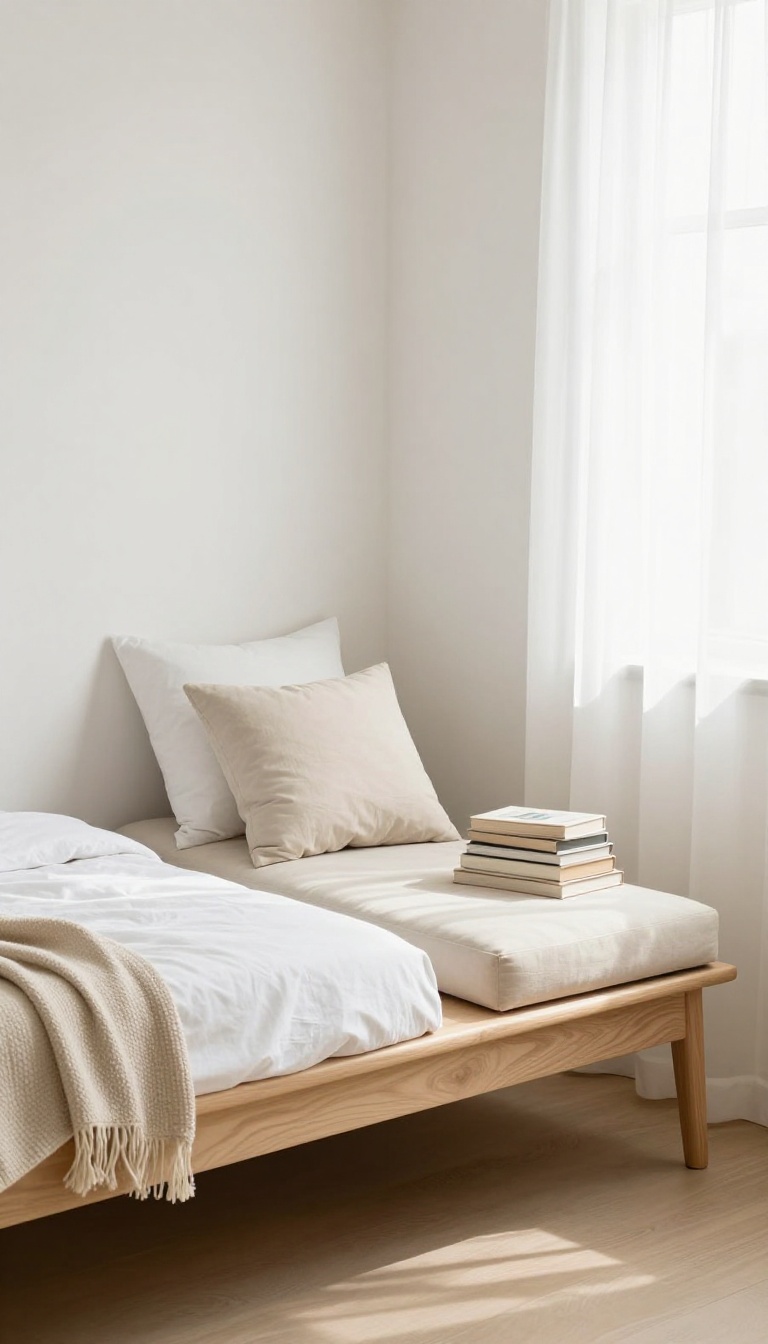
A slim bench at the foot of the bed is one of those quiet workhorses that makes a small shared bedroom feel more put-together. It gives you a spot to sit while putting on shoes, a place to lay out tomorrow's outfit, or a catch-all for extra blankets that would otherwise clutter the room. Best of all, it anchors the bed visually, making the whole setup feel intentional and balanced.
When floor space is tight, a bench might seem like an unnecessary luxury. But a well-chosen bench doesn't take up much room—typically just 12 to 18 inches of depth—and it earns its keep in multiple ways. For couples, it solves the classic problem of one person sitting on the edge of the bed to get dressed while the other is still sleeping.
It also provides a landing zone for items that tend to pile up, like a hoodie or a book, keeping them off the bed and off the floor.
Pick A Style That Pulls Double Duty
Look for a bench that offers more than just a seat. A storage bench with a hinged lid hides extra pillows, off-season clothes, or spare linens. A bench with a lower shelf gives you a spot for baskets or a neat stack of books.
Even a simple upholstered bench can work if you add a couple of decorative baskets underneath. The key is to match the bench's function to your biggest clutter problem.
Keep It Slim And Proportional
In a small bedroom, a chunky bench can overwhelm the space. Measure the width of your bed and choose a bench that's roughly the same width, or slightly narrower. Depth matters too—aim for 14 to 18 inches so you still have room to walk around.
A slim silhouette keeps the visual weight light, and if you opt for legs instead of a solid base, the floor shows through, making the room feel more open.
Make It A Styling Moment
A bench is a natural place to add a bit of personality. Drape a soft throw blanket over one end, or place a couple of cushions that pick up colors from your bedding. You can also use it to display a small tray with a candle or a plant, but keep it minimal so it doesn't become a dumping ground.
The goal is to make the bench feel like a deliberate part of the room, not just a spare piece of furniture.
8. Hang Curtains to Create a Closet
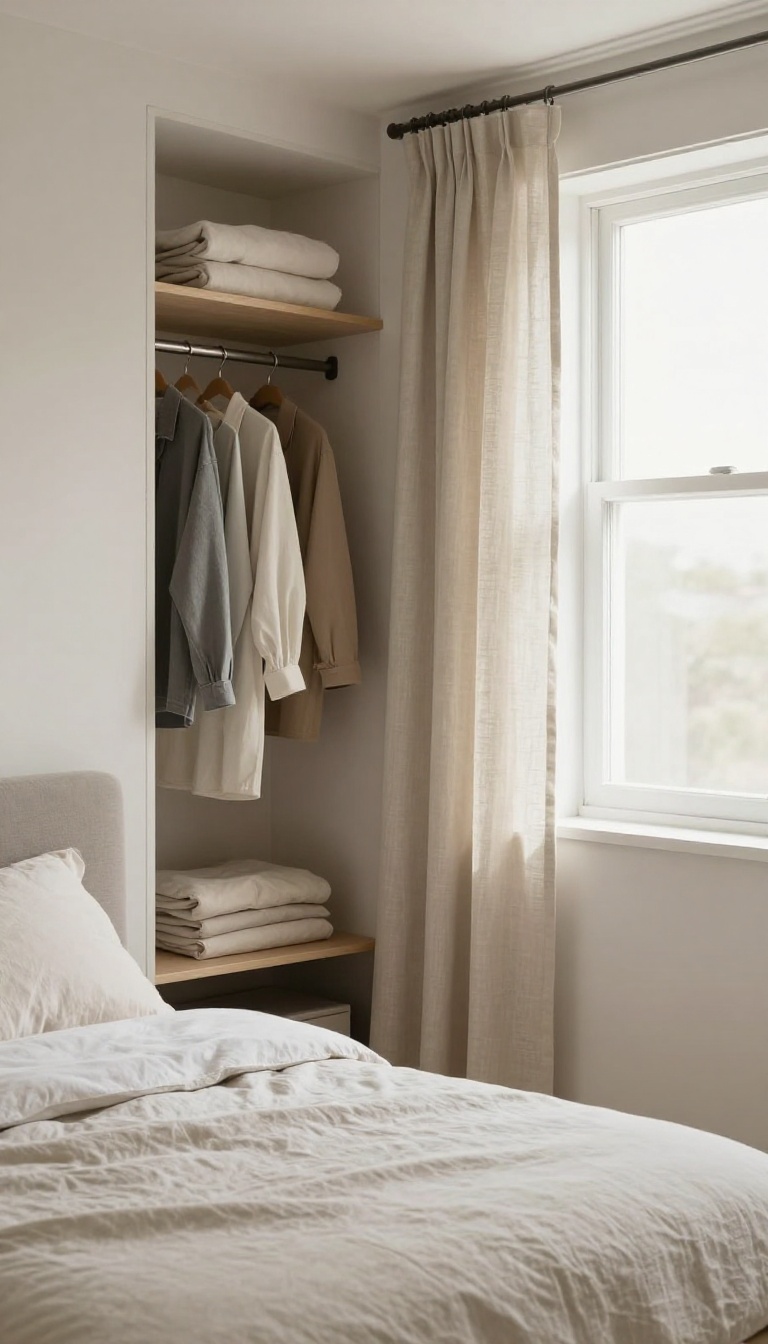
When you're sharing a small bedroom, closet space often becomes a battleground. If your room lacks built-in storage or the existing closet is laughably tiny, a curtained clothing area can be a game-changer. It's simple, affordable, and surprisingly stylish—plus, it gives you both a dedicated spot for your clothes without taking up much room.
A curtain rod along one wall can transform an empty stretch into a functional wardrobe. You don't need a full closet system; just hang a sturdy rod, add some shelves or a clothing rack underneath, and let the fabric do the rest. The curtains hide the clutter, keep dust off your clothes, and make the space feel intentional rather than makeshift.
Best of all, you can change the curtains anytime to match your mood or the season.
Pick The Right Rod And Curtains
Choose a tension rod or a ceiling-mounted track that can handle the weight of clothes. For curtains, go with something opaque but light—like linen or cotton—so they don't feel heavy. You'll want panels that slide easily, so consider clip rings or a track system.
Measure the length of the wall first, and make sure the rod extends a few inches past the clothing area to allow for easy access.
Maximize Vertical Space
Don't just hang clothes at one level. Use a double rod for shirts and pants, or add a shelf above for folded items and accessories. A hanging organizer with pockets works great for shoes, scarves, or bags.
If you're short on floor space, a garment rack with wheels can be tucked under the rod when not in use. The idea is to use every inch from floor to ceiling without making the area feel cramped.
Keep It Tidy And Functional
To avoid the 'pile of clothes' look, designate specific sections for each person. Use matching hangers and keep like items together. Add a small bench or stool in front of the curtained area for sitting while putting on shoes.
And don't forget to leave a gap between the curtain and the floor—it makes the space feel more open and prevents dust bunnies from collecting. A simple curtain tie-back can keep the entrance clear during the day.
9. Add a Fold-Down Desk
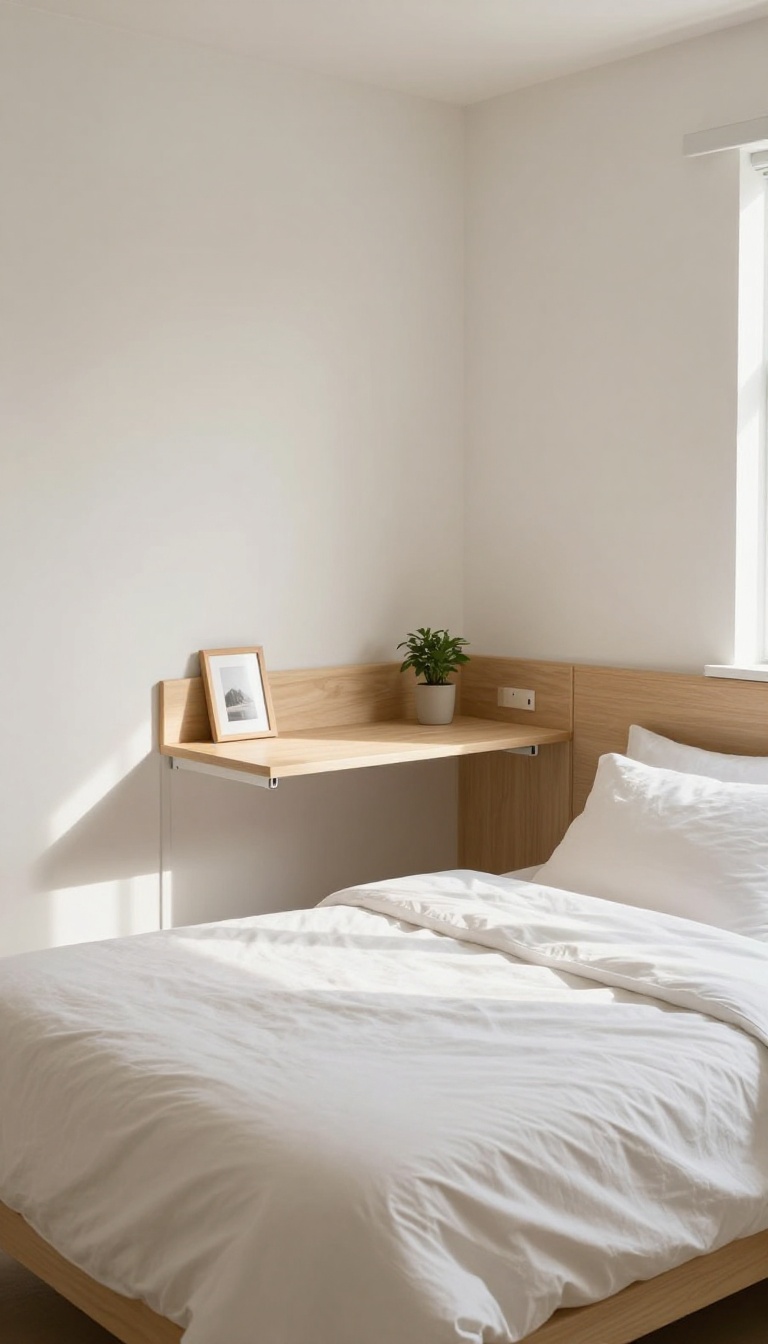
A wall-mounted fold-down desk gives one partner a dedicated workspace without permanently eating up floor space. When it's closed, it's just a slim panel on the wall, so the room still feels open and airy. This is especially handy if one of you works from home or likes to journal before bed.
The trick is to place it where it won't block traffic or the closet door. A spot near a window or on a blank wall works best. You can leave it down during the day and fold it up at night to reclaim the room for sleeping and relaxing.
Choose The Right Spot
Look for a spot that has enough clearance for a chair when the desk is down. Avoid placing it directly opposite the bed if you want to keep the path clear. A corner or a narrow wall next to a dresser often works well.
Keep It Functional
Since the desk folds away, you'll want to keep your setup minimal. A laptop, a small lamp, and a tray for pens are enough. Use a wall-mounted shelf above for books or a plant, so you don't have to pack everything up each time.
Make It Feel Intentional
Choose a fold-down desk that matches your room's style. Wood tones add warmth, while a white or black metal option feels more modern. When closed, it can double as a display shelf for a small piece of art or a framed photo.
10. Use Matching Nightstands with a Twist
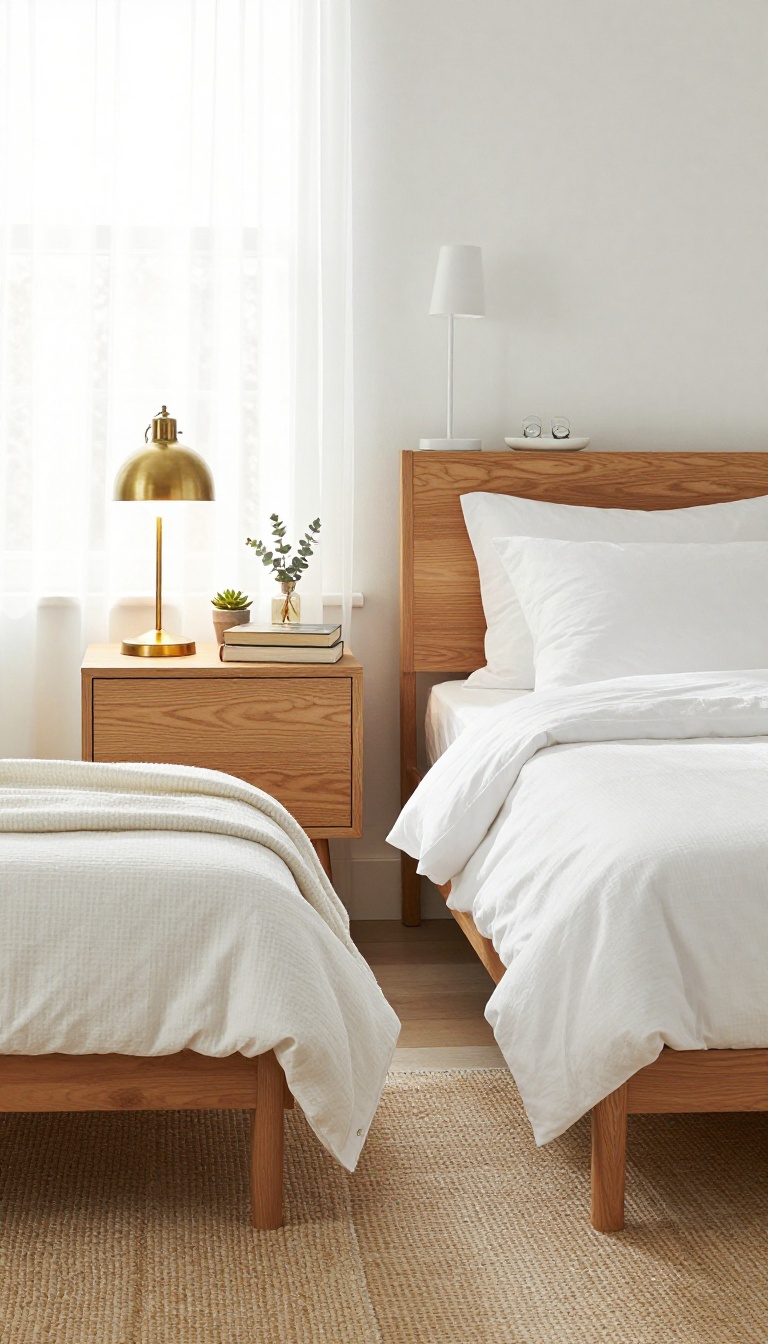
Symmetry can make a small bedroom feel calm and organized, but you don't have to sacrifice individuality for balance. Matching nightstands give the room a cohesive look, while small personalized touches let each partner feel at home. This approach works because it keeps the visual weight even on both sides of the bed, which is especially important in a tight space.
The twist comes in with the accessories—each person gets to express their style without clashing with the overall design.
Start with identical nightstands to anchor the bed and create a sense of order. Then, layer in personal items that reflect each person's taste, like a vintage lamp on one side and a modern one on the other. This way, you get the best of both worlds: a unified look and a space that feels truly yours.
Pick A Base Style That Works For Both
Choose a nightstand style that both of you can live with—maybe a simple wooden design or a sleek metal frame. Neutral colors like white, black, or natural wood are safe bets because they blend with most decor. The key is to keep the base identical so the eye sees symmetry first.
Let Each Side Tell A Different Story
Once the nightstands are in place, it's time to personalize. Swap out the lamps for different shapes or colors, add a small plant on one side and a stack of books on the other. You could even use different drawer knobs or a small tray for jewelry on one side and a catch-all for glasses on the other.
Keep The Balance In Mind
While you want variety, try to keep the visual weight similar. If one lamp is tall and dramatic, the other should have a similar presence, even if it's a different style. This prevents one side from feeling heavier or cluttered, which is crucial in a small space.
11. Incorporate a Floor Mirror with a Lean
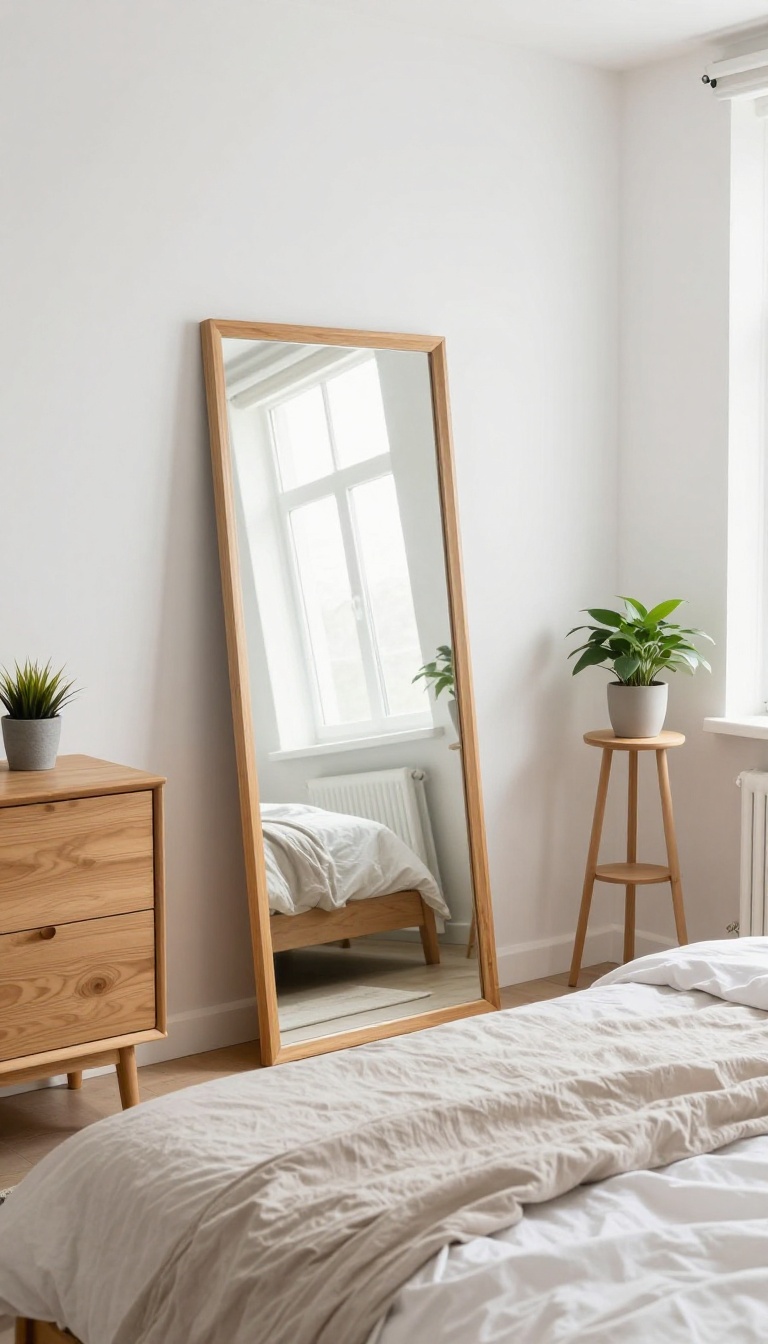
A floor mirror leaning against the wall is a clever trick for small shared bedrooms. It doesn't need to be mounted, so you can move it around as your needs change. Plus, it reflects light and makes the room feel bigger than it is.
Why A Lean Works In A Small Space
Leaning a mirror against the wall saves you from drilling holes and dealing with heavy mounting hardware. You can prop it at an angle that catches natural light, which instantly brightens the room. Since it's freestanding, you can shift it to another wall if you rearrange the furniture.
Positioning For Maximum Effect
Place the mirror opposite a window to bounce light around the room. If you have a dark corner, angle the mirror to reflect light into that area. Make sure it's not directly facing the bed—some people find that unsettling.
Instead, position it near a dresser or closet for a practical dressing spot.
Styling And Safety Tips
Choose a mirror with a sturdy frame that matches your bedroom's vibe. Lean it securely against a wall with a non-slip pad underneath to prevent sliding. If you have pets or are clumsy, consider securing it with a small furniture strap to the wall for extra safety.
12. Maximize Corner Space with a Corner Shelf
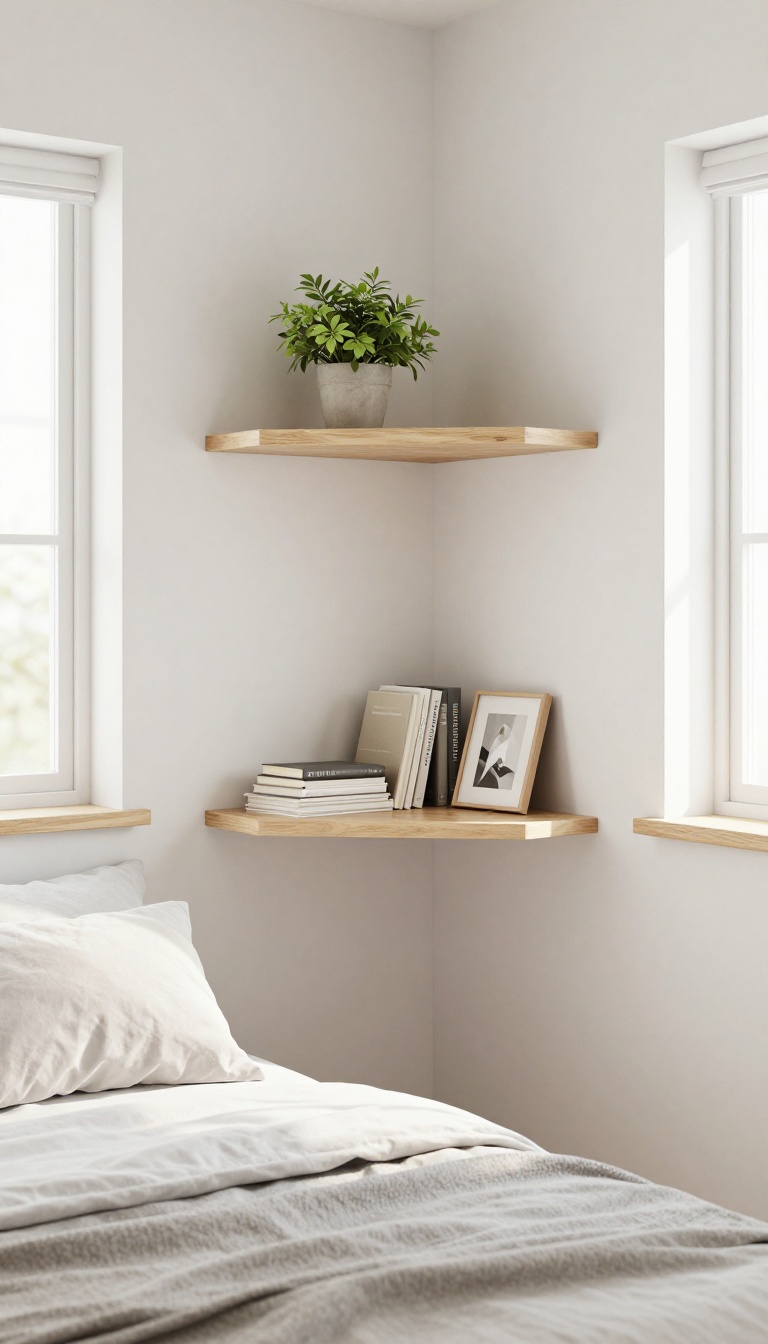
Corners often become dumping grounds for bags, laundry, or random clutter. Instead of letting that awkward spot go to waste, a corner shelf turns it into a mini display area that both of you can enjoy. It’s a simple upgrade that adds storage without taking up any floor space.
Floating corner shelves are perfect for small shared bedrooms because they use vertical space that would otherwise be empty. You can stack them to create a little nook for books, plants, or framed photos that reflect both of your personalities. Plus, they’re easy to install and come in a variety of finishes to match your decor.
Pick The Right Size And Height
Before you buy, measure the corner to make sure the shelf fits without sticking out too far. A good rule of thumb is to keep the shelf at least 12 inches deep so it can hold standard books or small decor. Place it at eye level or slightly above, so it’s easy to reach and doesn’t interfere with walking around the bed.
Style It Together
Make the shelf feel like a shared space by mixing items from both of you. Put a small plant, a stack of your favorite reads, and a framed picture from a trip you took together. This way, the corner becomes a little gallery that tells your story, not just a random shelf.
Keep It Clutter-free
Since it’s a small shelf, resist the urge to overfill it. Choose a few meaningful pieces and rotate them seasonally. That keeps the corner looking intentional and prevents it from becoming another spot for clutter to pile up.
13. Use a Room Divider for Privacy
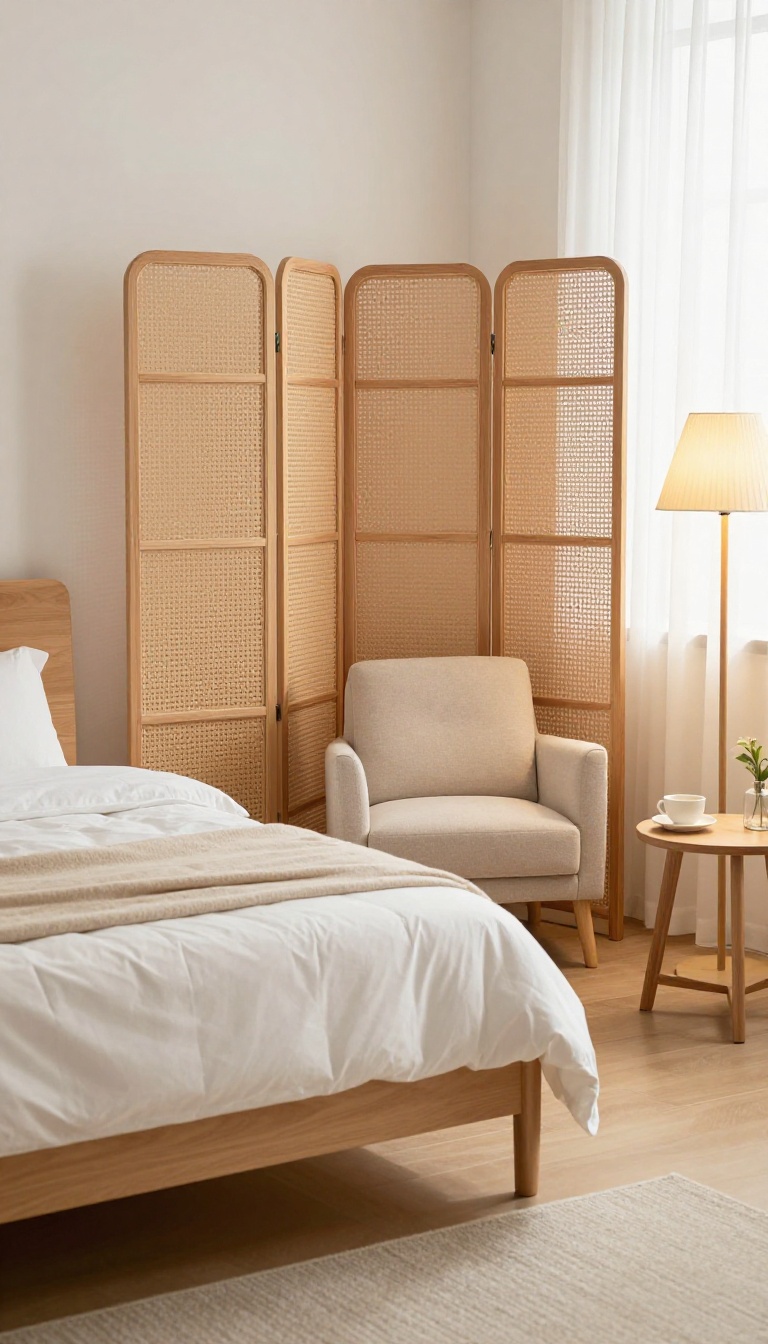
Even in a tiny room, a little division can go a long way. A folding screen or open shelving unit can separate the bed from a small seating area, giving both partners a sense of retreat. It’s a simple way to carve out personal space without adding walls.
Room dividers aren’t just for studio apartments. In a shared bedroom, they create visual boundaries that help you both feel less on top of each other. Whether you want to hide a cluttered corner or create a cozy nook for reading, a divider can do the trick.
Pick The Right Divider For Your Space
Folding screens are lightweight and easy to move, perfect if you like to rearrange. Open shelving units double as storage and display space, so you can show off plants or books while dividing the room. Curtains or hanging panels are another option—they’re soft, affordable, and add a touch of texture.
Create A Cozy Seating Nook
Place a small armchair or a floor cushion on one side of the divider, and position it so it feels like its own little corner. Add a floor lamp and a side table for a spot where you can unwind without disturbing your partner. This gives you a personal retreat without needing extra square footage.
Use It To Define Zones
If you both work from home occasionally, a divider can separate a desk area from the sleeping zone. It visually signals that when you’re on one side, you’re in work mode, and when you’re on the other, you’re relaxing. This helps maintain a healthy balance in a shared space.
14. Keep the Color Palette Neutral with Pops
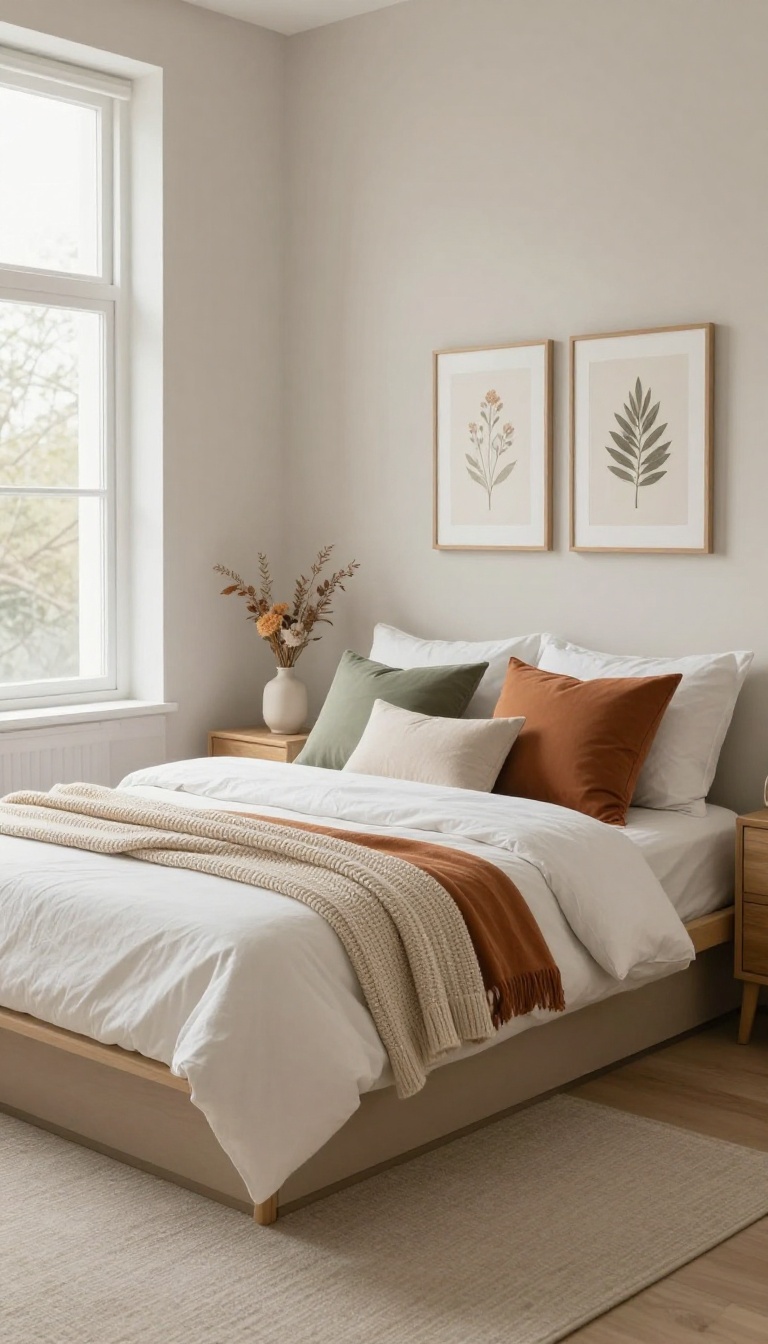
Neutral walls and large furniture create a calm backdrop that makes a small room feel bigger and less cluttered. But going all-neutral can feel sterile, especially when you're sharing the space with someone else's personality. The trick is to layer in color through items that are easy to swap out—pillows, throws, art, and small decor—so you can change the mood without repainting or buying new furniture.
Start with a base of white, beige, or soft gray for walls and major pieces like the bed and dresser. These tones reflect light and keep the room open. Then, let each partner pick a few colorful accents that reflect their taste.
This way, the room feels personal but stays cohesive. When you want a refresh, just swap the pillows or rotate the art—no big commitment.
Pick A Base That Works For Both
Choose a neutral shade that you both agree on—warm greige, soft oatmeal, or a light greige. Avoid stark white if you want a cozier feel. Test a few swatches on the wall to see how they look in your lighting.
The goal is a backdrop that doesn't fight with either person's style.
Add Color In Layers You Can Change
Think of color as accessories, not permanent fixtures. A couple of throw pillows in your favorite hue, a patterned blanket at the foot of the bed, and a framed print that speaks to you. These pieces are easy to swap seasonally or whenever you need a change.
They also let you express your individual tastes without clashing.
Keep The Flow With A Shared Accent
To tie the room together, pick one accent color that appears in both your chosen items—maybe a deep teal that shows up in your pillow and their art. This creates a sense of unity without forcing identical style. It’s a subtle way to make the room feel like both of yours.
15. Add a Ceiling-Mounted Curtain Rod
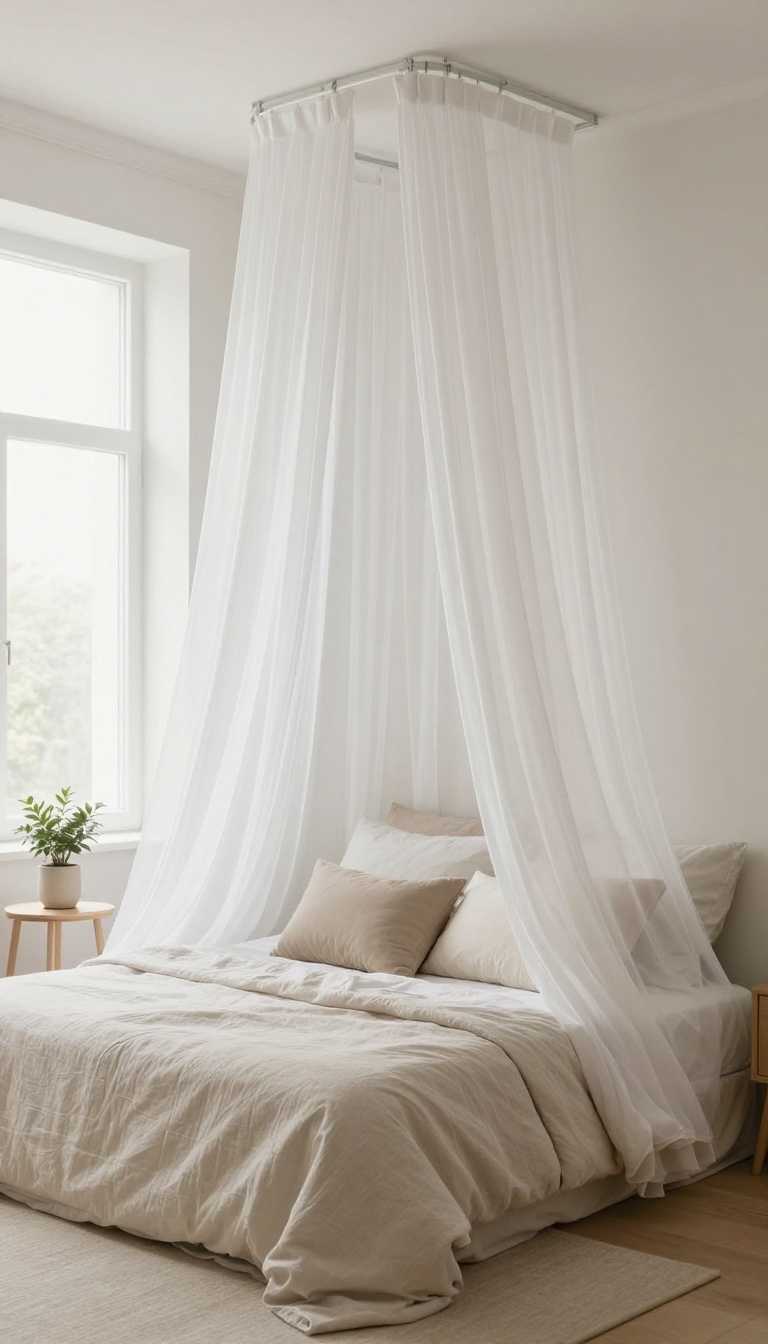
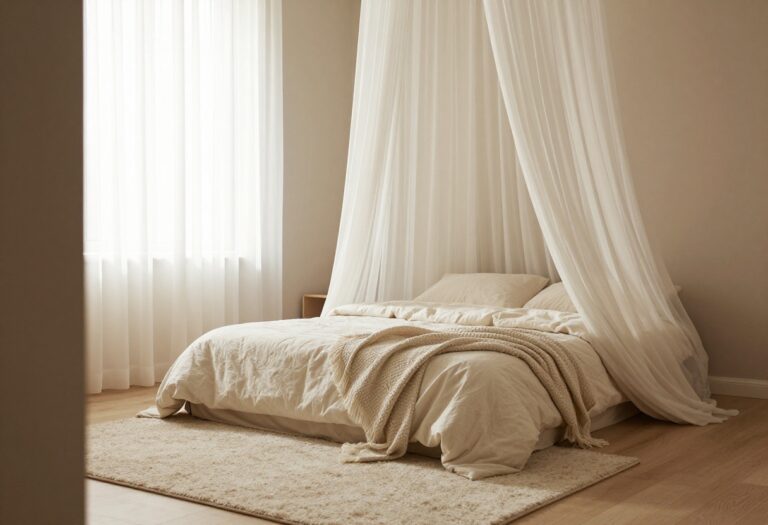
When floor space is tight, look up. A ceiling-mounted curtain rod can transform the area around your bed into a private, cozy nook without taking up a single square foot. It’s a simple addition that brings both style and function to your shared bedroom.
Create A Cozy Canopy
Mount a sturdy rod directly above the bed and hang sheer or blackout curtains from it. The fabric drapes down to create a canopy effect that feels intimate and sheltered. Choose light, airy fabrics for a breezy look or heavier ones for a more dramatic, cocoon-like feel.
Block Light And Add Privacy
This setup isn’t just about looks. If your partner likes to read while you sleep, or if you have different schedules, the curtains can block out light and give you a sense of privacy. Opt for blackout curtains to keep the morning sun from waking you up too early, or use sheer ones to soften the light while still feeling enclosed.
Easy To Install And Adjust
You don’t need to be a DIY expert to install a ceiling-mounted rod. Most kits come with simple brackets and instructions. You can also choose a track system that lets you slide the curtains open and closed effortlessly.
Plus, you can change the curtains seasonally to refresh the room’s look without any major renovations.
FAQ
How can we make a small bedroom feel bigger?
Use light colors, mirrors, and vertical storage. Keep the floor clear and choose furniture with exposed legs to create an open feel.
What is the best bed size for a small couple's bedroom?
A queen bed is often the best balance for two people, but if space is very tight, a full or double can work. Consider a platform bed with storage to save space.
How do we divide a small bedroom for two people?
Use rugs, curtains, or open shelving to create separate zones. Even a simple floor lamp can define a reading corner.
What are some storage ideas for a small shared bedroom?
Use under-bed bins, wall-mounted shelves, over-the-door organizers, and multi-functional furniture like ottomans with hidden storage.
How can we personalize a small bedroom without clutter?
Choose a few meaningful items like photos or art, and rotate them seasonally. Use trays or baskets to corral small items.
Conclusion
Balancing two people in one small bedroom really comes down to a few smart choices that respect both of your routines. When you find a setup that lets you move, sleep, and relax without constantly bumping into each other, the whole room starts to feel bigger.
Start with the idea that solves your biggest daily friction—whether that's wardrobe space, lighting, or a spot to sit—and build from there. Small tweaks like a shared shelf or a fold-down desk can make a surprising difference in how connected and comfortable the space feels.