12 Stylish Kitchen Valance Ideas for a Home That Feels Easy to Use
A kitchen valance might seem like a small detail, but it can completely change the feel of the room. It softens the hard edges of cabinets and windows, adds a pop of color or pattern, and even helps control light and privacy. The best part?
Many valances are easy to install and swap out, so you can update your kitchen's look without a full renovation. Whether you're going for a cozy farmhouse vibe, a sleek modern look, or something in between, there's a valance style that fits your needs.
From classic gathered fabric to clean wooden cornices, these ideas are practical and stylish. Let's explore twelve valance options that will make your kitchen feel more put-together and user-friendly.
1. Classic Gathered Valance
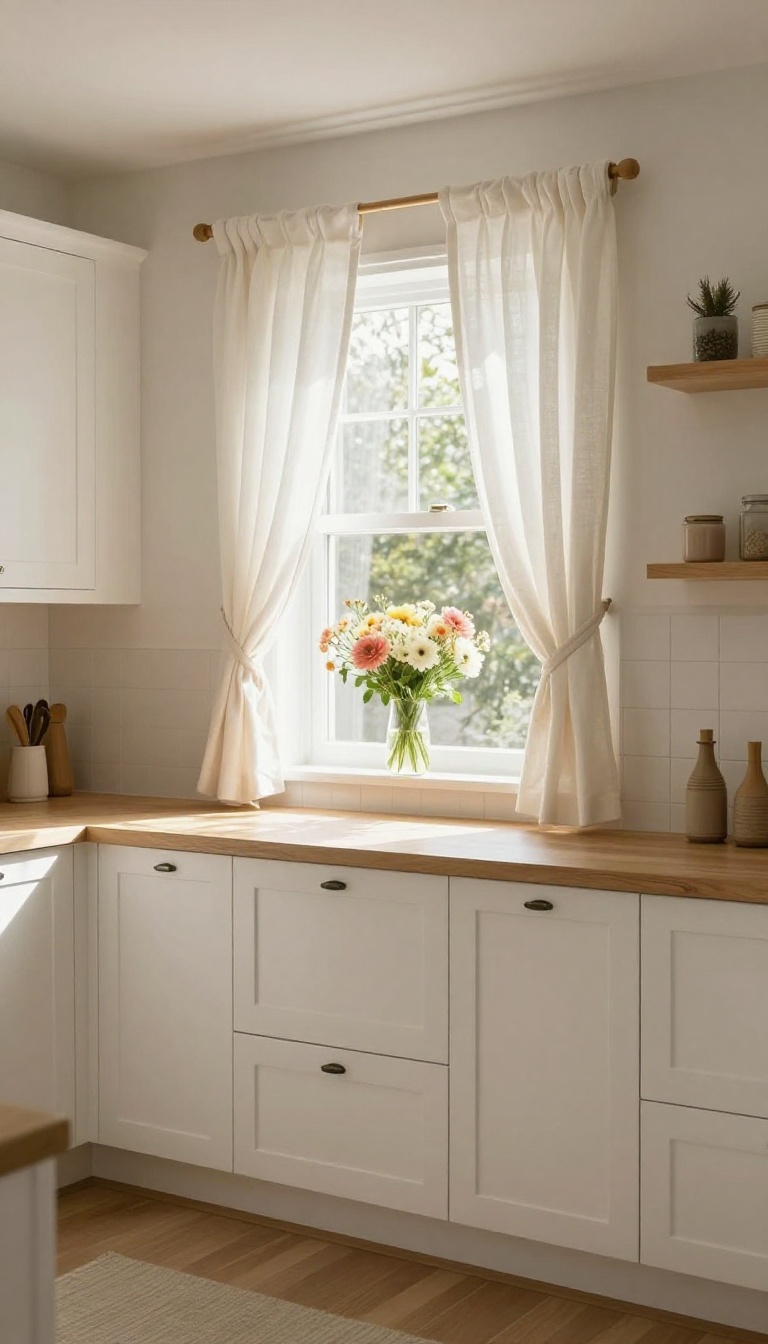
The gathered valance is the little black dress of window treatments—simple, flattering, and always in style. It’s a single piece of fabric shirred onto a rod, creating soft, even folds that add warmth without overwhelming the space. This style works in almost any kitchen, from traditional to transitional, and it’s a favorite for hiding less-than-pretty hardware or window frames.
The gathered valance is a go-to for many homeowners because it’s both forgiving and versatile. You can choose a light, airy fabric like cotton or linen for a breezy feel, or go with a heavier material for more structure. The key is the rod pocket—a simple casing that slides over a curtain rod, making installation a breeze.
Even if you’re not handy, you can have this up in minutes.
Why It Works In Kitchens
Kitchens are busy places, and the gathered valance doesn’t get in the way. It sits neatly above the window, leaving the sill and counter space clear. The soft gathers also help absorb sound, which is a nice bonus in an open-plan kitchen.
Plus, it’s easy to remove and wash, so you can keep it fresh without much fuss.
Fabric And Pattern Ideas
For a classic look, go with a solid color that matches your cabinets or walls. If you want more personality, try a subtle stripe or a small floral print. Linen and cotton are great choices because they drape well and are easy to care for.
Avoid heavy fabrics like velvet, which can feel too formal and collect grease.
Installation Tips
Measure your window width and add a few inches for fullness—usually 1. 5 to 2 times the width. Use a tension rod or a standard curtain rod with finials.
If you want a more tailored look, use a rod with a smaller diameter so the gathers are tighter. For a quick update, you can even use clip rings instead of a rod pocket.
2. Scalloped Edge Valance
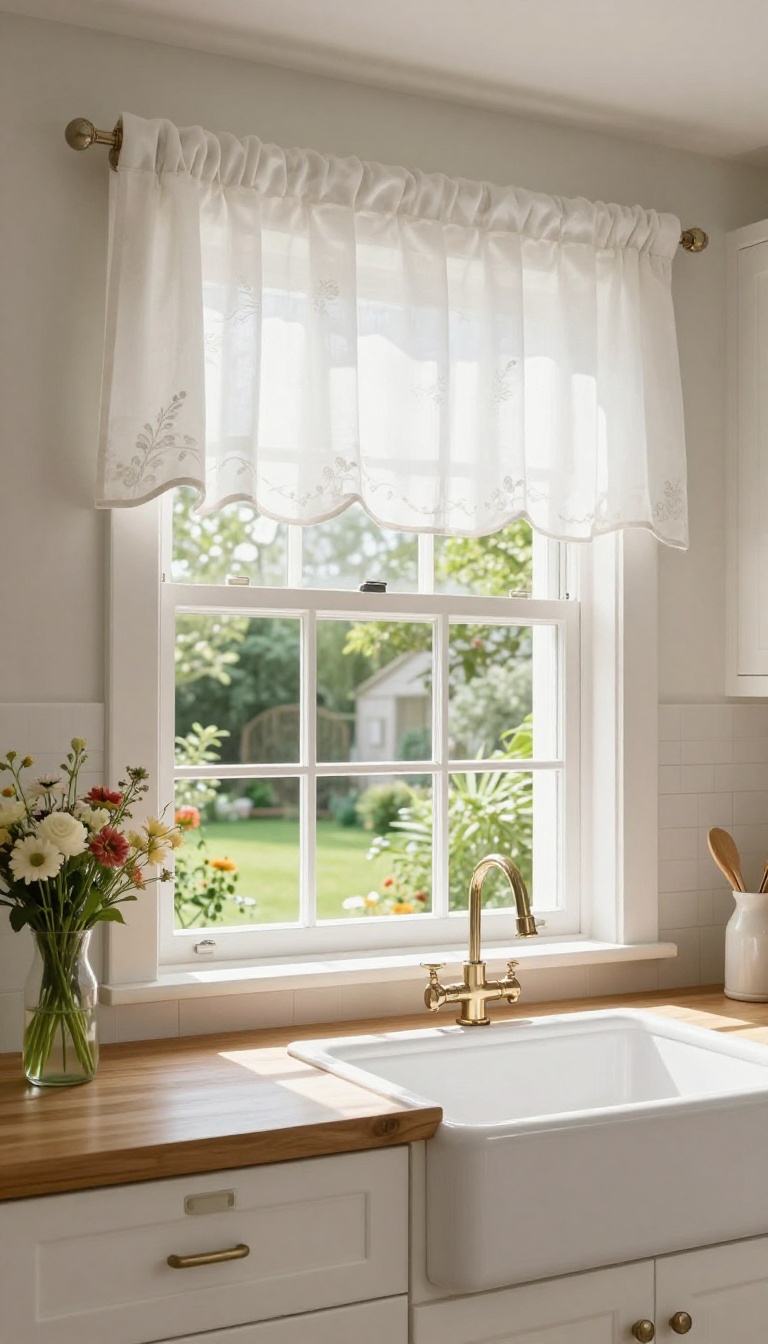
If you want to soften the look of your kitchen windows with a touch of charm, a scalloped edge valance is a delightful choice. The gentle curves along the bottom add a playful, feminine vibe that instantly makes the space feel more inviting. This style works beautifully in cottage, vintage, or even modern farmhouse kitchens, bringing a sense of warmth and whimsy without overwhelming the room.
The scalloped edge valance is all about the details. The curved bottom edge draws the eye and adds texture, making it a focal point even from a distance. It's a versatile option that can be dressed up or down depending on the fabric you choose.
From crisp cotton to flowing linen, the material sets the tone—bright and cheerful or soft and romantic.
Choosing The Right Fabric
The fabric you pick will define the mood. Light cottons and linens keep things airy and casual, perfect for a sunny breakfast nook. For a more formal look, consider velvet or a silk blend in a rich color.
Patterned fabrics like florals or gingham enhance the cottage feel, while solid colors let the scalloped shape shine on its own.
Installation Tips
Hanging a scalloped valance is straightforward. Use a tension rod inside the window frame for a no-drill option, or mount a decorative rod above the window for a more polished look. Make sure the valance is wide enough to cover the entire window, and position it high enough to let in plenty of light.
If you're handy with a sewing machine, you can even make your own with a simple template.
Pairing With Other Window Treatments
Scalloped valances work well on their own, but they also pair nicely with blinds or shades for added privacy. Choose a valance that complements the color of your blinds, or go for a contrasting hue to make the valance pop. For a layered look, add sheer curtains beneath the valance to soften the light and create depth.
3. Box Pleat Valance
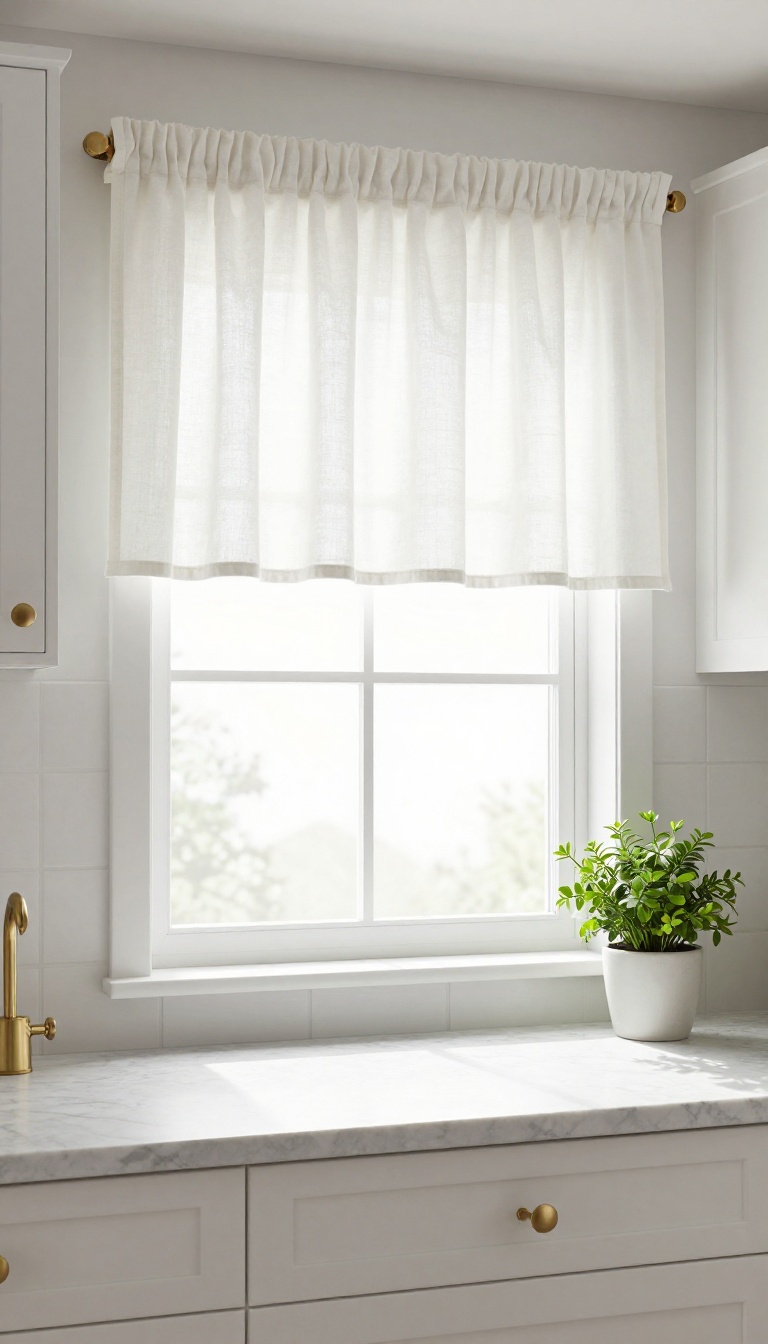
Box pleat valances bring a sense of order and refinement to your kitchen. The crisp, vertical folds create a tailored silhouette that feels both classic and current. It's a great choice if you want a polished look that still feels warm and inviting.
Unlike the soft gathers of a traditional valance, box pleats are structured and precise. The fabric is folded in a way that creates neat, rectangular panels, giving the window a clean, architectural line. This style works beautifully in kitchens with a traditional or transitional design, where you want a touch of formality without going overboard.
Why Box Pleats Work So Well
The magic of a box pleat is in its geometry. The folds add visual interest and depth, but they don't feel busy or fussy. They also hang beautifully, holding their shape without needing a lot of extra fabric.
That means they look neat and tidy even after months of use, which is a big plus in a busy kitchen.
Fabric Choices That Matter
The fabric you choose can change the whole vibe. For a lighter, airier feel, go with a linen or cotton blend. If you want something more substantial and formal, a heavier weave like a twill or a subtle velvet can work wonders.
Patterns can be lovely, but a solid color or a subtle stripe often lets the pleats shine the most.
Placement And Length Tips
A box pleat valance typically covers just the top of the window, but you can adjust the length to suit your space. A shorter valance keeps the window open and bright, while a longer one can add a bit of drama and help block out more light. Mounting it a few inches above the window frame can also make the ceiling feel higher, which is a nice trick in smaller kitchens.
4. Café-Style Valance
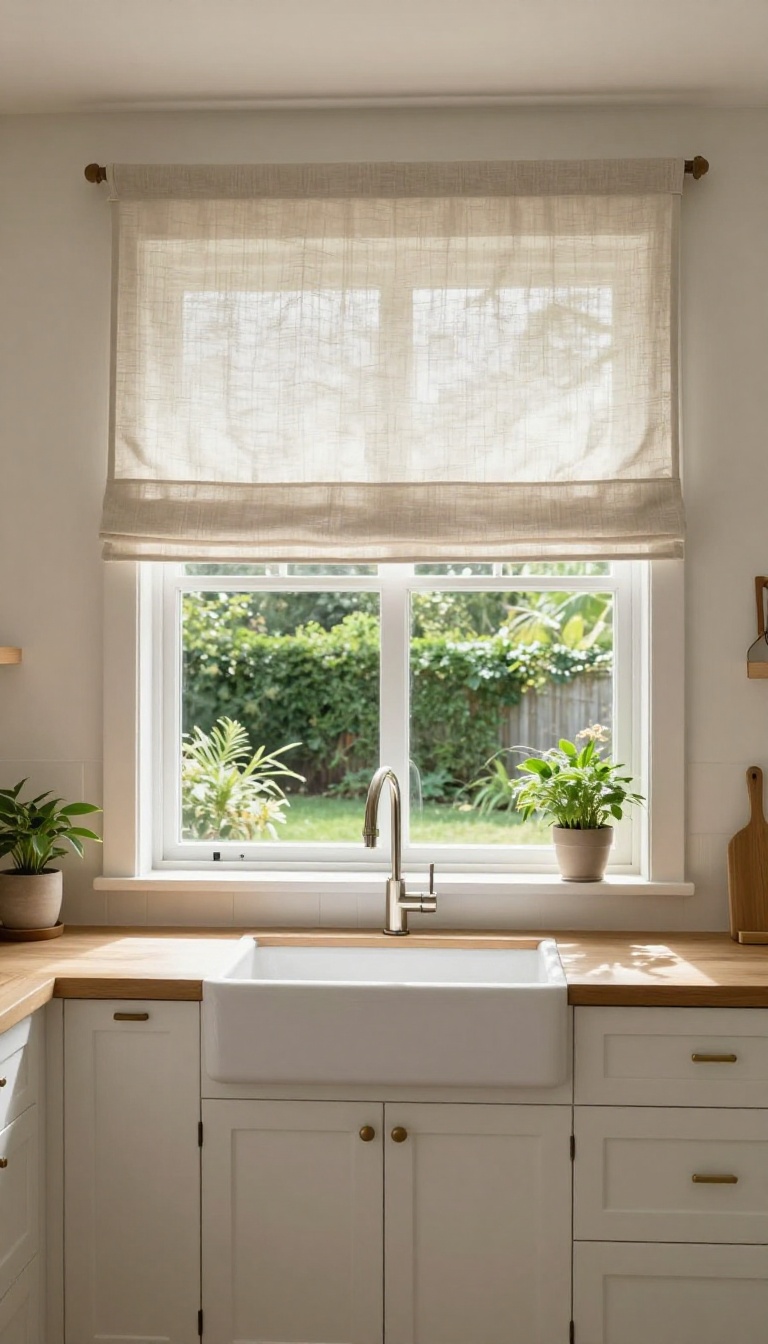
Café-style valances are a clever choice for kitchens that crave light but still want a bit of privacy. They cover only the top half of the window, leaving the lower half open to the outdoors. This design is perfect for breakfast nooks, windows above sinks, or any spot where you want to avoid feeling exposed while you work or eat.
The café-style valance is all about balance. It lets in natural light from the upper part of the window, which keeps the room bright and airy, while the lower half stays covered for privacy. This makes it a practical pick for ground-floor kitchens or homes with close neighbors.
Plus, it’s a budget-friendly option since it uses less fabric than a full curtain.
Why It Works In Kitchens
Kitchens are busy places, and you don’t want to fuss with heavy drapes while your hands are full. Café valances are short and unobtrusive, so they stay out of the way. They also frame the window nicely, drawing the eye upward and making the ceiling feel higher.
If you have a window above the sink, this style keeps the view open while shielding you from the outside world.
Fabric And Pattern Ideas
You can go with a classic gingham or striped fabric for a cozy, cottage feel, or choose a solid linen in a soft neutral for a more modern look. For a playful touch, try a subtle polka dot or a small floral print. The key is to keep the pattern scaled to the valance’s size—too busy and it’ll overwhelm the window.
Installation Tips
Hang the rod about halfway down the window frame, or slightly higher if you want more light. Use a tension rod for a no-drill option, or a standard curtain rod with brackets for a more permanent setup. Make sure the valance is wide enough to gather nicely—about 1.
5 to 2 times the window width for a full look.
5. Roman Shade Valance
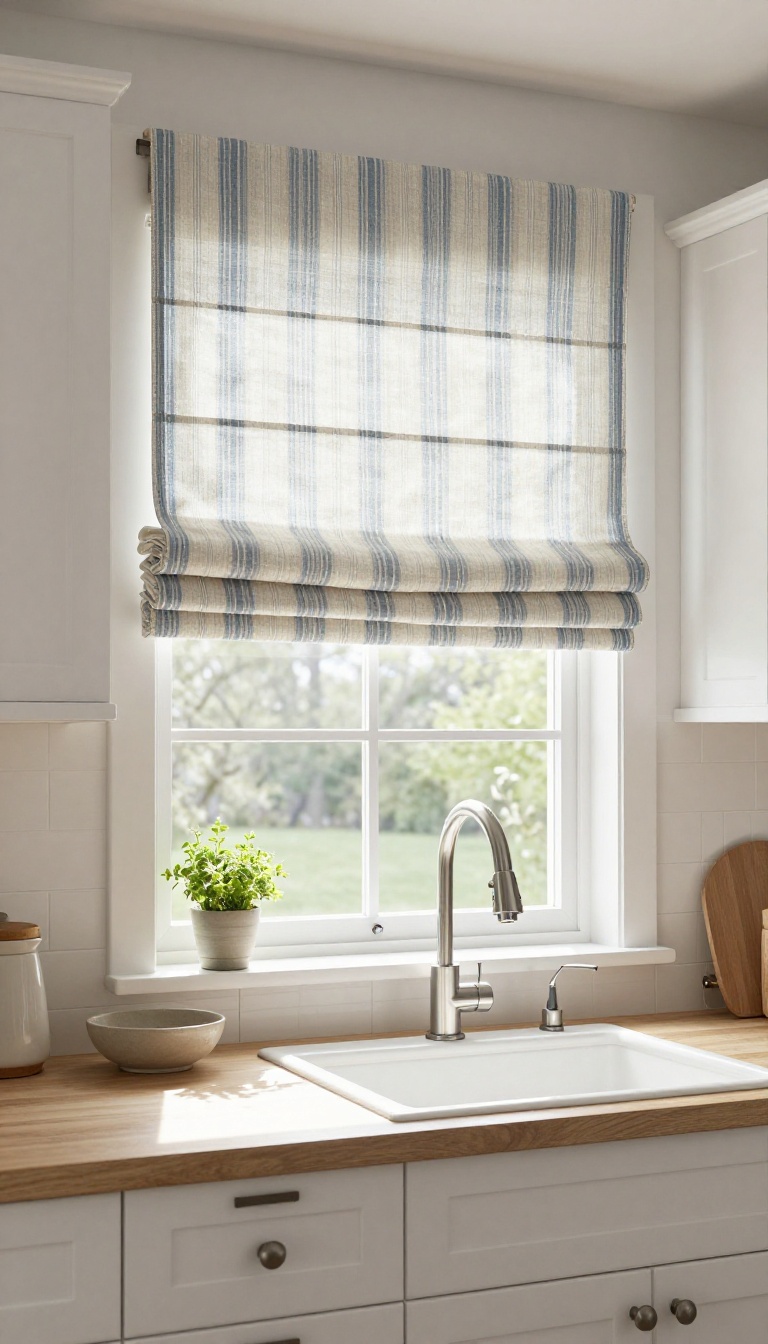
Roman shades are known for their clean, tailored look, and when you use them as a valance, you get that same polished feel with a bit more function. Unlike a static valance, a roman shade valance can be raised or lowered, giving you control over light and privacy while still framing the window beautifully. It's a smart pick if you want something that looks custom but doesn't require a full window treatment overhaul.
A roman shade valance is essentially a shortened roman shade that covers only the top portion of the window. It's mounted on a board or track and can be operated with cords or a continuous loop, depending on the mechanism. This style adds texture and depth, making it a great way to introduce fabric into a kitchen that might otherwise feel too hard or minimal.
Plus, it's a practical choice for windows above sinks or counters where you want easy access to the sill.
Why Choose A Roman Shade Valance?
The main appeal is versatility. You can adjust the height to let in more light or block out glare while cooking. It also offers more coverage than a typical valance, which can be useful if you have an odd-shaped window or want to hide an unattractive view above.
And because it's a shade, it naturally creates soft folds that add a layer of sophistication without being fussy.
Fabric And Pattern Ideas
When it comes to fabric, think about your kitchen's style. A linen or cotton blend in a neutral tone keeps things airy and relaxed, while a bold geometric print can inject personality. If you're worried about stains, look for fabrics with a stain-resistant finish or opt for a synthetic blend that's easier to wipe down.
For a cohesive look, match the fabric to your existing décor or use it as a pop of color.
Installation And Operation Tips
Installation is similar to a regular roman shade, but you'll mount it higher to create the valance effect. You can use a basic cord-and-pulley system or go cordless for safety, especially if you have kids or pets. If you want a cleaner look, consider a motorized option that lets you raise and lower the shade with a remote or smart home app.
Just make sure to measure carefully so the shade fits snugly without gaps.
6. Balloon Valance
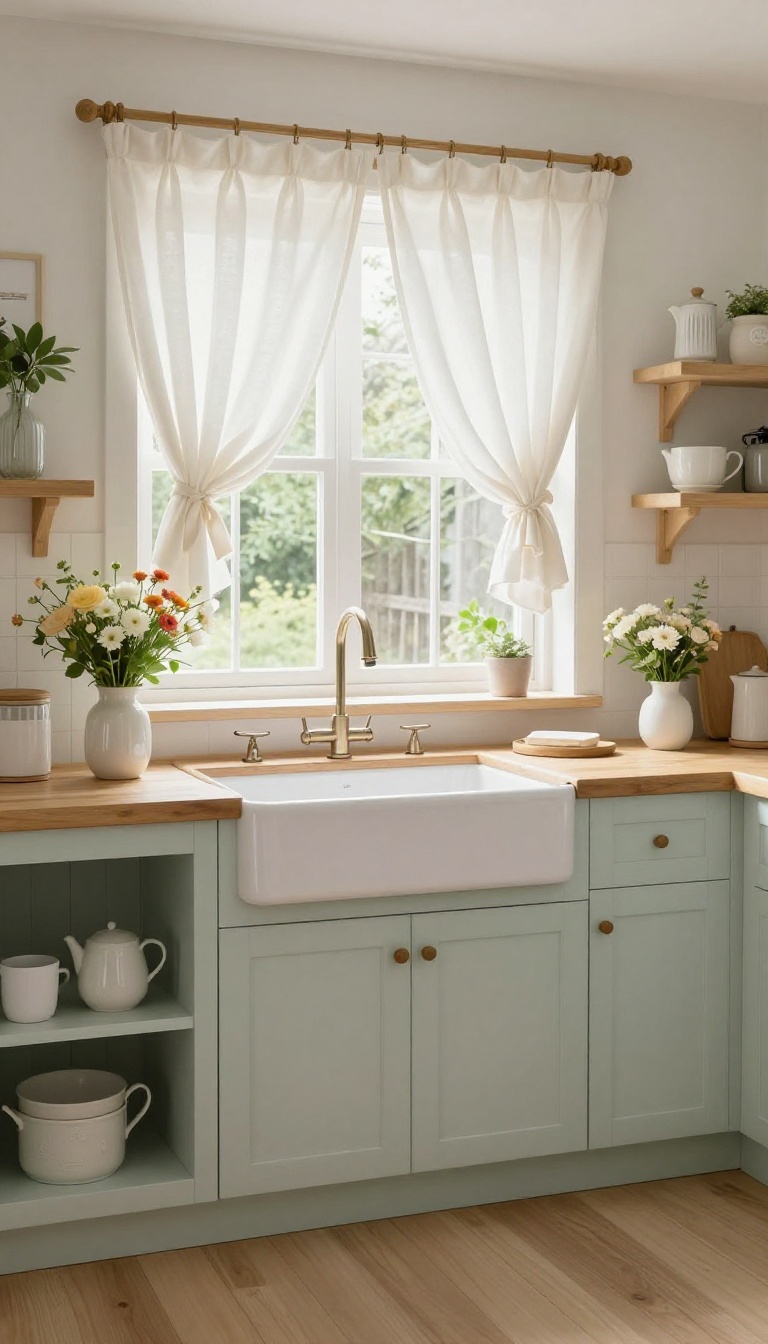
For a kitchen that feels both romantic and inviting, a balloon valance brings a soft, billowy charm that's hard to resist. Unlike flat or tailored styles, this valance gathers fabric into gentle puffs, creating a sense of depth and movement. It's a wonderful way to add a touch of drama without overwhelming the space.
Balloon valances work especially well in kitchens with traditional or cottage-inspired decor. The gathered fabric softens the window frame and adds a cozy, welcoming feel. They're also surprisingly practical—you can choose light-filtering fabrics to let in natural light while still enjoying some privacy.
Choosing The Right Fabric
The fabric you pick sets the whole mood. For a light and airy look, go with cotton or linen blends that drape nicely. If you want more structure and a bit of formality, consider heavier materials like velvet or brocade.
Keep in mind that lighter fabrics are easier to clean and maintain in a kitchen environment.
Installation Tips
Balloon valances are typically mounted on a rod above the window. Use a rod that's wide enough to allow the fabric to gather fully without looking cramped. You can also use a valance rod with clip rings for easy adjustment.
Make sure the valance is hung high enough to avoid interfering with window operation.
Styling Ideas
Pair a balloon valance with simple blinds or shades for a layered look. Choose a fabric that complements your kitchen's color palette—soft pastels for a vintage feel, or bold patterns for a statement. You can also add a contrasting trim or tassels to enhance the romantic vibe.
7. Wooden Cornice Valance
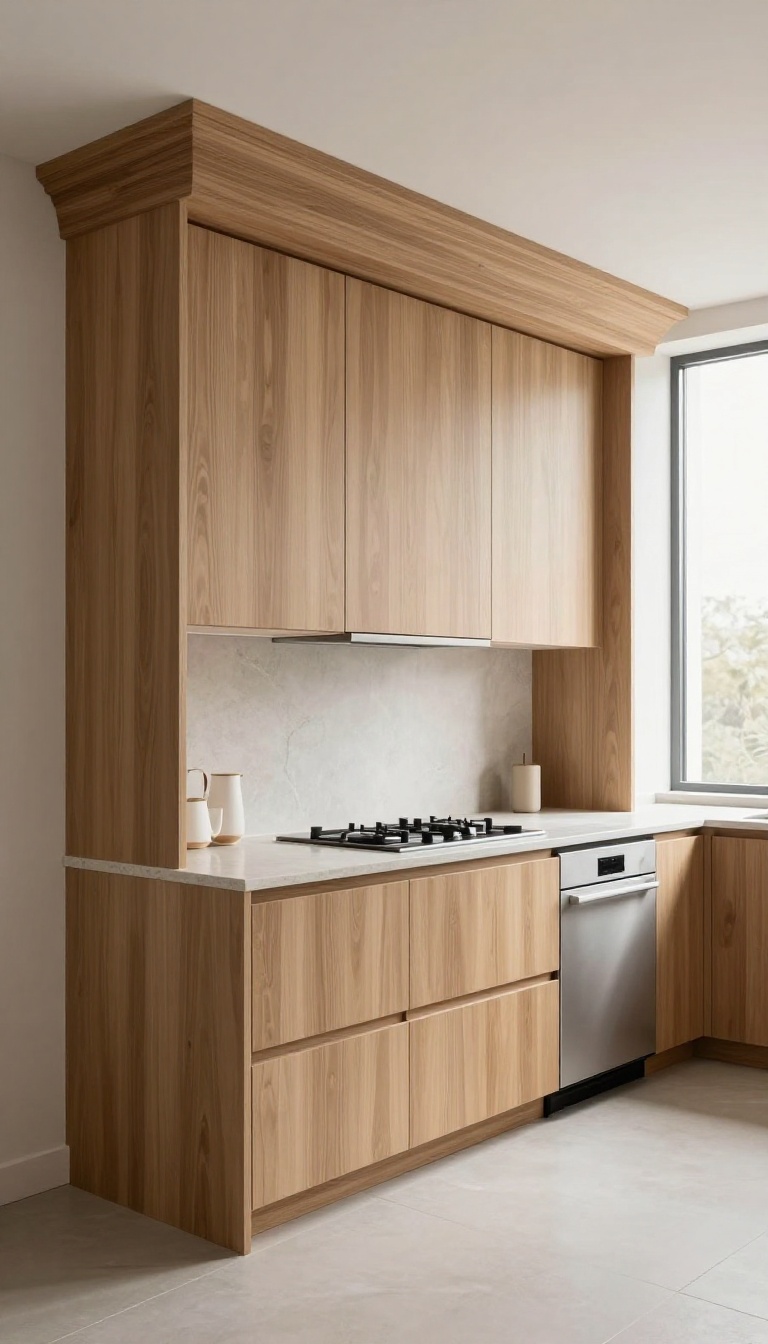
If you're after something a bit more substantial than fabric, a wooden cornice valance delivers. It's a boxy, architectural piece that sits at the top of the window, adding a sense of structure and permanence. The clean lines work well in modern and traditional kitchens alike, and you can customize it to match your cabinets or trim for a seamless look.
A wooden cornice valance is essentially a hollow box that covers the top of the window and the curtain hardware. It's usually made from plywood or MDF, then painted or stained to blend with your kitchen's existing wood tones. Because it's sturdy, it holds its shape over time and can even help block drafts and light from the top of the window.
Why Choose Wood
Wood brings warmth and a handcrafted feel that fabric often can't match. It's also incredibly durable—no sagging or fading. Plus, you can easily change its look with a fresh coat of paint if you decide to update your kitchen's color scheme later.
Style Options
You can keep it simple with a flat, smooth front, or add decorative molding for a more traditional or ornate look. For a modern twist, try a sleek, minimal design with no visible hardware. Staining it to match your cabinets creates a custom, built-in appearance, while painting it white or a bold color can make it a focal point.
Installation Tips
Installing a cornice is a bit more involved than hanging a fabric valance. You'll need to attach the box securely to the wall or window frame, so use sturdy brackets and make sure it's level. If you're handy, you can build one yourself; otherwise, many home improvement stores sell pre-made cornices that you can trim to fit.
8. Rustic Burlap Valance
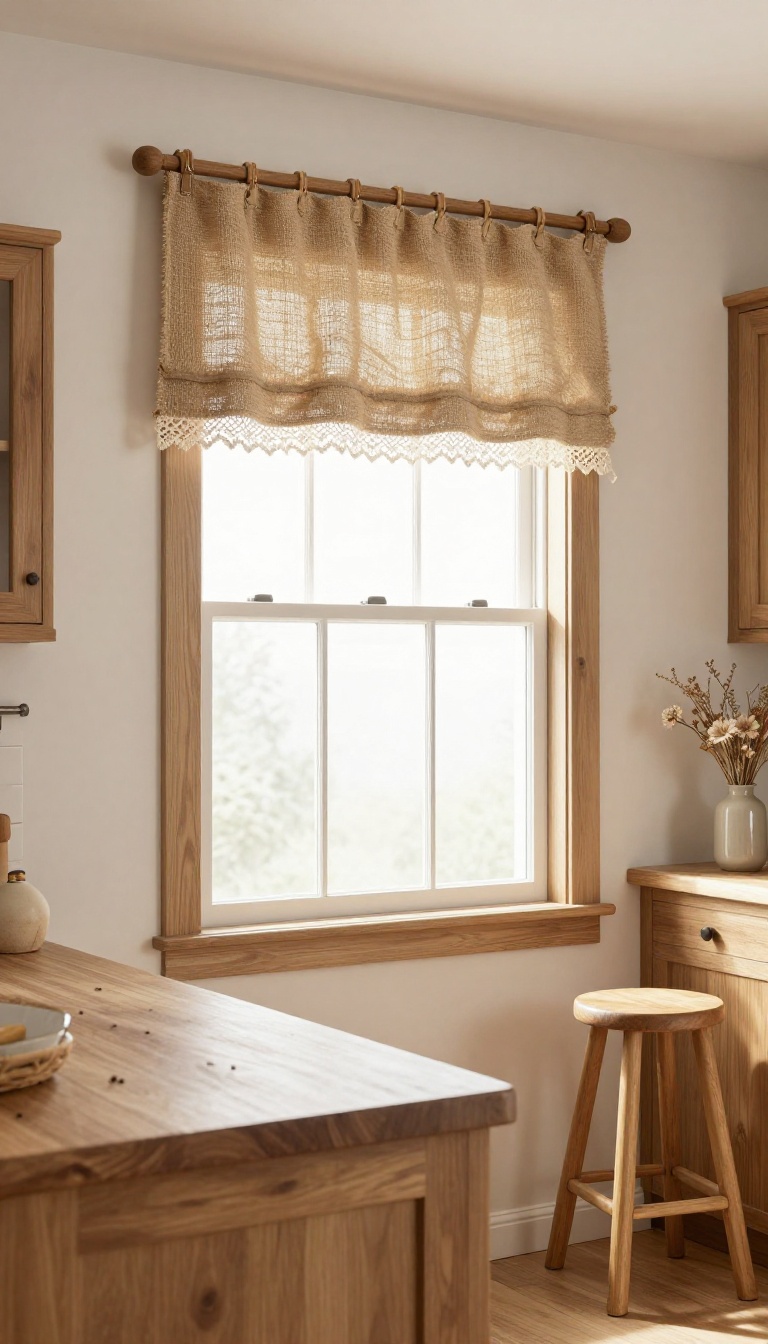
Burlap might not be the first fabric that comes to mind for window treatments, but it has a rugged charm that's perfect for farmhouse-style kitchens. Its natural texture adds warmth and depth, and it's surprisingly durable. Plus, burlap is easy to work with, making it a great choice for a DIY project.
A rustic burlap valance brings a down-to-earth feel that complements wood cabinets, butcher block counters, and other natural materials. It softens the window without being fussy, and its neutral tone pairs well with a variety of color schemes. Whether you choose a simple gathered style or add a few decorative touches, burlap adds instant character.
Why Burlap Works In The Kitchen
Burlap is a sturdy fabric that can handle the occasional splatter or steam from cooking. It's also breathable, which helps prevent moisture buildup. Its rough texture hides wrinkles and imperfections, so it always looks intentionally casual.
And because it's inexpensive, you can afford to make mistakes if you're sewing it yourself.
Simple Styling Ideas
For a classic look, gather burlap onto a tension rod with clip rings. You can also add a contrasting trim, like a strip of cotton lace or ribbon, to soften the rough edges. Pair it with wooden beads or small bells for a touch of whimsy.
If you want a more polished look, iron it flat and use it as a flat valance.
How To Care For Burlap
Burlap can be spot-cleaned with a damp cloth, but it's best to avoid machine washing unless you're prepared for it to shrink or fray. Vacuum it gently with an upholstery attachment to remove dust. If it gets wrinkled, a quick steam or a light iron on a low setting will smooth it out.
9. Patterned Fabric Valance
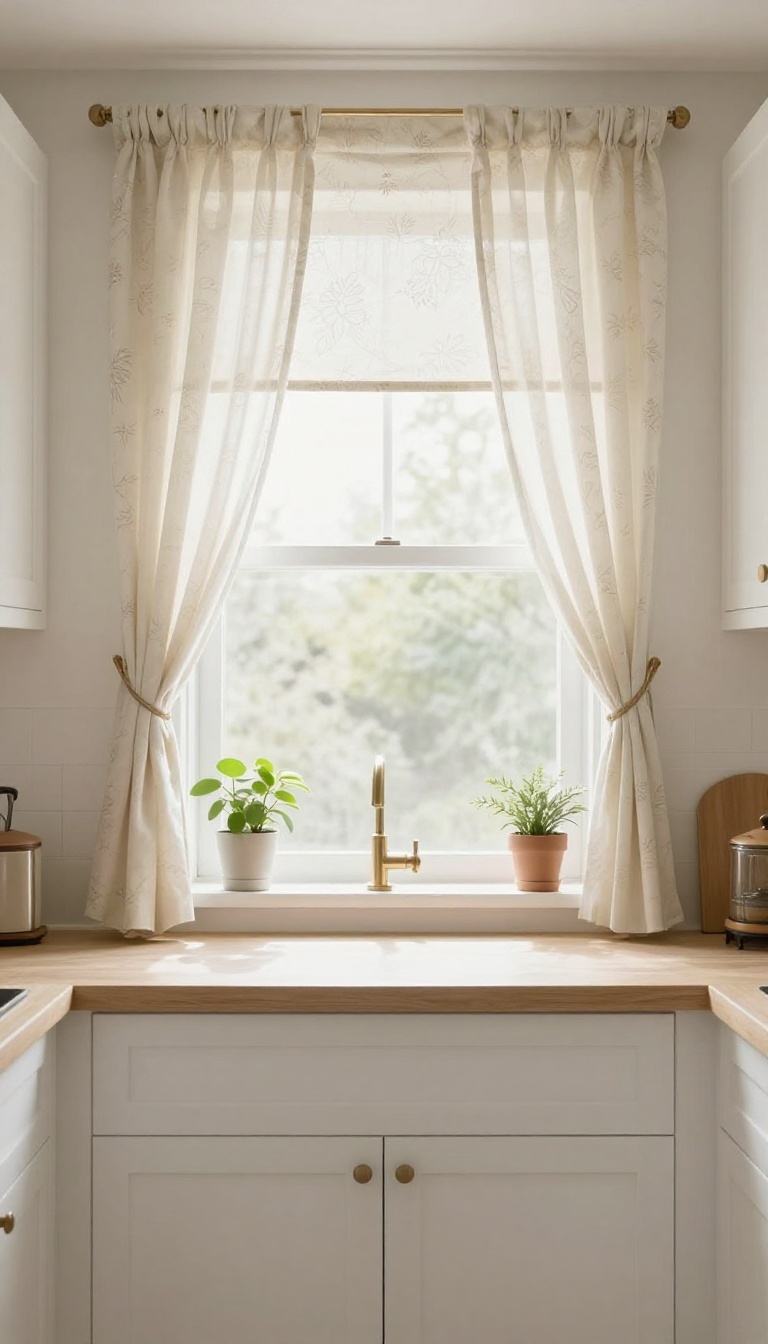
A patterned fabric valance is one of the easiest ways to give your kitchen a personality boost. Whether you choose a lively floral, a geometric print, or a subtle stripe, the right pattern can tie your whole color scheme together. It’s also a flexible option—switch it out seasonally or whenever you crave a fresh look.
Patterned valances work beautifully because they add visual interest without overwhelming the space. The trick is to balance the print with the rest of your kitchen’s decor. If your cabinets and walls are neutral, a bold pattern becomes the focal point.
If you already have busy countertops or backsplashes, opt for a smaller, more subdued print that complements rather than competes.
Choosing The Right Pattern
Think about the overall vibe you want. For a classic, timeless feel, go with a toile or a delicate damask. For a modern, playful touch, try geometric shapes or abstract designs.
Floral prints bring a cottage or shabby-chic charm, while stripes or checks offer a clean, tailored look. Consider the scale of the pattern too—large prints make a bold statement, but small prints can make a small window feel more expansive.
Fabric And Maintenance Tips
Cotton and linen are popular choices for valances because they’re breathable and easy to wash. If your kitchen gets a lot of moisture or grease, look for synthetic blends that resist stains and fading. Always check the care label—some fabrics need dry cleaning, while others can be tossed in the washing machine.
Ironing or steaming your valance keeps it looking crisp and polished.
Pairing With Other Window Treatments
A patterned valance can be the star on its own, or you can layer it with blinds or shades for extra privacy and light control. If you choose a valance with a bold print, keep the underlying shade neutral to avoid a busy look. For a cohesive design, pick one color from the pattern and use it in your throw pillows, rugs, or kitchen accessories.
10. Sheer Valance
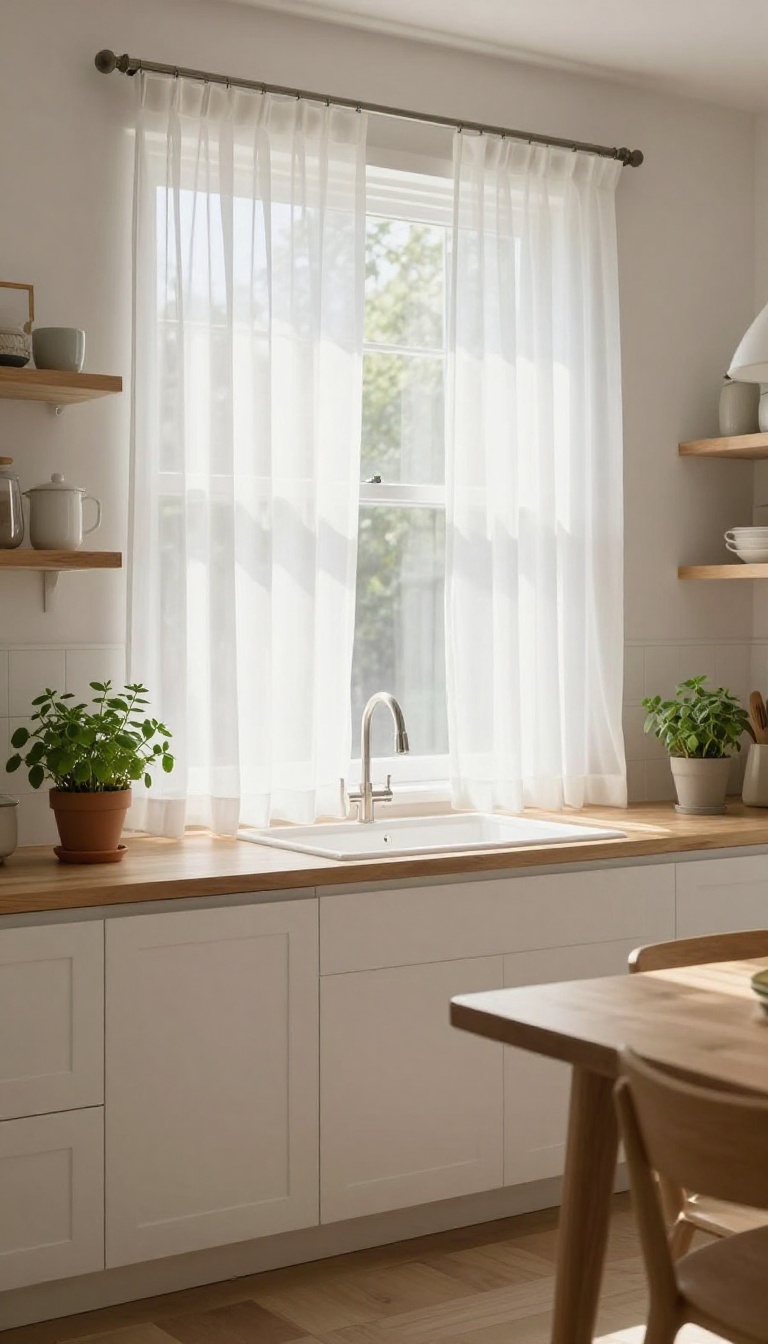
If your kitchen feels a bit dark or closed in, a sheer valance can work wonders. These lightweight fabrics let natural light flood through while still giving you a sense of privacy. They also add a soft, airy texture that makes the whole room feel more open and inviting.
Sheer valances are especially great for windows above the sink or in breakfast nooks where you want to enjoy the view without feeling exposed. They come in a variety of colors and patterns, so you can easily match them to your kitchen's style—from crisp white for a clean look to subtle stripes for a touch of charm.
When you choose a sheer valance, you're prioritizing brightness and a breezy feel. Unlike heavier fabrics that block light, sheers filter it gently, creating a warm, diffused glow. This makes them perfect for kitchens that get a lot of sun but still need a little coverage from prying eyes.
Another plus is their versatility. Sheer valances work well on their own or layered with blinds or shades. They're also easy to clean—most can be tossed in the washing machine, which is a bonus in a kitchen where grease and cooking smells can linger.
With so many options, you can find a sheer valance that's both practical and pretty.
Why Choose Sheer?
The main draw of a sheer valance is the light. If your kitchen feels cramped or dark, sheer fabric can make it feel larger and more welcoming. It also softens the harsh lines of windows, adding a touch of elegance without being fussy.
Plus, sheers are often more affordable than heavier treatments, so they're a budget-friendly way to refresh your space.
Fabric And Style Options
Sheer valances come in many fabrics, from lightweight polyester to natural linen. Polyester is durable and easy to care for, while linen offers a more textured, organic look. You can also find sheers with subtle patterns like dots, stripes, or floral motifs.
For a modern kitchen, go with a plain white or light gray; for a cozy, cottage feel, try a soft pastel or a delicate print.
Hanging And Layering Tips
Hang your sheer valance high and wide to make the window appear larger. Use a decorative rod that extends beyond the window frame, and let the fabric pool slightly for a romantic look. If you need more privacy, pair the valance with blinds or a shade underneath.
You can also layer two sheers in different colors for a custom, designer touch.
11. Tiered Valance
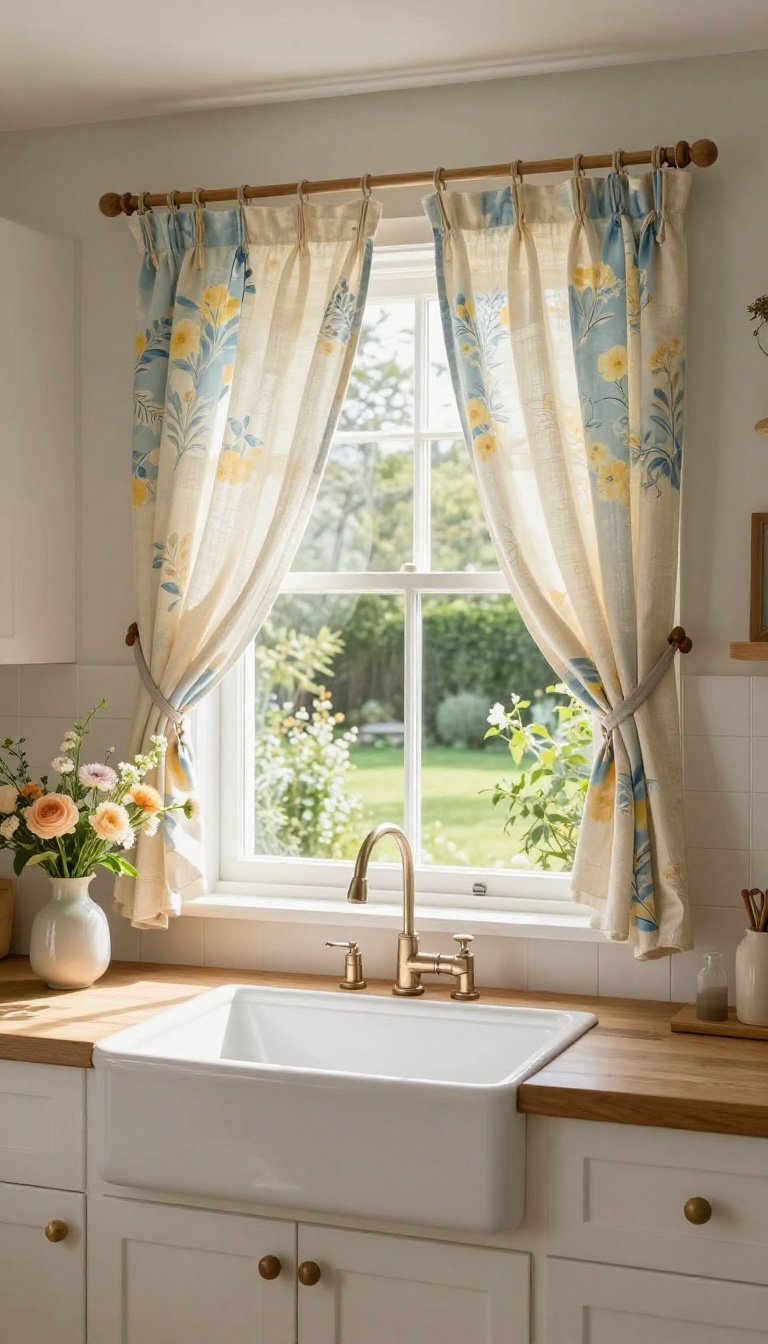
Layering isn't just for clothing—it works beautifully on windows, too. A tiered valance stacks two or more fabric panels, creating a rich, dimensional look that instantly adds depth to your kitchen. This style feels right at home in cottage, farmhouse, or shabby-chic spaces, where a bit of extra texture makes everything cozier.
The best part? You can mix colors, patterns, or even fabric weights to match your kitchen's personality.
Tiered valances are all about visual interest. The extra layers catch the light and cast soft shadows, making the window area feel like a focal point rather than an afterthought. They're also practical: the multiple layers can help block out more light or add a bit of insulation, depending on the fabric you choose.
If you're worried about upkeep, don't be—most tiered valances are just as easy to wash as single-layer ones, as long as you check the care label.
Choosing The Right Fabrics
For a cohesive look, pick two fabrics that complement each other—maybe a solid base with a patterned top, or two different textures like linen and cotton. Lighter fabrics keep the valance airy, while heavier ones like velvet or denim add warmth. If you want a playful vibe, go for contrasting colors or a mix of florals and stripes.
Installation Tips
Hanging a tiered valance is similar to a standard one, but you'll need a rod or board that can support the extra weight. Use a double rod if you want the layers to hang at different lengths, or a single rod with both panels attached. Make sure the valance sits high enough to let in natural light while still covering the top of the window.
Styling For Different Kitchen Themes
In a cottage kitchen, pair a white eyelet top layer with a gingham bottom for a sweet, nostalgic feel. For shabby-chic, choose soft pastels and ruffled edges. Even in a more modern kitchen, a tiered valance with clean lines and neutral tones can add unexpected depth without looking fussy.
12. No-Sew Valance
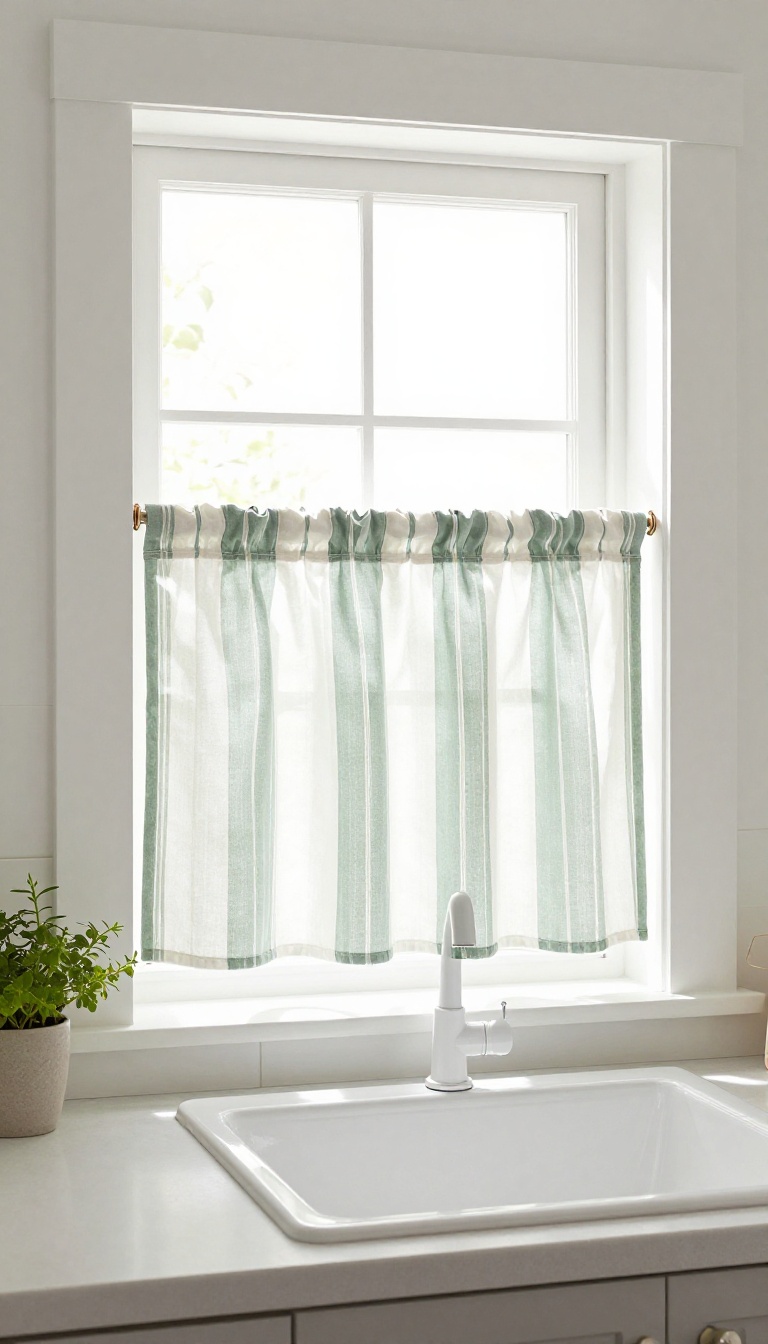
Not everyone has a sewing machine or the patience for hemming, and that's where the no-sew valance shines. This clever approach uses fabric glue, clips, or tension rods to create a polished window treatment in minutes. It's perfect for renters who can't make permanent changes or anyone who wants a quick, budget-friendly update without the fuss.
The no-sew valance is all about simplicity and versatility. You can use almost any fabric—from a cotton print to a linen blend—and attach it with iron-on hem tape, fabric glue, or clip-on curtain rings. Tension rods make installation even easier, as they require no drilling and can be adjusted to fit your window frame.
This method is ideal for temporary fixes, seasonal decor swaps, or testing out a new look before committing to something more permanent.
Choose The Right Fabric
Pick a fabric that suits your kitchen's style and is easy to work with. Lightweight cottons and polyesters are forgiving and hang nicely. Avoid heavy upholstery fabrics that might be too stiff or difficult to clip.
If you're using fabric glue, make sure the fabric has a clean edge or fold it over for a finished look.
Three Easy Attachment Methods
Tension rods are the simplest—just slide the fabric over the rod and adjust to fit. Clip rings work well with lightweight fabrics and allow you to change the valance quickly. Iron-on hem tape or fabric glue can create a neat hem without sewing, perfect for a more tailored appearance.
Each method takes less than 15 minutes to set up.
Make It Look Intentional
To avoid a makeshift look, add a decorative trim or use a fabric with a bold pattern that stands on its own. You can also layer the no-sew valance with a sheer curtain for depth. Ensure the valance is evenly gathered or flat, depending on the style you prefer, and secure any loose edges with fabric glue or clips.
When To Swap It Out
Because no-sew valances are so easy to change, you can update them with the seasons or whenever you feel like a refresh. Use them for holidays, summer vibes, or just to try a new color. They're also great for temporary fixes while you decide on a permanent treatment.
FAQ
What is the best fabric for a kitchen valance?
Cotton and polyester blends are great because they're durable, easy to wash, and resist fading. Avoid heavy fabrics that might hold moisture or grease.
How do I measure for a valance?
Measure the width of your window and add 2-4 inches for fullness. For length, decide how much of the window you want to cover—typically 12-18 inches from the top.
Can I install a valance without drilling?
Yes, use tension rods or adhesive hooks designed for lightweight valances. This is perfect for renters or temporary setups.
How do I clean a kitchen valance?
Most fabric valances can be machine washed on a gentle cycle and hung to dry. Check the care label first, and spot-clean when possible.
Do valances make a kitchen look smaller?
Not necessarily. A valance that matches the wall color or is sheer can make the window feel larger. Avoid heavy, dark valances that block light.
Conclusion
Choosing the right valance can truly transform your kitchen, making it feel more cohesive and welcoming. Whether you prefer the simplicity of a gathered valance or the structure of a cornice, there's an option that fits your style and skill level. Don't be afraid to mix and match or try a DIY project.
The key is to pick something that makes you smile every time you walk into the room. With these ideas, you're well on your way to a kitchen that's both beautiful and easy to use.