10 Outdoor Patio Ideas for Small Spaces That Feel Open
Small patios often get a bad rap for feeling cramped, but the truth is they just need a smarter layout. You don't need a huge yard to enjoy a cozy outdoor escape—just a few clever tricks can make the space feel twice as big.
Whether you're working with a tiny balcony or a narrow concrete slab, these ideas focus on real-world solutions that respect your budget and effort.
Let's dive into ten ways to open up your patio and make it the spot you actually want to hang out in.
1. Go Vertical with Wall Planters and Trellises
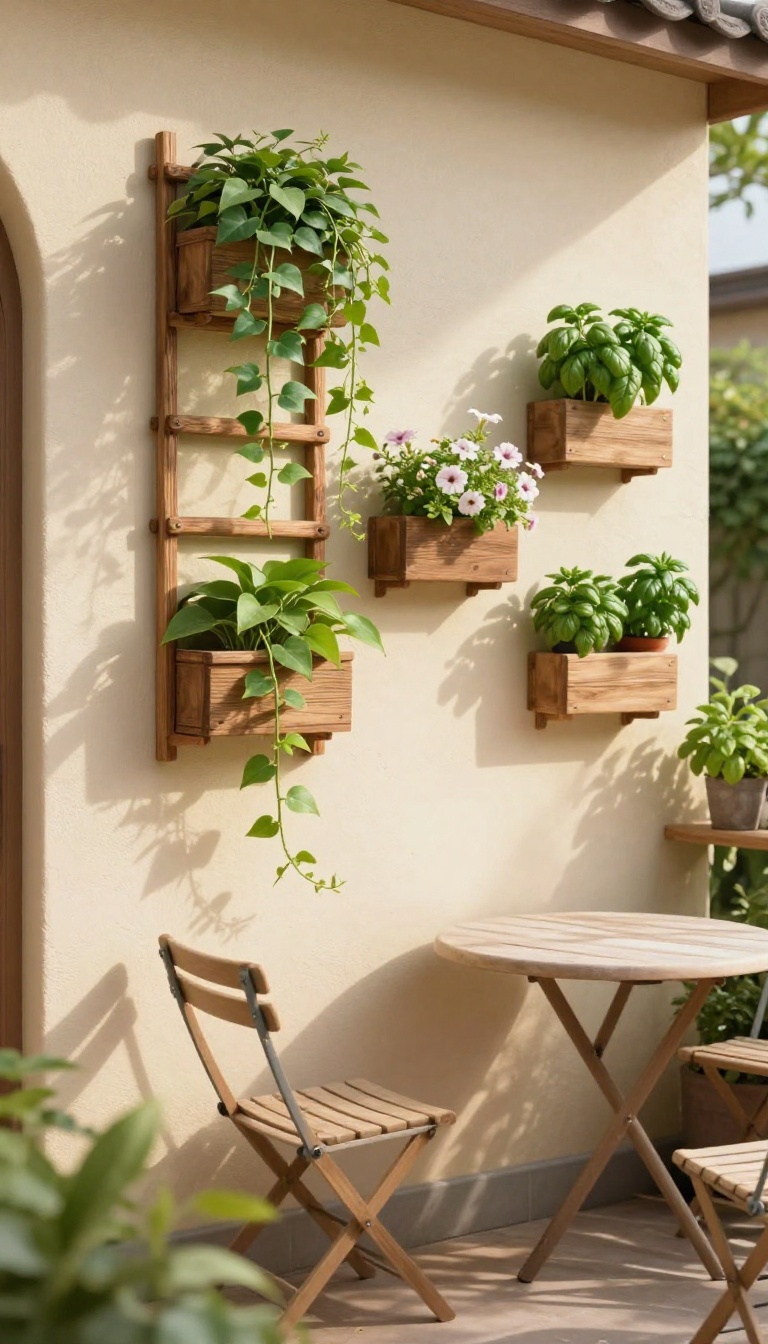
When floor space is tight, the walls are your best friend. Instead of letting them sit bare, turn them into a living, breathing garden. Vertical planting not only saves precious square footage but also draws the eye upward, making the patio feel taller and more open.
Start by picking a wall that gets decent sunlight. Attach a few wall planters or a trellis, then fill them with trailing vines, herbs, or compact flowers. This instantly adds greenery without taking up any floor room.
Plus, it creates a natural privacy screen if you're close to neighbors.
Choose The Right Plants
Not all plants thrive in vertical setups. Go for trailing varieties like ivy, pothos, or petunias that cascade nicely. If you want to grow food, herbs like basil, thyme, and mint work great in wall pockets.
Just make sure they get enough light and water regularly.
Diy Trellis Ideas
You don't need to buy a fancy trellis. A simple wooden lattice or even a repurposed pallet can work. Lean it against the wall and let climbing plants like jasmine or clematis take over.
It's a budget-friendly way to add height and charm.
Maintenance Tips
Vertical gardens dry out faster than ground beds, so check moisture often. A drip irrigation system can be a lifesaver, but a simple watering can works too. Prune regularly to keep growth tidy and encourage bushier plants.
2. Choose Foldable or Stackable Furniture
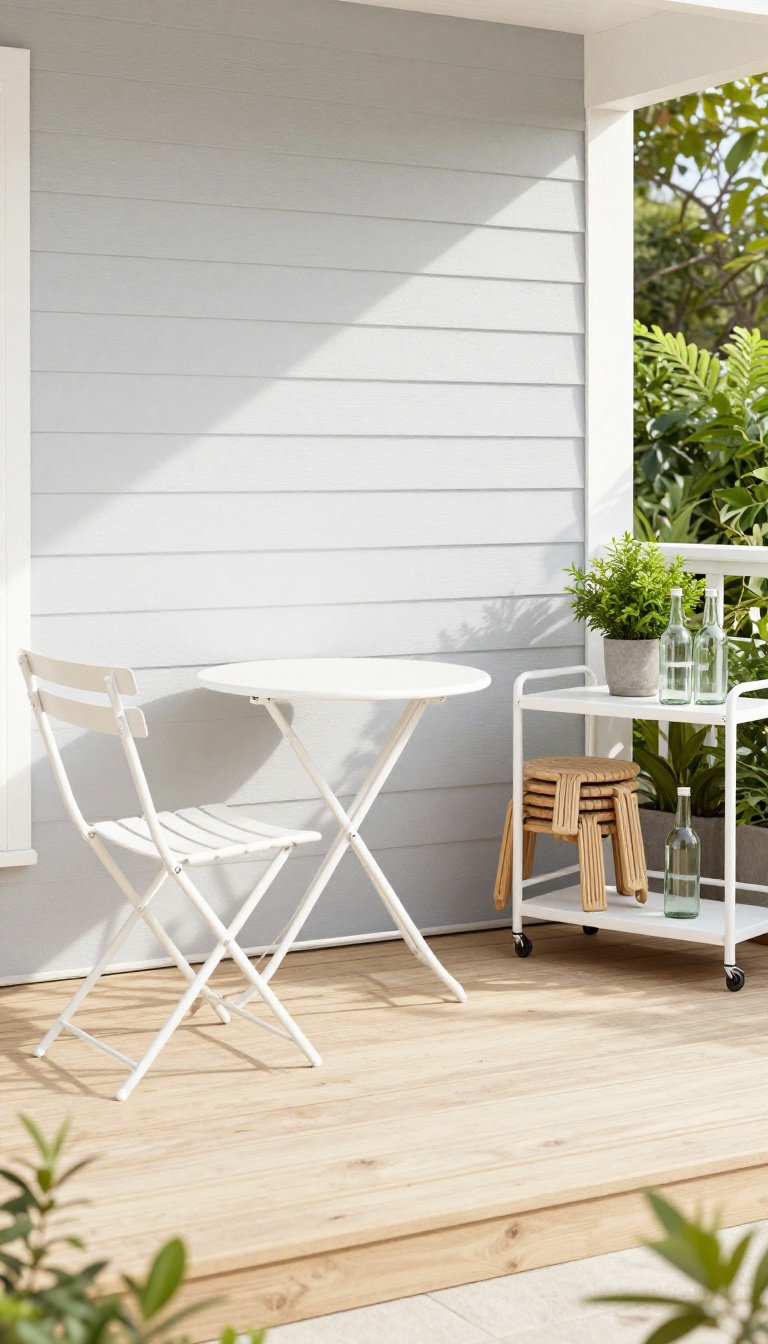
Fixed furniture can eat up a small patio faster than you'd think. The trick is to bring in pieces that can step aside when you need more room. Foldable chairs, stackable stools, or a drop-leaf table let you switch from dining to lounging in seconds.
Start with a folding bistro set that tucks against a wall when not in use. Add stackable stools that double as side tables or extra seating. A foldable bar cart can serve drinks, then roll away to clear the floor.
The goal is flexibility—every piece should earn its spot by being useful in more than one way.
Why Flexibility Matters
On a small patio, every square foot counts. Fixed furniture forces you into one layout, but foldable pieces let you adapt. Host a dinner, then clear the space for yoga or a kids' play area.
You get more use out of the same footprint without feeling boxed in.
Best Foldable Picks For Tight Spots
Look for folding Adirondack chairs that lie flat against a wall, a drop-leaf table that shrinks to a narrow console, and stackable stools that pile neatly in a corner. Materials matter—aluminum or teak resist weather and stay light enough to move easily. Avoid heavy wrought iron that's a pain to fold and store.
Storage Tricks That Keep It Tidy
Even foldable furniture needs a home. Use a slim outdoor storage bench that doubles as seating, or hang a wall-mounted rack for chairs. Keep a small weatherproof bin for cushions and accessories.
When everything has a place, the patio feels instantly larger and more inviting.
3. Use Light Colors to Visually Expand
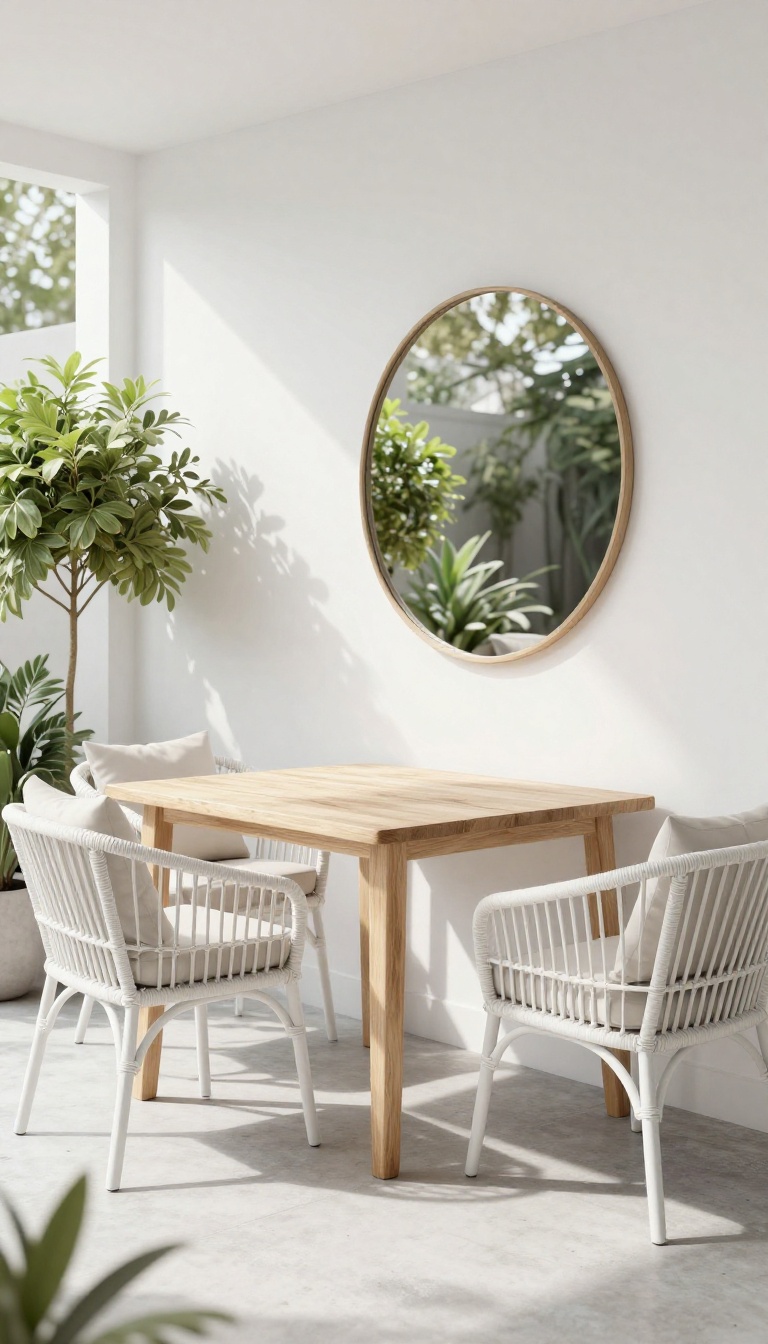
Color has a sneaky way of changing how a space feels. Dark tones absorb light and make boundaries more obvious, while pale shades bounce sunlight around and blur the edges. On a small patio, that trick alone can make the whole area feel more open and less boxed in.
You don't need to repaint everything, but a few strategic light-colored updates can go a long way. Think of it as giving your patio a breath of fresh air—literally lighter and brighter.
Paint The Walls And Floor First
If your patio has a wall or a fence, that's your biggest canvas. A coat of white, cream, or light gray can instantly open up the space. For the floor, consider a light-colored outdoor rug or a fresh coat of concrete paint.
Lighter surfaces reflect sunlight instead of soaking it in, which makes the whole area feel airier. Don't worry about maintenance—modern outdoor paints are made to handle weather and foot traffic. Just pick a shade that complements your home's exterior and go for it.
Choose Furniture In Soft, Neutral Tones
Your furniture is the next big player. Dark wood or heavy black metal can feel visually heavy, even if the pieces are small. Swap them for light wicker, white metal, or pale wood finishes.
Cushions in soft whites, beiges, or pastel tones keep the look cohesive and breezy. You don't have to replace everything at once. Even adding a few light-colored throw pillows or a pale outdoor rug can shift the whole vibe.
Add Mirrors To Double The Light
Mirrors aren't just for inside. A large outdoor mirror placed on a shaded wall can bounce light around and make the patio feel twice as big. Choose a frame that matches your style—maybe a simple white border or a rustic wooden one that's been painted light.
Just make sure it's rated for outdoor use, or keep it in a covered area to avoid weather damage. The effect is instant: more light, more depth, and a bigger-looking space.
Keep Decor Light And Bright
Small decor items matter too. Dark planters, heavy lanterns, and bold patterns can clutter a small patio visually. Instead, go for light-colored pots, string lights with warm white bulbs, and simple accents in white, sand, or soft pastels.
Even your plants can help—choose ones with light green or silver foliage to keep the palette airy. The goal is to create a seamless, open feel where nothing grabs your eye too hard.
4. Add Mirrors to Create Depth
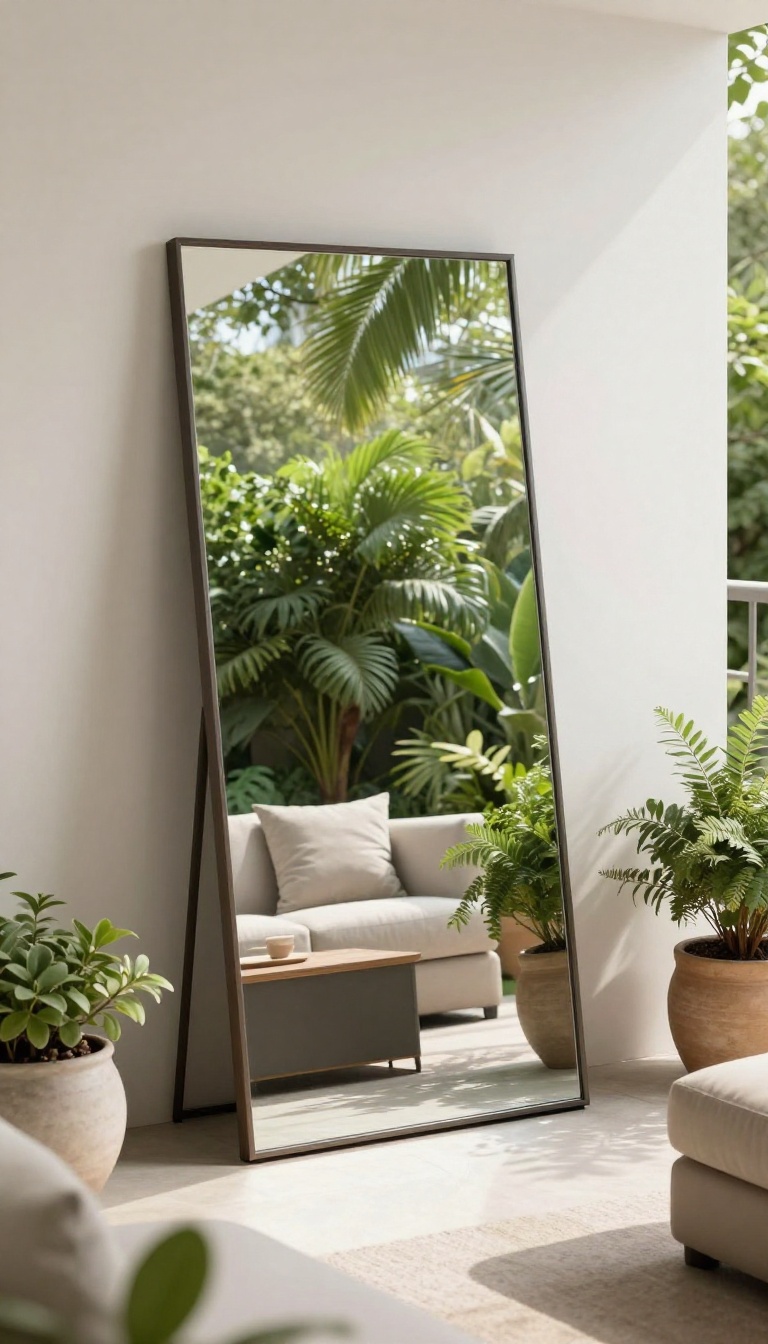
Mirrors aren't just for indoors. An outdoor-rated mirror can visually double your patio's square footage by reflecting light and greenery. It's a simple trick that makes a small space feel like a much larger retreat, without any construction.
Place a large mirror on a shaded wall to reflect the rest of your patio or garden. Angle it to capture a nice view or a potted plant, and the eye will naturally follow the reflection, making the area seem deeper. Just make sure the mirror is rated for outdoor use and sealed against moisture.
Choose The Right Spot
The best spot for a mirror is a wall that doesn't get direct, harsh sunlight for long periods—morning or late afternoon light is fine, but intense midday sun can cause glare and heat buildup. Also, avoid placing it where it will reflect a blank wall or a cluttered corner; you want it to show something pleasant, like a plant or a string of lights.
Style It Like Art
Treat the mirror as a piece of art. You can frame it with weatherproof molding or choose a decorative metal frame that matches your patio furniture. Hang it vertically for a taller feel or horizontally to widen a narrow space.
If you're worried about it looking too plain, lean it against the wall at a slight angle for a more casual, relaxed vibe.
Safety And Maintenance
Outdoor mirrors need a little extra care. Clean them regularly with a mild glass cleaner to keep the reflection crisp. During extreme weather, like heavy storms or freezing temperatures, consider bringing the mirror inside or covering it to prolong its life.
And always secure it properly—use sturdy hooks or brackets designed for outdoor use.
5. Incorporate Multi-Functional Pieces
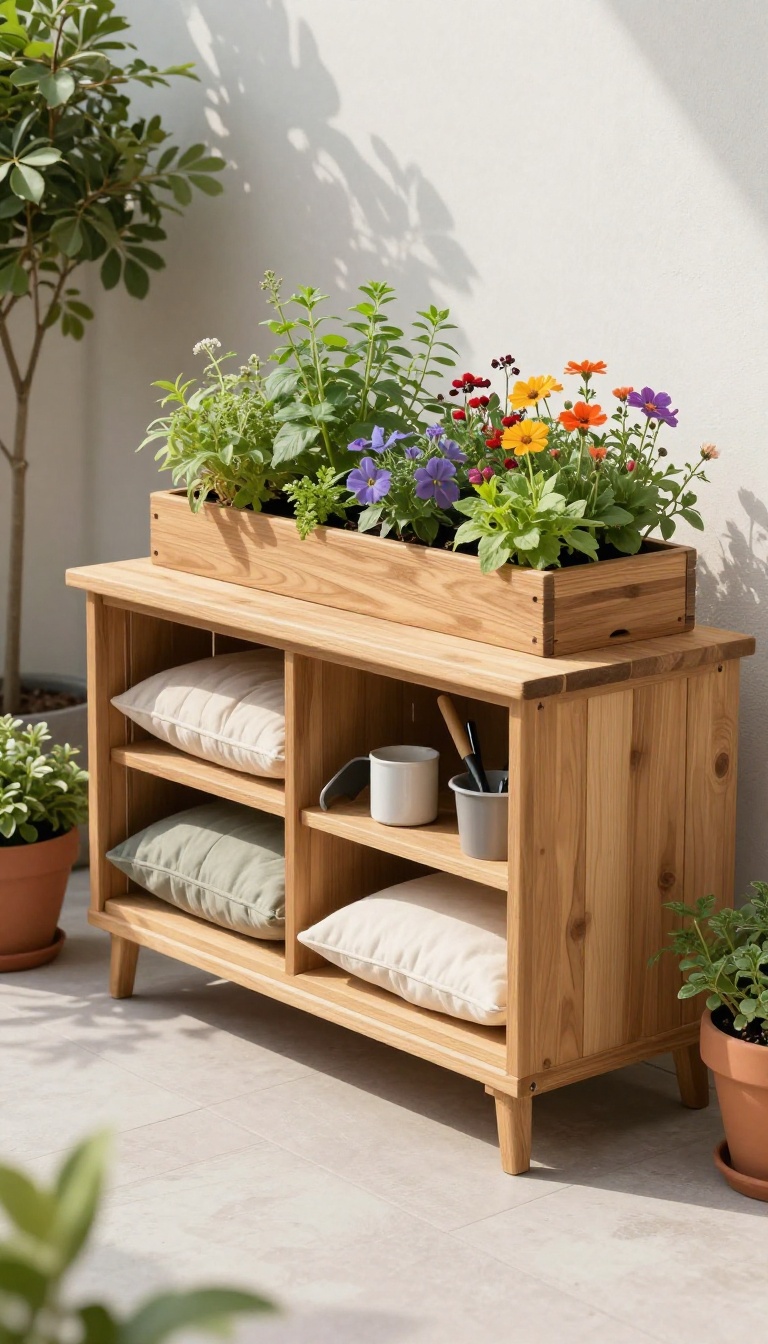
Every square inch counts on a small patio, so why not let your furniture work harder? Multi-functional pieces are the secret weapon for tiny outdoor spaces—they give you the function you need without cluttering the area. Think of a bench that opens up for storage or a coffee table with a built-in planter.
These smart choices keep your patio organized and inviting, all while saving valuable floor space.
When you choose furniture that does double duty, you instantly free up room for other essentials. A storage bench can hide cushions, gardening tools, or kids' toys, while a table with built-in planters adds greenery without taking up extra floor space. The key is to pick pieces that blend seamlessly with your style and serve a practical purpose.
Multi-functional furniture isn't just about saving space—it's about making your patio more livable. You can host a dinner party, store extra supplies, and enjoy a beautiful garden all in one compact area. With a little creativity, your small patio can feel like a much larger, more versatile retreat.
Storage Benches That Work Overtime
A storage bench is a classic choice for small patios. It offers a comfortable seat and a hidden compartment for all your outdoor essentials. Use it to store throw pillows, blankets, or even gardening supplies.
Place it against a wall or under a window to maximize space without blocking the view.
Tables With Built-in Planters
Coffee tables or side tables with integrated planters let you enjoy fresh herbs or colorful flowers without sacrificing surface area. These tables often have a hollow center where you can place pots or even plant directly. They're perfect for adding a touch of green to a compact patio while still having a place to set your drink.
Ottomans That Open Up
Ottomans are incredibly versatile—they can serve as extra seating, a footrest, or a small table. Look for ottomans with removable tops that reveal storage space inside. You can stash outdoor games, extra napkins, or even a small cooler.
They're lightweight and easy to move around, making them ideal for flexible patio layouts.
Folding Furniture For Easy Flexibility
Folding chairs and tables are the ultimate space-savers. When not in use, they can be folded flat and stored against a wall or in a corner. This leaves your patio open for other activities, like yoga or a kids' play area.
Choose durable materials like aluminum or teak that can withstand the elements and fold away without hassle.
6. Hang String Lights for an Open, Airy Feel
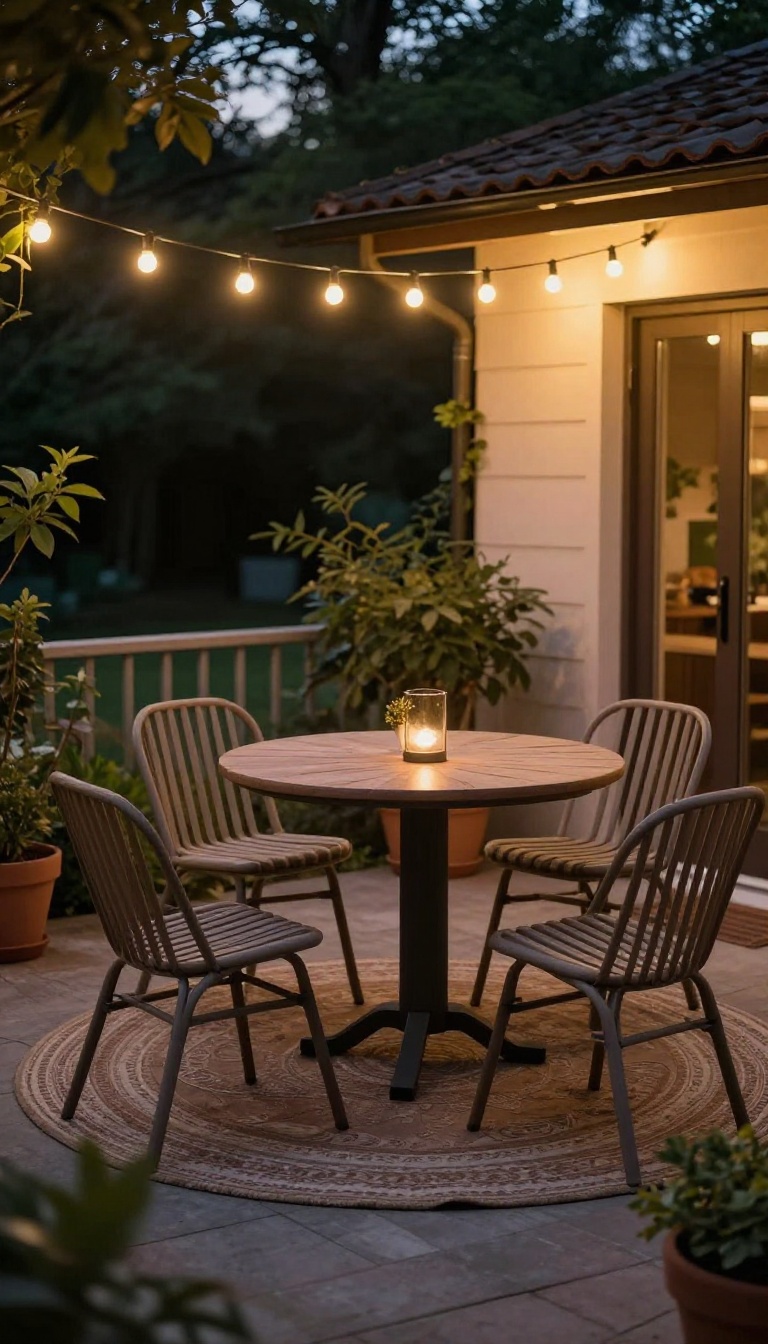
Lighting can make or break a small patio, and string lights are the easiest way to add both brightness and charm. They don't take up any floor space, so your square footage stays clear for furniture and movement. Plus, the glow they cast makes the whole area feel softer and more inviting, even after the sun goes down.
String lights work double duty on a compact patio. They brighten the space for evening use, but they also create a visual trick that makes the ceiling feel higher and the area feel larger. When you hang them overhead, your eye naturally follows the line of lights upward, drawing attention away from the limited floor area.
This simple shift in focus can make a tiny balcony or narrow patio feel open and airy, not boxed in.
Choose The Right Type Of Lights
Not all string lights are created equal. For a small patio, you want something that provides a warm, ambient glow without being overpowering. LED bulbs are a great choice because they stay cool and use less energy.
Look for weatherproof options with a warm white color temperature—around 2700K—to mimic the cozy feel of incandescent bulbs. Avoid colored or overly bright lights, which can make the space feel cluttered and harsh.
Hang Them Strategically
The way you hang the lights matters just as much as the lights themselves. If you have a pergola or awning, drape them along the beams in a gentle zigzag or crisscross pattern. This adds visual interest and makes the ceiling feel less flat.
For a balcony or open patio, attach hooks to the walls or railing and string the lights across the top. You can also use a freestanding pole or a plant stand to create a vertical anchor point without drilling holes.
Layer With Other Lighting
String lights work best when they're part of a layered lighting scheme. Add a few candles, a lantern, or a small table lamp to create pools of light at different heights. This not only makes the space more functional but also adds depth and warmth.
The combination of overhead string lights and lower-level lighting makes the patio feel like a true outdoor room, not just a dim corner.
Keep It Simple And Safe
Safety is key when hanging anything outdoors. Make sure your lights are rated for outdoor use and that all connections are protected from moisture. Use zip ties or clips instead of nails to avoid damaging surfaces.
Also, don't overload the string—stick to the manufacturer's limit on how many sets you can connect. A clean, simple installation will not only look better but also last longer.
7. Use a Compact Bistro Set for Dining
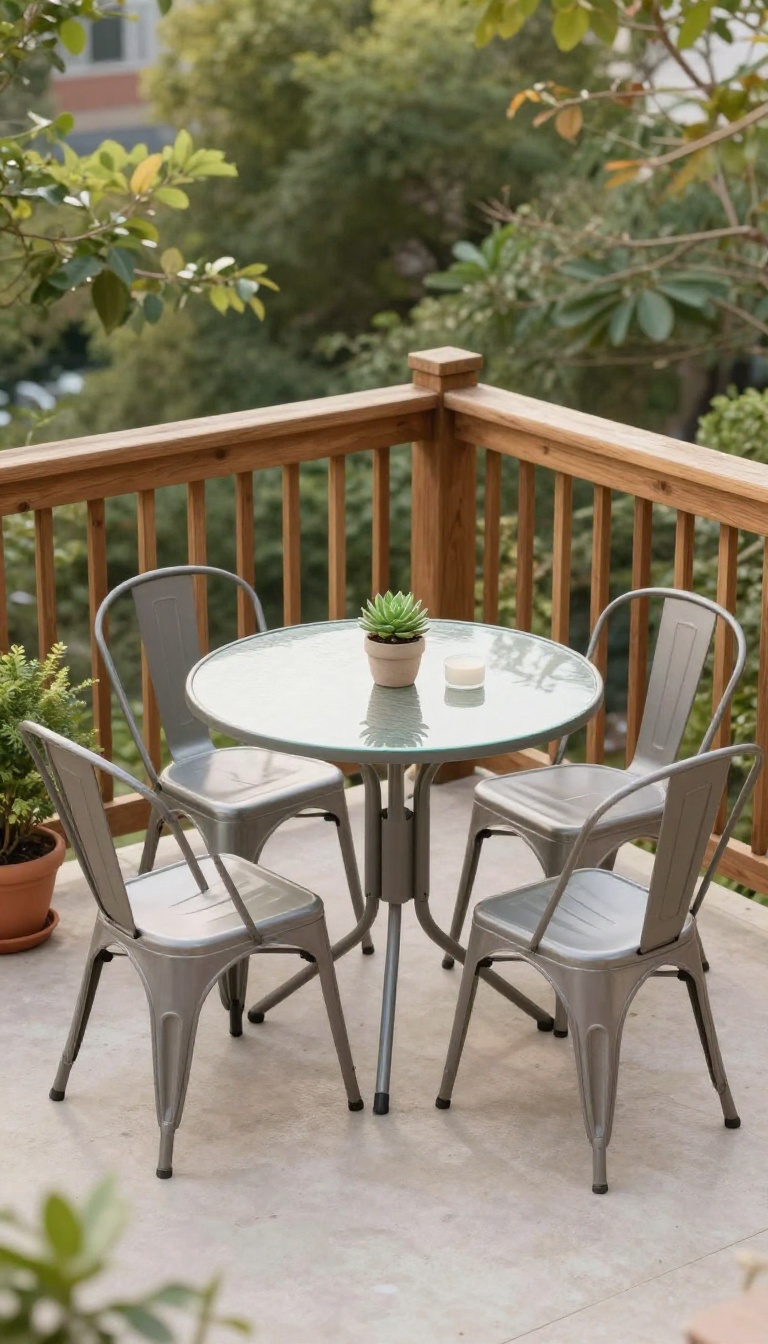
Dining outside doesn't have to mean a full-size table and six chairs. A compact bistro set gives you a spot for meals without swallowing the whole patio. It's a simple swap that keeps things functional and airy.
A bistro set typically includes a small round table and two chairs, which is just enough for a morning coffee or a cozy dinner for two. The key is to choose a set with a slim profile and maybe a glass or mesh tabletop so it doesn't visually block the space. You can even tuck it against a wall or railing to leave the center open for movement.
Pick The Right Size And Shape
Measure your patio before buying. A table that's 24 to 30 inches in diameter works well for most small spaces. Round tables are better than square ones because they don't have sharp corners and make the area feel softer.
Also, look for folding or stackable chairs that can be stored when not in use.
Style It Without Cluttering
Keep the table simple with a small potted plant or a single candle. Avoid bulky cushions or extra decor that takes up visual space. If you want a pop of color, choose chairs with slim frames in a bright hue.
That adds personality without making the patio feel crowded.
Make It A Multi-use Spot
A bistro set isn't just for eating. It can double as a workspace for your laptop or a place to enjoy a book. Place it near an outlet if you plan to use it for work.
In the evening, add a string light overhead to create a cozy nook.
8. Install a Corner Bench with Storage
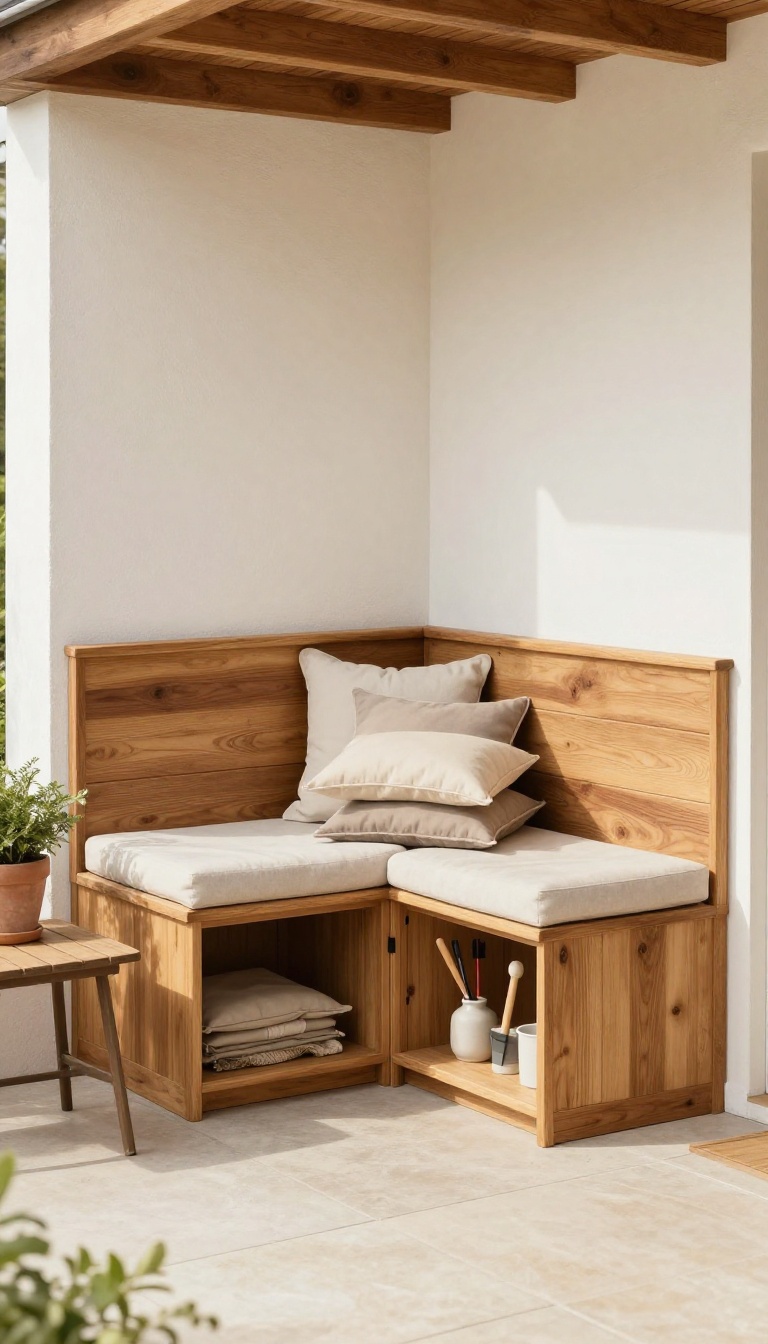
Corners often become dumping grounds for stray pots or that one chair you never sit in. Instead of letting them go to waste, a built-in corner bench turns dead space into a cozy seating nook with a hidden bonus: storage. It's a two-for-one that makes your patio feel more intentional and open.
A corner bench with storage is a smart way to add seating without cluttering the middle of your patio. The bench hugs the walls, leaving the center open for movement, while the space underneath becomes a tidy home for cushions, gardening tools, or board games. You can build one from scratch or buy a modular kit, and it instantly makes the area feel more put-together.
Why A Corner Bench Works So Well
Corners are usually wasted on small patios, but a bench turns them into a functional feature. By placing seating along two walls, you free up the center for walking or a small table. The storage underneath keeps clutter out of sight, which helps the whole space feel larger and more organized.
Built-in Vs. Modular: Which To Choose
Built-in benches are custom-fit and can maximize every inch, but they require more work and planning. Modular options are easier to install and can be moved if you change your mind. For renters, a freestanding corner bench with a storage ottoman or box underneath is a flexible, no-drill solution.
Storage Ideas To Keep Things Tidy
Use the hidden space for items you need but don't want on display: extra seat cushions, throw pillows, small gardening tools, or outdoor games. You can add weatherproof bins inside to keep everything dry and organized. A hinged seat makes access easy, so you'll actually use the storage.
Style Tips To Keep It Light And Airy
Choose a light wood tone or white finish to keep the bench from feeling bulky. Add a few outdoor cushions in a soft neutral or a subtle pattern to make it comfortable without overwhelming the space. Keep the top clear when not in use, so the corner feels open rather than cluttered.
9. Add a Rug to Define Zones
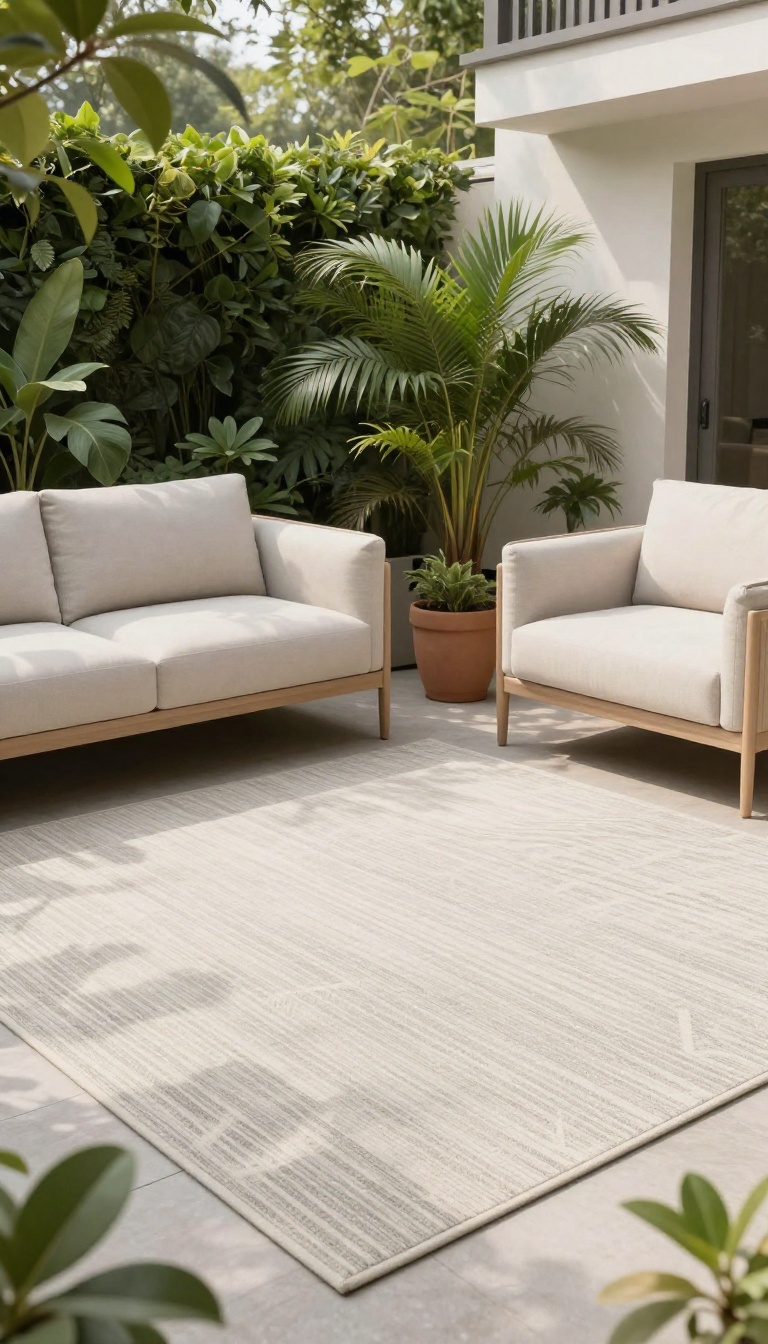
A rug might seem like a purely indoor thing, but on a small patio, it’s a total game-changer. It anchors your furniture and instantly creates a clear focal point, even if the space is just a few square feet. The right rug can make the area feel intentional and organized, which goes a long way in making it seem larger.
When you place a rug under your seating group, it visually separates that area from the rest of the patio. This trick works especially well if your patio is a long, narrow strip or a small square that could easily feel like a catch-all. The rug draws the eye to a defined zone, giving the space a purpose and a sense of order.
Plus, it adds a layer of comfort underfoot, making the area more inviting for lounging or dining.
Pick The Right Size And Material
Size matters more than you might think. A rug that’s too small will look lost, while one that’s too big can swallow the whole space. Aim for a rug that fits under the front legs of your chairs or extends a few inches beyond the furniture on all sides.
For materials, choose something durable and weather-resistant, like polypropylene or outdoor-specific fabrics. These hold up against sun, rain, and foot traffic, and they’re easy to clean with a hose.
Use Patterns To Create Depth
A bold pattern or a light color can make the patio feel more open. Lighter shades reflect light, while busy patterns hide dirt and add visual interest. Don’t be afraid to go with a striped or geometric design—it can make the space feel more dynamic without overwhelming it.
Just keep the rest of your decor simple so the rug can do the heavy lifting.
Layer Rugs For A Cozy Look
If you have an odd-shaped area or want extra warmth, layering rugs is a stylish solution. Start with a large, neutral base rug and top it with a smaller, patterned one. This adds texture and depth, making the patio feel more curated.
Just make sure both rugs are outdoor-safe and that the top rug is anchored well to avoid slipping.
10. Use Potted Plants to Frame the Space
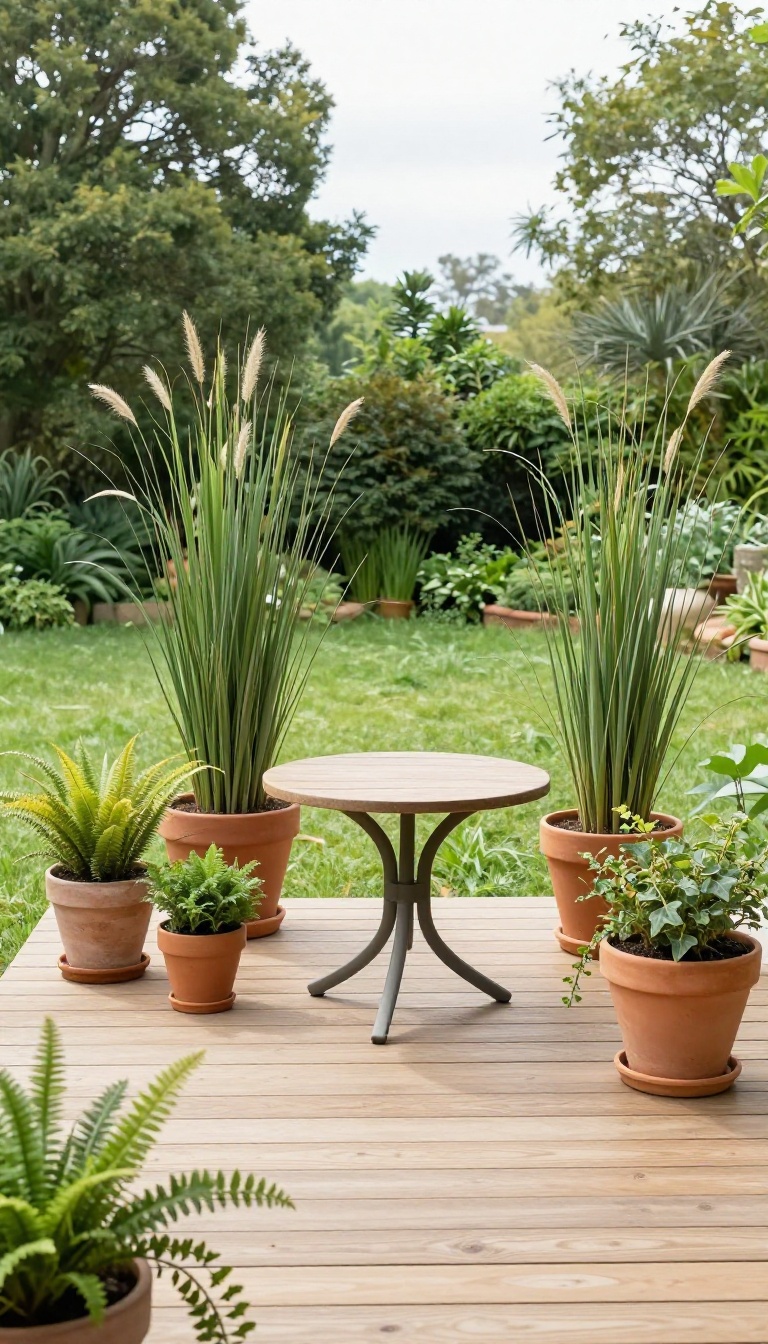
Plants are the easiest way to soften the edges of a small patio and make it feel connected to the outdoors. Instead of letting the boundaries of your space feel hard and abrupt, use potted greenery to create a natural frame that draws the eye outward. This trick not only adds life and color but also makes the area feel larger by blurring the line between your patio and the rest of your yard or balcony.
When you place pots along the perimeter, you're essentially building a living border that guides the eye and adds depth. The key is to vary the heights and sizes so it doesn't look like a row of soldiers. Mix tall plants like ornamental grasses or small trees with lower trailing varieties to create a layered effect that feels organic and inviting.
Choose The Right Pots
Pick pots that match your style but also fit the scale of your patio. Oversized containers can overwhelm a small space, while tiny pots might get lost. Go for a mix of materials like terracotta, ceramic, or lightweight resin, and consider using plant stands or pedestals to elevate some pots and add visual interest without taking up floor space.
Create A Natural Transition
Place pots at the corners and along the edges to soften the transition from patio to lawn or walkway. Use plants with soft, flowing textures like ferns or trailing ivy to blur the hard lines. This creates a sense of openness because your eye moves past the boundary instead of stopping at it.
Use Plants To Define Zones
On a small patio, you can use potted plants to subtly divide the space into different areas, like a dining nook or a lounging spot. A couple of tall planters can act as a gentle separator without blocking light or views. This makes the patio feel more purposeful and larger because each zone has its own function.
FAQ
What is the best way to make a small patio feel larger?
Use light colors, vertical gardening, and mirrors to create an illusion of space. Also, keep furniture minimal and multi-functional.
Can I have a dining area on a small patio?
Yes, a compact bistro set or a foldable table can provide a dining spot without taking up too much room.
How do I add privacy to a small patio without making it feel closed in?
Use tall, narrow plants, lattice screens, or outdoor curtains that can be drawn back when you want an open feel.
What are some budget-friendly patio ideas for small spaces?
Repurpose items like pallets for furniture, use string lights for ambiance, and opt for potted plants instead of expensive landscaping.
How can I store patio items without cluttering the space?
Incorporate furniture with built-in storage, like benches with lift-up seats, or use decorative baskets that double as side tables.
Conclusion
Making a small patio feel open is less about square footage and more about smart choices. Start with one or two ideas that fit your space and routine—maybe a foldable bistro set or a vertical planter—and build from there. You don't need a big budget or a contractor to make a real difference.
The best small patios evolve over time, so give yourself permission to experiment. Mix a few of these tricks, see what works for your daily life, and adjust as you go. Before long, you'll have a spot that feels bigger than it is—and exactly like yours.