11 Outdoor Patio Flooring Ideas to Upgrade Bare Ground
Bare ground underfoot can make even the nicest backyard feel unfinished, but the right patio flooring changes that instantly. From sleek porcelain to soft rubber tiles, the options go far beyond plain concrete.
These 11 ideas cover everything from quick DIY fixes to longer-lasting upgrades, so you can match the surface to how you actually use the space.
Whether you want a stable base for dining or a cushioned zone for kids, there’s a solution here that fits your budget and style.
1. Classic Concrete Pavers
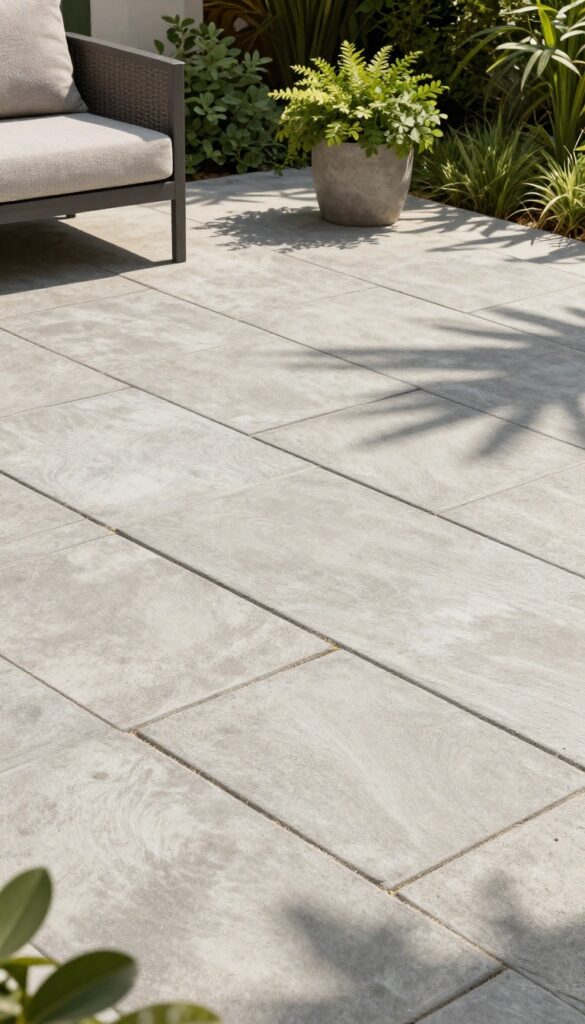
Concrete pavers have been a go-to for patios for decades, and it's easy to see why. They offer a clean, uniform look that fits almost any home style, from modern to traditional. Plus, they're tough enough to handle heavy foot traffic, furniture, and weather without breaking a sweat.
When you choose concrete pavers, you're getting a surface that's both practical and attractive. They come in a wide range of shapes, sizes, and colors, so you can create a pattern that's uniquely yours. Whether you prefer a classic grid or a more intricate herringbone, pavers give you the flexibility to design a patio that feels intentional and polished.
Why Concrete Pavers Work So Well
One of the biggest perks of concrete pavers is their durability. They're made to withstand freezing temperatures, heavy rain, and scorching sun without cracking or fading. Unlike poured concrete, individual pavers can be replaced if one gets damaged, which makes repairs a breeze.
Plus, they're slip-resistant, so you won't have to worry about wet surfaces after a rain shower.
Installation Tips For A Solid Base
Getting the base right is key to a long-lasting paver patio. Start by excavating the area to a depth of about 6-8 inches, then add a layer of crushed stone and compact it well. On top of that, spread a 1-inch layer of sand and level it.
Lay the pavers with a slight slope away from your house to ensure proper drainage. Finish by sweeping sand into the joints and compacting the surface again. It's a doable weekend project if you're handy, but hiring a pro is always an option.
Design Ideas To Make Yours Stand Out
Don't just stick to a plain grid. Mix different paver sizes or colors to create a unique pattern. For a modern look, go with large-format pavers in a neutral tone.
For a more rustic feel, choose pavers with varied textures and earthy colors. You can also add a border in a contrasting shade to define the patio edge. The possibilities are endless, so have fun with it.
2. Natural Stone Tiles
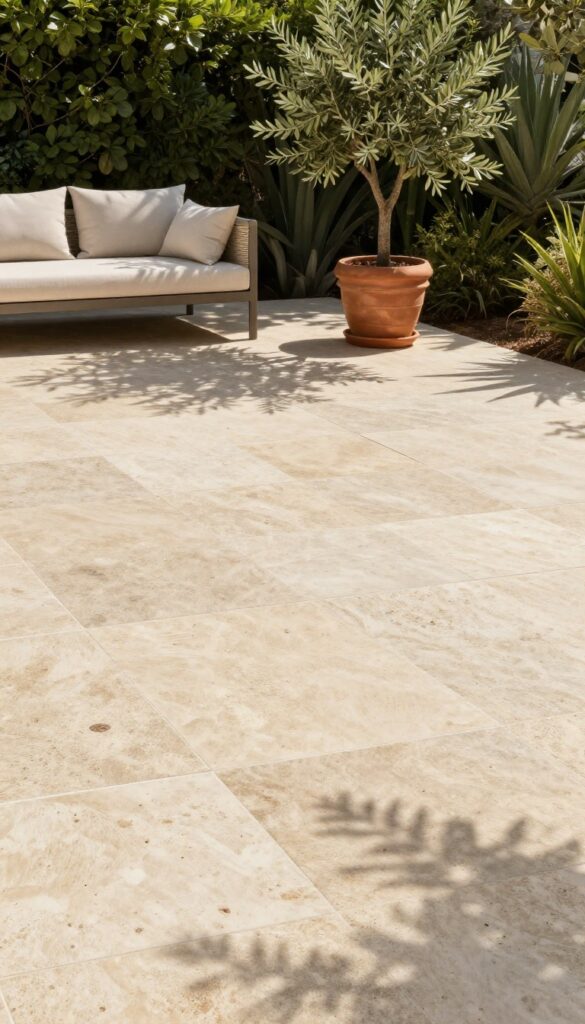
If concrete feels a bit too basic, natural stone brings a quieter kind of luxury. Travertine and slate have been around for centuries, and they still manage to make a patio look like it was designed by someone with impeccable taste. The catch?
It’s pricier than most options, but the payoff is a surface that only gets better with age.
Natural stone tiles come in a few popular varieties, each with its own personality. Travertine offers that classic, warm Mediterranean look with subtle pitting and earthy tones. Slate, on the other hand, is darker and more dramatic, with a rough texture that’s naturally slip-resistant.
Both are durable enough to handle years of foot traffic and weather, and they age gracefully—developing a patina that adds character rather than looking worn.
Why Choose Stone?
Stone tiles aren’t just about looks. They stay cooler than concrete in direct sun, which makes barefoot walks more comfortable on hot days. They also absorb less heat, so the patio remains usable even during peak summer hours.
Plus, each tile has unique veining and color variations, so no two patios look exactly alike.
Installation And Maintenance
Installing natural stone requires a solid base and proper sealing to prevent stains and moisture damage. It’s a job best left to pros unless you’re comfortable with heavy lifting and precise leveling. Once in place, maintenance is straightforward: sweep regularly, rinse with a hose, and reseal every couple of years to keep the stone looking fresh.
Cost And Value
Expect to pay more upfront—anywhere from $15 to $30 per square foot installed, depending on the stone and your location. But consider it an investment. A well-maintained stone patio can boost your home’s resale value and last decades without needing replacement.
If you’re planning to stay put for a while, the cost per year of use becomes surprisingly reasonable.
3. Pea Gravel
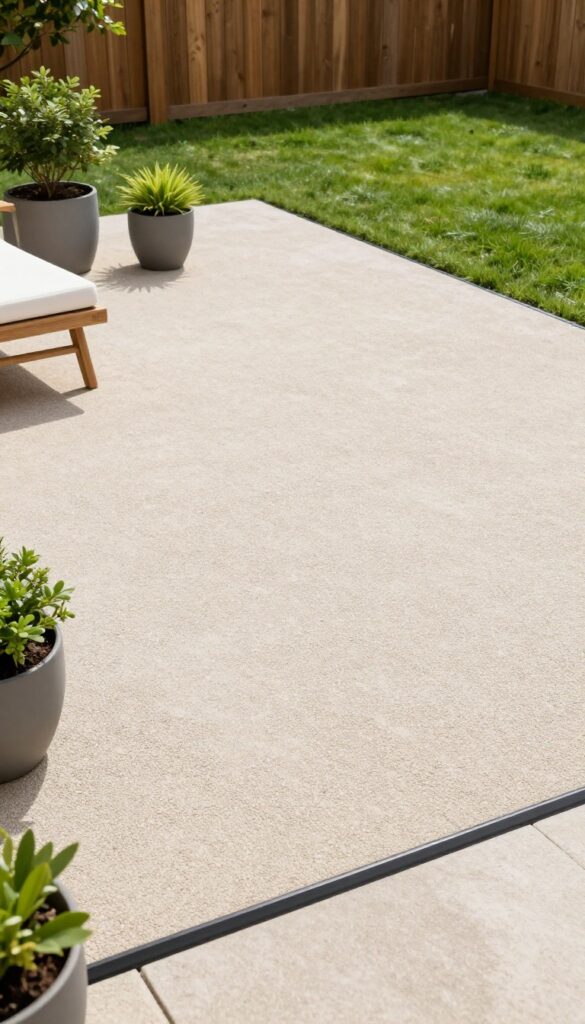
Pea gravel is one of those materials that quietly does a lot of heavy lifting in a yard. It’s affordable, easy to work with, and has a natural look that blends into almost any landscape. The small, rounded stones feel pleasant underfoot and drain water quickly, so you won’t have to worry about puddles after a storm.
What makes pea gravel especially appealing is how simple it is to install. You can spread it over a weekend without special tools or skills. It’s the kind of project that feels instantly rewarding because the transformation is immediate.
Pea gravel works best when you contain it with edging. Without a border, the stones will wander into your lawn or garden beds. You can use metal, plastic, or even stone edging to keep everything in place.
The key is to make sure the edging is tall enough to hold the gravel at your desired depth—usually around 2 to 3 inches. Another thing to keep in mind is the weed barrier. A quality landscape fabric underneath will save you from constant weeding later.
Overlap the seams and secure the fabric with landscape staples. This small step makes a big difference in how long your patio stays looking tidy.
Why Pea Gravel Works
Pea gravel is forgiving, both on your feet and on your budget. The rounded stones don’t compact like sand or decomposed granite, so they stay loose and comfortable to walk on. That also means they shift a little underfoot, which some people find relaxing, while others might want a more stable surface.
It’s a trade-off worth considering. Drainage is another win. Because the stones are loose, water filters through easily, which helps prevent erosion and keeps the patio usable sooner after rain.
It’s also a low-maintenance option—occasional raking is about all it needs to stay even.
Installation Basics
Start by marking the area and digging out about 4 to 6 inches of soil. That gives you room for a base layer of crushed stone, which helps with drainage and stability. Then lay down your weed barrier, add edging, and pour in the pea gravel.
Spread it evenly and give it a quick rake to level it out. Keep the gravel depth consistent. Too thin, and you’ll see the fabric through it; too thick, and it becomes hard to walk on.
Two to three inches is the sweet spot. If you’re covering a large area, consider renting a mini excavator or wheelbarrow to speed things up.
Design Tips And Variations
Pea gravel doesn’t have to be boring. Mix it with larger stepping stones to create a defined path or a seating area. The contrast between the smooth stones and the solid pavers looks intentional and adds visual interest.
You can also choose different colors, from soft beige to warm gray, to match your home’s exterior. And if you want a more polished look, add a border of bricks or timber. The possibilities are pretty flexible, so you can tailor it to your style without much extra effort.
4. Wooden Deck Tiles
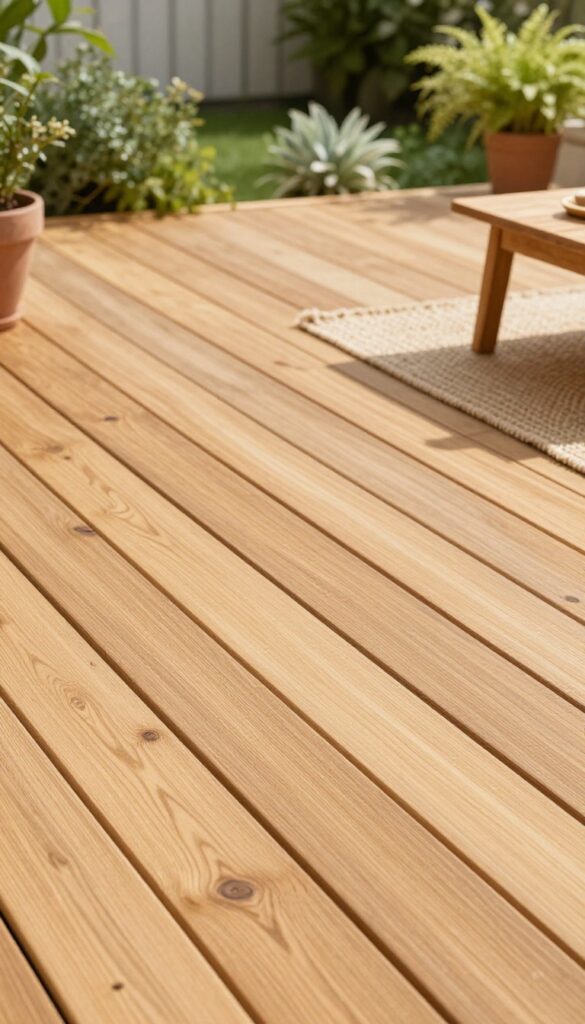
If you love the look of a wood deck but don't want the commitment of building one, wooden deck tiles are a fantastic middle ground. These interlocking squares come in a variety of woods, from cedar to teak, and simply snap together over a flat surface. They give you that warm, natural feel underfoot without any of the heavy lifting.
Wooden deck tiles are a DIY dream. Each tile is typically 12×12 or 24×24 inches, with a plastic or rubber base that locks onto adjacent tiles. You can lay them over concrete, pavers, or even a sturdy patch of lawn.
The result is a comfortable, slip-resistant surface that looks like a real wood deck. Plus, they're portable—if you move, you can take them with you.
Why They Work For Patios
Wooden tiles add instant warmth to any outdoor space. They're softer underfoot than stone or concrete, making them great for barefoot lounging. They also provide good drainage, so puddles don't linger after a rain.
And because they're modular, you can create patterns like herringbone or basketweave to add visual interest.
Installation And Maintenance
Installation is straightforward: level the ground, lay a weed barrier if needed, and snap the tiles together. No special tools or skills required. For maintenance, just sweep and occasionally wash with mild soap.
To keep the wood looking fresh, apply a sealant every couple of years. If a tile gets damaged, you can replace just that one.
Choosing The Right Wood
Cedar and pine are budget-friendly and resist rot, but they need more upkeep. Teak and ipe are pricier but naturally weather-resistant and look gorgeous. If you want minimal fuss, go with a composite wood tile—it looks like wood but never needs sealing.
Pick a wood that matches your climate and how much maintenance you're willing to do.
5. Porcelain Pavers
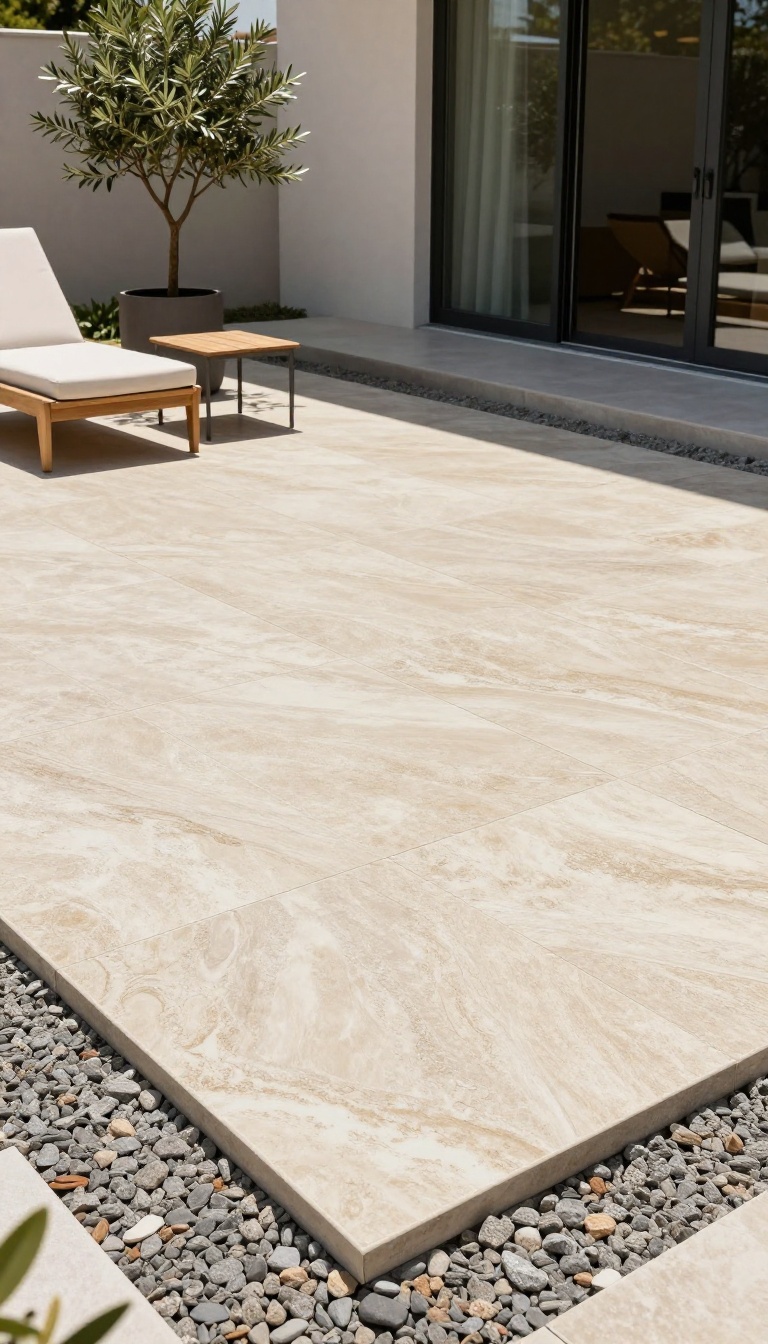
Porcelain pavers are a top-tier choice for patios that need to look sharp and stay that way. They're engineered to mimic natural stone or wood but bring a level of durability that the real thing often can't match. If you want a high-end look without the upkeep, this is worth a close look.
Porcelain pavers are made from dense clay fired at high temperatures, which makes them incredibly tough. They're resistant to scratches, stains, and fading, so they handle heavy foot traffic, spilled drinks, and harsh sun without showing wear. Plus, they're low-maintenance—just sweep and occasionally rinse with a hose.
Why They Work So Well
The manufacturing process gives porcelain a very low water absorption rate, which means it's frost-proof and won't crack in freezing temperatures. That makes it a smart choice for year-round outdoor use, even in climates with harsh winters. And because the color goes all the way through, any chips are less noticeable.
Style Options
You can find porcelain pavers in a wide range of finishes, from sleek matte to textured for slip resistance. They can convincingly replicate travertine, slate, or even tropical hardwoods like ipe. That versatility lets you match your patio to your home's architectural style without compromising on performance.
Installation And Cost
While the material cost is higher than basic concrete, the long-term value is solid. You can install them on a compacted base or over a pedestal system for a floating deck look. It's a job that's best left to pros for a flawless finish, but the result is a patio that feels premium and lasts for decades.
6. Rubber Tiles
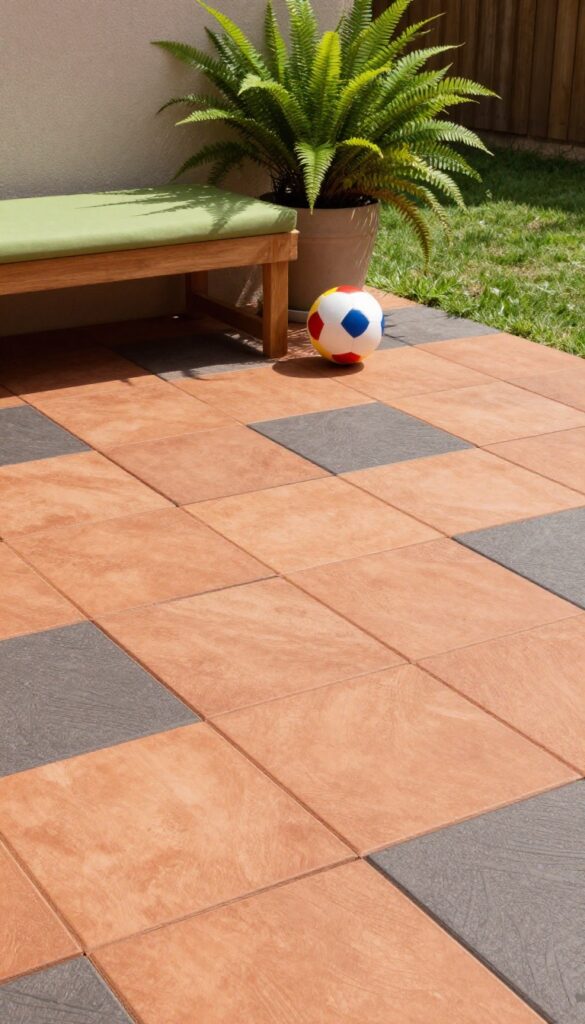
Rubber tiles bring a playful yet practical vibe to patios, especially where little feet and paws tend to roam. They're soft underfoot, which makes them a go-to for play areas, but they also hold up well in high-traffic zones. With a range of colors and patterns, they can look surprisingly sharp for a casual outdoor space.
Rubber tiles are a smart pick if you want a patio that's comfortable to stand on and forgiving when someone takes a tumble. They're easy to install—most just snap or interlock together—so you can lay them over a flat surface in an afternoon. Plus, they're low-maintenance: a quick rinse with a hose keeps them looking fresh.
Why Rubber Tiles Work
The real selling point is the cushioning. Unlike concrete or stone, rubber absorbs impact, which is a lifesaver for kids who trip or pets that like to zoom around. They also provide decent traction when wet, so slips are less likely.
And because they're porous, water drains through, so puddles don't linger.
Installation And Care
You don't need a professional to put these down. Most rubber tiles come in interlocking squares that you can lay directly on a hard, level base like concrete or pavers. They're heavy enough to stay put, but you can still cut them to fit odd corners with a utility knife.
For cleaning, just sweep or hose them off—no special treatments required.
Style And Color Options
Gone are the days of boring black mats. Today's rubber tiles come in a spectrum of colors, from muted earth tones to bold blues and greens. You can mix and match to create a checkerboard pattern or keep it monochrome for a cleaner look.
They're a great way to add a pop of color to a backyard that's otherwise all greenery.
7. Stamped Concrete
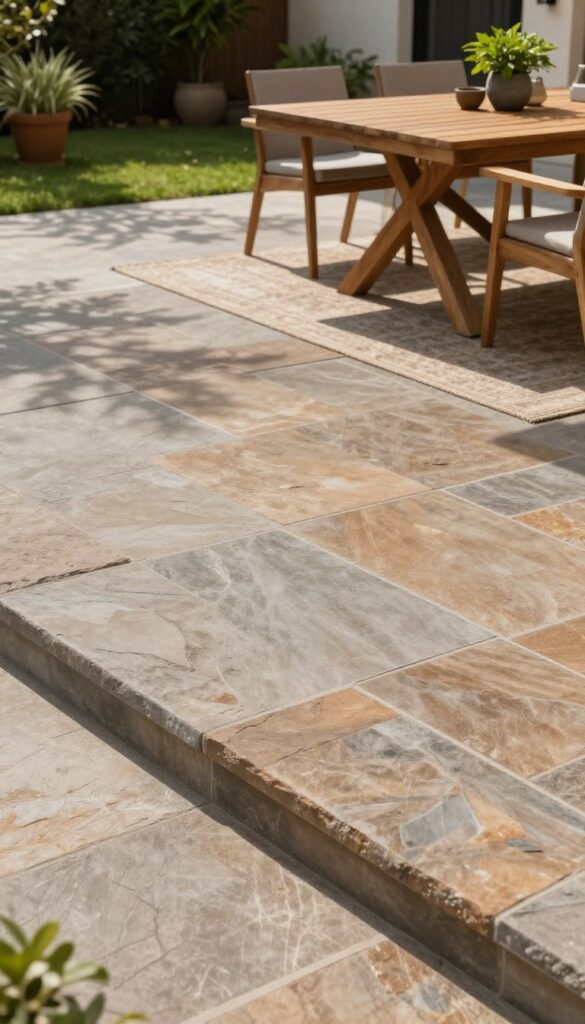
Stamped concrete gives you the look of brick, stone, or tile at a fraction of the cost. It’s poured in place and then patterned, creating a seamless, custom appearance. This is a favorite for homeowners who want a high-end finish without the high-end price tag.
Stamped concrete is a durable, low-maintenance option that can mimic the texture and color of more expensive materials. The process involves pouring concrete, adding color, and then pressing patterns into the surface before it sets. The result is a patio that looks like natural stone or pavers but with the strength and longevity of concrete.
Why Choose Stamped Concrete?
Stamped concrete offers a seamless look that’s easy to clean and resistant to weeds. It’s also more affordable than natural stone or brick, and it can be customized with a variety of patterns and colors to match your home’s style. Plus, it’s a one-piece surface, so there are no joints to shift or crack over time.
Design Options And Patterns
You can choose from patterns that mimic cobblestone, slate, flagstone, or even wood planks. Color options range from earthy browns and grays to more vibrant hues. Some contractors also offer borders or accent bands to add extra visual interest.
The key is to pick a pattern that complements your home’s architecture and landscape.
Installation And Maintenance Tips
Hiring a professional is recommended because the process requires skill and timing. The concrete must be poured, colored, and stamped before it sets, which takes experience. Once installed, sealing the surface every few years helps protect it from stains and weather.
Regular cleaning with a hose or mild detergent keeps it looking fresh.
8. Outdoor Carpet
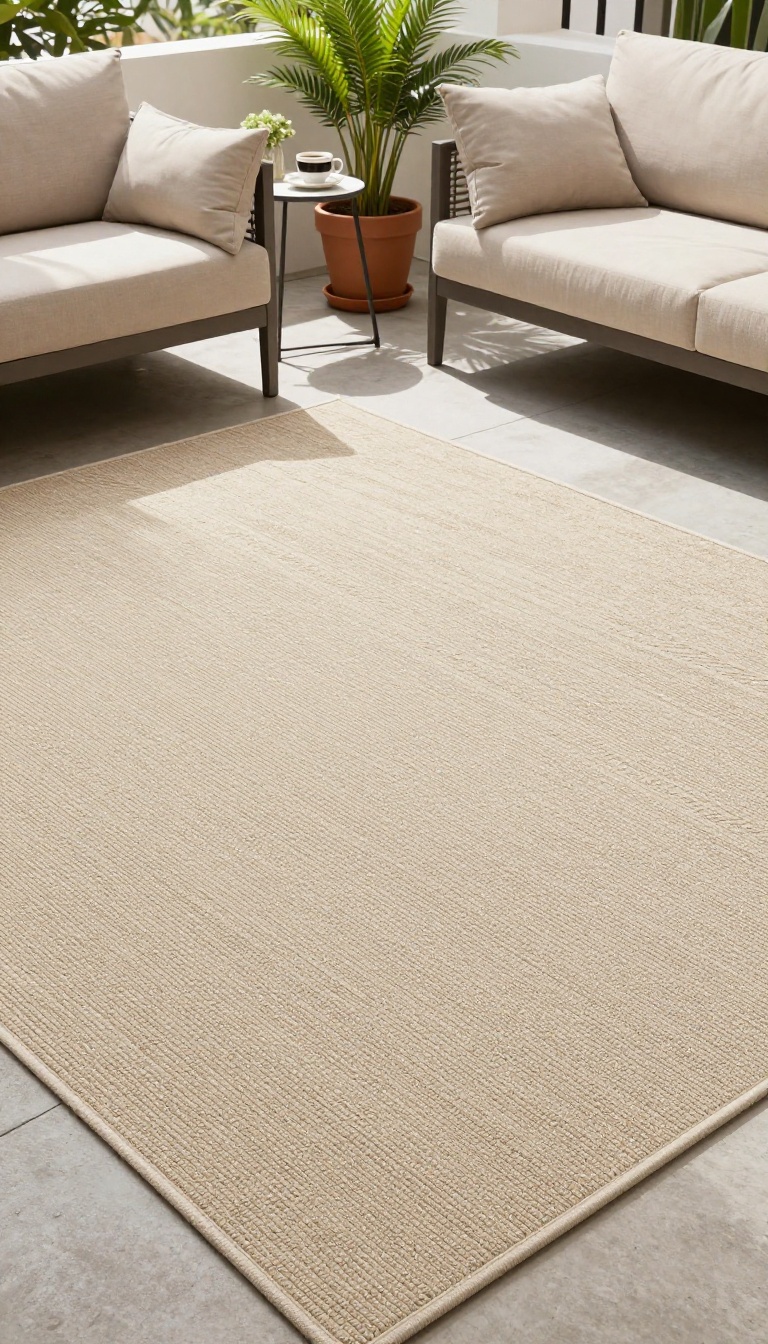
Sometimes you just want the patio to feel like an extra room, and outdoor carpet delivers that cozy, indoor vibe without a big renovation. It’s soft underfoot, comes in a rainbow of colors and patterns, and is surprisingly affordable. Whether you’re covering a large concrete slab or a small balcony, this flexible flooring can be cut to fit and installed in an afternoon.
Outdoor carpet is a practical choice for patios that get a lot of foot traffic or where you like to sit or play on the ground. It provides a cushioned surface that’s gentler on knees and little elbows, and it helps define seating areas. Plus, it’s a breeze to clean—just sweep it off or hose it down, and it dries quickly.
Rolls Vs. Tiles: Which Is Right?
Outdoor carpet comes in two main forms: large rolls and interlocking tiles. Rolls are great for covering big, open areas with a seamless look, but they can be heavy and awkward to handle. Tiles, on the other hand, are perfect for DIYers—they snap together like puzzle pieces, so you can create a custom layout and replace a damaged tile without tearing up the whole floor.
If you’re unsure, tiles are the more forgiving option.
Pick The Right Material
Not all outdoor carpets are created equal. Look for ones made from polypropylene or other synthetic fibers that resist moisture, mold, and fading. These materials dry fast and hold up to sun and rain.
Avoid natural fibers like wool or cotton, which can rot and stain. Also, check the backing—rubber or vinyl backings add durability and grip, especially on smooth surfaces.
Installation And Maintenance Tips
Installing outdoor carpet is straightforward. For rolls, measure your space, cut with a utility knife, and secure the edges with double-sided tape or outdoor adhesive. For tiles, just lay them out and snap them together—no glue needed.
To keep it looking fresh, sweep regularly and give it a rinse with a garden hose. For stubborn spots, a mild soap and water solution works well. Just let it dry completely to prevent mildew.
9. Brick Pavers
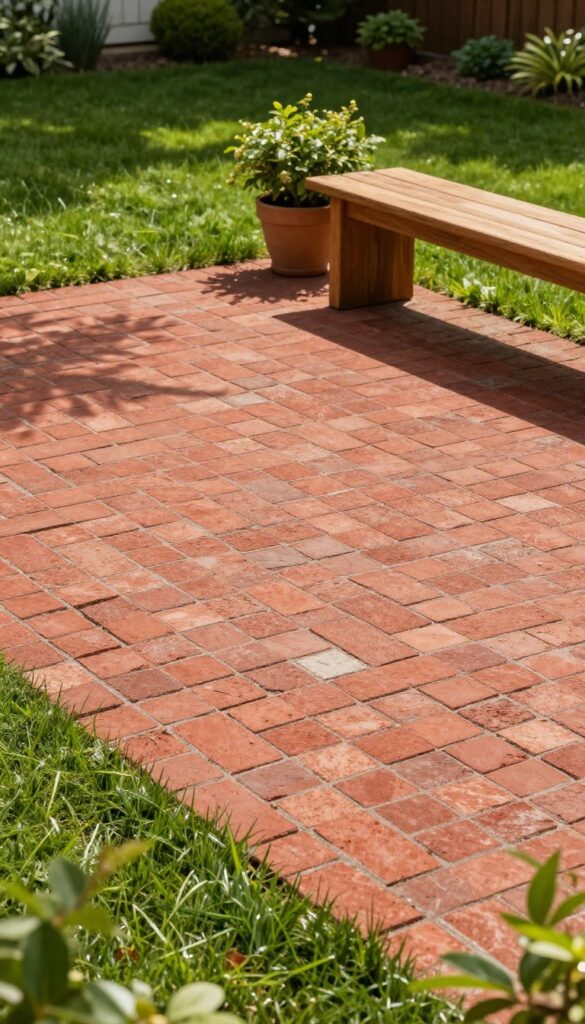
Brick pavers bring a timeless warmth that few other materials can match. Their rich, earthy tones blend beautifully with traditional architecture and established landscaping, giving your patio an instant sense of permanence. Because each brick is laid individually, you can play with patterns like herringbone or basket weave to add subtle texture and visual interest.
They're also incredibly durable, holding up well under heavy foot traffic and harsh weather for decades with minimal upkeep.
One of the biggest draws of brick pavers is their versatility. You can lay them in a classic running bond for a clean, uniform look, or switch to a circular pattern to create a focal point. The joints between bricks allow for natural drainage, reducing puddles after rain.
And if a brick ever cracks, you can replace just that one piece without redoing the whole patio. Over time, brick develops a lovely patina that makes it look even better as it ages.
Choose The Right Pattern
The pattern you pick sets the tone for the entire patio. Herringbone is a favorite for its durability and eye-catching zigzag effect, especially when you mix two brick colors. Basket weave offers a more relaxed, cottage-like feel, while running bond is the simplest and most traditional.
For a modern twist, try a circular or fan pattern around a fire pit or fountain—it becomes a natural gathering spot.
Installation Basics
Brick pavers need a solid base to stay level and prevent shifting. Start by excavating about 6 to 8 inches, then add a layer of crushed stone and compact it. Follow with a 1-inch bed of coarse sand, screed it smooth, and lay the bricks with a slight gap between them.
Once everything is in place, sweep fine sand into the joints and compact the surface again. It's a weekend project for a smaller patio, but larger areas might benefit from professional help.
Caring For Your Brick Patio
Maintenance is refreshingly simple. Sweep regularly to keep dirt and leaves from staining the surface. A quick rinse with a garden hose handles most spills, but for tougher spots, a mild detergent and a stiff brush work well.
To keep weeds from sprouting in the joints, you can apply a polymeric sand that hardens when wet, or simply pull them as they appear. Sealing is optional but can enhance the color and make cleaning even easier.
10. Loose Decomposed Granite
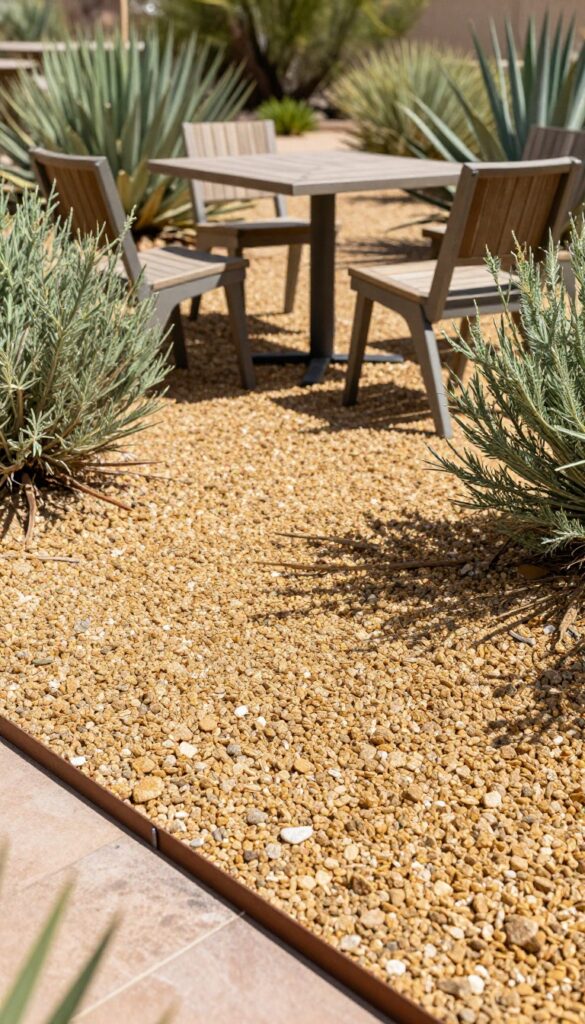
If you're after a natural, low-key surface that blends into the landscape, loose decomposed granite is a solid pick. It's basically weathered granite that's been crushed into small, gravel-like pieces, and when it's compacted, it forms a firm, stable surface that still lets water drain through. This makes it a favorite for rustic, desert, or cottage-style patios where you want something that feels organic and doesn't fight the surroundings.
Decomposed granite, often called DG, is a versatile material that works well for patios, pathways, and even driveways. It comes in a range of earthy tones, from warm golds to cool grays, so you can match it to your home's exterior. The key to a great DG patio is proper preparation and compaction—when done right, it holds up surprisingly well and feels solid underfoot.
Plus, it's one of the most affordable options out there, especially if you're covering a large area.
Why Choose Decomposed Granite?
DG stands out for its permeability and natural look. Unlike concrete or pavers, it allows rainwater to soak into the ground, which helps prevent runoff and keeps the surrounding soil healthy. It's also low-maintenance—occasional raking and topping up are about all it needs.
And if you ever want to change the layout, it's easy to move and repurpose.
Installation And Maintenance Tips
Start by excavating the area to a depth of about 4 to 6 inches, then lay a geotextile fabric to keep weeds from growing through. Add a base layer of larger crushed stone, then spread the DG on top and compact it with a plate compactor. Wetting it slightly helps it bind.
To keep the surface firm, you can mix in a stabilizer or use a resin-bound DG for a more permanent finish. Rake it occasionally to keep it level and add fresh DG every couple of years.
Best Uses And Styling Ideas
DG is perfect for casual patio areas, fire pit surrounds, or winding paths through a garden. It pairs beautifully with natural stone, boulders, and native plants. You can also use it to create a seamless transition between your patio and the rest of your yard.
For a more polished look, border it with steel edging or pavers to keep the DG contained.
11. Interlocking Plastic Grids
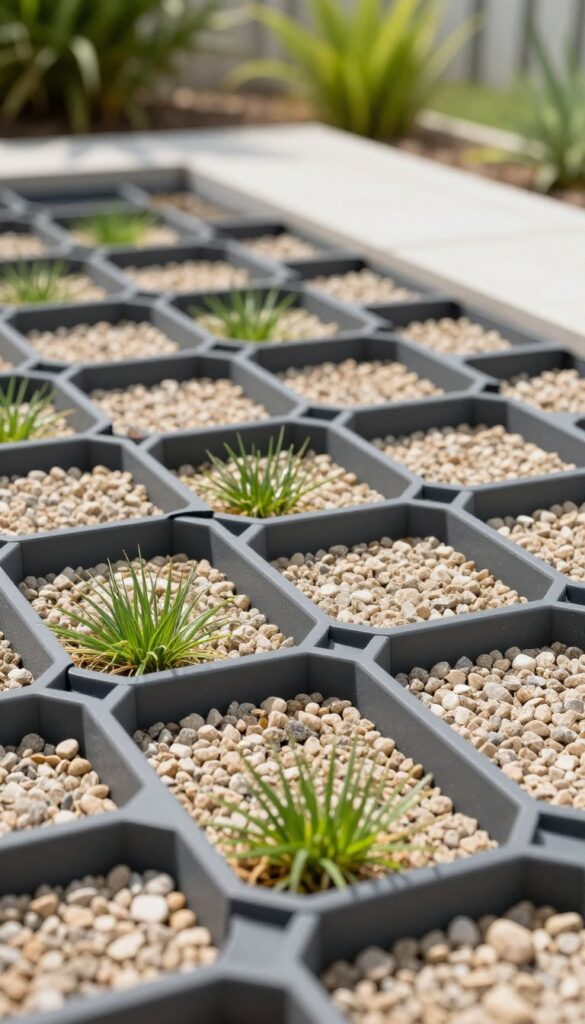
Plastic grids might not sound glamorous, but they solve a real problem: keeping gravel or grass neat without sacrificing a natural look. These honeycomb-like panels snap together to form a stable base, so your patio stays put even with heavy use. They're a clever, low-maintenance choice for anyone who wants a green surface that can handle daily life.
These grids are a smart pick for areas where you want the charm of grass or the crunch of gravel but need it to stay put. The plastic structure locks everything in place, preventing ruts, shifting, and bare patches. You get a surface that looks organic but performs like a proper patio, and it's surprisingly easy to install.
Why Go With Plastic Grids?
The biggest win here is stability. Gravel tends to scatter, and grass gets muddy, but grids keep both locked in place. They also handle drainage well, so you won't get puddles after a storm.
And because they're modular, you can cover odd shapes or expand later without starting over.
How To Install Them
Start by leveling the ground and laying landscape fabric to block weeds. Then snap the grids together, making sure they sit flush. Fill the cells with gravel or topsoil and grass seed.
For gravel, a 1/2-inch crushed stone works best—it locks together without poking through. For grass, water regularly until it's established.
Real-world Uses
These grids shine in high-traffic zones like pathways, play areas, or spots under patio furniture. They're also great for parking areas if you want a green look instead of concrete. Because they're flexible, they can handle slight slopes, but avoid steep hills where erosion might be an issue.
FAQ
What is the most affordable patio flooring option?
Pea gravel and decomposed granite are among the most affordable options. They require minimal prep and can be installed without professional help.
Can I install patio flooring over existing concrete?
Yes, many options like deck tiles, outdoor carpet, and rubber tiles can be laid directly over concrete. Just ensure the surface is clean and level.
What patio flooring is best for high-traffic areas?
Porcelain pavers, concrete pavers, and stamped concrete are highly durable and can withstand heavy foot traffic without showing wear.
How do I prevent weeds from growing through gravel?
Lay a high-quality weed barrier fabric under the gravel. This blocks sunlight and prevents weed growth while still allowing water to drain.
Is outdoor carpet durable enough for year-round use?
Outdoor carpet is designed to withstand weather, but it can fade over time. Choose a UV-resistant option and consider storing it during harsh winters.
Conclusion
Your patio floor sets the tone for the whole outdoor space, and upgrading it doesn't have to be complicated. Whether you choose the warmth of wood, the durability of concrete, or the ease of pavers, the right surface can make bare ground feel intentional and inviting.
Start with one idea that fits your style and budget, then build from there. Before long, you'll have a patio that looks great and stands up to real life—no matter the weather or how often you use it.