9 Luxury Living Room Ideas for a Cozy, Elevated Look
You can turn your living room into a cozy, elevated retreat without a full renovation. It starts with a few smart choices that add warmth and polish. Think of it as layering comfort and style, one detail at a time.
The best luxury living rooms feel personal, not staged. They mix rich textures, soft lighting, and meaningful pieces that invite you to linger. You don't need a designer budget to pull it off.
Below are nine ideas that blend everyday comfort with a high-end look. Each one is practical, approachable, and ready to try in your own space.
1. Layer Lighting for a Warm, Inviting Glow
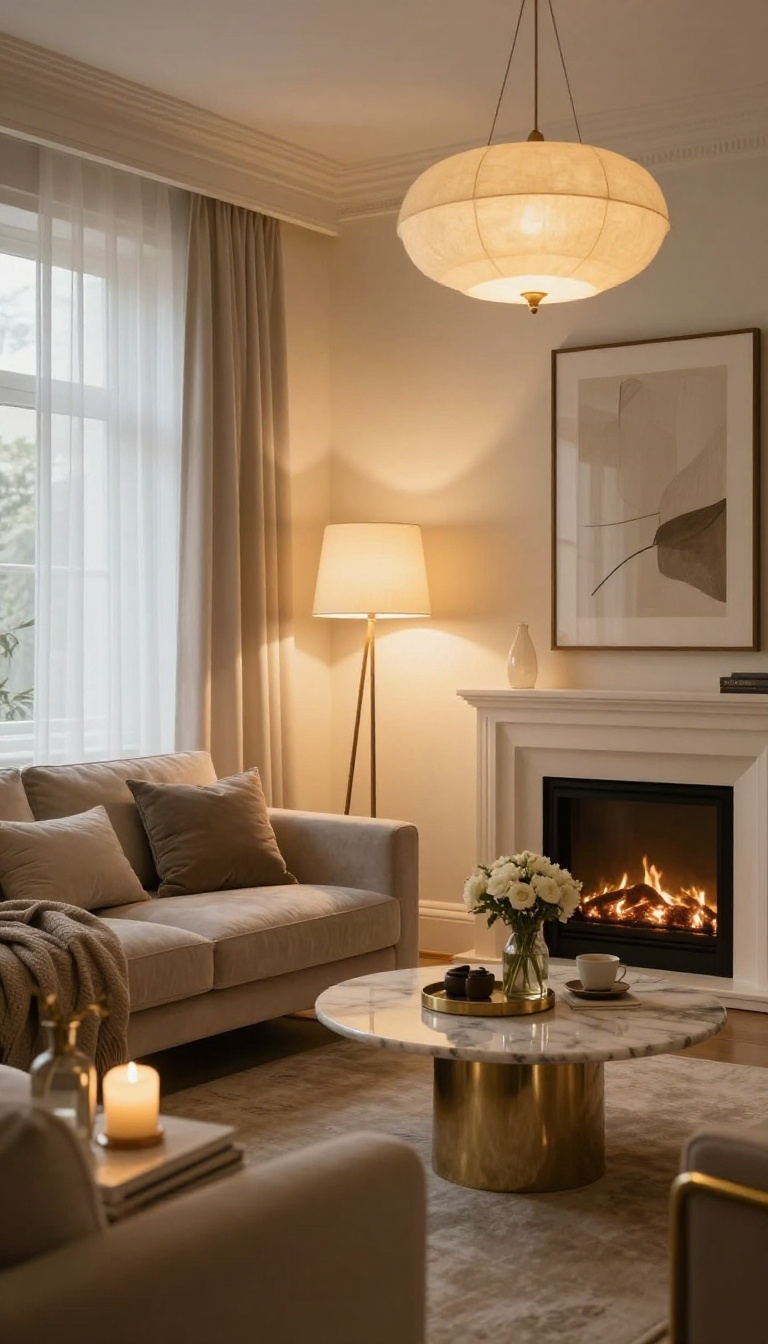
Lighting does more for a room's mood than almost any other element. A single overhead fixture flattens a space and makes it feel basic, no matter how nice your furniture is. But when you layer different light sources, you create depth, warmth, and that cozy, elevated feel you see in high-end homes.
The trick is to use three types of lighting: ambient, task, and accent. Ambient light fills the room, task light helps you read or work, and accent light highlights art or architecture. Mixing them gives you control and makes your living room feel intentional.
Start by ditching the idea that one bright ceiling light is enough. Instead, think of lighting as a collection of small moments that add up to a bigger picture. Each layer adds its own soft glow, and together they make the room feel alive.
The best luxury living rooms never rely on a single light source. They use a mix of overhead, floor, and table lamps to create a warm, layered effect. This approach not only looks better but also lets you adjust the mood for different times of day or activities.
You don't need to spend a fortune to get this look. Start with what you have and add one or two pieces at a time. The goal is to eliminate harsh shadows and create pools of soft light that make people want to settle in.
Choose Dimmable Overhead Lights
A dimmer switch is a small upgrade with a huge impact. It lets you soften the overhead light in the evening, so it doesn't overpower the cozier lamps. If you can't install a dimmer, use smart bulbs that you can dim from your phone.
For a truly elevated look, consider a chandelier or a statement pendant as your ambient light. Put it on a dimmer and keep it low most of the time. It becomes a sculptural piece that adds glow without being harsh.
Add Table And Floor Lamps
Table lamps and floor lamps are your best friends for cozy lighting. Place them at different heights to create visual interest. A lamp on a side table next to a sofa, another on a console behind it, and a floor lamp in a dark corner will instantly warm up the space.
Choose lamps with fabric shades—they diffuse light softly and make the room feel inviting. Metal shades can be too direct. Also, use warm white bulbs (around 2700K) for that golden, welcoming glow.
Use Picture Lights And Accent Lighting
Accent lighting highlights specific features and adds a layer of sophistication. Picture lights above art, LED strip lights behind a TV, or a small spotlight on a plant can create drama and depth. These small sources of light draw the eye and make the room feel curated.
They also add a soft glow that bounces off walls and ceilings, enhancing the overall warmth. Just make sure they're not too bright—accent lighting should be subtle.
2. Mix Rich Textures for Instant Depth
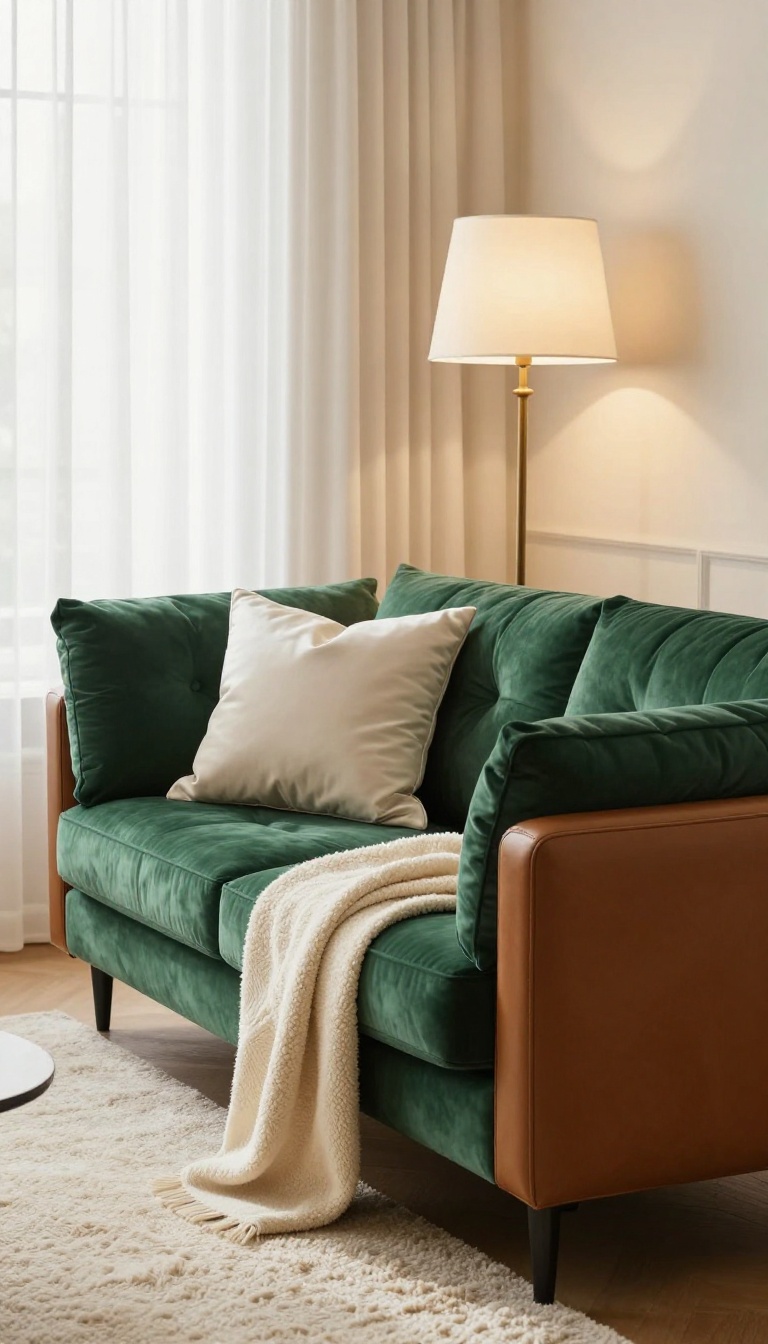
Flat rooms feel forgettable. When every surface is the same smooth fabric or finish, your eye has nowhere to land. Mixing textures changes that fast.
Velvet, leather, wool, and silk each catch light differently. Together, they add depth without adding clutter.
You don't need a dozen materials to make this work. Three or four contrasting textures in one room is plenty. The goal is balance: one plush texture, one smooth, one nubby, and maybe one with a little sheen.
That mix keeps things interesting from every angle. Start with the biggest surfaces first. Your sofa, chairs, and rug set the foundation.
Then layer in smaller accents like pillows and throws. This order keeps the room from feeling chaotic. It also makes it easier to swap pieces later if you want a refresh.
Start With Your Anchor Pieces
Pick one hero texture for your main seating. A velvet sofa or a leather armchair makes an instant statement. Then choose a rug with a different feel, like a chunky wool or a low-pile weave.
The contrast between seat and floor does most of the heavy lifting. Keep the colors in the same family so the textures stand out, not the palette.
Layer In Soft Accents
Pillows and throws are where you can experiment without risk. Add a silk pillow to a wool sofa. Drape a cashmere throw over a leather chair.
Mix a smooth linen cushion with a fuzzy bouclé one. These small swaps add tactile richness for very little money. Rotate them by season to keep the room feeling fresh.
Balance Shine And Softness
Too much shine feels cold. Too much matte feels flat. Pair a glossy silk lampshade with a nubby wool rug.
Set a smooth marble side table next to a plush velvet ottoman. The push and pull between finishes is what reads as luxury. Aim for one or two shiny moments, then let the softer textures carry the rest.
Keep The Palette Calm
Texture pops best against a quiet backdrop. Stick to two or three neutral or tonal colors. Let the fabrics do the talking instead of competing patterns.
If you want a little pattern, choose one and keep it small, like a single patterned pillow. This keeps the room cozy and elevated, never busy.
3. Choose a Statement Sofa as Your Anchor
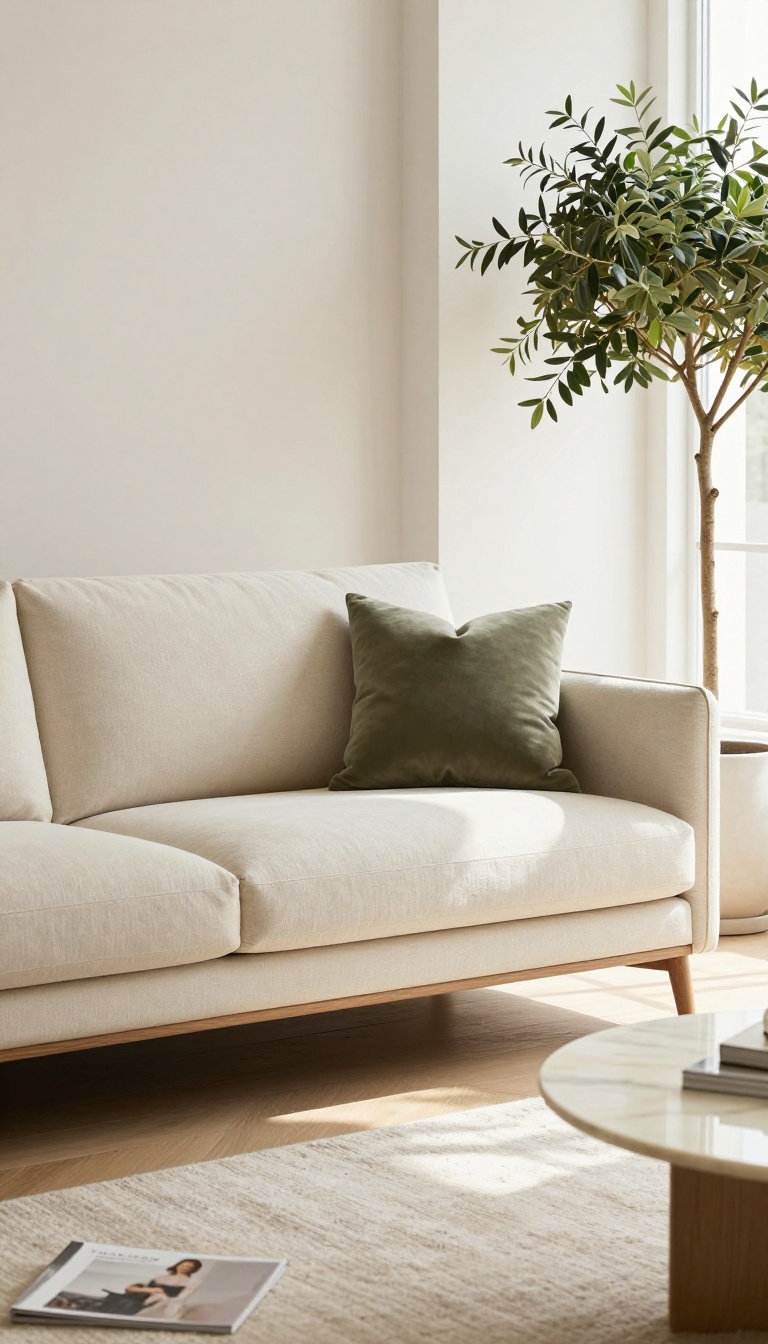
A sofa carries more visual weight than anything else in the room. It's the piece your eye lands on first, and it quietly decides how everything around it should behave. Get this one right and the rest of the space falls into place faster than you'd expect.
The goal isn't the biggest or flashiest option. It's a sofa with clean lines, quality materials, and enough presence to hold the room together without shouting. Think of it as the anchor, not the show-off.
Look For Lines That Breathe
Clean lines keep a sofa looking expensive long after trends move on. Skip heavy rolled arms and bulky silhouettes that swallow floor space. A low, straight back and slim legs let light move underneath, which makes even a small room feel airier.
Track arms or gently curved backs both work. The key is restraint. If the shape feels simple and confident, it will pair with almost any coffee table, rug, or artwork you bring in later.
Fabric Does The Heavy Lifting
This is where the luxury lives. Velvet, bouclé, and performance linen all read as elevated, and each brings a different mood. Velvet feels rich and moody, bouclé feels soft and modern, and linen keeps things relaxed and breezy.
Don't overlook how a fabric feels against your skin. You'll spend more time on this sofa than on any other seat in the house. A texture you love touching is worth more than a label you can't feel.
Get The Scale Right
A sofa that's too small leaves the room looking unfinished, and one that's too large makes everything else feel cramped. Measure your wall first, then leave breathing room on both sides. A foot or two of open space keeps the arrangement from feeling stuffed.
If your room is tight, a loveseat plus a pair of accent chairs often works better than one oversized couch. You get the same seating, more flexibility, and a layout that feels intentional rather than forced.
Build The Room Around It
Once the sofa is in place, let it set the rules. Pull your rug wide enough that the front legs rest on it, which grounds the whole seating area. Add a coffee table about two-thirds the length of the sofa to keep proportions balanced.
Then layer in lighting and texture. A floor lamp behind one arm, a throw draped over the corner, and a couple of pillows in contrasting tones finish the look. The sofa stays the star, and everything else supports it.
4. Add a Touch of Metallic Shine
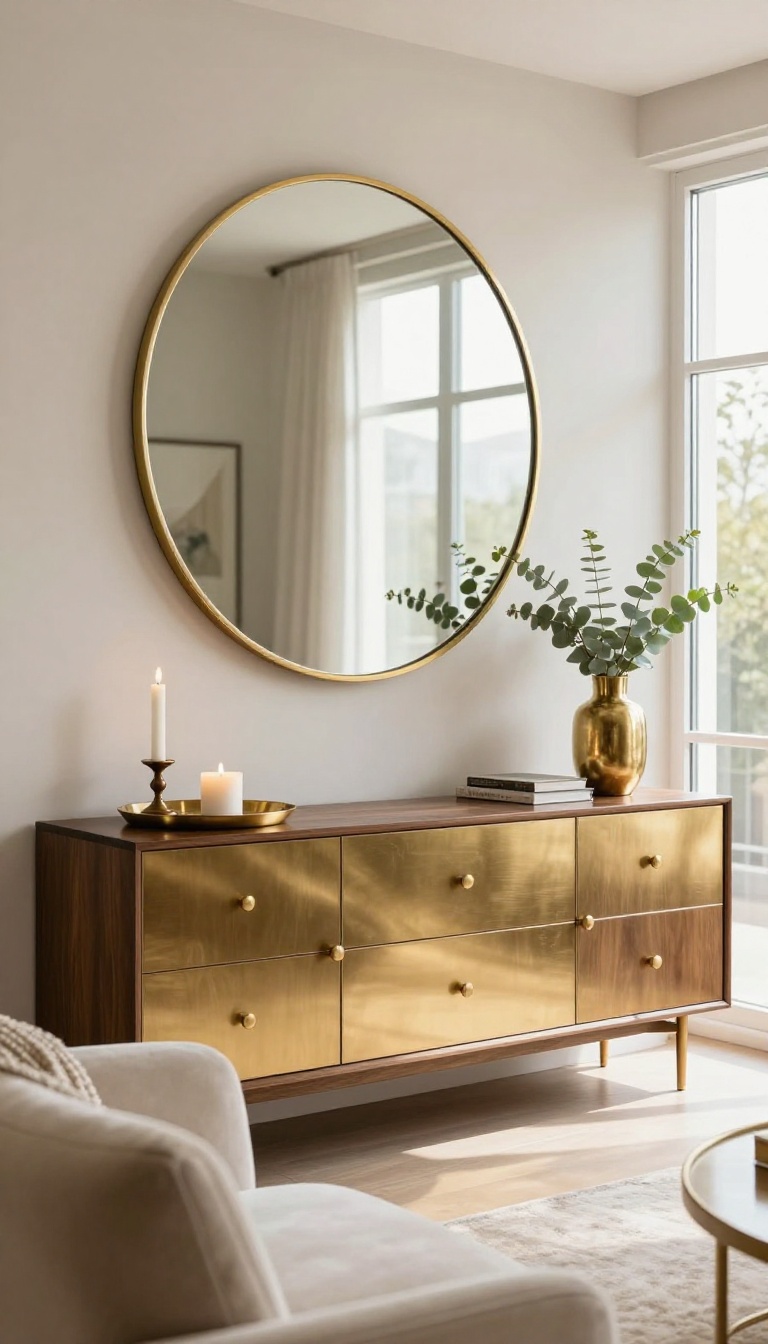
Metallic accents bring a quiet sparkle that makes a living room feel more polished. They catch light in a way that flat finishes can't, adding depth without overwhelming the space. You don't need much—just a few well-placed pieces can do the trick.
The key is to think of metallics as jewelry for your room. They should enhance, not dominate. A little goes a long way, so start small and build from there.
Hardware That Makes A Statement
Swapping out cabinet knobs and drawer pulls is one of the easiest upgrades. Choose brass or gold for warmth, or chrome for a cooler, modern edge. It's a small change that instantly elevates built-ins, media consoles, or even a bar cart.
Frames And Mirrors
A metallic-framed mirror bounces light around the room and adds a touch of glam. Look for thin, sleek frames in gold or silver to keep it feeling contemporary. Group a few smaller metallic frames on a gallery wall for a curated look.
Decor With A Glow
Metallic vases, candleholders, or trays add subtle shine on coffee tables and shelves. Mix finishes—like brass and bronze—for a collected, layered feel. Just avoid placing too many shiny objects together; a little contrast keeps it sophisticated.
5. Curate a Gallery Wall with Personal Meaning
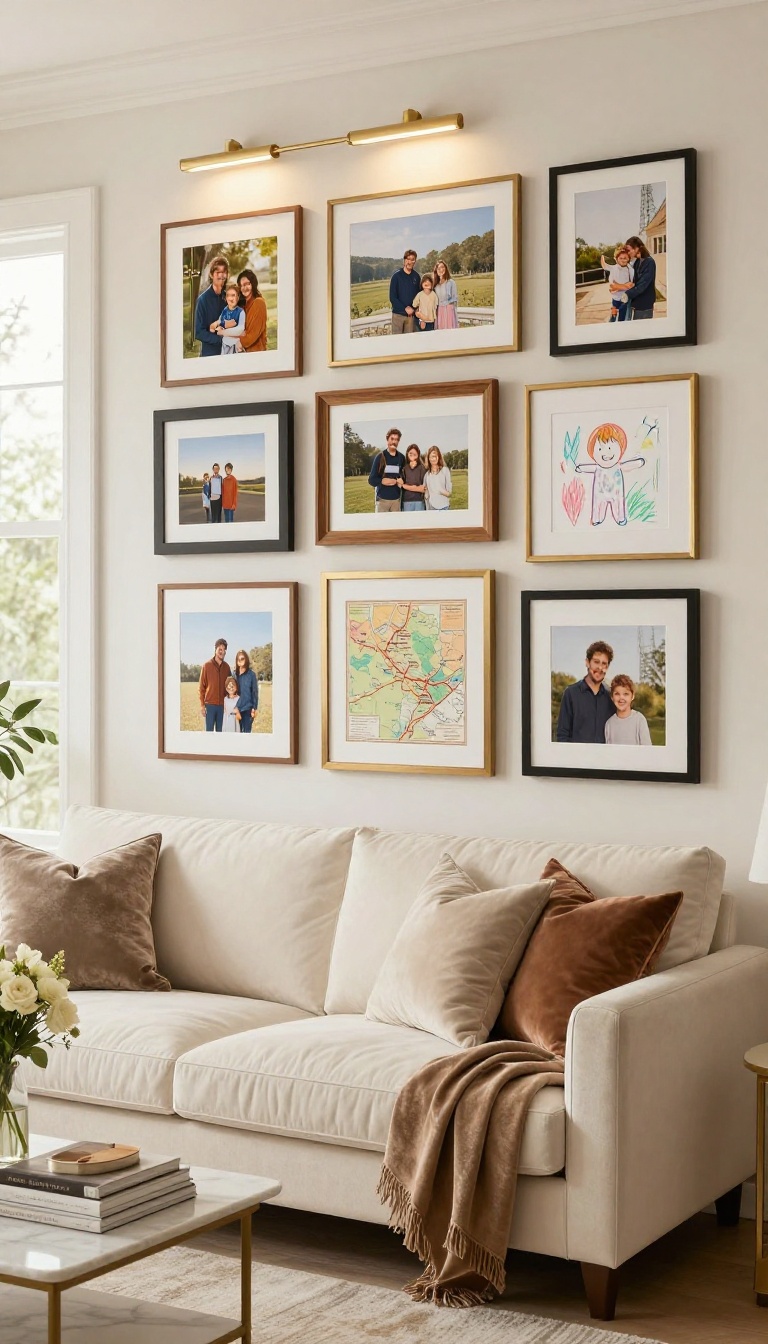
A gallery wall can be more than just a collection of pretty pictures. When you choose pieces that tell your story, it becomes a conversation starter and a reflection of who you are. That personal touch is what makes a room feel truly luxurious and lived-in.
Start by gathering items that matter to you. Think beyond traditional art—include photographs, travel souvenirs, handwritten notes, or even a child's drawing. The mix of shapes and sizes adds visual interest.
Don't worry about matching frames perfectly; a cohesive color palette or consistent matting can tie diverse pieces together. Layout is key. Before you commit to nails, arrange your pieces on the floor or use paper templates on the wall.
This lets you experiment with spacing and balance without making holes. Aim for 2-3 inches between frames for a balanced look. Once you're happy, trace the templates and hang with confidence.
Lighting can elevate your gallery wall from flat to fabulous. Consider picture lights or adjustable wall sconces to highlight your collection. If you prefer a softer approach, ensure the room's ambient lighting doesn't cast harsh shadows.
The goal is to make each piece shine without overwhelming the space.
Gather Meaningful Pieces
Collect items that resonate with you personally. This could be a mix of professional art, personal photos, and objects like vintage maps or concert tickets. The key is to choose pieces that evoke memories or emotions.
Don't be afraid to mix mediums—paintings, prints, and three-dimensional objects can coexist beautifully.
Plan Your Layout
Before hanging, play with arrangement. Use the floor or a large table to test different configurations. Start with the largest piece as an anchor and build around it.
Keep the spacing consistent, usually 2-3 inches apart. For a more organic feel, try a salon-style hang with pieces closer together.
Light It Right
Proper lighting enhances the impact of your gallery wall. Picture lights mounted above frames add a museum-quality glow. Alternatively, use wall sconces or track lighting to wash the wall evenly.
Avoid direct sunlight, which can fade artwork over time. Dimmable options let you adjust the mood.
6. Incorporate Natural Elements for Balance
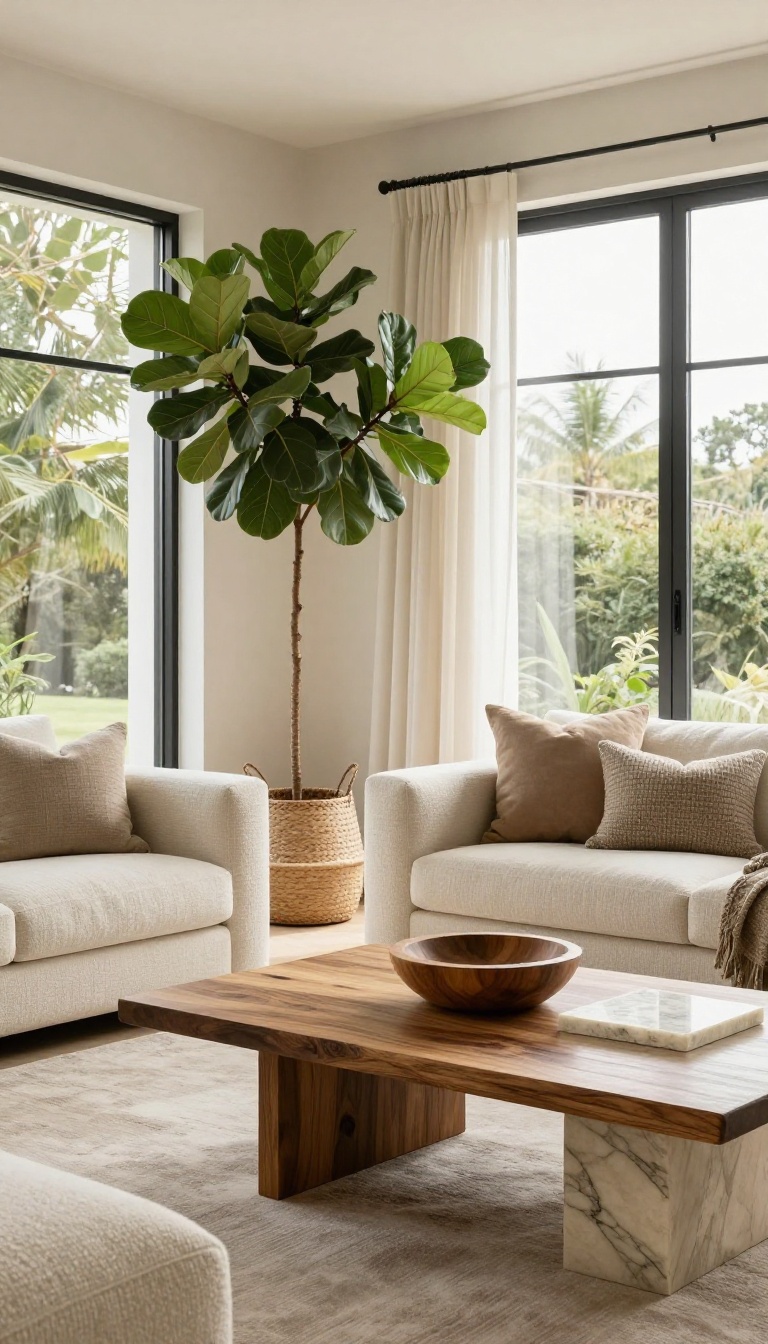
A room full of polished surfaces and sharp lines can start to feel cold, even when everything in it is beautiful. Natural elements fix that. They add texture, softness, and a sense of calm that man-made materials alone can't quite pull off.
You don't need to turn your living room into a greenhouse or a cabin. A few well-placed pieces are enough. The goal is balance, not a theme.
Think of nature as the quiet counterweight to all the glamour. It keeps a luxury space feeling warm and lived-in instead of showroom-stiff.
Plants That Earn Their Space
A single large plant can do more than a cluster of small ones. A fiddle leaf fig, a rubber tree, or an olive tree in a woven basket adds height and life without cluttering the room. Place it where it fills an empty corner or softens the edge of a sofa.
That spot gets a focal point, and the plant gets the light it needs. If you want a lower-maintenance option, go with a snake plant or a ZZ plant. They look sculptural and forgive you when you forget to water them.
Skip the tiny succulents scattered everywhere. One or two statement plants read as intentional. Ten small pots read as messy.
Wood, Stone, And Other Honest Materials
Natural materials bring warmth that painted or synthetic finishes can't match. A live-edge coffee table, a chunky wood bowl, or a stone tray on the ottoman all add depth. Mix tones rather than matching everything.
A warm oak side table next to a cool marble surface creates contrast that feels collected, not catalog-ordered. Travertine and limestone are having a moment for good reason. They have a soft, earthy look that pairs beautifully with velvet, linen, and brass.
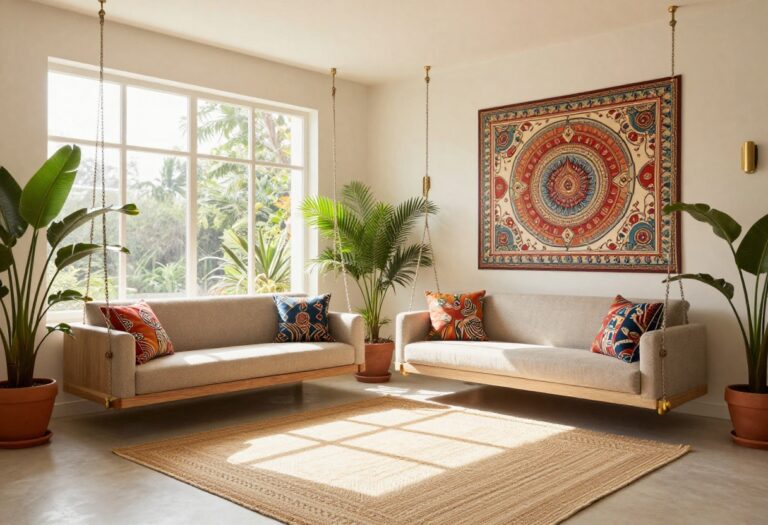
Even small touches count. Wood picture frames, a stone candle holder, or a woven jute rug underfoot all pull the room toward nature.
Water And Sound For A Softer Mood
A small tabletop fountain adds a gentle trickle that masks street noise and slows the room down. It's an easy upgrade if you live somewhere loud. Keep it simple.
A low, wide bowl with a quiet pump works better than a tall, splashy fountain that competes with conversation. If water feels like too much upkeep, a diffuser with cedarwood or eucalyptus oil gives you a similar sensory shift. The scent alone can make a room feel calmer.
Pair either one with soft lighting and you've got a corner that feels like a spa, not a showroom.
7. Define the Space with a Luxurious Rug
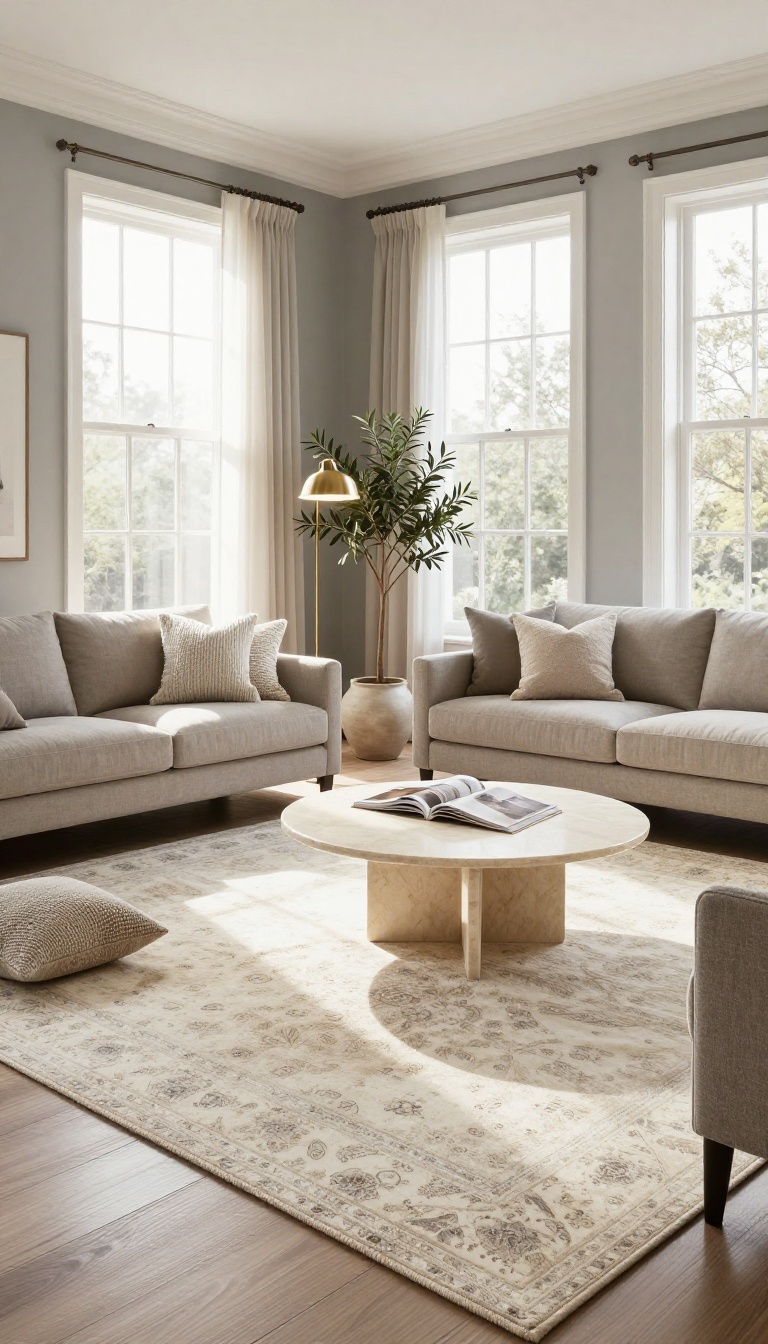
A bare floor can make even a beautifully furnished living room feel unfinished. A large, plush rug changes that instantly. It anchors your seating area, adds warmth underfoot, and makes the whole room feel more intentional.
The key is scale. A rug that's too small makes the space feel choppy, while one that's generous enough to sit under the front legs of your furniture pulls everything together. Neutral tones and subtle patterns work best because they don't compete with your other decor.
Beyond looks, a quality rug also absorbs sound and adds a layer of softness that makes the room more inviting. It's one of those quiet upgrades that you feel as much as you see.
Think of a rug as the foundation of your living room's layout. It tells your eye where the conversation area begins and ends, and it gives all your furniture a common ground. Without one, chairs and sofas can feel like they're floating.
Size matters more than anything. For a standard seating arrangement, you want at least an 8×10, but 9×12 is even better if the room allows. The rug should extend beyond your furniture on all sides so it doesn't look like a postage stamp under the coffee table.
Material and pile height also play a role. A plush wool or wool-blend rug feels luxurious underfoot and holds up well over time. If you have pets or kids, a low-pile or performance rug can still look high-end while being easier to clean.
Color-wise, stick with neutrals like ivory, taupe, or soft gray, or go with a subtle pattern like a faded oriental or a tonal geometric. These choices add depth without stealing attention from the rest of the room.
Get The Size Right
A rug that's too small is the most common mistake. Measure your seating area and aim for a rug that's at least 8×10, ideally 9×12. The front legs of your sofa and chairs should sit on the rug, and there should be a comfortable border of bare floor around it.
In an open-concept space, use the rug to define the living zone without blocking traffic flow.
Choose Materials That Feel As Good As They Look
Wool is the gold standard for luxury rugs because it's soft, durable, and naturally stain-resistant. Viscose or silk blends add a subtle sheen but can be delicate, so they're better for low-traffic areas. For busy homes, a high-quality synthetic like polypropylene can mimic the look of wool while standing up to daily wear.
Whatever you pick, invest in a good rug pad to add cushioning and keep the rug from sliding.
Keep Patterns Subtle And Colors Grounded
A bold, busy pattern can overwhelm a cozy living room. Instead, look for tone-on-tone patterns, distressed vintage styles, or simple borders that add texture without shouting. Neutral colors like cream, beige, or greige create a calm backdrop that lets your furniture and art shine.
If you want a hint of color, choose a muted shade like sage, dusty blue, or terracotta that ties into your existing accents.
Layer For Extra Warmth And Style
For an even cozier feel, layer a smaller accent rug over a larger neutral one. Try a sheepskin or a small Persian runner draped over the corner of a big jute or wool rug. This adds visual interest and extra softness underfoot.
Just make sure the top layer is thin enough that it doesn't create a tripping hazard.
8. Create a Cozy Reading Nook
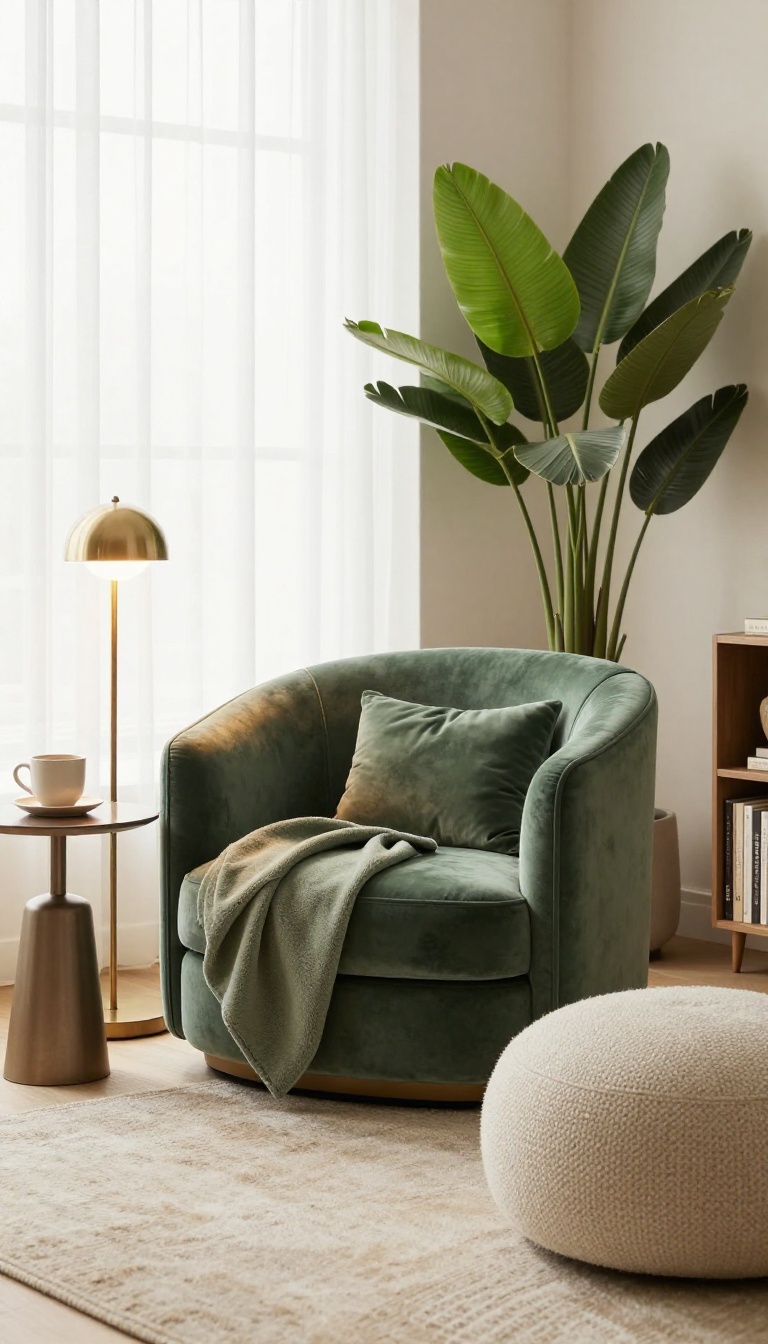
A reading nook gives your living room a purpose beyond gathering. It's a spot that says, "Stay awhile, get lost in a book. " Even a small corner can become the most coveted seat in the house.
The formula is simple: a comfortable chair, a small table for your tea, and a floor lamp that casts a warm glow. But the details are what make it feel luxurious. Think soft textures, a place to rest your feet, and just enough privacy to feel like you've escaped.
You don't need a bay window or a spare room. Any quiet corner will do—as long as it invites you to sit down and stay.
Pick A Spot That Feels Separate
The best nooks feel like a world apart, even if they're just a few feet from the sofa. Look for a corner that's out of the main traffic path—maybe beside a bookshelf, near a window, or tucked behind a large plant. If your living room is open, use a screen or a tall piece of furniture to create a visual boundary.
The goal is a sense of enclosure without walls. Even a rug can define the zone and make it feel intentional.
Choose A Chair You Can Sink Into
A reading chair should hug you a little. Look for a deep seat, a slightly reclined back, and arms that let you rest a book or a cup. Wingbacks, barrel chairs, and oversized armchairs all work beautifully.
Fabric matters for coziness. Velvet, bouclé, or a soft linen blend feels more inviting than leather. Add a throw blanket draped over one arm and a lumbar pillow for extra support.
If you like to put your feet up, a small ottoman or a pouf completes the setup.
Light It Like A Pro
Overhead lights kill the mood. Instead, use a floor lamp with a warm bulb (around 2700K) placed just behind or beside your chair. An adjustable arm lets you angle light onto your page without glaring in your eyes.
If you have space, add a small table lamp on the side table for layered light. A dimmer switch or smart bulb lets you dial the brightness down for evening reading. The softer the glow, the more luxurious it feels.
Style The Side Table
Your side table should hold only what you need: a coaster, a small vase, maybe a candle. Keep it uncluttered so it feels calm, not cramped. A stack of two or three books adds height and interest.
For a high-end touch, choose a table with a stone or metallic top. It contrasts nicely with the softness of the chair. A tiny tray corrals small items like reading glasses or a bookmark, keeping everything tidy and within reach.
9. Finish with Thoughtful Accessories
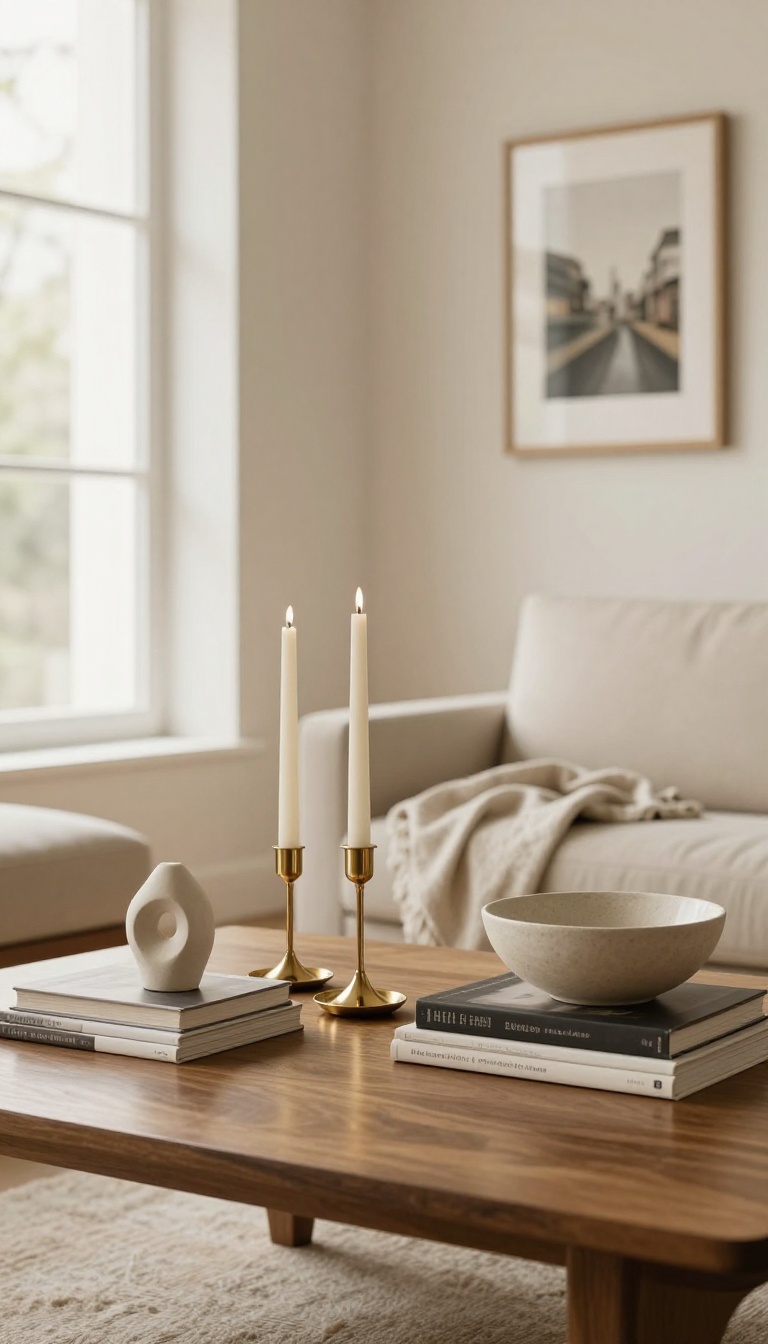
Accessories are where a living room gets its personality. They tell guests what you love, where you've been, and what makes you feel at home. But the trick to keeping things elevated is knowing when to stop.
A few well-chosen pieces will always look better than a room full of stuff. Think of accessories as the final layer that pulls everything together. They should feel intentional, not accidental.
When you get the balance right, the whole room feels more polished and more inviting at the same time.
Start by gathering the things you already own and love. Books, candles, throws, and small decorative objects are all fair game. The goal is to edit, not to add more.
Pull out your favorites, then put the rest away for a while. You can always rotate them back in later.
Choose Pieces That Mean Something
The best accessories have a story. A ceramic bowl from a trip, a framed photo, or a stack of books you actually read will do more for the room than a generic store-bought set. When items reflect your taste, the space feels authentic and cozy.
Guests notice the difference, even if they can't name it.
Style In Odd Numbers
Groups of three or five tend to look more natural than even numbers. Try a tall candle, a small sculpture, and a low bowl on a coffee table. Vary the heights and textures so the eye moves around.
This simple trick makes any arrangement feel curated without feeling fussy.
Keep Surfaces Breathing
Clutter kills the elevated look faster than anything else. Leave some empty space on tables and shelves. If every surface is covered, the room starts to feel heavy.
A good rule: if you can't see the surface underneath, you've gone too far.
Layer Textiles For Warmth
A soft throw draped over a chair or sofa adds instant coziness. Choose one or two in colors that tie the room together. Don't overdo it—one on the sofa and one on a reading chair is usually enough.
Fold them neatly or let them fall naturally, depending on the vibe you want.
FAQ
What defines a luxury living room?
A luxury living room balances high-quality materials, thoughtful design, and personal comfort. It feels elevated yet inviting, with attention to lighting, texture, and proportion.
How can I make my living room look expensive on a budget?
Focus on key pieces like a statement sofa or rug, mix textures, and use lighting to create ambiance. Thrift or DIY accents can add character without high cost.
What colors work best for a cozy luxury living room?
Warm neutrals like cream, taupe, and soft gray, paired with rich accents like navy, emerald, or burgundy, create a cozy yet sophisticated palette.
How do I balance luxury and coziness?
Combine elegant materials with soft textures and warm lighting. Add personal touches like throws, books, and art to keep the space from feeling cold.
What lighting is best for a luxury living room?
Layer lighting with dimmable overheads, table lamps, floor lamps, and accent lights. Warm bulbs (2700K–3000K) enhance the cozy, elevated feel.
Conclusion
A cozy, elevated living room rarely comes from one big purchase. It comes from layering light, texture, and a few pieces you genuinely love. Start with the idea that solves your biggest annoyance, then build slowly from there.
You do not need to finish the room this month. Swap a lampshade, add a throw, or rethink your seating layout and watch how the mood shifts. The best luxury always feels personal, so take your time and let the space grow with you.