13 Living Room Couch Layout Ideas to Instantly Refresh Your Space
You walk into your living room, and something feels off. The couch is fine, the rug is fine, but the whole arrangement just sits there without doing anything for the room.
The fastest fix usually isn't new furniture—it's moving what you already own. A couch can anchor a conversation zone, open up a walkway, or make a small room feel twice as big depending on where it lands.
These 13 layouts cover everything from floating sofas to cozy reading corners, and most take an afternoon. Pick one, or mix a few, and watch the room finally click.
1. Float the Couch in the Middle of the Room
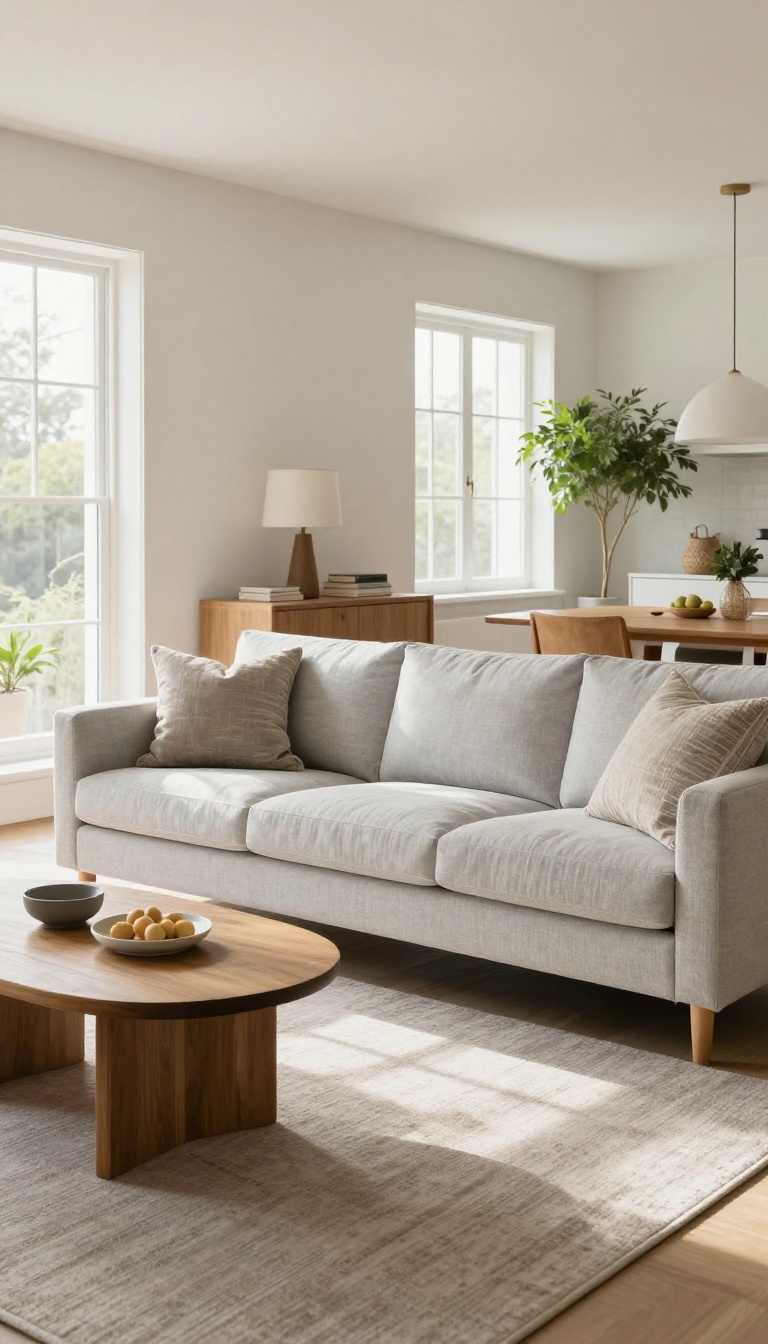
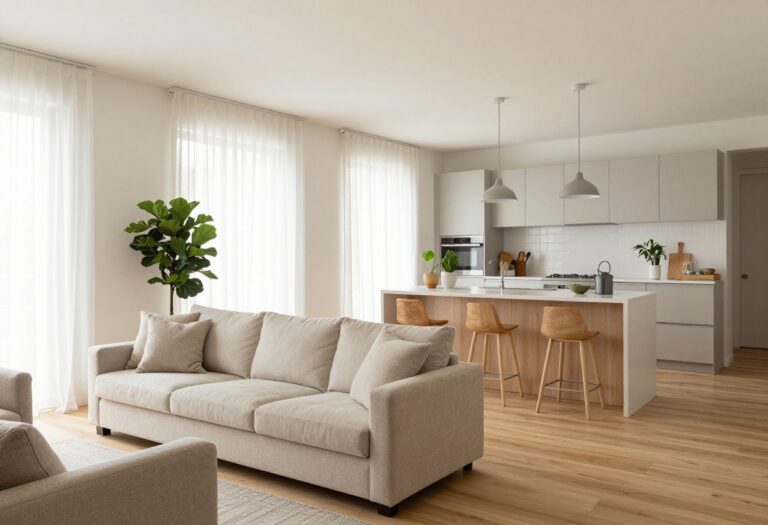
Pushing your couch against the wall is the default move, but it often leaves the room feeling flat. Floating it in the middle—pulling it away from the wall and letting it stand on its own—changes the entire dynamic. You get a defined conversation zone, better flow around the room, and a space that feels more intentional.
It’s a simple shift that can make even a basic sofa look like a designer piece.
When you float a couch, you’re not just moving furniture—you’re creating a room within a room. The couch becomes the anchor, and everything else arranges around it. This works especially well in open-plan layouts where you need to separate the living area from the kitchen or dining space without building walls.
It also helps in long, narrow rooms where a wall-hugging couch makes the space feel like a bowling alley. By pulling it forward, you break up the length and add depth.
How To Pull It Off Without Wobble
The key is to leave enough space behind the couch for a walkway—usually 30 to 36 inches. That gap keeps the room from feeling cramped and lets people pass through easily. If your couch has a finished back, great.
If not, a slim console table behind it adds stability and a spot for a lamp or books. Just make sure the couch doesn’t block any main traffic paths or doorways. A good rule: if you can walk around it comfortably, you’ve got it right.
Pair It With The Right Rug
A floating couch needs a rug to ground it. Choose one that’s large enough to sit under the front legs of the couch and extend beyond the coffee table. That visual connection keeps the arrangement from looking like it’s drifting.
A rug also helps define the conversation area, especially in open-plan spaces. If you’re working with a small room, a round rug can soften the angles and make the float feel intentional rather than accidental.
When Floating Works Best
This layout shines in open-concept homes, studio apartments, and any room where the couch currently feels stuck in a corner. It’s also a win if you love to entertain, because it encourages face-to-face conversation instead of everyone staring at a TV on the wall. But if your room is very small and you need every inch of floor space, a wall-hugging couch might still be the smarter choice.
Floating is about creating flow, not forcing a trend.
2. Create a Symmetrical Setup with Two Matching Sofas
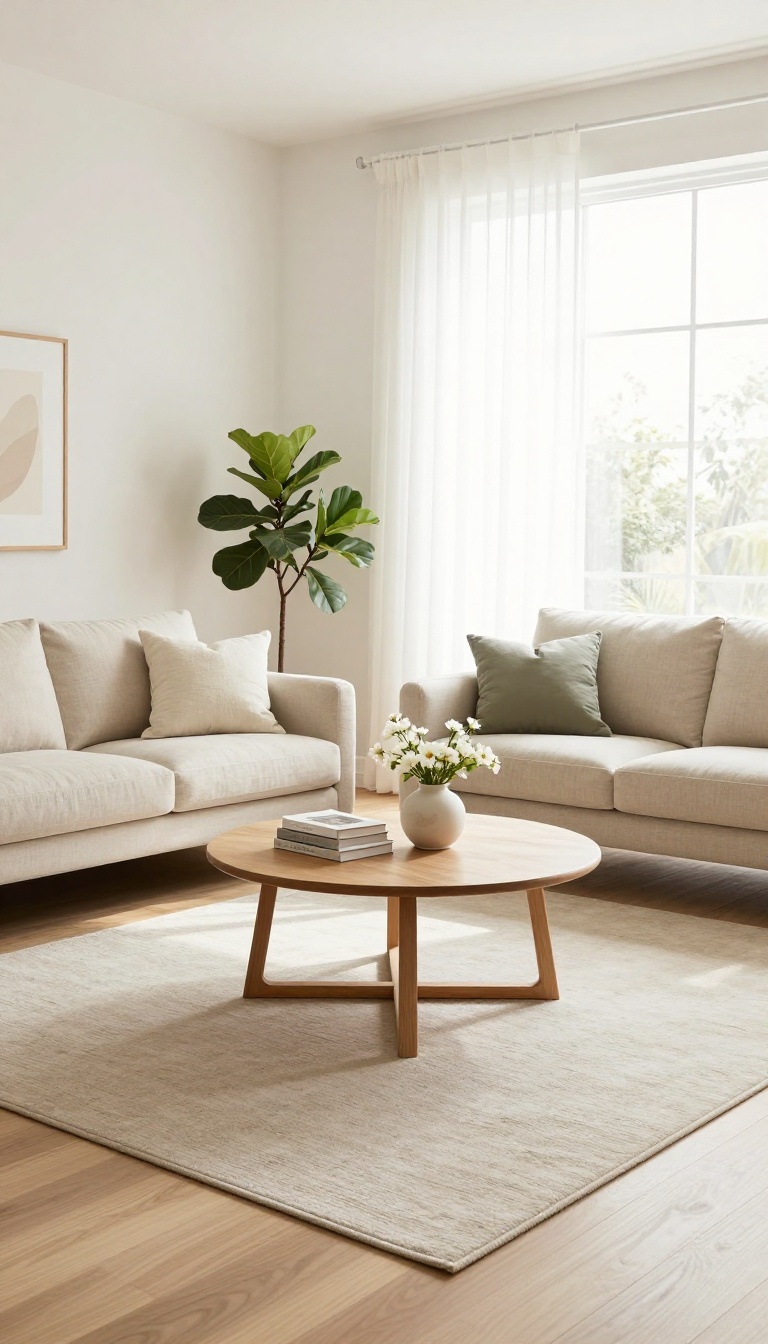
Symmetry has a way of making a room feel instantly pulled together. When you place two matching sofas face-to-face, you create a balanced, hotel-lobby vibe that’s both elegant and inviting. It’s a layout that works hard for entertaining but also makes a large room feel surprisingly intimate.
Two sofas facing each other isn’t just for fancy lobbies. It’s a practical way to define a conversation area, especially in open-plan spaces where furniture can feel like it’s floating. The key is to treat the pair as a single unit—they should mirror each other in style, size, and placement.
This doesn’t mean the rest of the room has to be perfectly symmetrical, but the sofas themselves set the tone. One of the biggest perks? Conversation flows naturally.
With everyone facing inward, there’s no awkward twisting or shouting across a coffee table. It’s a setup that encourages people to linger, which is exactly what you want when hosting friends or family. But there’s a catch: two sofas can eat up a lot of floor space.
That’s why this layout shines in larger rooms or open-concept areas. In a smaller space, it can feel cramped unless you choose sofas with low profiles and leggy frames that let light through. Scale matters more here than anywhere else.
You’ll also want to think about traffic flow. Leave at least 18 inches between the sofas and any walls or other furniture so people can move around without sidestepping. A rug underneath helps tie the zone together and visually anchors the arrangement.
Pick The Right Pair
Matching sofas don’t have to be identical twins. A pair in the same silhouette but different upholstery can work, as long as they share the same dimensions. If you already own one sofa, consider buying a second in a coordinating fabric rather than an exact match.
The goal is visual balance, not a showroom clone.
Style The Space Between
The gap between two sofas is prime real estate. A long, low coffee table or two square ones side-by-side fills it without blocking sightlines. Add a runner or a pair of matching rugs underneath to reinforce the symmetry.
Keep decor on both sides similar—think twin lamps or identical side tables—to enhance the balanced look.
Make It Work In Open Plans
In a large open room, two facing sofas can define a living zone without walls. Use the back of one sofa as a subtle divider between the living area and, say, a dining space. A console table behind it adds storage and makes the transition feel intentional.
Just avoid pushing both sofas against opposite walls—that creates a bowling alley effect instead of a cozy nook.
3. Use an L-Shaped Sectional to Define the Space
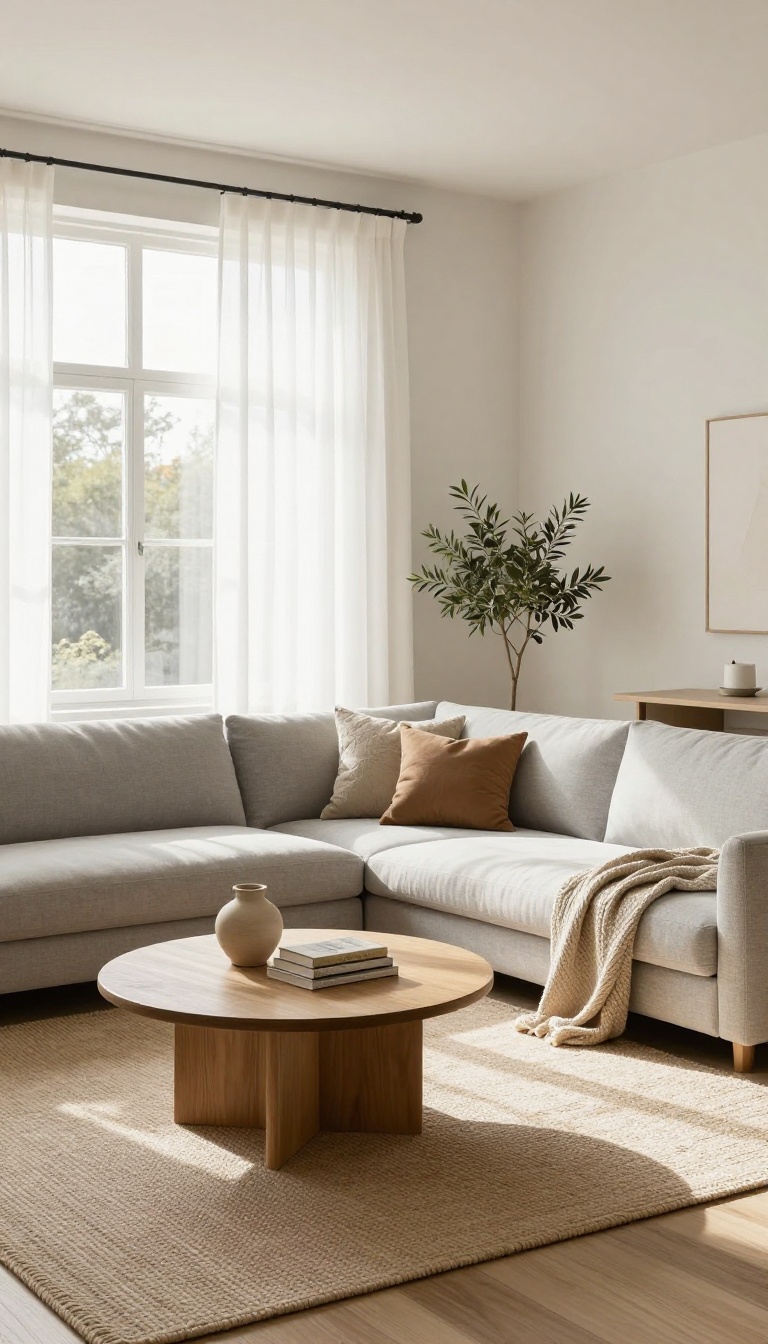
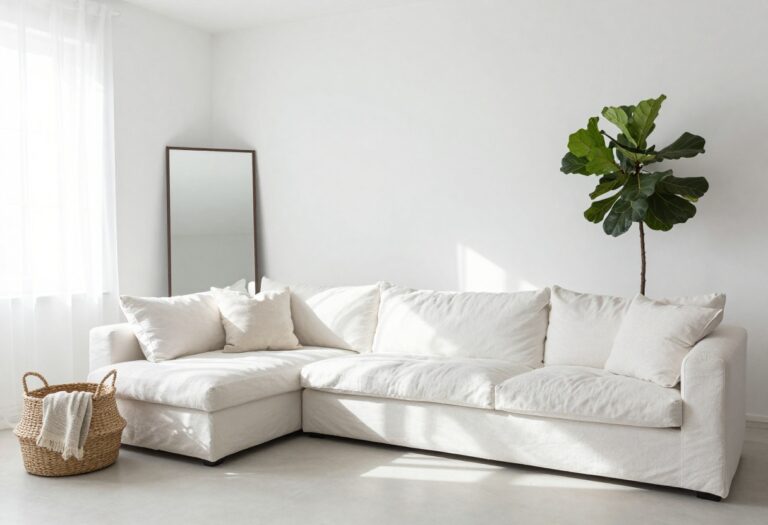
An L-shaped sectional does more than seat a crowd—it draws an invisible line around your living area. In an open floor plan, that line is everything. Without walls, you need furniture that tells your brain where one zone ends and another begins.
A sectional wraps around a corner and creates that boundary naturally, no construction required.
Think of the long side of the L as your main seating wall and the short side as the turn that closes the conversation area. When you place it correctly, the back of the sectional becomes a low wall that separates the living room from the dining area or kitchen. Guests instinctively know where to sit, and traffic flows around the outside instead of cutting through the middle.
The key is to pull the sectional away from the actual walls. Floating it even a few inches gives you that room-within-a-room effect and makes the whole space feel intentional rather than accidental.
Anchor The Corner, Not The Wall
Most people push the corner of the sectional into the room's corner. That works, but it can make the seating feel trapped. Instead, try placing the corner near a window or a focal point like a fireplace.
The L then wraps around that feature, turning it into the star of the zone. You get a cozy nook that feels separate from the rest of the floor plan, and the back of the sofa still defines the edge of the living area.
Leave A Walkway Behind The Sofa
A common mistake is shoving the sectional so far back that there's no breathing room. Leave at least 30 to 36 inches behind the longest side. That gap becomes a natural path from one part of the room to another.
It also prevents the sectional from looking like it's trying to be a wall. The open space keeps the room feeling airy while the L still does its job of corralling the seating.
Pair It With A Rug That Matches The L
A rug can reinforce the zone your sectional creates. Choose one that mirrors the L shape—either a large rectangle that extends a few inches past the sofa's edges or a custom-cut rug that follows the same lines. The rug ties the seating together and visually lowers the ceiling over that spot, making it feel like a distinct room.
Just make sure all the front legs of the sectional sit on the rug for a cohesive look.
4. Angle the Couch in a Corner for a Relaxed Vibe
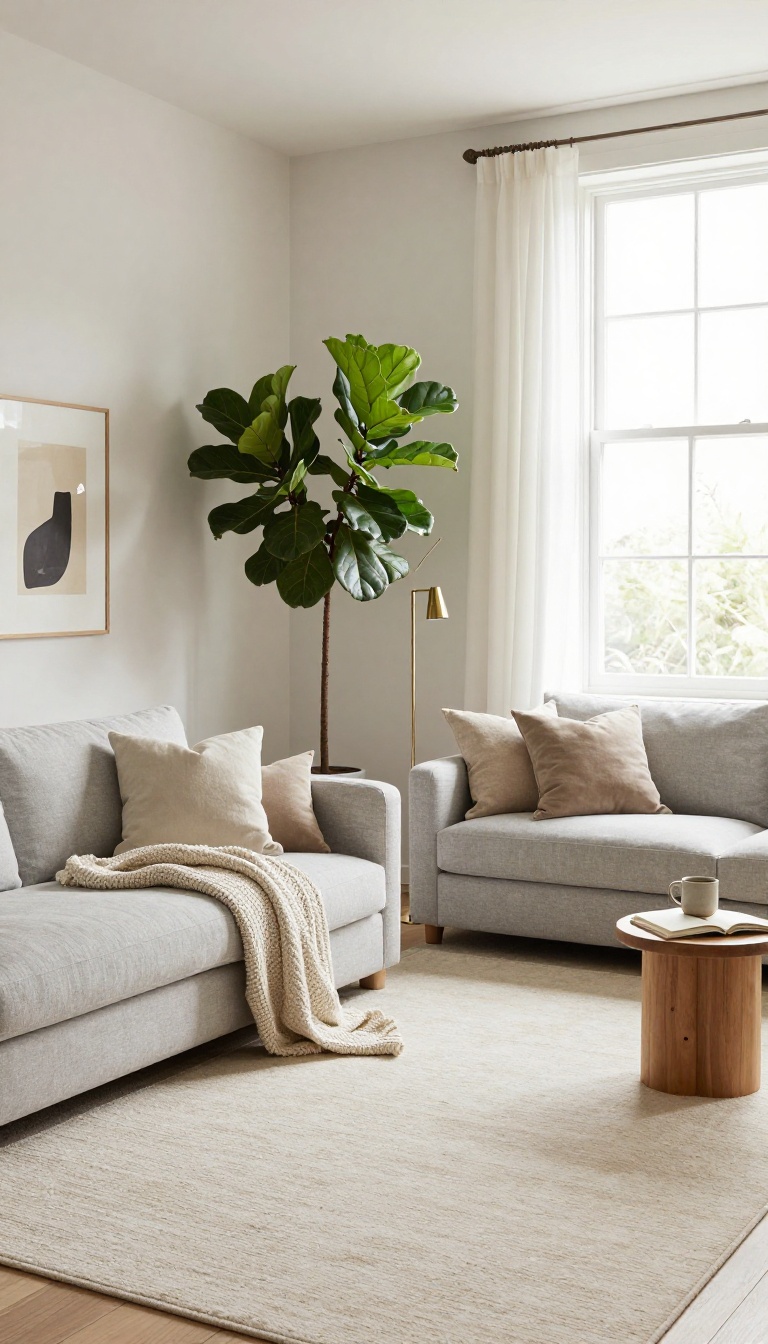
Most people shove their couch flat against a wall without thinking twice. But that predictable placement can make a room feel stiff and boxy. Try turning the sofa on a diagonal in one corner instead.
It instantly softens the room's hard edges and creates a more laid-back, conversational feel. This trick works especially well in small apartments, awkward nooks, or any spot where you want to unwind with a book.
Angling a couch doesn't mean you have to rearrange your entire life. It's a simple pivot that changes how the room flows and how you use it. The diagonal line breaks up all the right angles, so the space feels less rigid and more inviting.
You'll also free up wall space for art, shelves, or a console table. And because the couch faces into the room rather than straight ahead, it naturally encourages conversation.
Why The Corner Angle Works
A corner angle turns a dead zone into a destination. That empty corner suddenly becomes the coziest spot in the room. The diagonal placement also improves traffic flow—people can walk around the couch instead of squeezing past it.
And visually, it adds depth, making a small room feel larger and a large room feel more intimate.
How To Pull It Off Without Looking Sloppy
Start by pulling the couch away from the wall just a few inches. Then rotate it so the back sits at a 45-degree angle to the corner. You don't need a perfect measurement—just eyeball it until it feels right.
Add a rug underneath to anchor the new arrangement. A floor lamp or tall plant behind the couch fills the gap and makes the angle look intentional.
Best Spots For An Angled Couch
This layout shines in small living rooms where every inch counts. It's also perfect for a reading nook or a quiet corner near a window. If you have an open floor plan, use an angled couch to define a seating zone without walls.
Just avoid blocking main walkways—keep at least two feet of clearance for easy movement.
5. Pair a Sofa with Two Accent Chairs for Flexibility
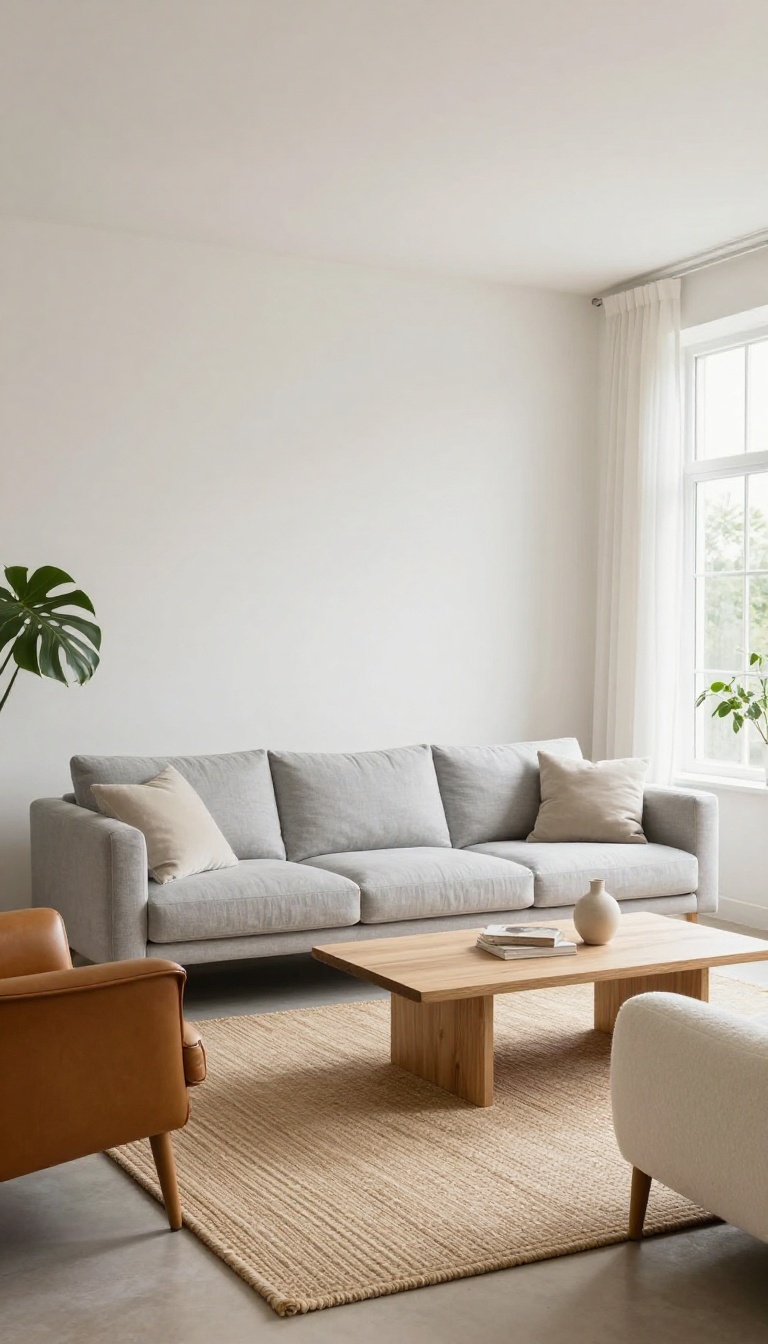
Two accent chairs flanking a sofa give you the best of both worlds: plenty of seating and the freedom to shift things around whenever you want. Unlike a sectional that locks you into one shape, this setup lets you open up the room for a party or pull the chairs in close for a quiet chat. It's a simple layout that works in almost any size space, and it keeps the room from feeling heavy or overcrowded.
The magic of a sofa-plus-two-chairs arrangement is that nothing is permanent. You can angle the chairs toward the couch for conversation, swing them out toward a TV, or move one to a corner when you need more floor space. That kind of flexibility is hard to beat, especially in a living room that doubles as a home office or play area.
Plus, two chairs often cost less than a second sofa, so you get a fresh look without a major investment.
How To Place The Chairs
Start by floating the sofa away from the wall a few inches—it instantly makes the room feel more intentional. Then place the two chairs opposite the sofa, angled slightly inward, as if they're leaning into the conversation. Leave about 18 inches between the chairs and the sofa so people can walk through without squeezing.
If your room is narrow, try putting the chairs side by side across from the sofa instead of on the ends. That keeps the walkway clear and still feels balanced.
Mix And Match Styles
You don't need matching chairs, and honestly, mismatched ones often look better. Try two different silhouettes—like a sleek armchair and a plush lounge chair—to add visual interest. Just keep the scale similar so one doesn't overpower the other.
A shared color or material, like both in a similar wood tone or fabric texture, ties them together without feeling too matchy. This approach lets you use pieces you already own or hunt for deals without stressing about a perfect set.
When To Use This Layout
This setup shines in medium-sized living rooms where a sectional would eat up too much space. It's also great for renters who want a flexible arrangement they can tweak without damaging walls. If you host small gatherings often, the chairs can be pulled into a circle for game night or pushed back to create a dance floor.
And for everyday life, it keeps the room feeling open and airy instead of stuffed with furniture.
6. Put the Couch Against a Window for a Scenic Backdrop
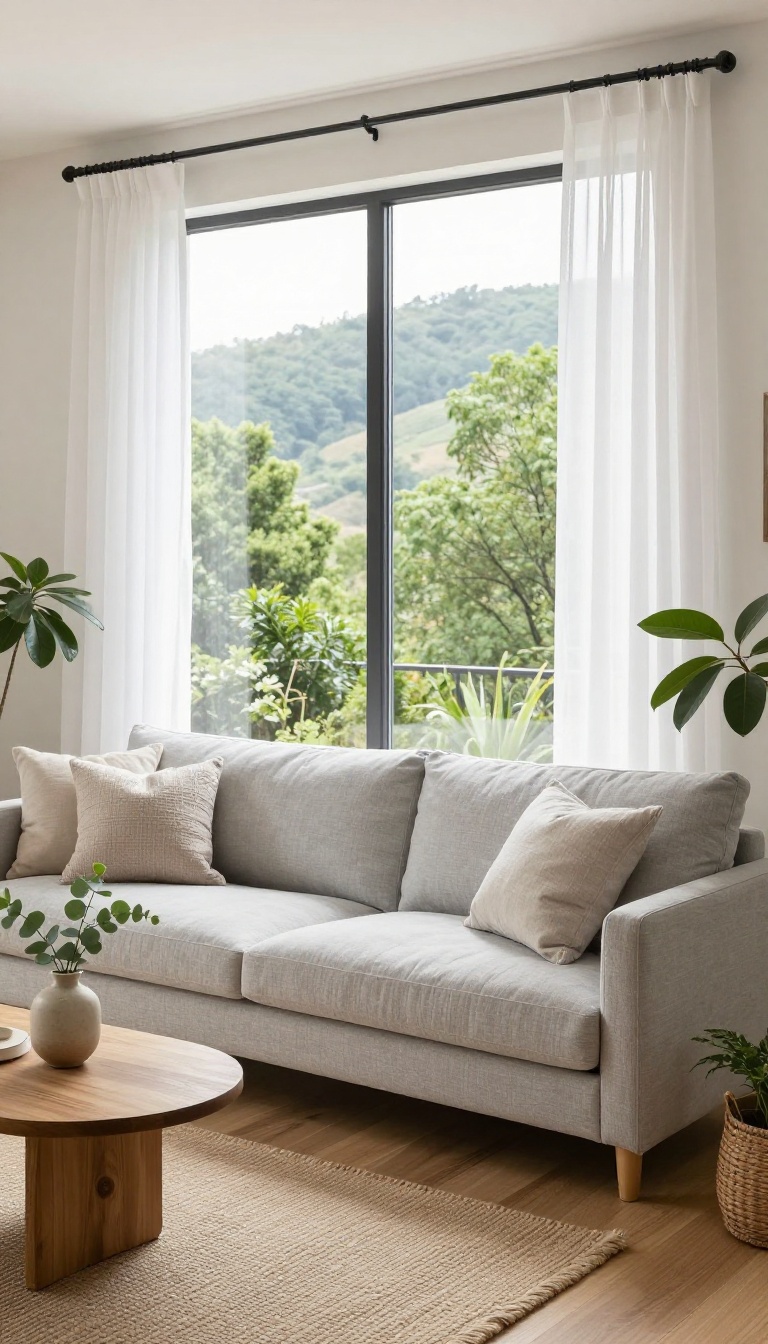
A great view deserves better than being ignored. When you place your couch against a window, you turn that view into the star of the room. The seating area gets a natural boost of light, and the window becomes a living piece of art that changes with the seasons.
This layout works best when the window is large and the view is worth showing off. Instead of competing with the outside, your couch frames it. You get a cozy spot to sit and look out, and the room feels more open and connected to the outdoors.
Just make sure the couch doesn't block too much of the window. You want the view visible from other parts of the room, not just from the couch itself. A low-profile sofa or one with an open back keeps things airy.
If privacy is a concern, sheer curtains or a light roller shade let you control the light without losing the view. One thing to watch: direct sun can fade fabric over time. If your window gets strong afternoon light, consider a performance fabric or rotate the couch occasionally.
But for many homes, the trade-off is worth it—the room instantly feels brighter and more inviting.
Make The View The Focal Point
Position the couch so it faces the window, not with its back to it. That way, anyone sitting down gets the full effect. If the couch has to go against the window due to space, angle it slightly so it doesn't sit flush.
This small tweak keeps the view accessible from other seats too.
Choose The Right Couch
Low-back sofas and settees work great here because they don't block the window. A glass or acrylic console behind the couch can add storage without visually closing off the view. If you need a high back, pick a style with a slim profile so light still flows through.
Handle Light And Privacy
Sheer curtains diffuse harsh sun without hiding the view. For privacy, add a woven shade or frosted film on lower panes. At night, the window turns into a mirror, so a lamp behind the couch helps balance the reflection and keeps the room feeling warm.
7. Create a U-Shaped Conversation Zone
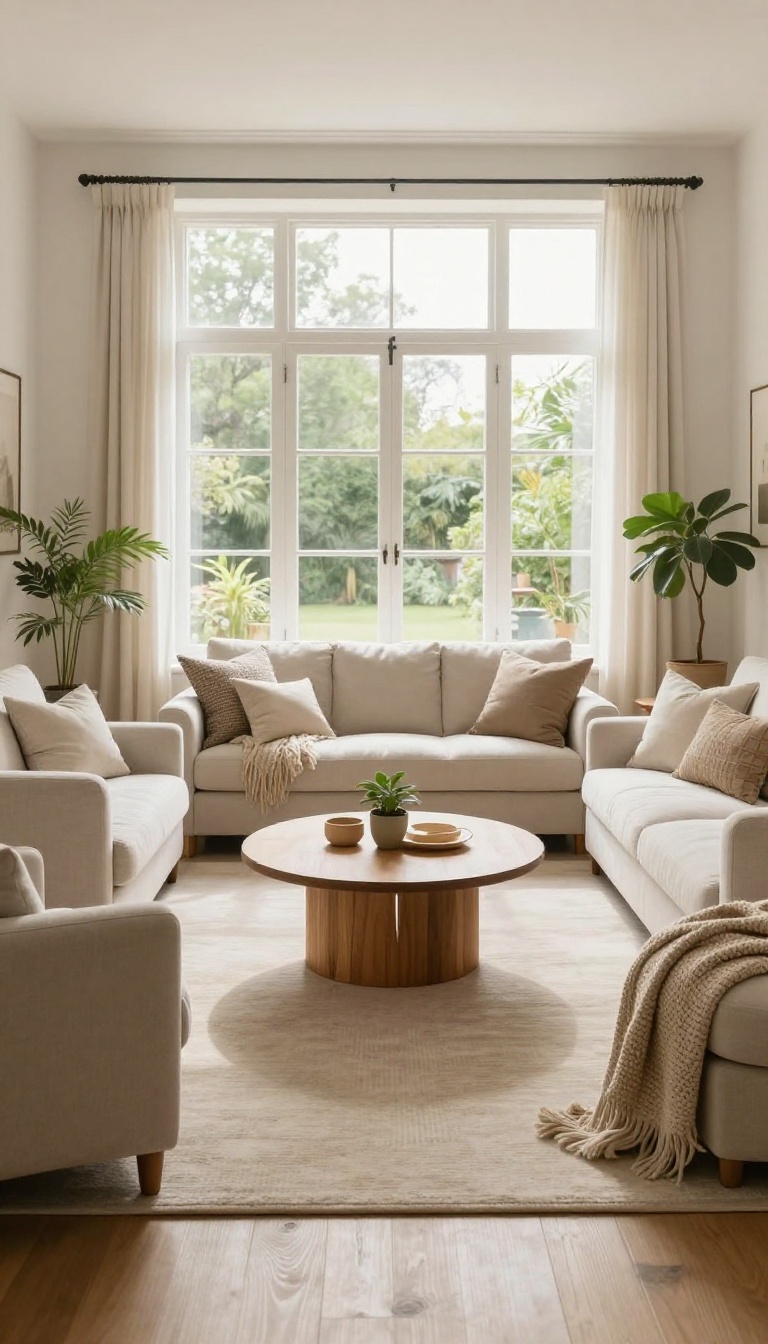
A U-shaped arrangement turns your living room into a natural gathering spot. You place a sofa at the back and two chairs on either side, all angled slightly inward. The result is a cozy pocket where everyone can see and hear each other without craning their necks.
This layout works because it closes off the conversation circle while still leaving the room open. The sofa anchors the group, and the chairs act like arms pulling everyone into the discussion. It's perfect for book clubs, game nights, or just catching up with friends.
You don't need a massive space to pull this off. Even a small apartment can handle a compact U-shape if you choose the right pieces. The key is to keep the center open and the walkways clear.
When you arrange the furniture, think about traffic flow. You want people to enter the U easily without stepping over legs or squeezing past the coffee table. Leave at least 18 inches between the coffee table and the seating so everyone can move freely.
Lighting also plays a big role. A floor lamp behind one of the chairs or a pendant light above the coffee table can make the zone feel intentional. Avoid harsh overhead lights that wash out the cozy vibe.
Finally, don't be afraid to mix textures. A leather sofa with fabric chairs, or a velvet couch with woven seats, adds depth without breaking the conversation flow.
Choose The Right Pieces
A standard three-seater sofa works as the base, but you can also use a loveseat if space is tight. For the side chairs, pick something with a low back so they don't block sightlines. Swivel chairs are a bonus because they let people turn toward the group or the TV.
Angle Matters
Don't line everything up parallel. Angle the chairs about 45 degrees toward the sofa. That slight turn makes the conversation feel more natural and keeps the layout from looking like a waiting room.
Keep The Center Open
A large coffee table can kill the flow. Go with a round or oval one, or use two small nesting tables. That way, people can reach their drinks without having to lean across a huge surface.
8. Use a Console Table Behind a Floating Couch
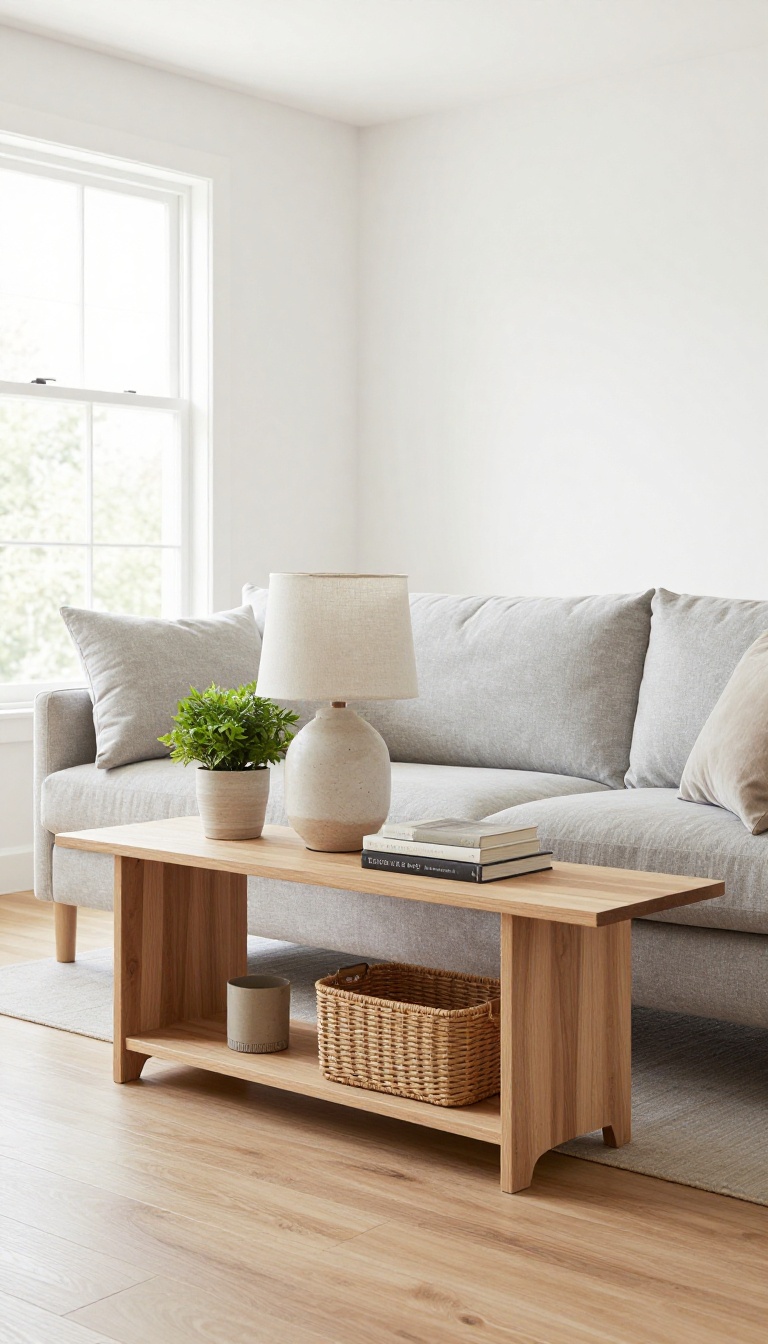
A floating couch sits out in the open, away from the wall, and that's exactly what makes it useful. It creates a walkway behind it, opens up the room, and lets you define zones without building anything. But sometimes a floating sofa can feel like it's drifting.
A slim console table tucked behind it fixes that in about ten minutes.
The console acts like a low wall. It gives the back of the sofa a finish line, so the couch stops looking like it landed in the middle of the floor by accident. It also gives you a spot for a lamp, a couple of books, or a tray for keys and remotes.
In an open layout, that little strip of furniture tells the eye where the living room ends and the next zone begins.
Pick The Right Size
Measure the back of your sofa first. You want a console that's a few inches shorter on each side, not longer, so it doesn't stick out awkwardly. Depth matters too: 10 to 14 inches is usually enough to be useful without eating your walkway.
Leave at least 24 inches of clearance behind the console so people can still pass through comfortably.
Style It Without Clutter
A console behind a sofa is a visual bridge, so keep it light. One lamp, one small plant, and a stack of two or three books is plenty. If you need storage, choose a console with a lower shelf or a pair of slim drawers.
Baskets work well on the bottom shelf and hide the random stuff you don't want on display.
Make It Work In Small Rooms
In a tight space, a floating sofa with a console behind it can actually feel bigger than a wall-hugging couch. The gap behind the console keeps the room from feeling blocked off. Just skip the bulky decor and stick to a narrow table with open legs.
That way light and sightlines still travel through the room.
9. Try a Diagonal Layout for an Unconventional Twist
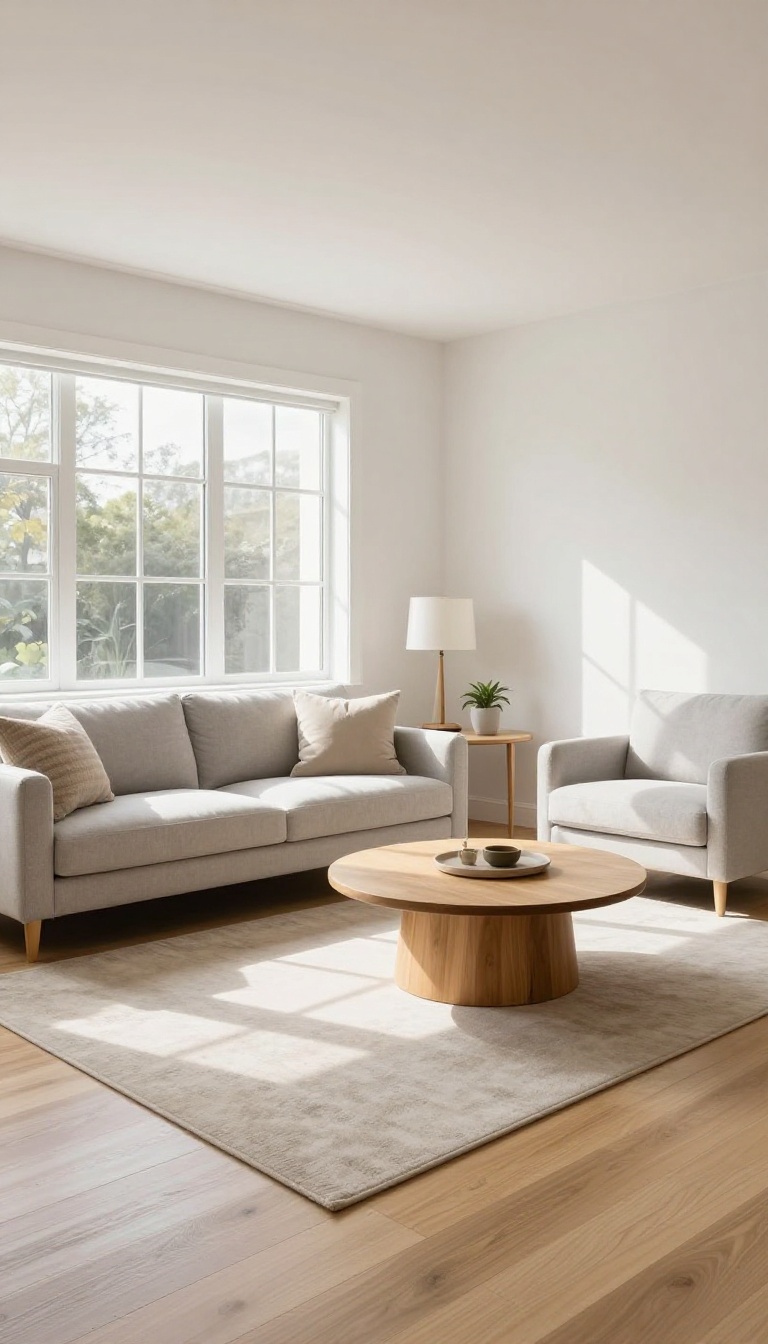
Angling your couch at 45 degrees to the walls breaks every rule you learned from furniture showrooms. It's a bold move that adds energy and makes the room feel less predictable. Plus, it often solves layout problems you didn't know you had.
A diagonal couch creates a natural focal point and opens up corners that usually get ignored. It works especially well in small rooms because the angled placement draws the eye across the space, making it feel wider. You'll also get better conversation flow since people face each other more directly.
The key is to commit—halfway angles look like mistakes, but a true 45-degree turn looks intentional and stylish.
Why It Works In Small Rooms
When you push a couch against a wall, you create a narrow walkway and a dead zone behind it. Angling the couch frees up that back area for a console table, a floor lamp, or even a small reading nook. The diagonal line also tricks the eye into seeing more floor space.
In tight rooms, that optical illusion is a game-changer.
How To Pull It Off Without Clutter
Start by placing the couch at a 45-degree angle in a corner or near a focal point like a fireplace. Anchor it with a rug that's large enough to sit under the front legs. Keep the rest of the furniture simple—a round coffee table and one accent chair work better than a full matching set.
Too many angles will make the room feel chaotic, so let the couch be the star.
When To Skip The Diagonal
If your room is long and narrow, a diagonal couch might block traffic flow. Same goes for open-concept spaces where you need clear pathways. In those cases, a floating or L-shaped layout usually works better.
But if you have a square-ish room with a dull corner, this is your chance to shake things up.
10. Pair a Loveseat with a Chaise for Small Spaces
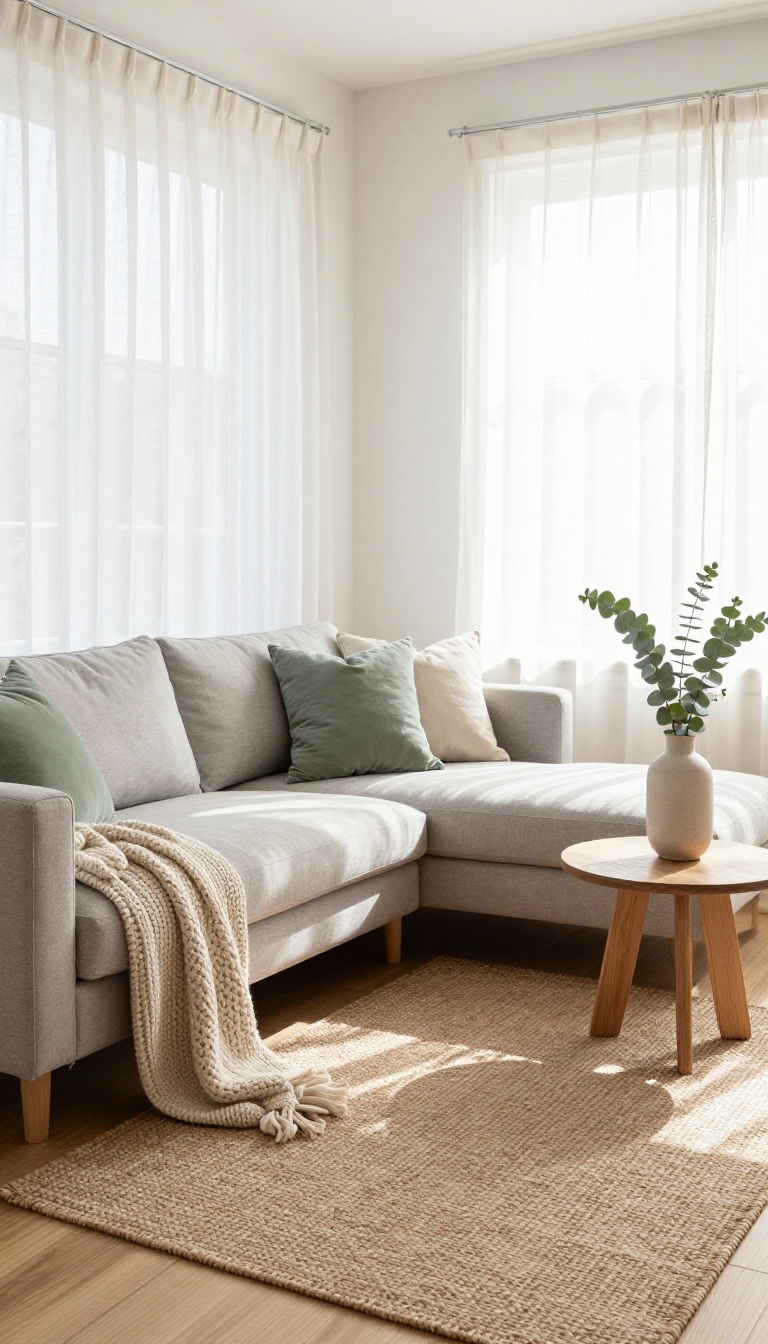
A loveseat and a chaise lounge might not sound like a full seating setup, but together they cover more ground than you'd expect. The loveseat handles upright sitting and conversation, while the chaise gives you a spot to stretch out and relax. In a studio apartment or a tight corner, that combination works harder than a full-size sofa ever could.
The trick is treating the chaise as an extension of the loveseat, not a separate piece. Place them at a right angle or slightly offset so they read as one continuous zone. That way, you get the function of a sectional without the bulk.
It's a smart move for renters, tiny homes, or anyone who needs flexibility more than square footage.
Why This Combo Works
A standard sofa eats up a lot of floor space and usually only offers one kind of seating. A loveseat plus chaise gives you two distinct postures: sitting up and lounging back. You can also separate them when you need to open up the room for guests or a workout.
That kind of adaptability is hard to beat in a small space.
How To Arrange Them
Start by anchoring the loveseat against a wall or floating it slightly off. Then angle the chaise so its long side runs parallel to the loveseat or forms a loose L. Leave at least 18 inches between them so the space doesn't feel cramped.
If you have a corner, tuck the chaise into it and let the loveseat face outward.
Style Tips That Keep It Cohesive
Match the upholstery or stick to the same color family so the two pieces feel intentional. A shared throw blanket or a pair of matching pillows bridges the gap. Keep the chaise's lines clean if the loveseat has a skirt or tufting, and vice versa.
The goal is balance, not a perfect match.
11. Face the Couch Toward a Fireplace or TV
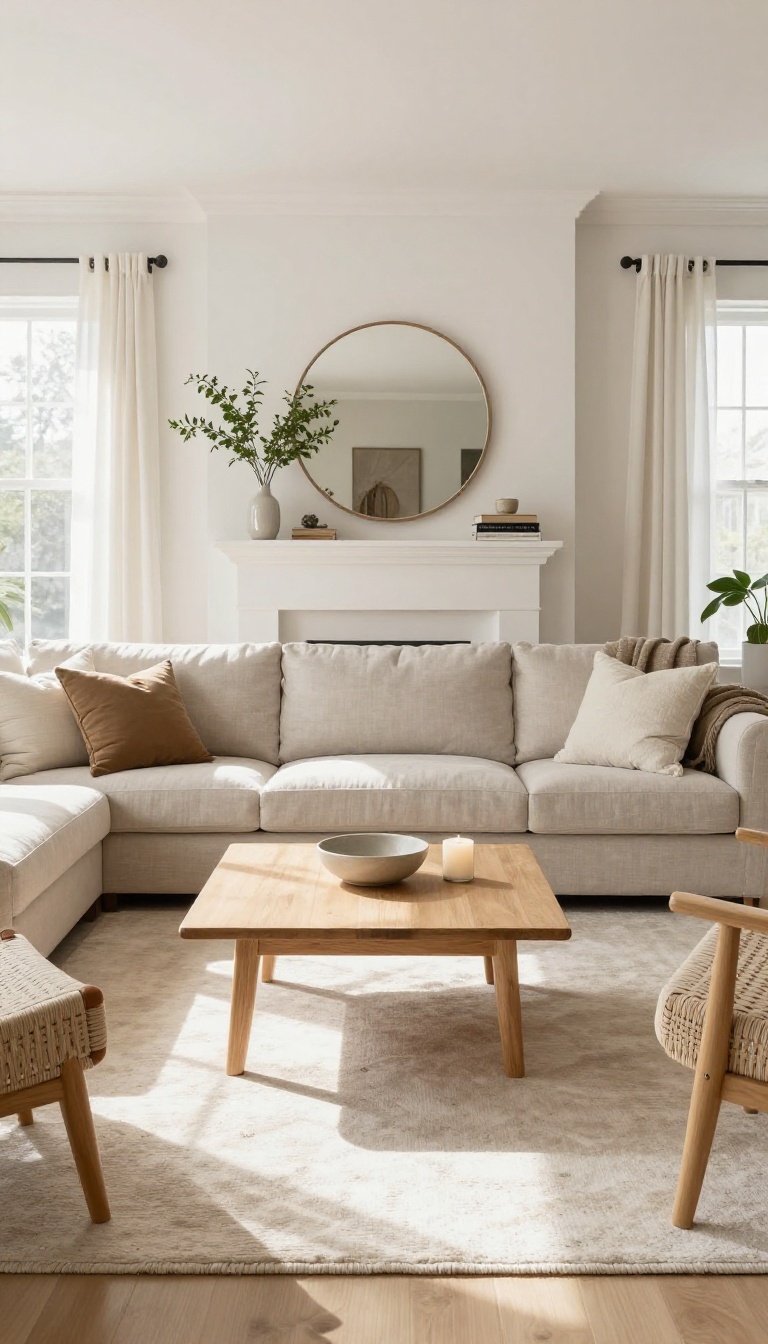
Some rooms already have a built-in star: a fireplace, a media console, or a big window with a view. When you point your main seating at that focal point, the room instantly knows what it's for. It's the oldest layout trick in the book, and it still works because it gives everyone a shared direction.
This is the layout you probably grew up with, and there's a reason it stuck around. The couch faces the fireplace or TV, maybe with a couple of chairs flanking it, and the whole room reads as a place to hang out together. It's not about being formal.
It's about giving the space a job. When seating aims at something, people stop wandering and start settling in.
Make The Focal Point Worth Facing
If your fireplace is dark most of the year, dress it up with a stack of books, a large mirror, or a piece of art above the mantel. A TV works too, but keep the screen from dominating when it's off by hiding cables and choosing a console that looks good closed. The goal is simple: whatever you face should hold its own when nothing is happening on it.
Keep The Distance Comfortable
Sit on your couch and look at the fireplace or TV. If you have to crane your neck or squint, you're too far. If your knees almost touch the hearth, you're too close.
A good rule is 8 to 12 feet for a TV and a bit more for a fireplace. Pull the couch forward if you need to. Floating it slightly off the wall usually looks better anyway.
Add Side Seating Without Blocking The View
Two chairs angled toward the center turn a simple setup into a conversation zone. Place them on either side of the couch, slightly turned in, so they face the focal point too. Avoid putting tall furniture between the couch and the fireplace or TV.
Low tables, ottomans, and rugs keep the sightline open and the room feeling connected.
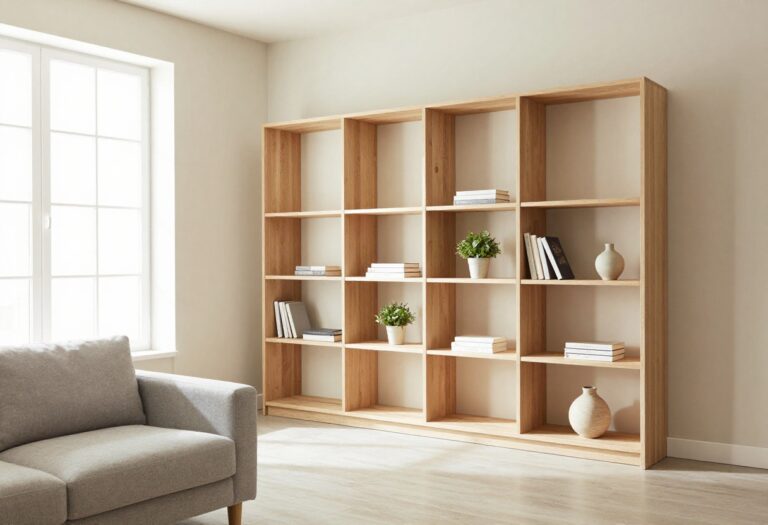
12. Create a Reading Nook with a Couch and Bookshelf
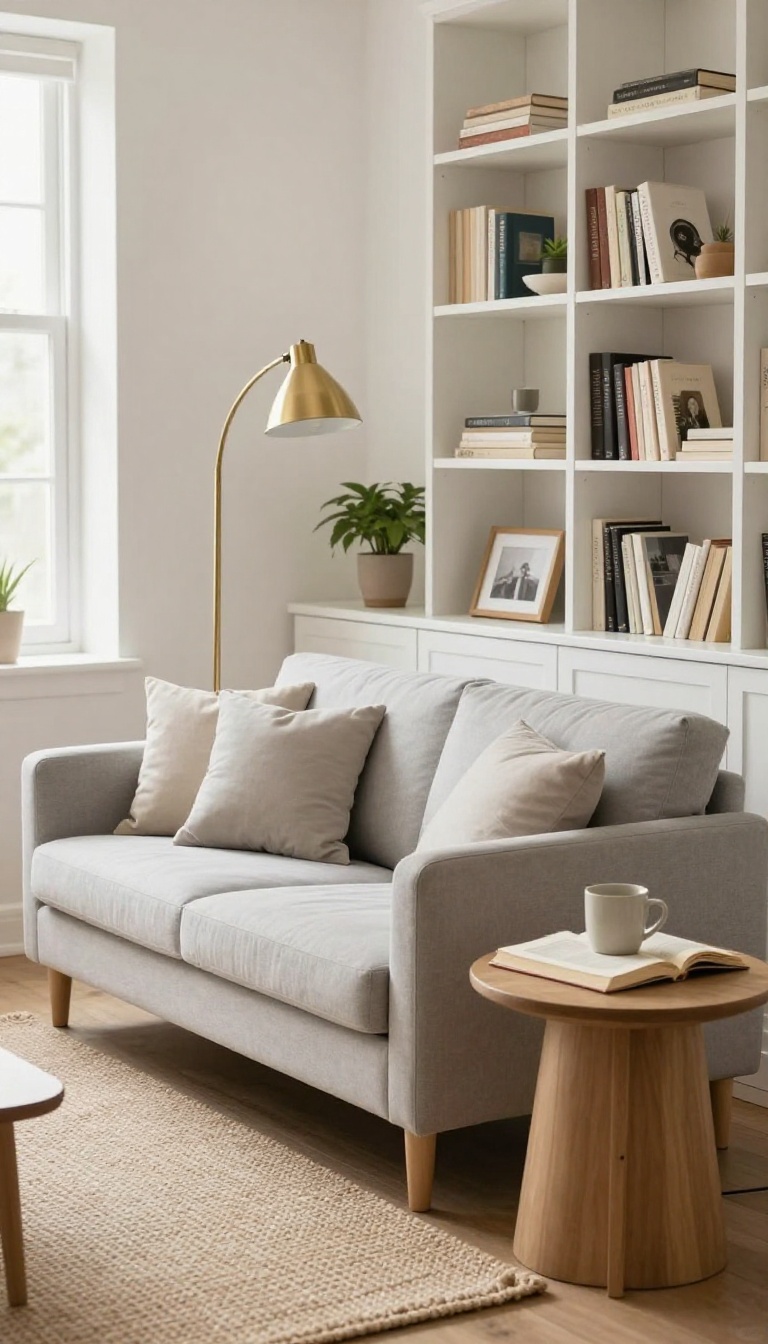
A reading nook gives you a dedicated spot to unwind with a book, and it doesn't require a separate room. By pairing a small couch or settee with a bookshelf, you create a natural boundary that feels intentional and cozy. The setup works in a corner, along a wall, or even as a divider in an open floor plan.
Add a floor lamp and a side table, and you've got everything you need within arm's reach.
The key is to treat the nook as its own little zone. Position the couch so it faces the bookshelf or sits perpendicular to it, depending on your space. You want the bookshelf to feel like part of the seating area, not just storage.
A rug underneath helps define the nook and keeps it from feeling like an afterthought. Keep the layout simple: couch, shelf, lamp, table. That's it.
Pick The Right Spot
Corners are ideal because they naturally enclose the space. If you don't have a free corner, look for a wall with enough room for both the couch and the shelf side by side. Avoid high-traffic paths so the nook stays peaceful.
A spot near a window is a bonus for natural light.
Choose A Compact Couch
A full-size sofa will overwhelm a small nook. Go for a loveseat, settee, or even a wide armchair that seats two comfortably. Measure your space first—you want at least 18 inches of walking room around the couch.
A low-profile back keeps sightlines open.
Style The Bookshelf
Don't just fill it with books. Mix in a small plant, a framed photo, or a decorative object to break up the rows. Leave some empty space so it doesn't feel cluttered.
Keep the items you reach for most—like a coaster or a bookmark—at arm's reach.
Add The Finishing Touches
A floor lamp with an adjustable arm lets you direct light right onto your page. Place a side table between the couch and the shelf for your drink or phone. A throw blanket draped over the arm adds warmth and invites you to sit down.
13. Mix a Sofa with Ottomans for Modular Seating
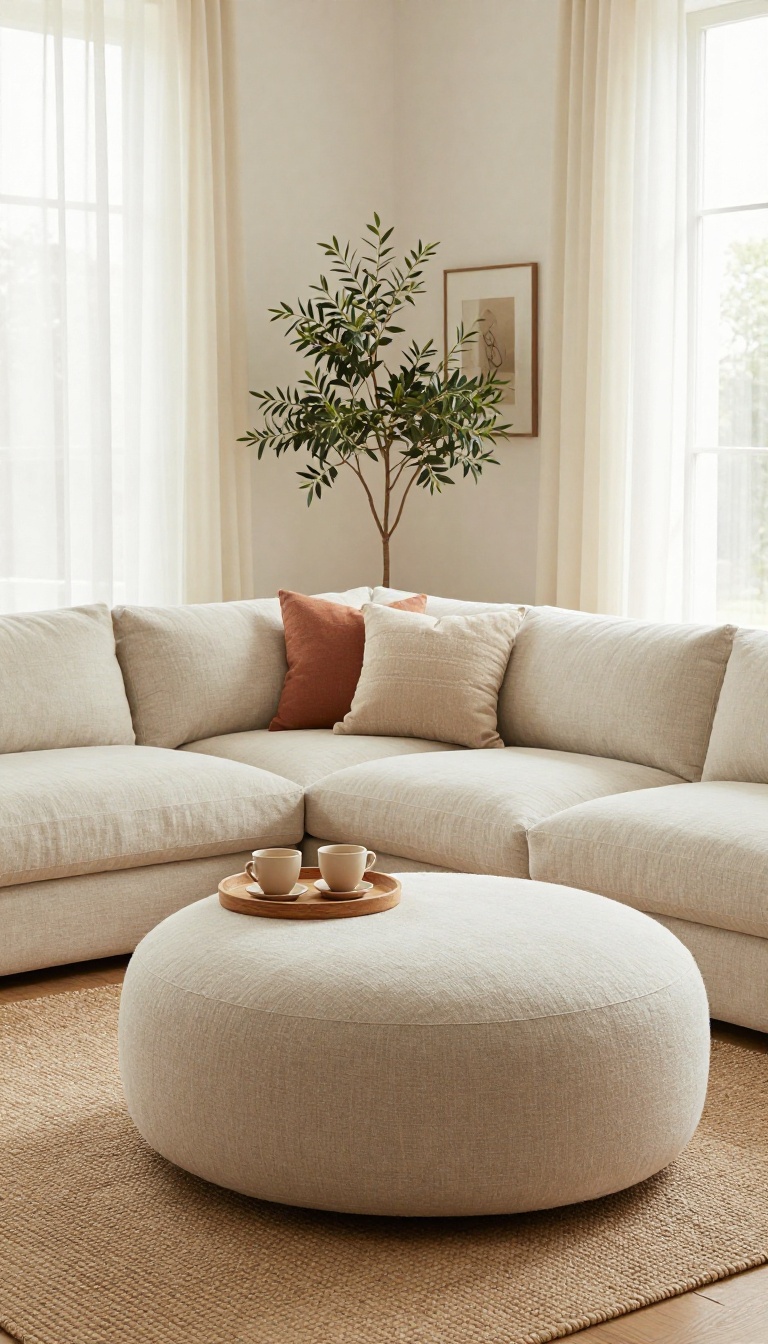
A coffee table locks your seating into one shape. Ottomans don't. Swap the table for a few sturdy ottomans and your couch suddenly works for movie nights, game days, and everything in between.
They slide out of the way when you need floor space, pull up close when you want a footrest, and turn into extra seats the second more people show up. It's the easiest way to make a room feel bigger without buying anything new.
The trick is treating ottomans as furniture you actually move, not decorative pieces that sit in one spot forever. Once you get comfortable shifting them around, the whole room loosens up. Start with two or three that match your couch's height when you sit on them.
That way they double as seats without anyone feeling like they're parked on a footstool. Round ones soften a boxy sofa; square ones line up neatly for a cleaner look. Keep a small tray or a lightweight side table nearby for drinks, since you're giving up the coffee table surface.
A tray that lifts off an ottoman works fine, and you can set it on the floor when the ottomans move. When guests arrive, spread the ottomans into a loose arc facing the couch. When it's just you, push them together in front of the sofa and put your feet up.
No rearranging heavy furniture, no scratched floors.
Pick Ottomans That Pull Double Duty
Look for ones with a firm top and a height close to your couch seat. That combo makes them comfortable to sit on, not just rest your feet on. Storage ottomans are a bonus if you need a place for blankets or remotes.
Arrange Them For Conversation Or Comfort
For parties, fan them out so people can face each other without craning their necks. For solo nights, cluster them in front of the couch as a footrest zone. A quick push or pull is all it takes to switch modes.
Solve The Drink Problem
Without a coffee table, you need somewhere to set a glass. A tray that sits on top of one ottoman works, or a slim C-table that slides over the couch arm. Keep it light so you can move it with one hand.
FAQ
How do I choose the right couch layout for my living room?
Consider the room's size, shape, and how you use it. Measure your space, identify focal points, and think about traffic flow. Try a few arrangements with painter's tape before moving furniture.
What's the best couch layout for a small living room?
Opt for a loveseat or small sofa and place it against a wall or in a corner. Use a floating layout with a console table behind it to save space. Avoid oversized sectionals.
Can I use these layouts in an open-plan space?
Yes, many of these ideas work well in open-plan homes. Floating the couch, using a sectional, or adding a console table can help define the living area without walls.
How do I make a couch layout feel cozy?
Add layers like rugs, throw pillows, and blankets. Choose a layout that encourages conversation, like a U-shape or facing sofas. Soft lighting and warm colors also help.
Should the couch face the TV or the fireplace?
It depends on which you use more. If you watch a lot of TV, face the couch toward it. If you prefer conversation, face the fireplace or a window.
You can also angle the couch to enjoy both.
Conclusion
Your couch layout does not need to be permanent. Try one arrangement this weekend, live with it for a week, and pay attention to how the room actually feels when you use it. If a walkway still bugs you or a corner stays empty, shift things again.
That is normal, not a failure.
The best layouts come from small adjustments over time. Move the rug, angle a chair, or swap the side table. Each change teaches you something about the space.
Before long, the room will feel like it finally fits how you live.