13 Guest Room Decor Touches for a Soft Collected Look
Stepping into a guest room that feels softly collected is like receiving a warm hug after a long journey. It's not about perfection—it's about layering textures, light, and personal touches that make visitors feel instantly at ease.
You don't need a big renovation or a designer's budget to achieve this look; just a few intentional choices can transform a spare room into a calm retreat. From the bed's cozy layers to the gentle glow of a floor lamp, each detail works together to create a space that's both practical and inviting.
Let's walk through 13 touches that will make your guest room feel effortlessly put together.
1. Layer Bedding with Texture
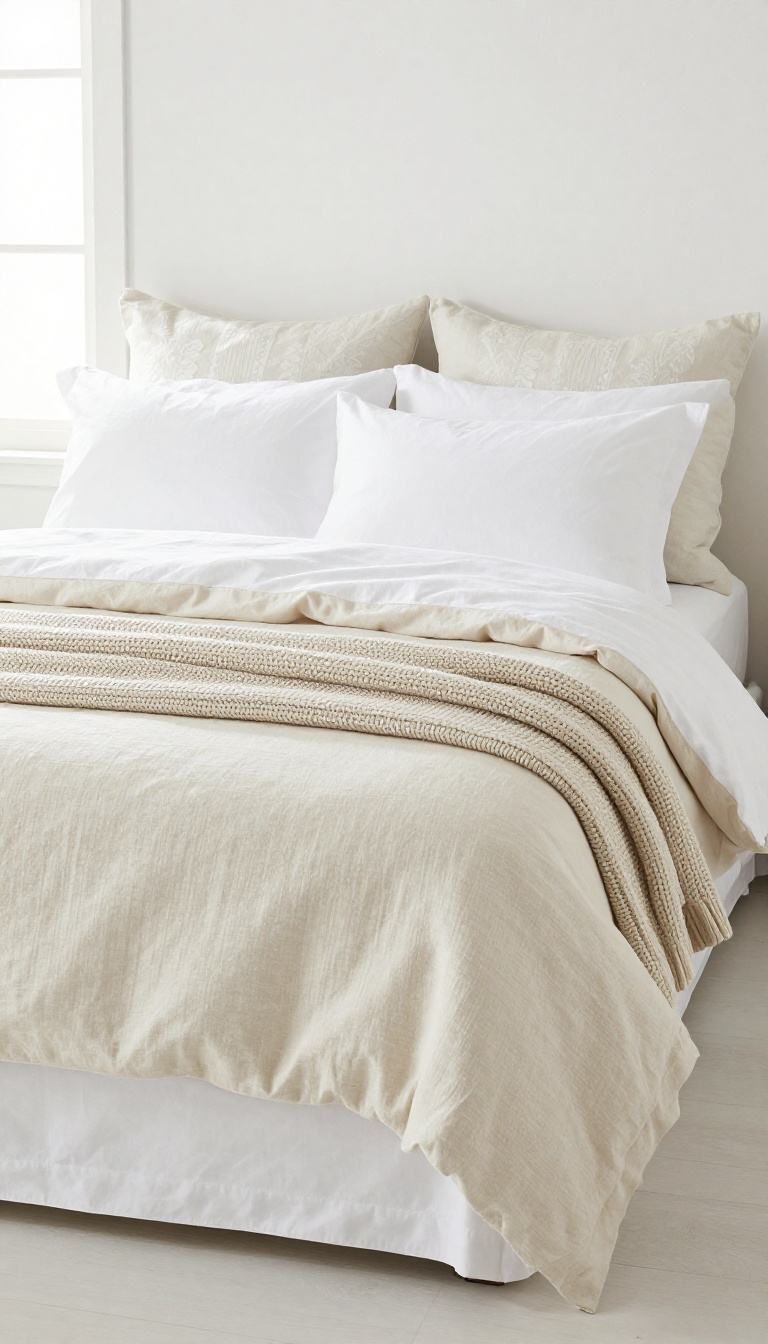
The bed is the heart of any guest room, and the quickest way to make it feel inviting is through layered textures. Mixing different fabrics adds visual interest and a sense of comfort that a single flat sheet set just can't achieve. Start with a crisp cotton base, then add a soft linen duvet or quilt for a relaxed, lived-in feel.
Top it off with a chunky knit throw at the foot of the bed—it's not just for looks; it's there for guests who want an extra layer of warmth on cool nights. This combination of materials creates a bed that looks effortlessly styled while being genuinely cozy.
Layering bedding is more than just piling on blankets—it's about creating a tactile experience that makes guests want to sink in and stay. The key is to mix textures that complement each other without feeling busy or overwhelming. Start with a base of high-quality cotton sheets in a neutral color like white or cream.
This provides a clean, breathable foundation. Next, add a linen duvet or a lightweight quilt in a soft, muted tone—linen's natural wrinkles add an easy, relaxed charm that fits perfectly with a collected aesthetic. Finally, drape a chunky knit throw or a woven blanket across the foot of the bed.
This not only adds a pop of texture but also serves a practical purpose for guests who tend to run cold. Choose a throw in a complementary shade or a subtle pattern to tie the whole look together. Remember to consider the season.
In summer, swap the knit throw for a lighter cotton or bamboo blanket. In winter, add an extra layer like a fleece or wool blanket between the sheets and duvet for warmth without bulk.
Start With A Neutral Base
A neutral base—think white, cream, or soft beige—allows your textured layers to shine without clashing. It also creates a calm, spa-like atmosphere that instantly relaxes guests. Choose sheets with a high thread count for a soft, smooth feel that invites touch.
Mix And Match Textures
Don't be afraid to combine different materials. The contrast between smooth cotton, nubby linen, and chunky knit is what makes the bed look styled. Aim for at least three distinct textures to add depth.
For example, pair crisp percale sheets with a slubby linen duvet and a ribbed knit throw.
Consider Practicality And Season
While aesthetics matter, guest comfort is key. Provide layers that guests can easily adjust. A lightweight quilt or duvet works well in most seasons, and a throw at the foot offers extra warmth when needed.
In colder months, add a flannel or fleece layer between the sheets and duvet for extra coziness without making the bed look bulky.
2. Add a Reading Nook with a Floor Lamp
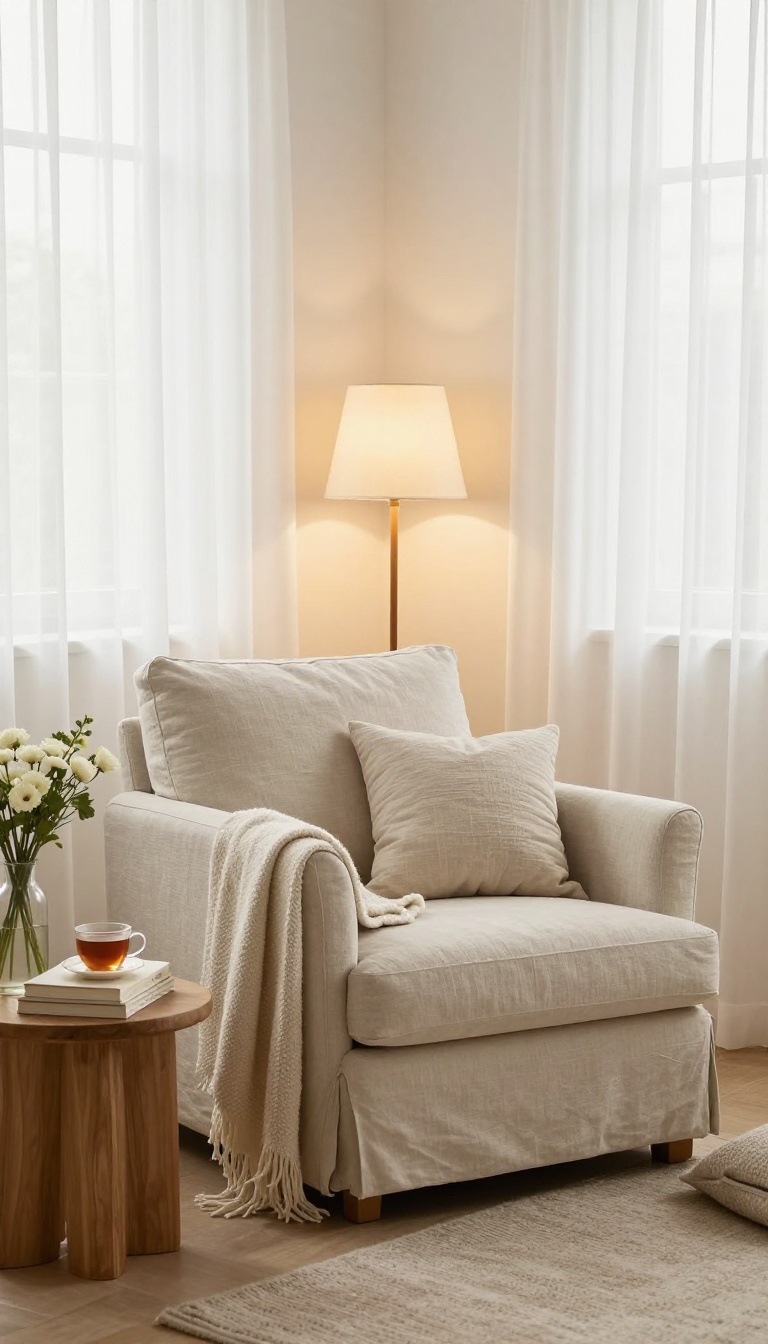
A quiet corner with a comfortable chair and a warm lamp can turn your guest room into a personal retreat. Guests often appreciate a spot to sit and read, journal, or simply sip coffee in the morning. It’s a small addition that makes the room feel more like a home and less like a hotel.
Creating a reading nook doesn’t require much space. A simple armchair, a side table, and a floor lamp are enough. Position the chair near a window for natural light during the day, and add a lamp for evening reading.
Choose a lamp with a soft, warm bulb to create a cozy glow that invites relaxation.
Choose The Right Chair
Look for a chair that’s both comfortable and compact. A cozy armchair with a footstool works well, or a small loveseat if space allows. Materials like linen or velvet add texture and warmth.
If you’re short on space, a stylish accent chair with a plush cushion can still do the trick.
Layer The Lighting
A floor lamp with a fabric shade casts a soft, diffused light that’s perfect for reading. Add a small table lamp on a nearby table for extra task lighting. Dimmers are a great option if you want to adjust the brightness.
Avoid harsh overhead lights—they can feel clinical and unwelcoming.
Style The Nook
Keep the nook simple and uncluttered. A small side table for a cup of tea or a stack of books is practical. Add a cozy throw blanket and a cushion for extra comfort.
A small rug underneath can define the space and add a layer of softness. Personal touches like a framed photo or a vase of flowers make it feel special.
3. Incorporate Vintage Accents
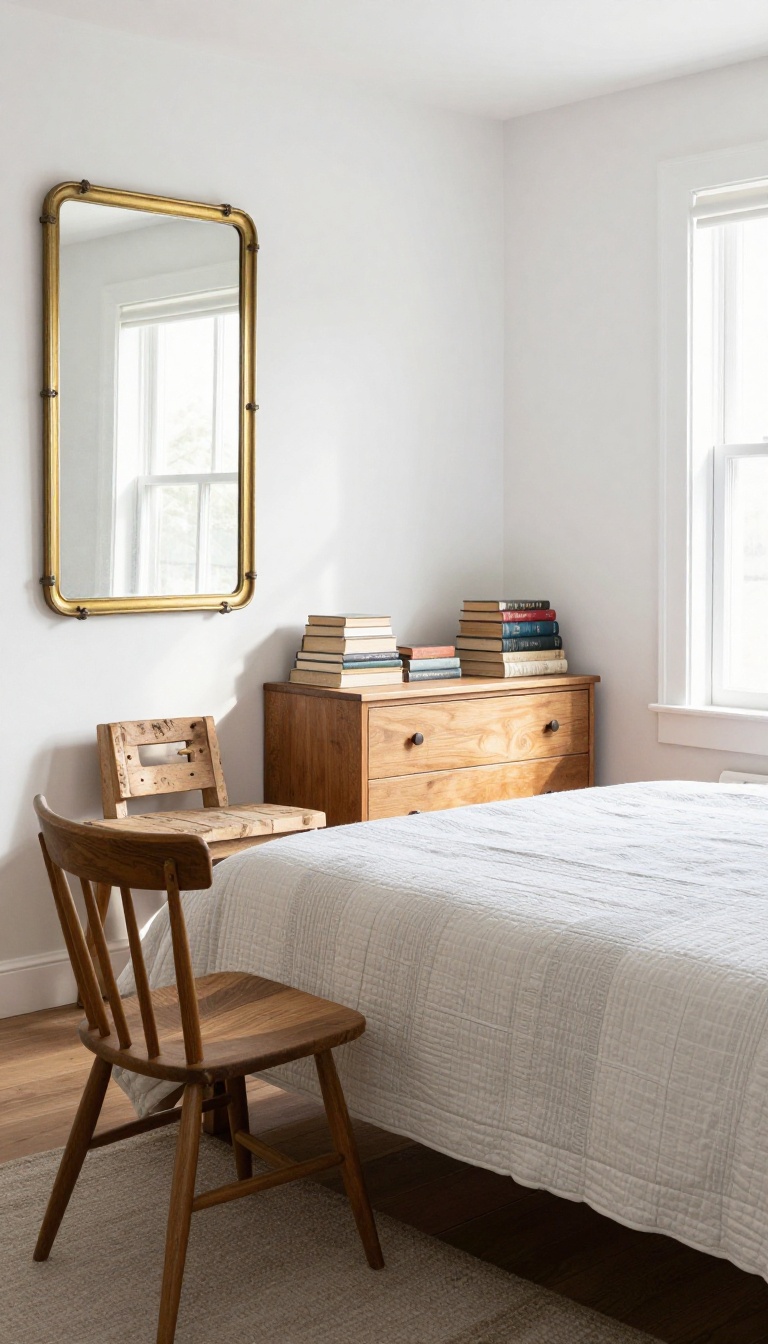
Scouring thrift stores and flea markets for one-of-a-kind pieces is a fun way to give your guest room a story. Vintage finds add warmth and character that new items just can't replicate. You don't need to fill the room—just a few well-chosen accents will do the trick.
Start with something that catches your eye, like a brass mirror or a stack of old books. These pieces bring a sense of history and make the room feel lived-in, not staged. Mix them with your existing decor for an effortless, collected vibe.
Start With A Statement Piece
Look for a single standout item, such as a vintage mirror with an ornate frame or a unique piece of art. It becomes the focal point and sets the tone for the room. Even a simple wooden stool can add charm if it has nice patina.
Add Layers With Textiles
Vintage textiles like quilts, throws, or embroidered pillows bring softness and pattern. They don't have to match perfectly—mixing old and new creates that relaxed, collected feel. A worn-in rug can also anchor the space and add warmth underfoot.
Create A Mini Library
Stack a few old hardcovers on the nightstand or a shelf. Guests love flipping through them, and they add an intellectual, cozy touch. Choose books with interesting covers or subjects that might spark a conversation.
Mix Eras And Styles
Don't be afraid to pair a vintage lamp with a modern bed frame or a mid-century chair next to a rustic wooden table. The contrast makes the room feel curated over time, not decorated in one go. Trust your eye and have fun with it.
4. Use Soft, Muted Wall Colors
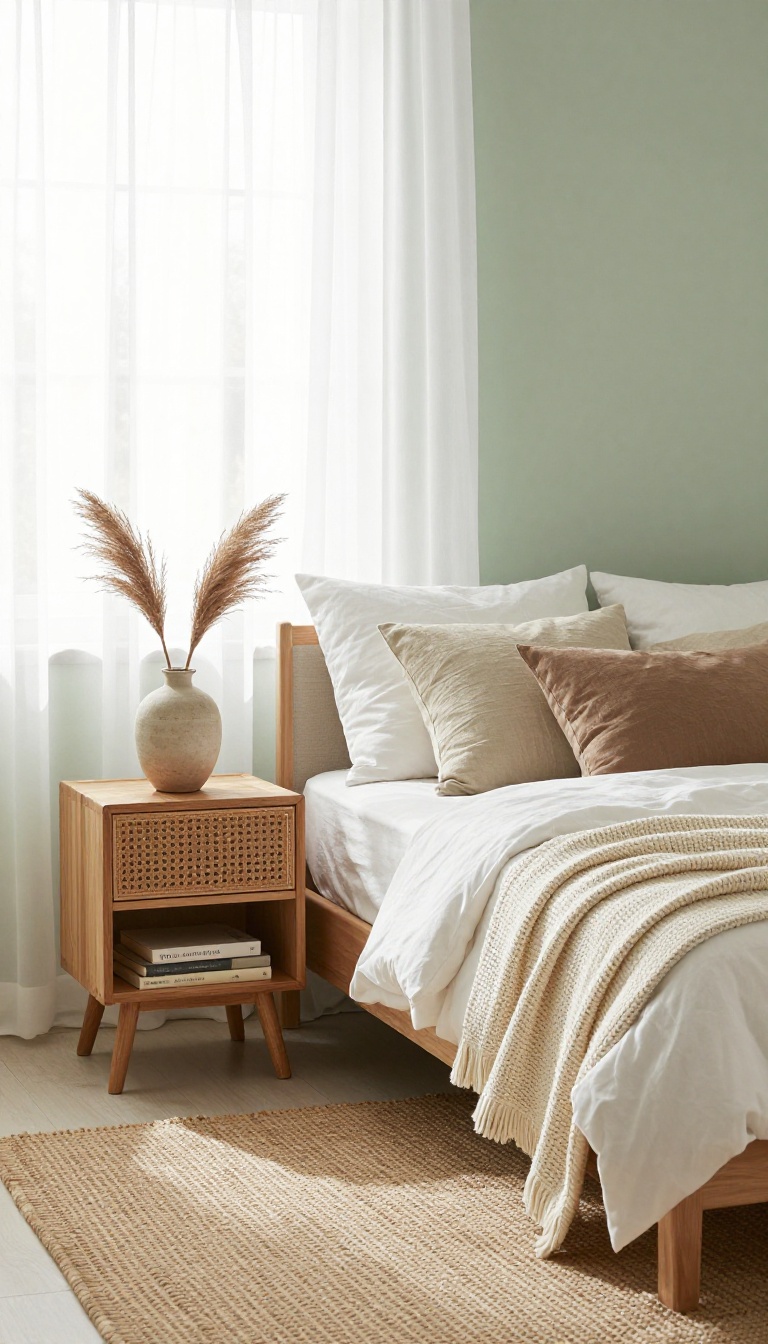
Color sets the mood the moment someone walks in, and nothing says calm quite like a muted palette. Soft, dusty tones—think sage green, powder blue, or warm greige—create a serene backdrop that feels both cozy and refined. Unlike stark whites or bold accent walls, these gentle hues wrap the room in quiet comfort, making it easier for guests to unwind after a long day.
Choosing the right wall color is a simple yet powerful way to establish the collected look you're after. Muted shades work because they don't shout for attention; they let the textures and furnishings shine. Plus, they're forgiving—dust, scuffs, and wear are less noticeable on softer tones, which is a practical bonus for a room that sees occasional use.
Why Muted Tones Work
Muted colors have a lower saturation, which means they reflect light softly rather than bouncing it harshly around the room. This creates a gentle, diffused glow that feels naturally soothing. Sage green, for instance, brings a touch of nature indoors, while dusty blue evokes the calm of a clear sky.
These shades also pair beautifully with natural materials like wood, linen, and rattan, reinforcing that collected, layered aesthetic.
How To Choose The Right Shade
Before committing to a color, consider the room's natural light. North-facing rooms benefit from warmer muted tones like beige or blush to avoid feeling cold, while south-facing rooms can handle cooler shades like sage or slate. Test a few samples on the wall and observe them at different times of day—what looks perfect in the morning might feel different under evening lamplight.
Don't forget to coordinate with existing elements like bedding and rugs to keep the space cohesive.
Painting Tips For A Flawless Finish
To get that soft, seamless look, prep is key. Fill any holes, sand rough spots, and use a quality primer—especially if you're covering a darker color. Choose a matte or eggshell finish for walls; they hide imperfections better than high-gloss and give a more subdued, elegant feel.
If you're feeling adventurous, consider painting just the lower half of the wall in a slightly deeper tone for a subtle two-tone effect that adds depth without overwhelming the space.
5. Install Dimmer Switches
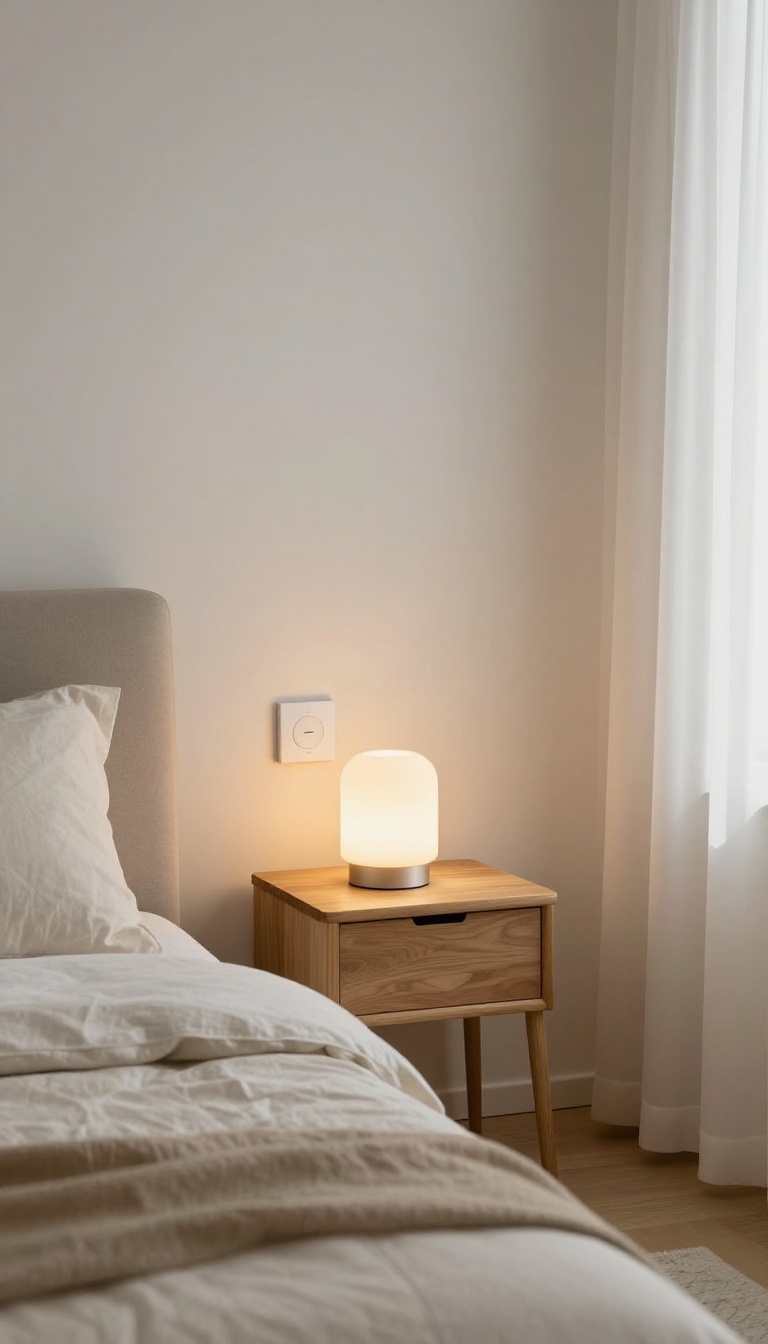
Lighting can make or break a room's mood, and guest rooms are no exception. A single overhead light can feel harsh, while a dimmer gives your guests the freedom to dial in the perfect level of brightness for reading, relaxing, or winding down. It's a small change that makes a big difference in how comfortable they feel.
Adding dimmer switches is one of the simplest upgrades you can make, and it instantly adds a layer of flexibility to the room. Instead of forcing your guests to choose between bright and off, you're handing them the controls to create their own ambiance. It's a thoughtful touch that shows you've considered their comfort down to the smallest detail.
Why Dimmers Matter In A Guest Room
Guests arrive with different needs—some want to read before bed, others prefer a soft glow to wind down. A dimmer lets them adjust the light to suit their activity or mood, which is especially helpful if they're in an unfamiliar space. It also helps ease the transition from a bright hallway to a cozy bedroom, making the room feel more welcoming.
Choosing The Right Dimmer
Look for a dimmer that's compatible with your existing bulbs, whether they're LED, incandescent, or CFL. Slide dimmers are intuitive and easy to use, while rotary knobs offer a classic feel. If you want to go a step further, consider a smart dimmer that can be controlled via an app or voice assistant—your guests can adjust the lights without even getting up.
Installation Tips
Replacing a standard switch with a dimmer is a straightforward DIY project if you're comfortable with basic electrical work. Always turn off the power at the breaker before starting, and follow the manufacturer's instructions. If you're not sure, a licensed electrician can do it in under an hour, and the cost is surprisingly affordable.
6. Provide a Tray with Essentials
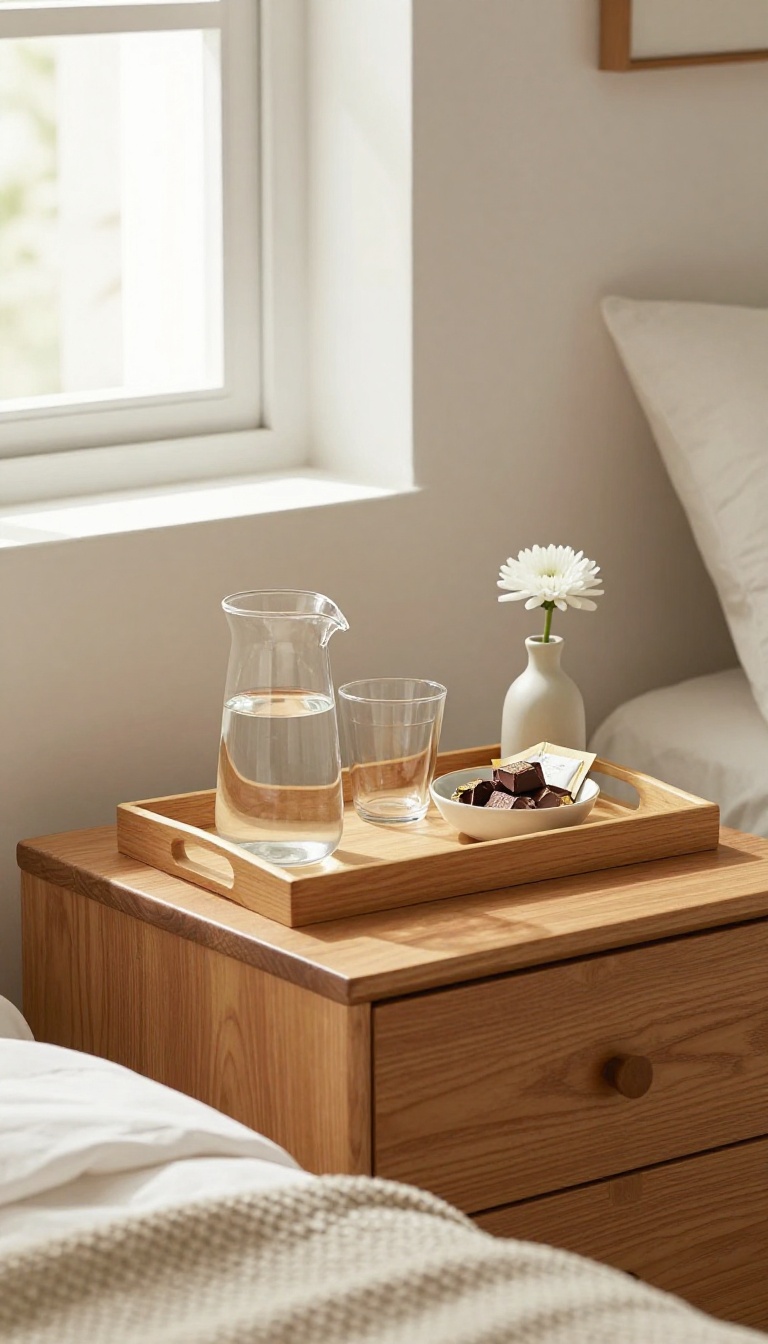
A small tray can do more than hold things—it sets a tone of care. When guests arrive, they often feel shy about asking for a glass of water or a snack. A tray placed on the dresser or nightstand quietly says, "Everything you need is right here.
" It's a simple gesture that makes a room feel instantly more thoughtful.
Start with a tray that matches the room's vibe—wood for warmth, ceramic for a clean look, or a woven basket for texture. Then, add a few practical items: a carafe of water, a couple of glasses, some wrapped snacks, and maybe a small vase with a single stem. The key is to keep it uncluttered.
You want it to feel like a little hospitality station, not a crowded shelf. A tray also gives guests a place to set their phone, watch, or keys at night, which keeps the room tidy and helps them settle in.
Choose The Right Tray
The tray itself is the foundation. A wooden tray adds warmth and works well in rustic or Scandinavian rooms. A marble or stone tray feels more polished and modern.
If your guest room has a boho vibe, try a woven rattan or bamboo tray. Just make sure it's large enough to hold a few items without looking cramped, but not so big that it takes over the surface.
Pick Practical Extras
Think about what guests actually need after a long trip. Water is a must—use a carafe or a couple of bottles. Add a small bowl of nuts, trail mix, or individually wrapped chocolates.
A few tea bags or instant coffee packets can be a lifesaver for early risers. And don't forget a small notepad and pen for jotting down notes or leaving a thank-you message.
Add A Fresh Touch
A tiny vase with a single flower or a sprig of greenery brings life to the tray without being fussy. Choose something low-maintenance like a eucalyptus stem, a mini succulent, or a few wildflowers. This small detail makes the tray feel intentional and fresh, and it ties into the overall collected look of the room.
7. Hang Artwork at Eye Level
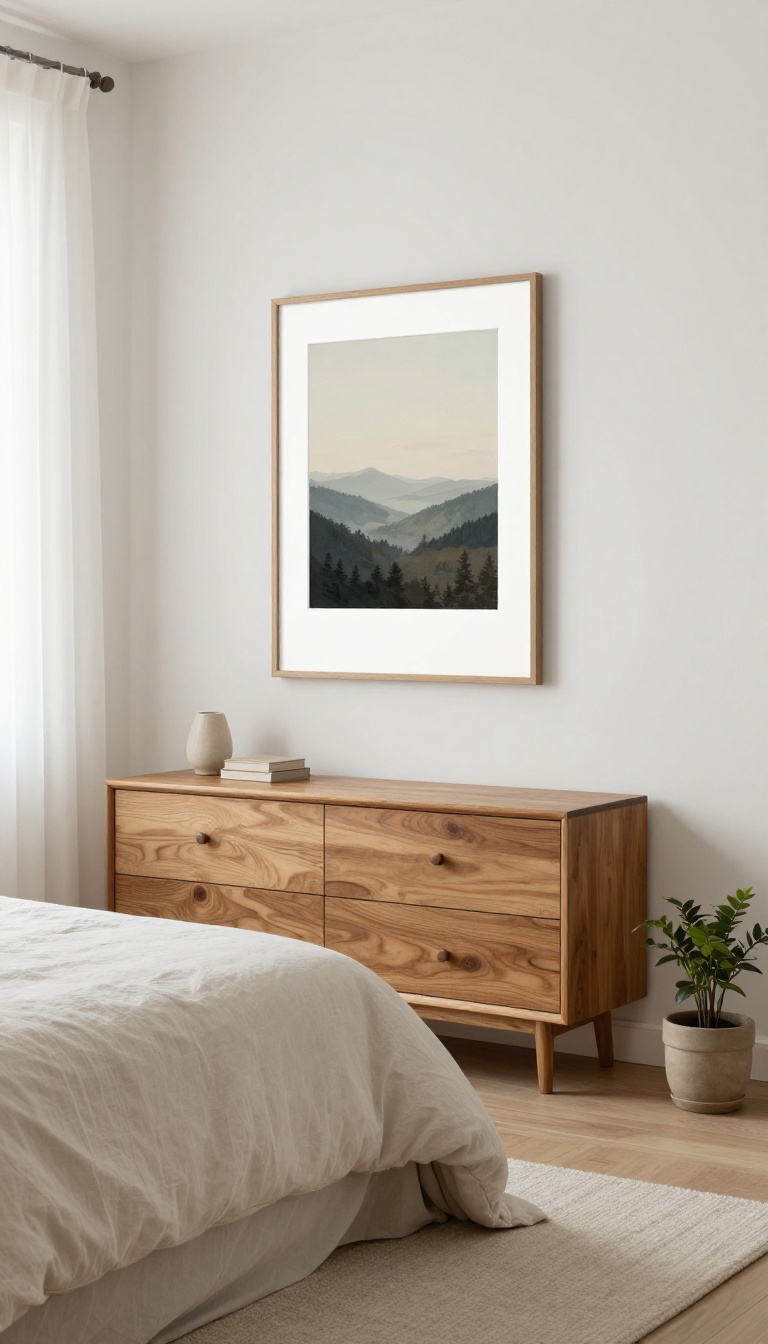
Artwork can make a room feel personal and polished, but the placement matters just as much as the piece itself. When you hang art at the right height, it naturally draws the eye and makes the space feel more intentional. For a guest room, the goal is to create a calm, welcoming focal point that doesn't feel too high or too low.
Start by choosing pieces that reflect your taste—whether that's a serene landscape, a bold abstract print, or a family photo in a simple frame. Then, hang them so the center of the artwork sits at about 57 to 60 inches from the floor, which is the standard gallery height. This works well for most people and feels comfortable whether you're standing or sitting.
If you're placing art above a bed or a dresser, leave about 6 to 8 inches of space between the top of the furniture and the bottom of the frame. That gap keeps the arrangement connected without feeling cramped.
Pick Pieces That Feel Like You
The art you choose should feel like a natural extension of your home's style. If your guest room leans coastal, a soft watercolor of the ocean works beautifully. For a more modern look, try a minimalist line drawing or a black-and-white photograph.
Don't be afraid to mix frames—a slightly mismatched set can add character and make the room feel collected over time.
Use The Right Height For The Room
Standard gallery height is a safe bet, but you can adjust based on how the room is used. If the guest room has a low headboard, hang art a bit lower to keep the visual weight grounded. In a room with high ceilings, you might go slightly higher, but never so high that it feels disconnected from the furniture below.
A good rule of thumb: the center of the art should be at eye level for an average-height adult.
Create A Simple Gallery Wall
If you have a few smaller pieces, group them together in a cohesive arrangement. Lay them out on the floor first to plan the spacing, then transfer the layout to the wall. Keep gaps between frames consistent—around 2 to 3 inches works well.
This creates a tidy, curated look that adds visual interest without overwhelming the room.
8. Add a Bench or Storage Ottoman
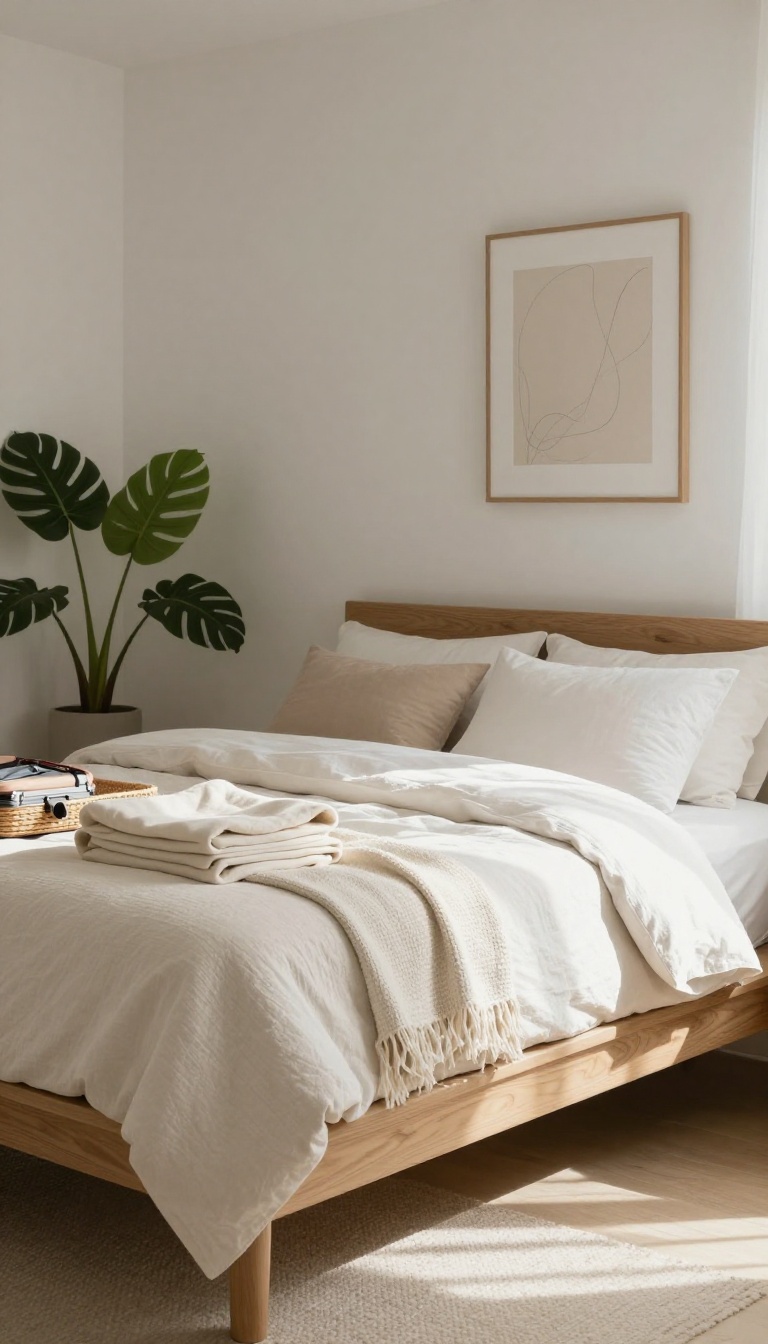
A bench or storage ottoman at the foot of the bed is one of those quiet workhorses that guests secretly appreciate. It gives them a spot to sit while pulling on socks or tying shoes, and it doubles as a landing pad for an open suitcase. When it also hides extra blankets or pillows, it becomes a multitasker that keeps the room tidy without trying too hard.
Think about how your guests actually move through the room. They might want to sit down to unpack or repack, or they might need a place to set their luggage that isn't the floor. A bench or ottoman solves both problems with one piece of furniture.
It also adds a soft, collected layer to the room, especially if you choose a fabric that complements the bedding or a wood tone that matches the nightstands. The key is to pick something that feels sturdy but not bulky, so it doesn't crowd the space.
Choose The Right Size And Style
Measure the width of your bed and leave at least 18 inches of walking space on either side. A bench that's about two-thirds the width of the bed feels balanced. If your room is on the smaller side, a storage ottoman with a rounded shape can feel less boxy.
Look for upholstered options in linen, velvet, or a durable performance fabric—they soften the room and invite sitting.
Make It Work As Luggage Storage
A flat-top bench is perfect for an open suitcase, especially if you add a folded blanket or a tray on top to protect the fabric. If you choose a storage ottoman, the lid can double as a surface for a bag while the inside holds spare pillows or extra linens. Just make sure the hinges are sturdy and the lid stays open on its own—guests shouldn't have to wrestle with it.
Style It With Soft Textures
To keep the collected look, layer a throw blanket over one corner or set a small tray with a vase of dried flowers on top. This adds visual interest without making the surface unusable. A woven basket beside the bench can hold extra slippers or a rolled-up blanket, tying the whole corner together.
9. Incorporate Natural Elements
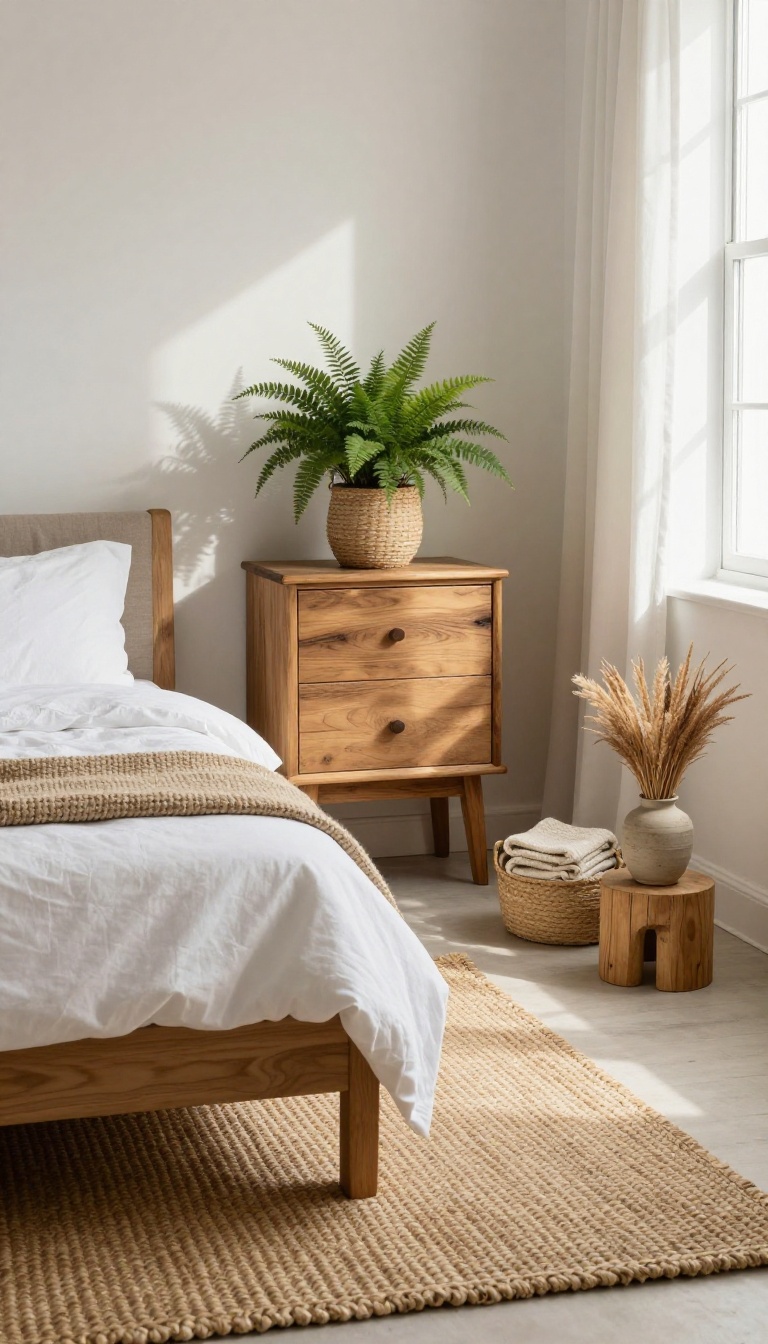
There's a quiet magic in bringing the outdoors inside, especially in a room meant for rest. Natural materials like wood, rattan, and greenery have a way of softening a space and making it feel grounded. For guests, these touches can turn a plain room into a place that feels alive and welcoming.
You don't need a jungle of plants or a full remodel—just a few well-chosen pieces can add warmth and organic texture. Think of a woven basket holding extra blankets, a small potted fern on the nightstand, or a chunky wooden stool doubling as a side table. These elements invite the eye to slow down and the body to relax.
Natural elements do more than look pretty—they create a sensory experience that feels calming and familiar. The subtle scent of wood, the soft rustle of leaves, and the tactile roughness of woven fibers all contribute to a cozy, collected atmosphere. Here are a few ways to weave nature into your guest room without overwhelming it.
Start With Greenery
A low-maintenance plant like a snake plant or pothos can thrive in indirect light and doesn't need constant attention. Place one on the dresser or a floating shelf to add a fresh pop of green. If you're worried about guests forgetting to water it, choose a faux plant that looks realistic—no one will know the difference, and it still brings that organic feel.
Layer In Woven Textures
Woven baskets are perfect for storing extra pillows, throws, or even toiletries, and they add visual interest. A seagrass rug under the bed can anchor the room and feel soft underfoot. You can also swap a plain lamp shade for one made of rattan or bamboo to cast a warm, patterned glow.
Add A Touch Of Wood
A wooden stool or small bench at the foot of the bed offers a place to sit or set a suitcase. Choose pieces with natural grain or a light oak finish to keep the look airy. Even a simple wooden tray on the nightstand can hold a glass of water and a book, adding warmth and function.
10. Choose Curtains That Filter Light
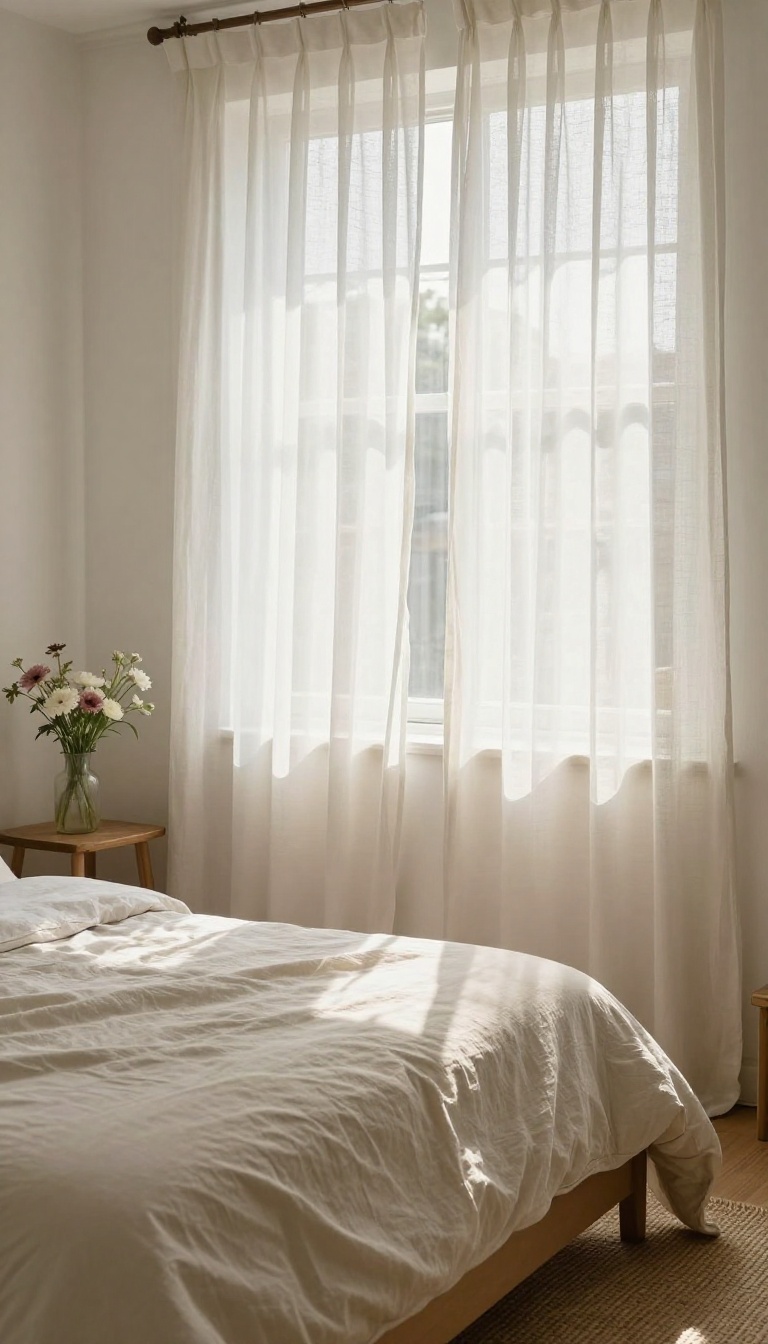
Light has a way of setting the entire mood of a room, and guest rooms are no exception. The right curtains can turn harsh sunlight into a soft, diffused glow that feels almost magical. For a collected, relaxed look, skip heavy blackout drapes and opt for sheer or light-filtering fabrics instead.
Sheer curtains let in plenty of natural light while softening the edges of everything in the room. They create a dreamy, airy atmosphere that makes guests feel like they're waking up in a gentle cloud. Light-filtering curtains, like linen or cotton blends, offer a bit more privacy without making the room feel dark or closed in.
The Soft Glow Effect
When sunlight passes through a sheer fabric, it scatters and softens, casting a warm, flattering light across the room. This effect is especially lovely in the morning, turning the space into a calm, inviting sanctuary. It also helps reduce glare on screens and makes the room feel more spacious.
Layering For Flexibility
For the best of both worlds, layer sheer curtains with a set of heavier drapes. During the day, keep the sheers closed to filter light; at night, draw the heavier curtains for total privacy and darkness. This layered approach adds depth and texture to the window, making it feel more styled and intentional.
Choosing The Right Fabric
Linen and cotton are excellent choices for a soft, collected look. They have a natural, slightly rumpled texture that feels relaxed and inviting. Avoid shiny or stiff synthetic fabrics, which can look harsh and out of place.
Instead, look for materials with a bit of drape and movement.
Hanging Them Right
Hang curtains high and wide to make the window feel larger and the ceiling taller. Mount the rod a few inches above the frame and extend it beyond the sides so the curtains can fully clear the window when open. This simple trick instantly elevates the room's proportions and adds to the overall polished feel.
11. Add a Full-Length Mirror
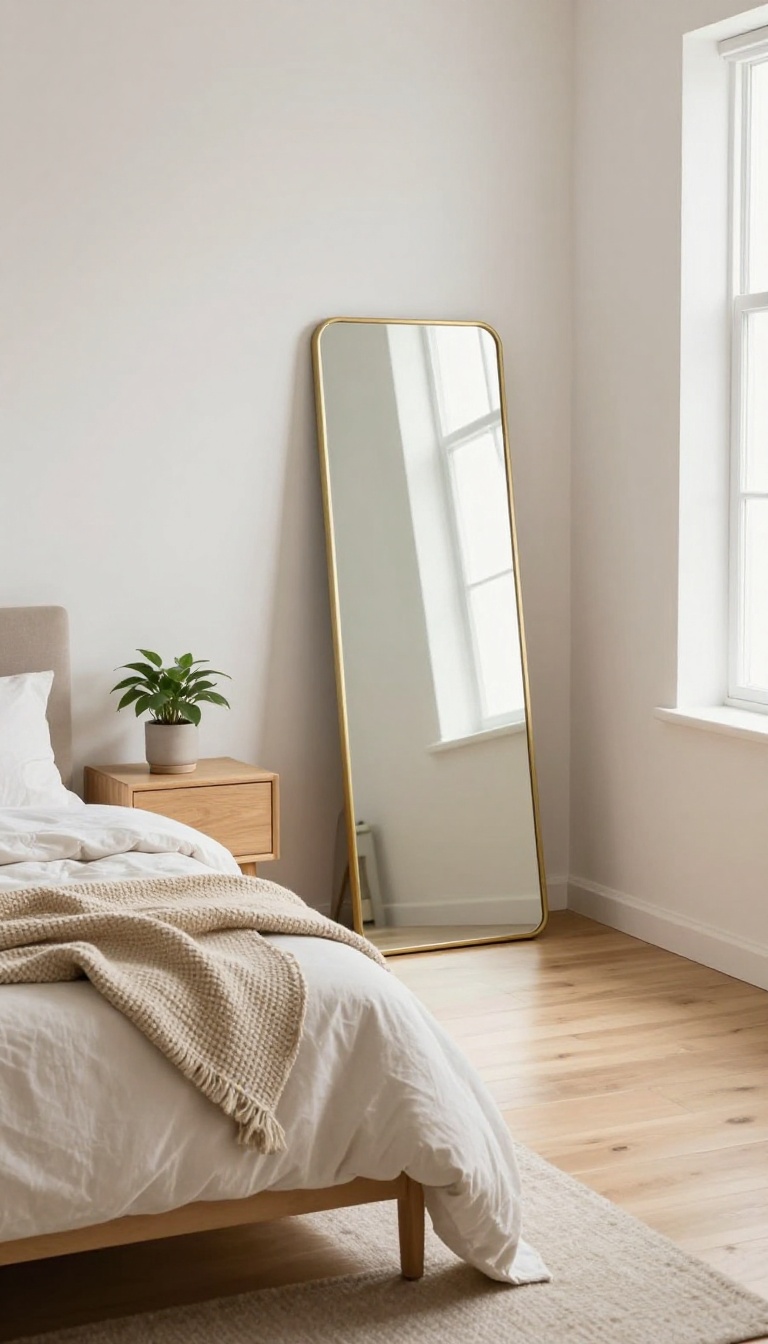
A full-length mirror is one of those practical touches that guests rarely think to ask for but always appreciate. It lets them check their outfit before heading out, and when placed thoughtfully, it can make the room feel more spacious and bright. A leaning mirror, in particular, adds an effortless, collected vibe that fits right in with a soft, layered aesthetic.
Position a full-length mirror where it catches natural light or reflects a nice view. Leaning it against the wall is an easy, stylish choice that doesn't require mounting. If you have the wall space, a floor mirror with a simple frame works just as well.
The key is to make sure it's functional and doesn't block traffic flow.
Placement And Light
Set the mirror where guests can use it easily, like near the closet or by the door. Angle it to reflect light from a window to brighten the room. Avoid placing it directly across from the bed, as it can feel unsettling at night.
A corner spot often works well.
Style And Frame Options
Choose a frame that complements the room's decor. A slim brass or black metal frame adds a modern touch, while a wooden frame brings warmth. A leaning mirror with a slight angle feels casual and relaxed, perfect for a collected look.
If you want something more polished, a rectangular mirror with a clean line is a safe bet.
Practical Considerations
Make sure the mirror is tall enough to be truly full-length—at least 60 inches high. If you're leaning it, ensure it's stable and won't slide. You can add a small rubber pad or felt at the bottom to protect the floor and keep it in place.
A mirror with a stand can also work if you prefer not to lean it.
12. Include a Small Desk or Writing Area
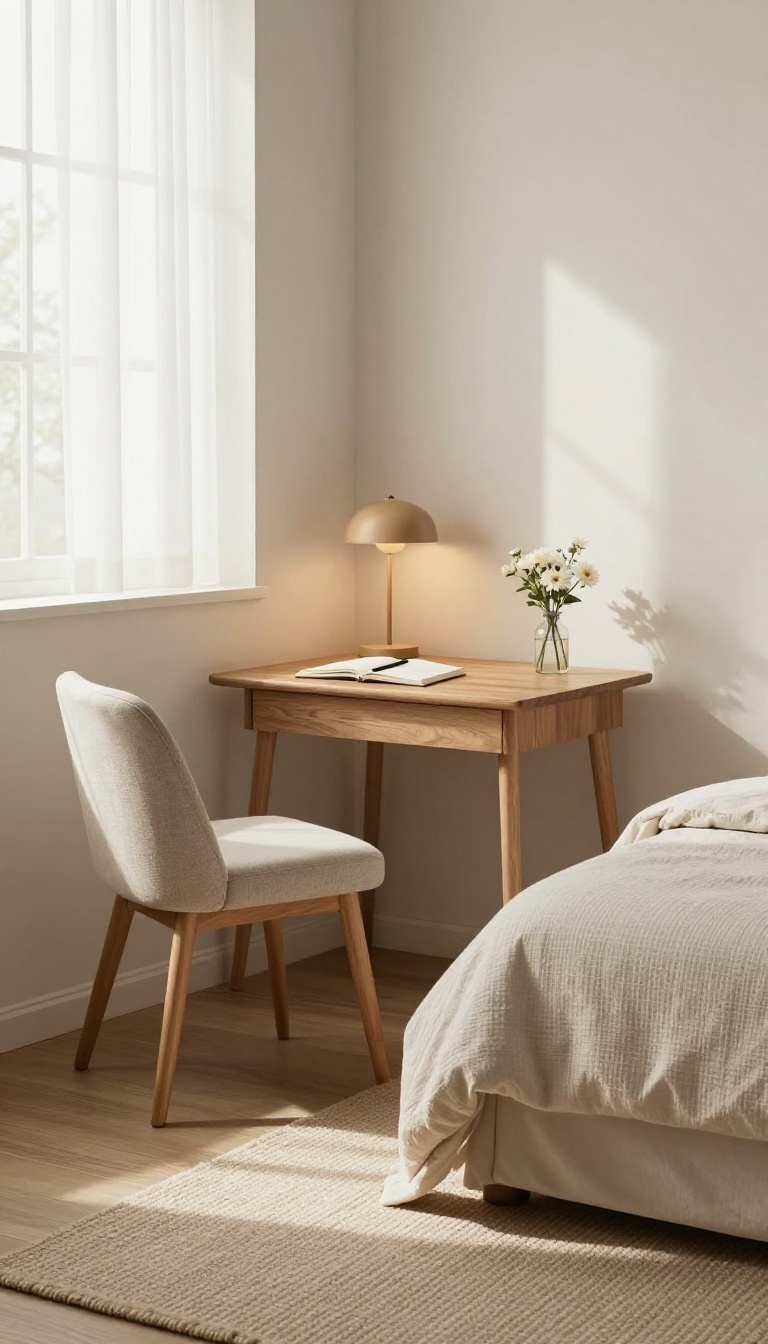
A small desk or writing nook gives guests a place to spread out, journal, or catch up on emails without feeling like they're taking over the room. It's a practical touch that also adds a quiet, studious charm to the space. Even a compact corner setup can make a big difference in how comfortable and self-sufficient your guests feel.
When you provide a dedicated spot for writing or working, you're telling your guests that their needs matter. It doesn't have to be a full office—just a slim table, a comfortable chair, and good lighting are enough. This little area can double as a spot for reading or enjoying a morning coffee, making the room feel more versatile and welcoming.
Choose The Right Spot
Look for an unused corner or a stretch of wall near a window. Natural light is a bonus, but if that's not possible, a good task lamp will do the trick. Make sure the desk doesn't block the path to the bed or closet—guests should be able to move around easily.
Pick A Comfortable Chair
A chair with a cushioned seat and back support is key. You don't need an ergonomic office chair, but something that invites sitting for more than five minutes. A stylish wooden chair with a small cushion or a cozy upholstered armchair can work well, depending on the room's style.
Light It Well
Good lighting is non-negotiable for a writing area. A desk lamp with a warm bulb creates a focused pool of light without being harsh. If the desk is near an outlet, consider a small plug-in lamp; otherwise, a battery-operated option can work in a pinch.
Avoid overhead lights that might cast shadows.
Add A Few Thoughtful Extras
Leave a notepad and a pen on the desk, along with a small tray for keys or glasses. A tiny plant or a stack of books can make the spot feel more inviting. Just keep it clutter-free—guests will appreciate having clear space to work or write.
13. Personalize with Meaningful Objects
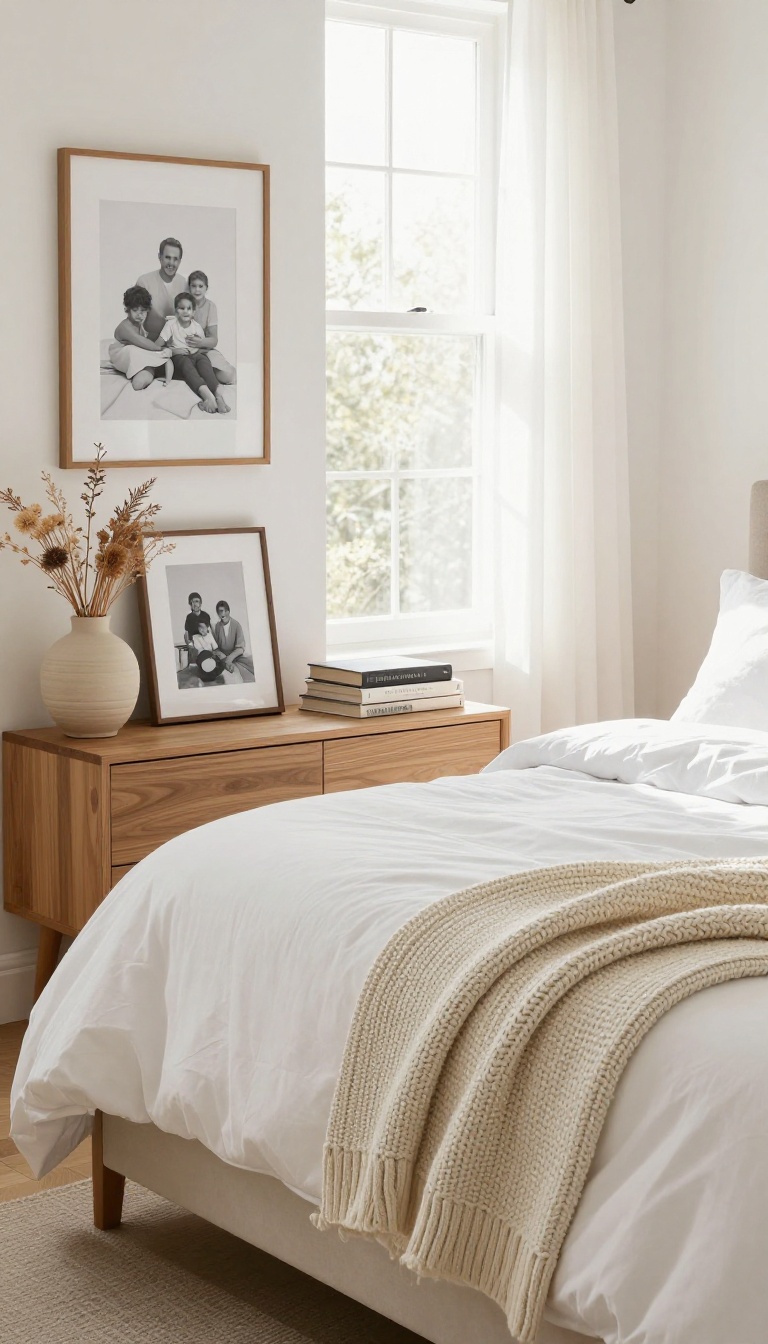
A guest room that feels truly welcoming often has a story to tell. While fresh linens and a tidy space are essential, it's the personal touches that make visitors feel like they're staying with someone who cares. Adding a few meaningful objects can transform a generic room into a space with heart.
When you decorate with items that have significance, you're not just filling space—you're sharing a bit of your life. This doesn't mean cluttering every surface; it's about choosing a few pieces that speak to you and arranging them thoughtfully. The goal is to create a sense of warmth and connection that makes guests feel at home.
Family Photos That Tell A Story
Instead of a random gallery wall, curate a small collection of photos that capture happy moments. Choose frames that complement the room's style, and group them on a shelf or a side table. Mixing black-and-white and color shots adds visual interest, and you can rotate them seasonally to keep the display fresh.
Travel Souvenirs With A Tale
Bring back a few small treasures from your travels—a carved wooden bowl, a woven textile, or a unique vase. Place them where they can be admired, and consider adding a handwritten note nearby that tells the story behind each piece. This gives guests a conversation starter and a glimpse into your adventures.
Books That Reflect Your Taste
Stack a few of your favorite books on the nightstand or a shelf. Choose titles that you've loved or that relate to the room's vibe, like a novel set in a cozy setting or a photography book of a place you've visited. Guests who are book lovers will appreciate the selection, and it adds an intellectual touch to the space.
FAQ
What is the best color scheme for a guest room?
Soft, muted colors like sage green, dusty blue, or warm beige create a calming atmosphere that helps guests relax.
How can I make a small guest room feel more spacious?
Use light colors, add a full-length mirror, and choose furniture with legs to create an airy feel.
What are essential items to have in a guest room?
Comfortable bedding, extra pillows, a bedside lamp, a place to sit, and a tray with water and snacks are must-haves.
How can I add personality to a guest room without going overboard?
Incorporate a few vintage or meaningful items, like a thrifted mirror or family photos, to add character without cluttering the space.
What type of lighting is best for a guest room?
Layered lighting with a mix of overhead, task, and accent lights, plus dimmers, allows guests to adjust the ambiance to their needs.
Conclusion
A guest room doesn't need a big makeover to feel inviting. Start with one or two touches that solve a real problem—like a bedside carafe or a luggage rack—and build from there. Small details make guests feel thought of, and that's what they'll remember.
Choose the ideas that fit your space and your style, then let the room evolve naturally.
You don't have to do everything at once. A soft, collected look comes from layering pieces you love, not from chasing perfection. Your guests will feel the difference the moment they walk in.