11 Standup Shower Ideas for a Clean and Compact Bath Setup
Standup showers often feel like a compromise—efficient but cramped, practical but plain. The good news is that a compact footprint doesn't have to limit style or comfort.
With the right layout choices and fixtures, you can turn a tight corner into a sleek, spa-like retreat that makes your morning routine feel less rushed and more intentional. These 11 ideas focus on smart space-saving solutions, from frameless glass that opens up the room to built-in niches that keep clutter off the floor.
Each one is designed to help you maximize every inch without sacrificing the clean, modern look you want. Whether you're renovating or just refreshing, these picks will make your standup shower feel bigger, brighter, and genuinely enjoyable.
1. Frameless Glass Enclosure for an Open Feel
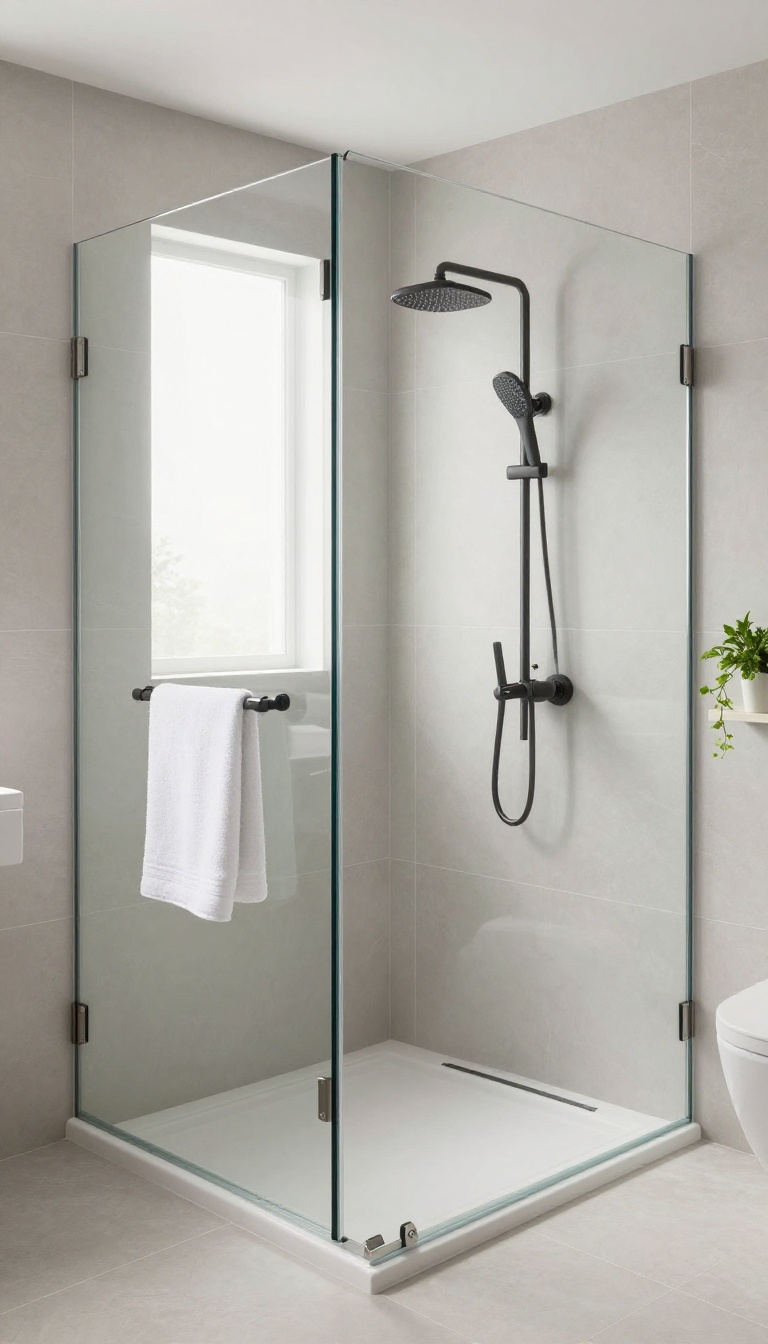
A frameless glass enclosure does more than just keep water in—it makes your whole bathroom feel bigger. Without heavy metal frames, the eye travels uninterrupted from the shower to the rest of the room, creating a seamless, airy look. Plus, fewer frames mean fewer spots for soap scum and grime to build up, so cleaning is quicker and easier.
Frameless glass panels are typically made from tempered glass that's at least 3/8 inch thick, giving them a sturdy, premium feel. The absence of a frame allows for a minimalist aesthetic that pairs well with modern, industrial, or even traditional bathrooms. Because the glass is clear, it reflects light and makes the shower area feel less enclosed, which is a huge win for compact spaces.
You can also choose a semi-frameless option with minimal metal at the hinges for a slightly more budget-friendly approach without sacrificing the open look.
Why Frameless Works In Small Bathrooms
In a small bathroom, every visual barrier counts. A framed shower with thick tracks and bulky corners can make the space feel boxed in. Frameless glass eliminates those visual interruptions, letting the eye travel freely from the shower to the rest of the room.
This trick is especially effective if you use the same tile or a similar color inside and outside the shower, creating a continuous surface that makes the floor area appear larger.
Maintenance And Cleaning Tips
Frameless glass is easier to clean because there are no metal tracks where grime tends to collect. A daily squeegee after use prevents water spots, and a weekly wipe with a mild glass cleaner keeps it crystal clear. For tougher buildup, a mixture of vinegar and water works wonders.
Since there are fewer crevices, you'll spend less time scrubbing and more time enjoying your shower.
Installation Considerations
Frameless glass requires precise measurements and professional installation because the panels are heavy and must be perfectly aligned. Tempered glass is mandatory for safety, and the hinges and clamps need to be anchored securely to the wall. While the upfront cost is higher than framed options, the durability and timeless look often make it a worthwhile investment.
Also, check local building codes for glass thickness and safety requirements.
2. Corner Shower Unit to Maximize Floor Space
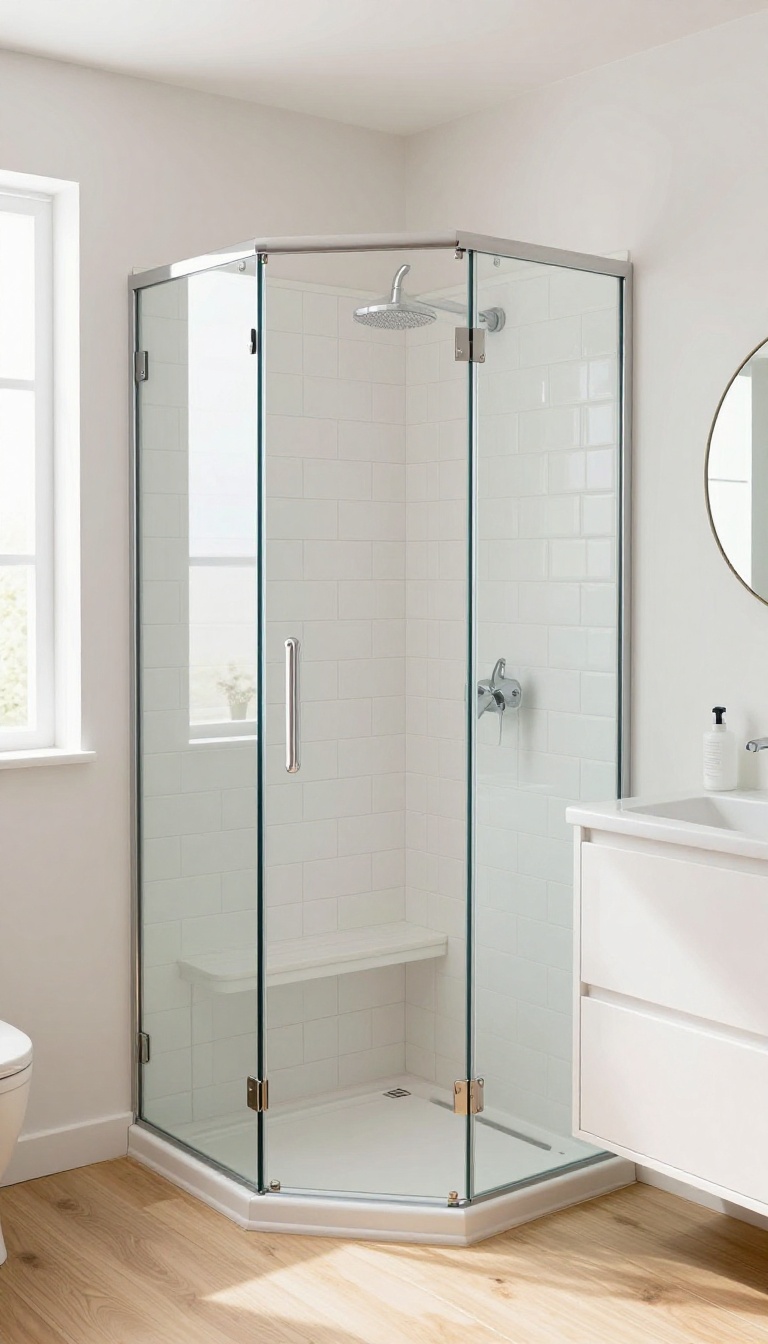
When square footage is tight, every inch counts. A corner shower unit is a classic solution because it tucks neatly into an often-underused part of the room, freeing up the center for other essentials. This layout not only makes the bathroom feel more open but also works wonders in awkward or narrow spaces where a standard shower just won't fit.
Corner showers come in a variety of shapes and sizes, from compact quadrant designs to larger neo-angle units. You can choose between sleek glass doors that keep the space light and airy, or opt for a curtain for a softer, more budget-friendly look. The key is to measure your available corner carefully and pick a unit that maximizes floor space without sacrificing comfort.
Many models also feature built-in shelving or benches, adding extra storage without eating into the room.
Choosing The Right Corner Shower Size
Before you buy, measure the corner where the shower will go. Standard corner showers range from 36 to 48 inches on each side, but you can find smaller 32-inch options for truly compact bathrooms. Keep in mind that you'll need a little extra room for the door to swing or slide, so factor that into your layout.
If space is really tight, a sliding glass door is a smart pick—it doesn't need clearance to open outward.
Glass Vs. Curtain: What Works Best
Glass doors give a clean, modern look and make the bathroom feel larger because they let light pass through. Frameless or semi-frameless options are especially popular. On the other hand, a curved or straight curtain rod with a waterproof liner is cheaper and easier to install.
Curtains also come in endless patterns, so you can change the vibe easily. Just remember to use a liner to keep water from splashing out.
Smart Storage In A Corner Shower
Even in a compact corner shower, you can add storage without cluttering the floor. Look for units with built-in corner shelves or caddies that hang over the showerhead. Another idea is to install a recessed niche in the wall—it's a sleek way to keep shampoo and soap within reach.
If you're handy, a simple tension rod with baskets can also do the trick.
3. Walk-In Shower with a Linear Drain
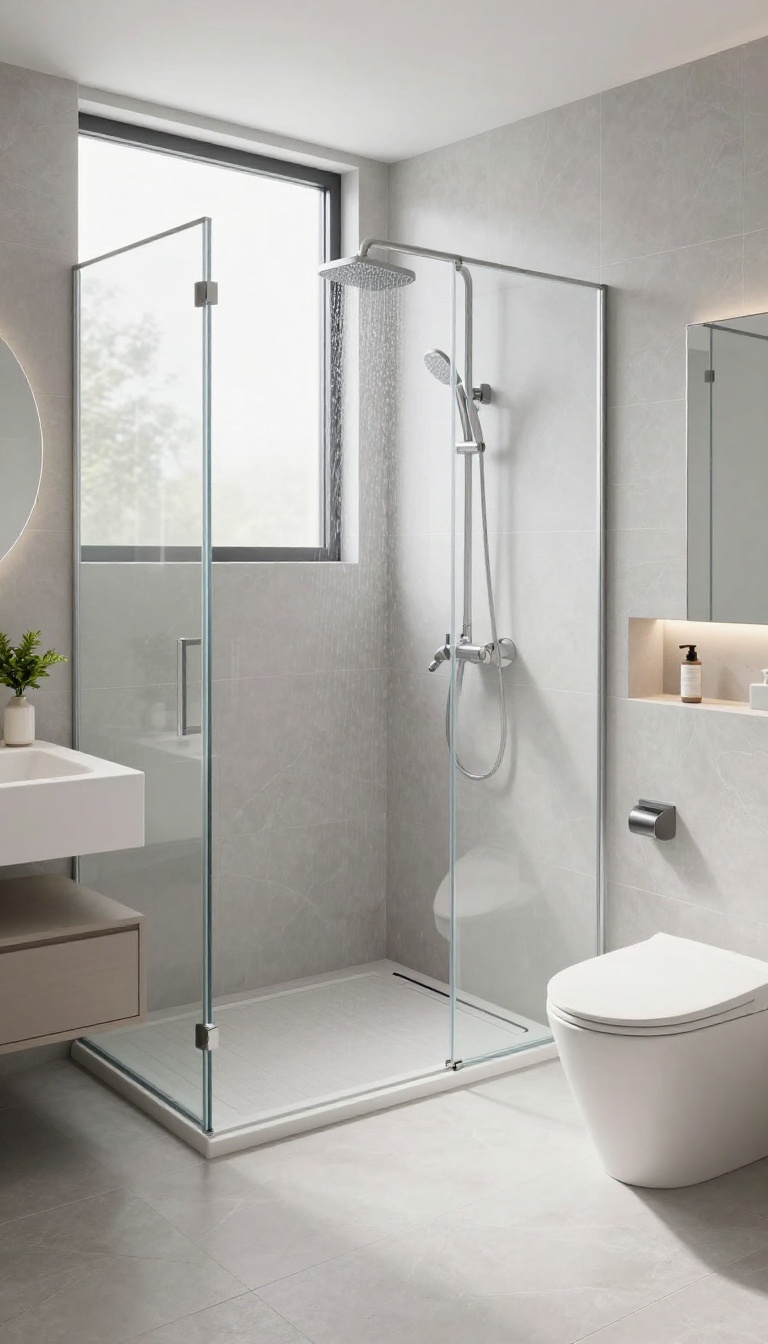
A curbless, walk-in shower with a linear drain is a game-changer for compact bathrooms. It removes the traditional step-over barrier, making the space feel open and seamless. This design not only looks sleek but also simplifies cleaning and improves safety for everyone.
The linear drain is the key feature here. Instead of a central drain, it sits along one edge, allowing the floor to be perfectly flat. This creates a minimalist, spa-like aesthetic that instantly modernizes your bathroom.
Plus, the flat floor means no grout lines to scrub in awkward corners, and water flows efficiently to the drain, reducing pooling.
Why Go Curbless?
A curbless entry eliminates the tripping hazard and makes the shower accessible for all ages and mobility levels. It also visually expands the room, as the floor continues uninterrupted. In a small bathroom, this can make the space feel twice as large.
Linear Drain Placement Tips
For best results, place the linear drain along the wall opposite the showerhead. This creates a gentle slope that guides water away naturally. You can also install it at the entrance to catch water before it escapes, keeping the rest of the bathroom dry.
Flooring Choices That Work
Large-format tiles or luxury vinyl planks work beautifully with linear drains. They minimize grout lines and create a seamless look. Choose non-slip finishes for safety, and consider heated flooring for an extra touch of comfort.
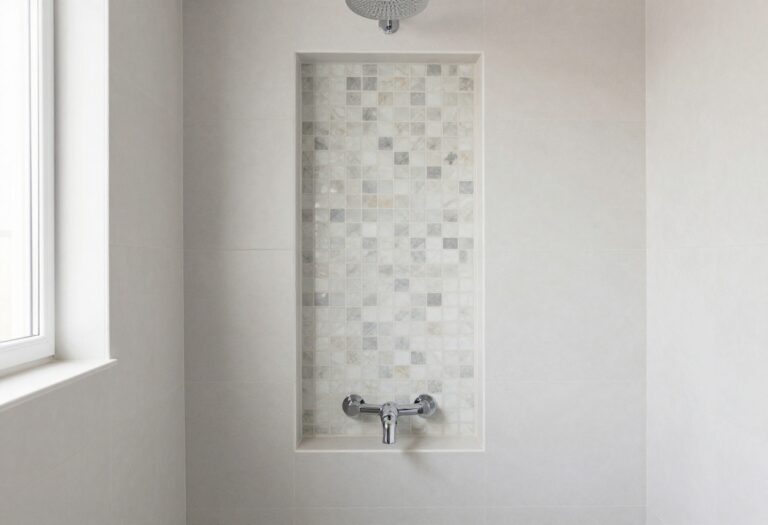
4. Built-In Niche Shelving for Toiletries
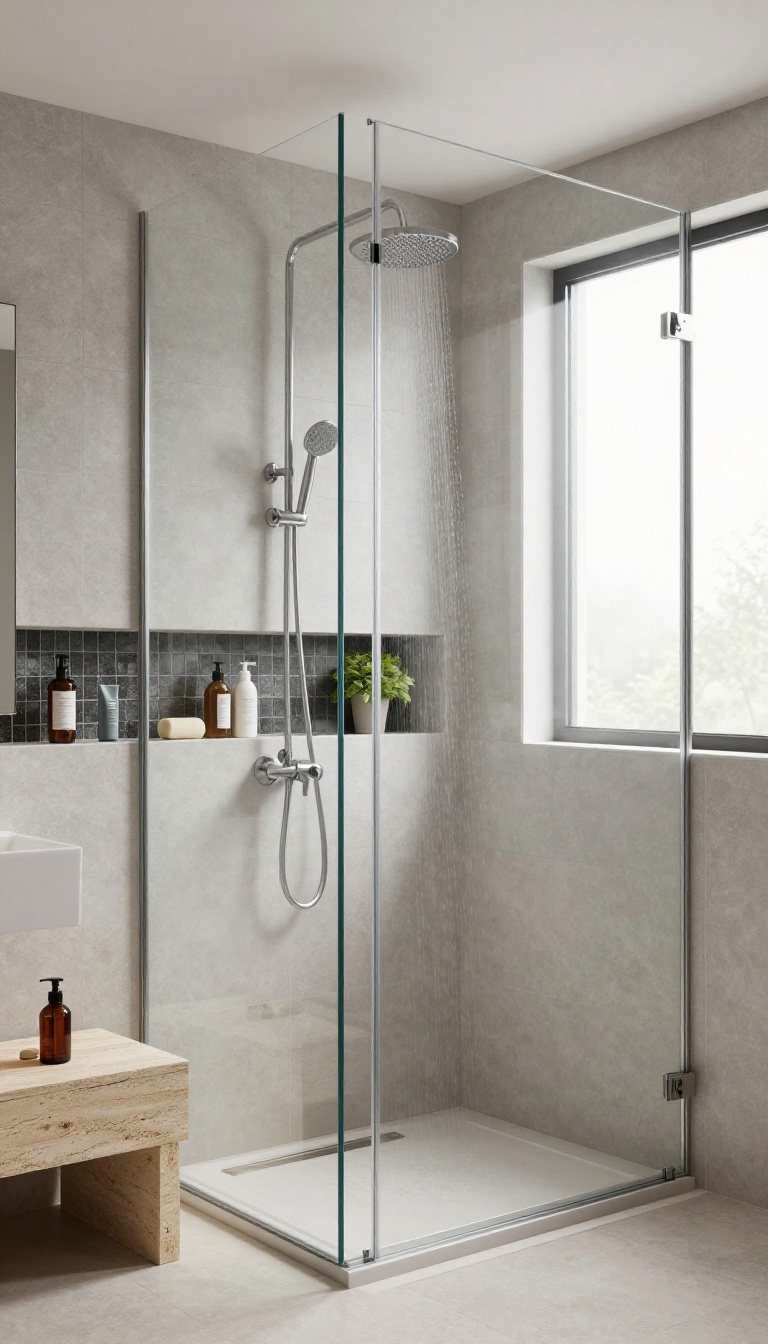
Tired of knocking over bottles in the shower or dealing with a rusted caddy? A built-in niche is the tidy solution you didn't know you needed. Recessed right into the wall, it keeps your shampoo, soap, and conditioner neatly tucked away yet within easy reach.
It's a simple upgrade that adds both function and a custom look to your standup shower.
A recessed niche eliminates the visual clutter of hanging organizers and frees up floor space. It also makes your shower feel more streamlined and intentional. Plus, you can customize the size, shape, and placement to fit your exact needs—whether you want a small spot for a bar of soap or a larger shelf for tall bottles.
Placement And Size
Think about what you'll store and how you reach for it. A common spot is on the wall opposite the showerhead, at chest height. For a more ergonomic setup, place it near the showerhead but slightly to the side, so you're not reaching across the spray.
Make it at least 12 inches wide and 6 inches deep to hold standard bottles, but adjust based on your products.
Materials And Waterproofing
Use materials that can handle moisture without warping or staining. Tile is the classic choice, but you can also use solid surface, stone, or stainless steel. Ensure the niche is properly sloped toward the drain to prevent water pooling, and use waterproof backing and sealant to avoid leaks behind the wall.
Styling And Finishing Touches
A niche is a chance to add a design accent. Use contrasting tile on the back wall, or add a small shelf divider to create two tiers. You could even install a light inside for a spa-like glow.
Keep it simple or make it a focal point—either way, it'll look custom and polished.
5. Rainfall Showerhead for a Spa-Like Feel
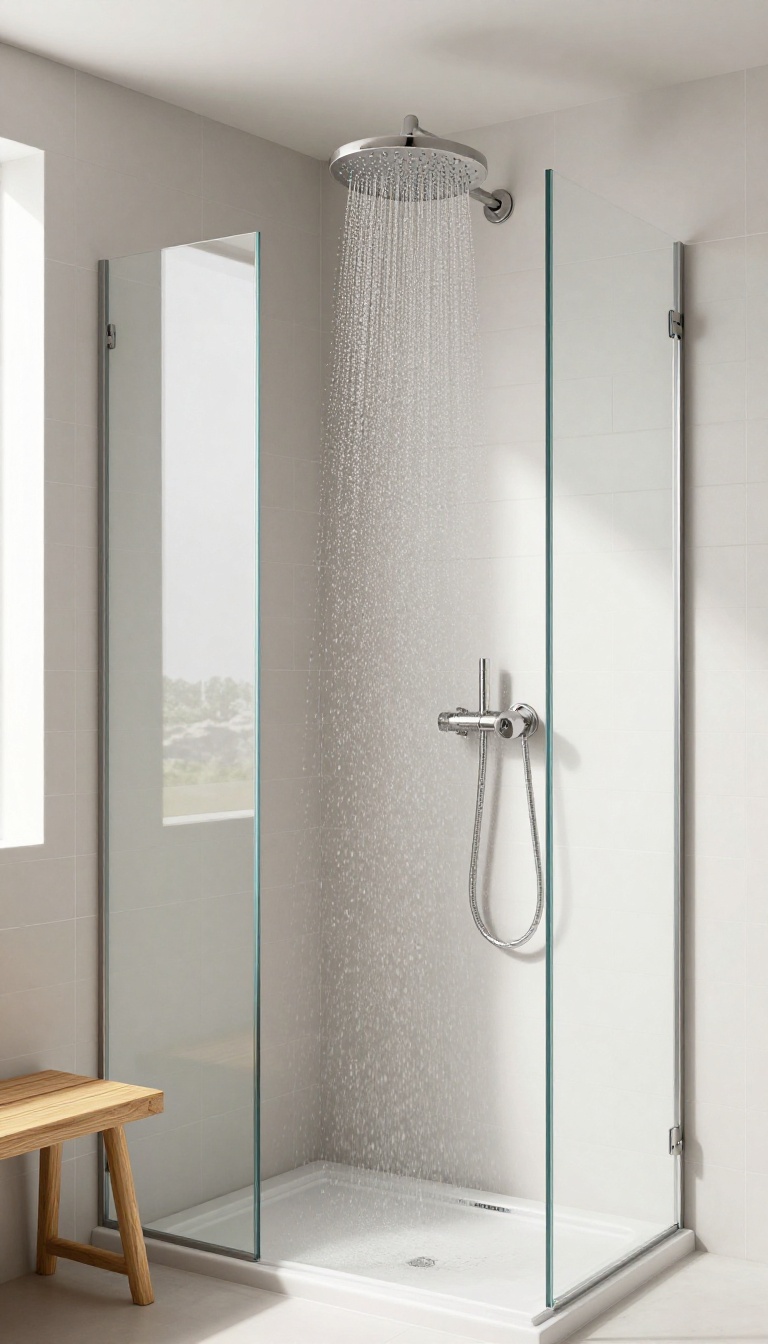
A rainfall showerhead is one of the quickest ways to upgrade a basic standup shower. The wide, gentle spray feels like standing under a warm summer rain, instantly making the space feel more luxurious. Best of all, it mounts directly to the ceiling or an overhead arm, so it doesn't eat into your already limited floor space.
The overhead design delivers water straight down, which means you get full coverage without having to angle the head or chase the spray. It's a simple swap that can transform your daily rinse into a calming ritual. Pair it with a handheld wand on a slide bar for flexibility—you get the spa-like rain when you want it and the convenience of a targeted rinse for cleaning up or washing your hair.
Choosing The Right Size And Flow
Rainfall heads come in diameters from 6 to 12 inches. For a compact standup shower, a 8- or 10-inch model is a sweet spot—it gives good coverage without overwhelming the space. Check your water pressure first; if it's low, a larger head might feel weak.
Look for models with a flow rate of 1. 8 GPM or less to keep water bills in check while still feeling indulgent.
Mounting Options For Low Ceilings
If your ceiling is under 8 feet, a flush-mount or recessed rainfall head is your friend. It sits close to the ceiling, so you won't feel like it's looming over you. For higher ceilings, a drop arm with a swivel joint lets you adjust the height and angle.
Just make sure the arm is long enough to position the head directly above your usual standing spot.
Pairing With A Handheld Wand
A handheld wand on a slide bar gives you the best of both worlds. You get the rainfall experience for everyday showers, and the wand is there for rinsing hard-to-reach spots, cleaning the shower walls, or washing pets. Choose a diverter valve that lets you switch between the two easily, and mount the slide bar at a height that works for everyone in the household.
6. Sliding Barn Door for a Rustic Touch
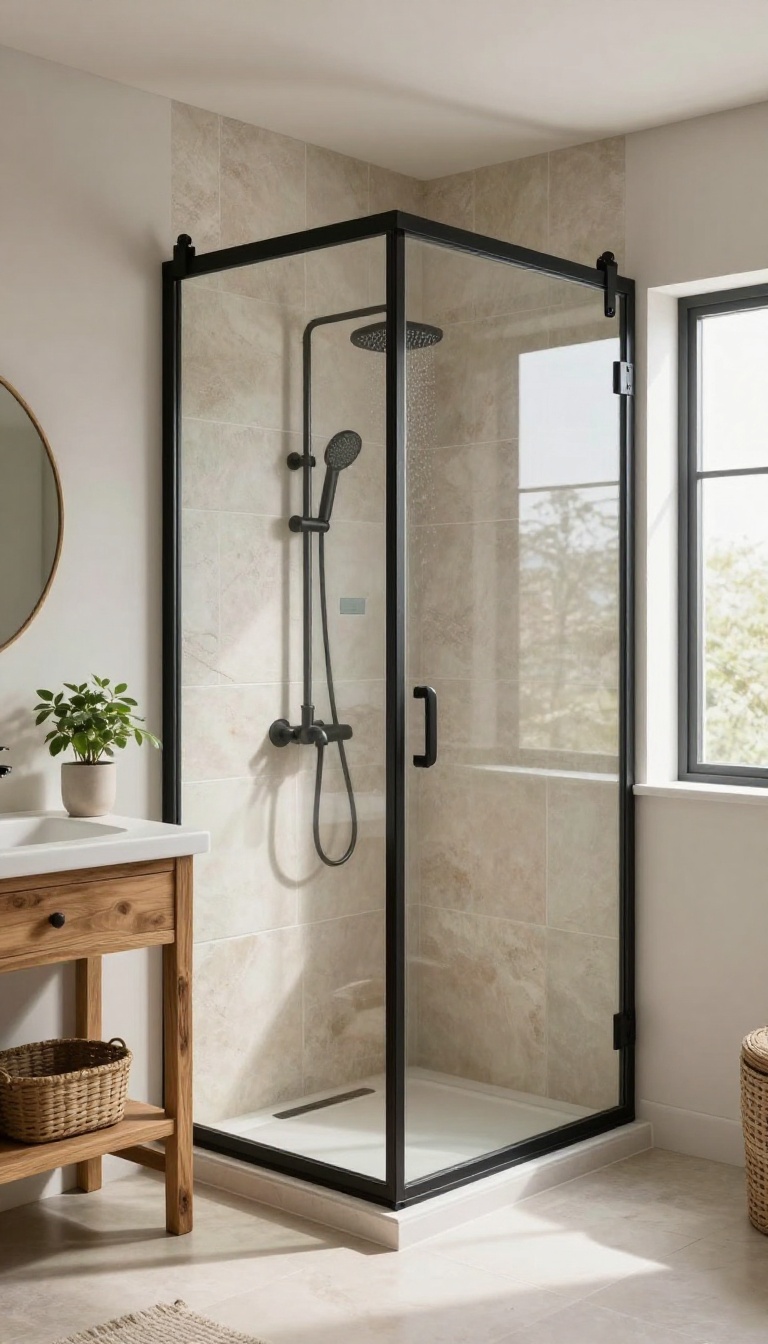
A sliding barn door on your shower is a bold move that pays off in both style and function. It swaps the swing of a traditional door for a smooth glide along a track, which is a lifesaver in tight bathrooms where every inch counts. Plus, the rustic farmhouse vibe it brings instantly warms up the space, making it feel more inviting than a standard glass enclosure.
Barn doors aren't just for bedrooms and pantries anymore. In the shower, they offer a unique blend of charm and practicality. The sliding mechanism means you don't need clearance for a door to swing open, so you can place the shower right next to a toilet or vanity without any awkward bumping.
And because the door sits flush against the wall when open, it keeps the visual line of the bathroom clean and uncluttered.
Material Choices That Set The Mood
The material you pick can change the whole feel of the bathroom. A solid wood barn door brings that classic, cozy farmhouse look—perfect if you're going for a warm, rustic vibe. If you prefer something lighter and more modern, a glass barn door with a black frame offers the same space-saving benefit but keeps the room airy and bright.
You can even mix it up with a wood-and-glass combo for the best of both worlds.
Installation And Hardware Basics
Installing a barn door for your shower is a bit different than for a regular doorway. You'll need a sturdy ceiling or wall track that can support the weight of the door, and the door itself must be properly sealed to keep water inside. Opt for a track with soft-close features to avoid slamming, and make sure the bottom guide is installed correctly to prevent the door from swinging.
It's a job that's doable for a confident DIYer, but hiring a pro ensures a watertight fit.
Space-saving Benefits In Action
The real magic of a barn door is how it frees up floor space. In a compact bathroom, a swinging door can feel like a hurdle, forcing you to stand back just to open it. A sliding door glides out of the way, giving you more room to move around.
It also lets you position the shower closer to other fixtures, which can make the whole layout feel more open and efficient.
7. Mosaic Tile Accent Wall for Visual Interest
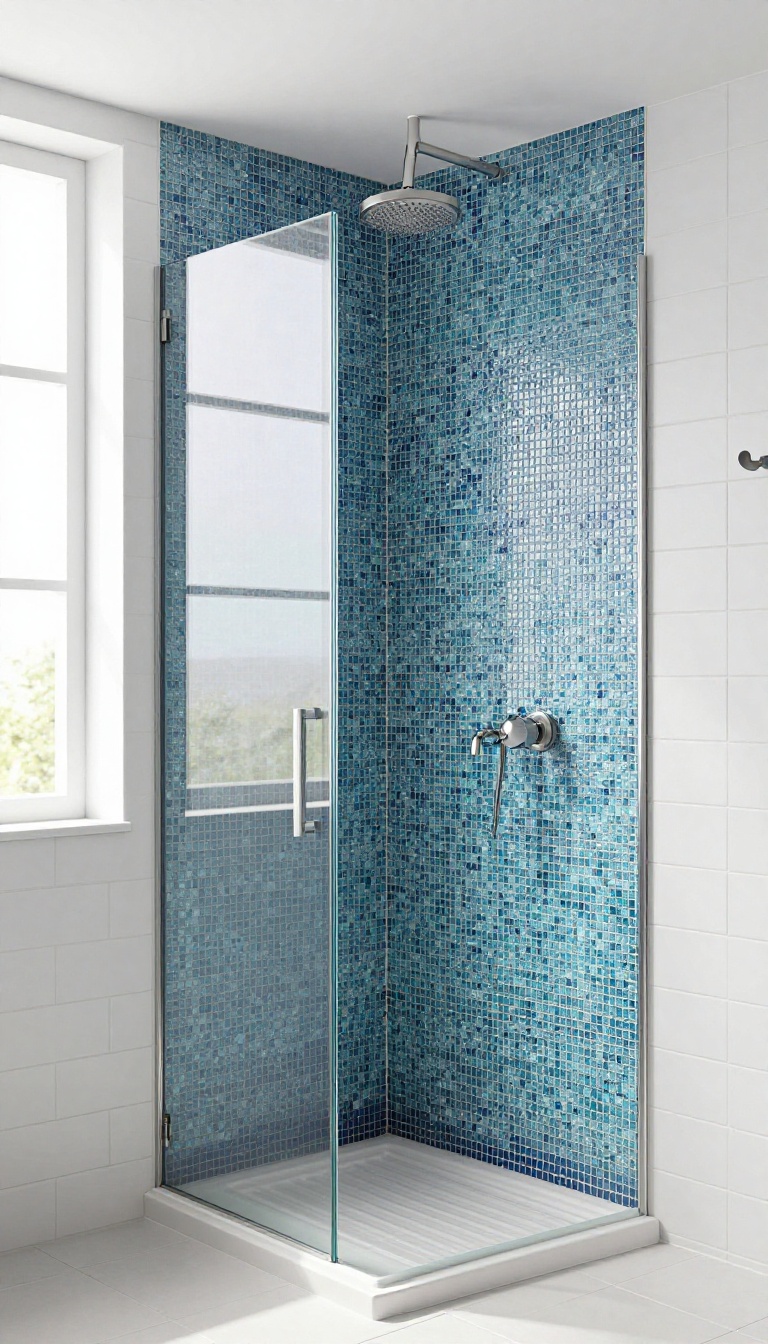
A standup shower doesn't have to be all white and sterile. One surefire way to inject personality is with a mosaic tile accent wall. It’s a small change that packs a big visual punch, turning a purely functional space into a stylish focal point.
The best part? You don’t have to commit to a full renovation—just one wall can do the trick.
Mosaic tiles come in a dizzying array of colors, materials, and patterns, so you can easily find something that speaks to your style. Whether you prefer the organic look of pebble tiles, the classic charm of subway tile with a twist, or the modern shimmer of glass mosaics, there’s an option for every taste and budget. The key is to choose a design that complements the rest of your bathroom’s palette and vibe, creating a seamless flow rather than a jarring contrast.
Why An Accent Wall Works
An accent wall focuses the eye and adds depth without overwhelming a small space. By limiting the bold pattern or color to just one wall, you get a statement piece that doesn’t make the shower feel busy or cramped. It’s a smart way to experiment with a trend you love without committing to it everywhere.
Choosing The Right Mosaic
Think about the overall mood you want to create. Cool blues and greens evoke a spa-like calm, while warm terracotta or gold adds a touch of luxury. If you’re worried about maintenance, go for large-format mosaics with fewer grout lines—they’re easier to clean.
For a natural look, stone or pebble tiles add texture and an earthy feel.
Placement And Installation Tips
The most common spot is the wall behind the showerhead or the one opposite the entry. You can also create a niche or a vertical strip for a subtle accent. Make sure the surface is clean, dry, and properly waterproofed before installing.
If you’re not confident in your DIY skills, hiring a pro for the tiling ensures a flawless finish that lasts.
8. Shower Bench for Comfort and Convenience
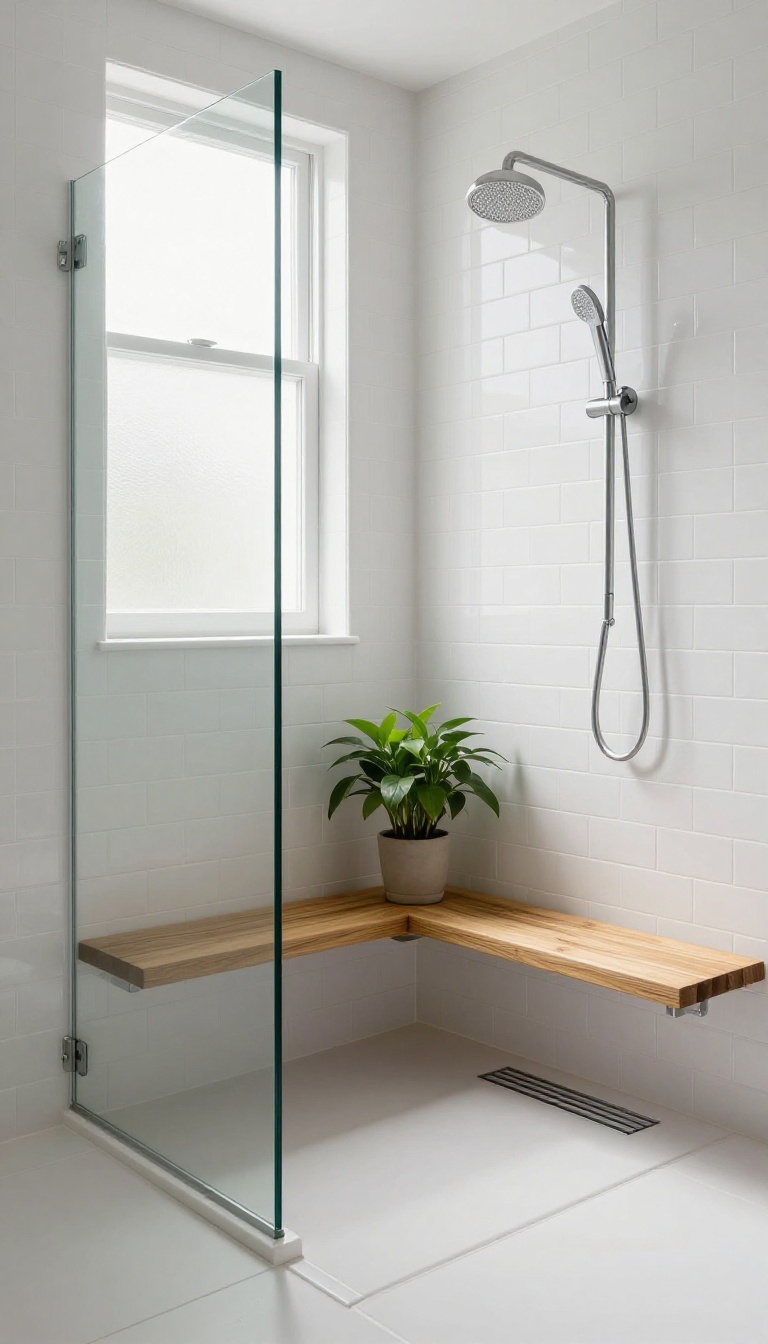
Sitting down in the shower might sound like a luxury, but it’s also a practical move. A bench gives you a stable spot for shaving, scrubbing your feet, or just taking a moment to breathe. It can make a small shower feel more like a personal spa.
Adding a bench doesn’t have to eat up your entire floor plan. Built-in corner seats tuck neatly into the space, while foldable teak benches can be stored flat against the wall when not in use. The key is to choose a material that handles moisture well and complements your shower’s look.
Built-in Vs. Foldable
Built-in benches are permanent, so they need proper waterproofing and slope for drainage. They work best if you’re already renovating. Foldable benches are a flexible, no-commitment option—just flip it down when you need it and tuck it away afterward.
Both save space, but one is more DIY-friendly.
Material Matters
Teak is a favorite because it resists water and adds a warm, natural touch. But you can also find benches in stone, solid surface, or even powder-coated aluminum. Each has its own vibe, so think about how it pairs with your shower’s tile and fixtures.
Placement Tips
Put the bench on the wall opposite the showerhead so it doesn’t block water flow. If you have a linear drain, position it so water runs away from the seat. And always leave enough room to move around—a bench shouldn’t turn your shower into a squeeze.
9. Matte Black Fixtures for a Modern Edge
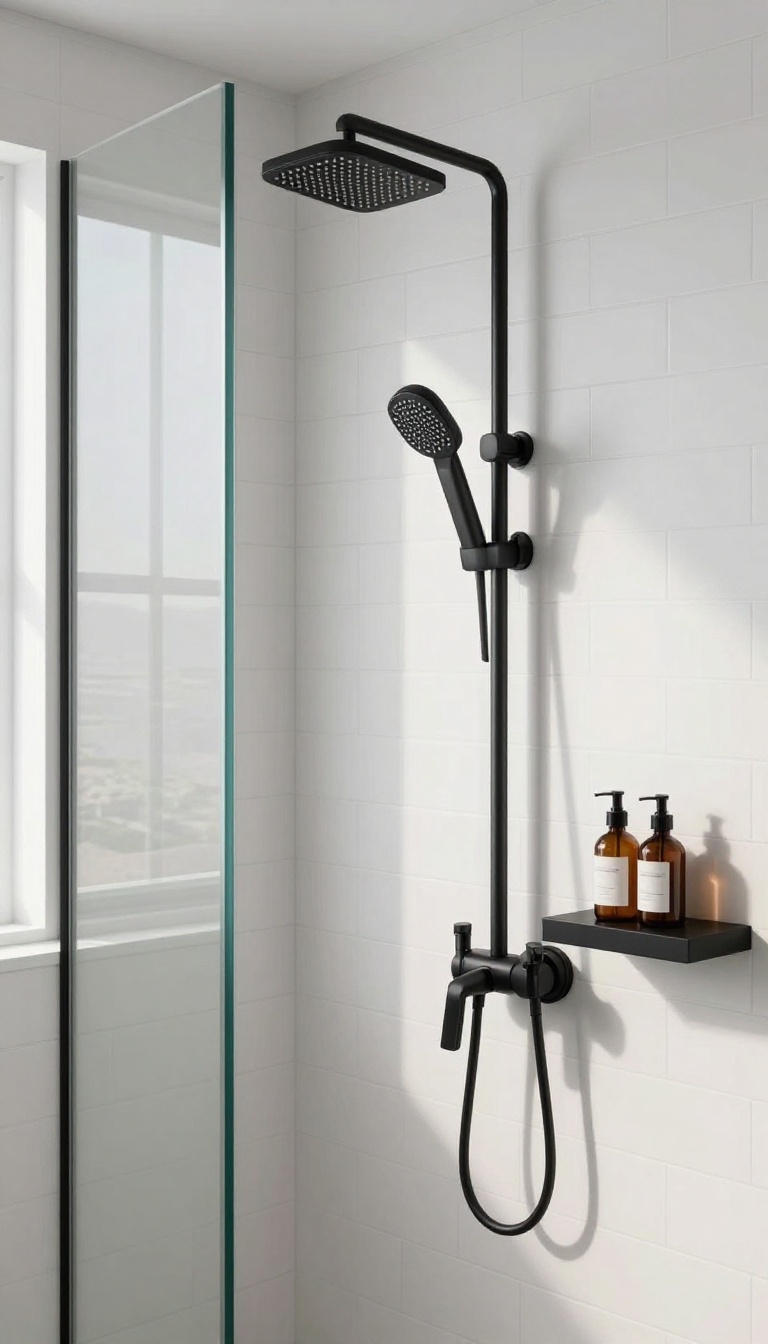
If your shower still has those basic chrome fixtures, swapping them out is one of the easiest upgrades you can make. Matte black hardware brings a contemporary, almost architectural feel to the space. It’s a small change that instantly makes the whole setup look more intentional and high-end.
Matte black fixtures work especially well in compact showers because they create a strong visual anchor without taking up any extra room. The dark finish contrasts nicely with light tiles, adding depth and making the space feel less flat. Plus, it’s a practical choice: matte black is much less prone to showing water spots and fingerprints than shiny chrome, so it stays cleaner-looking between wipes.
Why Matte Black Works In Small Showers
In a tight standup shower, you want every element to pull its weight. Matte black fixtures give you that bold, modern edge without overwhelming the space. The dark tone recedes visually, so it doesn’t make the shower feel smaller—instead, it adds a crisp outline that defines the area.
Pair it with white or light gray tiles for a striking contrast that looks straight out of a design magazine.
Which Fixtures To Swap First
You don’t need to replace everything at once. Start with the showerhead and the handle or knob—those are the most visible pieces. If you have a handheld sprayer, swap that too.
For a cohesive look, match the finish on your faucet, shower arm, and any towel hooks or shelves you have in the shower. Mixing finishes can work, but sticking to one matte black family keeps the space feeling unified.
Pairing Matte Black With Other Materials
Matte black is surprisingly versatile. It looks great with porcelain, ceramic, or natural stone tiles. For a warmer vibe, add a wooden teak bench or a bamboo mat—the dark metal grounds the organic texture.
If you prefer a cooler, spa-like feel, combine it with brushed nickel or stainless steel accents, but keep those minimal so the black remains the star.
10. Glass Block Window for Privacy and Light
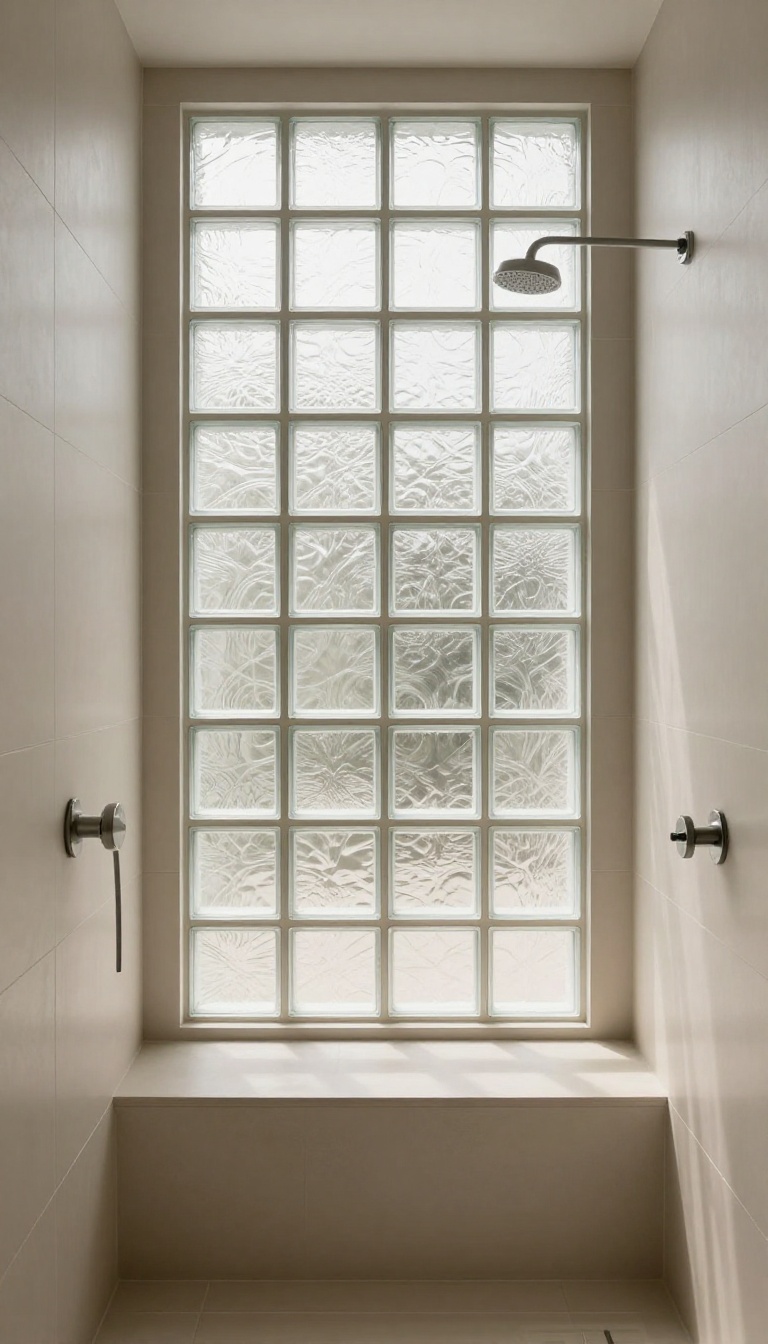
A glass block window in the shower is a smart way to let natural light pour in without sacrificing privacy. The textured glass diffuses sunlight into a soft glow, making the space feel airy and open while keeping your shower hidden from the outside world. It's a classic choice that adds a touch of retro-modern charm to any bathroom.
Glass block windows have been around for decades, and for good reason. They're durable, energy-efficient, and offer a unique combination of light and privacy that standard windows can't match. In a standup shower, where space is often tight, a glass block window can make the area feel larger and more inviting.
Plus, the textured surface is easy to clean and doesn't require curtains or blinds, which means less clutter and more natural light.
Why Glass Blocks Work In Showers
Glass blocks are perfect for wet areas because they're non-porous and resistant to mold and mildew. Unlike regular windows, they don't have frames that can rot or warp. The thick glass also provides excellent insulation, keeping the shower warmer in winter and cooler in summer.
And because they let in light without showing a clear view, you can enjoy a bright, open feel without worrying about prying eyes.
Design Options To Match Your Style
You're not stuck with the classic square blocks. Glass blocks come in various sizes, shapes, and textures, from clear to frosted to patterned. You can choose a standard grid layout or get creative with curved or angled blocks for a more modern look.
Some even have colored glass or embedded designs that add a personalized touch. Whether your bathroom is sleek and contemporary or cozy and traditional, there's a glass block style that fits.
Installation And Maintenance Tips
Installing a glass block window is a job best left to professionals, as it requires proper framing and waterproofing to prevent leaks. Once it's in, maintenance is a breeze—just wipe it down with a squeegee or mild cleaner to keep it sparkling. The mortar joints may need occasional resealing to keep them watertight, but overall, glass blocks are a low-maintenance, long-lasting option that adds value to your home.
11. Dual Showerheads for a Luxurious Experience
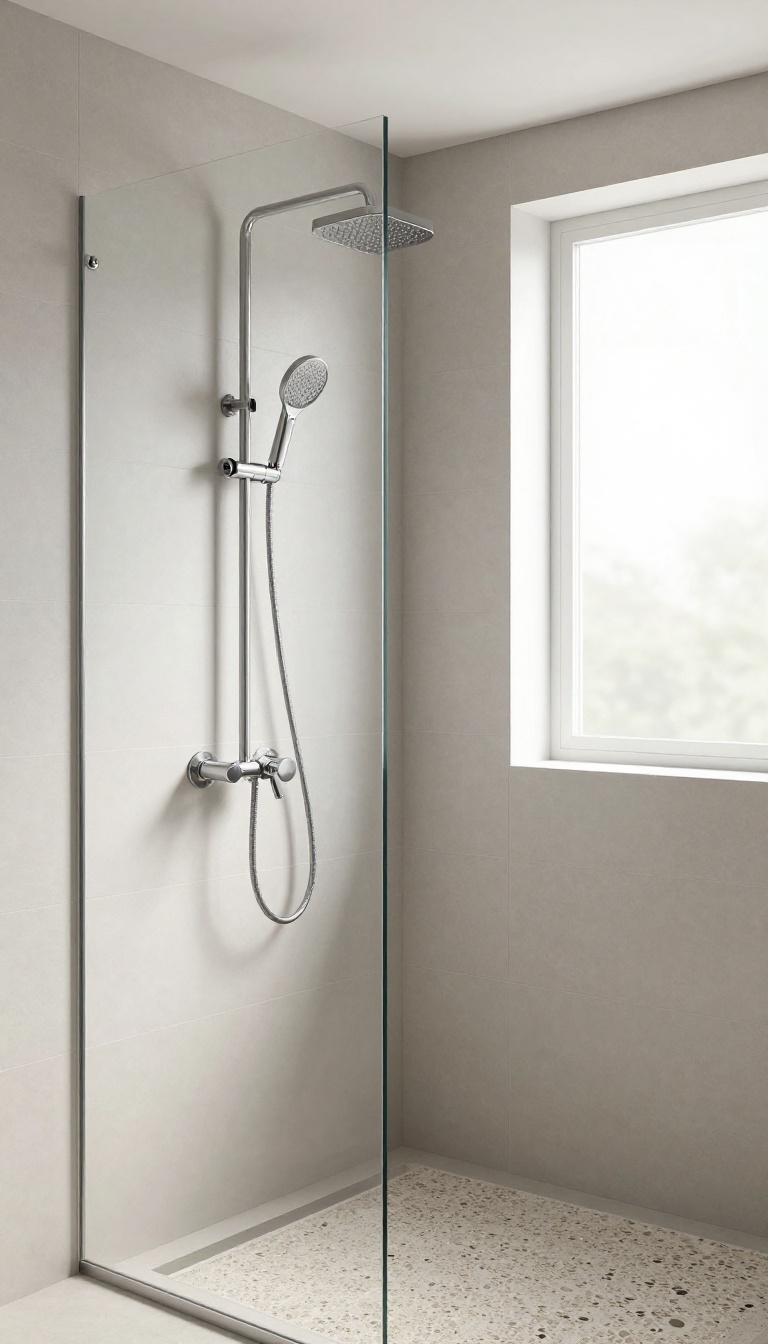
Two showerheads might sound like overkill, but in a standup shower, they can be a game-changer. You get the convenience of a fixed rain shower and the flexibility of a handheld for rinsing or cleaning. It's a simple upgrade that makes the space feel more upscale without expanding your footprint.
Positioning is key. Mount the fixed head overhead or on one wall, and place the handheld on an adjacent wall or a slide bar. This way, both can be used at the same time without crowding.
For couples, it means no more waiting turns. For solo users, it's just a more versatile rinse.
Smart Placement For Small Spaces
In a compact shower, you don't want two heads fighting for the same wall. Put the fixed head on the ceiling or high on one wall, and the handheld on a slide bar opposite or at a 90-degree angle. This keeps both reachable without making the shower feel cramped.
If you're tight on space, choose a handheld with a long hose and a docking cradle that can be mounted low or high.
Pick The Right Combo
You don't need two full-size showerheads. A rain shower paired with a handheld on a flexible hose is a popular combo. Look for a diverter valve that lets you switch between heads or run both at once—that's the real luxury.
Some models come with a single lever that controls both, so installation is simpler than you might think.
Diy Or Pro Installation?
If you're comfortable with basic plumbing, swapping out a single showerhead for a dual setup can be a weekend project. You'll need to add a diverter and possibly a new arm. But if your walls need rerouting or you're unsure about water pressure, a licensed plumber is worth the cost.
Either way, the payoff is a shower that feels twice as good.
FAQ
What is the minimum size for a standup shower?
The minimum recommended size for a standup shower is 32 x 32 inches (81 x 81 cm). This allows for comfortable movement, though 36 x 36 inches is more comfortable. Check local building codes for specific requirements.
How do I keep a glass shower door clean?
Use a squeegee after each shower to remove water spots. For deeper cleaning, a mixture of white vinegar and water works well. You can also apply a water-repellent coating to reduce buildup.
Can I install a standup shower myself?
While some aspects, like installing a prefabricated unit, can be DIY, plumbing and waterproofing are best left to professionals. Improper installation can lead to leaks and water damage. Consult a licensed contractor for major work.
What is the best flooring for a standup shower?
Textured tile, pebble tiles, or non-slip vinyl are great options for shower floors. They provide traction when wet and are durable. Avoid smooth tiles that can become slippery.
How can I make a small standup shower feel larger?
Use light-colored tiles, large-format tiles, and a glass enclosure to open up the space. Adding a niche for storage reduces visual clutter. Also, consider a rainfall showerhead to create a sense of height.
Conclusion
A standup shower can completely change the feel of your bathroom, making it more open, modern, and easier to maintain. With these 11 ideas, you can tailor the design to fit your style and space, whether you prefer a minimalist glass box or a rustic barn door.
Start with the changes that solve your biggest pain points, and you'll soon enjoy a bathroom that feels both practical and personal. Remember, even small upgrades can make a big difference in your daily routine.