10 Outdoor Patio Curtains Ideas for Privacy and Softness
Patios often feel exposed, whether it's a nosy neighbor, a glaring streetlight, or just the sun beating down. Curtains are the simplest fix, turning an open deck into a private nook with a soft, welcoming feel. They also add a layer of texture that makes the space feel more like an outdoor room.
The right curtains block wind, filter light, and give you control over your view. But with so many fabrics, styles, and hanging options, it's easy to get overwhelmed.
That's why we've rounded up ten practical ideas that balance privacy, softness, and durability. From quick DIY solutions to custom setups, these ideas work for balconies, patios, and porches.
1. Weatherproof Fabric for All Seasons
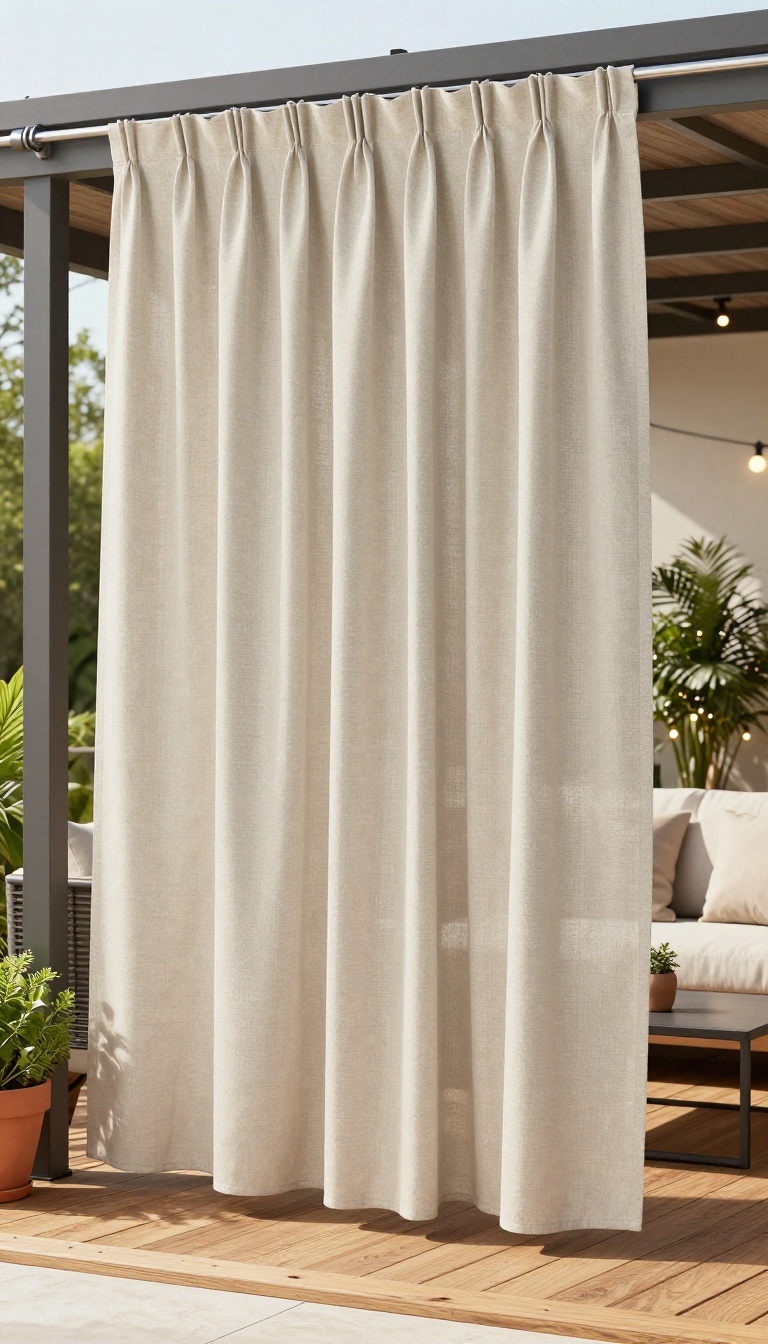
Outdoor curtains only work if they can handle the elements. Fabric that fades, mildews, or falls apart after one season defeats the purpose. That's why choosing a weatherproof material is the first step to a setup that lasts.
Look for fabrics specifically engineered for outdoor use, like Sunbrella or solution-dyed polyester. These materials are treated to resist UV rays, moisture, and mold, so they stay vibrant and intact through rain, wind, and harsh sun. You won't have to drag them inside every time the forecast turns gloomy.
Why Sunbrella Stands Out
Sunbrella is the gold standard for outdoor textiles. Its fibers are solution-dyed, meaning the color runs through the entire thread, not just the surface. That makes it incredibly fade-resistant.
It also repels water naturally, so light rain beads up and rolls off, and it won't rot or mildew even in humid climates.
The Budget-friendly Alternative
If Sunbrella is out of your price range, look for outdoor polyester with a water-repellent finish. Many brands offer affordable options that still resist UV damage and mildew. Just check the label for 'outdoor' or 'weather-resistant' and avoid materials like cotton or linen, which absorb moisture and degrade quickly.
Easy Maintenance Tips
Even weatherproof curtains need occasional care. A quick rinse with a garden hose and a mild soap solution usually does the trick. Let them air dry completely before storing to prevent any lingering dampness.
With proper care, quality outdoor fabric can last for years without losing its softness or color.
2. Sheer Panels for Soft Light and Breeze
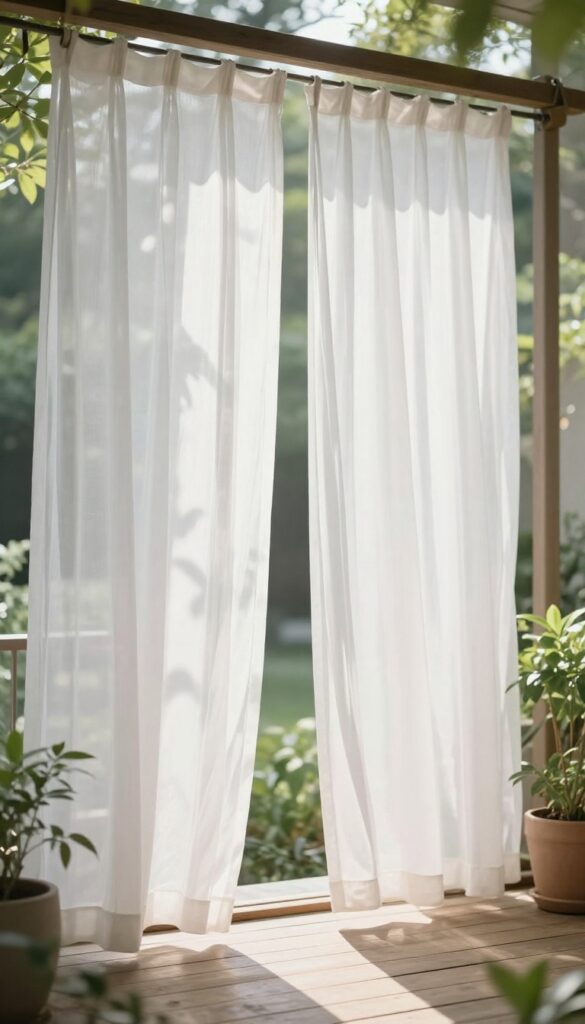
Sometimes you want shade without feeling boxed in. Sheer curtains strike that balance, filtering harsh sunlight into a gentle glow while still letting the air move. They're a favorite for patios that get plenty of afternoon sun but need a touch of softness.
Sheer panels are the go-to when you want to soften the space without blocking the view entirely. They diffuse light, cut glare, and create a dreamy, airy atmosphere. Plus, they let a breeze pass through, so you stay cool even on the hottest days.
If you're after privacy that doesn't feel heavy, these are your best bet.
Choosing The Right Fabric
Look for outdoor-rated sheer fabrics like polyester or acrylic blends. These resist moisture and UV damage better than cotton. A tighter weave gives a bit more privacy, while a looser weave lets in more light.
Check the fabric's opacity by holding it up to the sun—if you can see shapes clearly, it's too sheer for full privacy.
Hanging And Layering Tips
Hang sheers high and wide to make the patio feel larger. Use a sturdy rod or cable system that can handle wind. For extra privacy, pair sheers with heavier curtains on the sides—you can draw the heavy ones at night and keep the sheers closed during the day.
This gives you flexibility without compromising on style.
Maintenance And Care
Most outdoor sheers are easy to clean—just hose them down or toss them in the washing machine on a gentle cycle. Let them air dry to prevent shrinking. To avoid mildew, make sure they're completely dry before storing.
A quick spray with a fabric protector can also help repel water and stains.
3. Blackout Curtains for Total Privacy
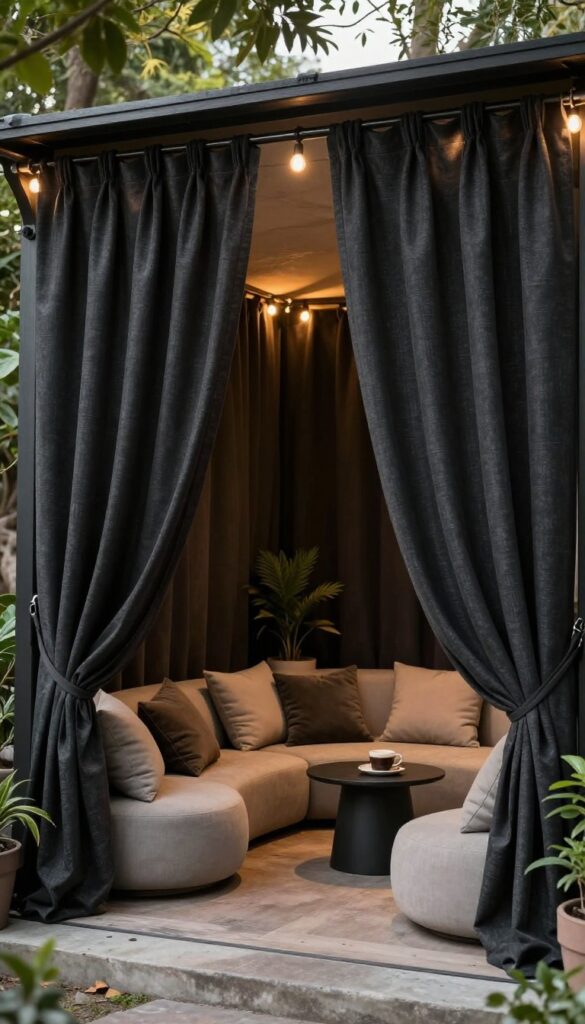
When you want to completely disappear from the outside world, blackout curtains are your best friend. They’re not just for bedrooms—on a patio, they create a cozy, cave-like retreat that feels wonderfully private. Perfect for homes near busy sidewalks or close neighbors, these curtains block both light and prying eyes, giving you true seclusion.
Blackout curtains are made with a dense, opaque fabric that prevents light from passing through. This makes them ideal for patios where you want to watch a movie on a projector, enjoy a midday nap, or simply avoid feeling like you’re on display. They also add a layer of insulation, helping to keep your patio cooler in the summer and warmer in the evening.
Choosing The Right Fabric
Look for curtains labeled "blackout" or "thermal"—these typically have a thick weave or a special coating. Polyester blends are durable and easy to clean, while velvet or suede options add a touch of luxury. Avoid sheer or light-colored fabrics if you want true darkness.
Installation Tips For Maximum Coverage
To ensure no gaps, install your curtain rod wider than the patio opening and mount it higher than the top of the frame. Use heavy-duty rings or clips that can slide smoothly. For windy areas, consider adding weights to the bottom hem to keep curtains from flapping.
Styling Ideas
Blackout curtains don’t have to look utilitarian. Choose a color that complements your outdoor furniture—deep navy, charcoal, or warm terracotta. Add string lights behind the curtains for a magical evening glow, or pair them with sheer curtains in front for a layered, soft look.
4. Bamboo or Reed Roll-Up Shades
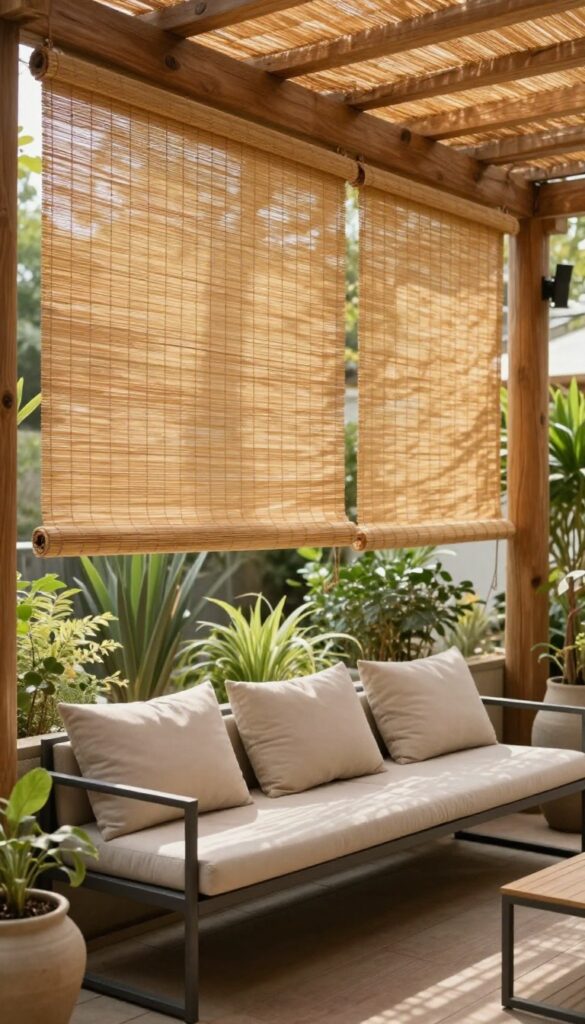
Bamboo or reed shades bring a natural, earthy texture that instantly warms up a patio. They roll up neatly when you want an open view and drop down for instant privacy, making them a flexible choice for any outdoor space. Plus, they're lightweight, affordable, and easy to install—perfect for renters or anyone who likes to change things up.
These shades are made from natural materials like bamboo, reeds, or grasses, woven together for a durable yet breathable screen. They filter sunlight beautifully, casting a soft, dappled glow that feels cozy and inviting. When fully lowered, they block sightlines from neighbors or passersby, giving you a private retreat without feeling closed off.
Choosing The Right Material
Bamboo shades are sturdy and have a clean, modern look, while reed shades offer a more rustic, textured appearance. Consider the level of privacy you need: tightly woven bamboo blocks more view, while loosely woven reeds let in more light but still provide some screening. Both are naturally weather-resistant, but look for options treated for UV and moisture protection to extend their life.
Easy Installation And Operation
Most roll-up shades come with simple mounting hardware, so you can attach them to a pergola, awning, or even a tension rod. They operate with a pull cord or a simple roll-up mechanism, making it easy to adjust them throughout the day. For a no-drill option, use heavy-duty zip ties or outdoor adhesive hooks—just make sure they can handle the weight.
Styling Tips For A Natural Look
Pair bamboo shades with neutral outdoor fabrics, potted plants, and wooden furniture to enhance the tropical vibe. Use them alone or layer them with sheer curtains for extra softness and flexibility. When rolled up, they add a decorative touch at the top, so choose a style that complements your patio's color palette.
5. Outdoor Curtain Rods with Cables
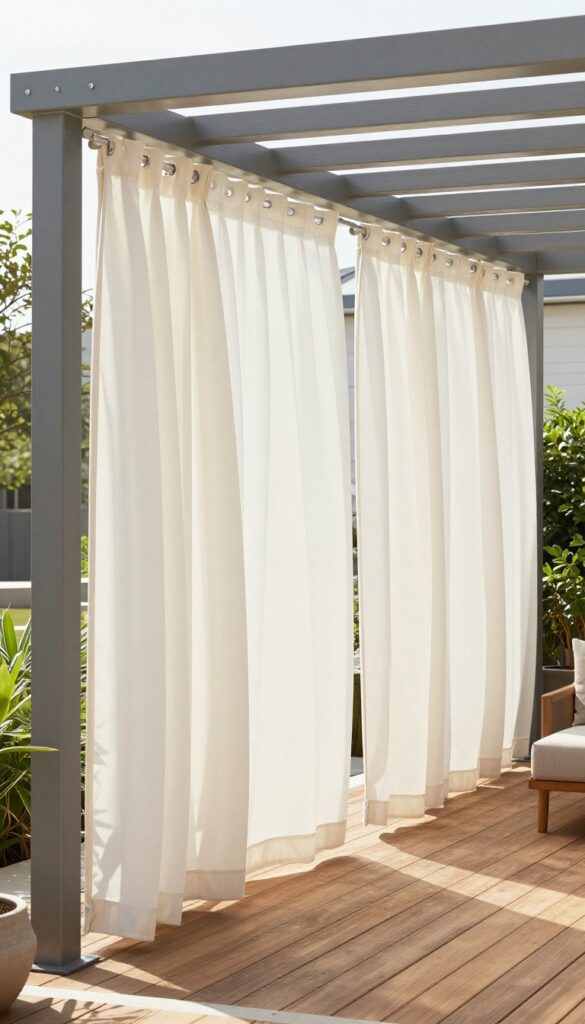
A cable system is a sturdy, flexible way to hang curtains across long spans. It's perfect for pergolas or large patios, and it allows curtains to slide smoothly without sagging. This setup gives you a clean, modern look while handling the weight of heavier outdoor fabrics with ease.
Why Cable Systems Work So Well
Cables are tensioned between two anchor points, so they stay taut and straight even over wide openings. Unlike a traditional rod, a cable won't bow in the middle, which means your curtains hang evenly and glide effortlessly. This makes them ideal for covering long stretches of a pergola or a large patio door.
How To Set Up A Cable Rod System
Start by attaching sturdy eye bolts or cable anchors to the posts or walls at each end. Use a stainless steel cable (around 1/8 inch thick) and a turnbuckle to tighten it. Thread the cable through the curtain grommets or use curtain clips, then tension it until it's firm.
Make sure the cable is level and secure before hanging the curtains.
Choosing The Right Curtains For Cables
Light to medium-weight fabrics work best because they won't strain the cable. Look for curtains with grommets or a rod pocket that can slide over the cable. Outdoor-rated polyester or solution-dyed acrylic are great choices—they resist fading and mildew while still feeling soft.
Avoid heavy blackout liners that might make the cable sag.
6. Layered Curtains for Depth and Style
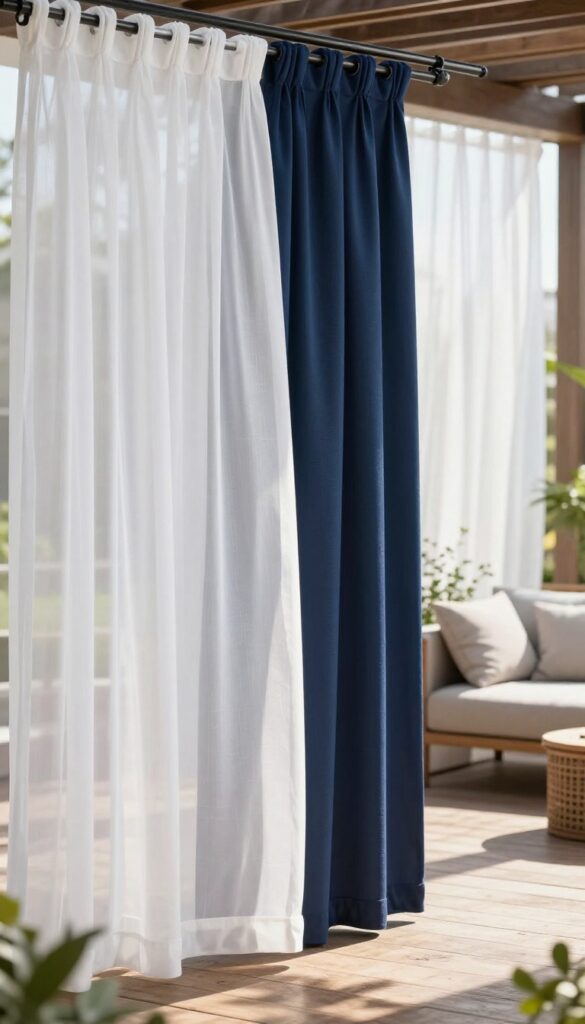
Layering curtains isn't just for living rooms. On a patio, combining a sheer panel with a heavier one gives you the best of both worlds: soft filtered light when you want it, and full privacy when you don't. It's a simple trick that adds depth and a designer feel to any outdoor space.
Using a double rod system, you can hang a light, airy sheer curtain closest to the glass or railing, and a heavier, more opaque curtain on the outer rod. During the day, keep the sheers closed to soften sunlight while still seeing out. In the evening, draw the heavier curtains for total seclusion.
This setup also lets you adjust for wind—leave the sheers open on breezy days and use the heavier panels to block gusts.
Choosing The Right Fabrics
For the sheer layer, pick a light polyester or linen blend that resists mildew and fades slowly. For the outer layer, go with a heavier outdoor fabric like canvas or solution-dyed acrylic. These stand up to sun and rain while providing a solid barrier.
Avoid cotton, which absorbs moisture and can rot.
Double Rod Setup
You'll need a double curtain rod rated for outdoor use, preferably with rust-resistant coating. Install it securely, ensuring the brackets can hold the weight of both layers. Space the rods about 6 to 8 inches apart so the curtains don't bunch up.
Use separate rings or clips for each layer to make sliding easy.
Playing With Length And Color
For a relaxed look, let the curtains pool slightly on the floor. If you prefer a cleaner line, hem them to just above the ground. Mix colors—try a white sheer with a navy or terracotta outer panel for contrast.
Or keep both in the same tone for a subtle, elegant effect.
7. Tie-Backs and Holdbacks for an Open Look
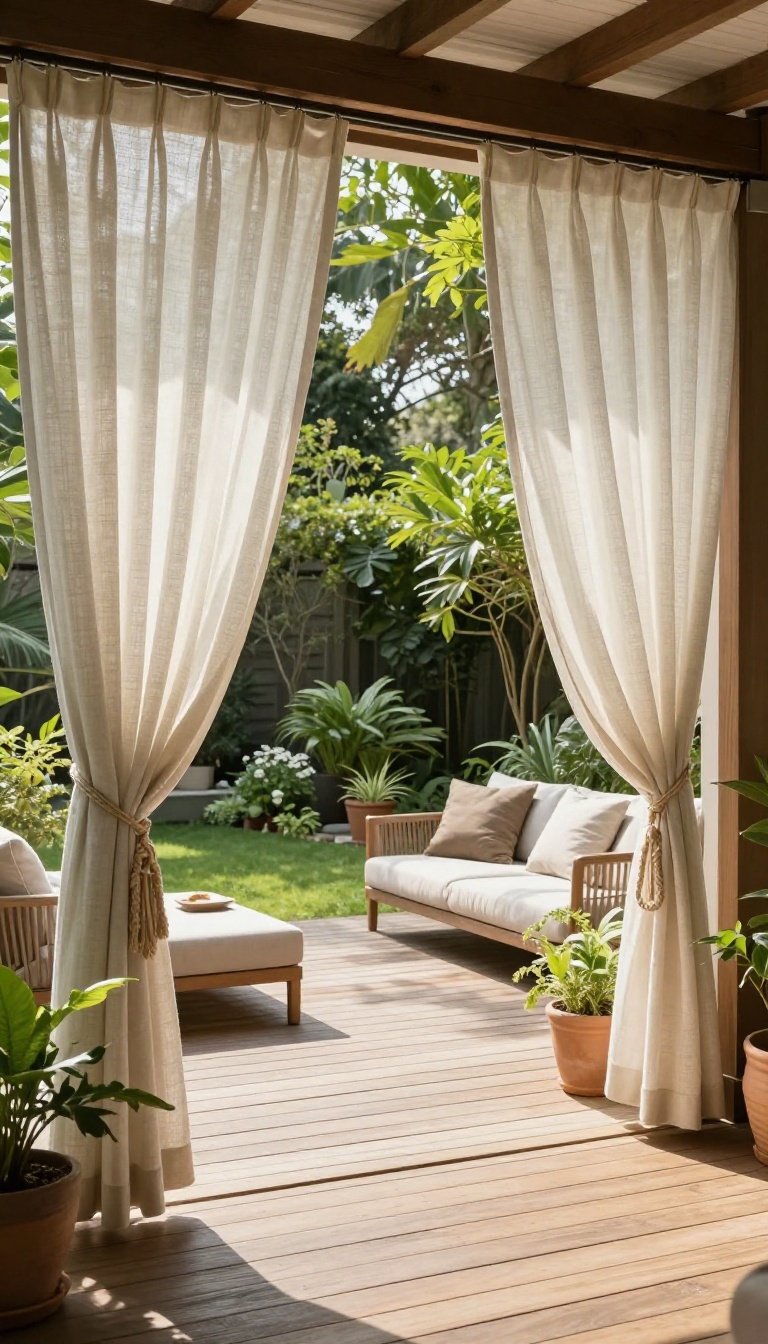
Sometimes you want full privacy, but other times you crave an open, breezy view. That's where tie-backs and holdbacks shine. They let you pull your patio curtains aside in seconds, giving you the best of both worlds without any fuss.
It's a simple addition that makes your outdoor space feel more flexible and polished.
Tie-backs and holdbacks are the unsung heroes of curtain styling. They keep fabric neatly gathered when you want to let the sunlight flood in or enjoy an unobstructed view of your garden. Plus, they add a decorative touch that can elevate the whole look of your patio.
Whether you prefer a casual rope or an elegant metal hook, there's a style to match any outdoor decor.
Choose The Right Tie-back Material
For outdoor use, skip delicate silk or velvet. Instead, go for weather-resistant options like cotton rope, nautical rope, or leather straps. These materials handle sun and moisture well and add a natural, relaxed vibe.
If you want something more decorative, consider metal holdbacks in bronze or brushed nickel—they're sturdy and can double as a stylish accent.
Placement Tips For The Perfect Drape
The height and position of your tie-backs affect how the curtains fall. For a classic look, place them about one-third of the way down from the top of the curtain. This creates a soft, elegant swoop.
If you prefer a more casual, gathered look, position them lower, around hip height. Experiment with different spots to see what feels right for your space.
Diy Tie-backs That Add Personality
You don't have to spend a lot to get great tie-backs. A simple piece of jute rope tied in a knot or a loop of leather cord can look charming and rustic. You can even repurpose old belts or fabric scraps.
For a nautical touch, use a length of thick cotton rope with a wooden bead. These DIY options are budget-friendly and let you customize the look to match your patio style.
8. Grommet Top Curtains for Easy Glide
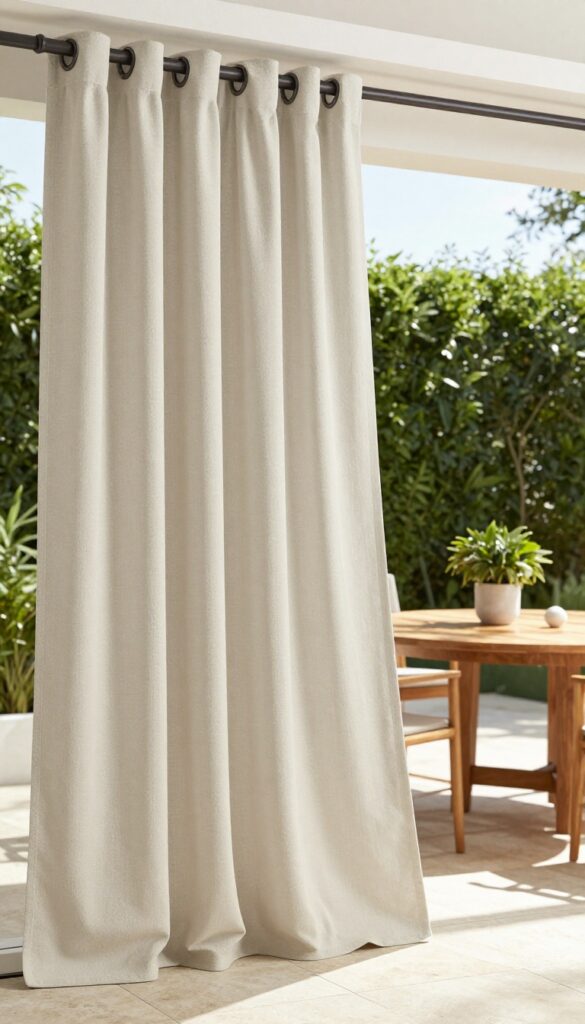
If your patio curtains are a hassle to open and close, you'll end up leaving them shut all the time. Grommet tops solve that problem with metal rings built into the fabric, letting the panels slide smoothly along the rod. They're a no-fuss option that keeps the curtains neat and easy to adjust, even when you're juggling a drink or a plate of food.
Grommet tops are a classic choice for outdoor curtains because they combine function with a clean, tailored look. The metal rings are sturdy and won't snag or tear, even with frequent use. And because the fabric gathers in even folds, the curtains hang nicely without looking bunched or messy.
When you're choosing grommet curtains for your patio, look for panels with rust-resistant grommets, especially if your space is exposed to rain or humidity. Also, consider the rod diameter—grommet openings come in different sizes, so make sure they fit your rod snugly but still slide easily.
Why Grommets Work So Well Outdoors
The main advantage of grommet tops is how effortlessly they move. You can pull them open or closed with one hand, which is perfect for busy patios where you're constantly adjusting for sun or privacy. The metal rings also hold up better than fabric tabs or ties, which can stretch or wear out over time.
Another plus is that grommet curtains tend to hang in a more structured way. The rings keep the top edge straight and even, so the panels look intentional and polished. That's a big deal if you want your outdoor space to feel put-together, not just functional.
Choosing The Right Fabric And Length
For outdoor use, stick with fabrics that are weather-resistant and easy to clean, like polyester or acrylic blends. These materials dry quickly and resist mildew, so they won't get ruined after a few rainy days. Avoid heavy cottons that can soak up water and become saggy.
Length matters too. Measure from your rod to the floor and add a few inches for a slight puddle that blocks light at the bottom, or keep them just above the ground for a cleaner look. If you want to be able to tie them back, choose panels that are long enough to gather nicely.
Installation Tips For Smooth Operation
To get the best glide, use a straight curtain rod with a smooth finish. Avoid rods with heavy finials or decorative rings that could catch on the grommets. Also, make sure the rod is level and securely mounted—wobbly hardware will make the curtains stick or slide unevenly.
If you're hanging them on a covered patio, a simple tension rod or a ceiling-mounted track can work well. For open areas, a sturdy metal rod with brackets is a safer bet. And don't forget to leave a little space between the grommets and the wall so the curtains can move freely without rubbing against anything.
9. Outdoor Curtains with Weighted Bottoms
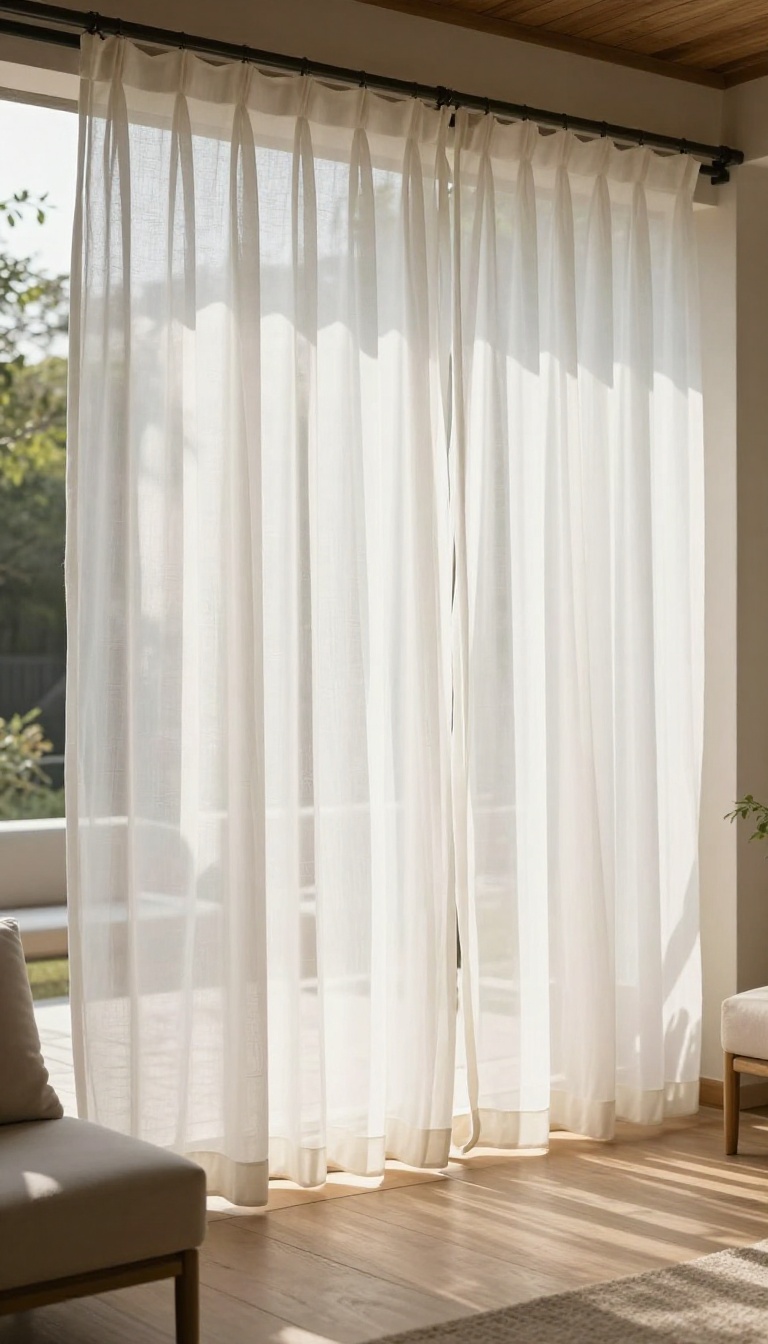
A sudden gust can turn a calm patio into a curtain frenzy. If you've dealt with fabric whipping around, weighted-bottom curtains are the answer. They hang straight and stay put, even when the wind picks up.
This simple design tweak makes a big difference in breezy spots.
Weighted curtains have small weights sewn into the hem, which pull the fabric down and keep it taut. This prevents flapping and keeps your curtains from blowing into your face or tangling. They also create a cleaner, more polished look, since the fabric hangs straight instead of billowing.
Why Weighted Curtains Work
The extra weight at the bottom acts like an anchor. It stabilizes the curtain, so even strong gusts only cause a gentle sway. This is especially helpful on open patios or balconies where there's no wall to block the wind.
You'll also notice less noise from flapping fabric, making your outdoor space more relaxing.
How To Add Weights Yourself
You don't have to buy custom curtains. You can add weights to any curtain with a simple sewing project. Sew small pouches into the hem and fill them with washers, fishing weights, or even pebbles.
Another easy trick is to clip small weights along the bottom edge with drapery pins. This is a quick, budget-friendly fix.
Best Fabrics And Styles
Weighted bottoms work with most curtain fabrics, but heavier materials like canvas or linen blend hold up better in wind. For a soft, breezy feel, go with a light polyester that still has some weight. You can also find outdoor curtains with weighted hems already built in—just check the product description.
Choose a style that matches your patio, from neutral tones to bold stripes.
10. DIY Curtain Panels from Drop Cloths
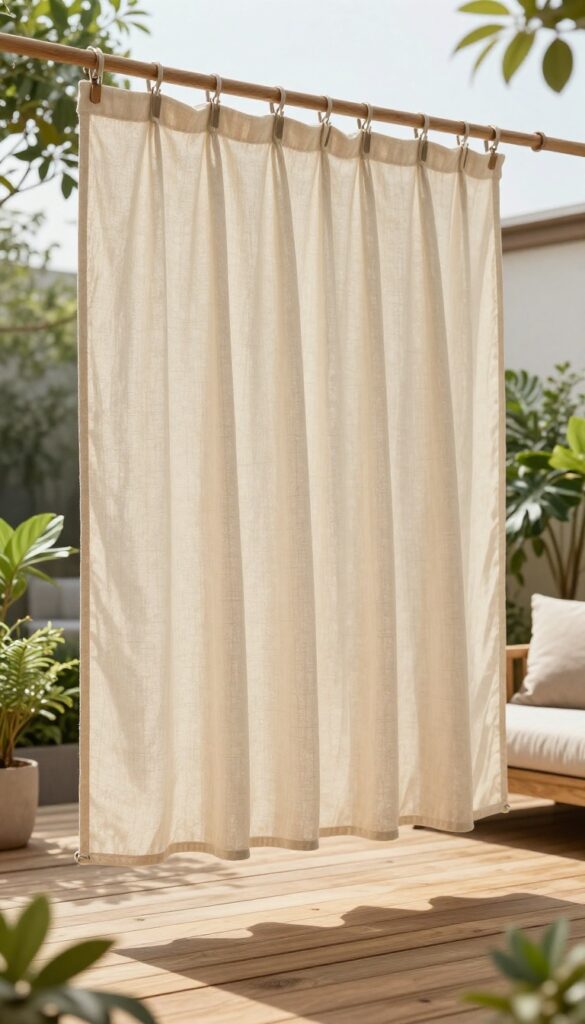
Canvas drop cloths are a budget-friendly DIY option. They're durable, easy to hem, and can be dyed or painted to match your decor, giving you custom curtains for a fraction of the cost. This project is perfect for anyone who wants a handmade look without the high price tag.
Drop cloths, typically used to protect floors during painting, are made of heavy cotton canvas. They come in large sizes, so you can create wide panels without sewing multiple pieces together. The natural beige color works well with many outdoor palettes, but you can easily customize them with fabric dye or outdoor paint.
Plus, the fabric is thick enough to block wind and provide privacy, yet still allows light to filter through softly.
Choosing The Right Drop Cloth
Look for 100% cotton drop cloths, as they absorb dye and paint better than synthetic blends. Check the weight: a 10-ounce canvas is sturdy but still manageable. Measure your curtain track or rod to determine how many panels you need.
A standard 9×12-foot drop cloth can be cut into two or three panels, depending on your desired width.
Hemming And Hanging
Hemming is simple: fold the edges over twice and sew a straight stitch. For a no-sew option, use iron-on hem tape. To hang, use grommets or clip rings.
If you're using a rod, you can also fold the top over and sew a pocket for a clean look. For outdoor use, consider adding weights to the bottom hem to keep the curtains from blowing around.
Customizing With Dye Or Paint
To match your patio decor, dye the drop cloths with a washing machine dye or use fabric paint. For a more artistic touch, use stencils to add patterns. If you prefer a natural look, leave them as-is—the beige canvas complements most outdoor settings.
Just make sure to use outdoor-rated dye or paint to prevent fading from sun exposure.
FAQ
What is the best fabric for outdoor curtains?
Look for fabrics labeled outdoor or marine-grade, like Sunbrella, polyester, or acrylic. They resist UV rays, water, and mold, and are designed to withstand the elements.
How do I hang outdoor curtains without a rod?
You can use a cable system, wire rope, or even a sturdy clothesline. For a pergola, attach hooks or eye screws to the beams and thread the cable through the curtain's grommets or loops.
Can I leave outdoor curtains up in winter?
If your curtains are made of weatherproof fabric and the hardware is rust-resistant, you can leave them up. However, in heavy snow or extreme winds, it's safer to take them down to prevent damage.
How do I clean outdoor curtains?
Most outdoor curtains can be hosed down or wiped with a mild soap solution. For deeper cleaning, check the care label—many can be machine washed on a gentle cycle and air dried.
Do outdoor curtains block wind?
Curtains can block some wind, but they're not windproof. Heavier fabrics and weighted bottoms help reduce flapping, but for full wind protection, consider installing a windbreak or using solid panels.
Conclusion
Outdoor curtains are a simple upgrade that can completely change how your patio feels. They give you privacy, soften the space, and make it more usable throughout the day. Start with one idea that fits your needs, and you'll see the difference immediately.
Remember to choose durable materials and hardware that can handle the weather. With the right setup, your patio becomes a cozy retreat you'll love spending time in. Now, go ahead and pick the style that speaks to you—your perfect outdoor escape is just a curtain away.