11 Modern Living Room Window Blind Ideas for Privacy and Style
The right blinds can completely change how your living room feels. They control light, add texture, and pull the whole design together. But with so many options, it's easy to feel stuck.
You don't need a designer to make a smart choice. The key is matching the blind style to your room's vibe and your daily needs. Whether you want something airy, dramatic, or low-maintenance, there's a perfect fit.
Here are 11 living room window blind ideas that deliver both function and style. Each one is practical, looks great, and helps you create a space that feels finished.
1. Classic Wood Blinds for Warmth and Durability
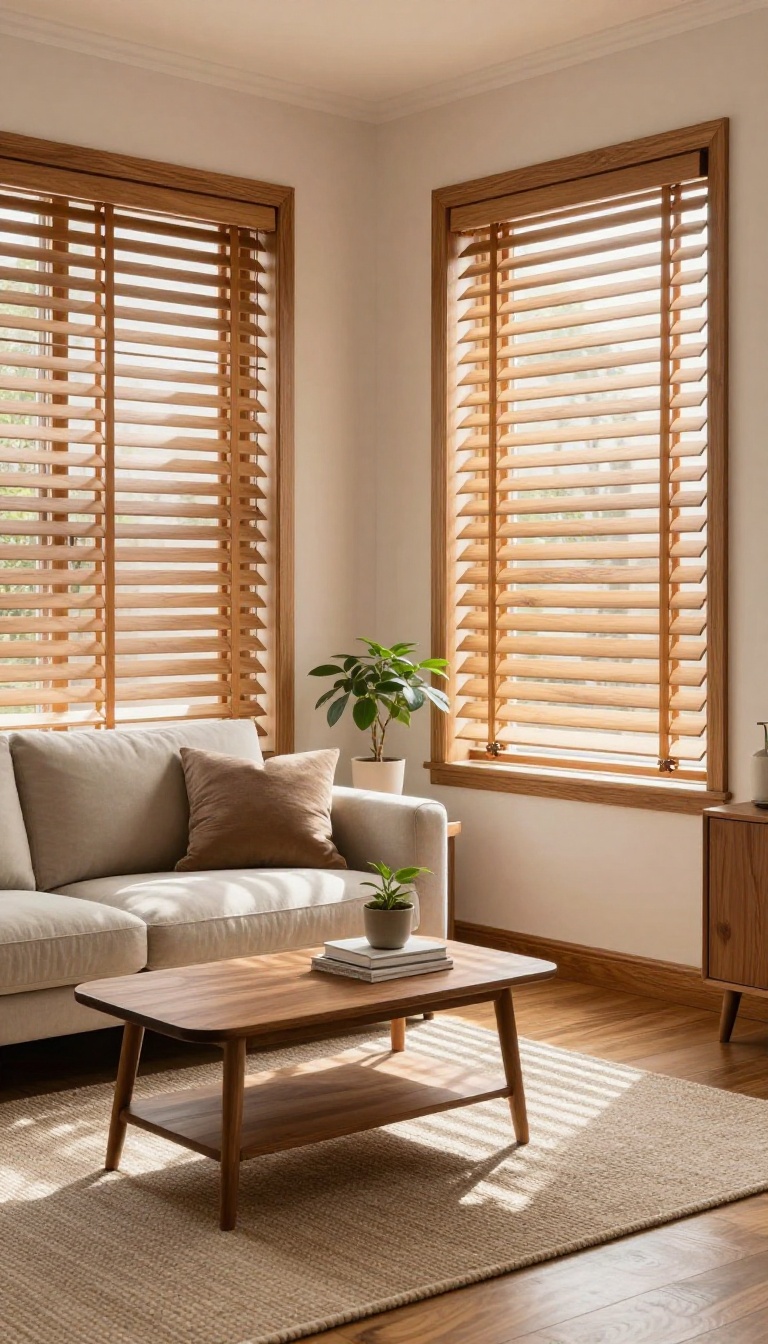
Wood blinds have a way of making a room feel grounded and inviting. Their natural grain adds texture that plain curtains or plastic blinds simply can't match. Plus, they're built to last, so you're not just dressing your windows—you're making a long-term investment in your living space.
When you choose wood blinds, you're bringing a piece of nature indoors. They soften the harsh lines of a window and create a cozy, polished look. They're also surprisingly practical: a quick wipe with a damp cloth keeps them looking fresh, and they hold up well against everyday wear and tear.
Real Wood Vs. Faux Wood
Real wood blinds offer a rich, authentic look with beautiful grain patterns. They're perfect for living rooms that don't get too humid. If your space is prone to moisture—like near a kitchen or a bathroom—faux wood is a smart alternative.
It mimics the appearance of wood but resists warping and is easier to clean.
Staining Options To Match Your Decor
One of the best things about wood blinds is the variety of stains available. You can go light and airy with a whitewashed oak, or rich and dramatic with a dark walnut. Match the stain to your furniture or flooring to create a cohesive look.
If you're unsure, a medium wood tone is a safe, versatile choice that works with most color palettes.
Maintenance Tips For Longevity
To keep your wood blinds looking their best, dust them regularly with a soft cloth or a vacuum attachment. Avoid using harsh chemicals or excessive water, which can damage the finish. With a little care, they'll stay beautiful for years.
2. Faux Wood Blinds for High Humidity and Easy Maintenance
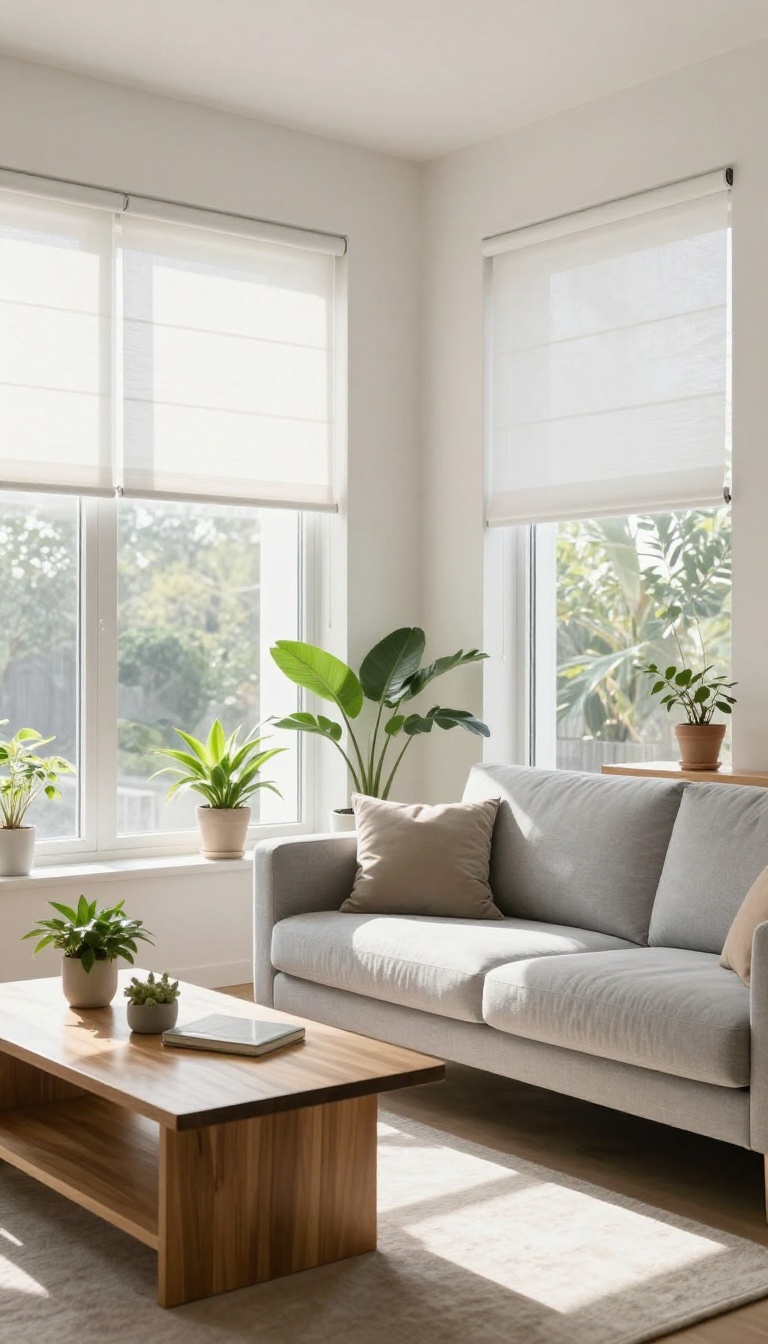
Real wood blinds are beautiful, but they can be high-maintenance. If your living room gets a lot of sun or you live in a humid area, wood can warp or fade over time. Faux wood blinds give you the same classic look without the worry.
They're made from composite materials that stand up to moisture and heat. That makes them a smart pick for large windows or rooms that see a lot of daily use. Plus, they're easier on your wallet and just as stylish.
Faux wood blinds are a practical upgrade for busy living rooms. They handle humidity, resist warping, and clean up in minutes. You get the warm, natural look of wood without the fuss.
Here's why they work so well and how to make them shine in your space.
Why Faux Wood Beats Real Wood In Some Rooms
Real wood blinds can swell, crack, or lose their color when exposed to moisture or strong sunlight. Faux wood is made from PVC or composite materials that don't absorb water. That means they stay straight and look fresh for years.
They're also more affordable. You can cover big windows without breaking the bank, and the savings let you invest in other decor pieces.
Cleaning And Care In Minutes
One of the best things about faux wood is how easy they are to maintain. A quick wipe with a damp cloth or a dusting with a microfiber duster is all they need. No special cleaners or treatments required.
Unlike fabric blinds that trap dust, faux wood doesn't hold onto allergens. That makes them a great choice if you want a cleaner, healthier living room.
Style Tips For A Polished Look
Faux wood blinds come in a range of whites, creams, and wood tones. For a bright and airy feel, go with a white or light oak finish. If you want a cozier, more dramatic vibe, darker tones like walnut or espresso add depth.
Pair them with sheer curtains for softness, or layer them with heavier drapes for a more formal look. The clean lines of the blinds work well in both modern and traditional spaces.
3. Motorized Blinds for Effortless Control and Modern Living
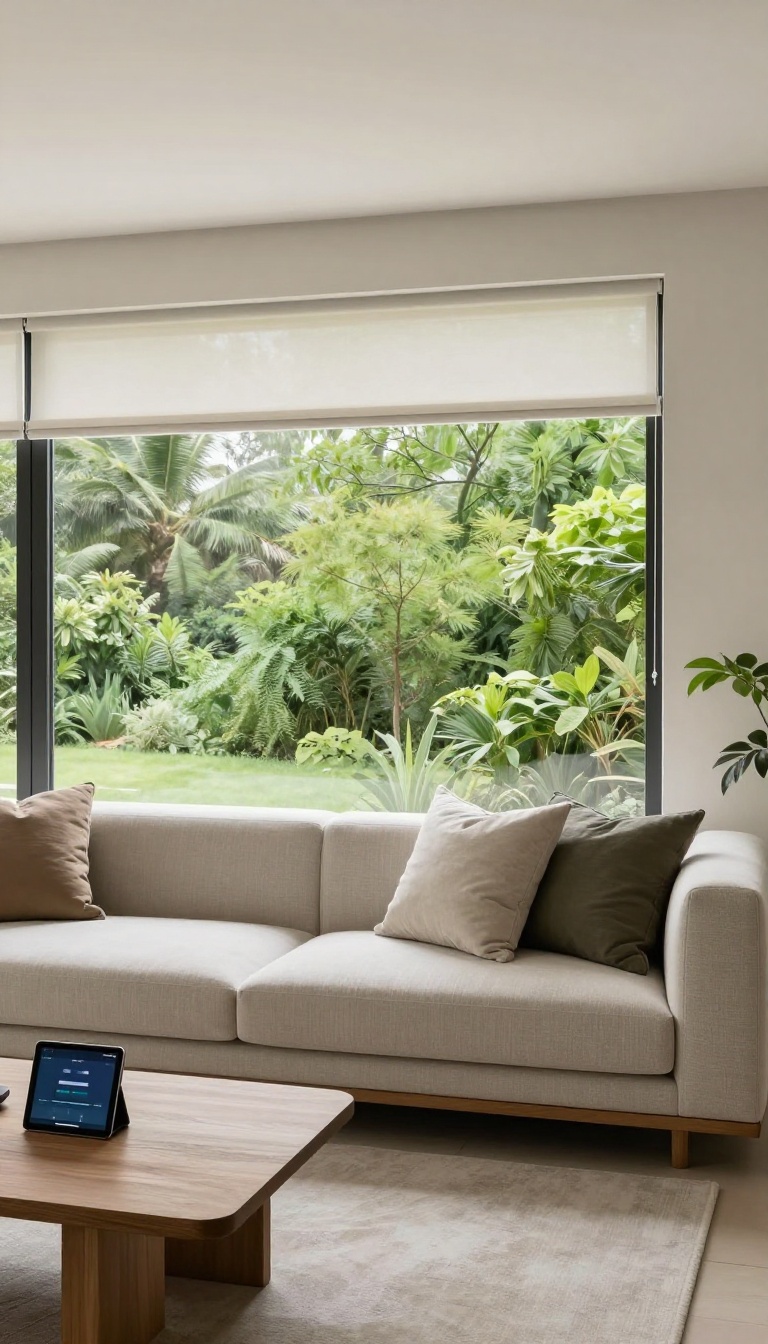
Imagine adjusting your blinds without getting up from the couch. That's the everyday reality with motorized blinds. They bring a level of convenience that feels almost futuristic, yet they're surprisingly easy to integrate into your home.
Whether you're after smart-home integration or simply want to avoid wrestling with cords on a tall window, motorized blinds are a game-changer. They're not just about luxury—they offer practical benefits that make daily life smoother.
Control Options: Remote, App, Or Voice
Motorized blinds give you multiple ways to control them. A simple remote is great for quick adjustments, while a smartphone app lets you fine-tune positions from anywhere. If you have a smart speaker, voice commands like "set blinds to 50%" become second nature.
Some systems even integrate with home automation platforms like Alexa, Google Home, or Apple HomeKit. That means you can group blinds with other devices, creating scenes like "movie time" that dims the lights and closes the blinds simultaneously.
Perfect For Hard-to-reach Windows
If you have tall windows, skylights, or windows behind furniture, motorized blinds are a lifesaver. No more stretching or climbing to adjust them. With a button press, you can effortlessly control blinds that would otherwise be a pain.
This is especially useful in living rooms with vaulted ceilings or large picture windows. It also reduces wear and tear on the blinds, since you're not constantly tugging on cords or wands.
Set Schedules For Natural Light
One of the best features of motorized blinds is scheduling. You can program them to open in the morning to let in sunlight and close in the evening for privacy. This not only adds convenience but also helps regulate room temperature, potentially lowering energy bills.
Imagine waking up to gentle morning light instead of an alarm, or having blinds automatically close during the hottest part of the day to keep your space cool. It's a set-it-and-forget-it approach that enhances comfort effortlessly.
4. Sheer Curtains Paired with Blinds for Layered Elegance
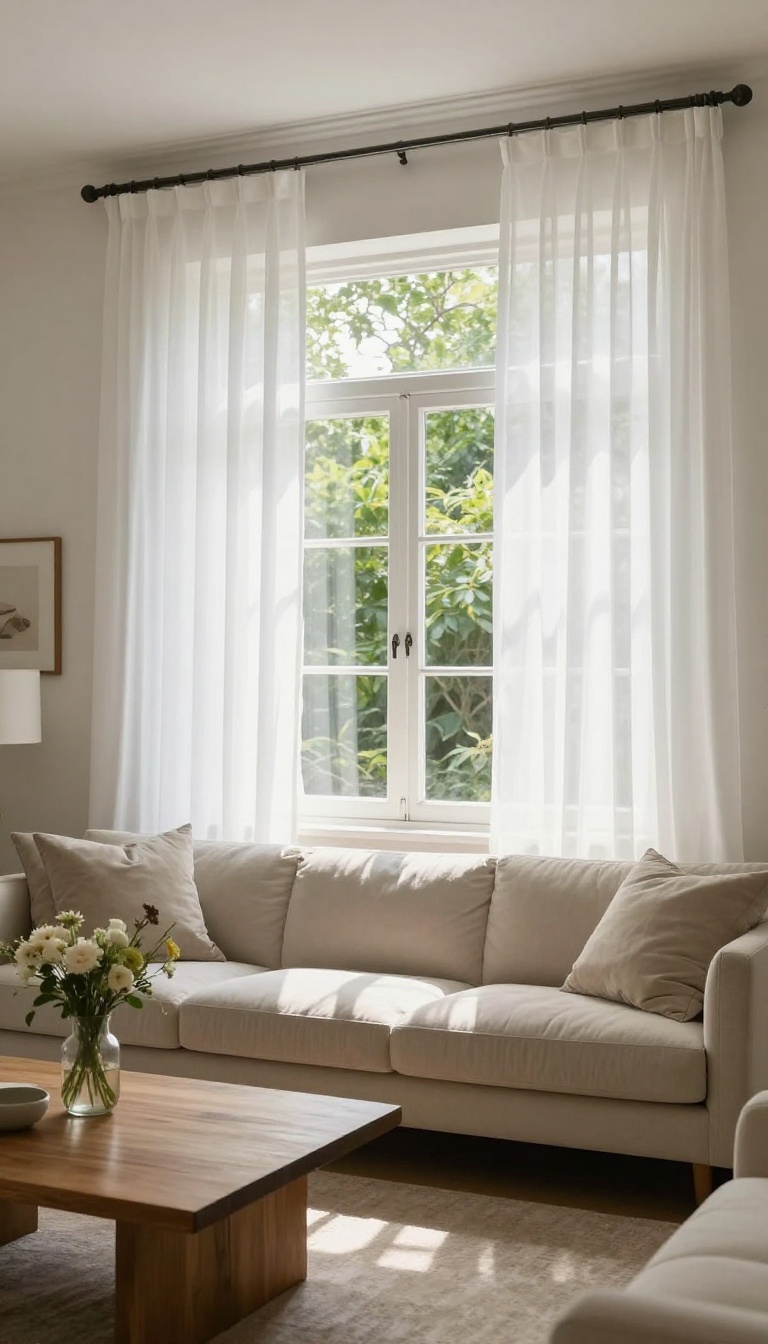
Layering sheer curtains over blinds is a classic trick that adds instant depth to a living room. The soft fabric softens the hard lines of the blinds, creating a more polished, finished look. It's a simple upgrade that makes a big difference in how the space feels.
The combination works because each layer has a job. Sheers filter harsh sunlight and give the room an airy, dreamy glow during the day. Blinds handle the heavy lifting when you need privacy or total darkness.
Together, they let you fine-tune the light and mood without any fuss.
Why This Combo Works So Well
Sheers are all about softness and diffusion. They cut glare and create a warm, inviting atmosphere. Blinds, on the other hand, are practical and precise.
You can tilt them to control light or raise them completely when you want an unobstructed view. Using both means you get the best of both worlds—style and function.
Choosing The Right Sheers
Fabric weight and opacity matter more than you might think. Lightweight, semi-sheer fabrics like linen or voile let in plenty of light while still offering a bit of privacy. Heavier sheers provide more coverage but still feel soft.
Pick a color that complements your blinds—white or off-white sheers work with almost any blind finish, from wood to faux wood to aluminum.
Hanging And Styling Tips
Hang the curtain rod a few inches above the window frame and let the sheers extend past the sides. This makes the window look larger and more grand. For a clean, tailored look, keep the sheers stationary and just use the blinds for adjustment.
If you want more flexibility, install a separate rod for the sheers so you can open and close them independently.
5. Roman Shades for Soft, Tailored Style
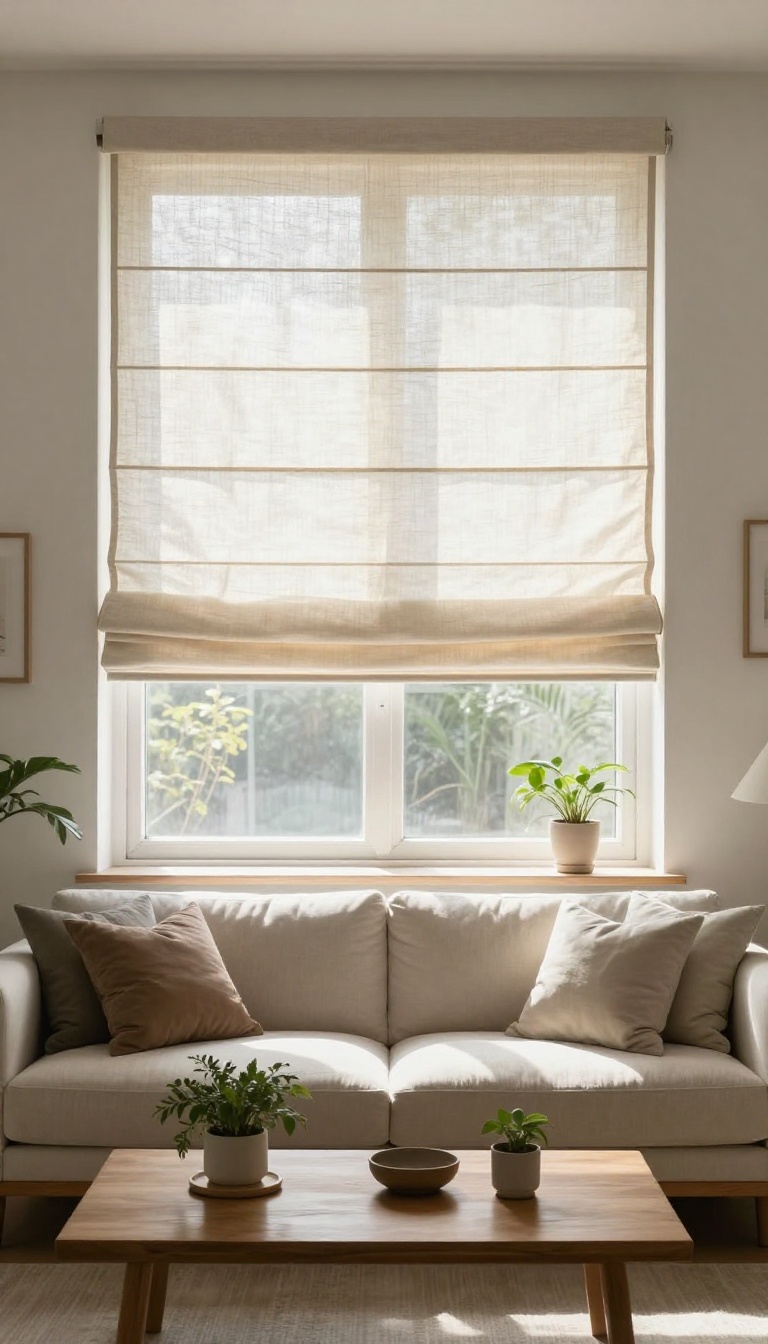
Roman shades bring a sense of quiet elegance that few other window treatments can match. When raised, they fold into crisp, horizontal pleats that stack neatly at the top, giving your windows a clean, architectural line. Lowered, they lie flat and smooth, offering a soft, polished backdrop that works with almost any decor style.
What makes Roman shades so appealing is their versatility. You can choose from airy linen for a relaxed, coastal feel or rich velvet for a cozy, formal look. Because they’re custom-made to fit your window, they feel intentional and refined—like the finishing touch your room has been missing.
Roman shades are a timeless choice that balances softness with structure. Unlike bulky curtains or stark roller shades, they create a smooth, tailored appearance that complements both modern and traditional interiors. The fabric choice alone can transform the mood of your living room, making them a flexible option for any design scheme.
One of the biggest advantages of Roman shades is their ability to control light precisely. With different fabric opacities—from sheer to blackout—you can decide how much sunlight filters into the room. Plus, the clean folds add visual interest even when the shades are fully raised, so they never look messy or unfinished.
Fabric Choices That Set The Tone
The fabric you pick plays a huge role in how your Roman shades feel. Lightweight cottons and linens create an airy, casual vibe that brightens the room and softens sunlight. For a more dramatic or cozy atmosphere, go with heavier materials like velvet or textured weaves that add depth and absorb sound.
Don’t be afraid to mix patterns or solids depending on your existing decor. A subtle stripe or geometric print can bring personality without overwhelming the space. If you prefer a seamless look, choose a fabric that matches your wall color or trim for a built-in feel.
Hanging Style And Mounting Options
Roman shades come in two main mounting styles: inside mount and outside mount. Inside mounts sit within the window frame, creating a sleek, unobtrusive look that highlights the trim. Outside mounts extend beyond the frame, which can make windows appear larger and help block more light from the edges.
You can also choose between flat Roman shades, which fold into smooth panels, and hobbled or relaxed styles that feature soft, cascading folds even when lowered. Flat versions look more modern and tailored, while hobbled shades offer a romantic, softer silhouette. Think about your room’s overall vibe and how much visual weight you want the window treatment to carry.
Practical Benefits Beyond Looks
Roman shades are more than just pretty—they’re also highly functional. They provide excellent insulation, helping to keep your living room cooler in summer and warmer in winter. This can make your space more comfortable year-round and even lower your energy bills.
They’re also a great choice for rooms where you want to avoid the bulk of long curtains. Because they sit close to the window, they free up wall space and work well with furniture placed nearby. And with cordless or motorized options, they’re safer for homes with kids and pets, plus easier to operate daily.
6. Roller Blinds for Minimalist Simplicity
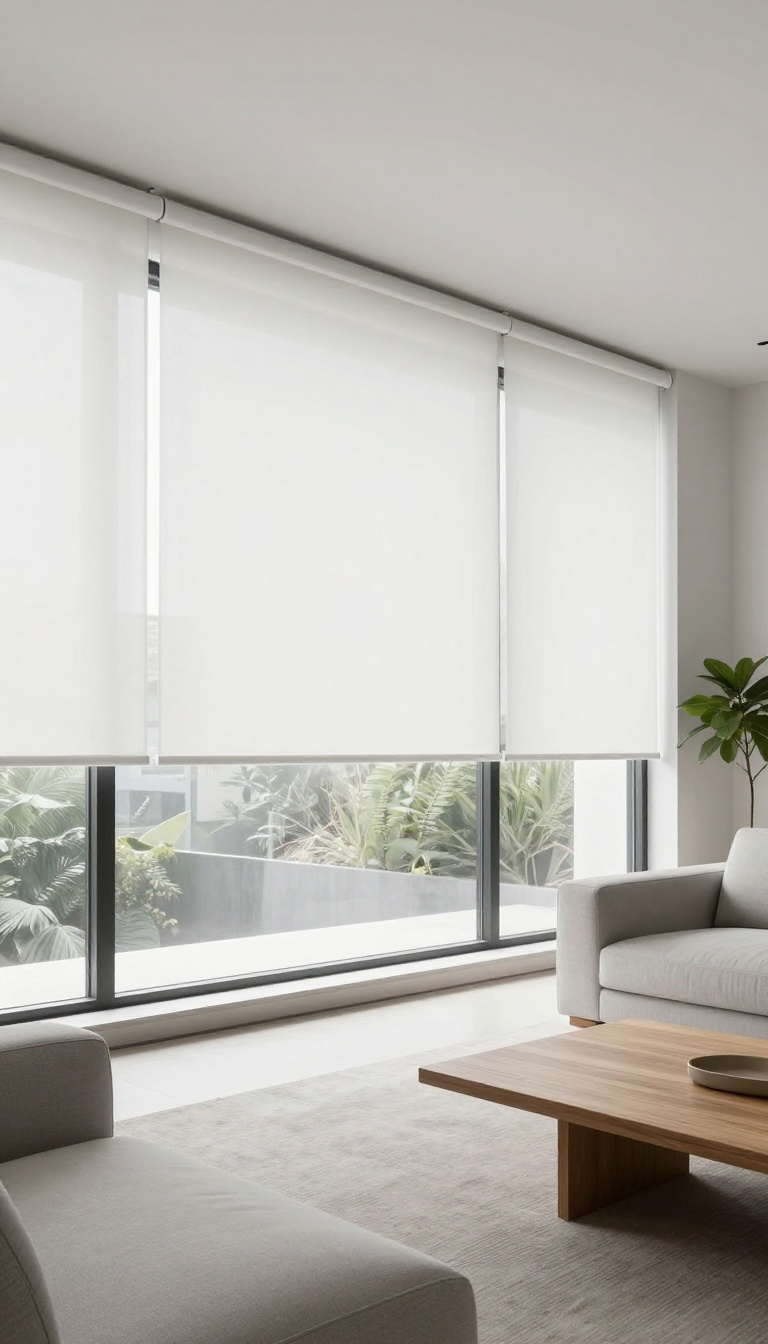
When clean lines and function matter most, roller blinds step up without stealing the spotlight. They’re the quiet workhorse of window treatments—sleek, affordable, and endlessly customizable. Whether you’re after a crisp neutral or a subtle texture, roller blinds keep the look tidy while letting you control light with a simple pull or a tap on your phone if you choose a motorized version.
Because they roll away completely, they give you an unobstructed view when open and a smooth, flat surface when closed. That makes them a natural fit for modern living rooms where clutter and fuss have no place. Plus, with so many fabric options, you can easily match them to your sofa, rug, or accent wall.
Roller blinds are a go-to for anyone who wants a no-fuss window covering that still looks intentional. Their minimal profile works with almost any decor, from stark contemporary to cozy Scandinavian. And because they mount close to the window, they don’t eat up visual space—perfect for smaller living rooms or windows tucked behind furniture.
They’re also one of the most budget-friendly options out there, especially when you compare them to custom drapes or wooden shutters. You can get a great-looking roller blind for less than you’d spend on a night out, and installation is often a DIY job. That means you can refresh your living room without a big commitment or a big bill.
Pick The Right Fabric For Your Light Needs
Roller blinds come in a range of fabrics, from sheer to blackout. If your living room gets harsh afternoon sun, go for a blackout or dim-out option to protect your furniture and keep the space cool. Sheer or light-filtering fabrics work better if you want to soften daylight while still keeping some privacy.
Think about how you actually use the room—do you watch TV during the day? Need to nap on the couch? Choose accordingly.
Use Color And Texture To Add Interest
Just because the style is simple doesn’t mean the blind has to be boring. A soft linen-look roller blind in a warm oat tone can make a room feel cozier. Or go bold with a deep forest green or navy to create a focal point.
Textured fabrics like woven or ribbed options add depth without introducing pattern. If you’re unsure, a neutral shade with a subtle texture is a safe bet that still looks polished.
Don’t Forget The Hardware And Mounting
The little details matter. Choose a mounting style that suits your window: inside mount for a built-in look, outside mount to make the window appear larger. Also, consider the chain or cord—continuous loops are safer if you have kids or pets, and motorized options are worth the splurge for hard-to-reach windows.
A clean, minimal headrail keeps the whole look seamless.
7. Cellular Shades for Energy Efficiency and Insulation
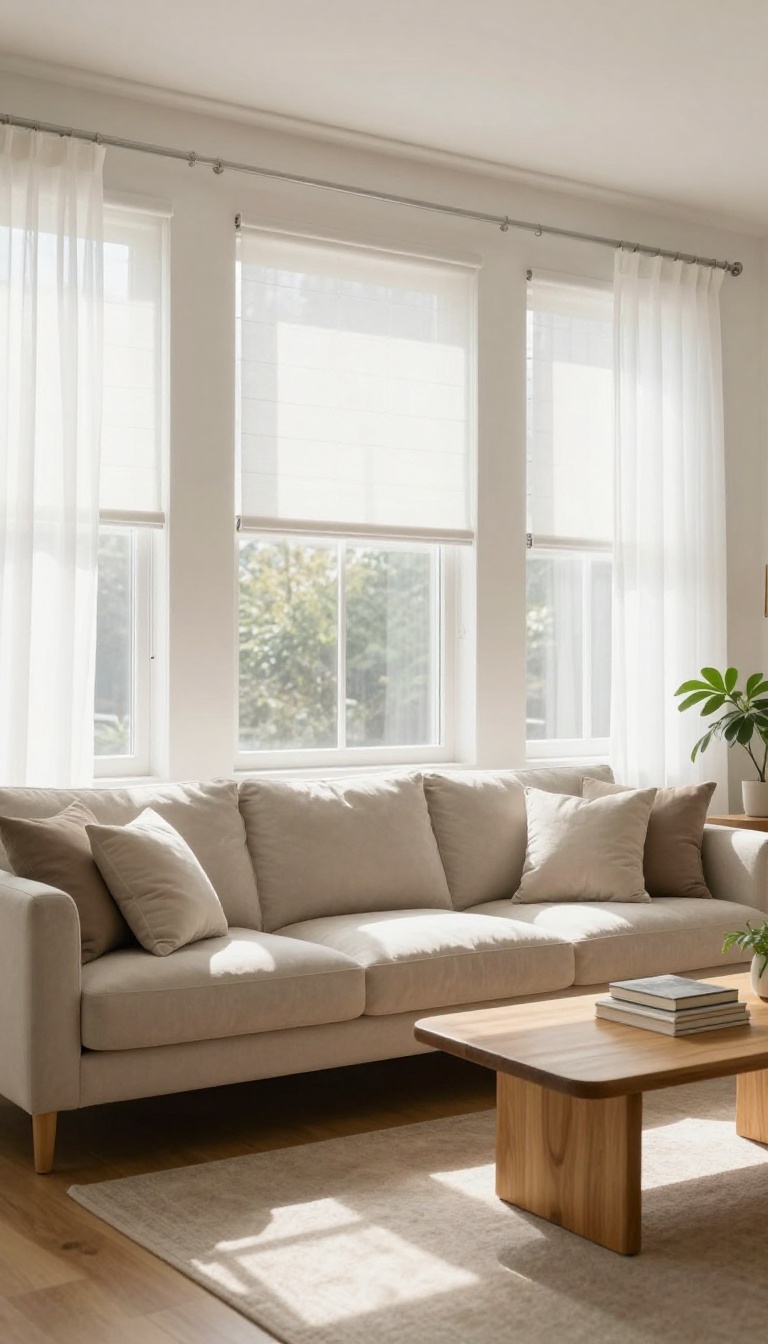
If your living room feels drafty in winter or stuffy in summer, your windows might be the culprit. Cellular shades, also called honeycomb shades, are designed to trap air in their unique cell structure, creating a buffer between the glass and your room. They help maintain a comfortable temperature, reduce energy bills, and soften incoming light beautifully.
Cellular shades are a smart investment for both comfort and style. Their honeycomb design traps air, providing excellent insulation. This means your heating and cooling systems won't have to work as hard, which can lower your energy costs.
Plus, they come in a range of colors and fabrics, so you can find a look that complements your living room without sacrificing efficiency.
How They Work
The cells in these shades create pockets of air that act as insulators. In winter, they keep warm air inside; in summer, they block heat from entering. This helps stabilize the room's temperature, making it more comfortable year-round.
The shades also reduce outside noise and provide a soft, diffused light that feels inviting.
Choosing The Right Cell Size
Cellular shades come in single, double, and triple-cell options. Single cells are lighter and more affordable, while double or triple cells provide extra insulation. Consider your climate and how much temperature control you need.
For most living rooms, double cells offer a good balance of efficiency and cost.
Style And Operation Options
These shades are versatile in style. You can choose from cordless, motorized, or top-down/bottom-up designs. Cordless options are safe for homes with kids or pets.
Motorized shades can be controlled remotely or via a smart home system. Top-down/bottom-up lets you adjust privacy and light from either direction, giving you more control.
8. Vertical Blinds for Sliding Doors and Large Windows
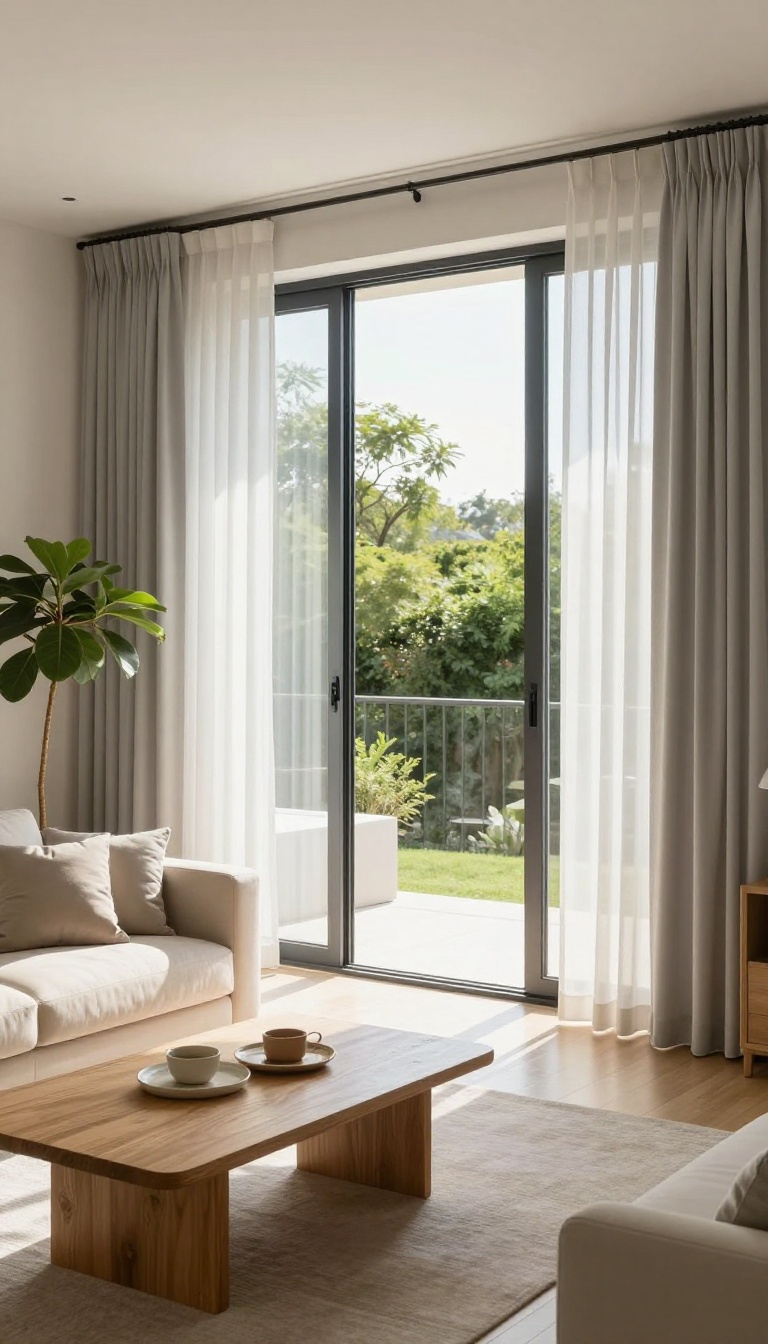
Sliding glass doors and oversized windows are beautiful, but they can be tricky to dress. Standard curtains feel heavy, and horizontal blinds look choppy across a wide span. Vertical blinds step in as the practical solution that doesn't sacrifice style.
They glide smoothly along a track, letting you control light and privacy with a simple pull. And thanks to modern materials and finishes, vertical blinds have come a long way from the dated plastic versions you might remember. They can look sharp, clean, and surprisingly polished.
Vertical blinds are designed for wide openings, making them a natural fit for sliding doors and expansive living room windows. Their vertical vanes hang from a top track and rotate to filter light, or they can be drawn completely to the side for an unobstructed view. This functionality is especially handy when you want to step out onto a patio or balcony without wrestling with heavy drapes.
One of the biggest perks is light control. You can tilt the vanes to let in soft, diffused light while still maintaining privacy, or open them fully to flood the room with sunshine. When closed completely, they provide a clean, uniform look that blocks out harsh glare and prying eyes.
Beyond practicality, vertical blinds offer design flexibility. Fabric vanes add warmth and softness, while PVC or aluminum options give a more modern, sleek feel. You can choose from a range of colors and textures to complement your living room's decor, from neutral tones that blend in to bold shades that make a statement.
Why They Work For Wide Openings
Horizontal blinds and curtains often struggle with wide windows or sliding doors. They can look segmented or require multiple panels that bunch up awkwardly. Vertical blinds, on the other hand, are designed to cover large spans in one continuous, streamlined system.
The track supports the weight evenly, so the vanes hang straight and move effortlessly, even across a 12-foot expanse.
Material Options And Style
Fabric vertical blinds are a top choice for living rooms because they add a soft, textured look that feels more like drapery than a hard window covering. They come in linen blends, polyester, and even sheer fabrics that filter light beautifully. For a more contemporary or moisture-resistant option, PVC or aluminum vanes are easy to wipe clean and give a crisp, minimalist vibe.
Some manufacturers offer dual-texture or patterned vanes that add visual interest without overwhelming the space.
Operation And Maintenance Tips
Modern vertical blinds are user-friendly. Most operate with a simple cord or wand that rotates the vanes and another that opens and closes them. Some high-end versions even come with motorization, letting you adjust the blinds with a remote or smart home app.
As for upkeep, fabric vanes can be spot-cleaned or gently vacuumed, while PVC and aluminum just need a damp cloth. Regular dusting keeps them looking fresh and prevents buildup in the track.
9. Bamboo Blinds for an Organic, Natural Vibe
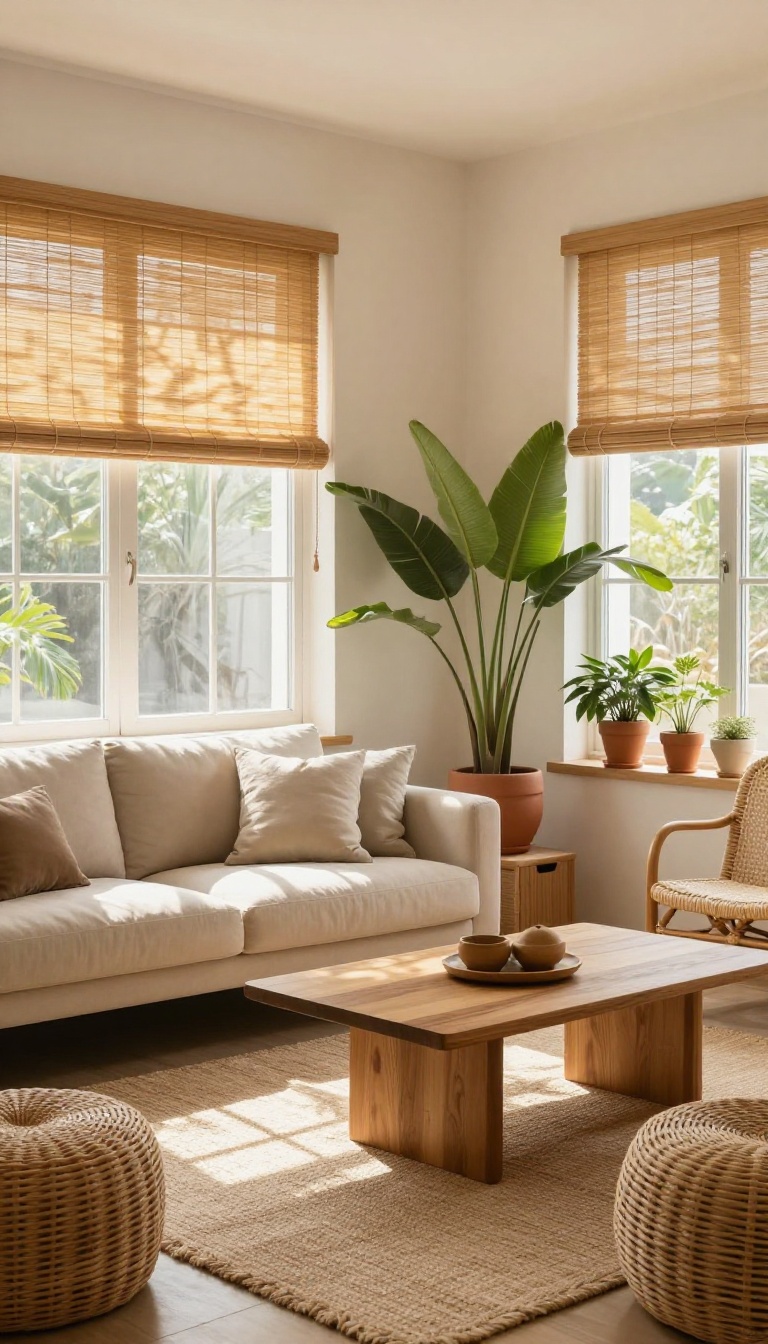
Bamboo blinds bring a slice of the outdoors inside, adding warmth and texture that feels instantly calming. They're a favorite for living rooms that lean into bohemian, coastal, or Scandinavian styles, but they can also add a subtle organic touch to modern spaces.
Bamboo blinds are made from renewable materials, making them an eco-friendly choice. They filter light beautifully, casting a soft, golden glow that makes the room feel cozy and inviting. Plus, they're durable and easy to maintain—just dust them regularly or wipe with a damp cloth.
Why Bamboo Works In Living Rooms
Bamboo blinds are versatile. They pair well with neutral sofas, wooden furniture, and lots of greenery. The natural texture softens hard edges and adds depth without overwhelming the space.
They also work with various ceiling heights and window sizes, from small accent windows to large sliding doors.
Light Control And Privacy
These blinds come in different weaves, giving you options for light control. A tight weave offers more privacy and blocks more light, while a loose weave creates a dappled effect. If you want more flexibility, consider adding a liner or pairing them with sheer curtains.
Styling Ideas
To get the look right, combine bamboo blinds with natural elements like jute rugs, rattan furniture, and linen cushions. Keep the color palette earthy—think beige, terracotta, and olive green. You can also hang them inside the window frame for a streamlined look or outside for a more dramatic effect.
Maintenance And Durability
Bamboo blinds are surprisingly sturdy, but they can be sensitive to moisture. Avoid installing them in very humid areas unless they're treated. For daily care, a quick dusting with a microfiber cloth or a vacuum brush attachment works well.
With proper care, they can last for years.
10. Smart Blinds with Voice Control for a High-Tech Home
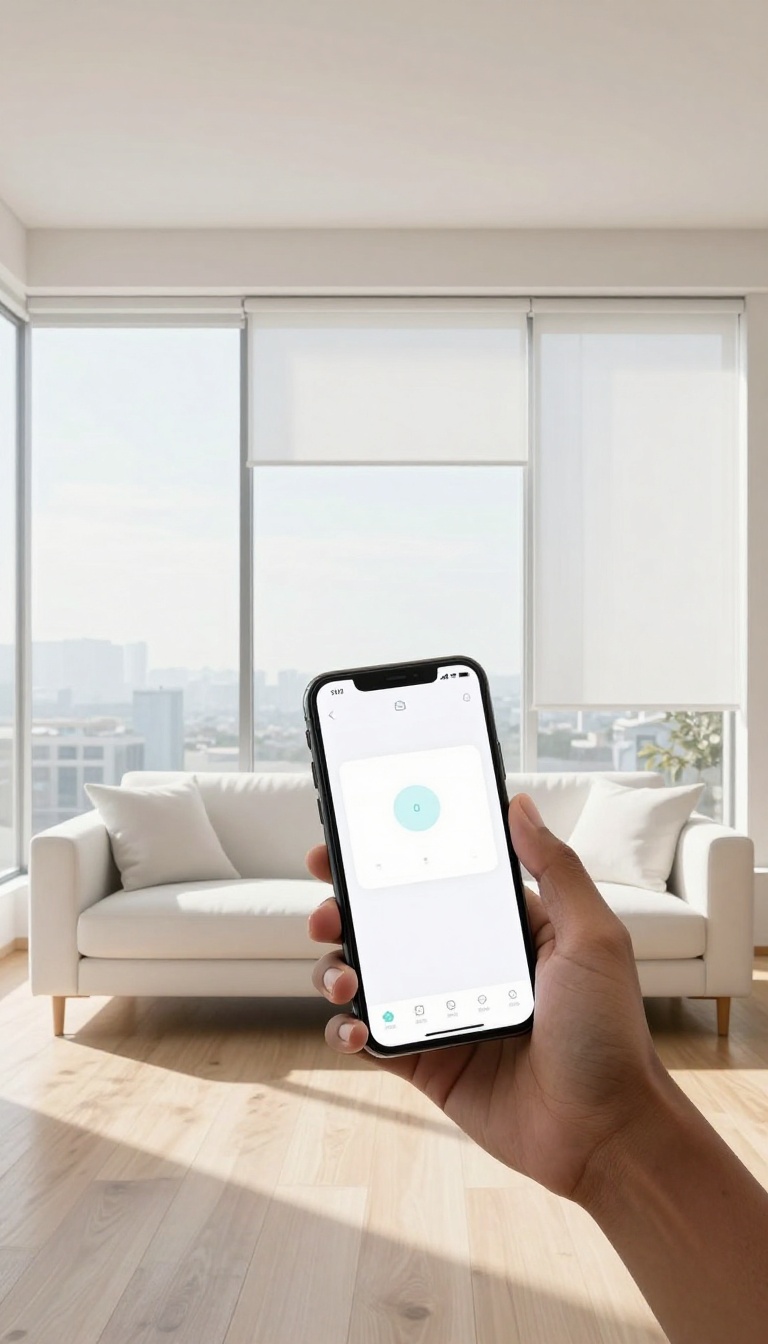
Voice assistants have become the remote controls of modern living, and your window treatments can join the party. Smart blinds let you adjust light and privacy with a simple command or a tap on your phone. They're not just a novelty—they bring real convenience and can even help with energy savings.
Imagine waking up to natural light streaming in without lifting a finger. Or closing the blinds from the couch when the afternoon sun gets too intense. That's the everyday magic of smart blinds.
They pair with systems like Alexa, Google Home, or Apple HomeKit, so you can control them by voice or through an app. Some models even learn your routines and adjust automatically.
Why Go Smart?
Smart blinds are all about convenience, but they also offer practical perks. You can set schedules to open and close at specific times, which helps regulate room temperature and reduces glare on your TV. If you're away, you can program them to mimic your presence for added security.
And for anyone with mobility issues, voice control makes adjusting blinds effortless.
What To Look For
When shopping, check compatibility with your existing smart home hub. Battery-powered options are easy to install, while hardwired versions offer a cleaner look but require professional setup. Consider the fabric and opacity—blackout smart blinds are great for bedrooms, while light-filtering ones suit living areas.
Also, look for models that work with your preferred voice assistant and offer a reliable app.
Installation And Cost
Most smart blinds are designed for standard windows and can be mounted inside or outside the frame. Retrofitting existing blinds with smart motors is possible, but it's often simpler to buy dedicated smart blinds. Prices vary widely, from budget-friendly to premium, so you can find options that fit your wallet.
Remember to measure carefully before ordering.
11. Blackout Blinds for Media Rooms and Movie Nights
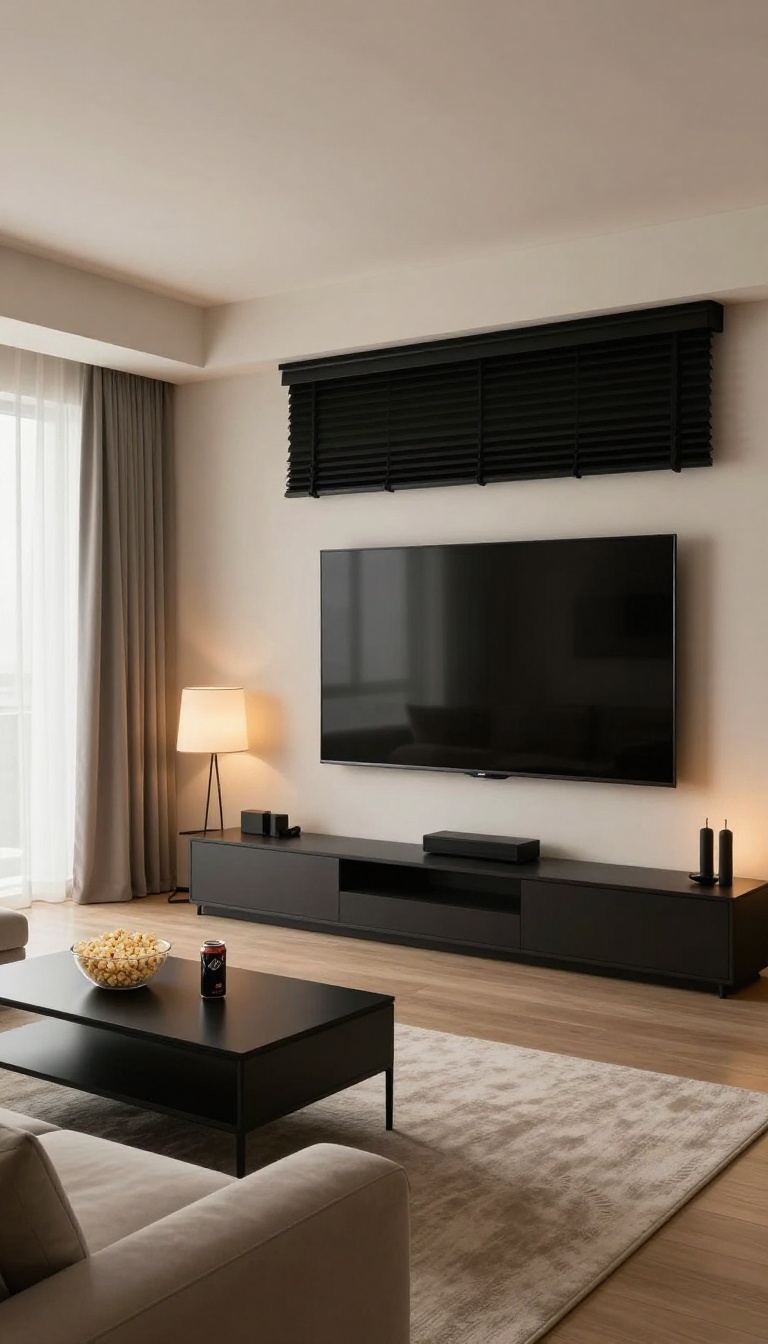
When the living room doubles as a home theater, light control becomes non-negotiable. Blackout blinds are the unsung heroes of movie nights, blocking out harsh daylight and streetlights so your screen stays the star. They also add a layer of privacy that makes the space feel more intimate, whether you're watching a thriller or just napping on the couch.
Blackout blinds are more than just dark fabric—they're engineered to eliminate light gaps and reduce outside noise. Their clean, minimal look fits seamlessly into modern decor, and they come in a variety of colors and textures to match your style. Plus, they're a budget-friendly upgrade compared to motorized shades or heavy drapes.
Why Blackout Blinds Work For Media Rooms
The main job of blackout blinds is to block sunlight completely, which is essential for preventing glare on your TV or projector screen. They also help maintain a consistent temperature in the room, making it more comfortable during long movie marathons. And if your living room occasionally serves as a guest bedroom, blackout blinds ensure your visitors get a solid night's sleep without early morning light creeping in.
Choosing The Right Fabric And Color
While black is the classic choice, blackout blinds now come in neutral tones like white, gray, and beige that still block light effectively. For a cozier feel, opt for a matte finish that absorbs light rather than reflecting it. If you want to soften the look, layer them with sheer curtains—you'll get the best of both worlds: light control when you need it and a breezy vibe during the day.
Installation Tips For Maximum Light Blocking
To truly block out light, install the blinds inside the window recess or use a track system that seals the edges. For larger windows, consider custom sizes to avoid gaps. If you're handy, you can even add side channels to eliminate any light leakage.
This extra step makes a huge difference in creating that true theater-like darkness.
FAQ
What are the best blinds for a living room with large windows?
For large windows, consider vertical blinds, motorized blinds, or cellular shades. They handle wide spans well and offer easy operation. If you want a clean look, roller blinds with a continuous loop are also a good option.
How do I choose the right blind color for my living room?
Choose a color that complements your wall and furniture. Neutral tones like white, beige, or gray are versatile and timeless. For a bold statement, you can match blinds to your accent colors or go with natural wood tones for warmth.
Are blackout blinds worth it for a living room?
Blackout blinds are worth it if you watch movies during the day, have a home theater setup, or need complete privacy. They also help with energy efficiency by blocking heat in summer and retaining warmth in winter.
Can I install blinds myself or should I hire a professional?
Many blinds come with DIY installation kits and can be installed with basic tools. However, if you have unusual window sizes or want motorized blinds, professional installation ensures a perfect fit and proper wiring.
How do I clean and maintain my living room blinds?
Regular dusting with a microfiber cloth or vacuum attachment keeps blinds clean. For deeper cleaning, wipe with a damp cloth and mild soap. Avoid harsh chemicals that can damage the finish.
Faux wood and vinyl are easier to clean than real wood.
Conclusion
Choosing the right blinds can elevate your living room's style and function. From classic wood to smart motorized options, there's a solution for every need and taste. Consider your lifestyle, light control, and decor to find the perfect match.
Remember, the best blinds are the ones that make you feel at home. Take your time, measure carefully, and enjoy the transformation. A polished space is within reach with the right window treatment.