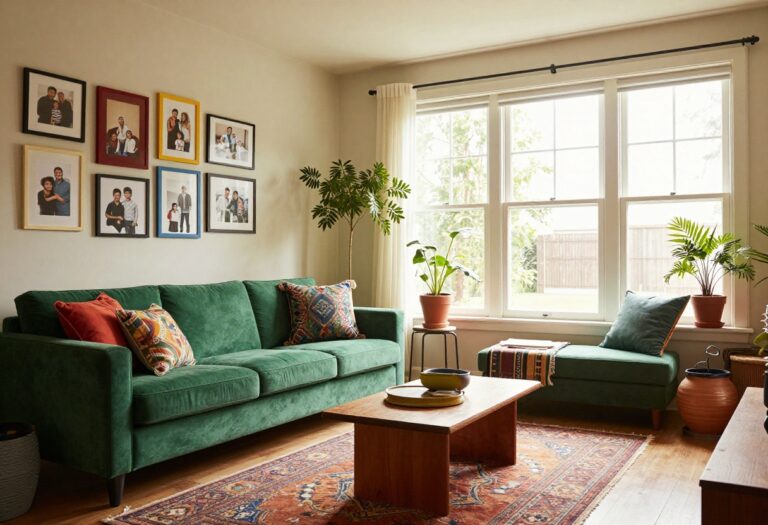
13 Boho Living Room Color Ideas for a Relaxed Natural Look (Small-Space Friendly)
Boho style is all about warmth, texture, and a laid-back vibe—but if you're working with a small living room, bold patterns and dark colors can feel overwhelming. The trick is choosing the right palette that feels expansive yet cozy.
These 13 boho color ideas are designed with compact spaces in mind, so you can layer in personality without sacrificing openness. From sandy neutrals to muted greens, each option keeps the look airy and inviting.
Ready to give your small living room a boho refresh? Let's dive into colors that breathe life into every corner.
1. Warm Sand and Cream
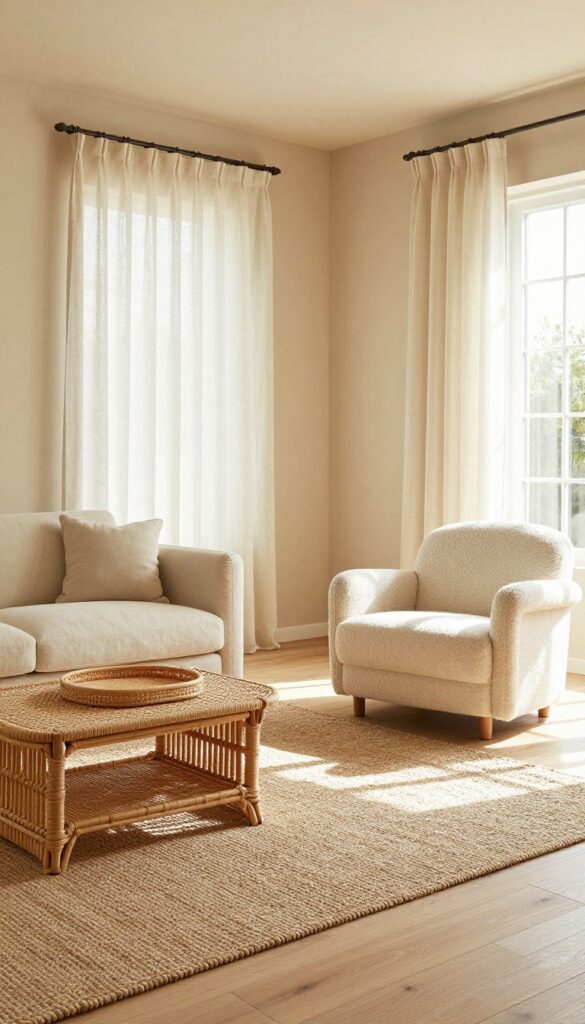
A living room grounded in warm sand and cream feels like a deep breath. These soft neutrals bounce light around beautifully, making even a compact space feel open and breezy. The key is choosing sandy tones with a hint of warmth—think beach sand at golden hour—so the room never feels cold or flat.
Why It Works
This palette creates an airy, light-filled foundation that visually expands small spaces. The warmth in the sand undertones keeps the room cozy rather than sterile, while cream adds softness. Together, they let texture take center stage without visual clutter.
Best For
Ideal for small living rooms, apartments, or rooms with limited natural light. It also works well in open-plan layouts where you want a calm, unified flow from one area to the next.
Styling Tip
Layer in natural textures like a chunky jute rug, linen curtains, and a rattan coffee table. Add a cream bouclé armchair or a sand-colored linen sofa. Keep walls in a matte cream finish and use warm sand on a feature wall or through throw pillows.
2. Sage Green and Terracotta
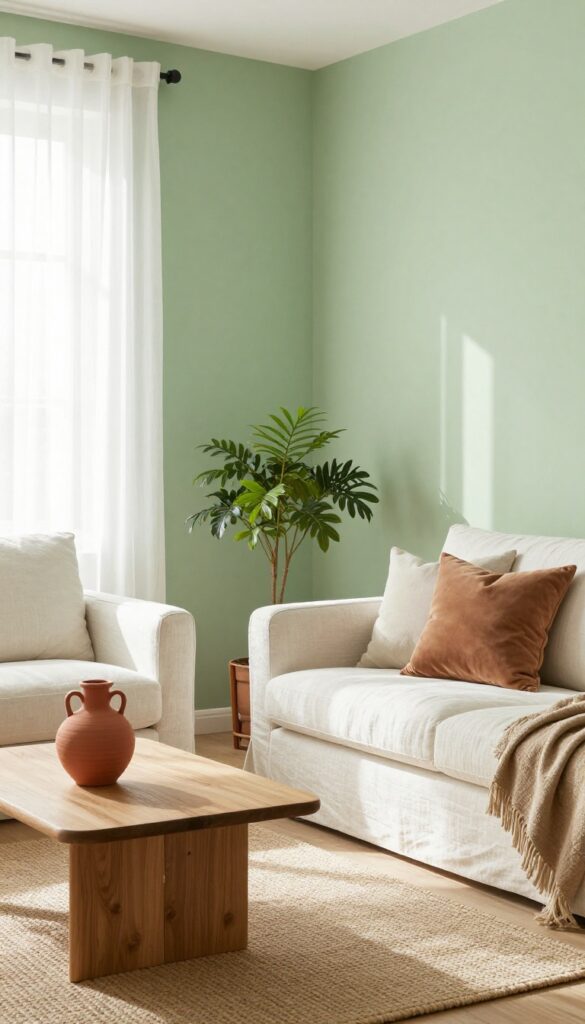
Soft sage green walls instantly calm a room, making it feel airy and open. Add terracotta accents through pillows, a ceramic vase, or a woven rug, and the space gains a grounded warmth that’s hard to beat. This combo is especially magic in a small living room, where you want color without visual clutter.
The muted green keeps things bright, while the earthy clay tones add just enough coziness to make the room feel inviting.
Why It Works
Sage green is a neutral with personality—it pairs with almost anything but brings a natural, botanical vibe. Terracotta adds a pop of warmth that feels organic, not jarring. Together, they create a balanced palette that feels both fresh and settled, perfect for a relaxed boho look.
Best For
Small living rooms or apartments where you want color but can't handle heavy, dark shades. Also great for north-facing rooms that need warmth without losing light.
Styling Tip
Start with sage green paint on the walls or a large area rug. Then layer terracotta in smaller doses: a velvet throw pillow, a ceramic planter, or a set of linen curtains. Keep the rest of the room light—white or cream furniture—so the green and terracotta really stand out.
3. Dusty Rose and Beige
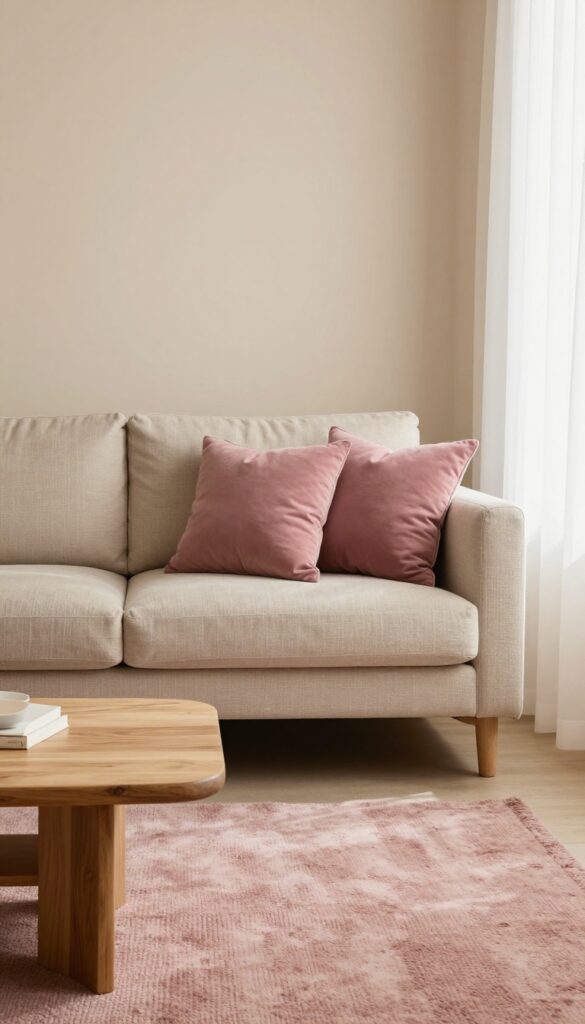
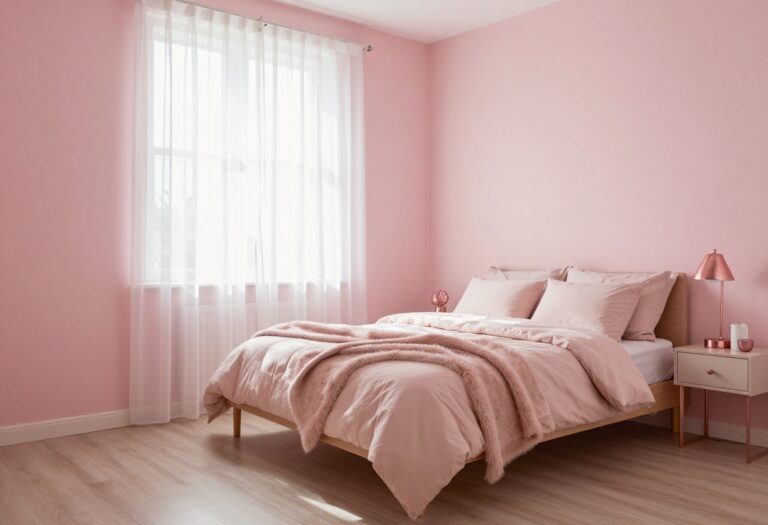
Dusty rose is one of those colors that feels like a warm hug—soft, romantic, and never overpowering. In a small living room, it adds just enough personality without making the space feel busy or cramped. Paired with beige furniture and natural wood accents, this palette keeps everything light, airy, and effortlessly cohesive.
Why It Works
Dusty rose has a muted quality that reads as neutral, so it doesn't compete with other elements in the room. Beige and wood tones ground the pink, preventing it from feeling too feminine or sugary. The combination creates a calm, unified backdrop that makes a small space feel larger and more inviting.
Best For
This idea is perfect for small living rooms, apartments, or cozy nooks where you want a touch of color without sacrificing openness. It also works well in rooms with limited natural light, since the soft tones reflect light rather than absorbing it.
Styling Tip
- Start with a beige sofa or sectional as your anchor. Add dusty rose through throw pillows, a textured area rug, or a single accent chair. Finish with natural wood coffee tables or shelving to bring warmth.
- Keep wall colors in the same beige family for a seamless flow.
4. Muted Mustard and Olive
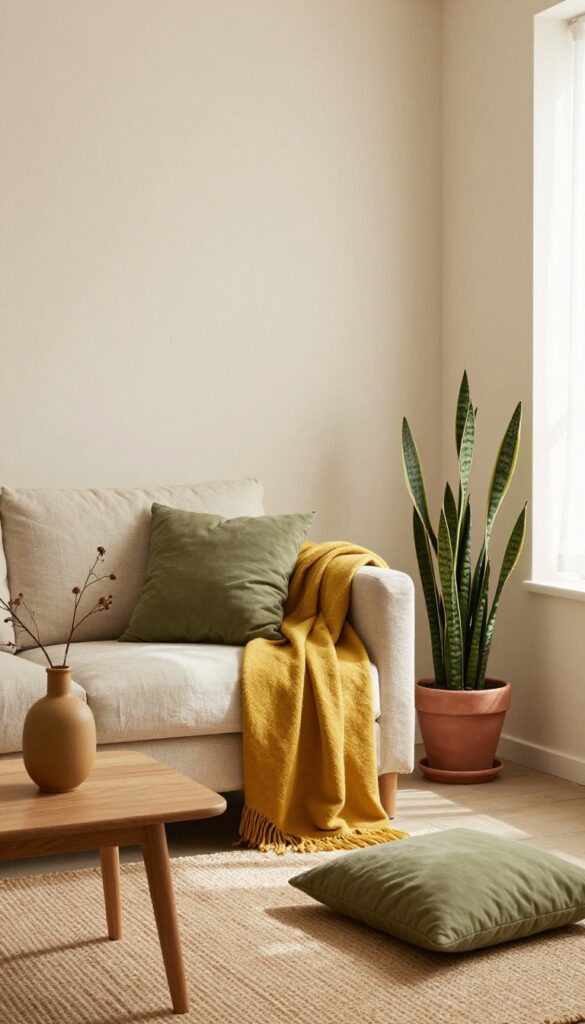
Think of a cozy corner where warm mustard meets earthy olive. This pairing brings a grounded yet lively energy to any room, especially when you're working with limited square footage. The secret is keeping both colors slightly muted so they don't overwhelm—think faded mustard on a throw blanket and soft olive on a floor cushion.
It's a palette that feels like a gentle hug from nature, without screaming for attention.
Why It Works
- Muted mustard and olive are both warm tones that play nicely together without clashing. Mustard adds a pop of cheerful brightness, while olive keeps things calm and organic. In a small space, this balance prevents the room from feeling either too loud or too dull.
- The muted quality also helps the colors recede slightly, making the room feel more open.
Best For
This color duo is perfect for small living rooms or studio apartments where you want to introduce color without making the space feel cramped. It also works beautifully in a reading nook or a compact dining area, adding personality without overwhelming the square footage.
Styling Tip
- Start with a neutral base—cream or warm beige walls—then layer in mustard through a single accent chair or a patterned rug. Bring olive in with a couple of potted plants (snake plants or pothos work great) and a few olive-toned cushions. Keep textures soft and natural: linen, cotton, and wool.
- A small mustard vase or ceramic bowl on a coffee table ties it all together.
5. Clay and Ivory
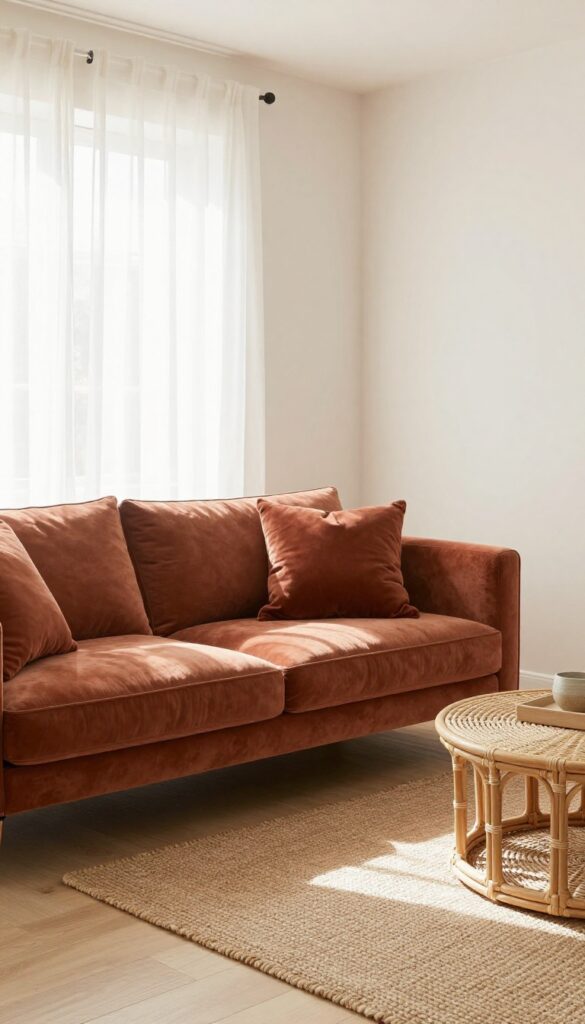
Clay tones bring a grounded, earthy warmth that feels like a gentle hug for your living room. Think reddish-browns that add depth without ever making the space feel heavy or closed in. Pairing these rich hues with crisp ivory walls and light wood floors keeps everything airy and open, which is a lifesaver when you're working with a smaller footprint.
Why It Works
The contrast between warm clay and cool ivory creates visual interest without overwhelming a compact room. Clay absorbs light softly, preventing the starkness that can make a small space feel cold, while ivory reflects light to maintain an open, breezy atmosphere.
Best For
This combo is a dream for small living rooms, especially those with limited natural light. It also works beautifully in open-concept layouts where you want to define a cozy zone without closing things off.
Styling Tip
Bring in clay through a velvet sofa or a set of textured throw pillows, then layer in natural materials like a jute rug and a rattan coffee table. Keep the walls and larger furniture pieces in ivory or light wood to let the clay tones pop without overpowering the room.
6. Blush Pink and Warm Gray
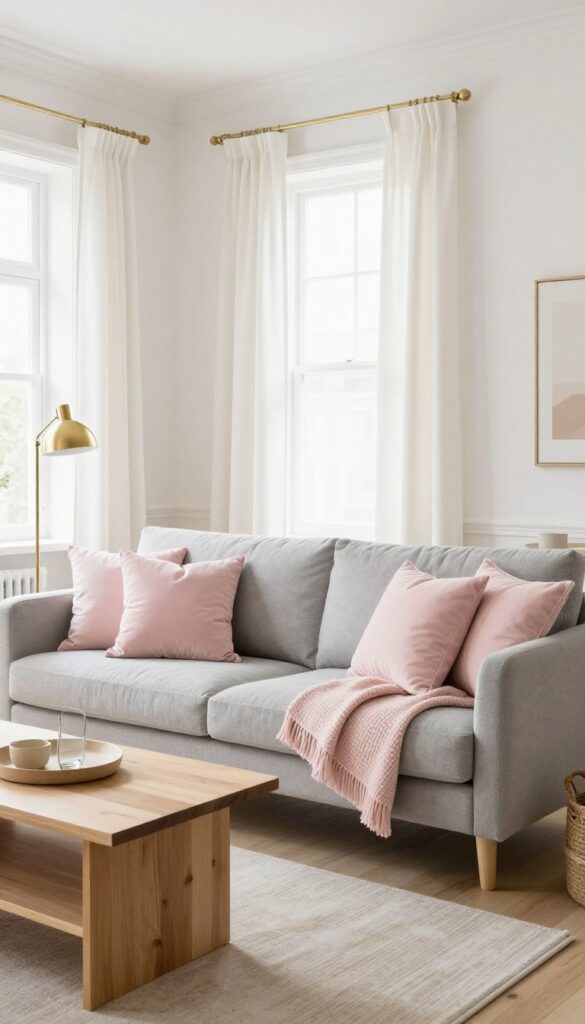
Blush pink has a way of softening a room without making it feel overly feminine or precious. When you pair it with warm gray furniture and crisp white trim, the result is a living space that feels both modern and welcoming. This combination is especially effective in smaller rooms, where lighter tones help the area breathe while still adding a subtle pop of color.
Why It Works
Blush pink brings warmth without overwhelming, while warm gray grounds the palette and keeps it from feeling too sweet. The contrast with white trim adds definition, making the room feel clean and airy. Together, these colors create a balanced, sophisticated backdrop that feels effortlessly boho.
Best For
This palette is ideal for small living rooms, apartments, or any space where you want to introduce color without making it feel cramped. It also works beautifully in north-facing rooms that need a little warmth, or in open-plan layouts where you want a cohesive but gentle flow.
Styling Tip
Start with a warm gray sofa as your anchor, then layer in blush pink through pillows, a throw blanket, or a textured rug. Add natural elements like a jute basket or a wooden coffee table to keep the look grounded. Finish with white or cream curtains and a few metallic accents—brass or gold—for a touch of glam.
7. Deep Teal and Natural Linen
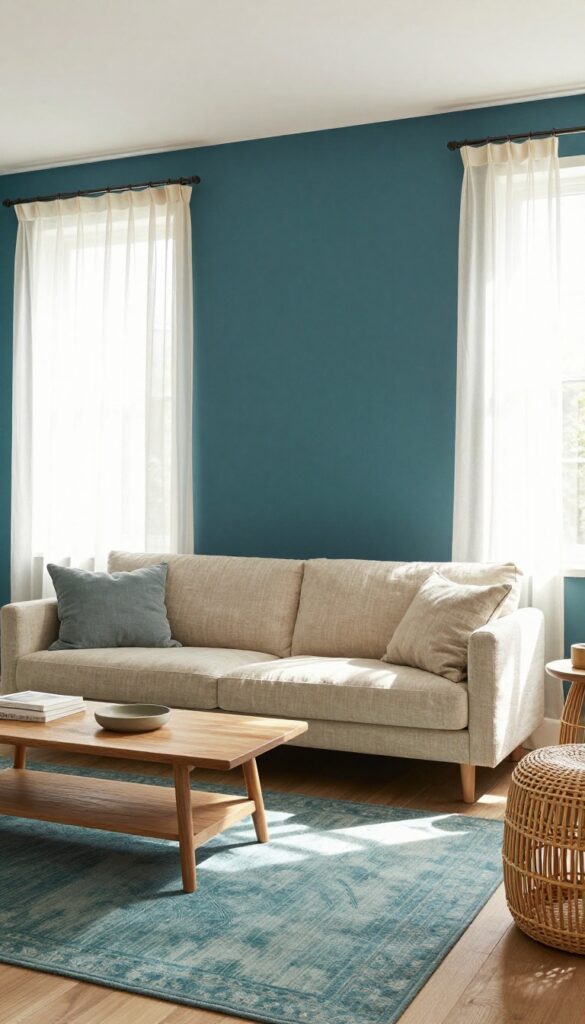
Deep teal might sound like a bold choice for a small living room, but it's actually one of the most forgiving colors when used strategically. On a single accent wall or woven through a large rug, it adds richness without overwhelming the space. Pair it with natural linen sofas and light, airy curtains, and you get a room that feels grounded yet open—like a cozy nook that still breathes.
Why It Works
Teal absorbs light in a way that creates depth, making walls recede slightly rather than closing in. Linen's soft texture and neutral tone balance that intensity, while light curtains keep the room from feeling cave-like. The contrast gives the eye a place to rest, making the space feel larger than it is.
Best For
This combo is perfect for small living rooms, apartment dens, or any compact space where you want a bold color without sacrificing an open feel. It also works well in rooms with limited natural light, as the linen reflects whatever light there is.
Styling Tip
Keep the teal contained to one wall or a large area rug—don't paint all four walls. Use linen in both your sofa and curtains for a cohesive look, then add a few warm wood or rattan accents to tie the earthy tones together.
8. Sunbleached Coral and Sand
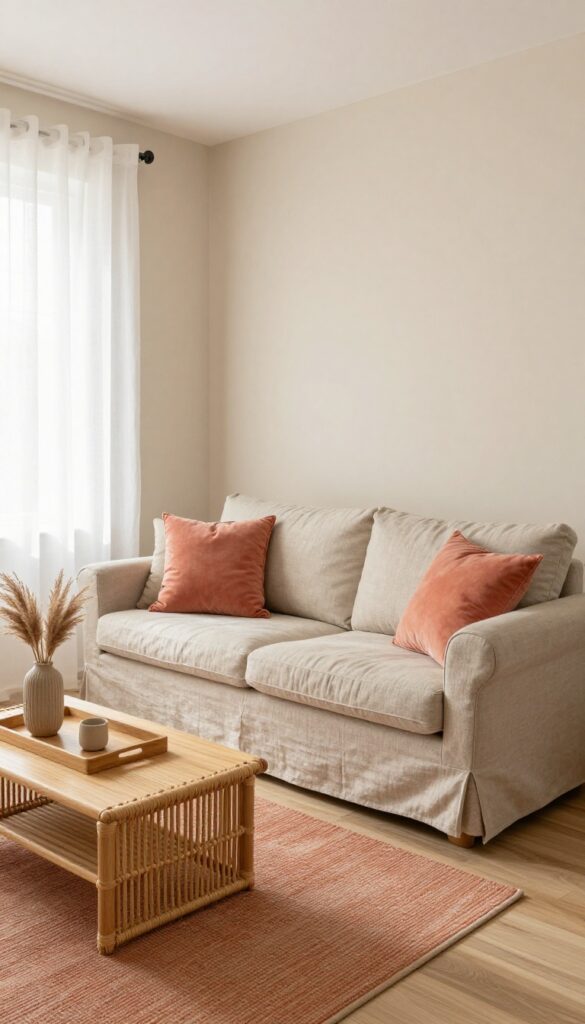
Coral can feel tricky, but when you choose a sunbleached version, it becomes soft and forgiving. This muted orange pairs beautifully with sandy beige walls and white ceilings, creating a warm yet airy atmosphere. In a small living room, the combination reads like a permanent sunset glow without closing in the space.
Why It Works
Sunbleached coral is cheerful without being overwhelming. The sandy beige ground keeps the room grounded, while the white ceiling bounces light around. This palette makes a small room feel bigger because the colors are light and the contrast is gentle.
Best For
Small living rooms that need a dose of warmth without feeling cramped. It's also perfect for north-facing rooms that lack natural sunlight and crave a little warmth.
Styling Tip
Anchor the room with a sand-colored sofa and add coral through throw pillows, a textured rug, or a single accent chair. Keep window treatments light and airy—white linen curtains work perfectly. Finish with natural wood or rattan coffee tables to reinforce the beachy vibe.
9. Lavender and Warm White
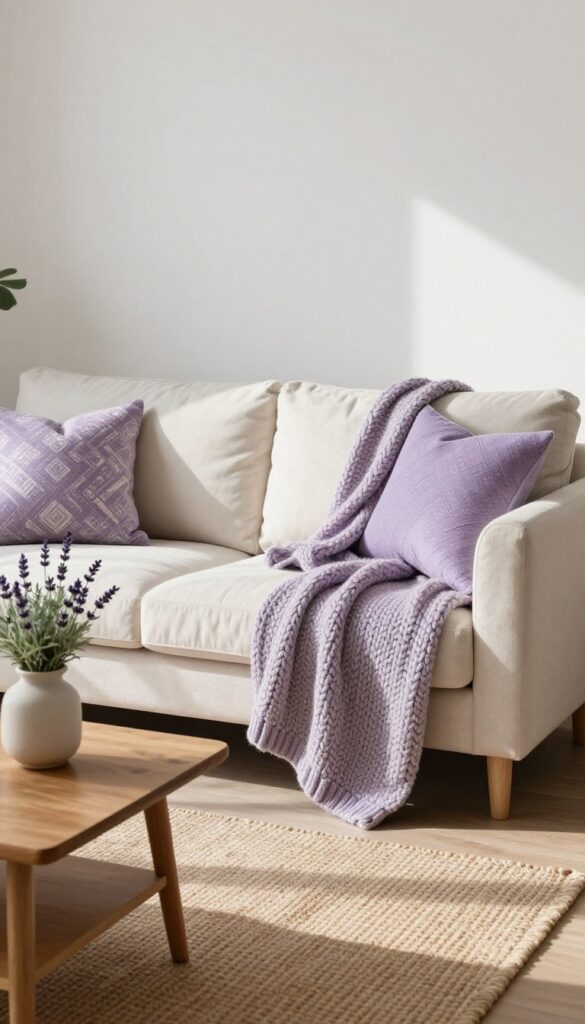
Soft lavender brings a dreamy, calming energy to a boho space without overwhelming it. When paired with warm white walls, this combo feels airy and open—perfect for small rooms where you want color but not clutter. Think of it as a whisper of personality that keeps your living room light and relaxing.
Why It Works
Lavender is a naturally soothing hue that complements boho's laid-back vibe. Against warm white, it pops just enough to add visual interest without shrinking the space. This palette also reflects light beautifully, making a compact room feel larger and more inviting.
Best For
Small living rooms, studio apartments, or any cozy nook where you want a gentle color accent. It's also great for renters who can't paint walls—lavender pillows and rugs are easy to swap out.
Styling Tip
Anchor the look with a warm white sofa or neutral base, then layer in lavender through a chunky knit throw and a couple of patterned pillows. Add a jute rug and a wooden coffee table to keep things grounded and natural.
10. Earthy Brown and Cream
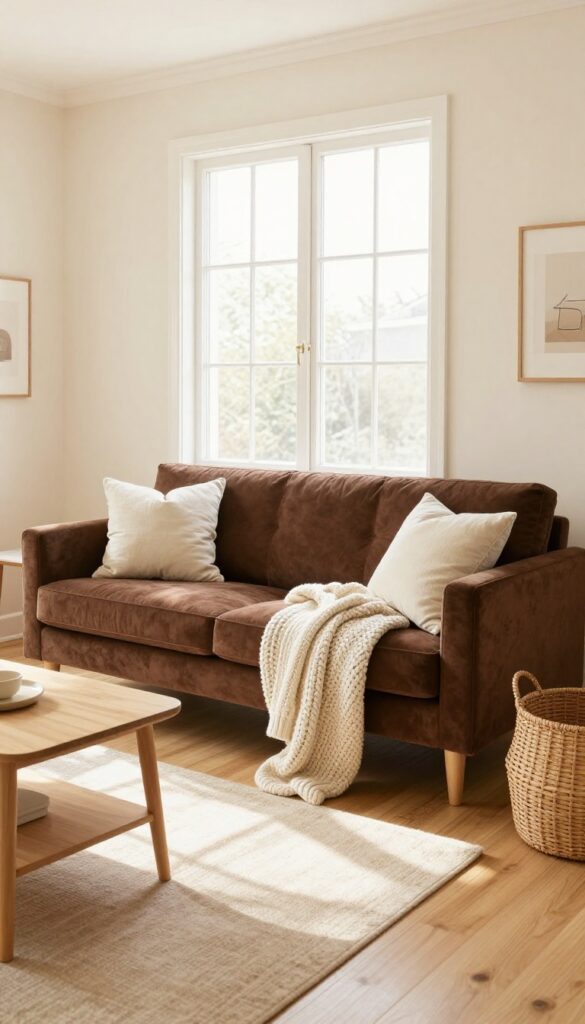
Deep browns like chocolate or chestnut might feel heavy, but in a small space they actually create a cozy anchor. Pair them with cream walls and light wood accents, and you get a grounded look that still feels airy. It’s all about balance—letting the brown do the work without overwhelming the room.
Why It Works
Brown brings warmth and depth, while cream keeps things light. In a compact living room, this combo prevents the space from feeling cold or flat. The contrast also adds visual interest without needing a lot of decor.
Best For
Small living rooms or nooks where you want a snug, earthy vibe. It’s especially good if your room gets plenty of natural light—the cream will bounce it around, and the brown will feel like a warm hug.
Styling Tip
Use brown on a single statement piece, like a velvet sofa or a large rug. Then layer in cream through throw pillows, curtains, or a chunky knit blanket. Add light wood side tables or a rattan basket for texture.
11. Muted Blue and Terracotta
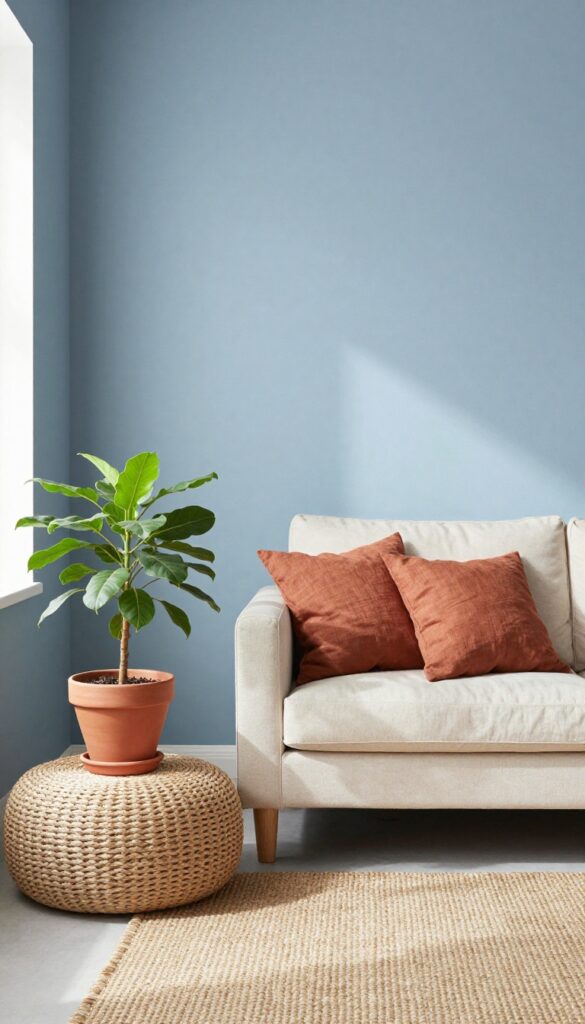
This combo feels like a deep breath. Muted blue—think denim or slate—grounds the room, while terracotta adds a sunbaked warmth that keeps things from feeling cold. In a small space, the blue recedes visually, making walls feel like they're pulling back, and the terracotta brings the cozy.
It's earthy without being heavy, calm without being boring.
Why It Works
Blue and terracotta are complementary colors on the wheel, so they naturally balance each other. The muted tones keep the contrast soft, which is key in a small room where high contrast can feel busy. The blue acts as a neutral backdrop, letting the terracotta pop just enough to add personality without overwhelming the square footage.
Best For
This palette is perfect for small living rooms, especially those with limited natural light. The blue helps the space feel airier, and the terracotta stops it from feeling too cool or sterile. It also works well in open-plan layouts where you want a distinct living zone without adding walls.
Styling Tip
Paint the walls a muted slate blue and bring in terracotta through a few key pieces: a ceramic planter, a woven pouf, or a set of linen throw pillows. Keep the rest of the room neutral—cream or warm white—so the two colors can shine. A jute rug adds texture without competing.
12. Peach and Natural Wood
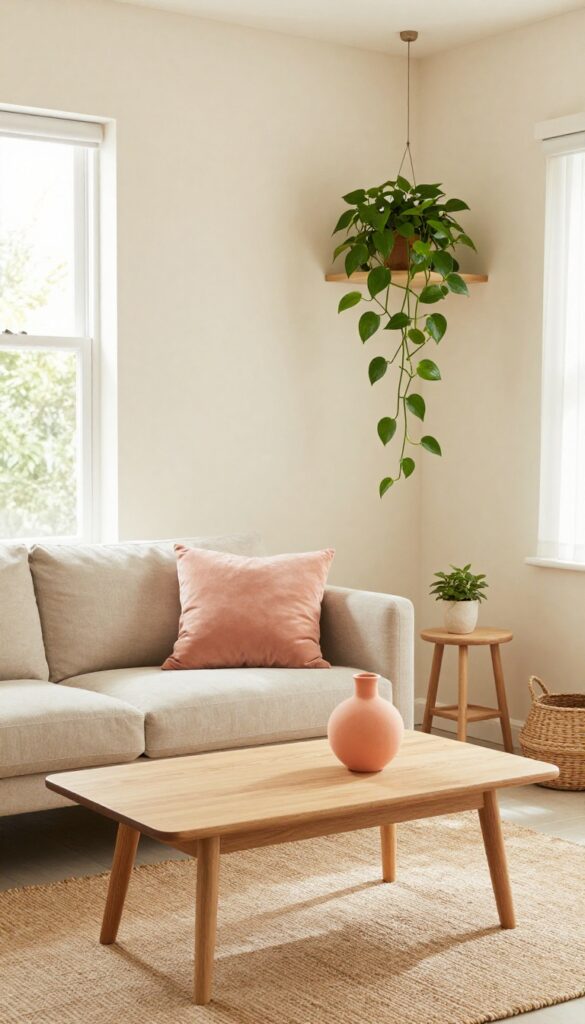
Peach might not be the first color you think of for a boho living room, but it deserves a spot on your shortlist. This soft, sun-warmed hue brings a gentle energy that feels both cheerful and calming—perfect for small spaces where you want to avoid visual clutter. Pair it with natural wood furniture and plenty of greenery, and you've got a look that's fresh, organic, and effortlessly inviting.
Why It Works
Peach reflects light beautifully, making a compact room feel airier and more open. Natural wood adds warmth without competing, while plants introduce life and texture. Together, they create a balanced palette that feels grounded yet uplifting—ideal for a relaxed boho vibe that doesn't overwhelm a small floor plan.
Best For
Small living rooms, especially those with limited natural light. The peach tones brighten the space, and the wood-and-green combo keeps it feeling connected to nature. Also great for rentals where you can't paint walls—peach accents through pillows, throws, or a rug do the trick.
Styling Tip
Start with a neutral base—cream or beige walls, a light wood coffee table, and a jute rug. Then layer in peach through a velvet throw pillow or a ceramic vase. Add a few trailing plants like pothos on a high shelf, and finish with a woven basket for extra texture.
13. Charcoal and White with Pops of Green
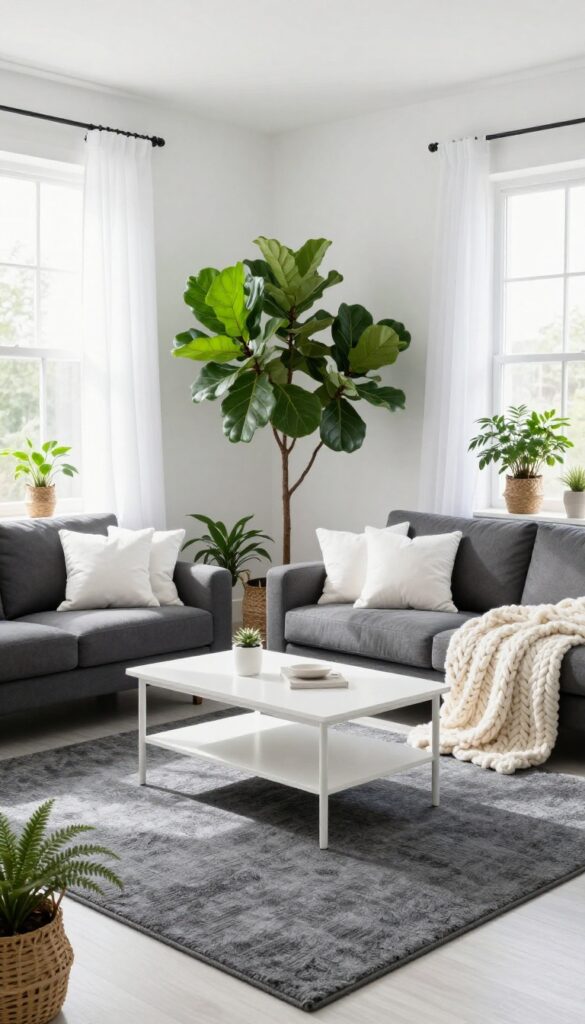
Charcoal gray might sound heavy for a small living room, but when you pair it with crisp white walls and plenty of greenery, it becomes grounding instead of overwhelming. Think of a charcoal sofa or a textured area rug as the anchor, then let white keep things airy and green plants add life. This combination feels dramatic yet fresh, and it’s surprisingly easy to pull off without the room feeling dark or cramped.
Why It Works
Charcoal absorbs light, which can make a space feel cozy rather than closed in when balanced with white. The high contrast creates visual interest without needing lots of patterns or clutter, while green plants soften the edges and bring a natural, organic feel that keeps the look relaxed.
Best For
This idea is ideal for small living rooms or apartments where you want a bold, moody accent without sacrificing the sense of space. It also works well in rooms with good natural light, as the white walls will reflect sunlight and keep the charcoal from feeling too heavy.
Styling Tip
Choose one large charcoal piece—like a sofa or a rug—and keep everything else light. Add white throw pillows, a white coffee table, and a few potted plants in woven baskets. For extra texture, include a chunky knit blanket in cream or a jute rug layered under the charcoal one.
FAQ
What are the best boho colors for a small living room?
Light neutrals like cream, sand, and warm gray work best as a base. Then add muted earthy tones like sage green, terracotta, dusty rose, or muted mustard for warmth without clutter.
How can I make a small living room feel boho without looking cluttered?
Stick to a cohesive color palette with 2-3 main colors. Use texture—like jute rugs, linen curtains, and woven baskets—to add boho feel without visual noise. Keep furniture low-profile and multi-functional.
Can I use dark colors in a small boho living room?
Yes, but use them sparingly. A dark accent wall or a deep-colored rug can add depth. Balance with plenty of light neutrals and natural light to keep the space from feeling cramped.
What boho color combinations make a room look bigger?
Light neutrals with one soft accent color—like cream and sage, or beige and blush—create an airy feel. Avoid high-contrast combinations that break up the space visually.
How do I choose boho colors that match my existing furniture?
Start with your largest furniture piece (like a sofa) and pick a color from it. Then choose 1-2 complementary boho colors for walls and accents. Use a color wheel to find harmonious tones.
Conclusion
Bringing boho style into a small living room is all about choosing colors that feel open and inviting. Whether you lean toward warm neutrals or muted earth tones, these 13 ideas prove you don't need a lot of square footage to create a relaxed, natural look.
Start with one palette that speaks to you and layer in textures and accessories over time. The best boho spaces evolve naturally—so have fun with the process and let your personality shine through.